Also known as Date Palm · 2 saves
Phoenix
Phoenix, the genus most gardeners know as date palm. We track 4 varieties; the ones most used by real gardeners.
The 4 most-saved Phoenix varieties
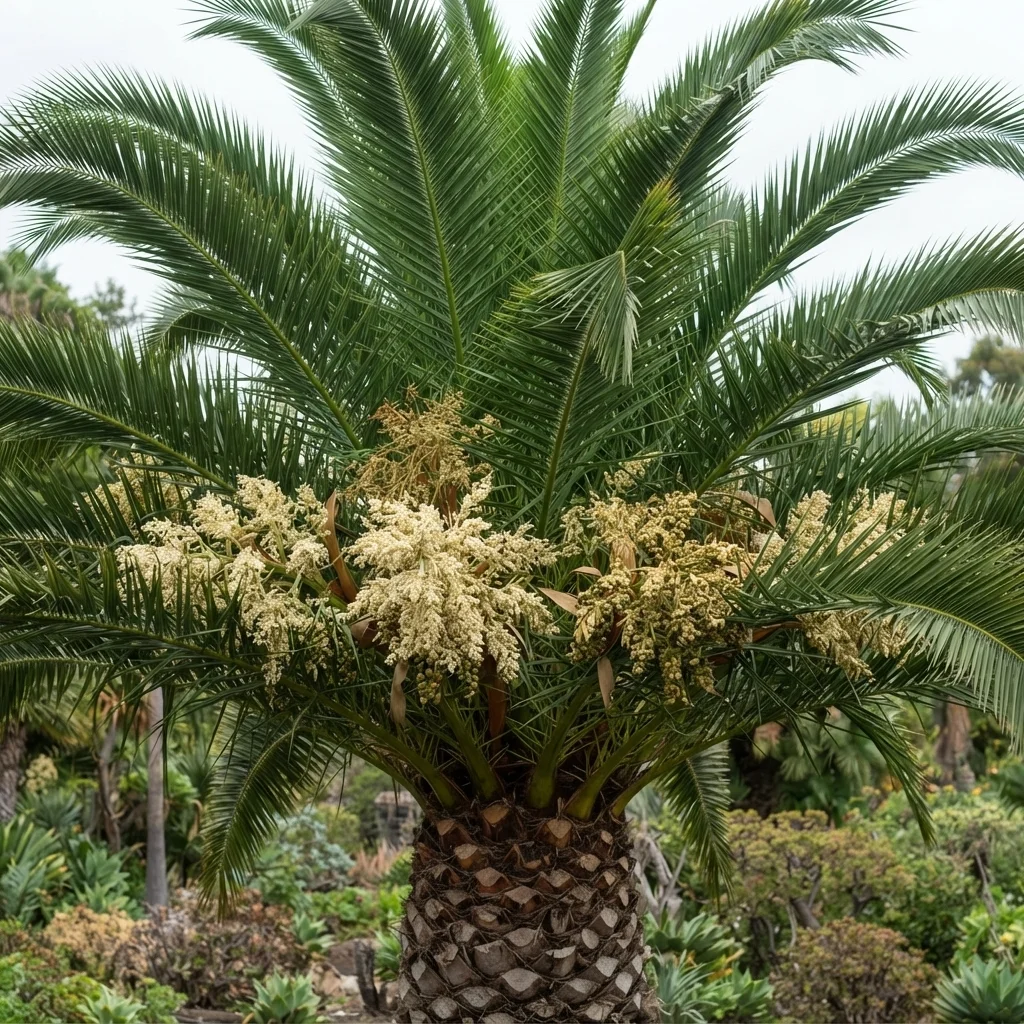
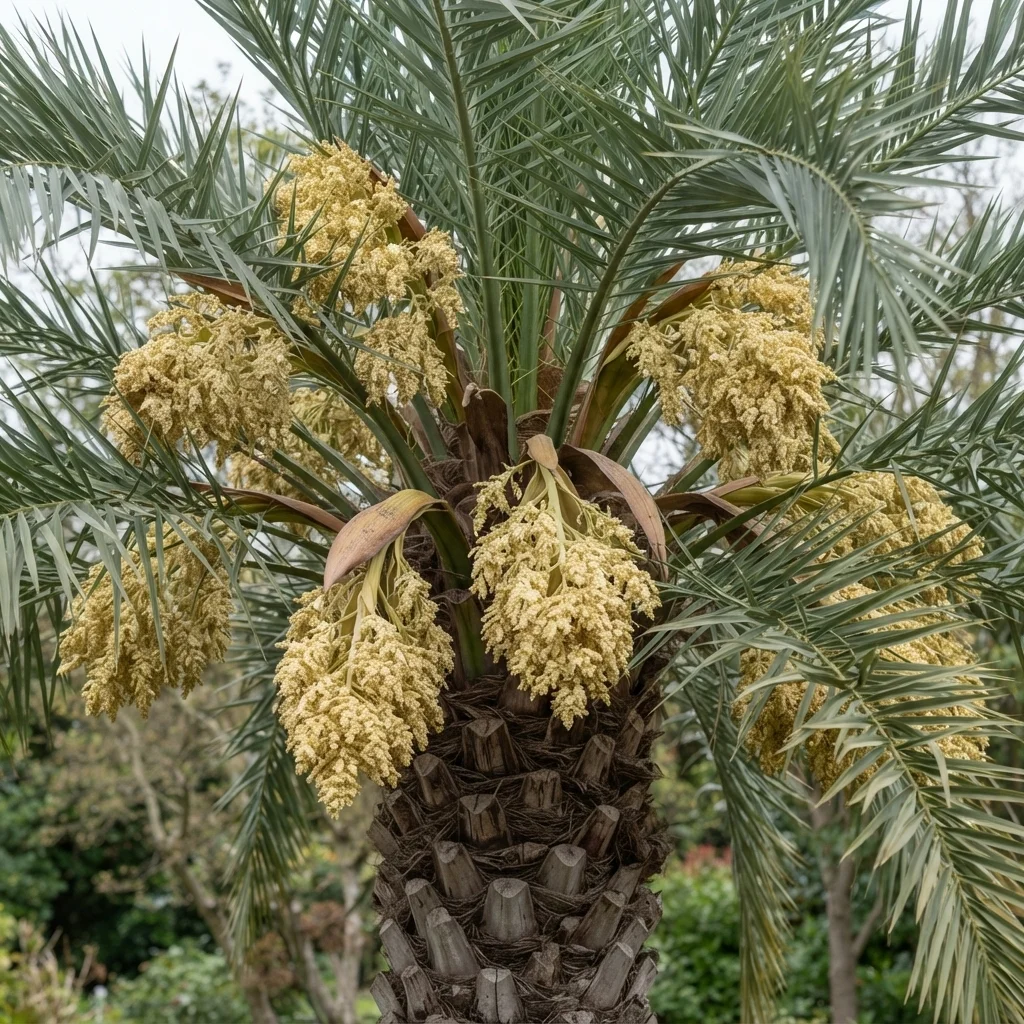
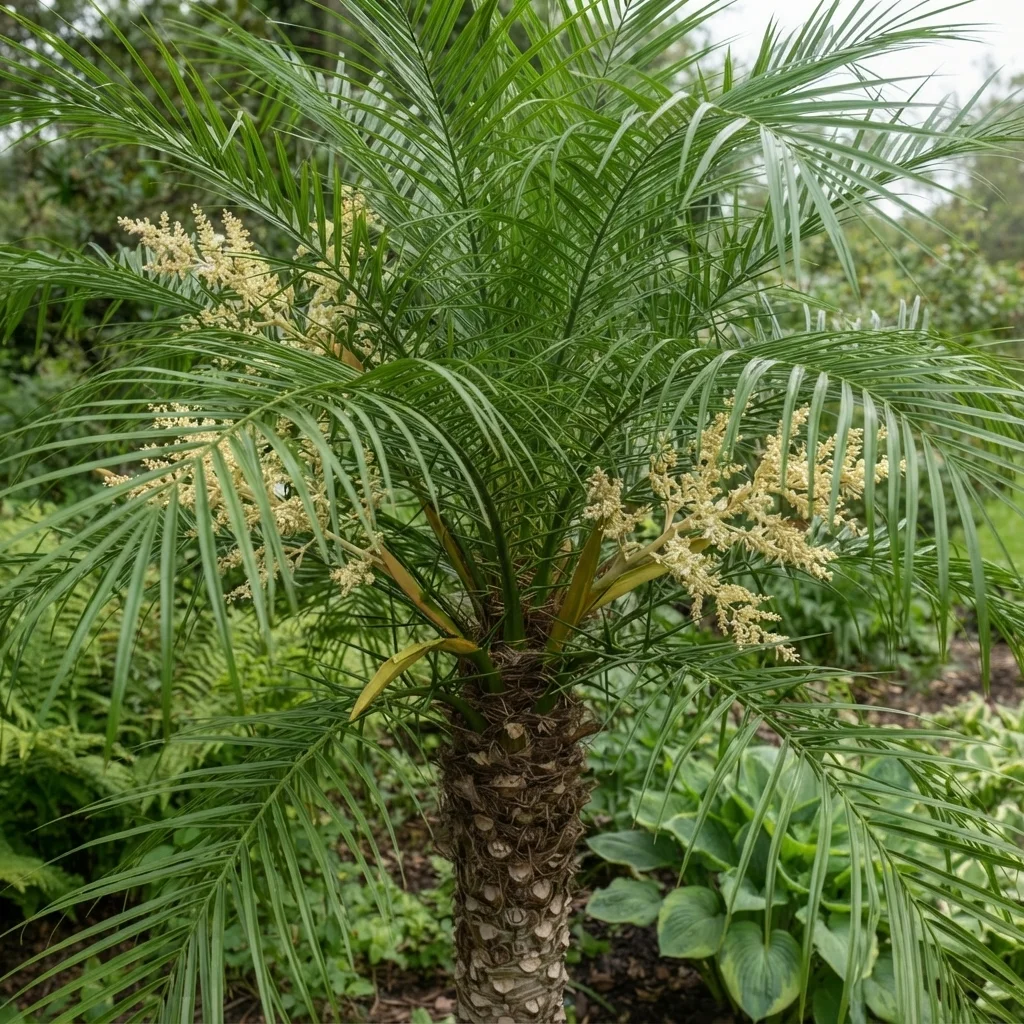
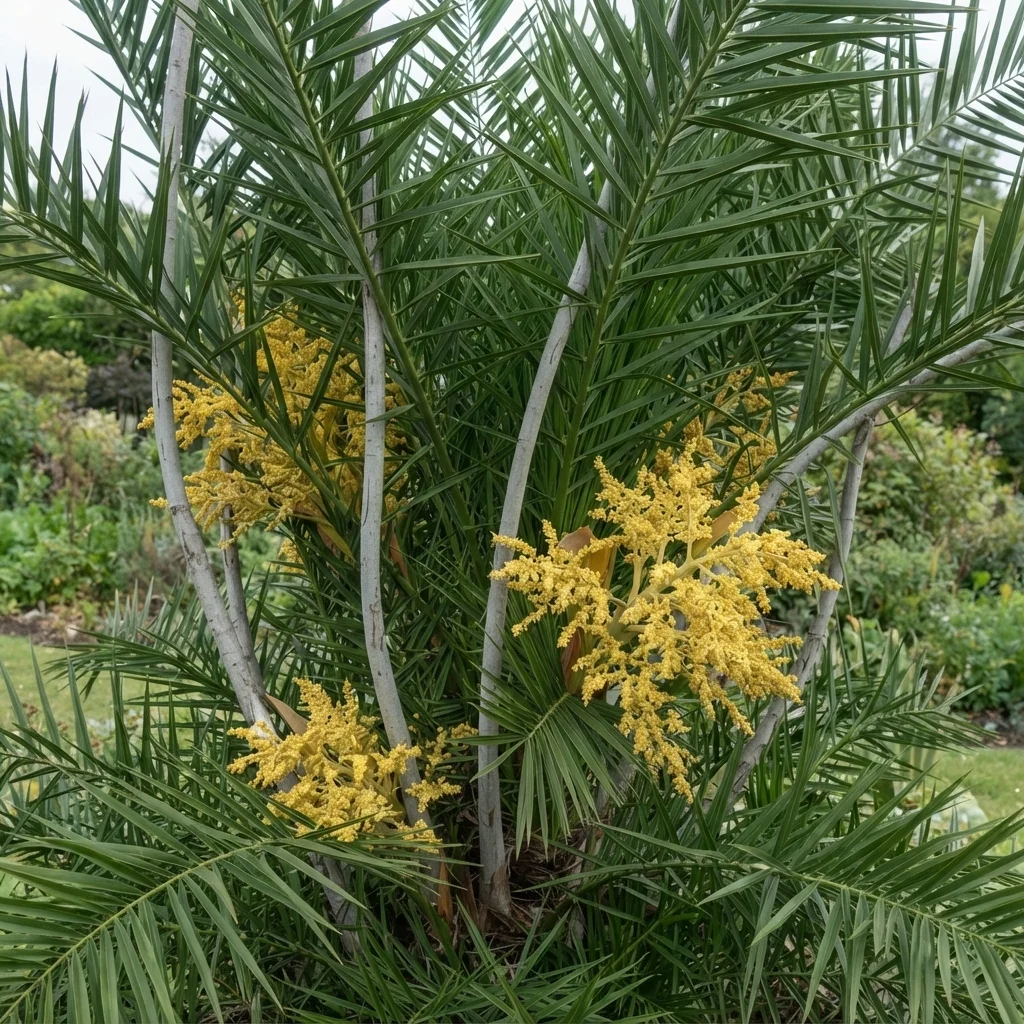
4 species of Phoenix
Each one is a parent of the varieties above.
Track your Phoenix in Sow
Save the Phoenix you grow and get care reminders timed to your zone.
How to grow Phoenix
Whats common across all Phoenix varieties in our catalog — drawn from the care records of the 4 most-grown of them.
The Phoenix year
- PruneMarch and April100% of varieties
Remove only completely dead, brown fronds annually or as needed, never cutting into green fronds.
- FertilizeApril, June and August100% of varieties
Apply a specialized palm fertilizer with micronutrients 2 to 3 times a year.
- Check for PestsJune–August100% of varieties
Regularly inspect for South American palm weevil, giant palm borer, and spider mites, especially during warmer months.
- Winter PrepNovember and December50% of varieties
Reduce watering frequency significantly and protect outdoor container plants if freezing temperatures threaten.


Do
- Plant in full sun.
- Ensure high soil drainage.
- Fertilize with a specialized palm fertilizer.
- Prune only dead fronds.
- Wear thick protective gloves when working near the inner fronds to avoid painful puncture wounds from the sharp basal spines.
Avoid
- Do not tolerate standing water.
- Do not 'hurricane prune' or cut green fronds.
- Do not over-fertilize, as this can contribute to diseases like pink rot.
- Do not cut off green or partially yellowed fronds, as this deprives the plant of essential nutrients.
What goes wrong with Phoenix
| Problem | What you'll see | What to do |
|---|---|---|
| South American palm weevil (Rhynchophorus palmarum) | Causes damage to the crown and trunk, potentially leading to palm death. | Monitor for signs of infestation and consult local extension services for treatment options. |
| Giant palm borer | Larvae bore into the trunk, weakening the palm's structural integrity. | Maintain palm health to increase resistance and remove severely infested palms to prevent spread. |
| Spider mites | Cause stippling on fronds and fine webbing in severe cases. | Hose off with water or use insecticidal soap for control. |
| Spider mites and Aphids | Stippling, webbing, or distorted new growth on the leaflets. | Apply insecticidal soap or horticultural oil, or release beneficial predatory mites. |
| Fusarium oxysporum (Fusarium wilt) | Causes one-sided leaf yellowing and death, progressing from older fronds. | Sanitize pruning tools between palms to prevent spread; remove infected fronds promptly. |
| Pink rot (Gliocladium vermoesenii) | Appears as a pinkish spore mass and causes soft decay, often on stressed palms. | Avoid over-fertilization and ensure the palm is stress-free; improve air circulation around the crown. |
| Fusarium wilt and Ganoderma butt rot | Internal vascular discoloration, rapid frond collapse, or fungal conks at the trunk base. | Remove and destroy infected plants as there is no cure for Ganoderma; sterilize all pruning tools to prevent spreading Fusarium. |
Making more Phoenix
Seed
- Collect fresh seeds from mature drupes.
- Sow seeds in a well-draining seed-starting medium.
- Maintain warm, humid conditions to encourage germination.
- Grow multiple seedlings in a single pot if a multi-stemmed habit is desired.
Sucker Division
- Identify a well-developed basal offshoot (sucker) that has begun to form its own roots.
- Carefully excavate the soil around the base of the sucker to expose the connection to the parent trunk.
- Use a sharp, heavy chisel or saw to sever the connection without damaging the parent palm's trunk.
- Pot the severed sucker into a well-draining sandy mix and keep it warm and consistently moist until new growth appears.
Phoenix questions
How many types of Phoenix are there?
The Sow catalog tracks 4 distinct Phoenix varieties. The most popular — ranked by 2 real gardeners — are shown first above.
What zones does Phoenix grow in?
Across its varieties, Phoenix covers USDA Zones 8–10. Individual varieties differ — each plant page lists its exact range, and Sow filters the catalog to your zone automatically.
When does Phoenix bloom?
Most Phoenix varieties bloom in spring, summer. Staggering early, mid, and late varieties extends the genus's season in one bed.
Which Phoenix should I choose?
Start from the most-saved varieties above — popularity across thousands of gardens is a strong signal of reliability — then filter by your zone and sun. In the Sow app you can preview any of them in a photo of your actual yard before you buy.