


The Story
Plant Bio
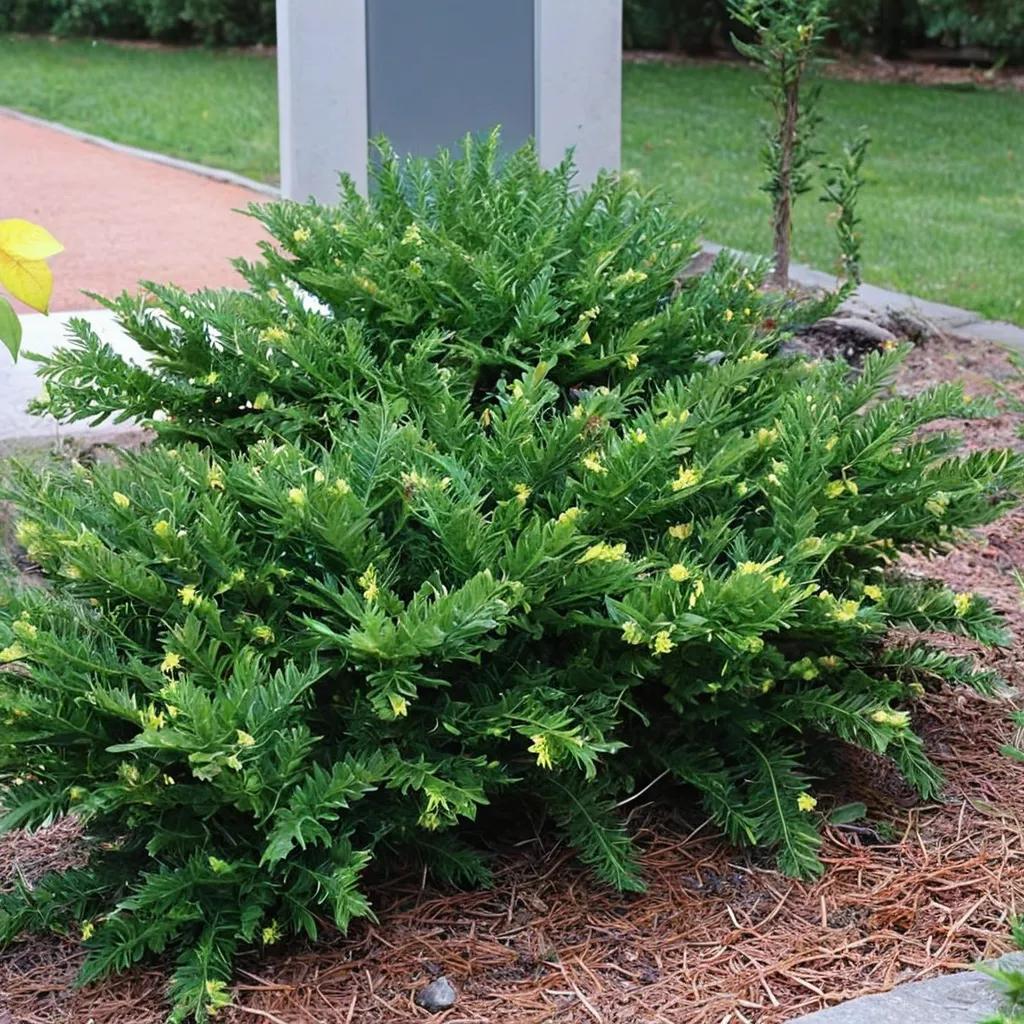
Cephalotaxus harringtonia is a slow-growing, dioecious evergreen conifer native to East Asia, featuring soft, flattened needle-like foliage arranged in a distinct V-shaped pattern along arching stems. It thrives in warm, humid summer climates where true yews struggle, forming dense cover in conditions ranging from full sun to deep shade.
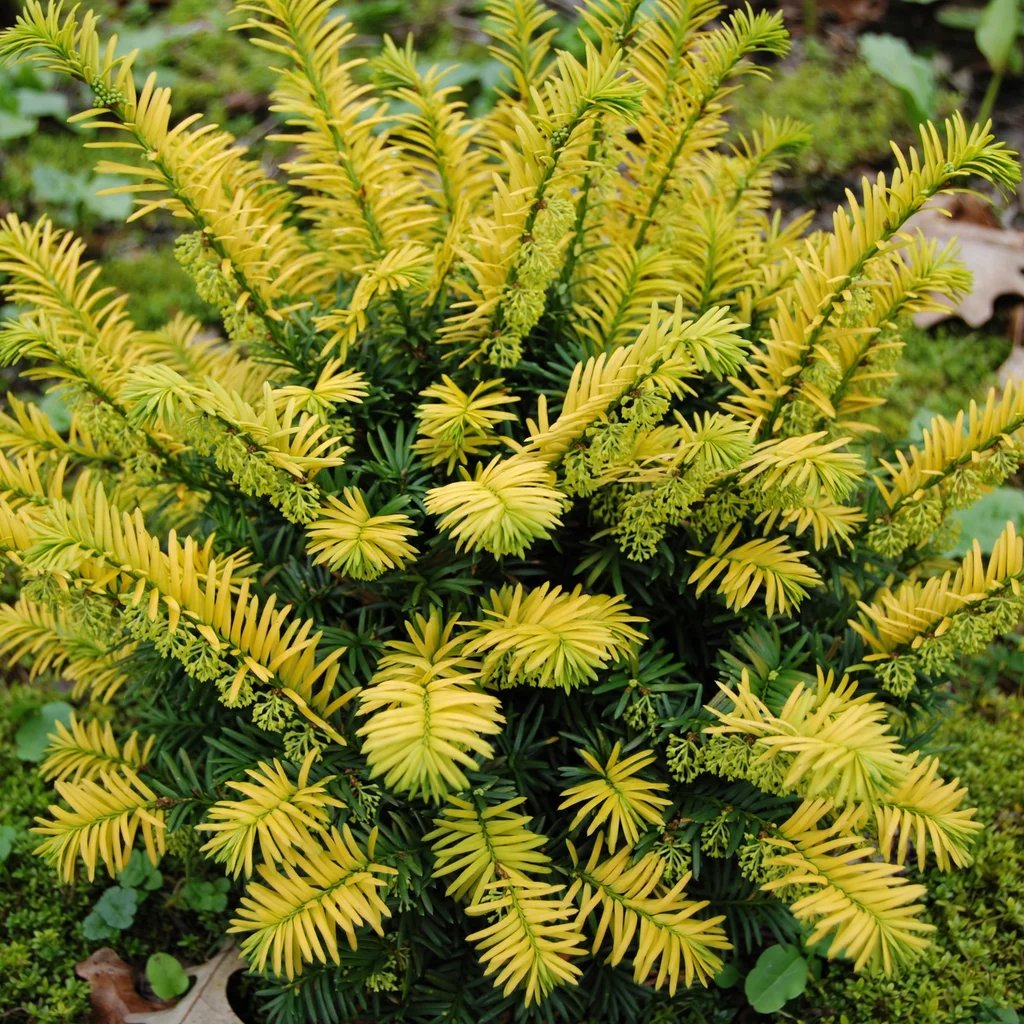
'Golden Dragon' is a low-growing, wide-spreading cultivar distinguished by brilliant golden-yellow new shoots that mature to deep green or retain golden highlights. To maintain its brightest yellow coloration, it requires several hours of direct sun each day, as deep shade causes the foliage to revert to green.
Uses & Benefits:
Essentials
At a Glance
Plant Type
Shrub
Height
36"
Width
60"
Light
Full Sun, Partial Sun, Shade
Zones
6, 7, 8, 9
Water
Moderate
Humidity
High
Lifespan
Perennial
Native To
Asia (Japan, Korea, China)
Toxicity
Toxic if ingested
Bloom period
Spring
In flower about 3 months of the year
Planting
How to Grow
- Select a planting site with well-drained soil that receives full sun to partial shade for maximum foliage color.
- Dig a broad hole twice as wide as the root ball and set the crown level with or slightly above the surrounding soil grade.
- Backfill with native soil, firm gently around the base, and water deeply to eliminate air pockets.
- Apply a two-inch layer of organic mulch around the base, keeping it clear of the main stems.
Pro Tip
Plant in exceptionally well-drained soil and avoid cutting back into old, leafless wood, which cannot regenerate new buds.
Keep It Thriving
Care Guide
Do
- Provide well-drained soil to prevent fungal root rot.
- Ensure several hours of direct sun daily to maintain vibrant golden foliage.
- Apply a balanced slow-release fertilizer in early spring if soil fertility is poor.
Don't
- Do not cut back into old leafless interior wood, as it fails to break new buds.
- Do not plant in poorly drained or waterlogged soils.
- Do not over-prune; allow the naturally arching, mounding form to develop.
Seasonal Care Calendar
| Task | Jan | Feb | Mar | Apr | May | Jun | Jul | Aug | Sep | Oct | Nov | Dec |
|---|---|---|---|---|---|---|---|---|---|---|---|---|
| Fertilize | ||||||||||||
| Mulch | ||||||||||||
| Pest Check | ||||||||||||
| Prune |
Watch Out For
Pests & Diseases
Common Pests
Common Diseases
In the Garden
Landscape Uses & Companions
Landscape Uses
Companion Plants
Multiply
Propagation Methods
Good to Know
Common Questions
Golden Dragon Japanese Plum Yew questions
What zones can Golden Dragon Japanese Plum Yew grow in?
Golden Dragon Japanese Plum Yew is hardy in USDA Zones 6–9. Inside that range it survives winter in the ground; outside it, grow it as an annual or a container plant you protect.
Is Golden Dragon Japanese Plum Yew deer resistant?
Yes — Golden Dragon Japanese Plum Yew is rated deer-resistant. Deer typically pass it over, though extreme hunger can override any plant's defenses.
When does Golden Dragon Japanese Plum Yew bloom?
Golden Dragon Japanese Plum Yew typically blooms in spring through spring. Exact timing shifts a week or two with your zone — Sow's bloom calendar maps it to your garden.
Does Golden Dragon Japanese Plum Yew need full sun?
Golden Dragon Japanese Plum Yew does best in full sun to part shade. In hot climates, afternoon shade keeps blooms fresher longer.
Is Golden Dragon Japanese Plum Yew drought tolerant?
Yes — once established (usually after the first full season), Golden Dragon Japanese Plum Yew handles dry spells with minimal watering. Water deeply its first year to build the root system that makes that possible.
More Cephalotaxus to compare
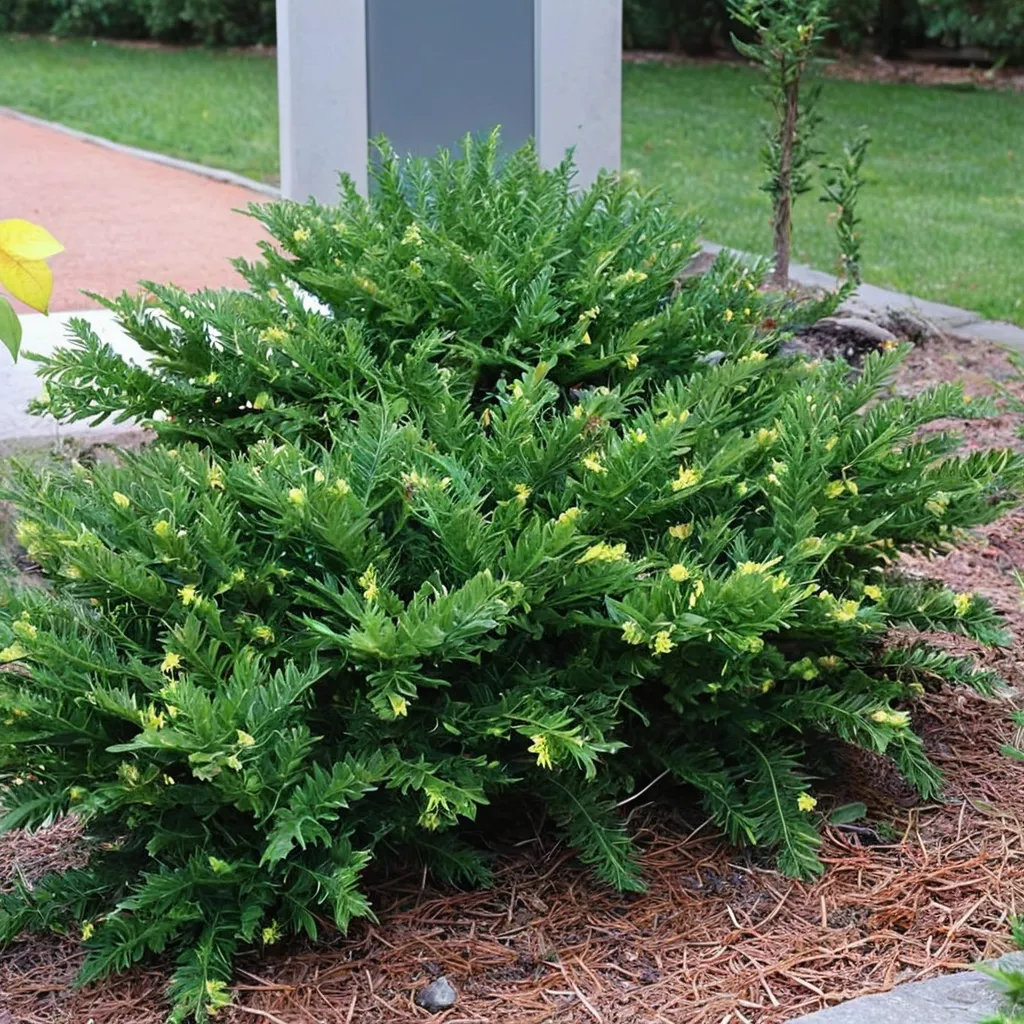
Duke Gardens Plum Yew
Cephalotaxus harringtonia 'Duke Gardens'
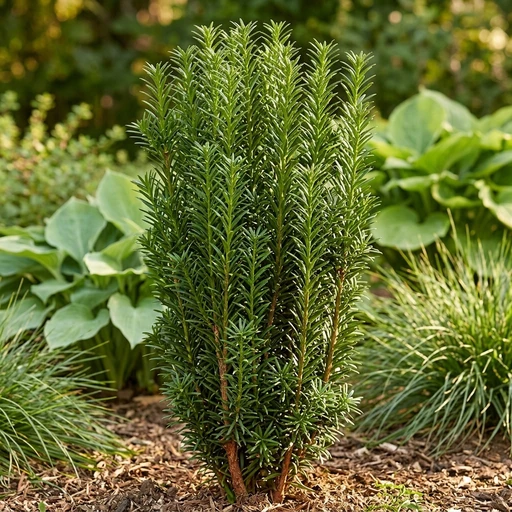
Upright Japanese Plum Yew
Cephalotaxus harringtonia 'Fastigiata'
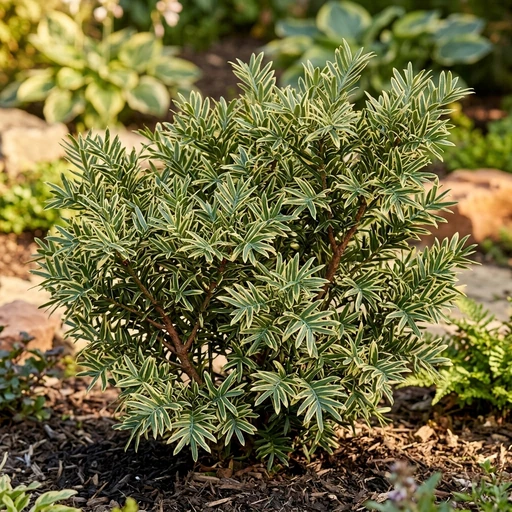
Yewtopia Plum Yew
Cephalotaxus harringtonia 'Plania'
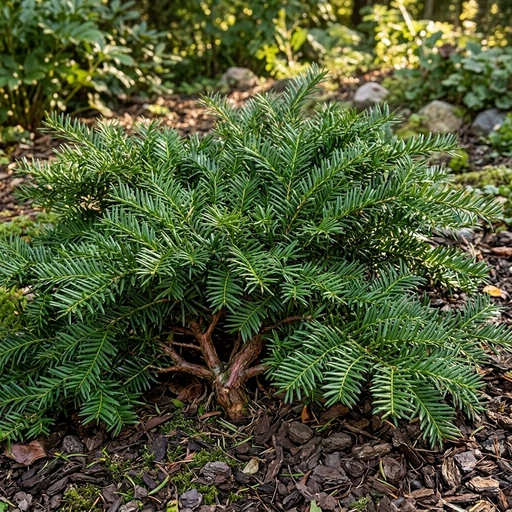
Spreading Japanese Plum Yew
Cephalotaxus harringtonia 'Prostrata'
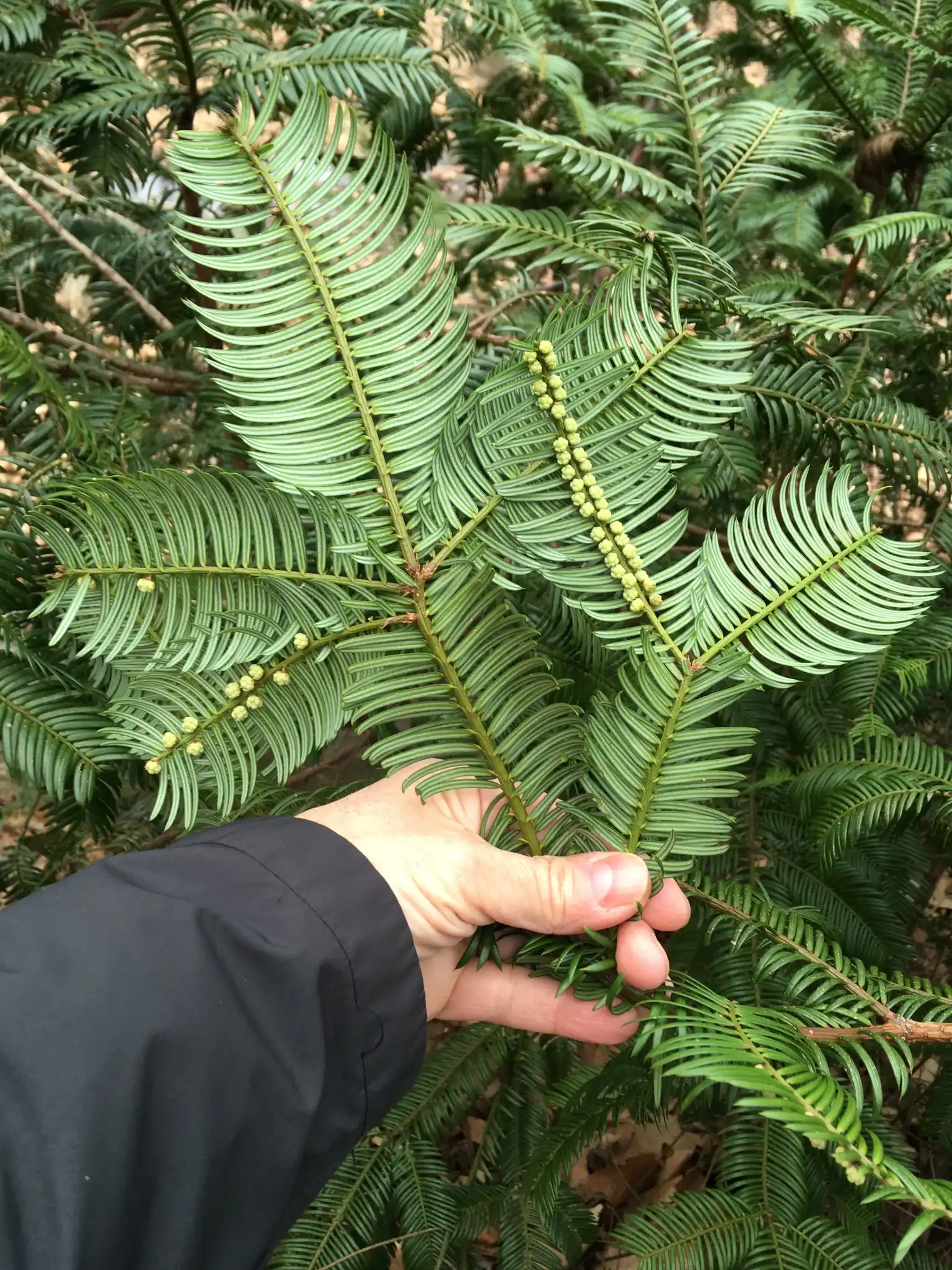
Japanese Plum Yew
Cephalotaxus harringtonia
Keep exploring
Explore the genus
Hardy in your zone?
Grow Golden Dragon Japanese Plum Yew with confidence
See it in a design of your actual yard, get zone-matched care reminders, and track it season by season in your garden journal.