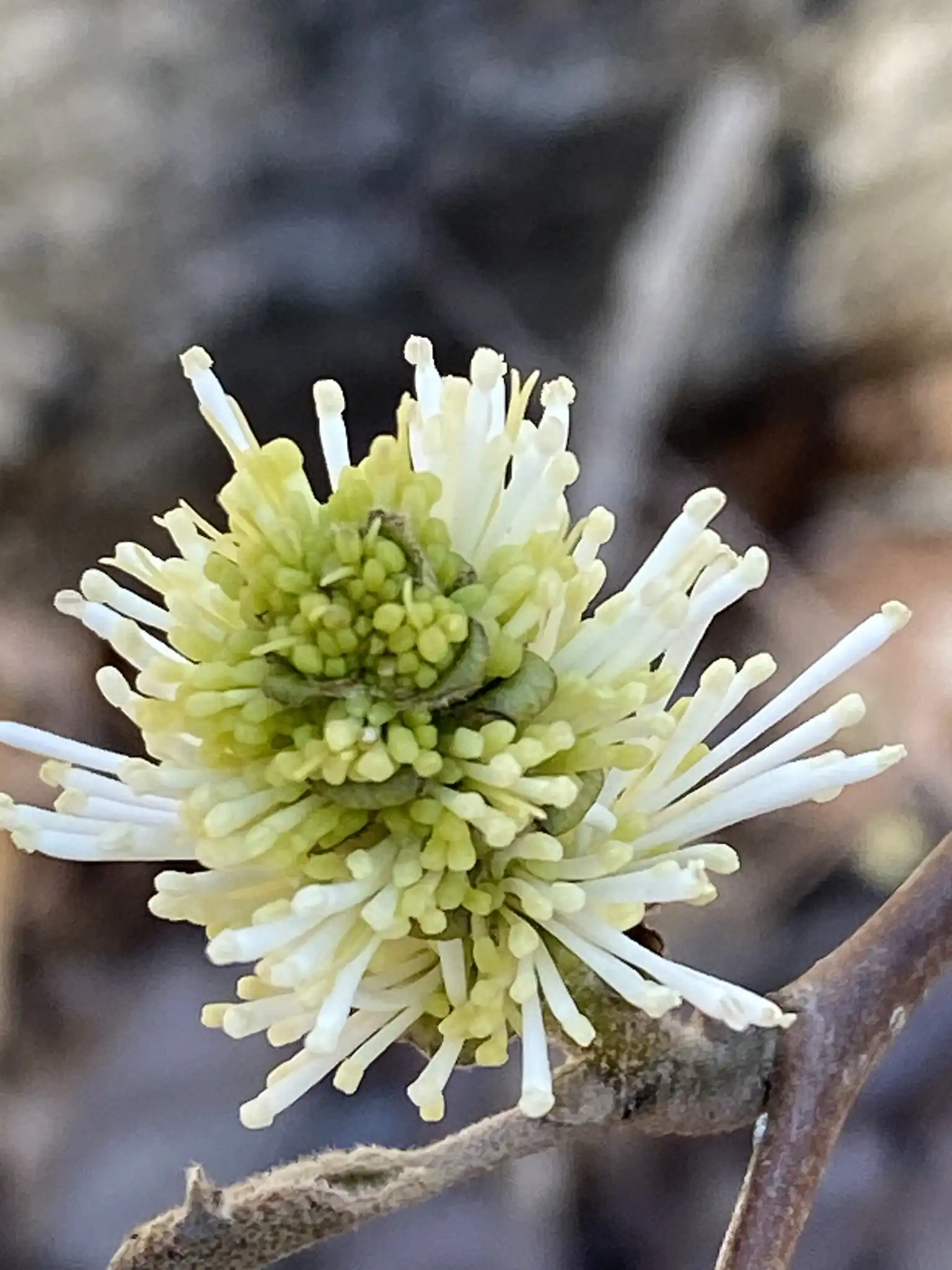
1 named cultivar
The Story
Plant Bio
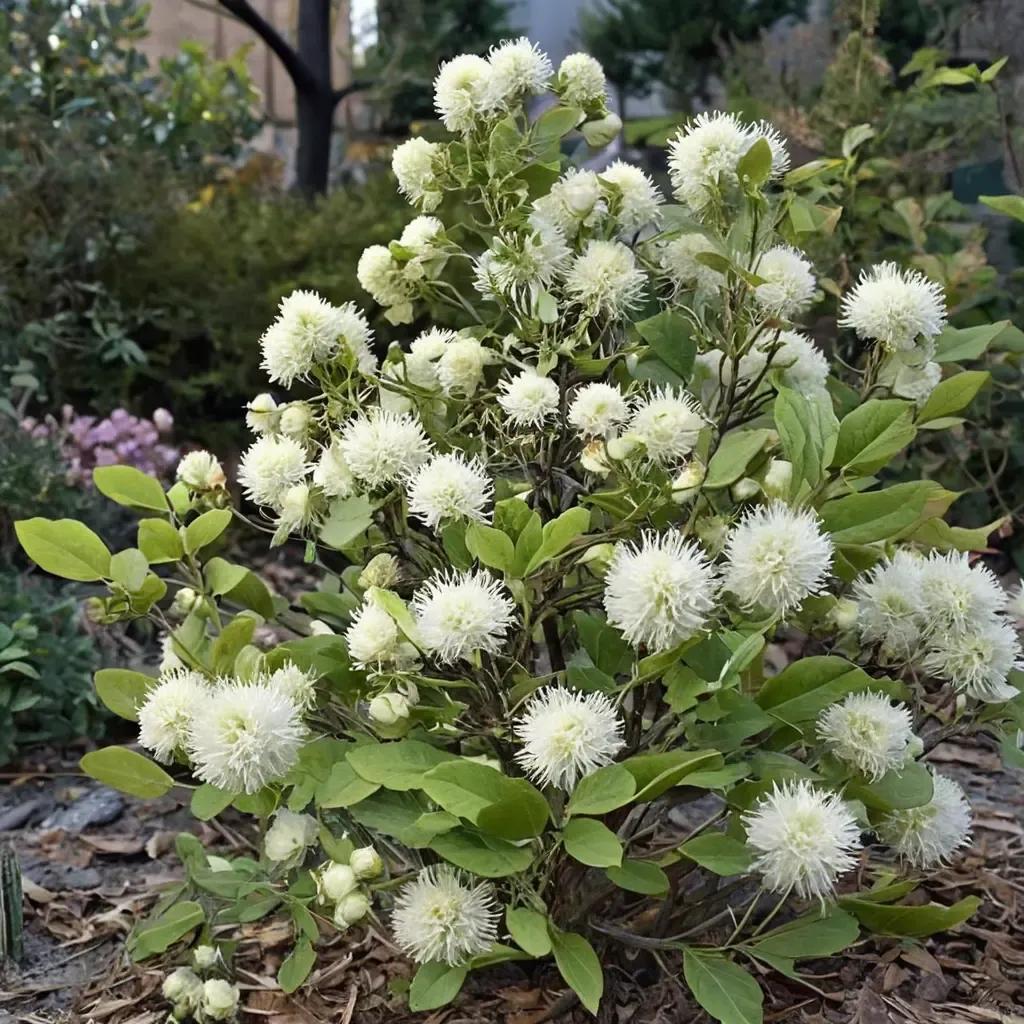
Fothergilla major, the mountain witch alder, is a deciduous shrub native to mountain woods and ravines of the southeastern United States, growing six to ten feet high and five to nine across. It is a witch hazel relative, and its white bottlebrush flower spikes open in April and May before the leaves, carrying a honeyed scent. Autumn colour is intense.
The autumn display is its strongest asset, with yellow, orange and scarlet often appearing on the same leaf, and it is reliable rather than occasional. It needs acidic, organically rich soil to perform, which is why it pairs so naturally with rhododendrons: they want exactly the same ground and fail in the same conditions.
Uses & Benefits:
Essentials
At a Glance
Plant Type
Shrub
Height
96"
Width
66"
Light
Full Sun, Partial Sun
Zones
4, 5, 6, 7, 8
Water
Medium
Humidity
Average
Lifespan
Perennial
Native To
Southeastern United States
Toxicity
Non-toxic
Planting
How to Grow
- Plant in autumn or spring in full sun to part shade.
- Choose moist, acidic, organically rich, well-drained soil.
- Improve the ground with leaf mould before planting.
- Water through the first two seasons while establishing.
- Mulch annually to keep the root run cool and acidic.
- Prune lightly after flowering only if shaping is needed.
Pro Tip
Autumn colour is markedly stronger in sun than in shade, so trade some shade tolerance for the display if you can give it moisture.
Keep It Thriving
Care Guide
Do
- Give it acidic, humus-rich soil 🍂
- Plant it in sun for the strongest autumn colour ☀️
- Mulch annually around the root zone 🌱
- Pair it with rhododendrons and azaleas 🌸
Don't
- Plant it in alkaline soil ❌
- Let it dry out in its first seasons ❌
- Prune it in late summer and lose next spring's flowers ❌
Seasonal Care Calendar
| Task | Jan | Feb | Mar | Apr | May | Jun | Jul | Aug | Sep | Oct | Nov | Dec |
|---|---|---|---|---|---|---|---|---|---|---|---|---|
| Mulch | ||||||||||||
| Prune |
Watch Out For
Pests & Diseases
Common Pests
Common Diseases
In the Garden
Landscape Uses & Companions
Landscape Uses
Companion Plants
Multiply
Propagation Methods
Good to Know
Common Questions
Mt. Airy Fothergilla questions
What zones can Mt. Airy Fothergilla grow in?
Mt. Airy Fothergilla is hardy in USDA Zones 4–8. Inside that range it survives winter in the ground; outside it, grow it as an annual or a container plant you protect.
Is Mt. Airy Fothergilla deer resistant?
Yes — Mt. Airy Fothergilla is rated deer-resistant. Deer typically pass it over, though extreme hunger can override any plant's defenses.
When does Mt. Airy Fothergilla bloom?
Mt. Airy Fothergilla typically blooms in mid to late spring, before the leaves through mid-spring. Exact timing shifts a week or two with your zone — Sow's bloom calendar maps it to your garden.
Does Mt. Airy Fothergilla need full sun?
Mt. Airy Fothergilla does best in full sun to part shade. In hot climates, afternoon shade keeps blooms fresher longer.
Is Mt. Airy Fothergilla drought tolerant?
Yes — once established (usually after the first full season), Mt. Airy Fothergilla handles dry spells with minimal watering. Water deeply its first year to build the root system that makes that possible.
More Fothergilla to compare
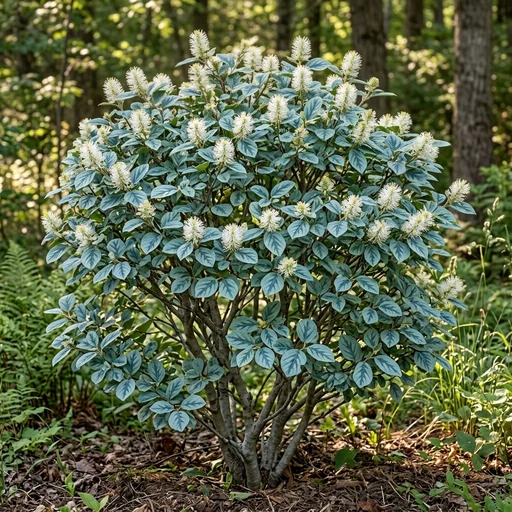
Blue Mist Dwarf Fothergilla
Fothergilla gardenii 'Blue Mist'
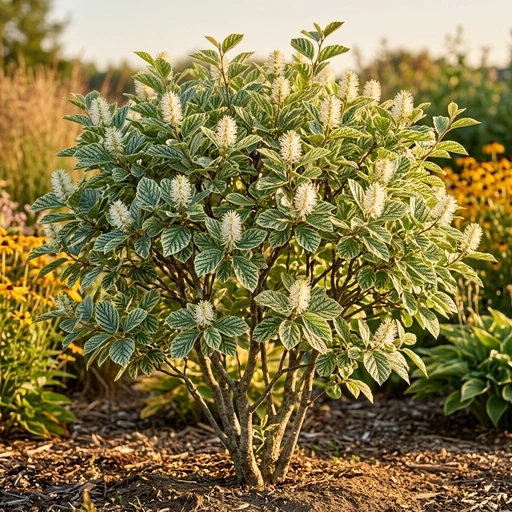
Dwarf Fothergilla
Fothergilla gardenii
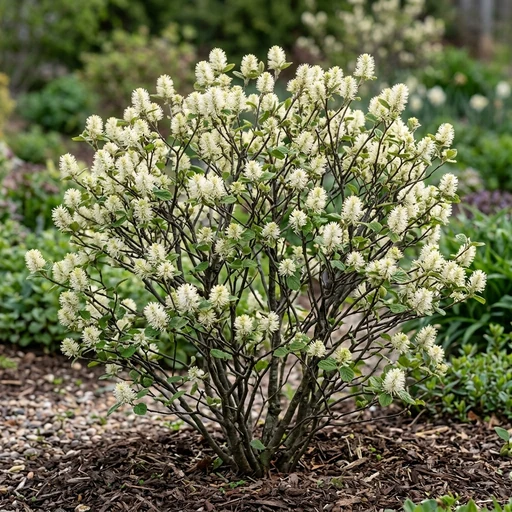
Bottlebrush Fothergilla
Fothergilla intermedia 'Legend Of The Small'
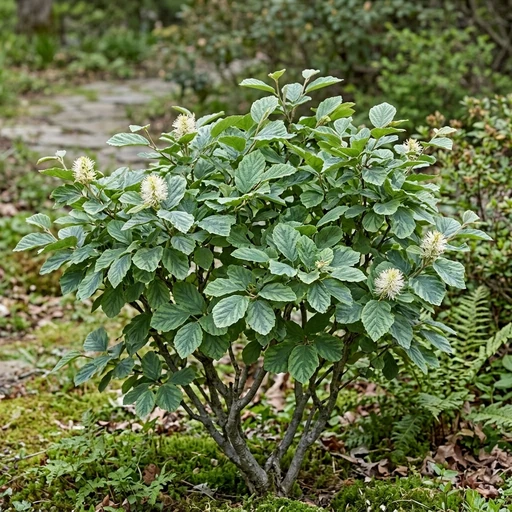
Blue Shadow Fothergilla
Fothergilla gardenii 'Blue Shadow'
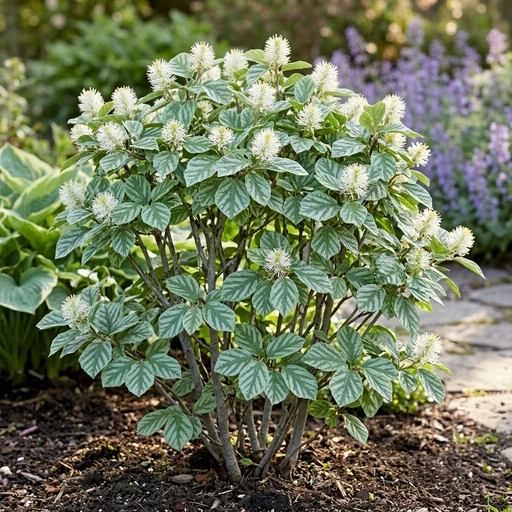
Mount Airy Fothergilla
Fothergilla gardenii 'Mount Airy'
Keep exploring
Explore the genus
Hardy in your zone?
Grow Mt. Airy Fothergilla with confidence
See it in a design of your actual yard, get zone-matched care reminders, and track it season by season in your garden journal.