1 named cultivar
The Story
Plant Bio
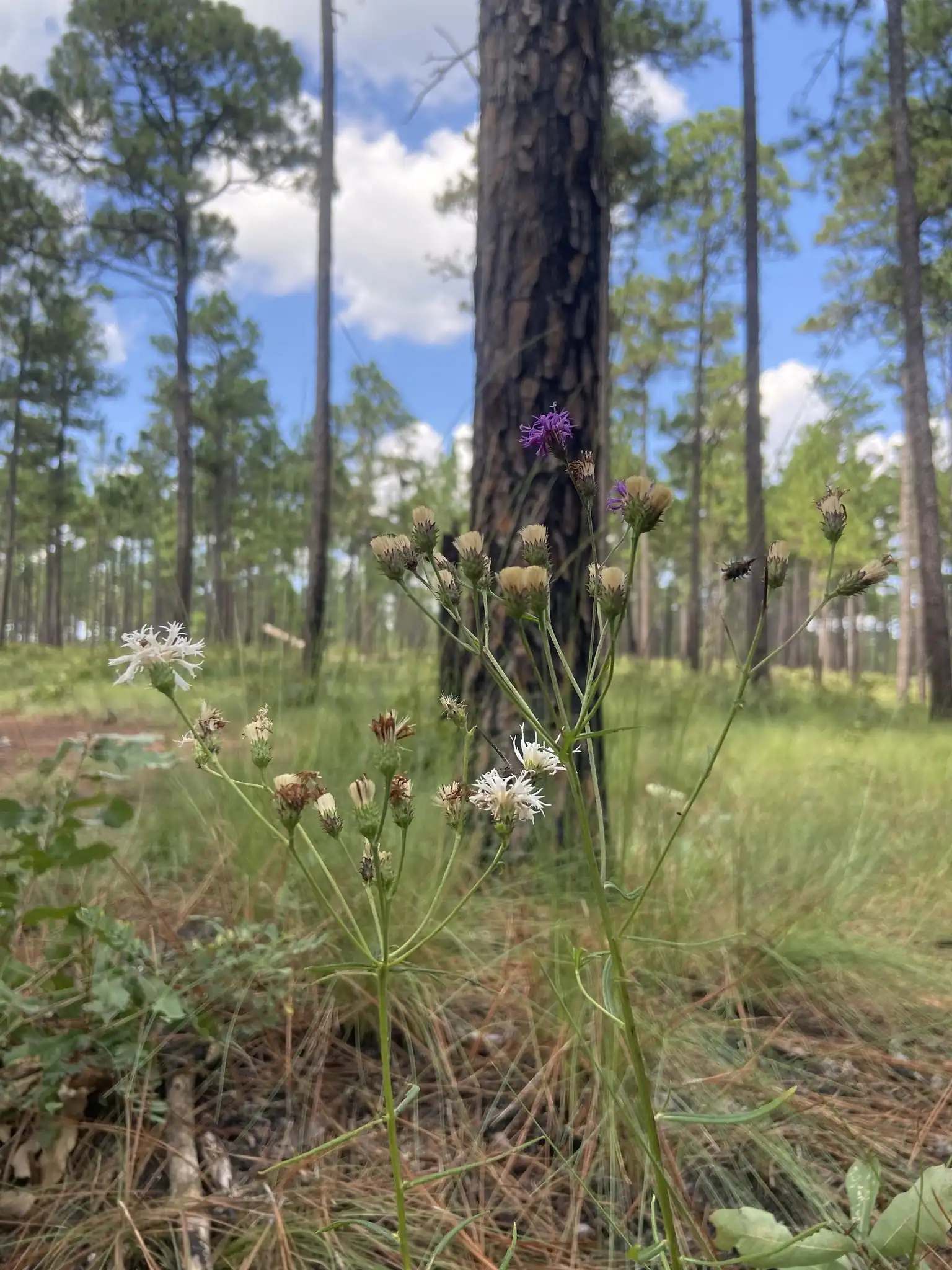
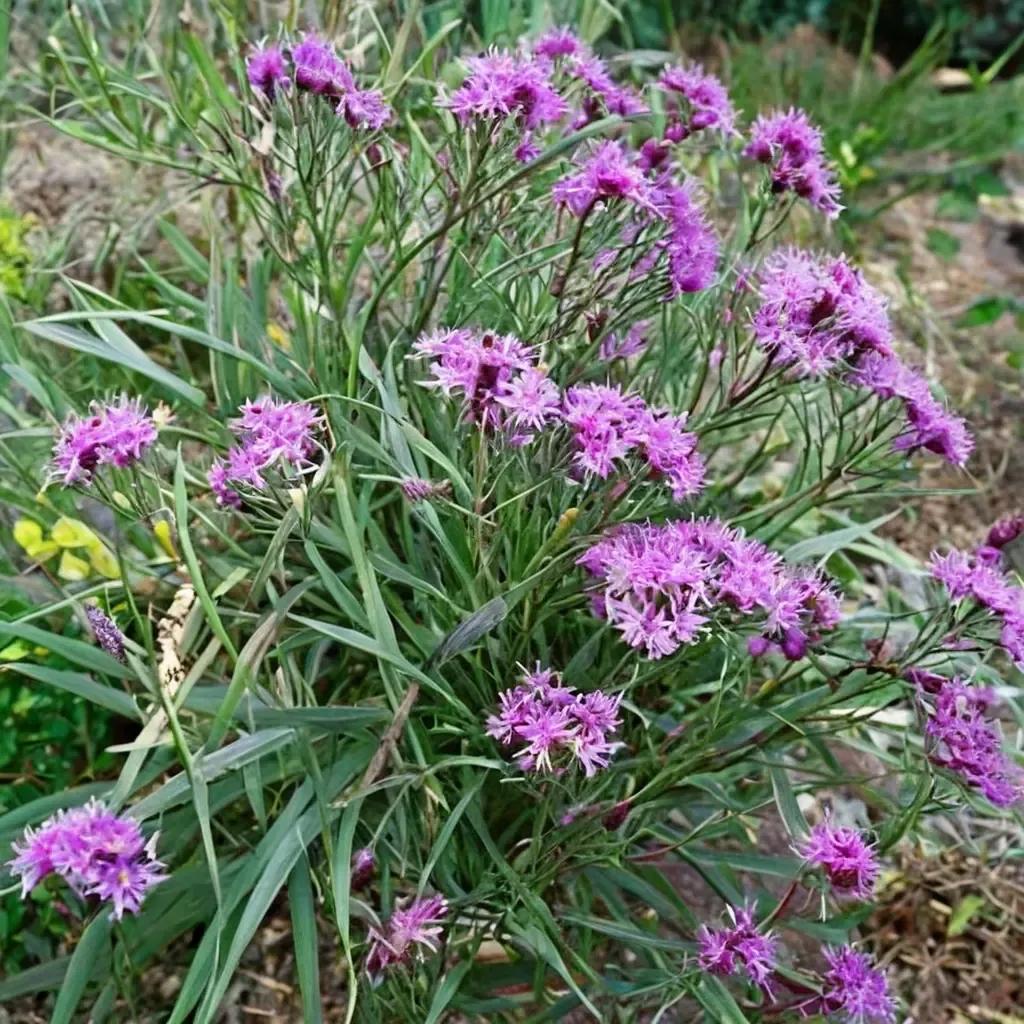
Vernonia angustifolia, narrowleaf ironweed, is an upright perennial native to the sandy pinelands of the southeastern United States, reaching about three feet. Very narrow linear leaves give it a fine, almost needle-like texture, and flat clusters of small intensely purple flowerheads open at the stem tips in late summer.
The purple is the point — a saturated colour few native perennials match, arriving in late summer when the border is tiring. It is far finer in texture and better behaved than the tall ironweeds, and it wants poor, sandy, sharply drained ground; rich soil makes it flop. Its thickened underground stem lets it regrow after fire.
Uses & Benefits:
Essentials
At a Glance
Plant Type
Perennial
Height
36"
Width
24"
Light
Full Sun, Partial Sun
Zones
4, 5, 6, 7, 8, 9
Water
Low
Humidity
Low
Lifespan
Perennial
Native To
Southeastern United States
Toxicity
Non-toxic
Planting
How to Grow
- Plant in full sun in sandy, sharply drained soil.
- Avoid rich or heavy ground, which causes flopping.
- Water while establishing, then leave it alone.
- Do not feed; poor soil suits it better.
- Cut stems back in late winter, not autumn.
- Leave seedheads standing for birds.
Pro Tip
Lean sandy soil keeps it upright; feed it or plant it in clay and a three-foot stem becomes a two-foot sprawl.
Keep It Thriving
Care Guide
Do
- Give it full sun and sandy soil ☀️
- Leave it unfed 🚫
- Cut back in late winter ✂️
- Leave seedheads for birds 🐦
Don't
- Plant it in rich or heavy ground ❌
- Feed or over-water it ❌
- Confuse it with the six-foot ironweeds ❌
Seasonal Care Calendar
| Task | Jan | Feb | Mar | Apr | May | Jun | Jul | Aug | Sep | Oct | Nov | Dec |
|---|---|---|---|---|---|---|---|---|---|---|---|---|
| Cut Back | ||||||||||||
| Enjoy |
Watch Out For
Pests & Diseases
Common Pests
Common Diseases
In the Garden
Landscape Uses & Companions
Landscape Uses
Multiply
Propagation Methods
Good to Know
Common Questions
Ironweed questions
What zones can Ironweed grow in?
Ironweed is hardy in USDA Zones 4–9. Inside that range it survives winter in the ground; outside it, grow it as an annual or a container plant you protect.
Is Ironweed deer resistant?
Yes — Ironweed is rated deer-resistant. Deer typically pass it over, though extreme hunger can override any plant's defenses.
When does Ironweed bloom?
Ironweed typically blooms in late summer through early fall. Exact timing shifts a week or two with your zone — Sow's bloom calendar maps it to your garden.
Does Ironweed need full sun?
Ironweed does best in full sun to part shade. In hot climates, afternoon shade keeps blooms fresher longer.
Is Ironweed drought tolerant?
Yes — once established (usually after the first full season), Ironweed handles dry spells with minimal watering. Water deeply its first year to build the root system that makes that possible.
More Vernonia to compare
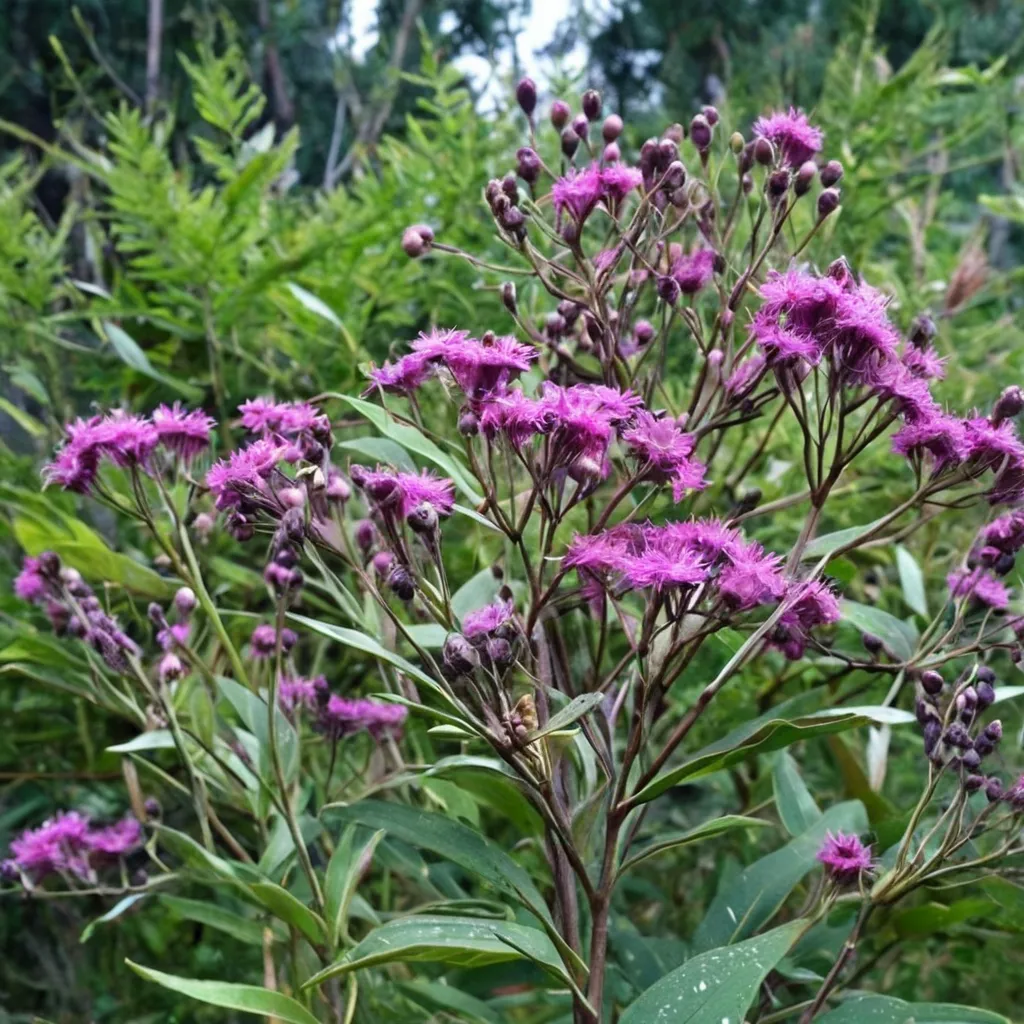
Tall Ironweed
Vernonia altissima
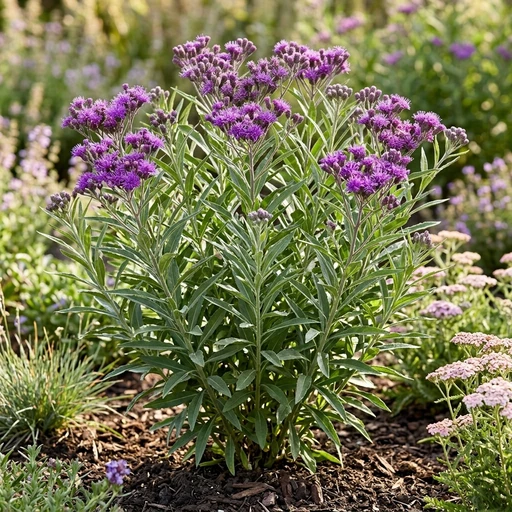
Summers Swan Song Ironweed
Vernonia x hybrida 'Summer'S Swan Song'
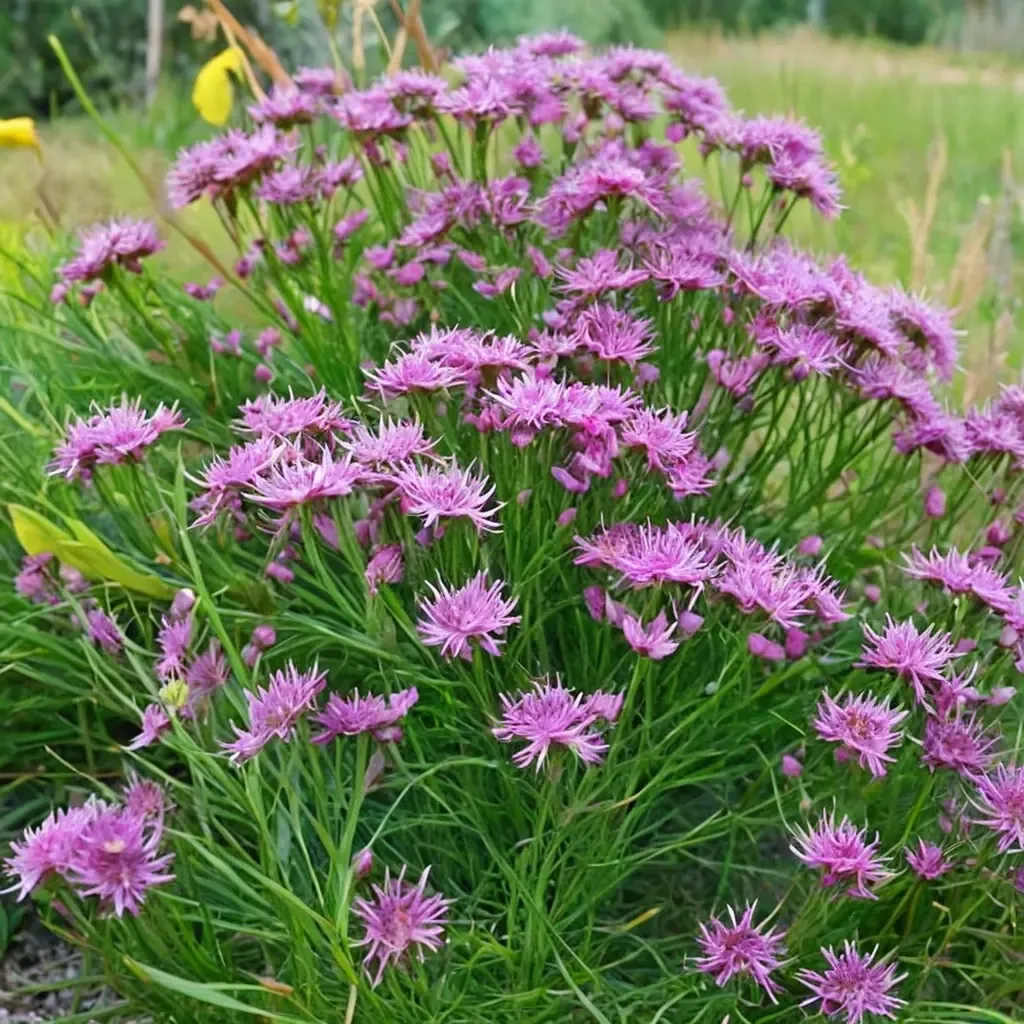
Iron Butterfly Ironweed
Vernonia lettermannii 'Iron Butterfly'
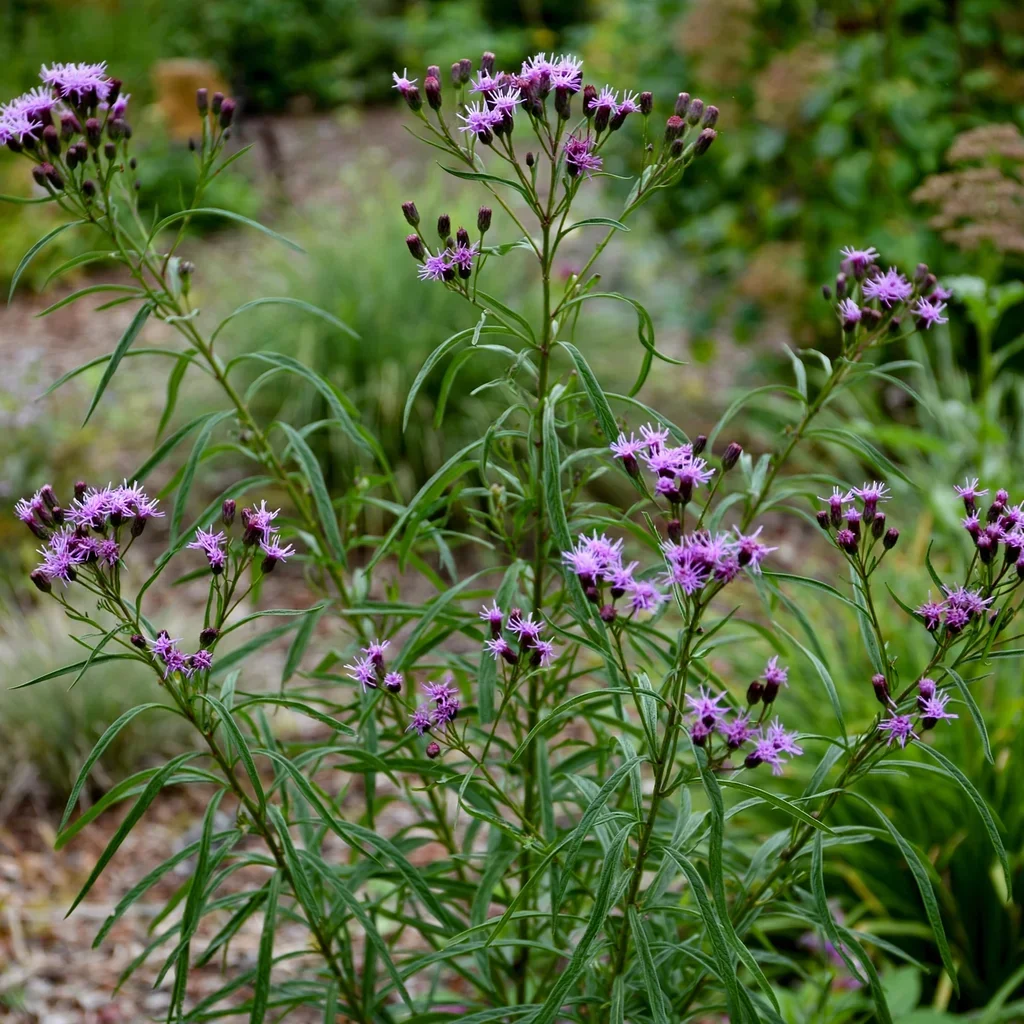
Southern Cross Ironweed
Vernonia arkansana 'Southern Cross'
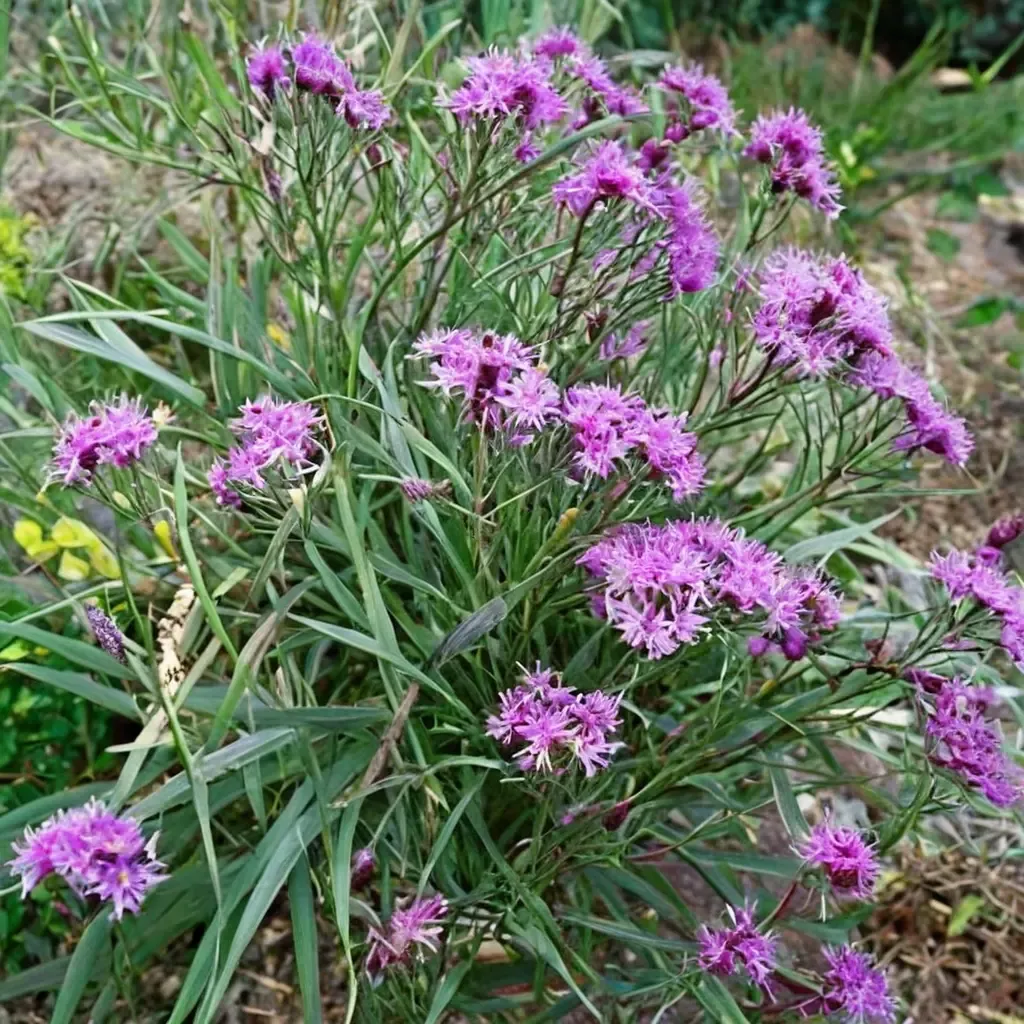
Plum Peachy Ironweed
Vernonia angustifolia 'Plum Peachy'
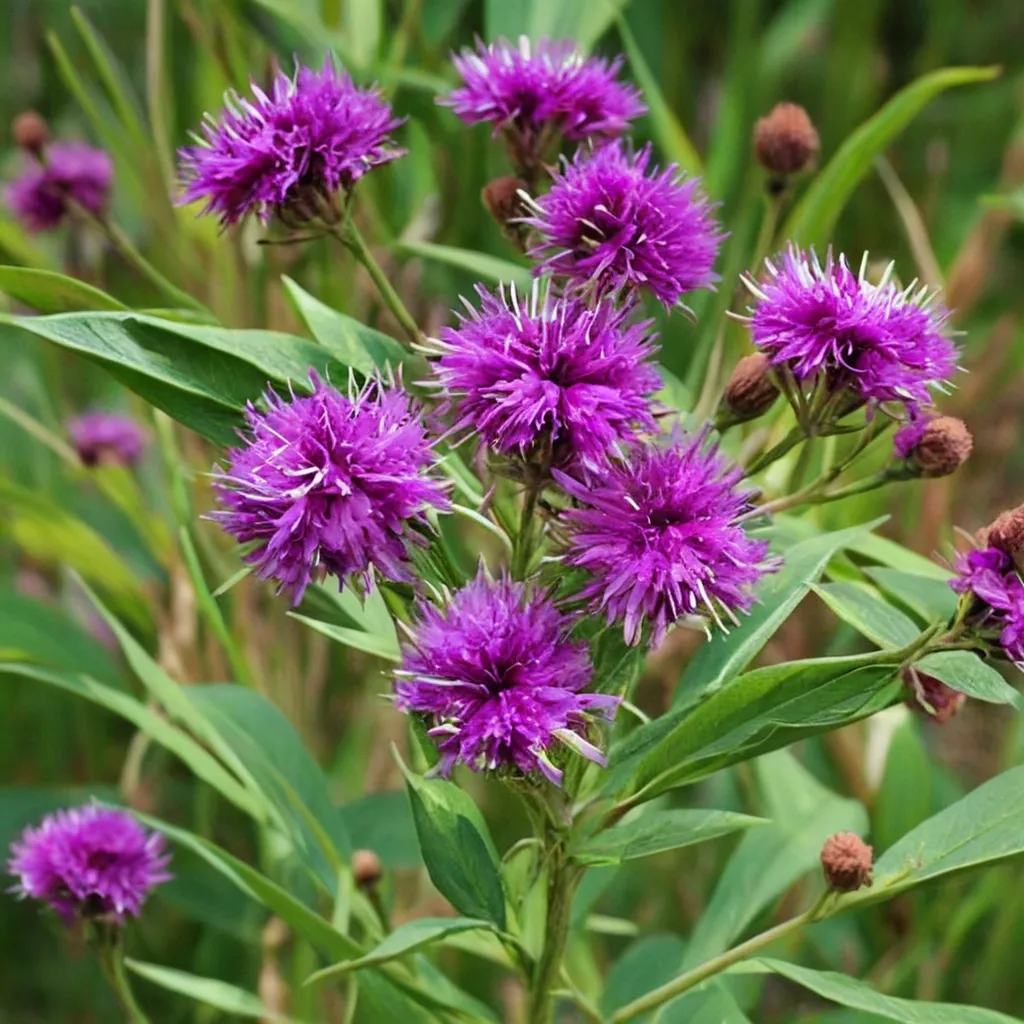
Arkansas Ironweed
Vernonia arkansana
Keep exploring
Explore the genus
Grow Ironweed with confidence
See it in a design of your actual yard, get zone-matched care reminders, and track it season by season in your garden journal.