



The Story
Plant Bio
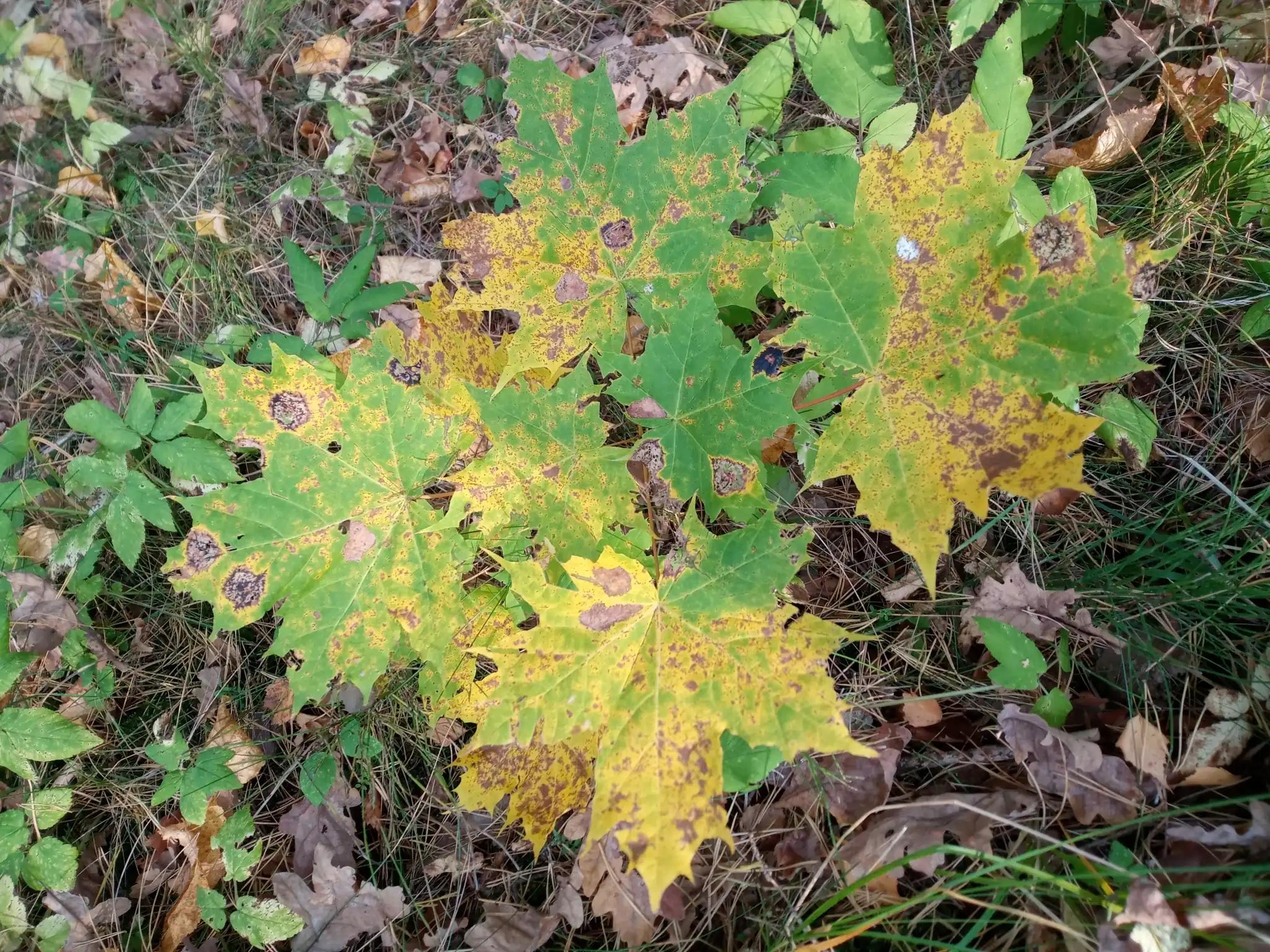
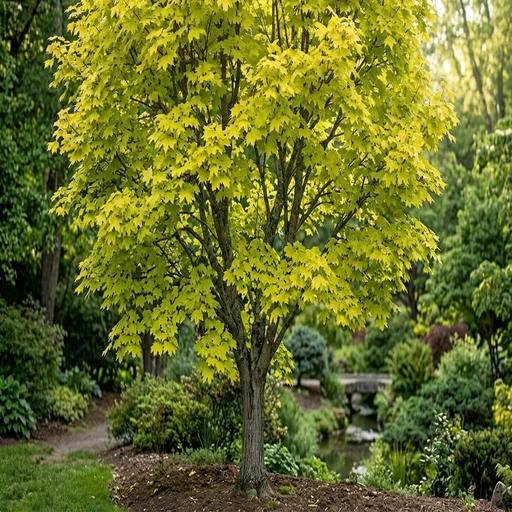
Acer platanoides, the Norway Maple, is a large, tough deciduous tree with a dense canopy and distinctive palmate leaves. It is highly adaptable to urban conditions but can be invasive in some regions.
'Columnare' is a popular cultivar valued for its narrow, upright, columnar growth habit, making it suitable for tight spaces, street plantings, or formal garden designs.
Uses & Benefits:
Essentials
At a Glance
Plant Type
Tree
Height
480"
Width
180"
Light
Full Sun, Partial Sun
Zones
4, 5, 6, 7
Water
Low to Moderate
Humidity
Adaptable
Lifespan
Long-lived deciduous tree
Native To
Europe
Toxicity
Leaves can be toxic to horses if ingested
Bloom period
Early spring – Mid-spring
In flower about 2 months of the year
Planting
How to Grow
- Plant in a location with full sun to partial shade.
- Tolerates a wide range of soils but prefers well-drained.
- Dig a hole two to three times as wide as the root ball.
- Set the tree so the root flare is visible at the soil line.
- Backfill with native soil and water deeply to eliminate air pockets.
- Mulch around the base, but keep it away from the trunk.
Pro Tip
Be aware that Norway maples cast dense shade and have shallow roots, making it difficult to grow grass or perennials underneath.
Keep It Thriving
Care Guide
Do
- Water during prolonged drought, especially when young.
- Prune only to remove dead, damaged, or crossing branches.
- Provide ample space for the root system to spread.
- Check local invasive species lists before planting.
Don't
- Don't plant where its invasive seedlings are a concern.
- Avoid spring pruning, which causes heavy sap flow ('bleeding').
- Do not plant too deep; ensure the root flare is exposed.
- Don't plant where shallow roots will interfere with paving or lawns.
Seasonal Care Calendar
| Task | Jan | Feb | Mar | Apr | May | Jun | Jul | Aug | Sep | Oct | Nov | Dec |
|---|---|---|---|---|---|---|---|---|---|---|---|---|
| Prune |
Watch Out For
Pests & Diseases
Common Pests
Common Diseases
In the Garden
Landscape Uses & Companions
Landscape Uses
Multiply
Propagation Methods
Good to Know
Common Questions
Columnar Norway Maple questions
What zones can Columnar Norway Maple grow in?
Columnar Norway Maple is hardy in USDA Zones 4–7. Inside that range it survives winter in the ground; outside it, grow it as an annual or a container plant you protect.
Is Columnar Norway Maple deer resistant?
Yes — Columnar Norway Maple is rated deer-resistant. Deer typically pass it over, though extreme hunger can override any plant's defenses.
When does Columnar Norway Maple bloom?
Columnar Norway Maple typically blooms in early spring through mid-spring. Exact timing shifts a week or two with your zone — Sow's bloom calendar maps it to your garden.
Does Columnar Norway Maple need full sun?
Columnar Norway Maple does best in full sun to part shade. In hot climates, afternoon shade keeps blooms fresher longer.
Is Columnar Norway Maple drought tolerant?
Yes — once established (usually after the first full season), Columnar Norway Maple handles dry spells with minimal watering. Water deeply its first year to build the root system that makes that possible.
More Acer to compare
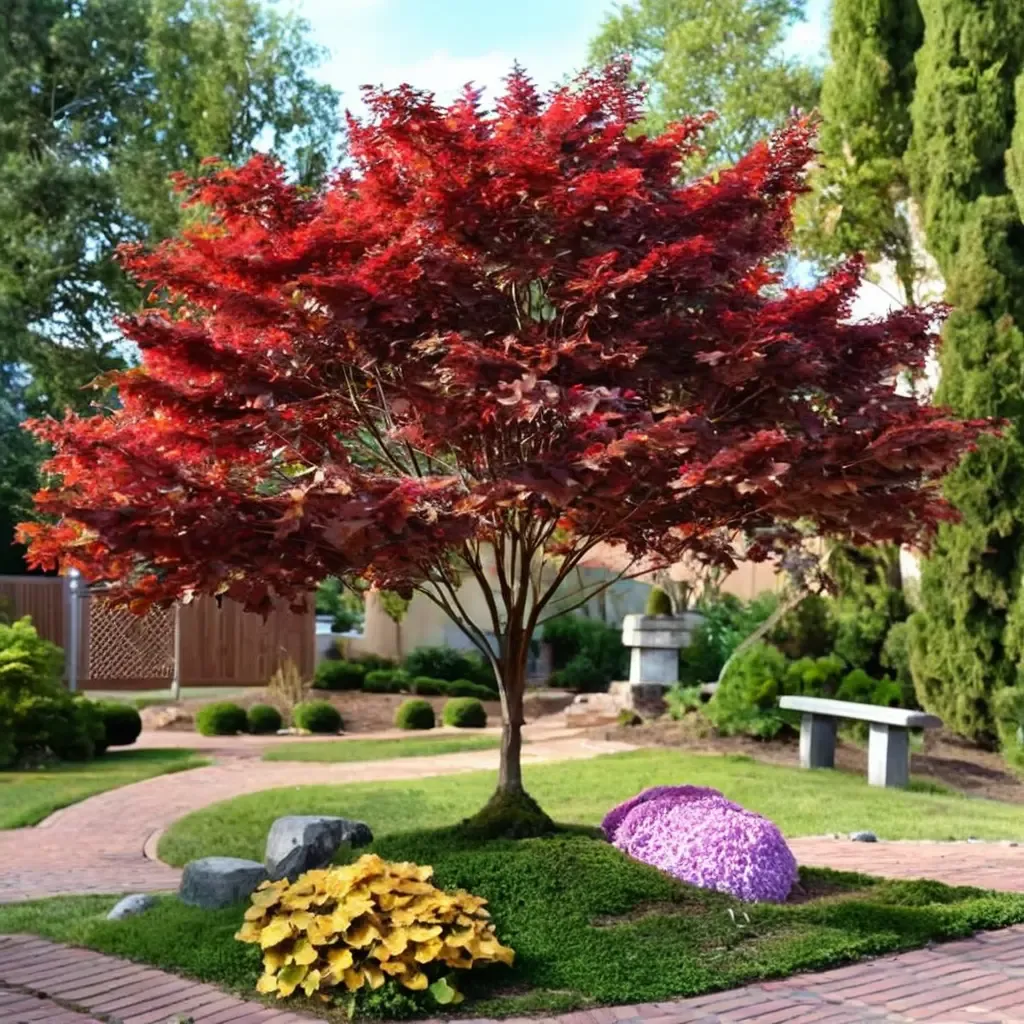
Bloodgood Japanese Maple
Acer palmatum 'Bloodgood'
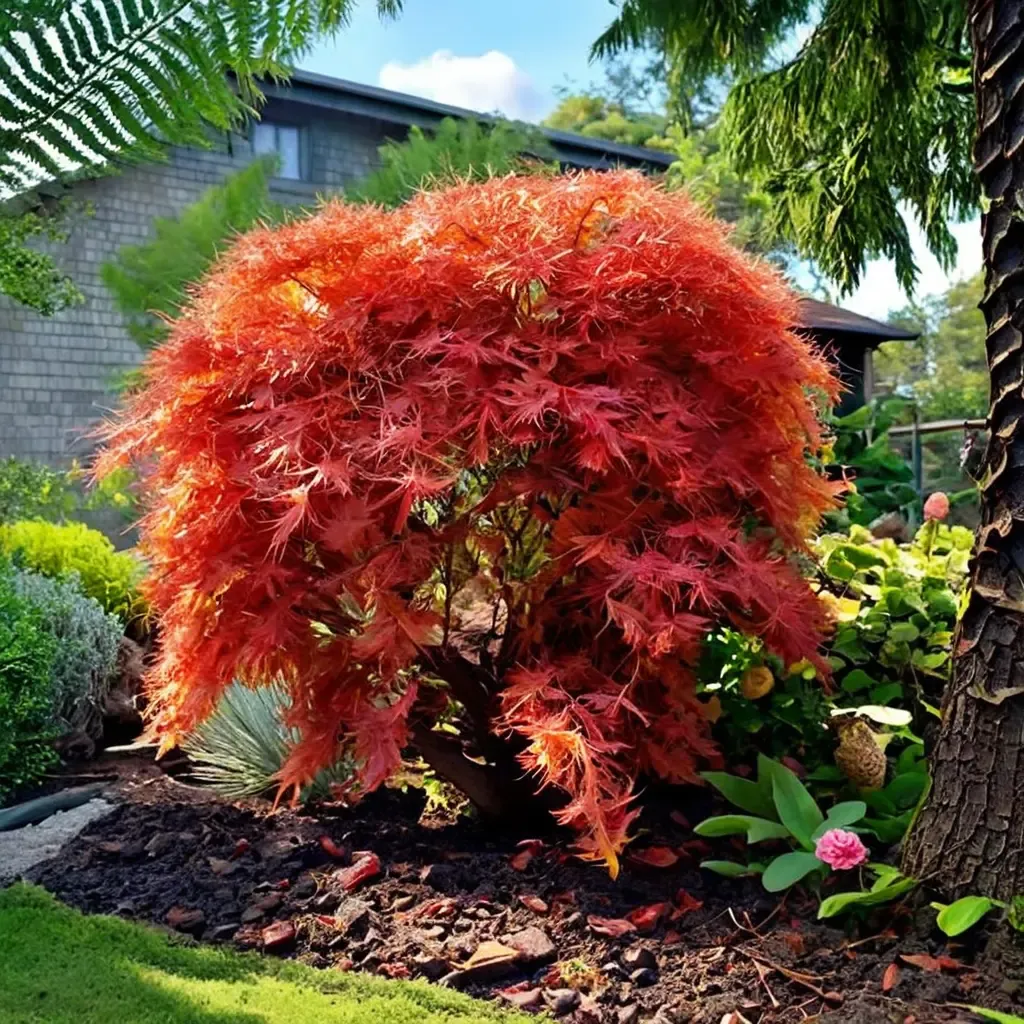
Orangeola Japanese Maple
Acer palmatum 'Orangeola'
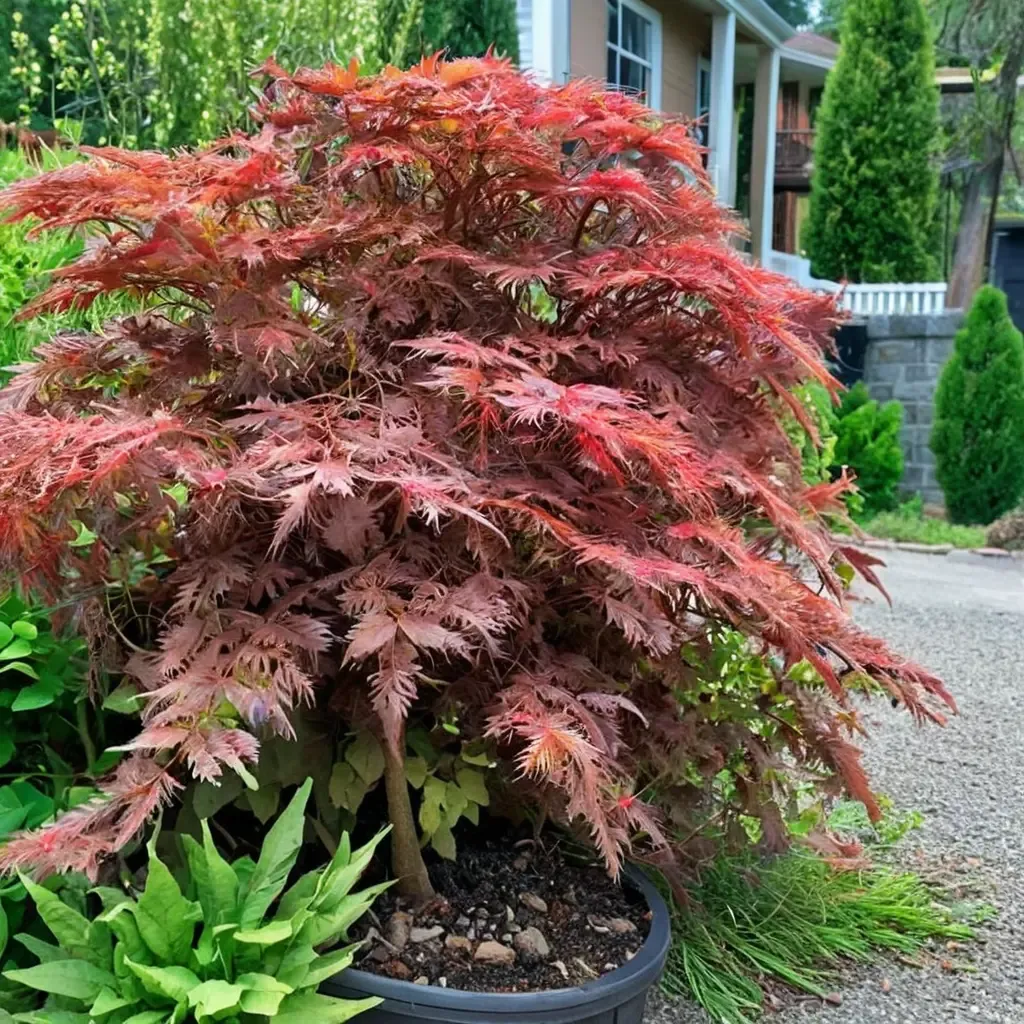
Crimson Queen Japanese Maple
Acer palmatum 'Crimson Queen'
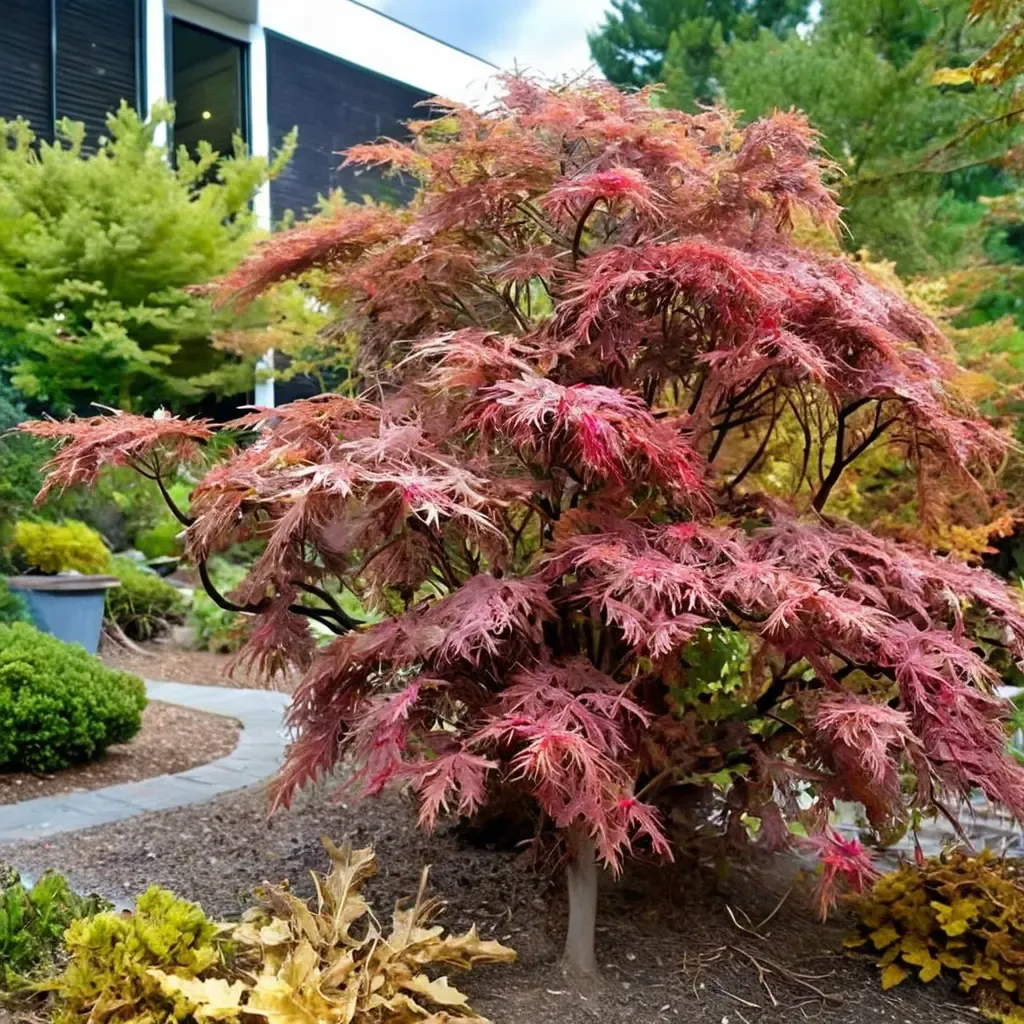
Weeping Japanese Maple
Acer palmatum 'Shidare'
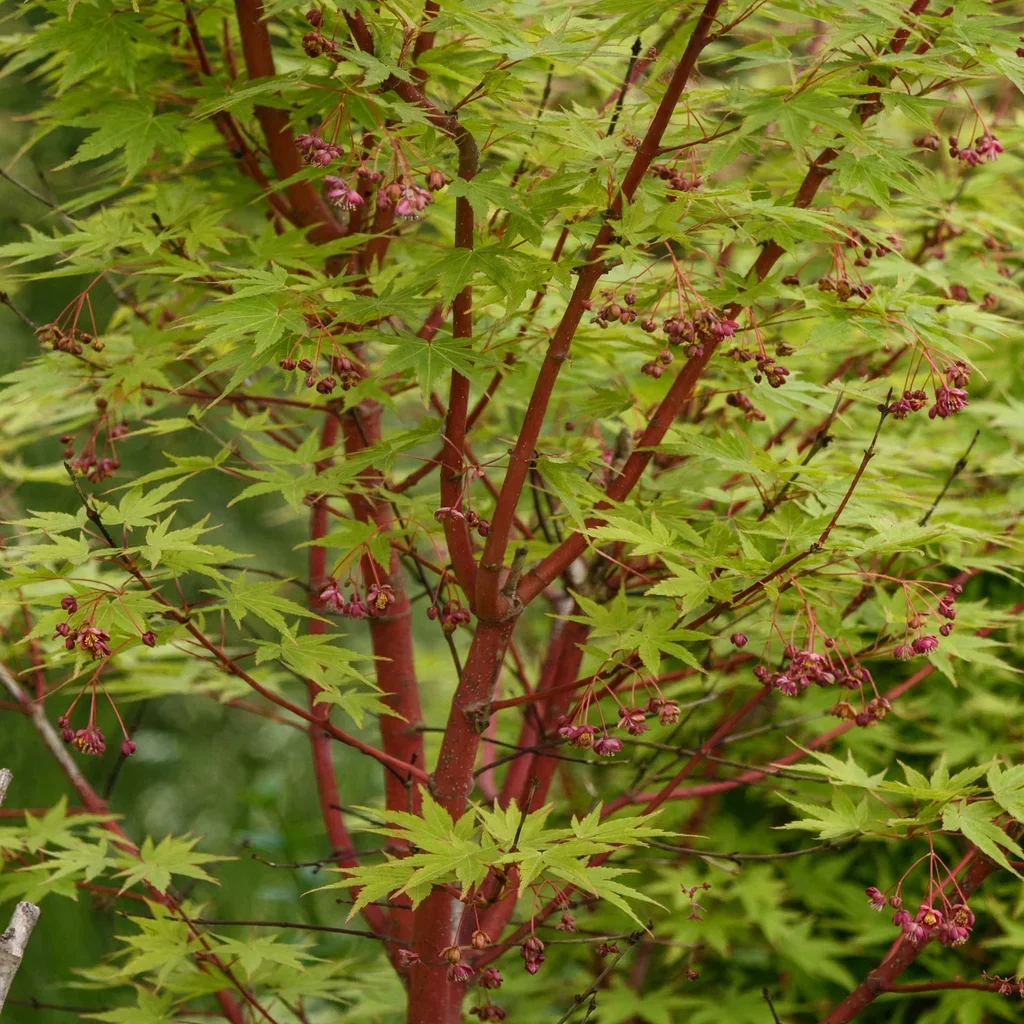
Coral Bark Maple
Acer palmatum 'Sango-Kaku'
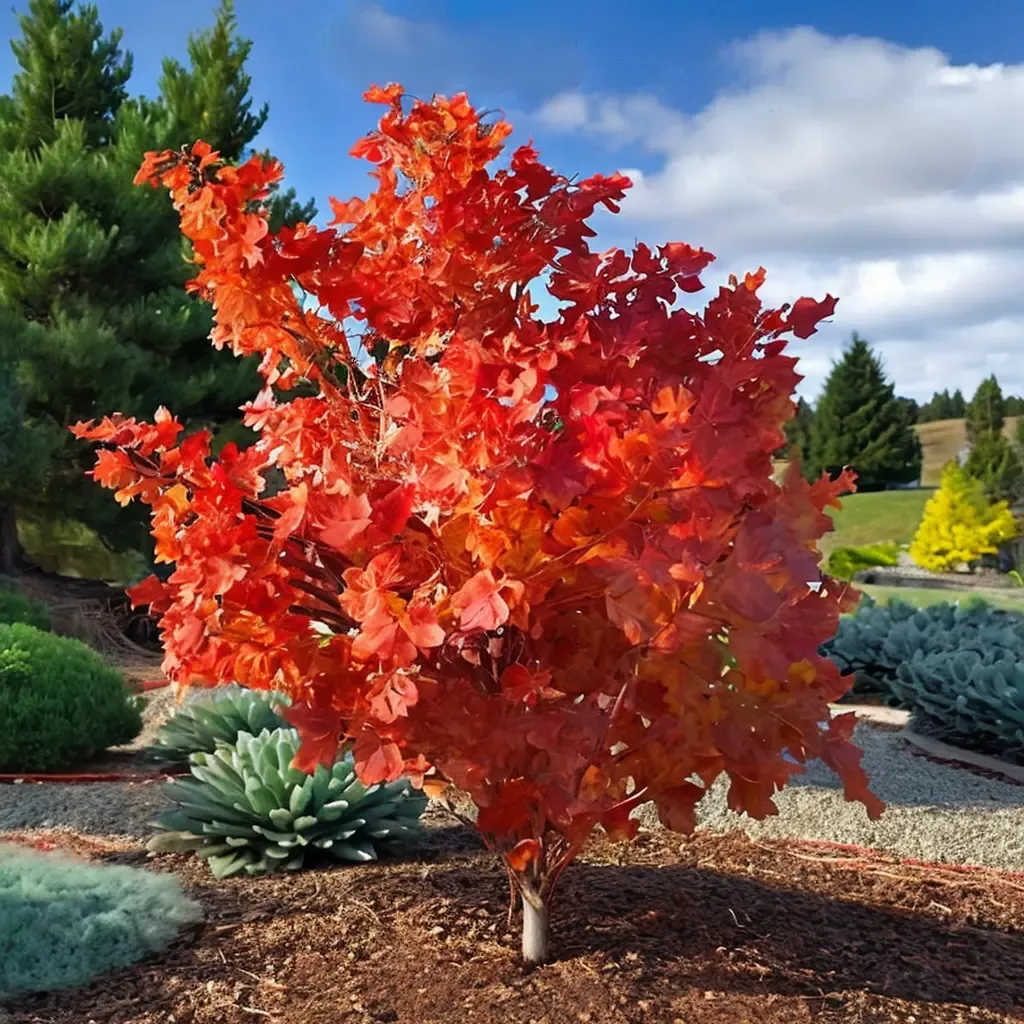
Final Fire Japanese Maple
Acer palmatum 'Final Fire'
Keep exploring
Explore the genus
Hardy in your zone?
Grow Columnar Norway Maple with confidence
See it in a design of your actual yard, get zone-matched care reminders, and track it season by season in your garden journal.