



The Story
Plant Bio
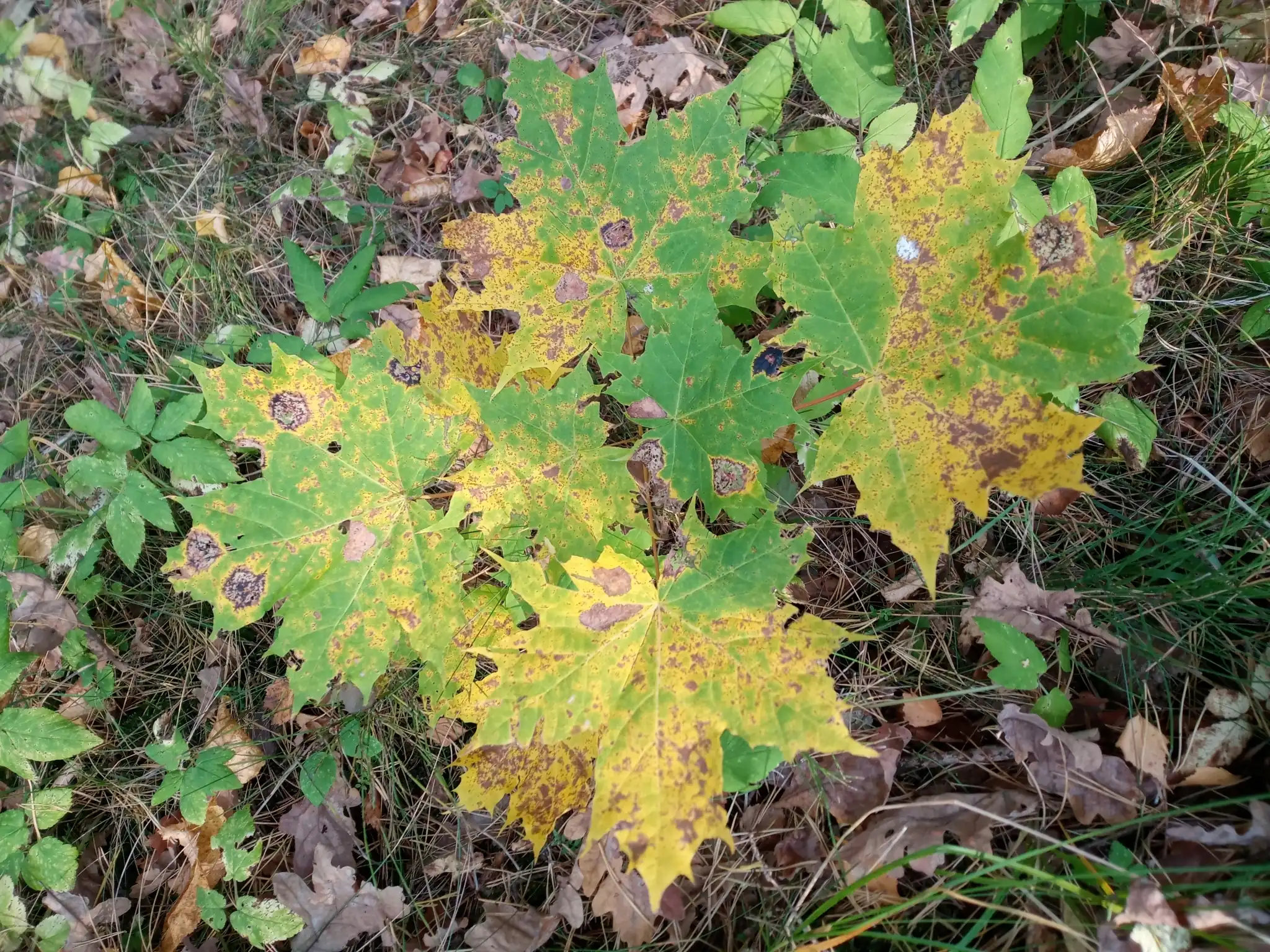
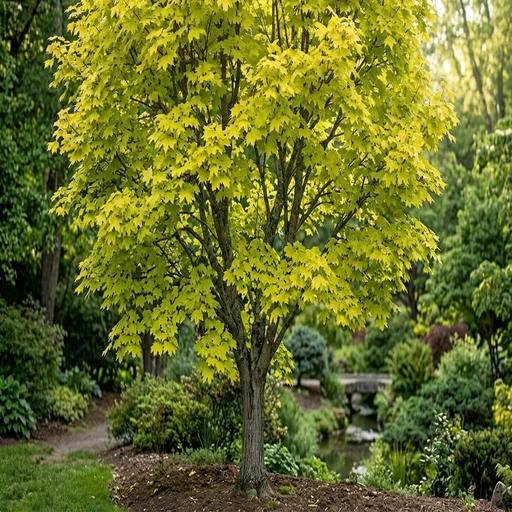
Acer platanoides, Norway maple, is a large deciduous tree native to northeastern Europe, reaching forty to fifty feet with a dense rounded crown. Its broad five-lobed leaves are up to seven inches across and closely resemble sugar maple, but the leaf stalks exude milky sap when broken — the reliable way to tell them apart. Autumn colour is an unremarkable yellow.
It is invasive across much of the northeastern United States and eastern Canada, seeding prolifically into woodland and displacing native maples — plant sugar or red maple instead, which give better autumn colour without the spread. Dense shade and shallow greedy roots also mean little grows beneath it, including lawn.
Uses & Benefits:
Essentials
At a Glance
Plant Type
Tree
Height
540"
Width
480"
Light
Full Sun, Partial Sun
Zones
4, 5, 6, 7
Water
Moderate
Humidity
Moderate
Lifespan
Perennial
Native To
Northeastern Europe
Toxicity
Non-toxic
Planting
How to Grow
- Check local regulations first; planting is restricted in many areas.
- If planting, choose a site well away from woodland.
- Allow thirty to fifty feet of spread.
- Water through the first two seasons.
- Remove seedlings promptly wherever they appear.
- Prune in late summer, not spring, when maples bleed.
Pro Tip
Consider a native maple instead — sugar or red maple gives better autumn colour without seeding into surrounding woodland.
Keep It Thriving
Care Guide
Do
- Check local invasive-species rules before planting ⚠️
- Remove volunteer seedlings each spring ✂️
- Prune in late summer to avoid bleeding 🌳
- Expect little to grow beneath it 🍂
Don't
- Plant it near woodland or natural areas ❌
- Expect grass to thrive under the canopy ❌
- Confuse it with native sugar maple ❌
Seasonal Care Calendar
| Task | Jan | Feb | Mar | Apr | May | Jun | Jul | Aug | Sep | Oct | Nov | Dec |
|---|---|---|---|---|---|---|---|---|---|---|---|---|
| Monitor | ||||||||||||
| Prune |
Watch Out For
Pests & Diseases
Common Pests
Common Diseases
In the Garden
Landscape Uses & Companions
Landscape Uses
Companion Plants
Multiply
Propagation Methods
Good to Know
Common Questions
Norway Maple questions
What zones can Norway Maple grow in?
Norway Maple is hardy in USDA Zones 4–7. Inside that range it survives winter in the ground; outside it, grow it as an annual or a container plant you protect.
Is Norway Maple deer resistant?
Yes — Norway Maple is rated deer-resistant. Deer typically pass it over, though extreme hunger can override any plant's defenses.
When does Norway Maple bloom?
Norway Maple typically blooms in early spring through mid-spring. Exact timing shifts a week or two with your zone — Sow's bloom calendar maps it to your garden.
Does Norway Maple need full sun?
Norway Maple does best in full sun to part shade. In hot climates, afternoon shade keeps blooms fresher longer.
Is Norway Maple drought tolerant?
Yes — once established (usually after the first full season), Norway Maple handles dry spells with minimal watering. Water deeply its first year to build the root system that makes that possible.
More Acer to compare
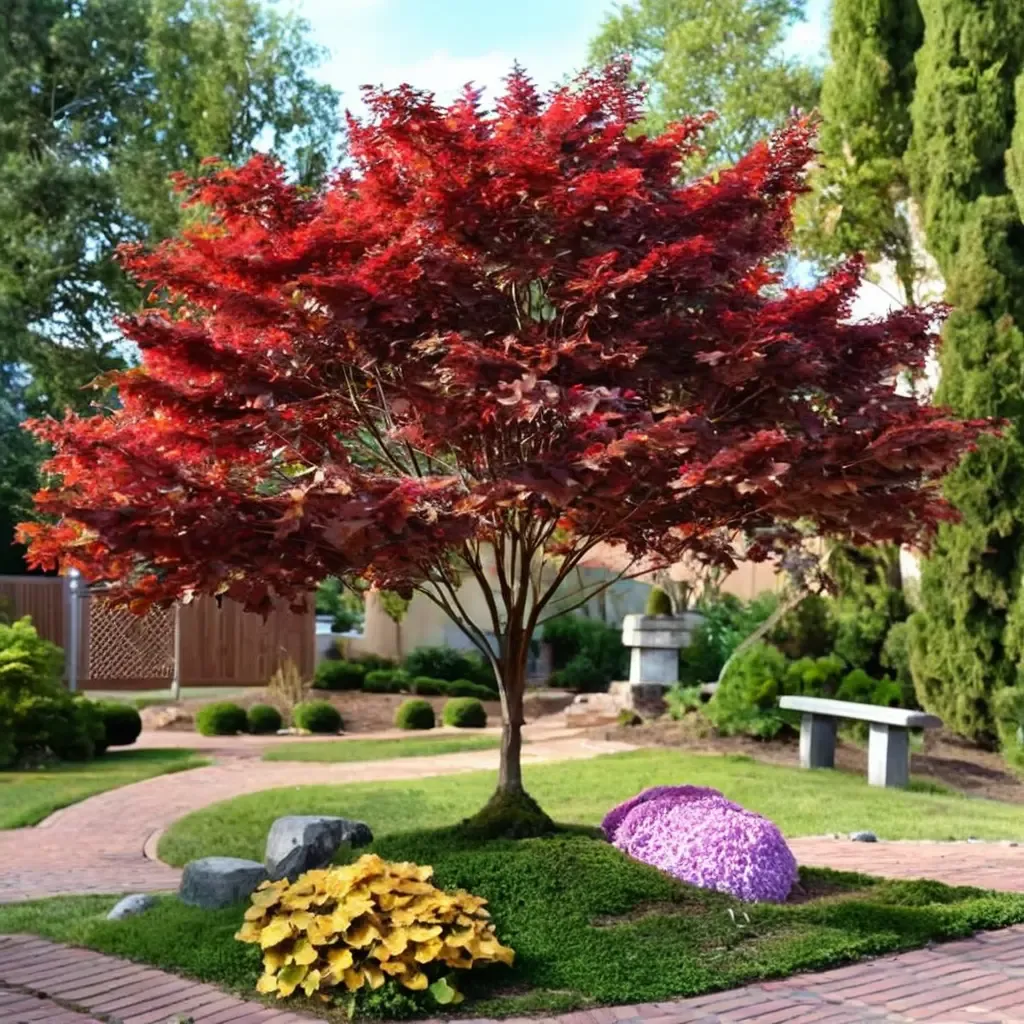
Bloodgood Japanese Maple
Acer palmatum 'Bloodgood'
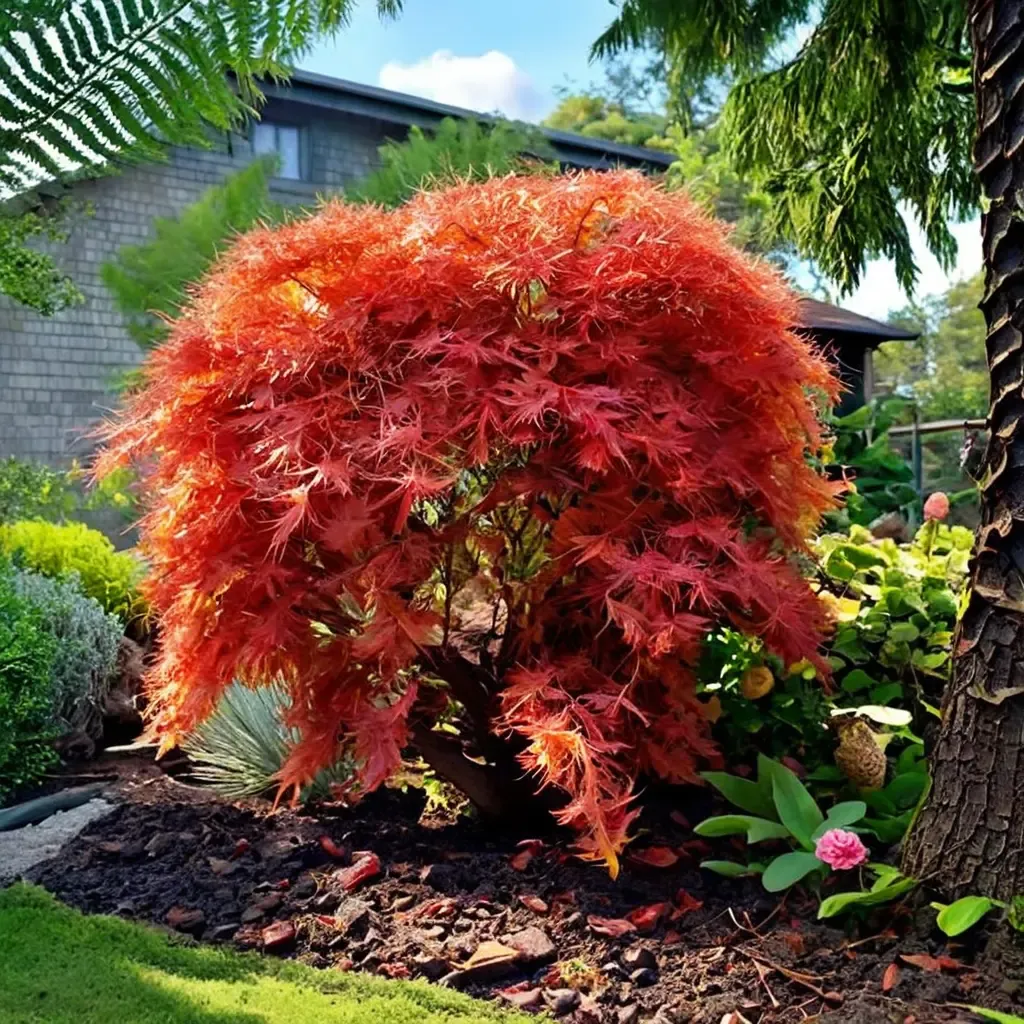
Orangeola Japanese Maple
Acer palmatum 'Orangeola'
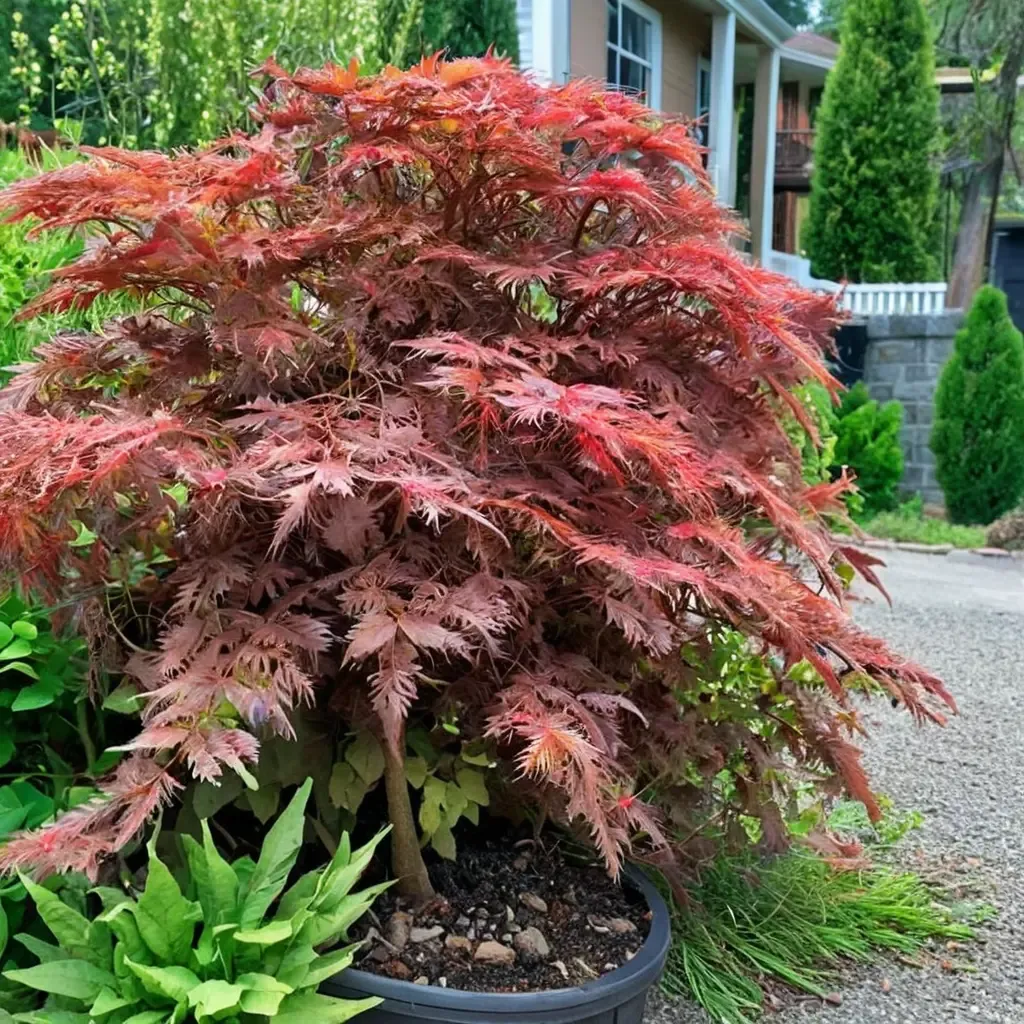
Crimson Queen Japanese Maple
Acer palmatum 'Crimson Queen'
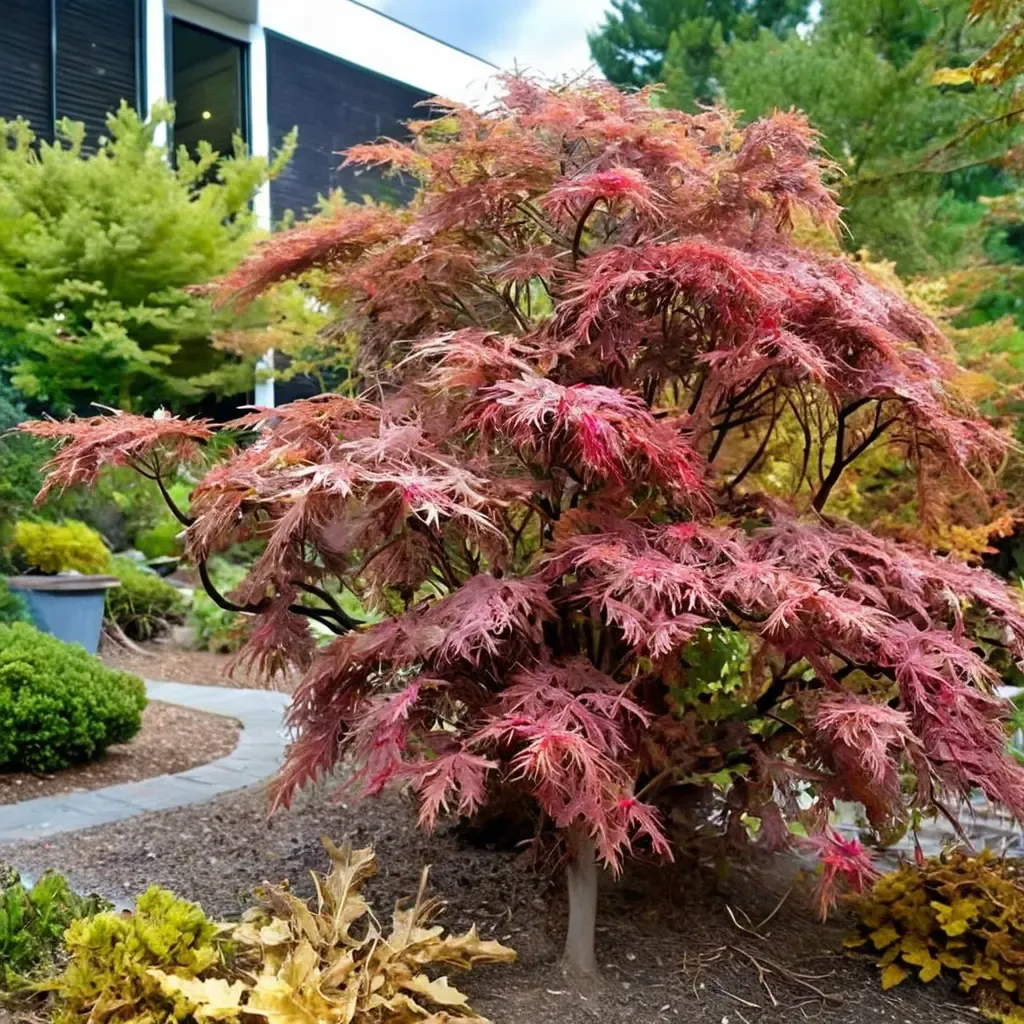
Weeping Japanese Maple
Acer palmatum 'Shidare'
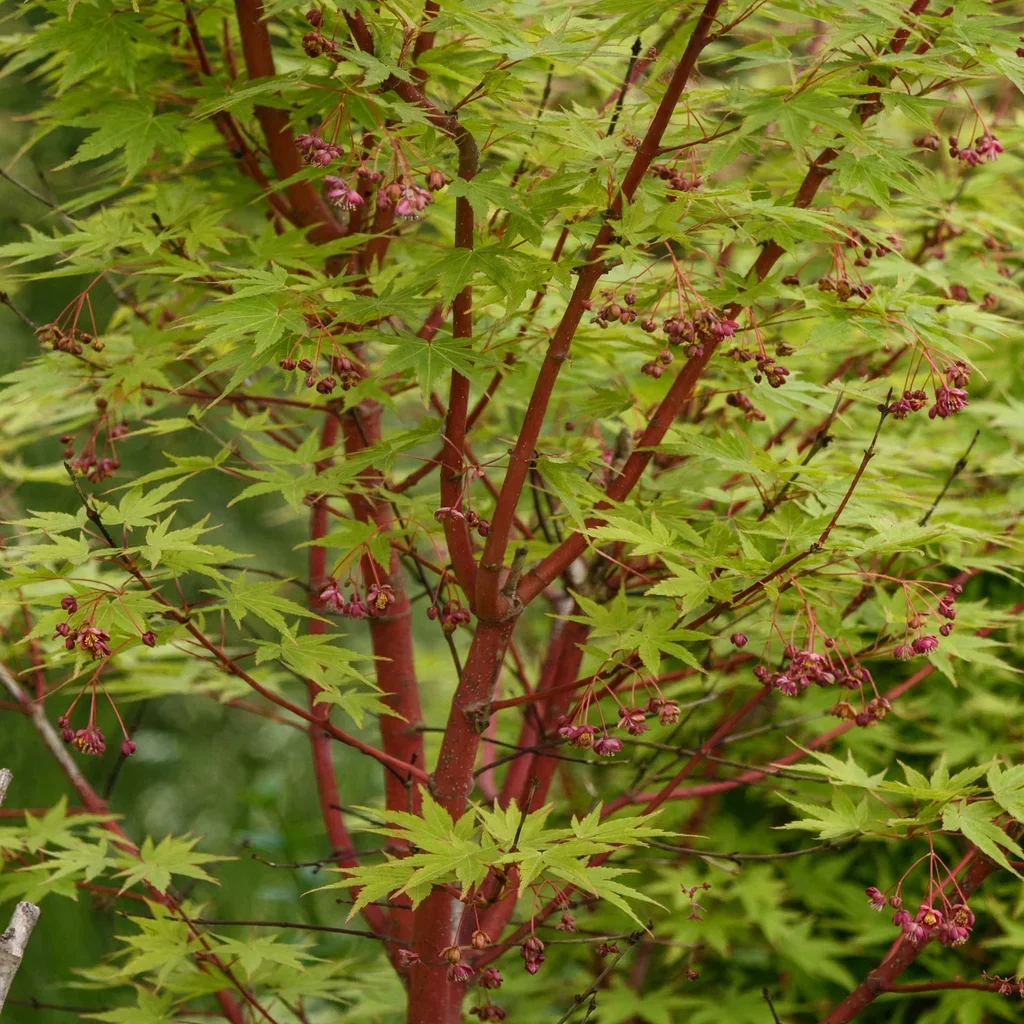
Coral Bark Maple
Acer palmatum 'Sango-Kaku'
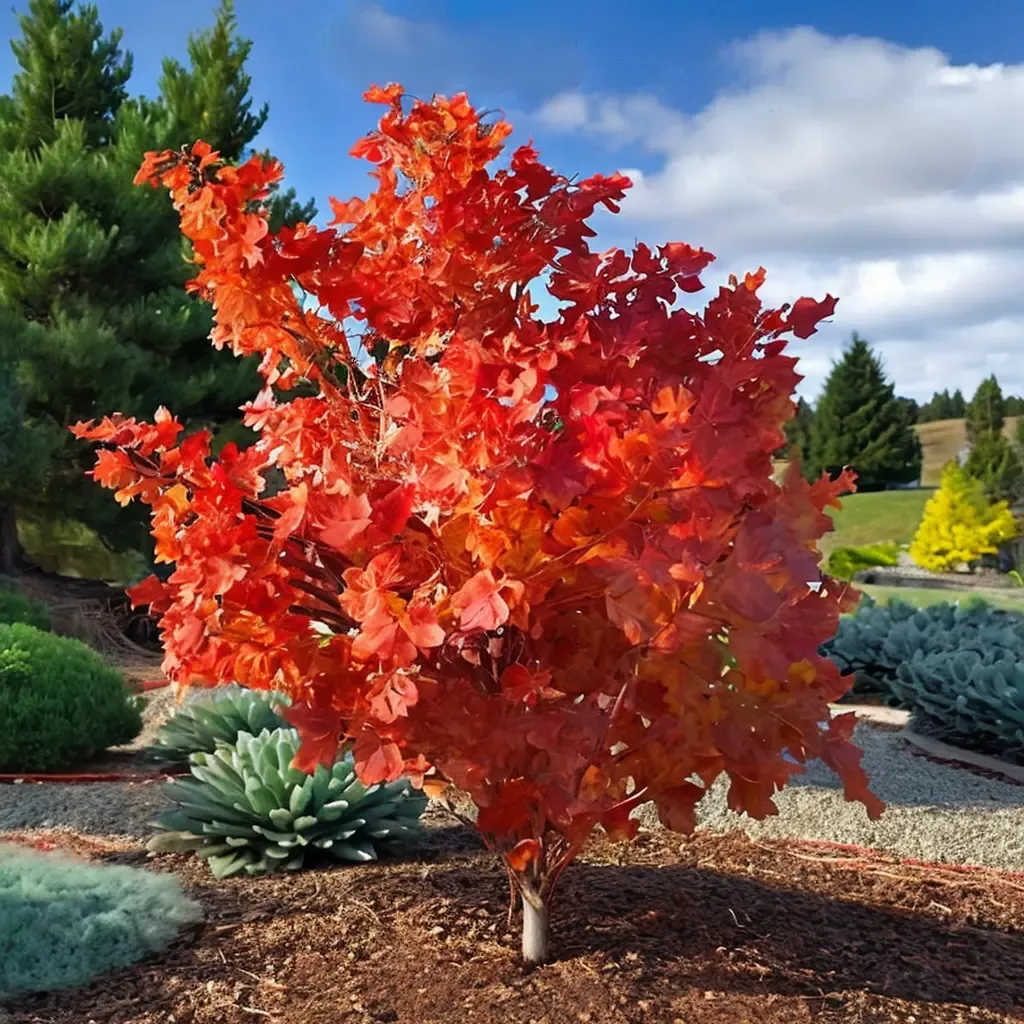
Final Fire Japanese Maple
Acer palmatum 'Final Fire'
Keep exploring
Explore the genus
Hardy in your zone?
Grow Norway Maple with confidence
See it in a design of your actual yard, get zone-matched care reminders, and track it season by season in your garden journal.