Species
 Juniperus virginianaEastern Redcedar
8 other cultivars




The Story
Plant Bio
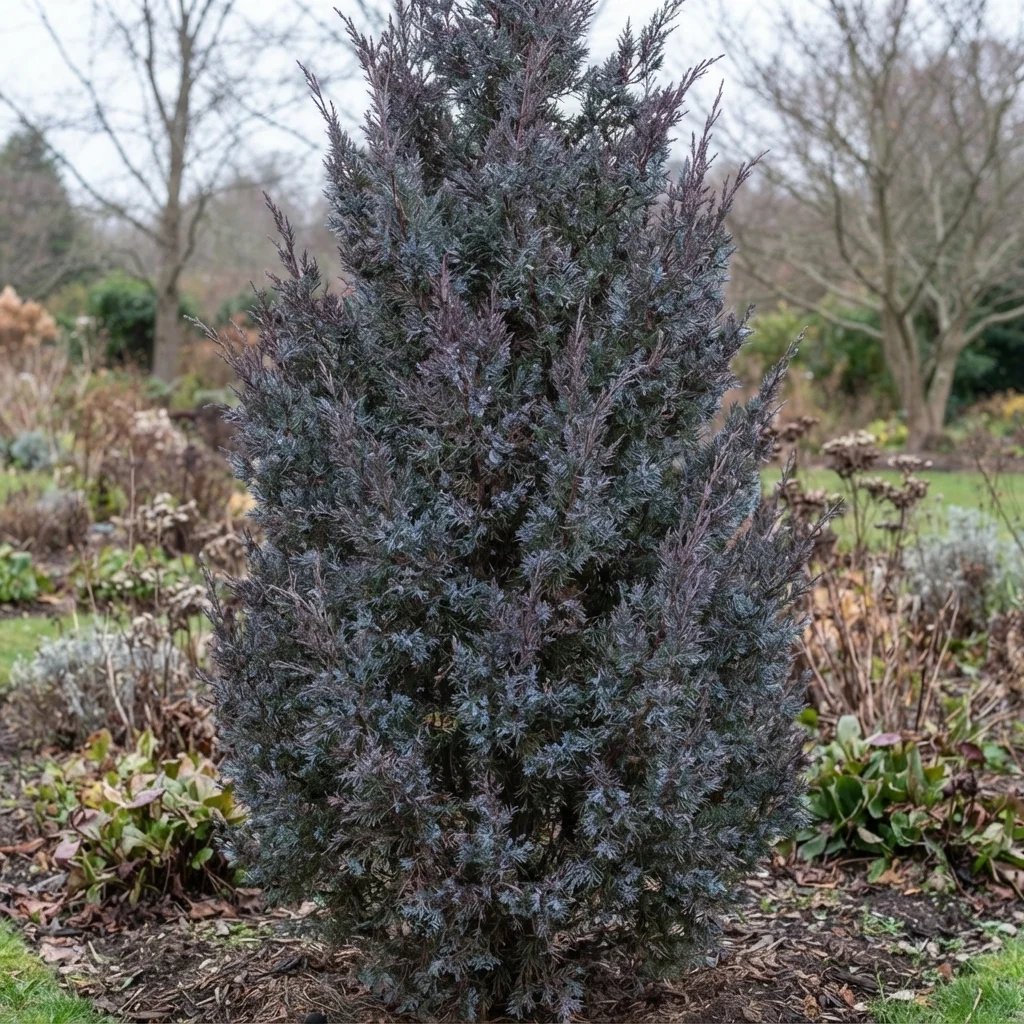
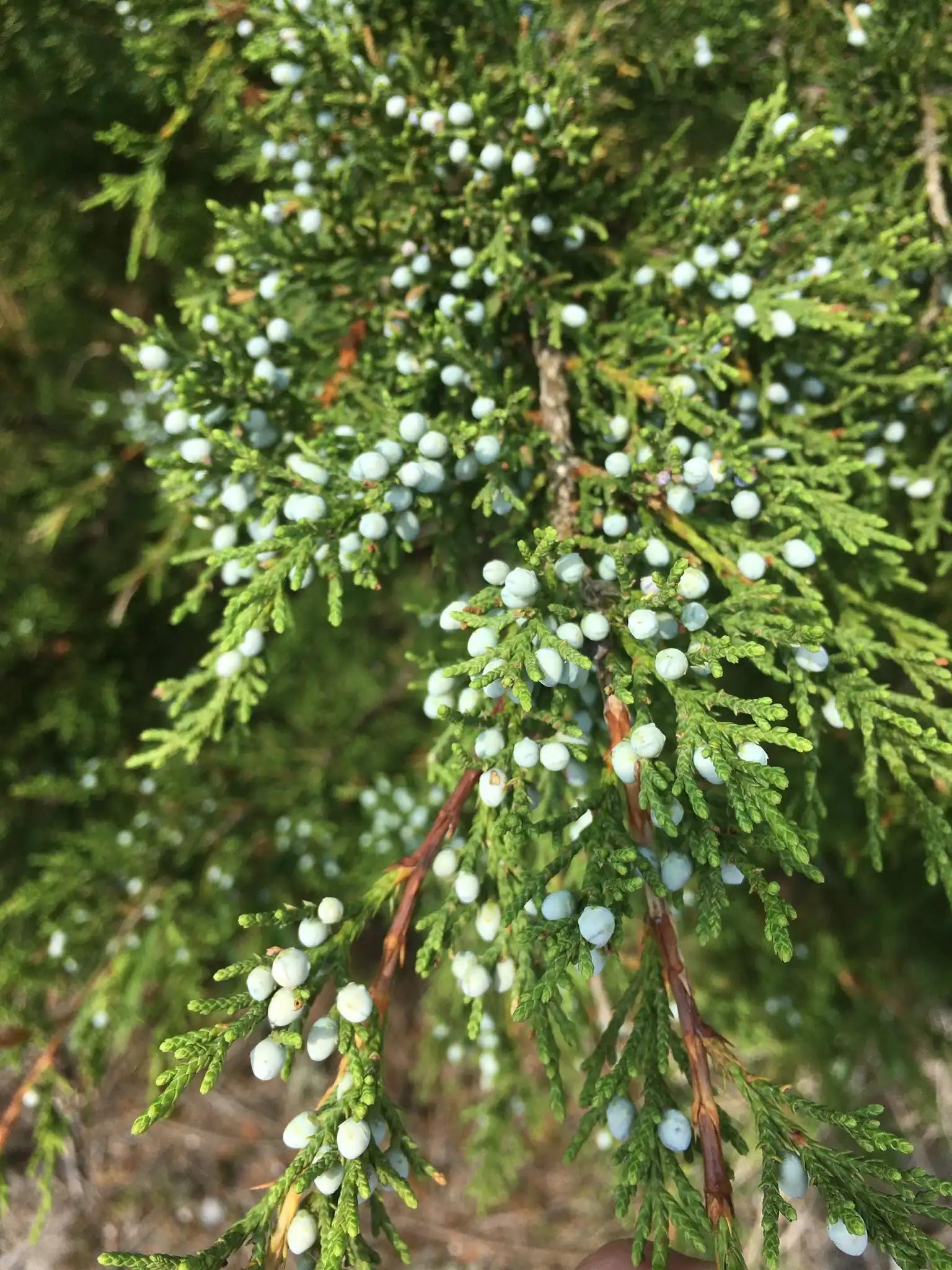
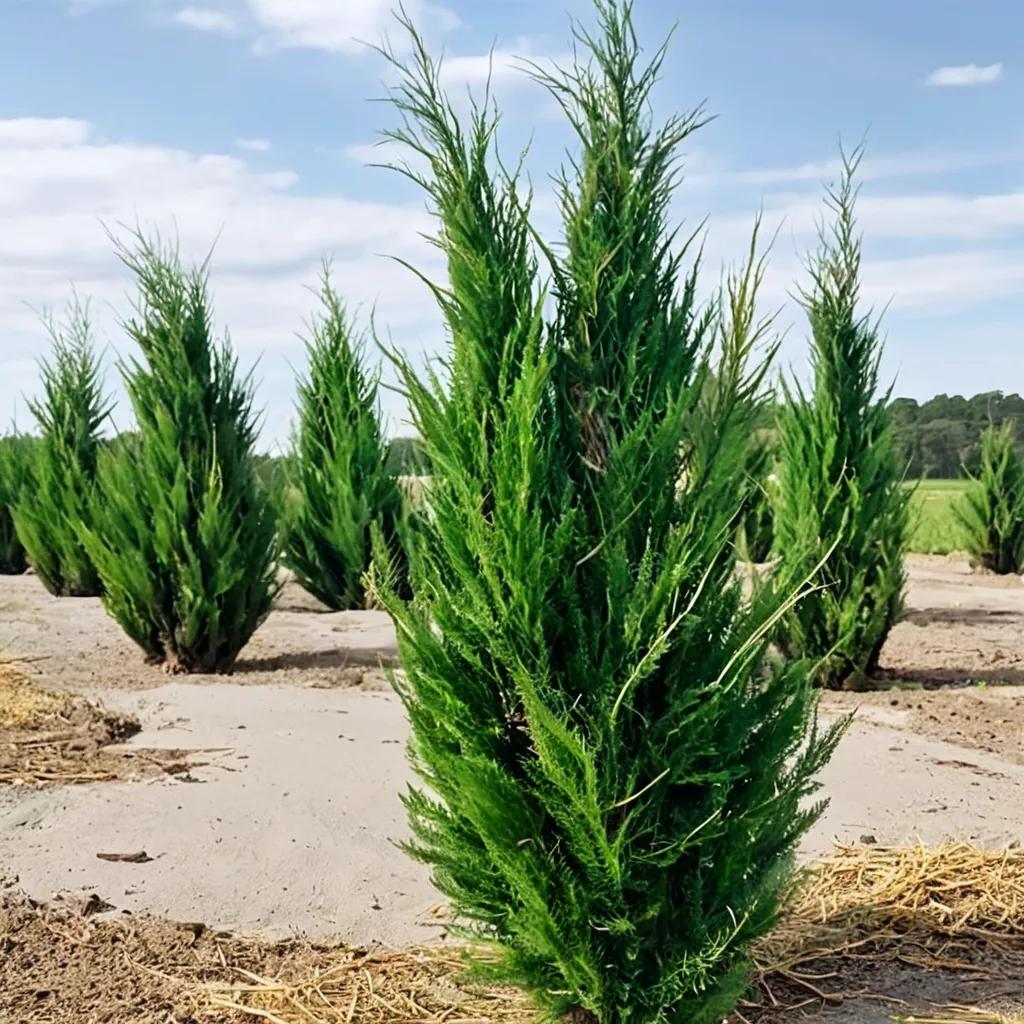
Juniperus virginiana is an adaptable evergreen conifer native to central and eastern North America, forming a dense columnar to narrow pyramidal tree in full sun. Its foliage features a mix of sharp needle-like juvenile leaves and overlapping scale-like adult leaves that release aromatic oils when bruised.
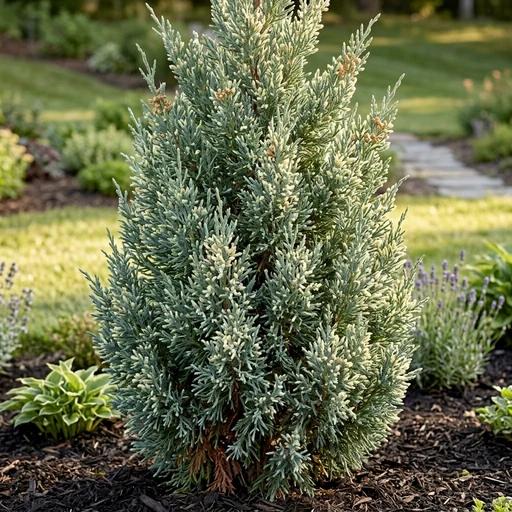
'Burkii' is a sterile male clone with a dense, upright columnar habit whose steel-blue summer foliage turns a rich purplish-bronze during winter. Because it produces no female berry-like cones, it provides clean foliage display without messy fruit drop.
Uses & Benefits:
Essentials
At a Glance
Plant Type
Tree
Height
180"
Width
84"
Light
Full Sun
Zones
4, 5, 6, 7, 8, 9
Water
Low
Humidity
Tolerates high humidity and urban conditions
Lifespan
Perennial
Native To
North America
Toxicity
Toxic if ingested; foliage oils may cause mild contact dermatitis
Bloom period
Late winter – Early spring
In flower about 2 months of the year
Planting
How to Grow
- Select a site in full sun with sharp soil drainage.
- Dig a planting hole twice as wide as the root ball and equal in depth.
- Position the plant so the trunk flare rests slightly above the surrounding soil level.
- Backfill with native soil, firming lightly to remove air pockets, then water deeply.
- Apply a two-inch layer of organic mulch around the root zone, keeping it clear of the trunk.
Pro Tip
Trim branch tips lightly in late spring to encourage density, but never cut back into old brown wood because junipers cannot re-sprout from leafless stems.
Keep It Thriving
Care Guide
Do
- Plant in full sun to prevent inner foliage thinning.
- Ensure soil drains freely to prevent root decay.
- Wear gloves when handling foliage to avoid contact dermatitis.
Don't
- Do not plant near apples or hawthorns where cedar-apple rust can cycle.
- Do not prune back into bare wood lacking green needles.
- Do not overwater or place in waterlogged soils.
Seasonal Care Calendar
| Task | Jan | Feb | Mar | Apr | May | Jun | Jul | Aug | Sep | Oct | Nov | Dec |
|---|---|---|---|---|---|---|---|---|---|---|---|---|
| Mulch | ||||||||||||
| Pest Check | ||||||||||||
| Prune | ||||||||||||
| Winter Prep |
Watch Out For
Pests & Diseases
Common Pests
Common Diseases
In the Garden
Landscape Uses & Companions
Landscape Uses
Multiply
Propagation Methods
Good to Know
Common Questions
Burkii Juniper questions
What zones can Burkii Juniper grow in?
Burkii Juniper is hardy in USDA Zones 4–9. Inside that range it survives winter in the ground; outside it, grow it as an annual or a container plant you protect.
Is Burkii Juniper deer resistant?
Not reliably. Deer may browse Burkii Juniper, especially tender spring growth — plan on repellents or fencing where pressure is high.
When does Burkii Juniper bloom?
Burkii Juniper typically blooms in late winter through early spring. Exact timing shifts a week or two with your zone — Sow's bloom calendar maps it to your garden.
Does Burkii Juniper need full sun?
Burkii Juniper does best in full sun (6+ hours).
Is Burkii Juniper drought tolerant?
Yes — once established (usually after the first full season), Burkii Juniper handles dry spells with minimal watering. Water deeply its first year to build the root system that makes that possible.
More Juniperus to compare
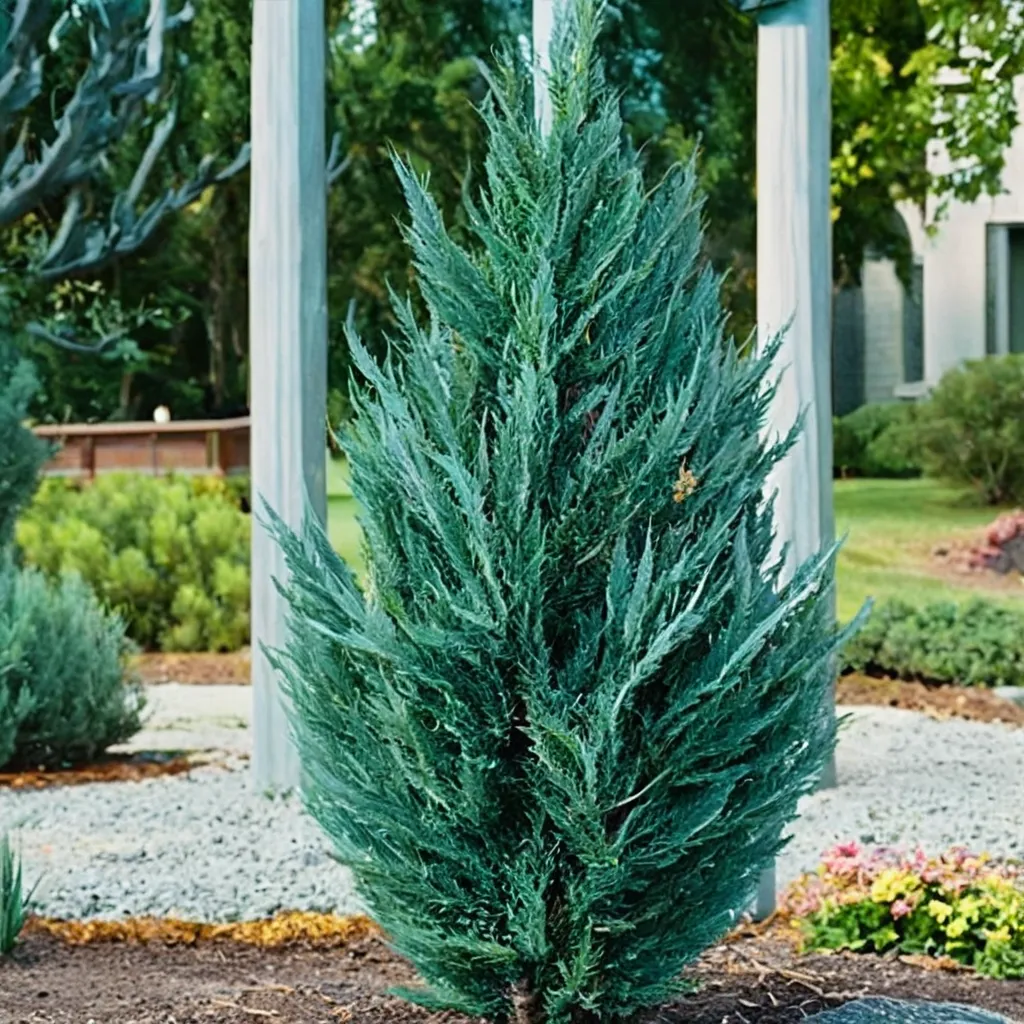
Blue Point Juniper
Juniperus chinensis 'Blue Point'
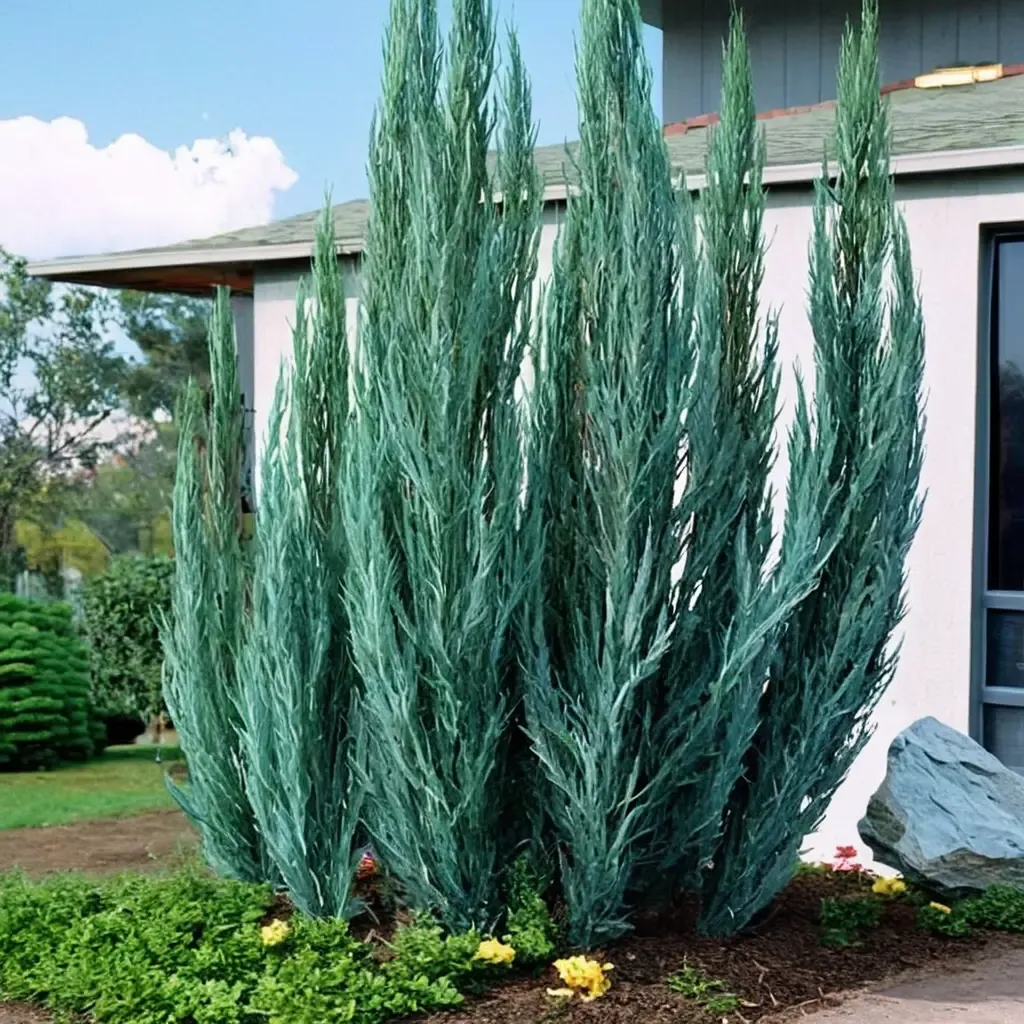
Skyrocket Juniper
Juniperus horizontalis 'Skyrocket'
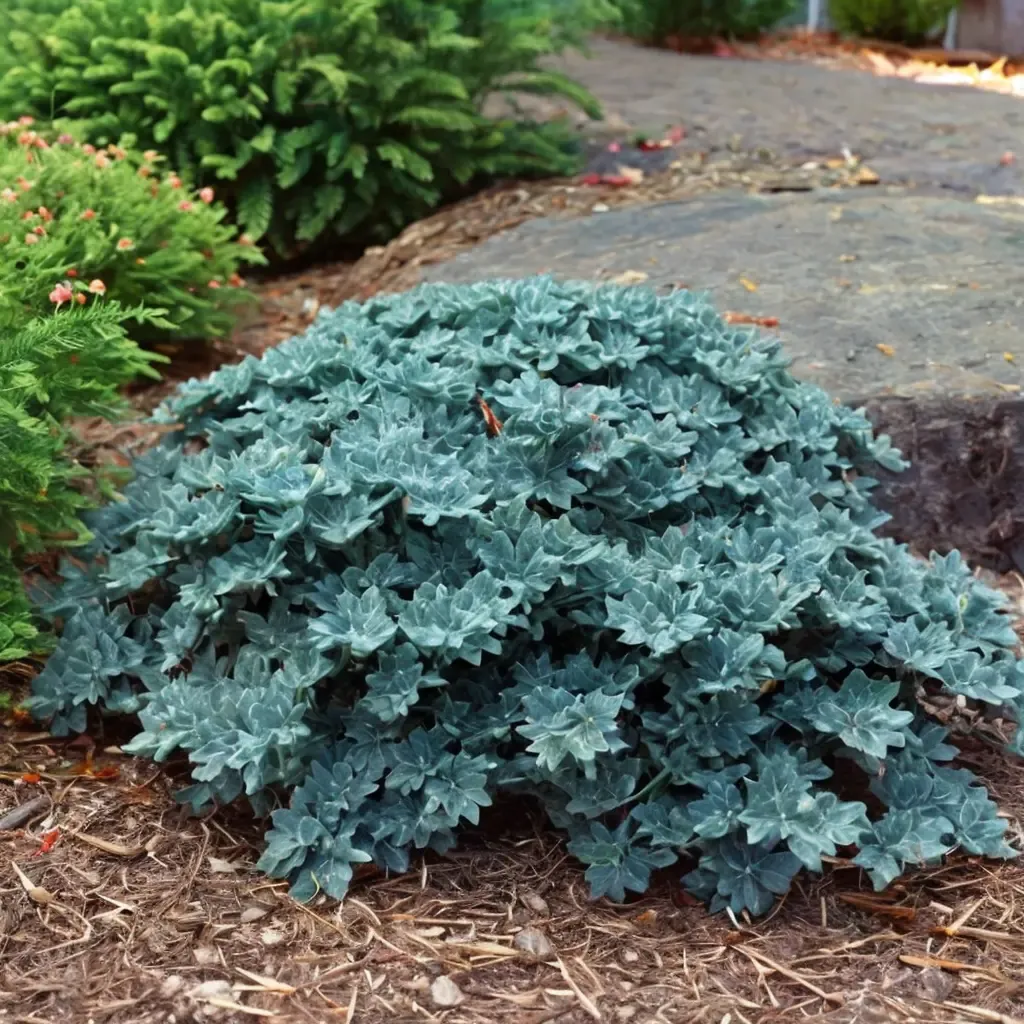
Blue Star Juniper
Juniperus squamata 'Blue Star'
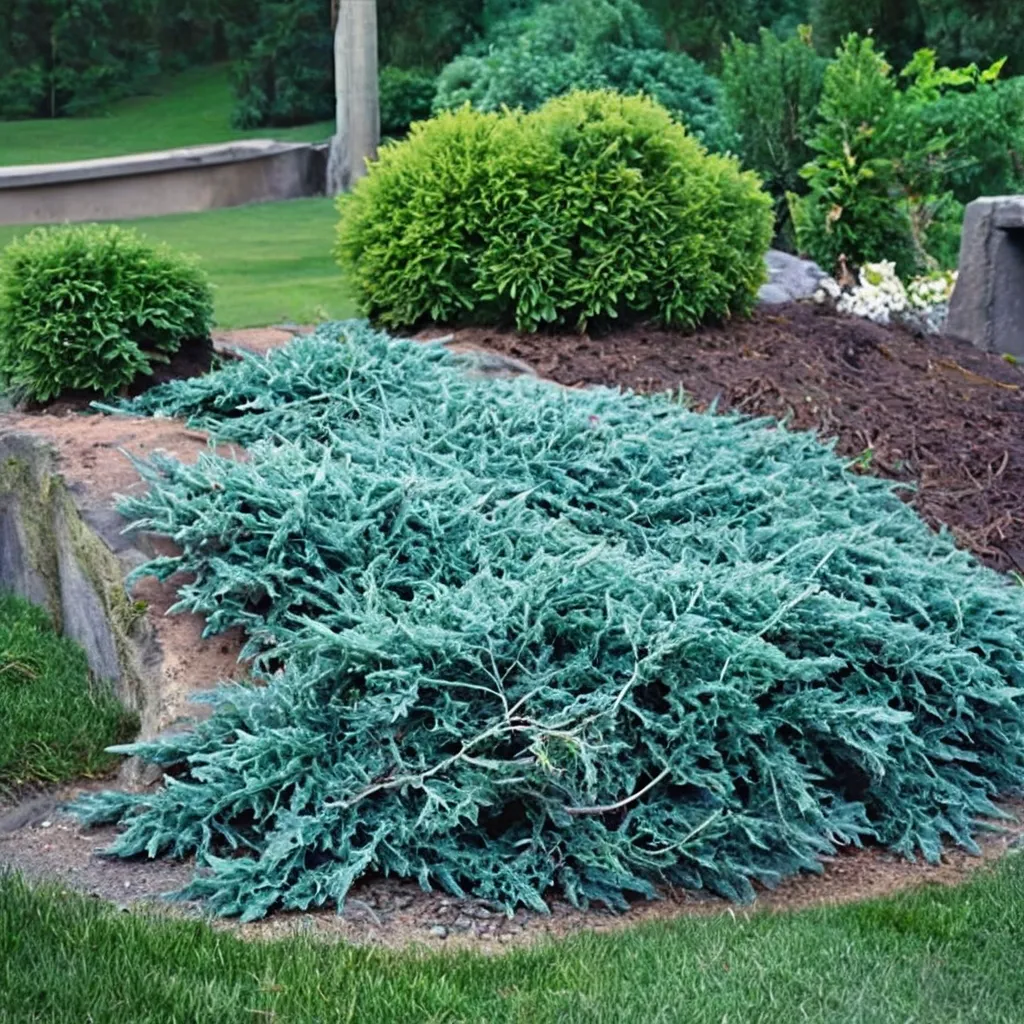
Blue Rug Juniper
Juniperus horizontalis 'Blue Rug'
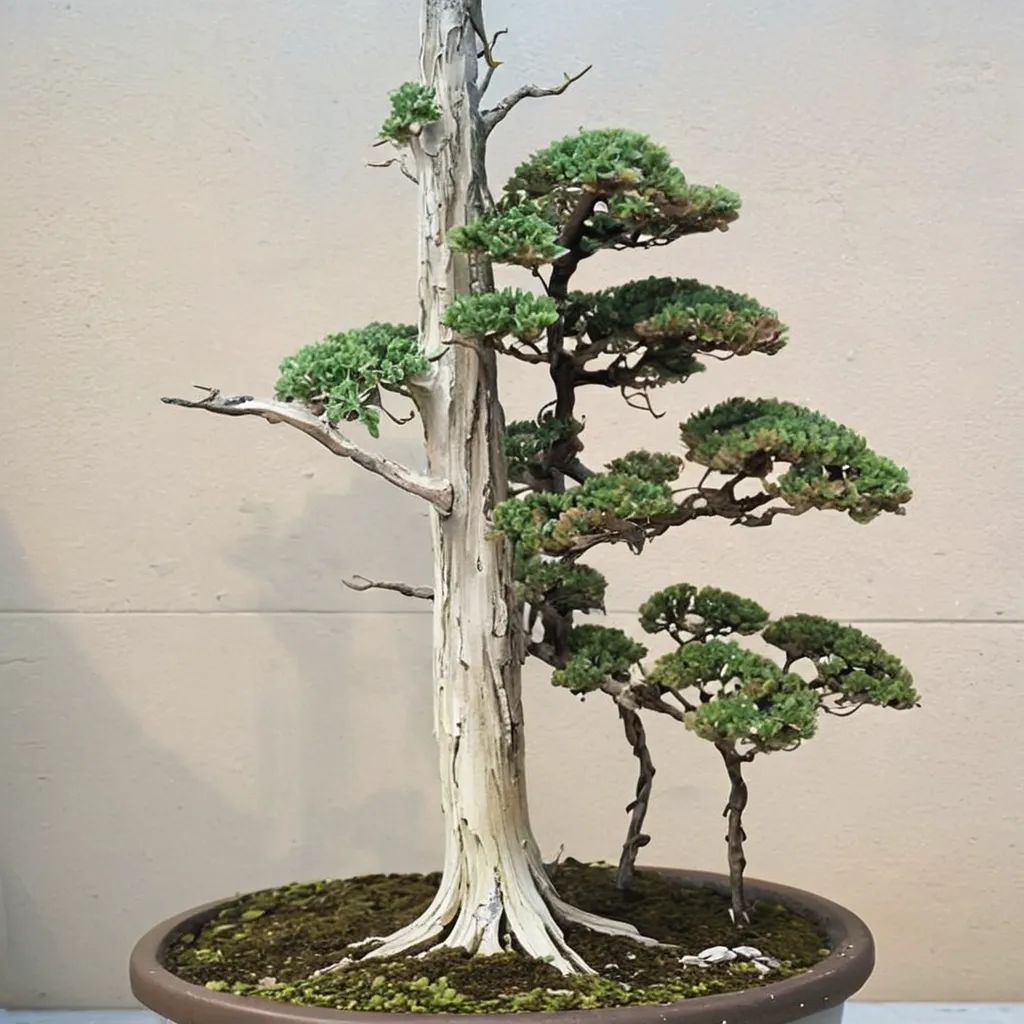
Foemina Chinese Juniper
Juniperus chinensis 'Foemina'
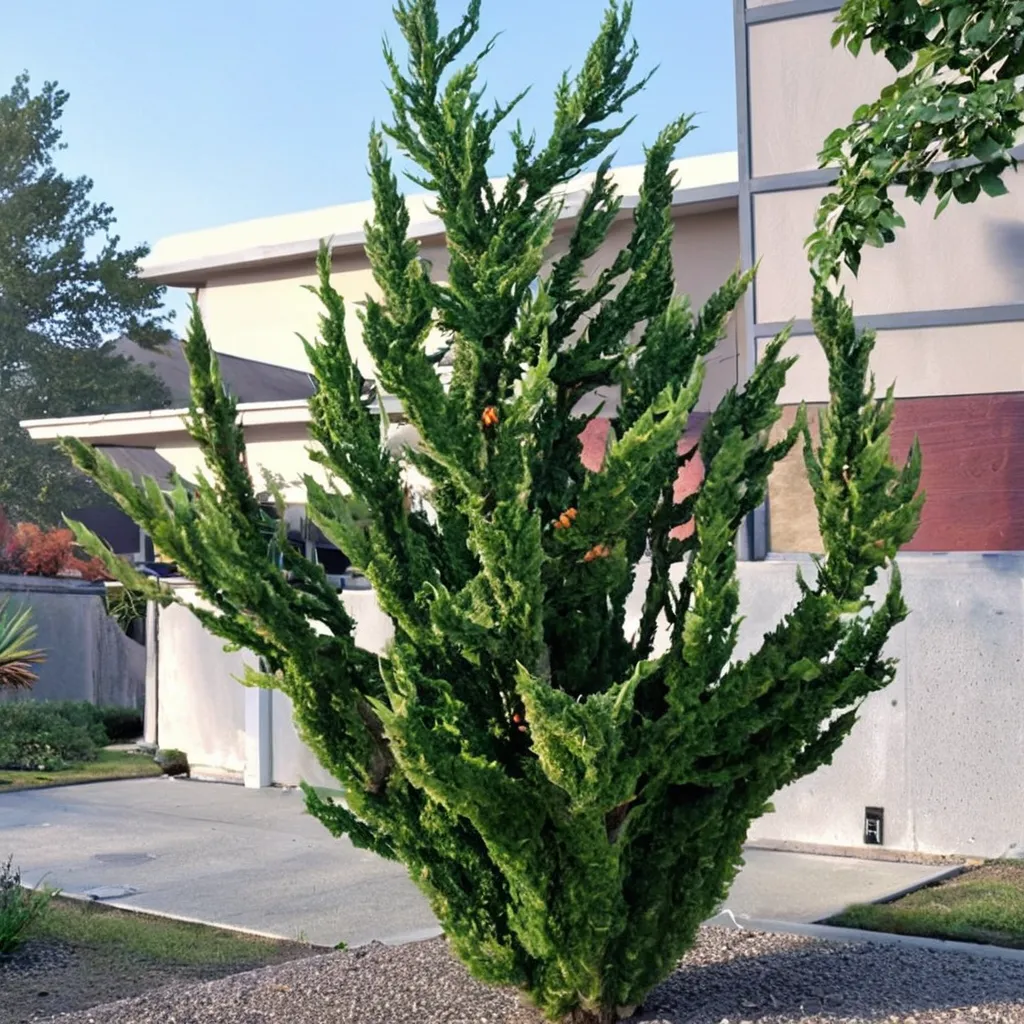
Hollywood Juniper
Juniperus chinensis 'Kaizuka'
Keep exploring
Explore the genus
Grow Burkii Juniper with confidence
See it in a design of your actual yard, get zone-matched care reminders, and track it season by season in your garden journal.