


The Story
Plant Bio
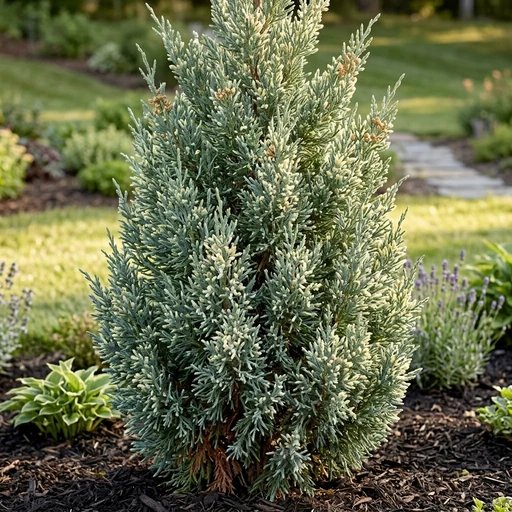
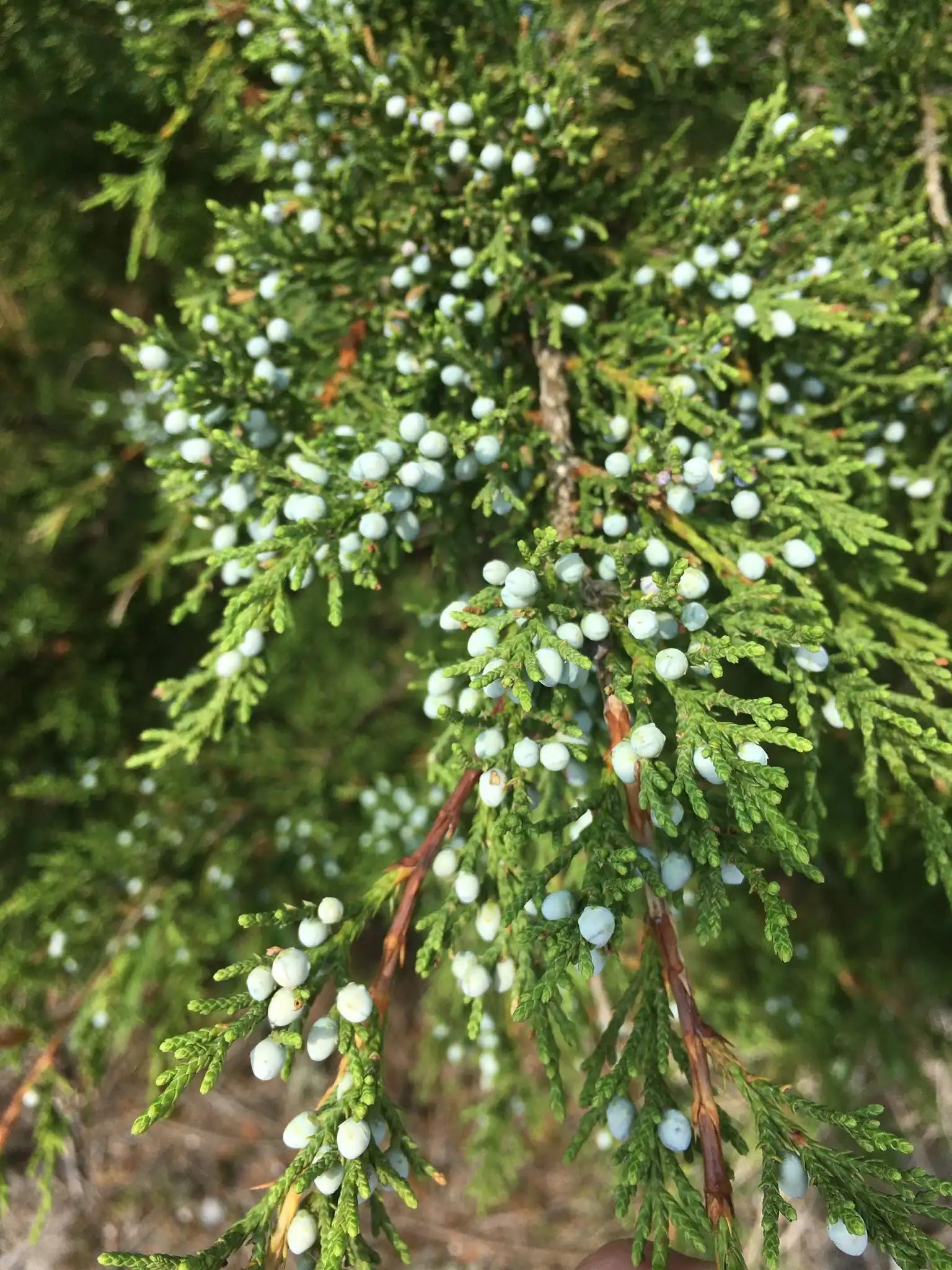
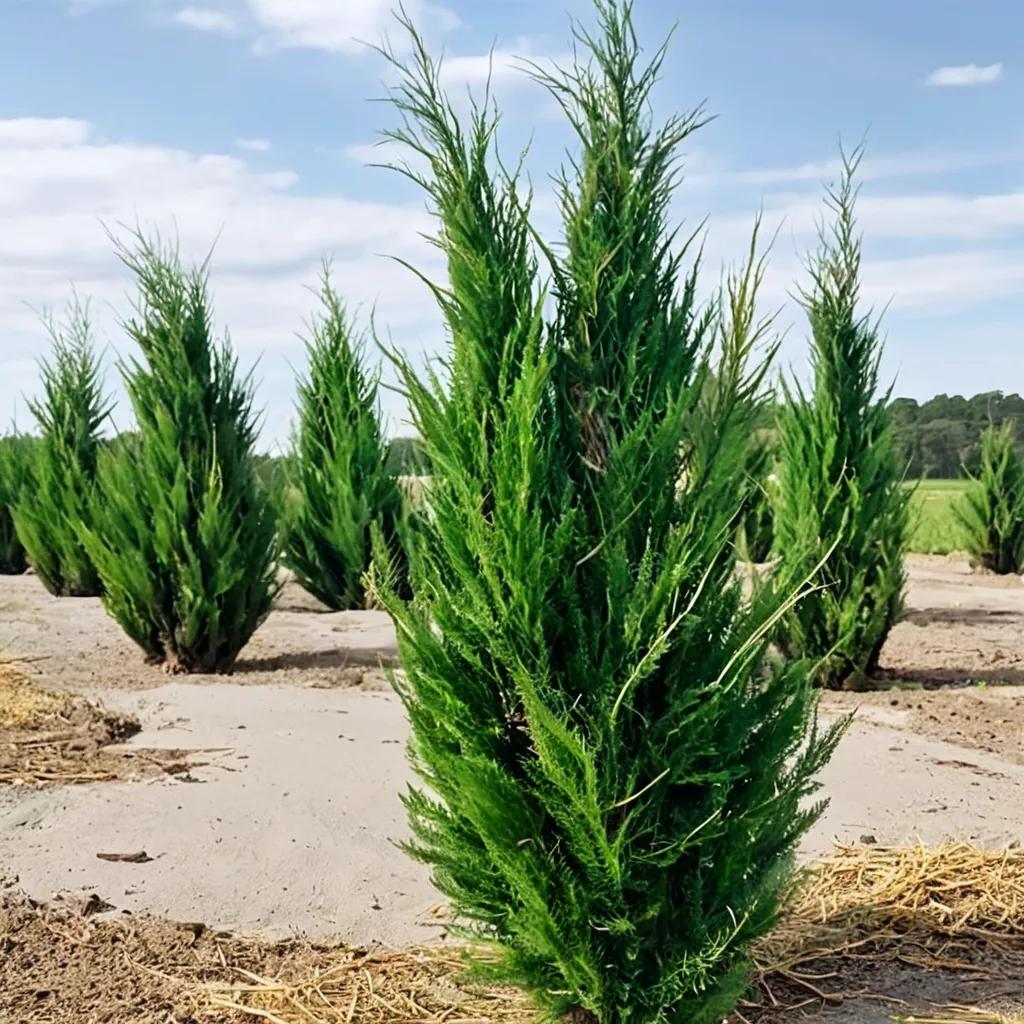
Juniperus virginiana, the Eastern Red Cedar, is an extremely tough and adaptable native conifer found throughout eastern North America. It tolerates a wide range of soils and conditions.
'Fuzzy Wuzzy' is a unique, low-spreading groundcover form with soft-textured, bright green foliage. It creates a dense mat and takes on a slight bronze-purple cast in winter.
Uses & Benefits:
Essentials
At a Glance
Plant Type
Groundcover
Height
18"
Width
60"
Light
Full Sun
Zones
6, 7, 8, 9
Water
Low
Humidity
Tolerates high humidity
Lifespan
Long-lived evergreen
Native To
Southeastern North America
Toxicity
Berries are mildly toxic if ingested in large quantities.
Bloom period
Late spring
In flower about 1 month of the year
Planting
How to Grow
- Select a site that receives full, direct sunlight all day.
- Amend heavy clay soil with compost to improve drainage.
- Dig a hole twice as wide as the container.
- Place the plant in the hole, ensuring the crown is at soil level.
- Backfill the hole and water deeply to eliminate air pockets.
- Water regularly during the first year to establish a strong root system.
Pro Tip
Plant it in a location with full sun and good air circulation to maintain its dense form and prevent fungal issues.
Keep It Thriving
Care Guide
Do
- Provide at least 6 hours of direct sun daily.
- Water deeply but infrequently once established.
- Prune any upright shoots to maintain its groundcover habit.
- Space plants appropriately to allow for their full spread.
Don't
- Do not plant in shady or waterlogged locations.
- Avoid overhead watering, which can encourage fungal diseases.
- Don't bury the crown of the plant when planting or mulching.
- Avoid planting near apple trees due to cedar-apple rust.
Seasonal Care Calendar
| Task | Jan | Feb | Mar | Apr | May | Jun | Jul | Aug | Sep | Oct | Nov | Dec |
|---|---|---|---|---|---|---|---|---|---|---|---|---|
| Mulch | ||||||||||||
| Pest Check | ||||||||||||
| Plant |
Watch Out For
Pests & Diseases
Common Pests
Common Diseases
In the Garden
Landscape Uses & Companions
Landscape Uses
Multiply
Propagation Methods
Good to Know
Common Questions
Fuzzy Wuzzy Southern Red Cedar questions
What zones can Fuzzy Wuzzy Southern Red Cedar grow in?
Fuzzy Wuzzy Southern Red Cedar is hardy in USDA Zones 6–9. Inside that range it survives winter in the ground; outside it, grow it as an annual or a container plant you protect.
Is Fuzzy Wuzzy Southern Red Cedar deer resistant?
Yes — Fuzzy Wuzzy Southern Red Cedar is rated deer-resistant. Deer typically pass it over, though extreme hunger can override any plant's defenses.
When does Fuzzy Wuzzy Southern Red Cedar bloom?
Fuzzy Wuzzy Southern Red Cedar typically blooms in late spring through late spring. Exact timing shifts a week or two with your zone — Sow's bloom calendar maps it to your garden.
Does Fuzzy Wuzzy Southern Red Cedar need full sun?
Fuzzy Wuzzy Southern Red Cedar does best in full sun (6+ hours).
Is Fuzzy Wuzzy Southern Red Cedar drought tolerant?
Yes — once established (usually after the first full season), Fuzzy Wuzzy Southern Red Cedar handles dry spells with minimal watering. Water deeply its first year to build the root system that makes that possible.
More Juniperus to compare
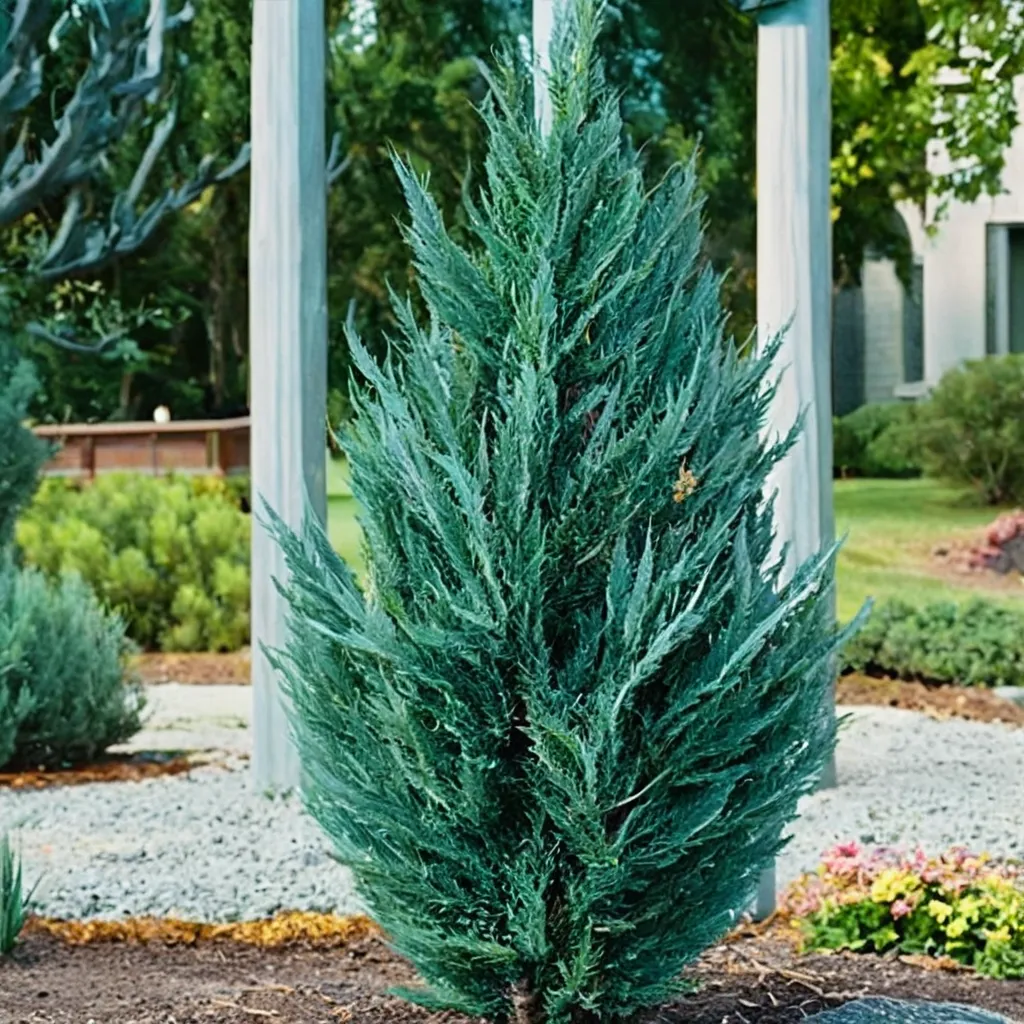
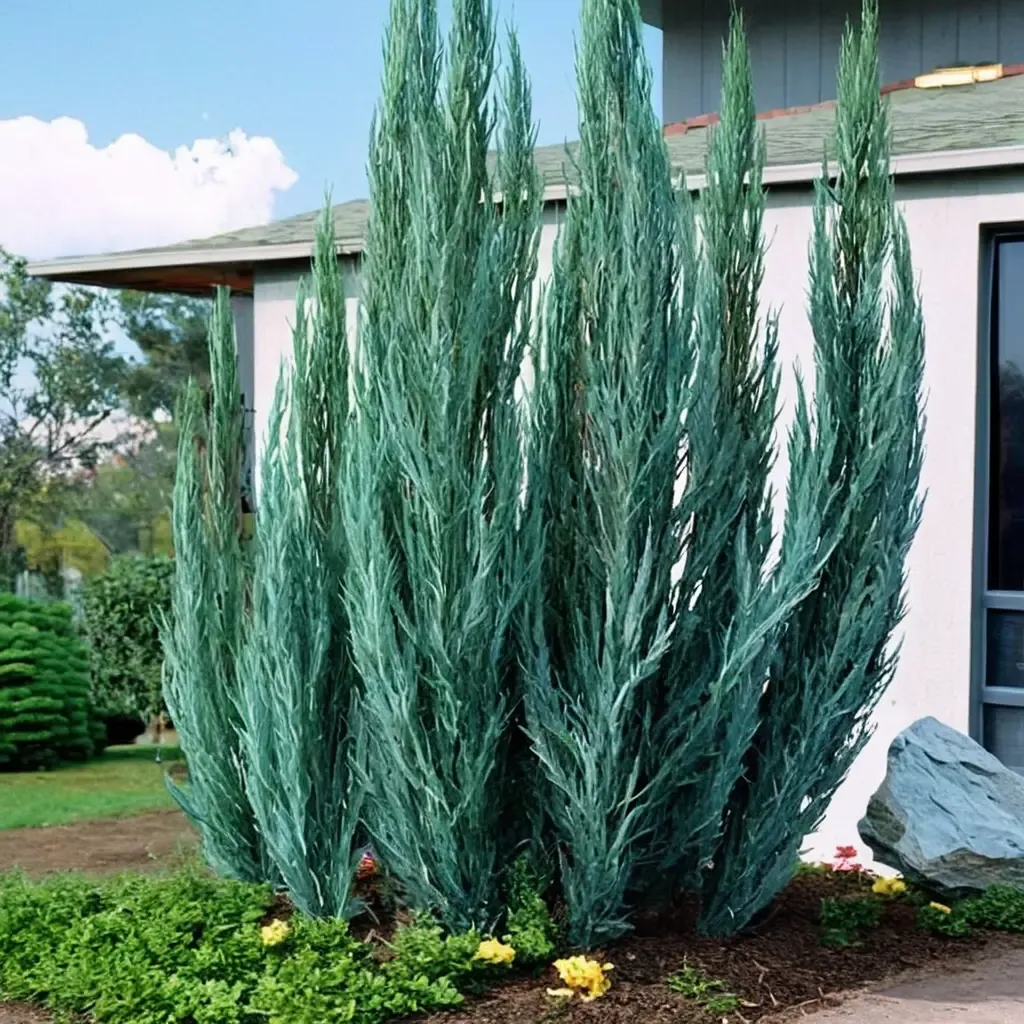
Blue Point Juniper
Juniperus chinensis 'Blue Point'
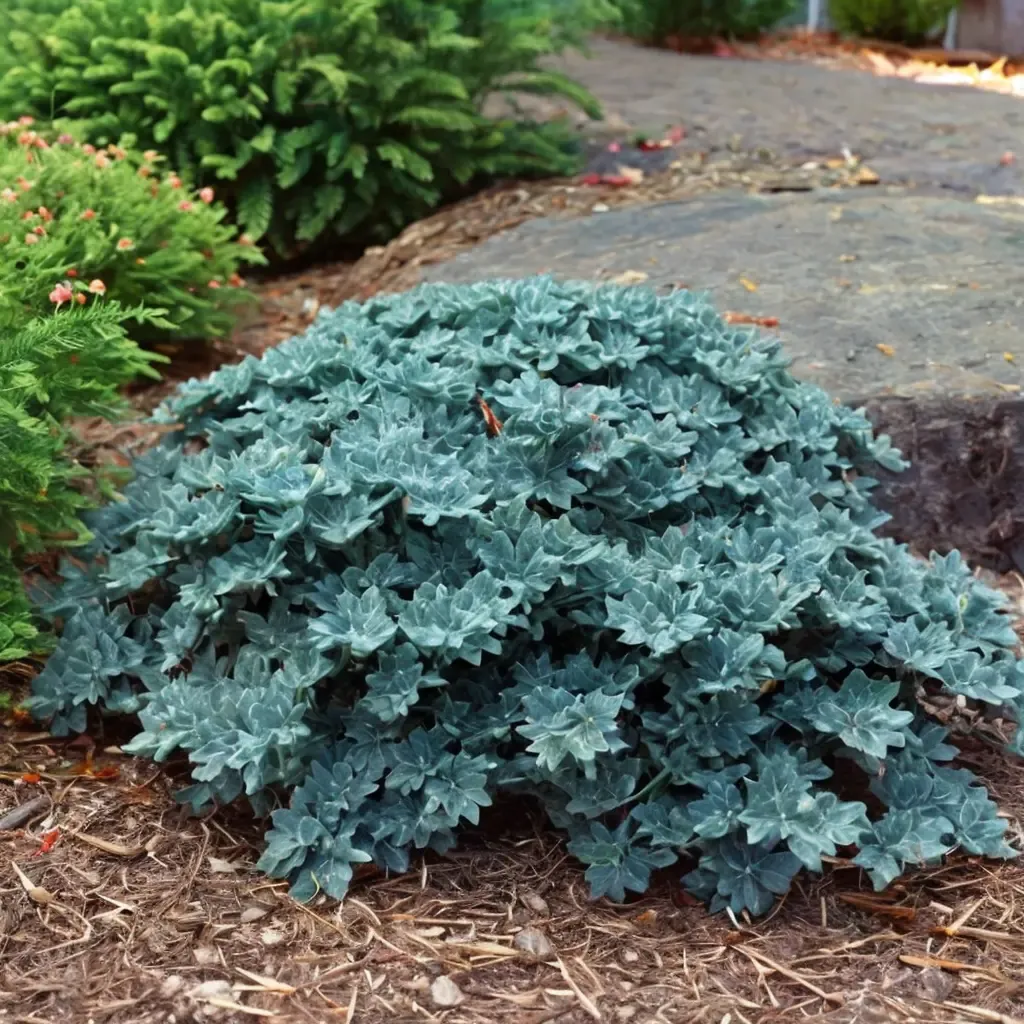
Skyrocket Juniper
Juniperus horizontalis 'Skyrocket'
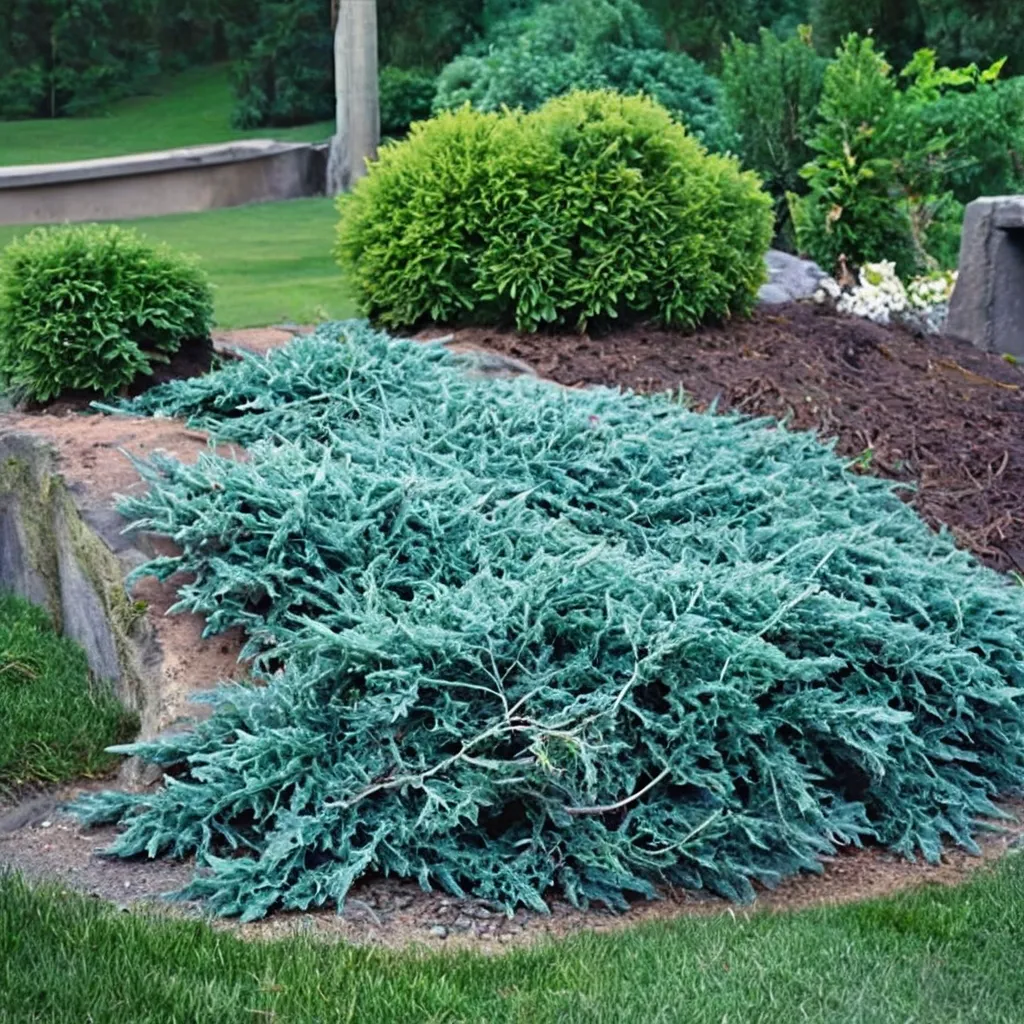
Blue Star Juniper
Juniperus squamata 'Blue Star'
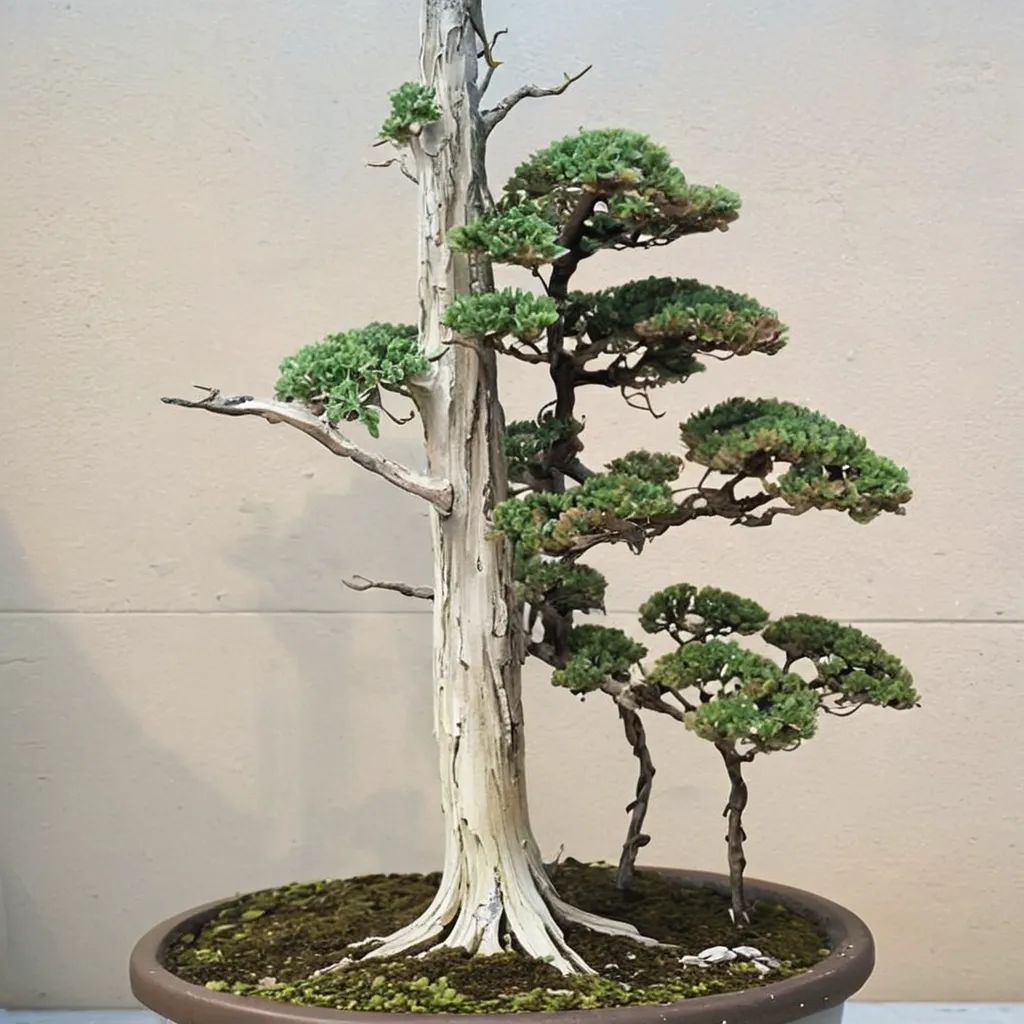
Blue Rug Juniper
Juniperus horizontalis 'Blue Rug'
Foemina Chinese Juniper
Juniperus chinensis 'Foemina'
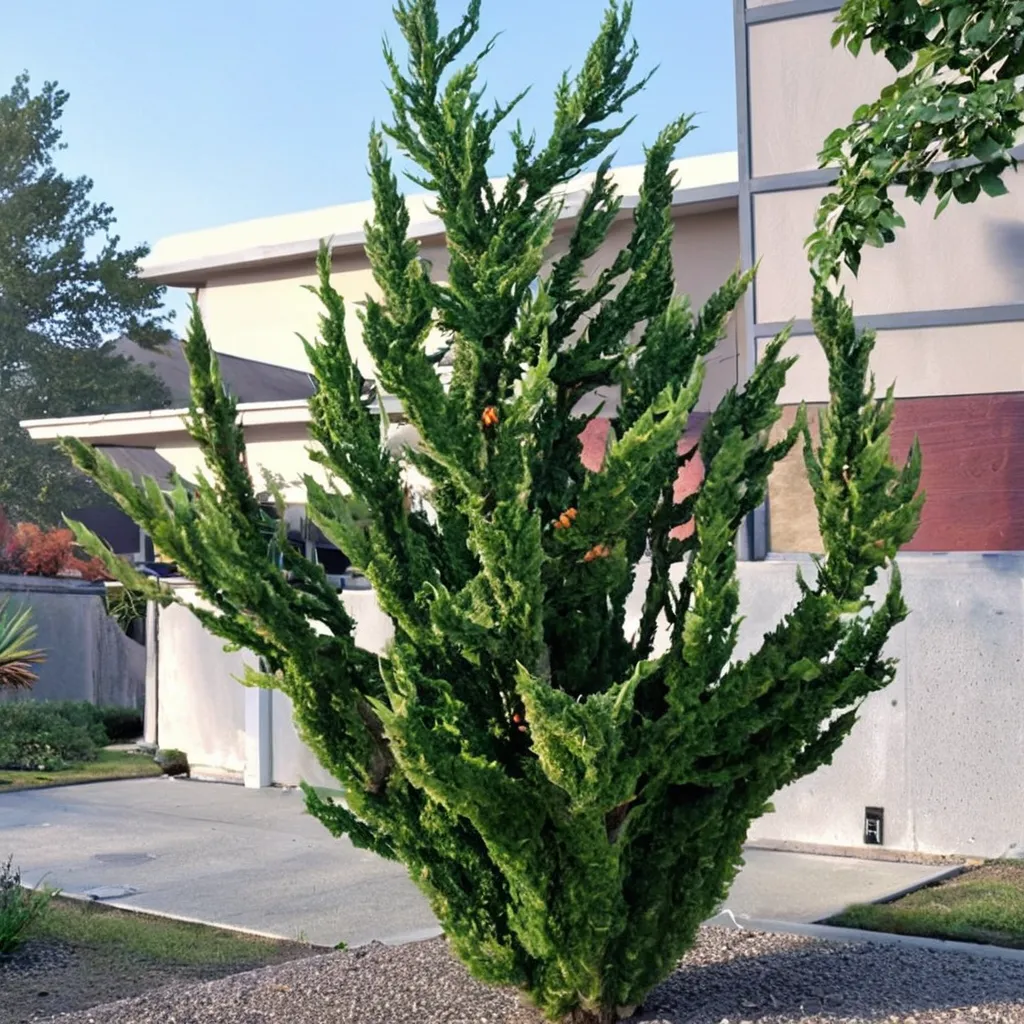
Hollywood Juniper
Juniperus chinensis 'Kaizuka'
Keep exploring
Explore the genus
Hardy in your zone?
Grow Fuzzy Wuzzy Southern Red Cedar with confidence
See it in a design of your actual yard, get zone-matched care reminders, and track it season by season in your garden journal.