




The Story
Plant Bio
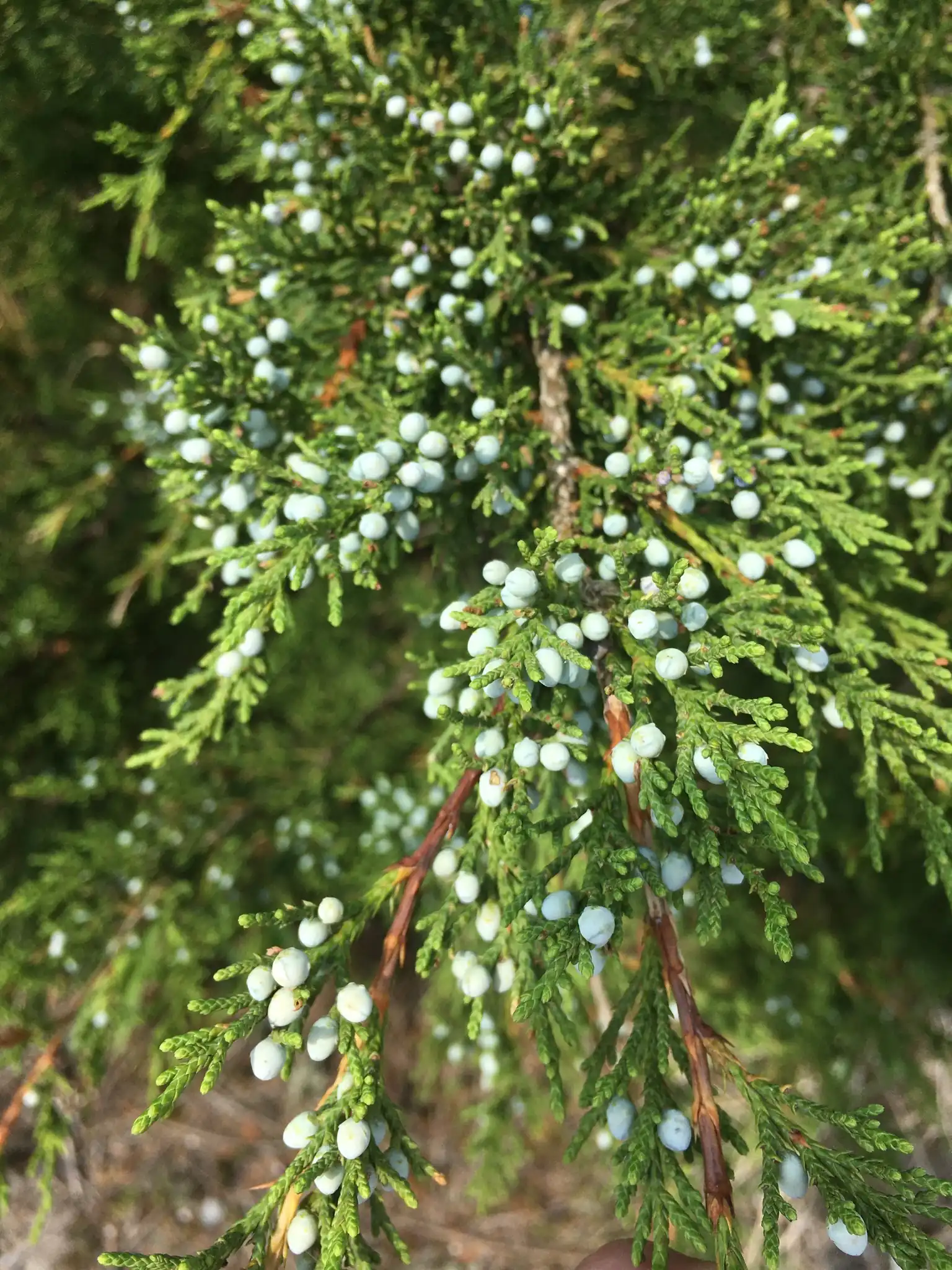
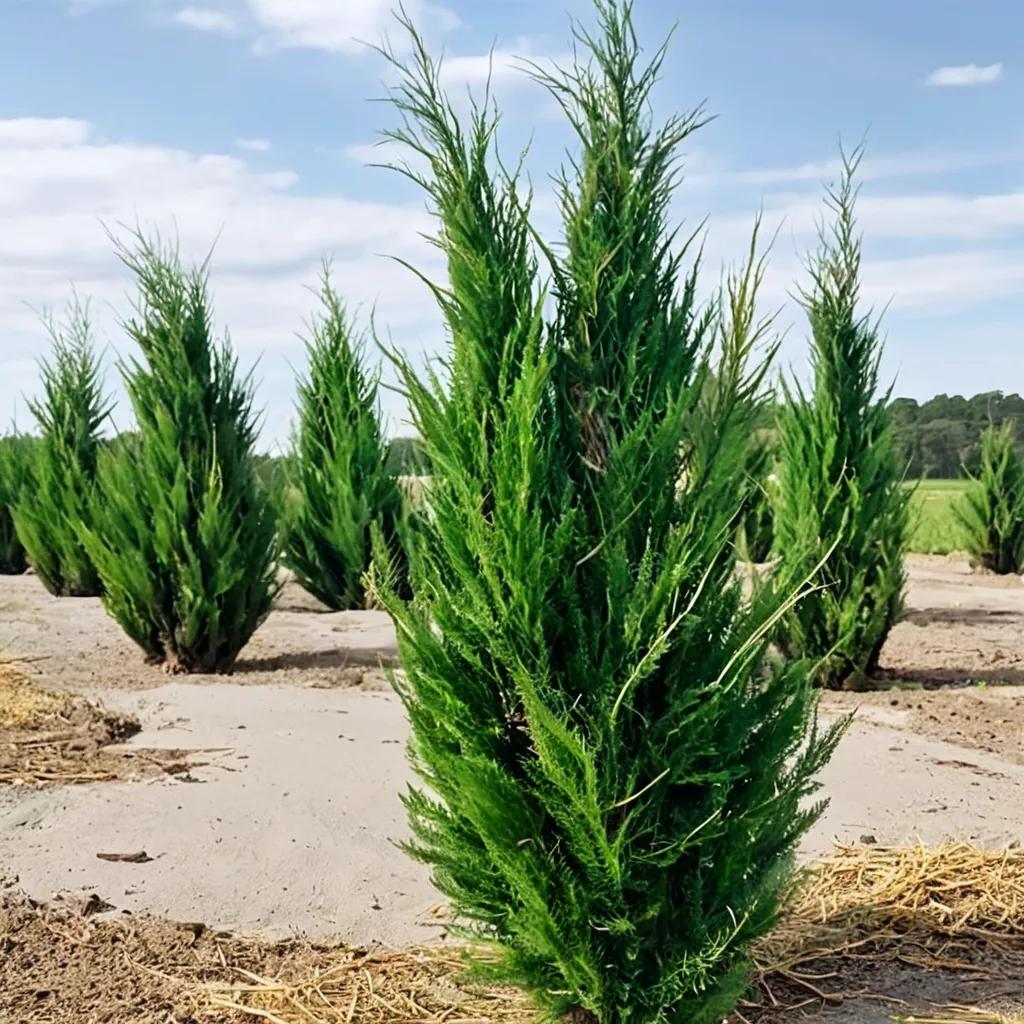
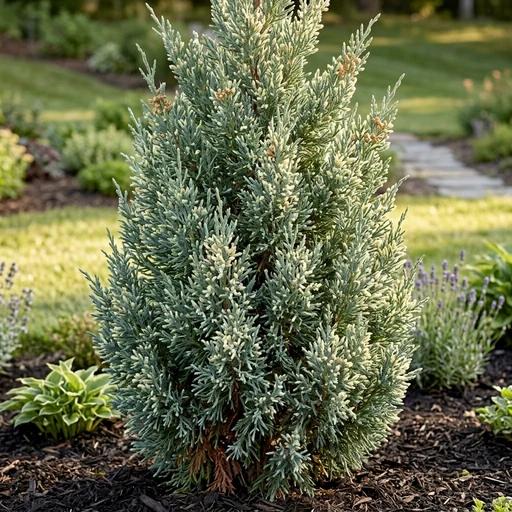
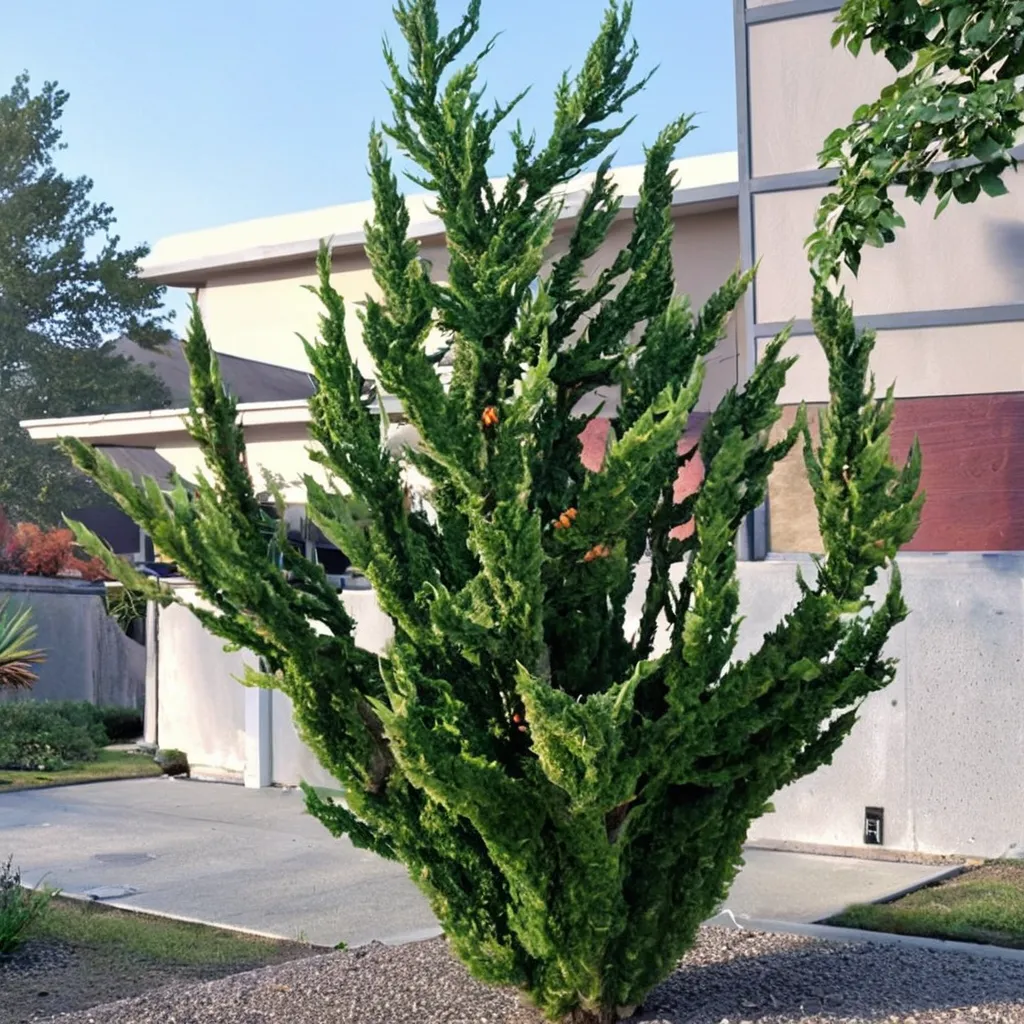
Juniperus virginiana, eastern redcedar, is a dense evergreen conifer native to eastern North America from Maine to Florida and west to Texas. Mature growth carries blue-green scale-like foliage that bronzes in winter, while juvenile growth is needle-like and sharper. Small round blue cones ripen through autumn and winter on female trees.
Its tolerance is the point: it holds on in poor, rocky, dry and alkaline ground where most conifers fail, which is why it colonises old fields so readily. It will not accept continuously wet soil, and it is an alternate host for cedar-apple rust, so it is a poor neighbour for orchards.
Uses & Benefits:
Essentials
At a Glance
Plant Type
Tree
Height
420"
Width
180"
Light
Full Sun
Zones
4, 5, 6, 7, 8, 9
Water
Low
Humidity
Low
Lifespan
Perennial
Native To
Eastern North America
Toxicity
Non-toxic
Marketplace
Where to Buy
Shipping costs Year-round shipping Free shipping
Planting
How to Grow
- Plant in autumn or early spring in a sunny, well-drained site.
- Choose full sun; it only tolerates shade when very young.
- Set the root ball level with the surrounding soil and backfill firmly.
- Water through the first season, then only in extended drought.
- Avoid siting near apples or crabapples to limit cedar-apple rust.
- Leave it largely unpruned; it needs little shaping.
Pro Tip
Keep it well away from apples and crabapples: redcedar is the alternate host for cedar-apple rust and will reinfect them each year.
Keep It Thriving
Care Guide
Do
- Plant in full sun with good drainage ☀️
- Use it as a windbreak or evergreen screen 🌲
- Water through the first season to establish 🌱
- Check for bagworms in mid-summer 🔍
Don't
- Plant in continuously wet or poorly drained soil ❌
- Site it near apple or crabapple trees ❌
- Shear hard into old wood, which does not resprout ❌
Seasonal Care Calendar
| Task | Jan | Feb | Mar | Apr | May | Jun | Jul | Aug | Sep | Oct | Nov | Dec |
|---|---|---|---|---|---|---|---|---|---|---|---|---|
| Monitor | ||||||||||||
| Prune |
Watch Out For
Pests & Diseases
Common Pests
Common Diseases
In the Garden
Landscape Uses & Companions
Landscape Uses
Multiply
Propagation Methods
Good to Know
Common Questions
Eastern Redcedar questions
What zones can Eastern Redcedar grow in?
Eastern Redcedar is hardy in USDA Zones 4–9. Inside that range it survives winter in the ground; outside it, grow it as an annual or a container plant you protect.
Is Eastern Redcedar deer resistant?
Yes — Eastern Redcedar is rated deer-resistant. Deer typically pass it over, though extreme hunger can override any plant's defenses.
When does Eastern Redcedar bloom?
Eastern Redcedar typically blooms in spring through late spring. Exact timing shifts a week or two with your zone — Sow's bloom calendar maps it to your garden.
Does Eastern Redcedar need full sun?
Eastern Redcedar does best in full sun (6+ hours).
Is Eastern Redcedar drought tolerant?
Yes — once established (usually after the first full season), Eastern Redcedar handles dry spells with minimal watering. Water deeply its first year to build the root system that makes that possible.
More Juniperus to compare
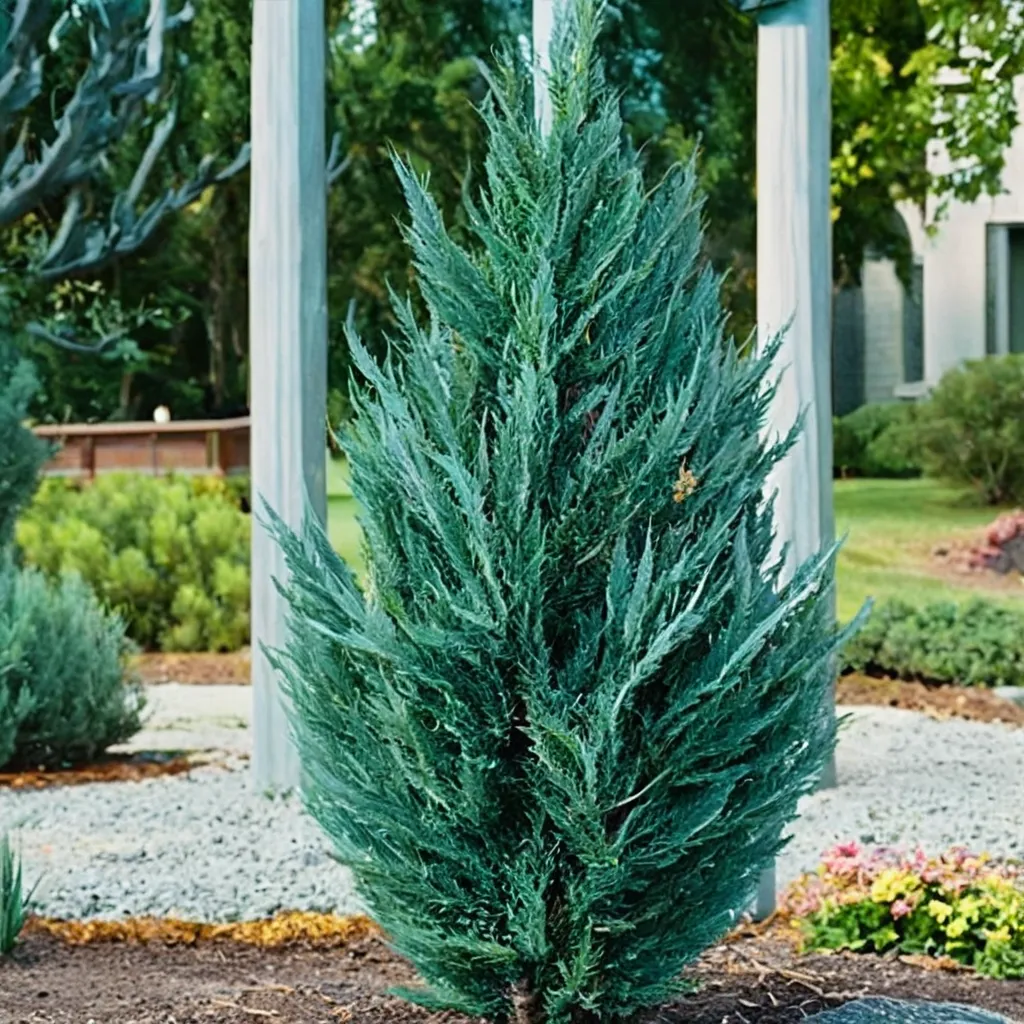
Blue Point Juniper
Juniperus chinensis 'Blue Point'
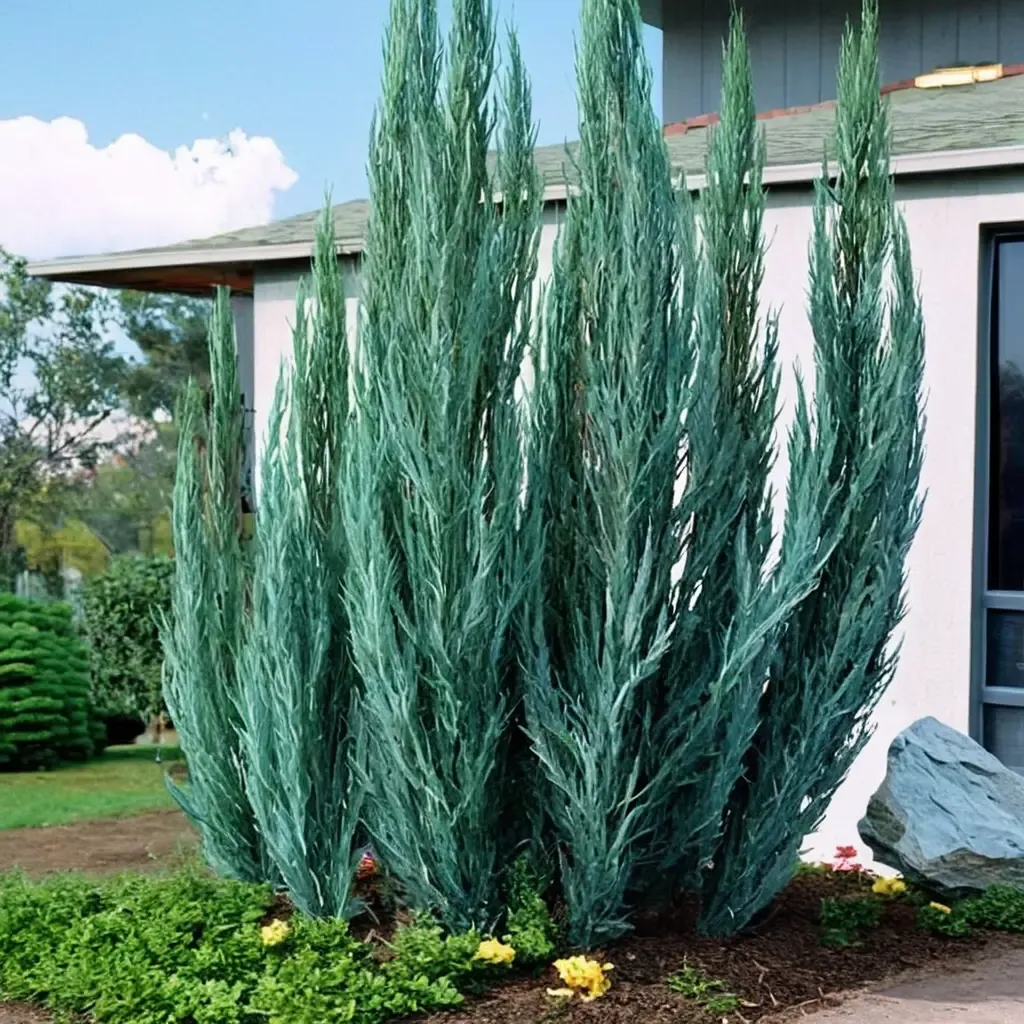
Skyrocket Juniper
Juniperus horizontalis 'Skyrocket'
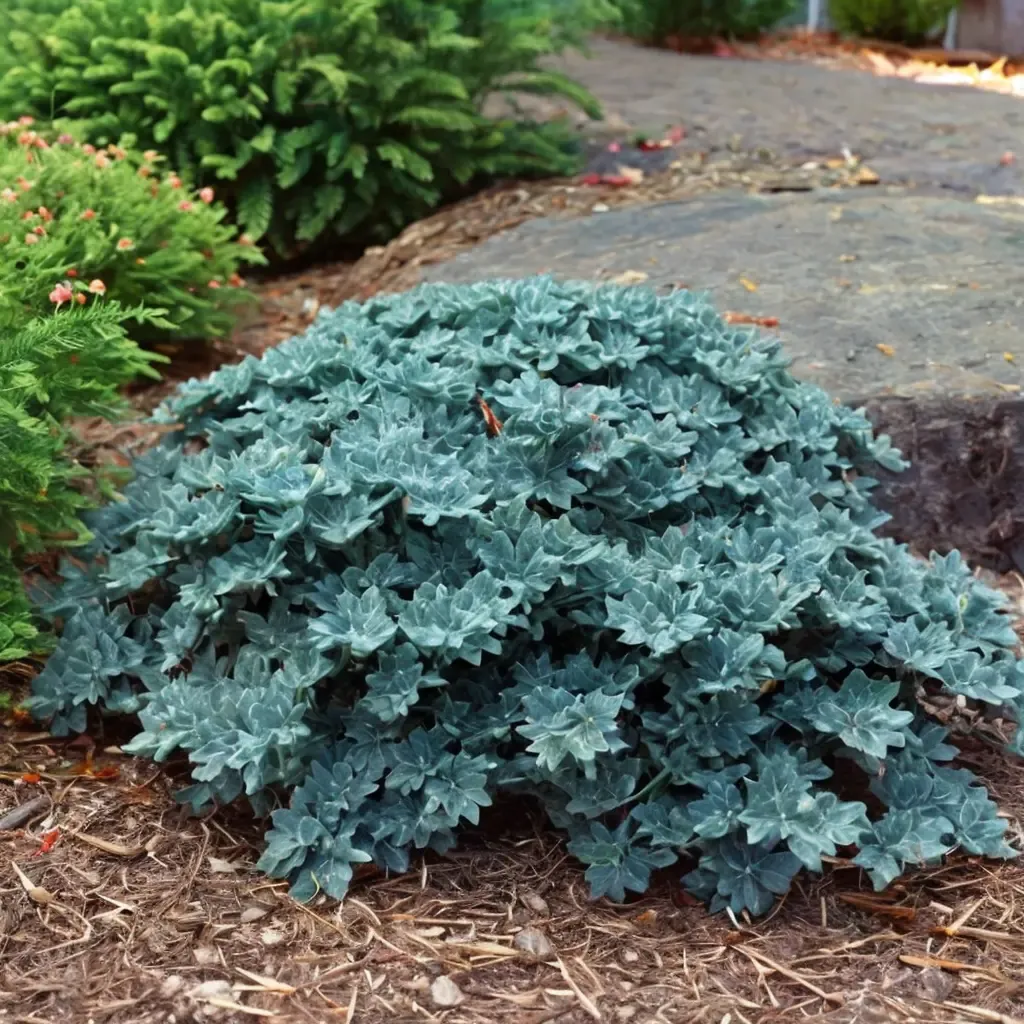
Blue Star Juniper
Juniperus squamata 'Blue Star'
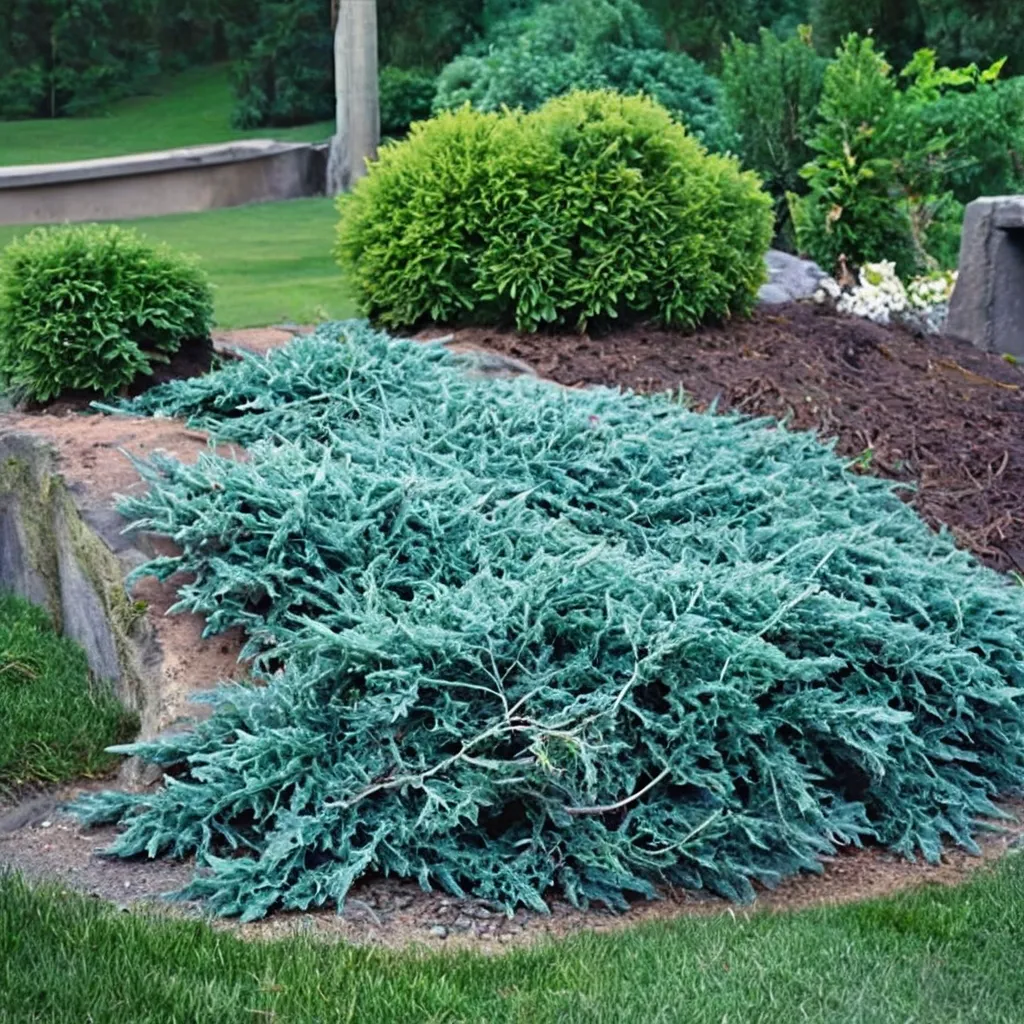
Blue Rug Juniper
Juniperus horizontalis 'Blue Rug'
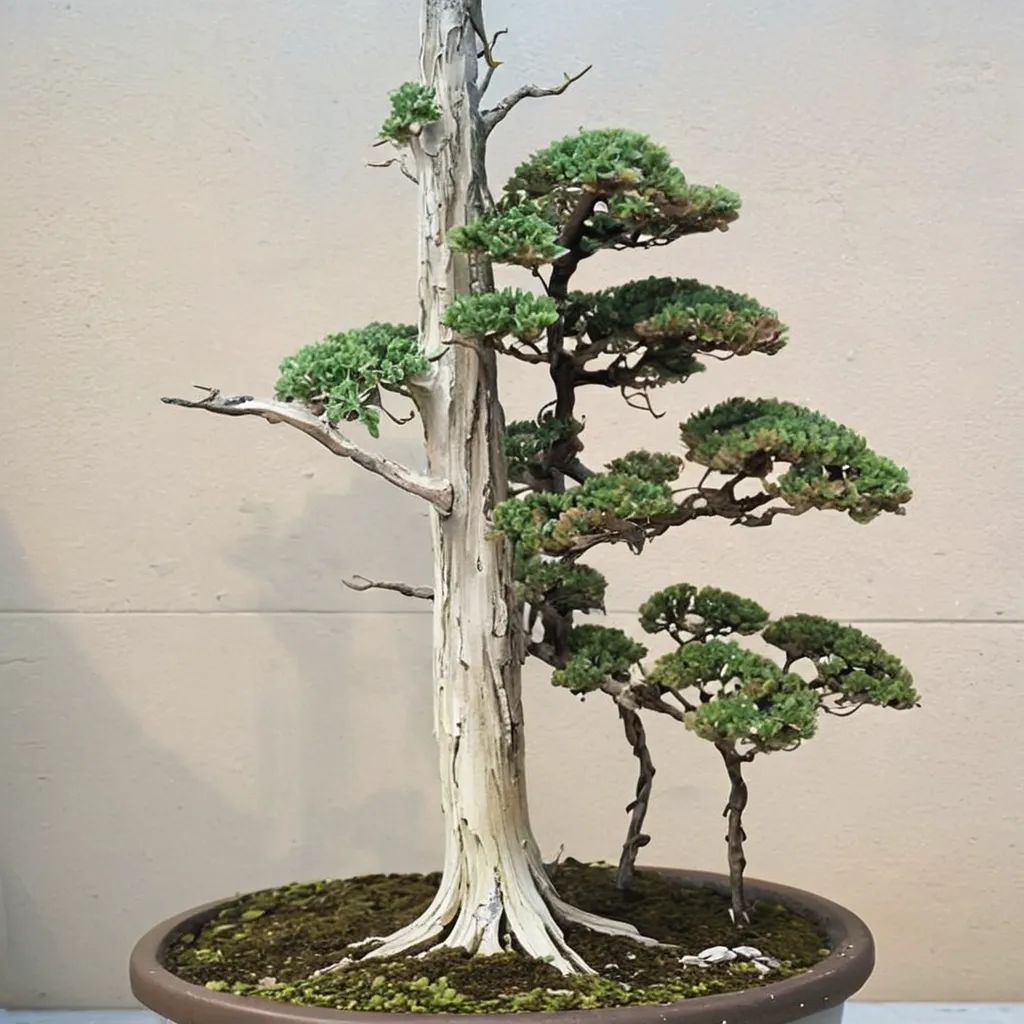
Foemina Chinese Juniper
Juniperus chinensis 'Foemina'
Hollywood Juniper
Juniperus chinensis 'Kaizuka'
Keep exploring
Explore the genus
Grow Eastern Redcedar with confidence
See it in a design of your actual yard, get zone-matched care reminders, and track it season by season in your garden journal.