Also known as Hickory · 173 saves
Carya
Carya, the genus most gardeners know as hickory. We track 5 varieties; the ones most used by real gardeners.
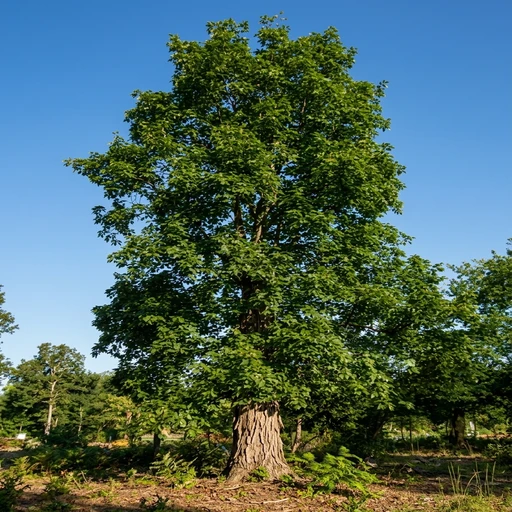
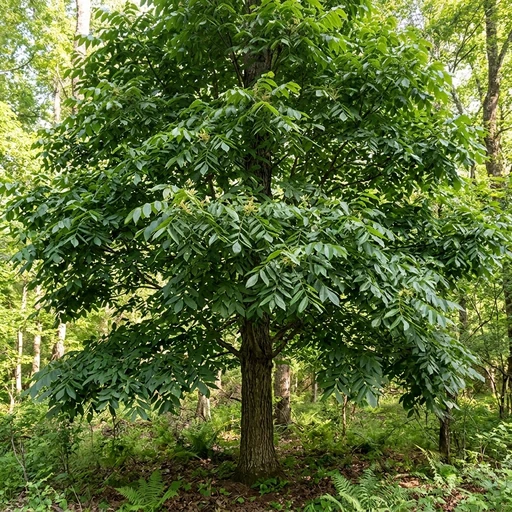
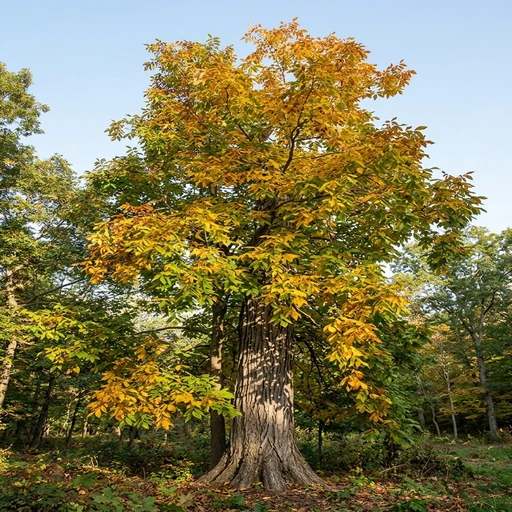
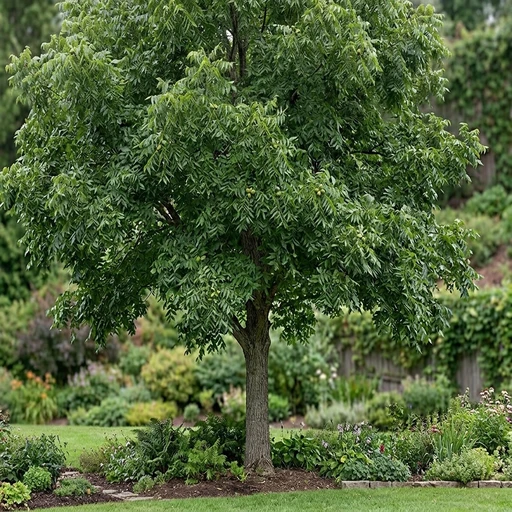
The 4 most-saved Carya varieties
Browse all 5 Carya varieties →
Species of Carya
Each one is a parent of the varieties above.
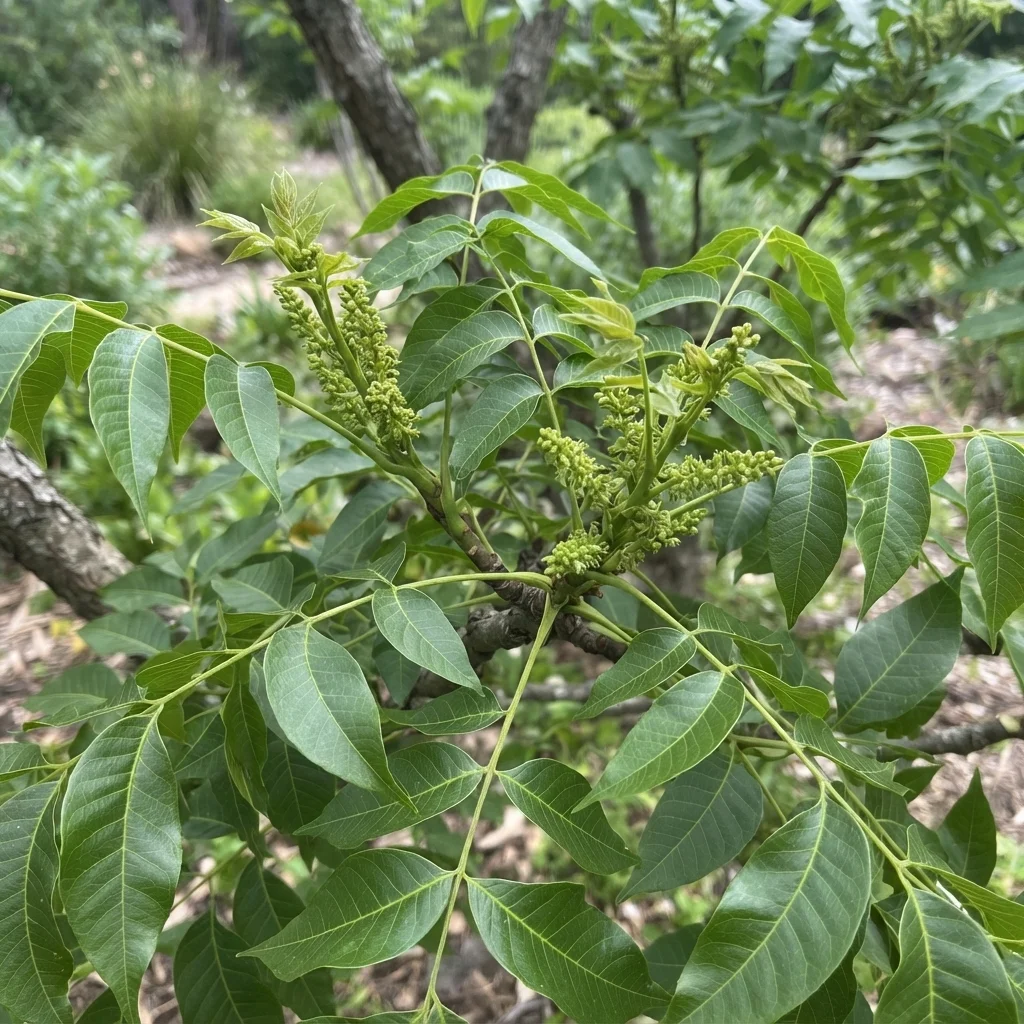
Track your Carya in Sow
Save the Carya you grow and get care reminders timed to your zone.
How to grow Carya
Whats common across all Carya varieties in our catalog — drawn from the care records of the 5 most-grown of them.
The Carya year
- PruneJanuary–March100% of varieties
Prune young trees to establish a central leader; remove dead wood on mature trees.
- PlantMarch and April60% of varieties
Plant bare-root trees during dormancy in late winter.
- HarvestOctober and November60% of varieties
Harvest nuts in the fall after they begin to drop from the tree.
- FertilizeMarch and April40% of varieties
Apply a zinc sulfate spray to foliage and a balanced fertilizer to the soil in early spring.


Do
- Protect young trees from deer browse with trunk guards.
- Provide ample space for this very large tree to grow.
- Plant at least two different cultivars for cross-pollination and good nut set.
- Water deeply and regularly, especially during nut-filling stage.
- Conduct a soil test and provide necessary nutrients, especially zinc.
Avoid
- Do not plant in shallow, compacted, or poorly drained soil.
- Avoid planting near buildings or power lines due to its massive size.
- Don't plant juglone-sensitive plants like tomatoes or azaleas under the canopy.
- Avoid wounding the thin bark, which can lead to disease entry.
What goes wrong with Carya
| Problem | What you'll see | What to do |
|---|---|---|
| Hickory Bark Beetle | Small holes in bark, sawdust-like frass, branch dieback. | Maintain tree health, as beetles target stressed trees. Remove and destroy infested limbs. Systemic insecticides for high-value trees. |
| Pecan Weevil | Small holes in developing nuts; hollowed-out nuts at harvest. | Use circle traps on the trunk to capture emerging adults. Time insecticide sprays (carbaryl) to target adults before they lay eggs. |
| Aphids | Sticky honeydew on leaves and nuts, leading to sooty mold. | Encourage beneficial insects like lacewings and ladybugs. Use insecticidal soap for minor infestations. Apply a systemic insecticide if severe. |
| Anthracnose | Irregular brown or black spots on leaves, leading to defoliation in wet years. | Rake up and destroy fallen leaves. Improve air circulation. Fungicide sprays are rarely necessary on mature trees. |
| Pecan Scab | Black, velvety spots on leaves, twigs, and nut shucks, causing premature nut drop. | Choose resistant cultivars. Prune to improve air circulation. Apply a rigorous schedule of preventative fungicide sprays throughout the growing season. |
Making more Carya
Seed
- Collect fresh nuts in the fall.
- Stratify in moist sand in a refrigerator for 90-120 days.
- Plant seeds 2-3 inches deep in a prepared bed in spring.
- Seedlings will emerge in late spring. Note: will not be true to parent.
Grafting
- Grow seedling rootstock for 1-2 years.
- In late winter, collect dormant scion wood from a desired cultivar.
- Perform a whip-and-tongue or inlay bark graft in early spring.
- Wrap the graft union tightly and seal with wax. This is an expert method.
Carya questions
How many types of Carya are there?
The Sow catalog tracks 5 distinct Carya varieties. The most popular — ranked by 173 real gardeners — are shown first above.
What zones does Carya grow in?
Across its varieties, Carya covers USDA Zones 4–9. Individual varieties differ — each plant page lists its exact range, and Sow filters the catalog to your zone automatically.
When does Carya bloom?
Most Carya varieties bloom in mid-spring. Staggering early, mid, and late varieties extends the genus's season in one bed.
Which Carya should I choose?
Start from the most-saved varieties above — popularity across thousands of gardens is a strong signal of reliability — then filter by your zone and sun. In the Sow app you can preview any of them in a photo of your actual yard before you buy.