Also known as Baneberry · 649 saves
Actaea
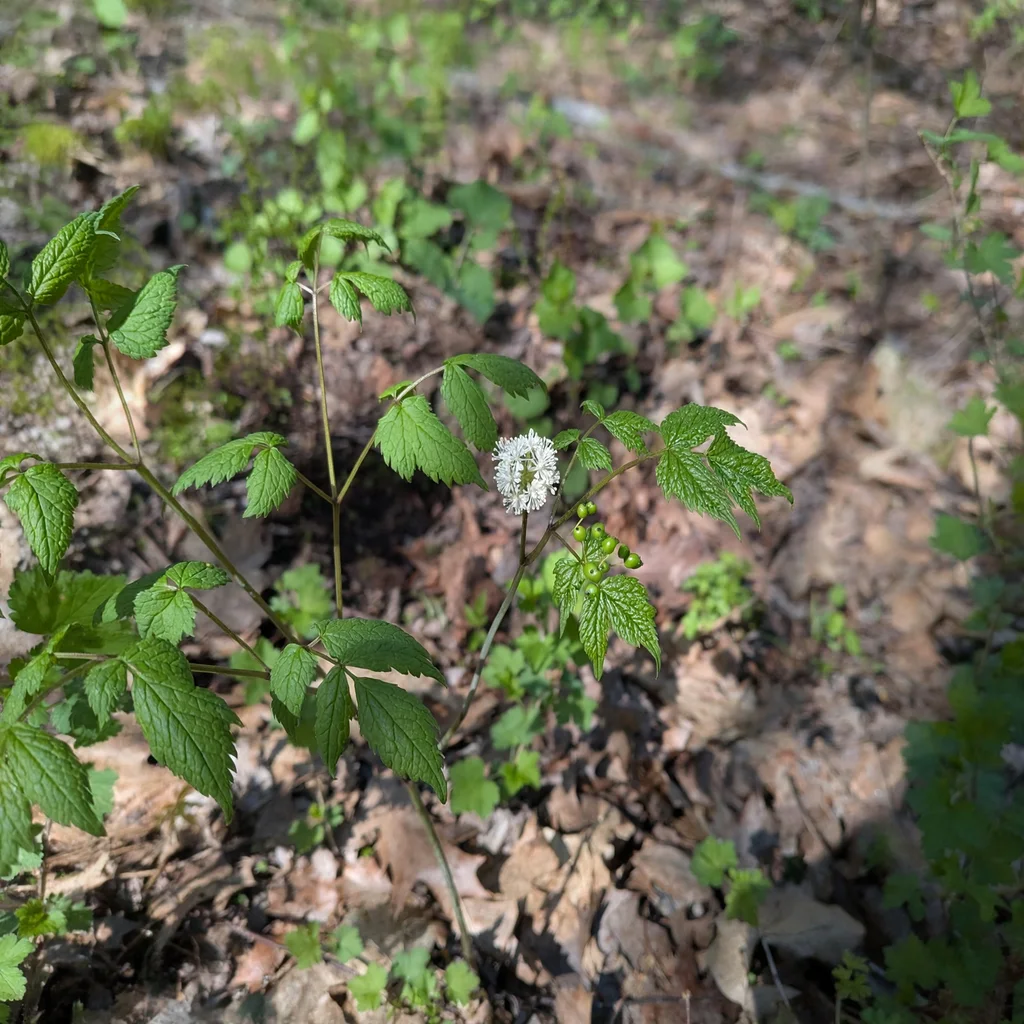
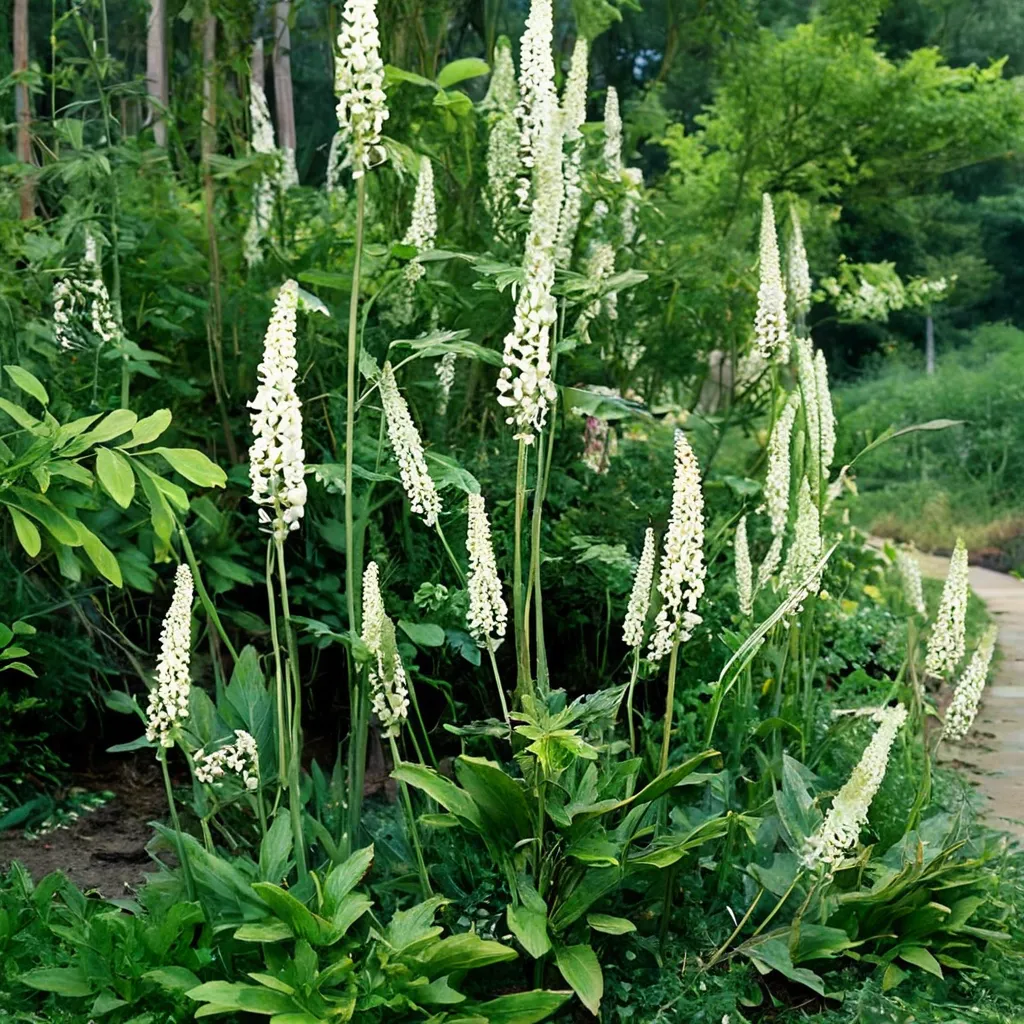
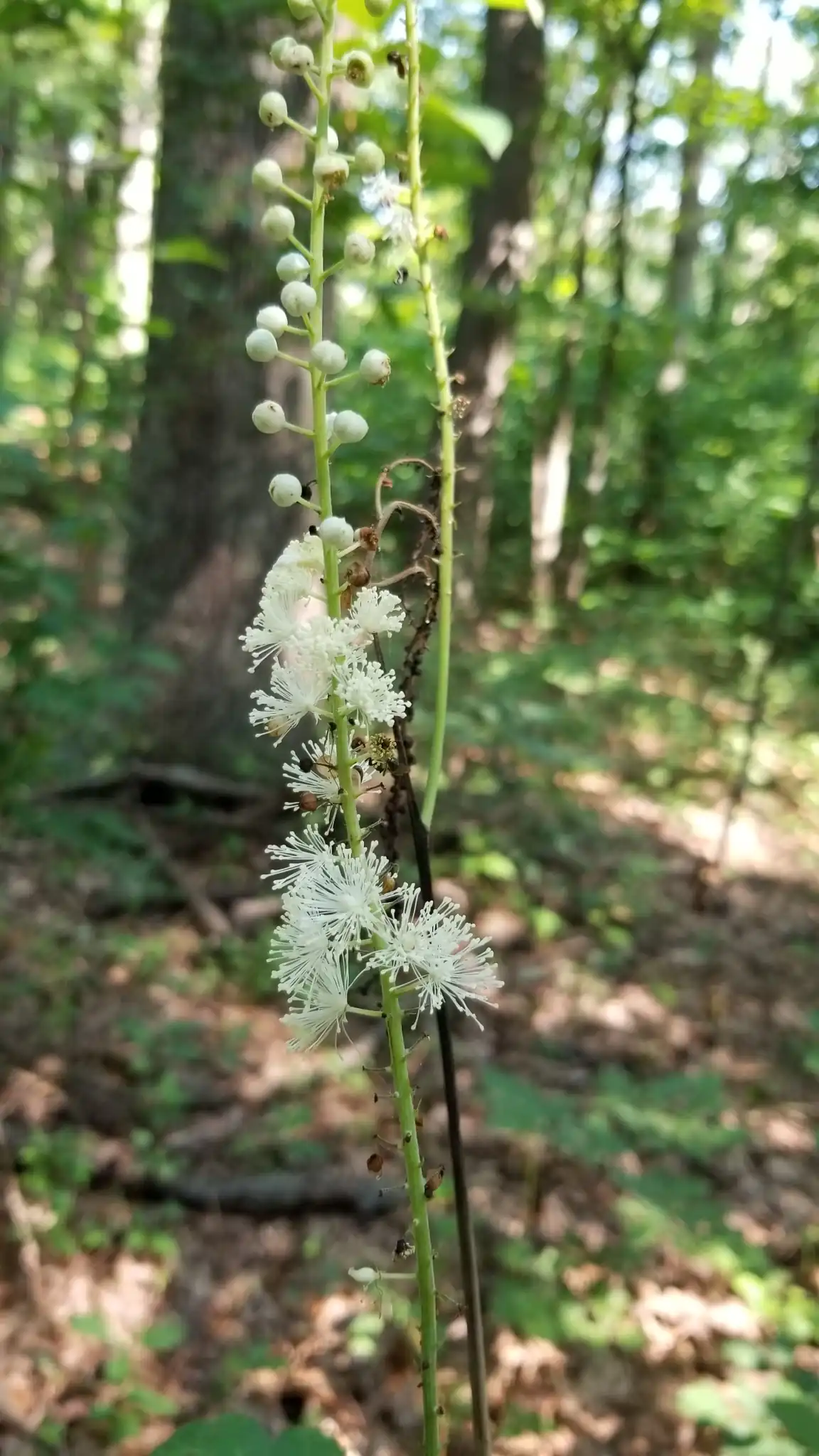
Actaea, the genus most gardeners know as baneberry. We track 19 varieties; the ones most used by real gardeners.
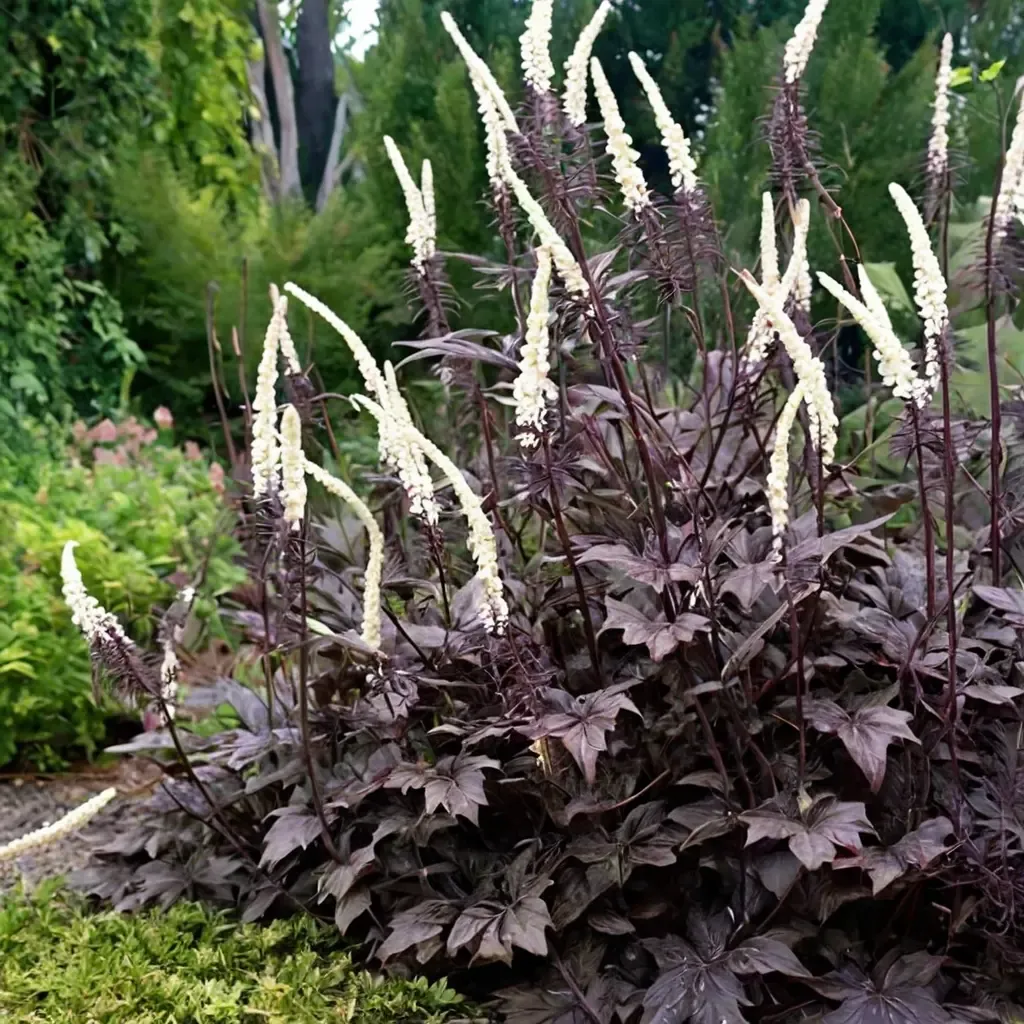
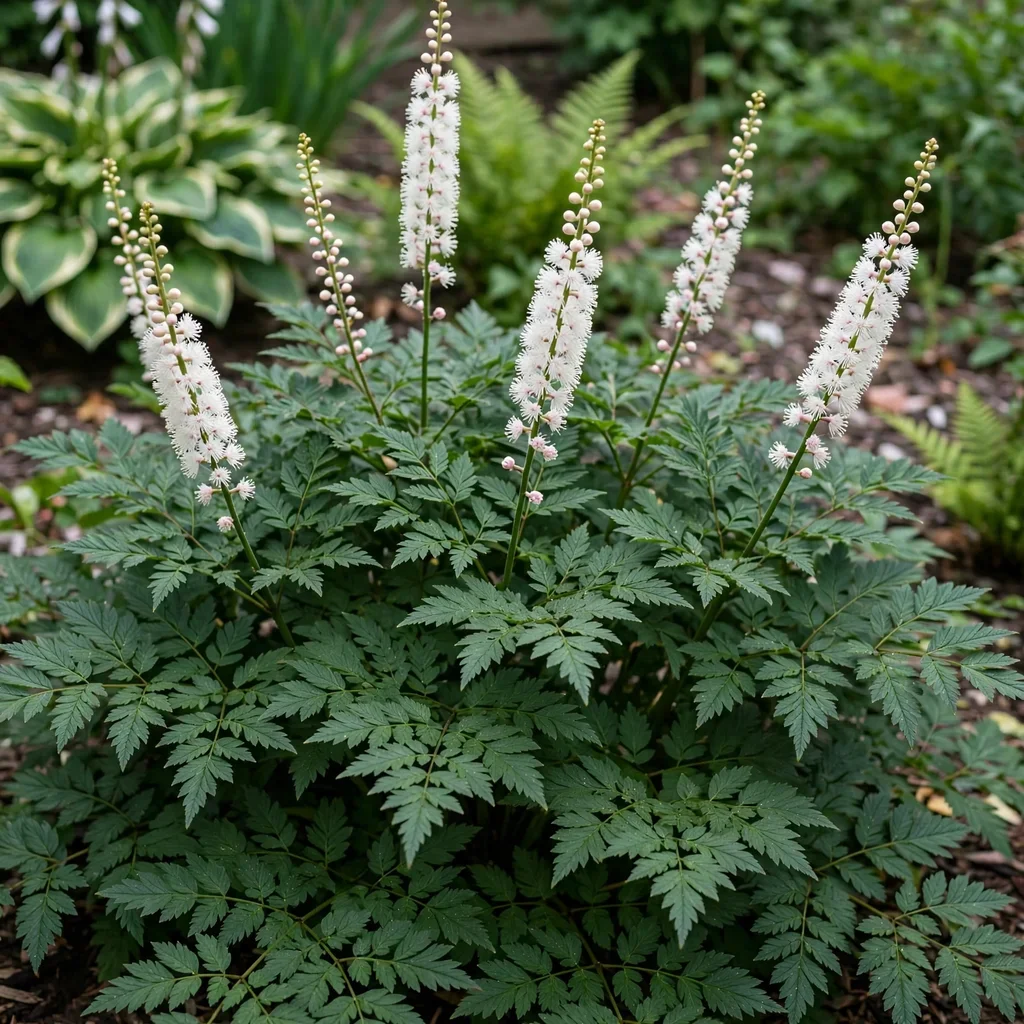
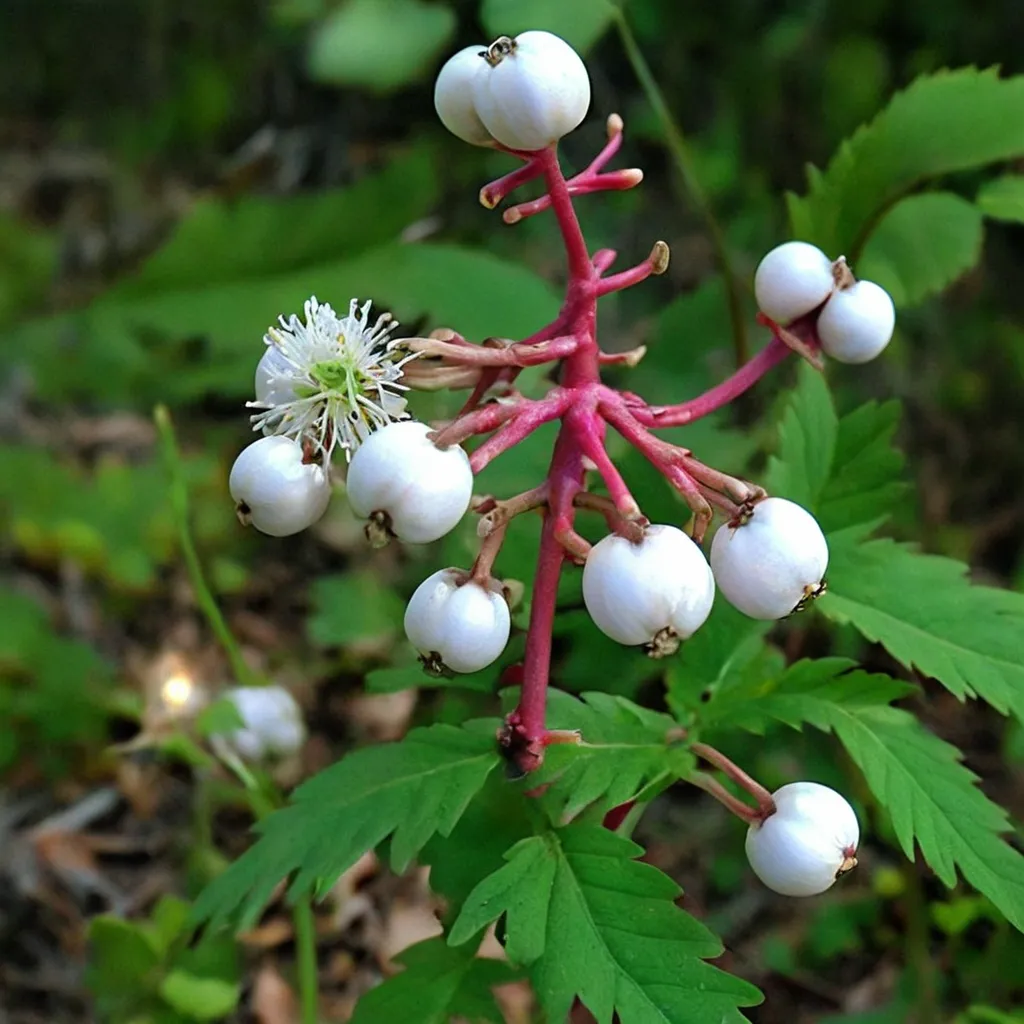
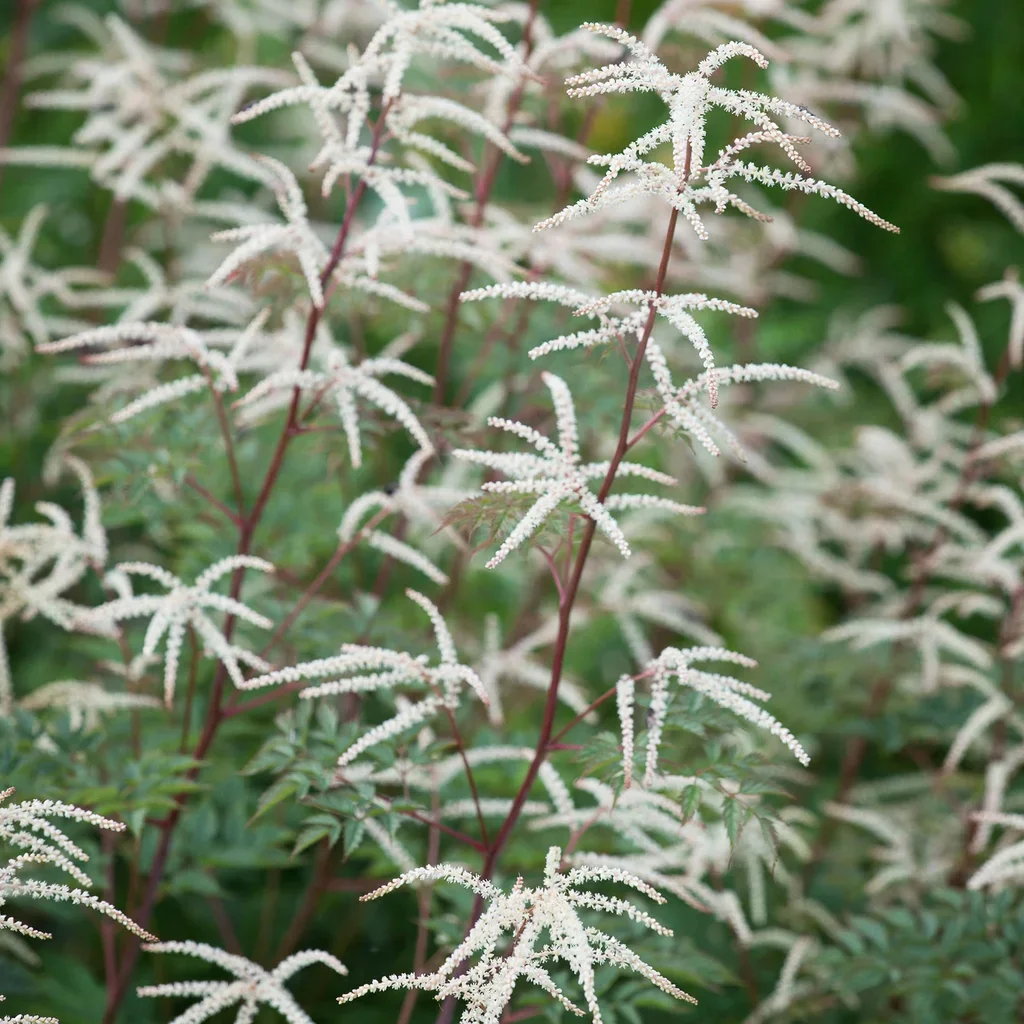
The 17 most-saved Actaea varieties
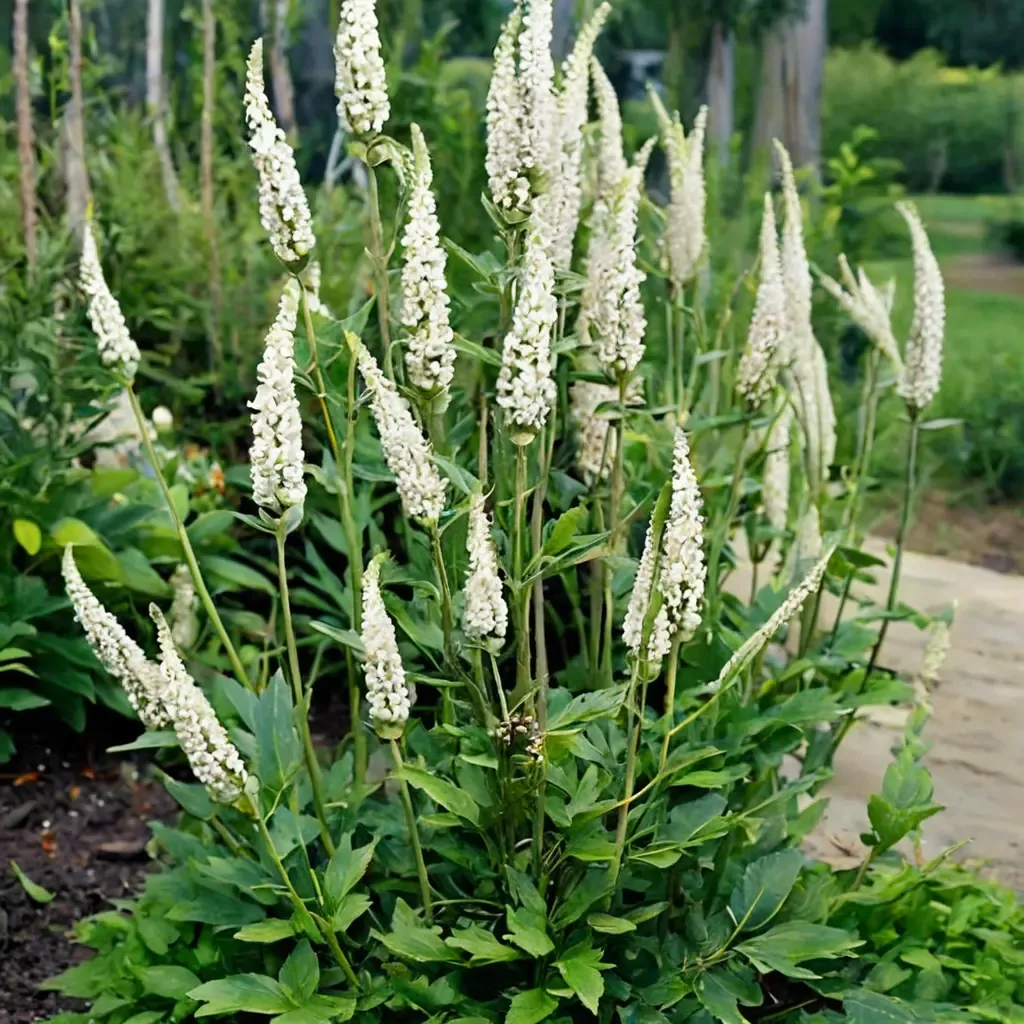
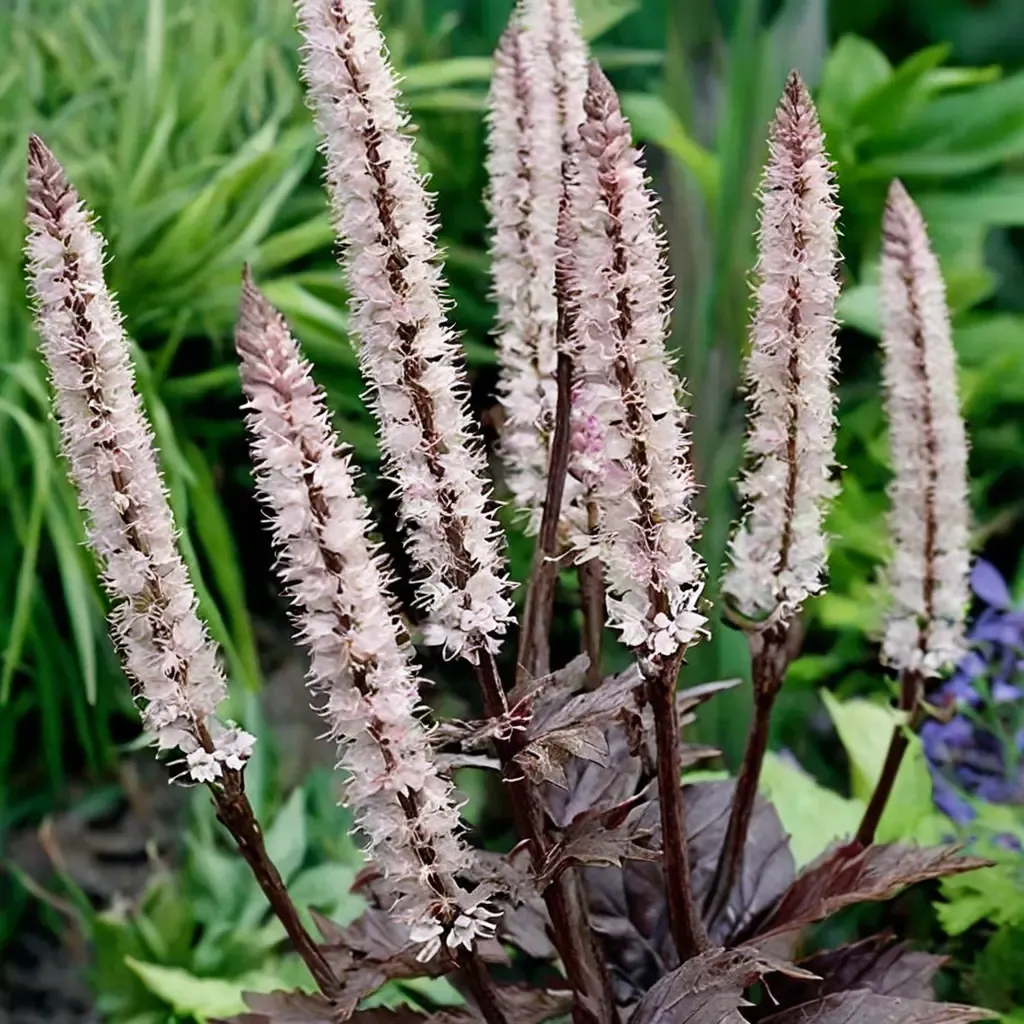
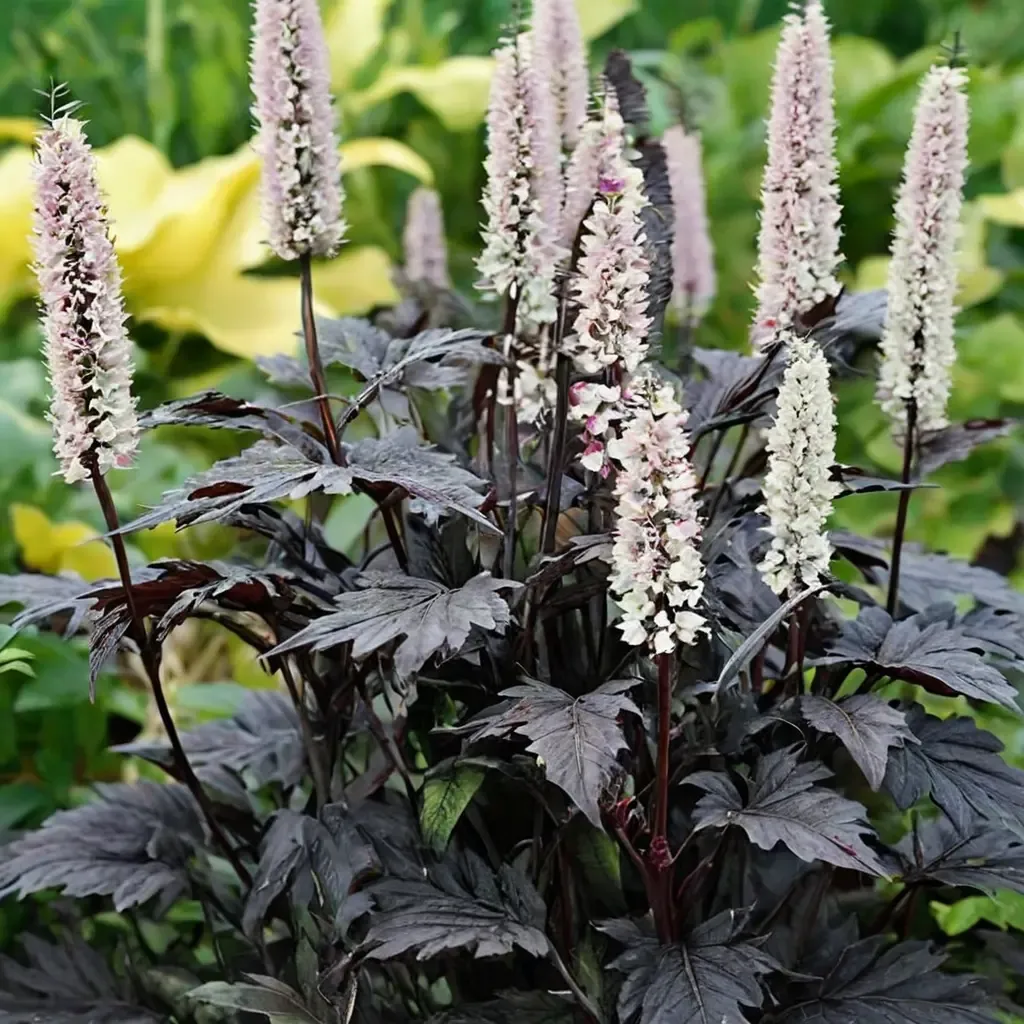
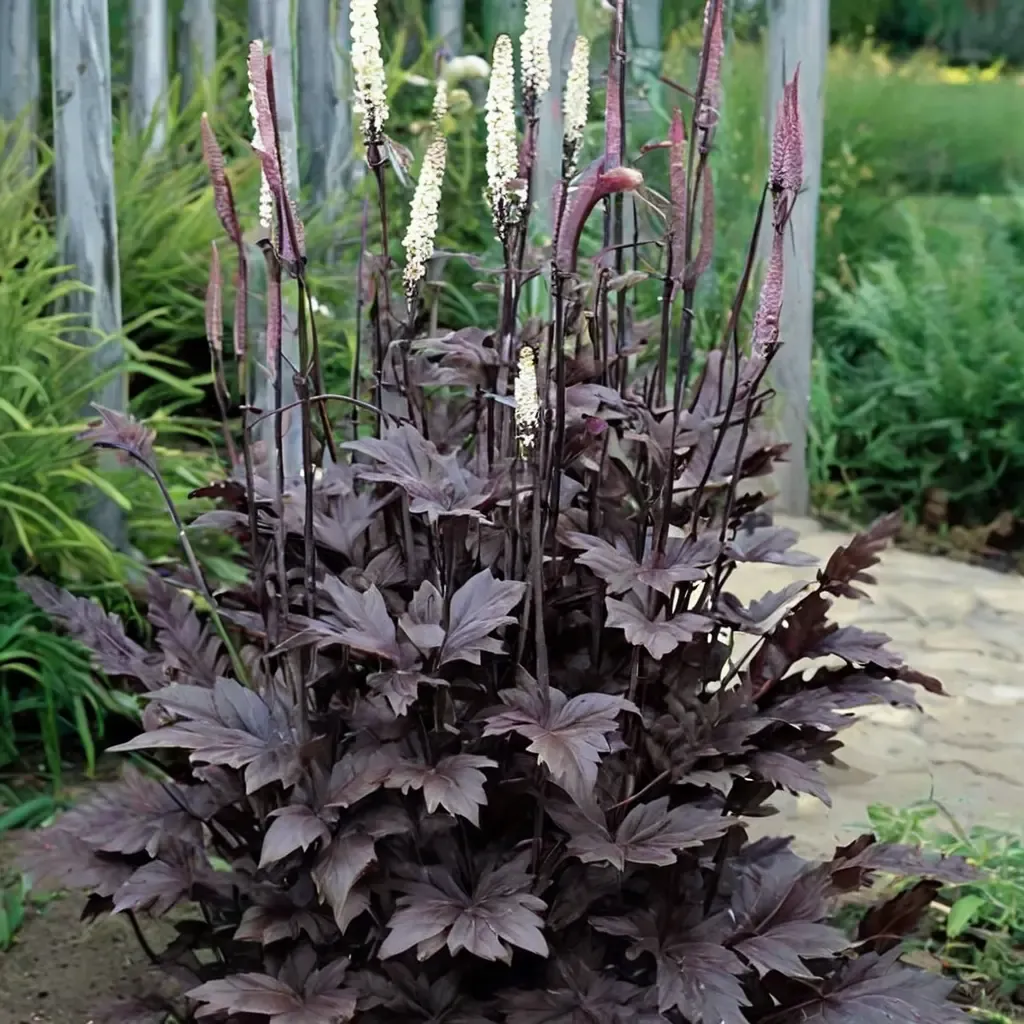
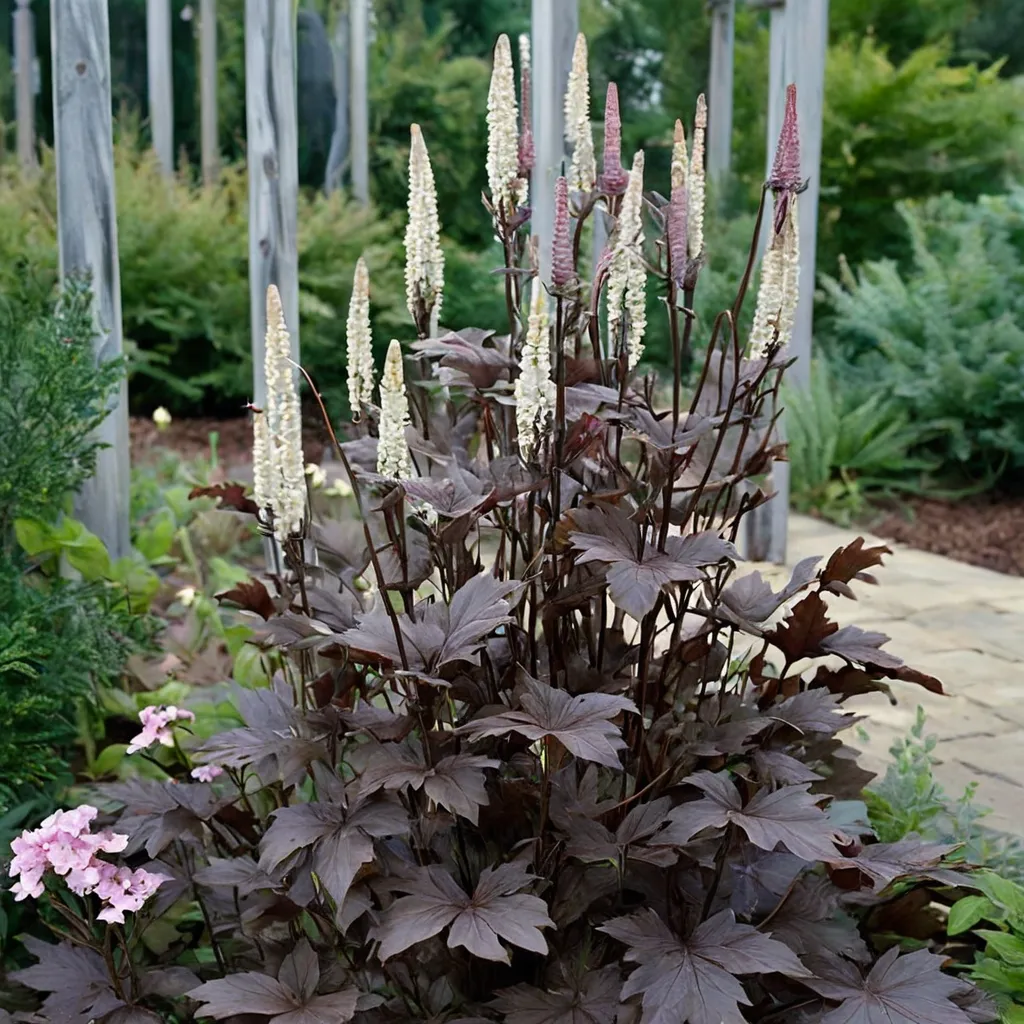
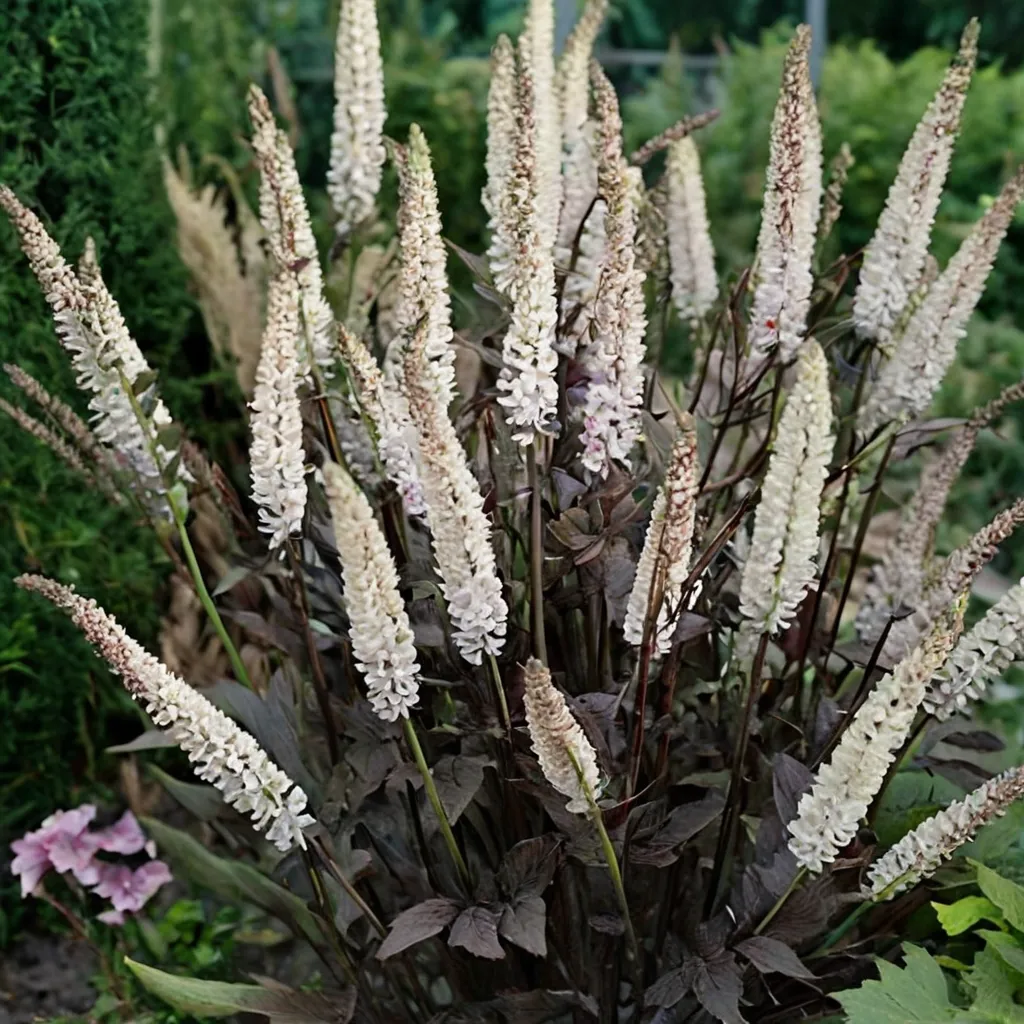
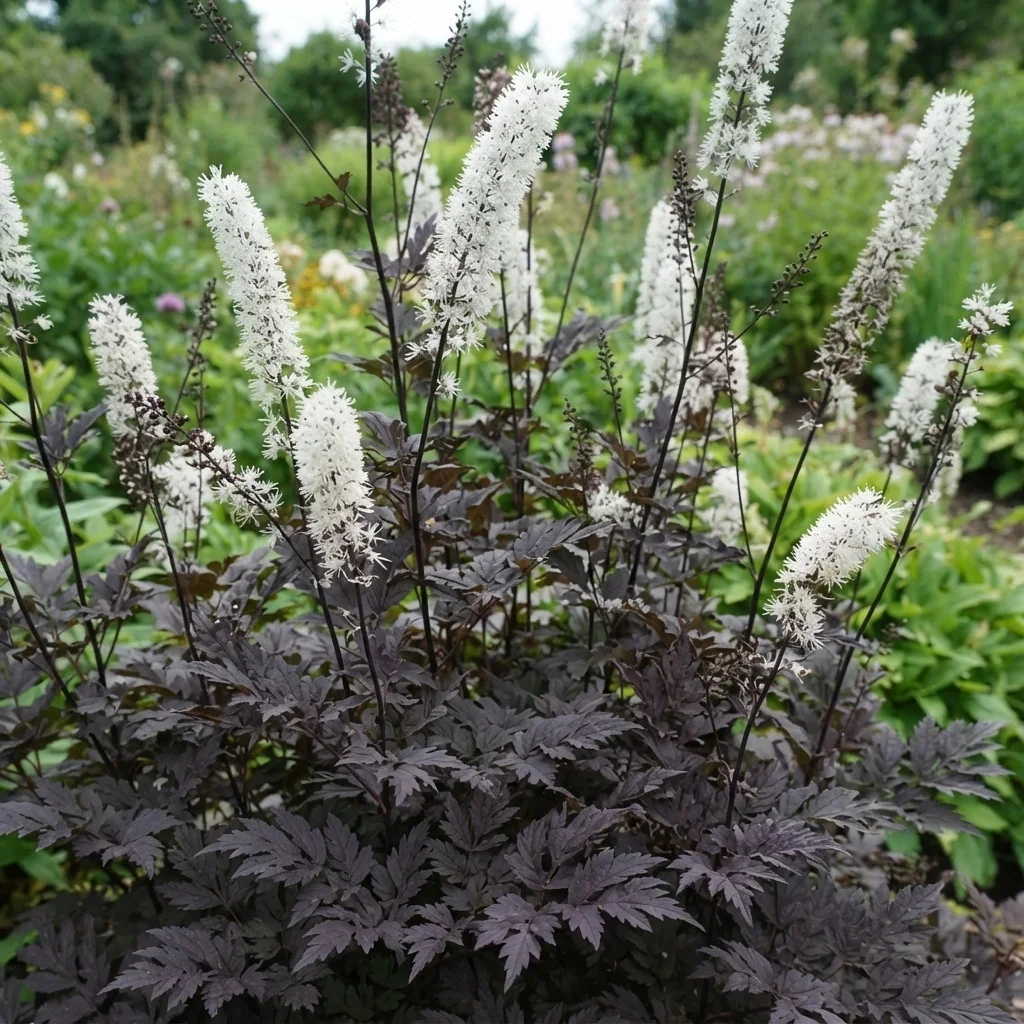
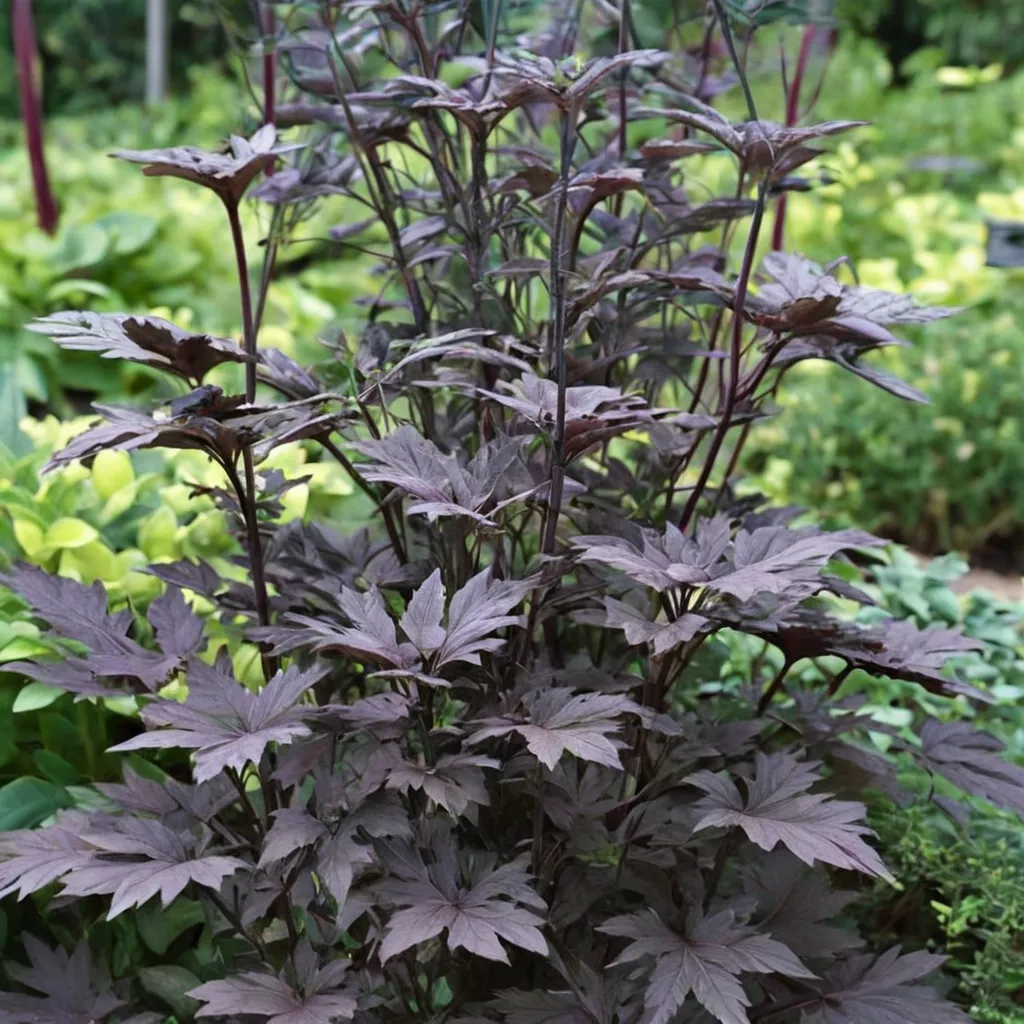
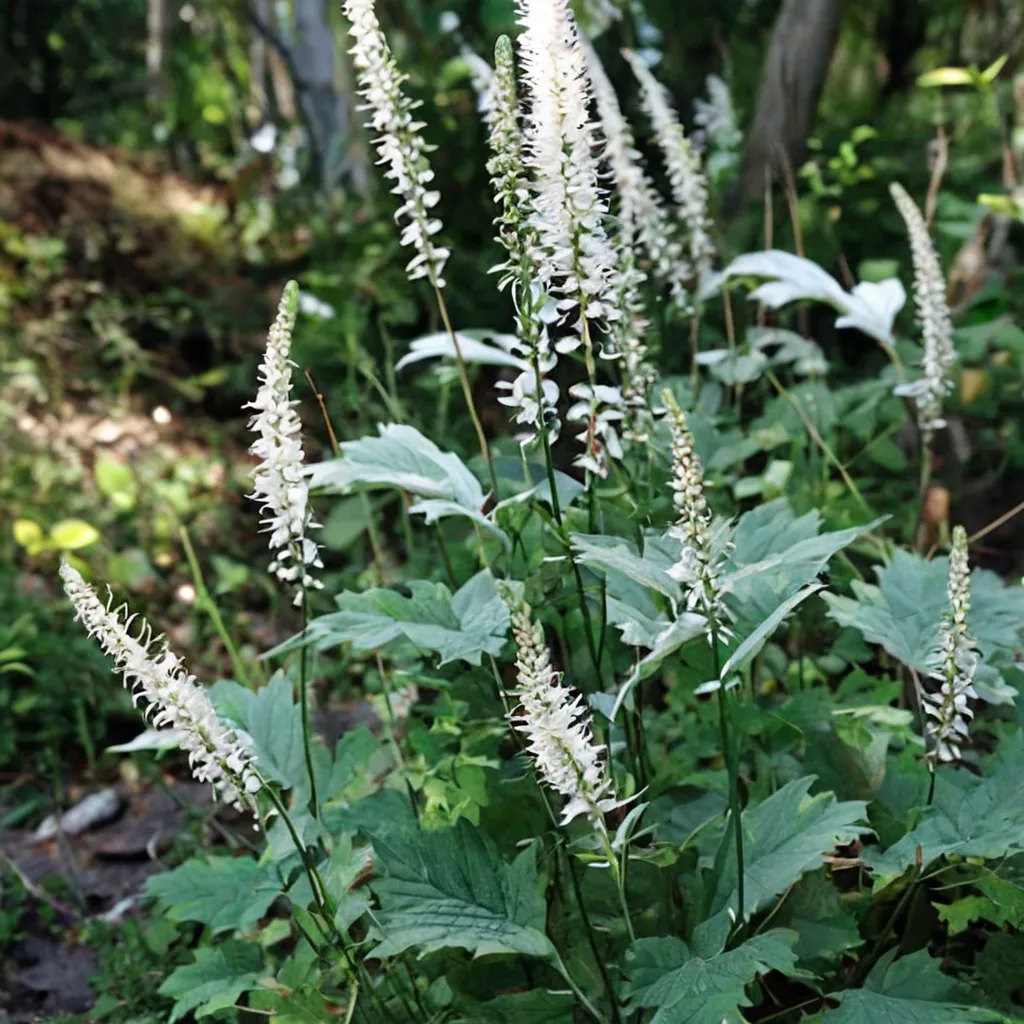
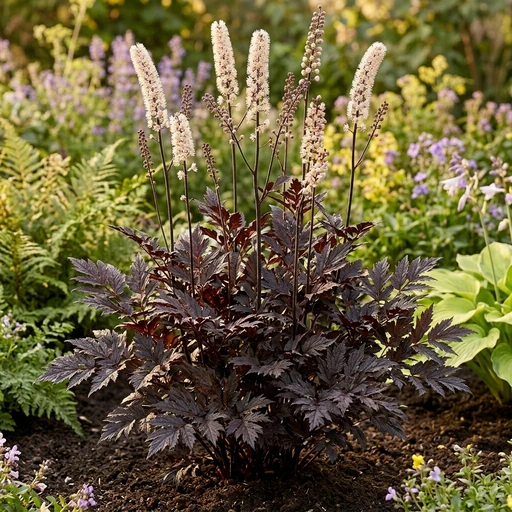
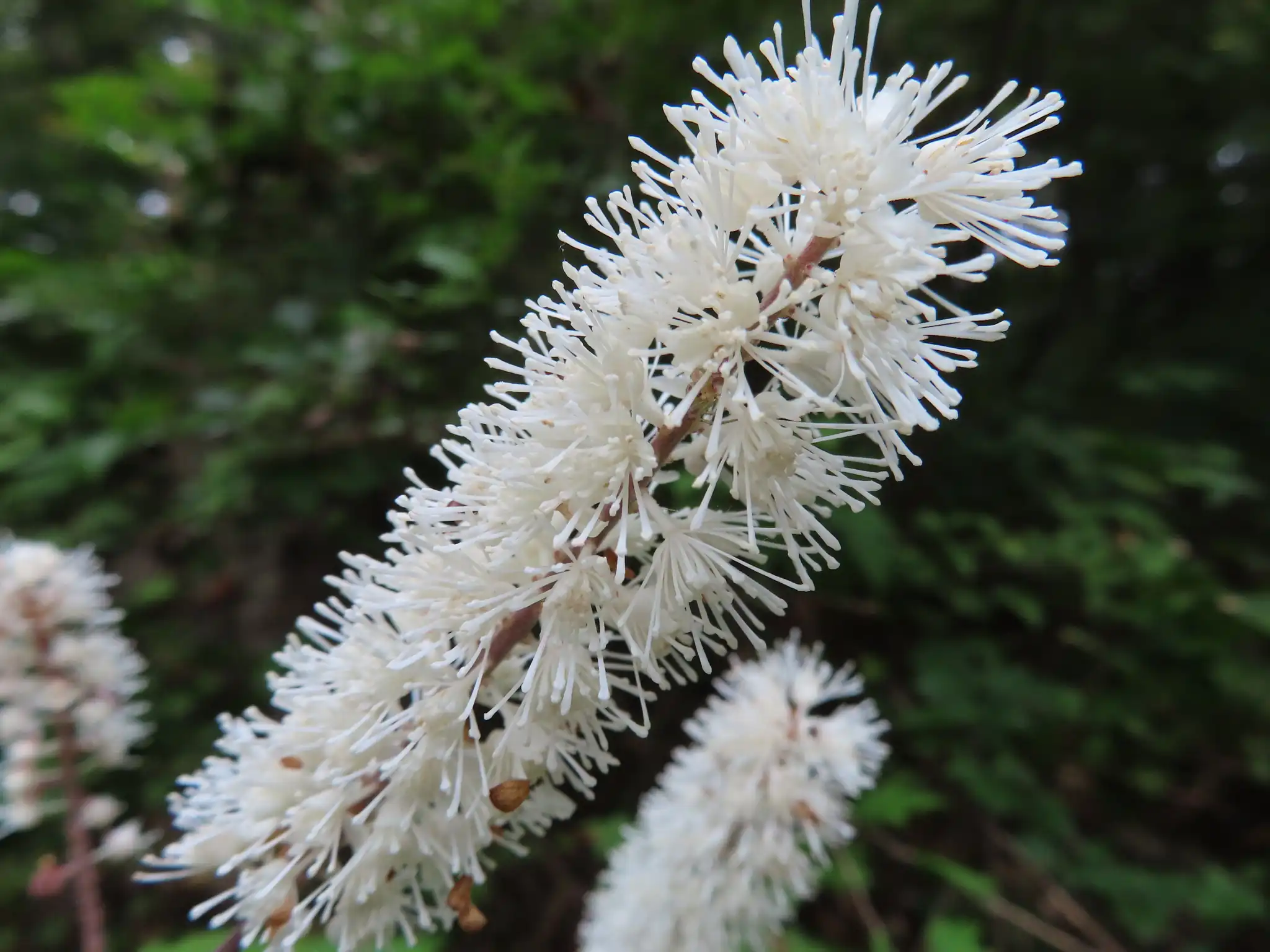
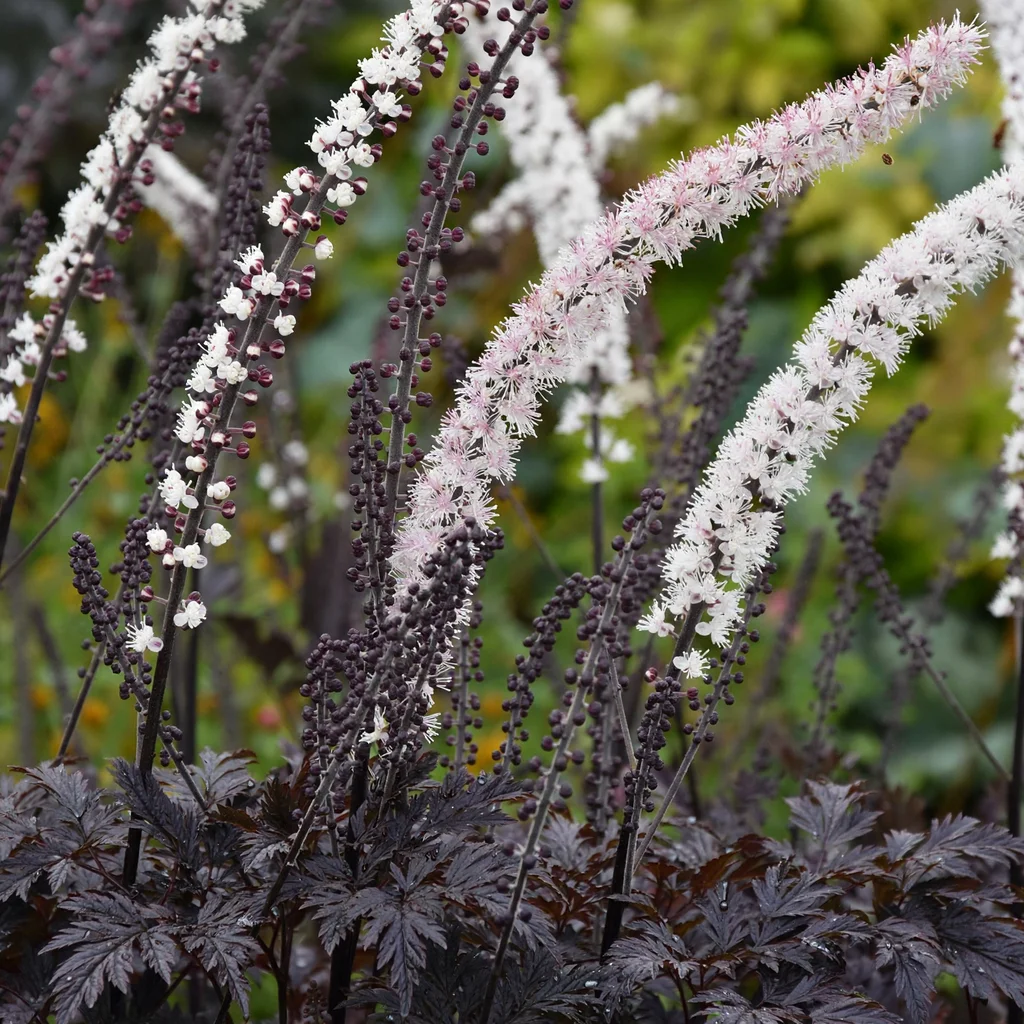
Browse all 19 Actaea varieties →
4 species of Actaea
Each one is a parent of the varieties above.
Track your Actaea in Sow
Save the Actaea you grow and get care reminders timed to your zone.
How to grow Actaea
Whats common across all Actaea varieties in our catalog — drawn from the care records of the 19 most-grown of them.
The Actaea year
- MulchApril and May89% of varieties
Apply a thick layer of organic compost or leaf mold to retain soil moisture and cool roots.
- Spring CleanupMarch and April79% of varieties
Cut back all dead foliage to the ground cleanly before new shoots emerge.
- DivideApril and October63% of varieties
Divide large clumps every 5+ years in early spring or fall.
- StakeJune–August47% of varieties
Stake tall flower spikes if planted in exposed or windy locations
- PlantApril, May, October and November42% of varieties
Plant in spring or early fall in rich, moist, shaded soil.
- FertilizeApril42% of varieties
Apply balanced slow-release fertilizer or compost in early spring.
- Check for PestsMay–July37% of varieties
Monitor leaf undersides for aphids and spider mites during hot, dry weather.


Do
- Water regularly to keep soil moist 🌱
- Water consistently to keep soil moist 🌱
- Mulch to conserve moisture
- Mulch to conserve moisture and regulate soil temperature
- Keep the soil consistently moist, especially during hot summer spells.
Avoid
- Avoid overwatering to prevent root rot ❌
- Avoid disturbing roots during the growing season
- Do not plant in full, direct afternoon sun, which fades the dark purple foliage to green and scorches leaf margins.
- Do not frequently move or divide established clumps, as the root system is exceptionally slow to recover.
What goes wrong with Actaea
| Problem | What you'll see | What to do |
|---|---|---|
| Aphids | Sticky residue and distorted leaves | Spray with insecticidal soap |
| Slugs | Irregular holes in leaves, slime trails | Handpick or set slug traps, use iron phosphate bait |
| Spider Mites | Fine webbing and stippled leaves | Use insecticidal soap or horticultural oil |
| Generally pest-free | No significant insect damage is typical | No treatment needed |
| Powdery mildew | White powder on leaves | Improve air circulation and apply fungicide |
| Powdery Mildew | White powdery coating on leaves | Improve air circulation and apply sulfur fungicide |
| Root Rot | Wilting, brown roots | Ensure well-draining soil, reduce watering |
Making more Actaea
Division
- Dig up clump in early spring or fall
- Divide into smaller sections with roots intact
- Plant immediately in prepared soil
- Water thoroughly after planting
Seed
- Collect seeds after flowering in late summer.
- Sow seeds in moist seed-starting mix in fall.
- Cover lightly with soil and keep moist.
- Maintain in cool, shaded location for stratification.
- Transplant seedlings once established.
Actaea questions
How many types of Actaea are there?
The Sow catalog tracks 19 distinct Actaea varieties. The most popular — ranked by 649 real gardeners — are shown first above.
What zones does Actaea grow in?
Across its varieties, Actaea covers USDA Zones 4–8. Individual varieties differ — each plant page lists its exact range, and Sow filters the catalog to your zone automatically.
When does Actaea bloom?
Most Actaea varieties bloom in late summer, late summer to early fall, late summer to early fall. Staggering early, mid, and late varieties extends the genus's season in one bed.
Which Actaea should I choose?
Start from the most-saved varieties above — popularity across thousands of gardens is a strong signal of reliability — then filter by your zone and sun. In the Sow app you can preview any of them in a photo of your actual yard before you buy.