

The Story
Plant Bio
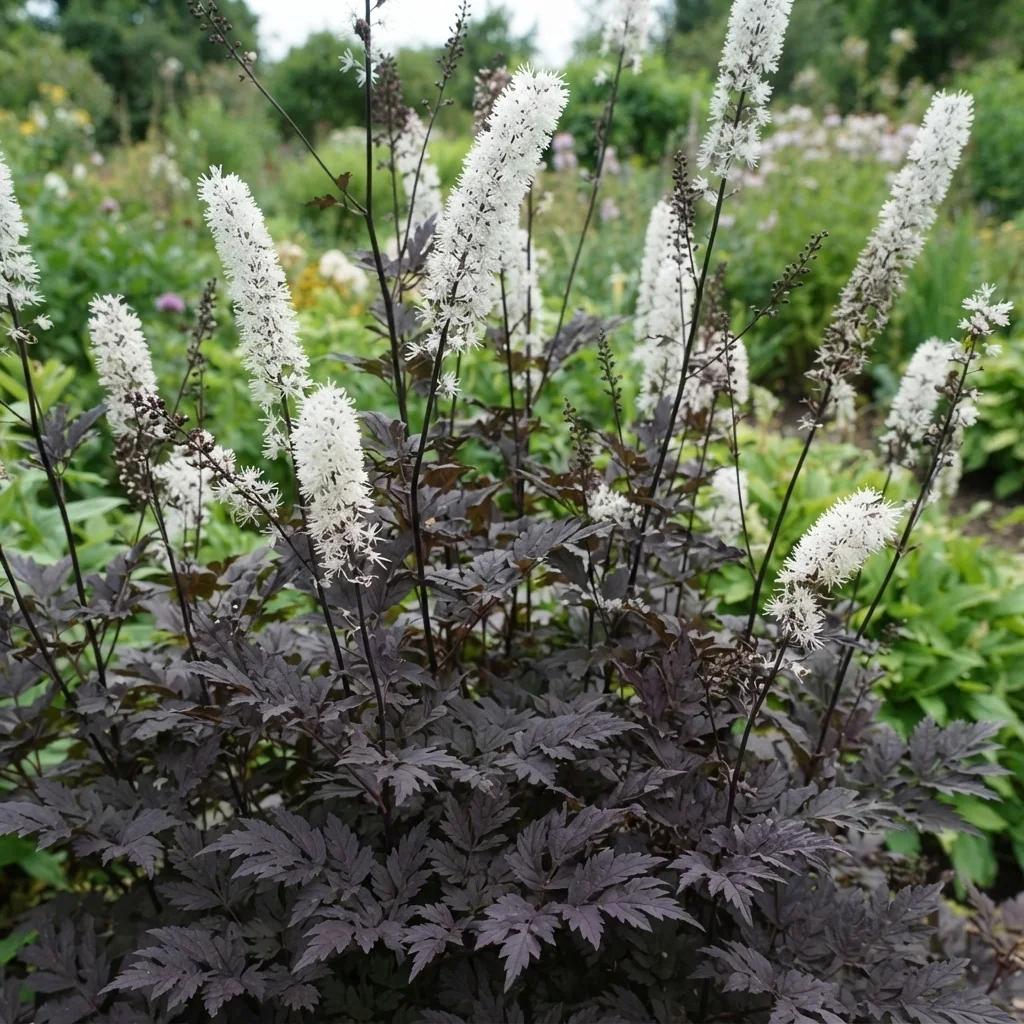
Actaea simplex is an upright, clump-forming herbaceous perennial native to woodlands and forest edges across eastern Asia. The species produces deeply cut, compound foliage resembling astilbe, topped in late summer by slender, bottlebrush-like terminal racemes of fragrant flowers.
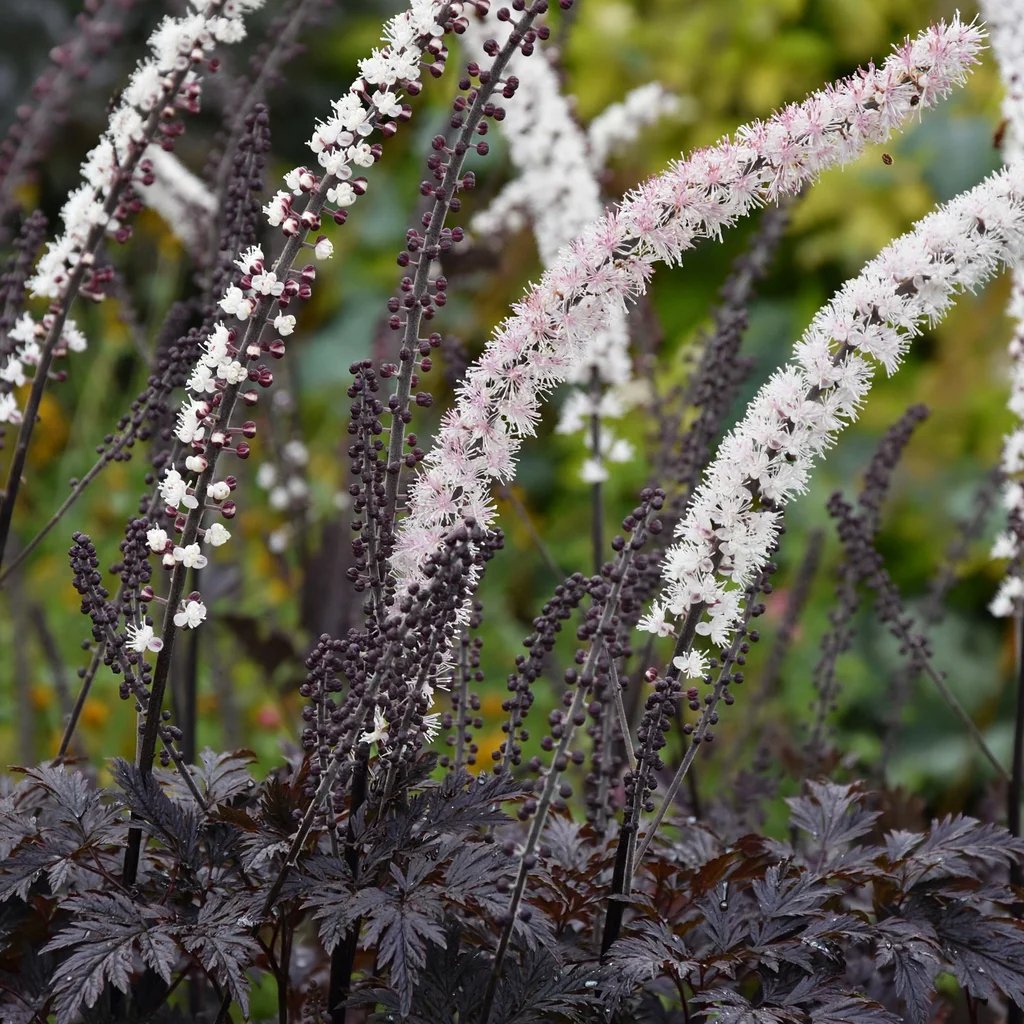
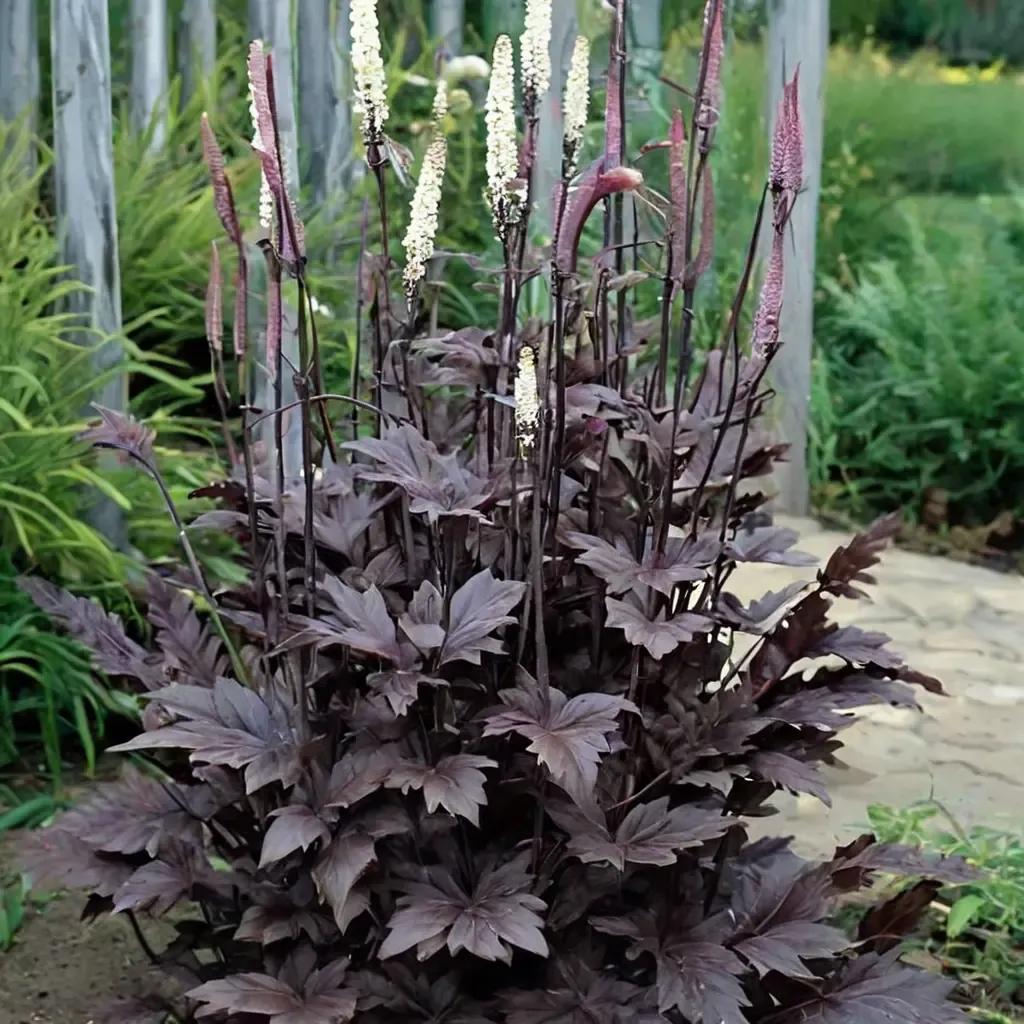
'Brunette' is distinguished by its deeply incised foliage that emerges deep bronze-green in spring before rapidly darkening to a rich purplish-black by midsummer. The small, creamy-white blossoms open from deep purple-pink buds, creating a stark contrast against the dark, wiry stems.
Uses & Benefits:
Essentials
At a Glance
Plant Type
Perennial
Height
48"
Width
36"
Light
Partial Sun, Shade
Zones
4, 5, 6, 7, 8
Water
High
Humidity
Moderate to high
Lifespan
Perennial
Native To
Asia
Toxicity
Highly toxic
Bloom period
Late summer – Early fall
In flower about 2 months of the year
Planting
How to Grow
- Select a planting site in partial to full shade with humus-rich, moisture-retentive soil.
- Amend the planting hole with compost to ensure a neutral to slightly acidic, organic-rich medium.
- Set the crown level with the soil surface, water thoroughly, and apply a thick layer of organic mulch to preserve root moisture.
- Maintain consistent watering during the first two to three years while the slow-growing root system establishes.
Pro Tip
Provide consistent moisture and dappled shade; dry soil or excessive direct afternoon sun causes immediate leaf scorch and permanent foliage browning that cannot recover during the growing season.
Keep It Thriving
Care Guide
Do
- Keep the soil consistently moist, especially during hot summer spells.
- Apply a thick layer of organic mulch annually to retain soil moisture and cool root temperatures.
- Cut all dead foliage cleanly to the ground in late winter or early spring before new growth emerges.
Don't
- Do not plant in full, direct afternoon sun, which fades the dark purple foliage to green and scorches leaf margins.
- Do not frequently move or divide established clumps, as the root system is exceptionally slow to recover.
- Avoid letting the soil dry out completely at any point during the growing season.
Seasonal Care Calendar
| Task | Jan | Feb | Mar | Apr | May | Jun | Jul | Aug | Sep | Oct | Nov | Dec |
|---|---|---|---|---|---|---|---|---|---|---|---|---|
| Deadhead | ||||||||||||
| Mulch | ||||||||||||
| Pest Check | ||||||||||||
| Spring Cleanup |
Watch Out For
Pests & Diseases
Common Pests
Common Diseases
In the Garden
Landscape Uses & Companions
Landscape Uses
Multiply
Propagation Methods
Good to Know
Common Questions
Bugbane questions
What zones can Bugbane grow in?
Bugbane is hardy in USDA Zones 4–8: in that range it survives winter in the ground. Warmer than Zone 8, winter isn't the problem: it prefers colder winters, and summer heat can shorten its life.
Is Bugbane deer resistant?
Yes — Bugbane is rated deer-resistant. Deer typically pass it over, though extreme hunger can override any plant's defenses.
When does Bugbane bloom?
Bugbane typically blooms from late summer to early fall. Exact timing shifts a week or two with your zone — Sow's bloom calendar maps it to your garden.
Does Bugbane need full sun?
Bugbane does best in part shade.
More Actaea to compare
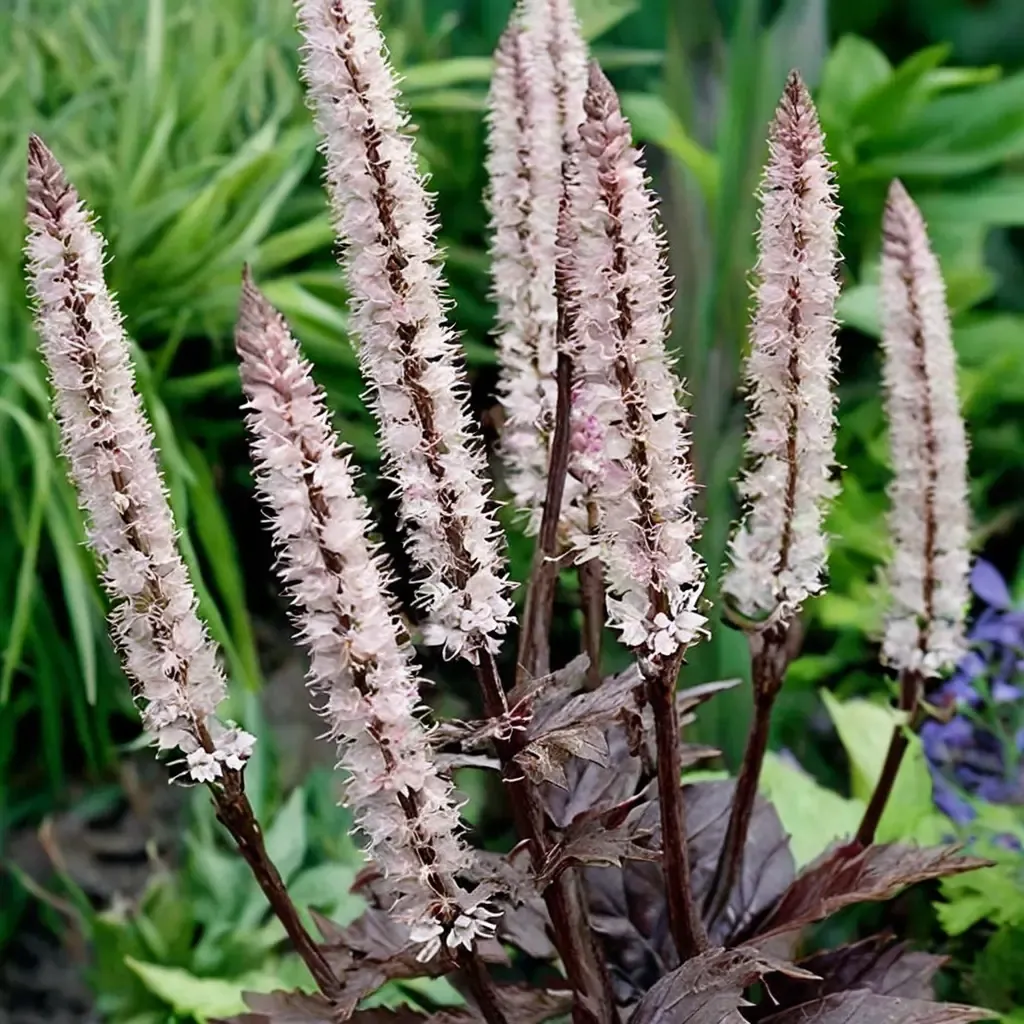
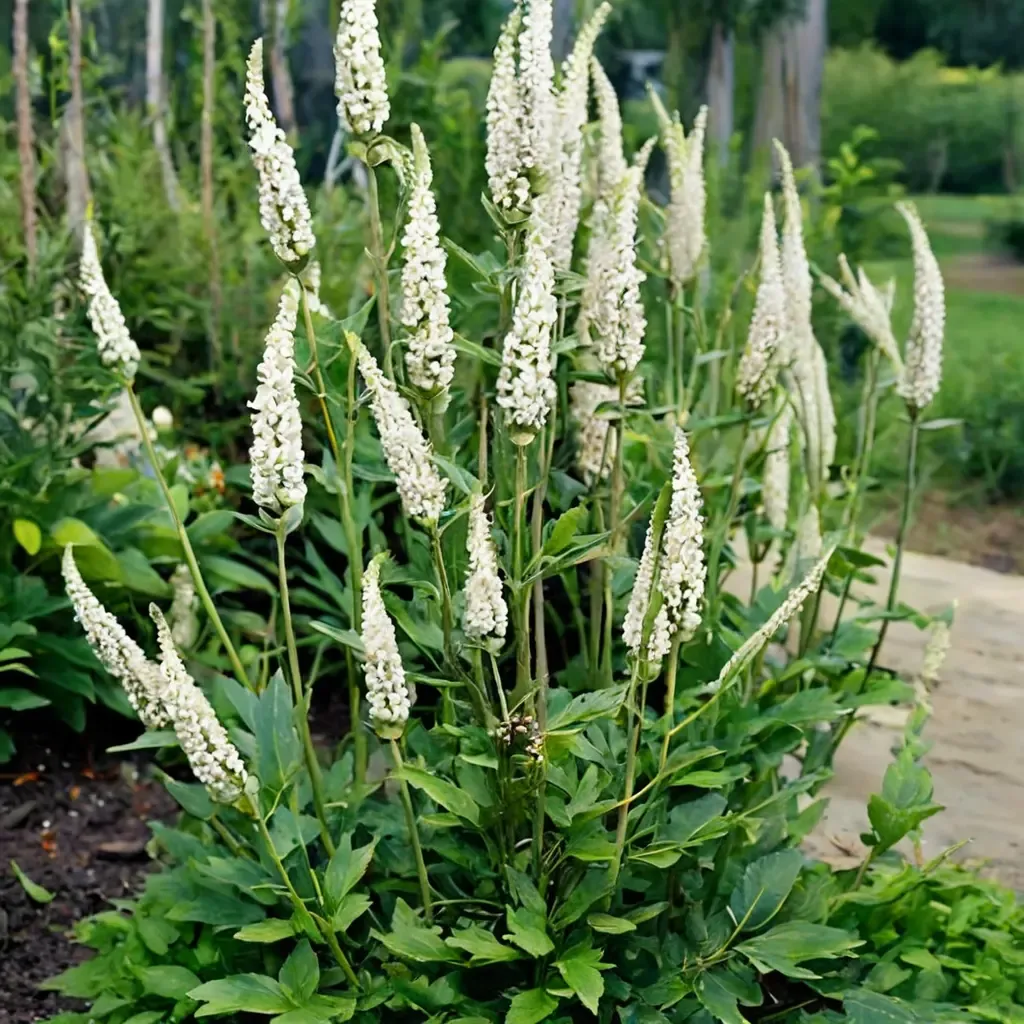
Pink Spike Cohosh
Actaea simplex 'Pink Spike'
Black Cohosh
Actaea racemosa
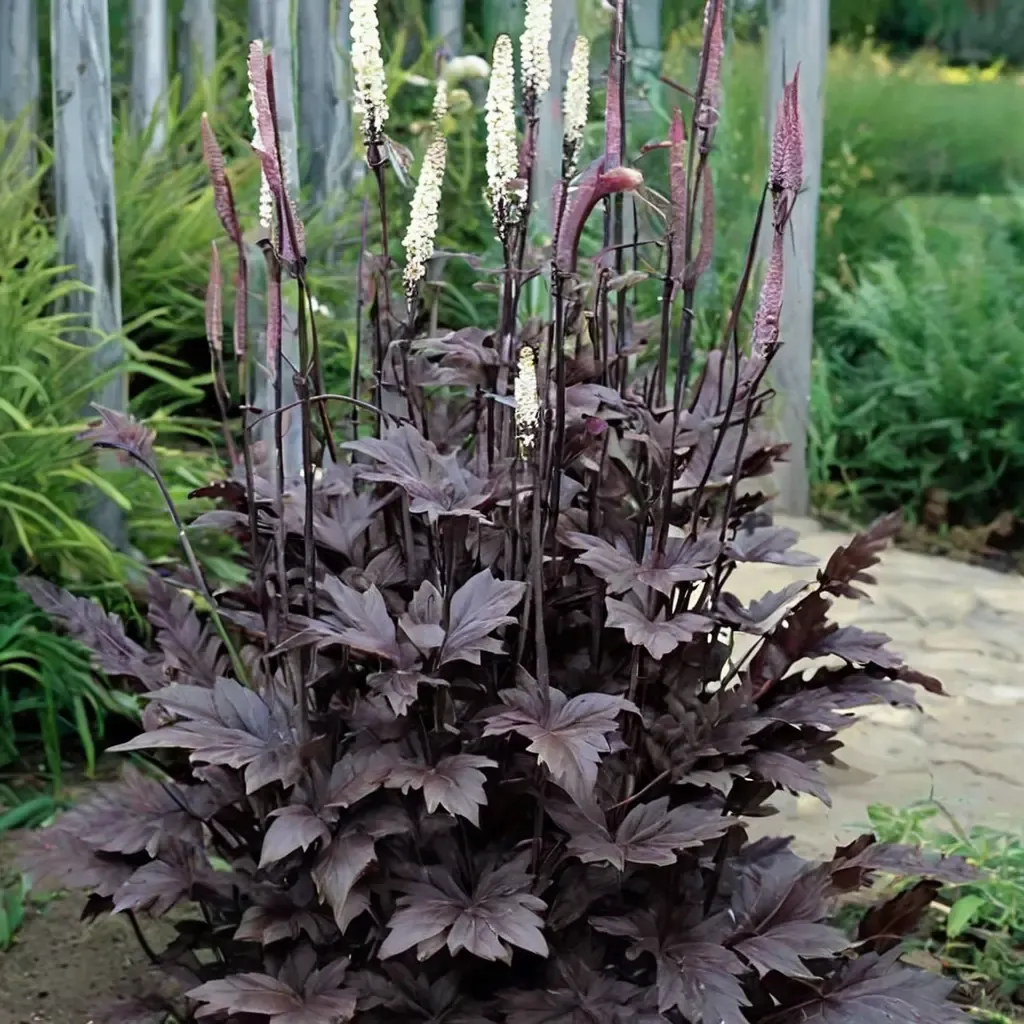
Bugbane 'Brunette'
Actaea simplex 'Brunette'
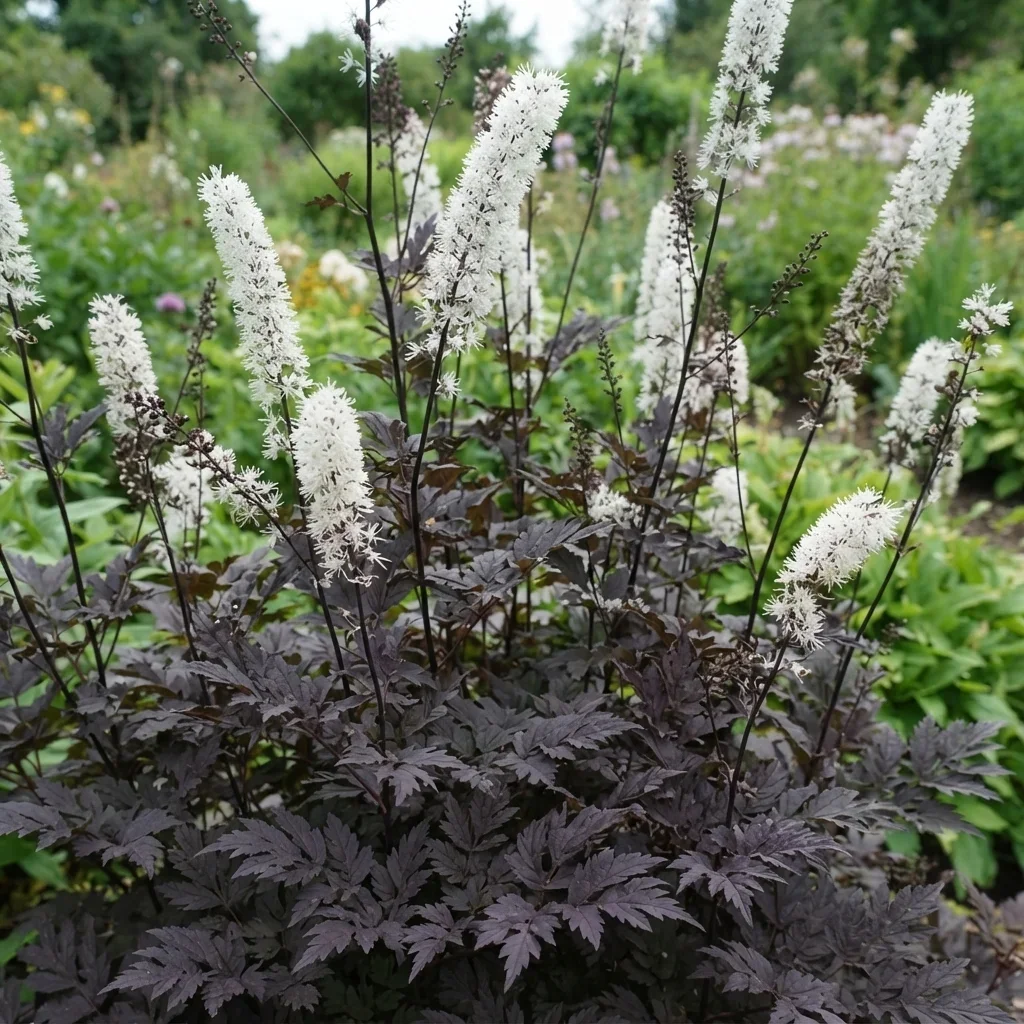
Hillside Black Beauty
Actaea simplex 'Hillside Black Beauty'
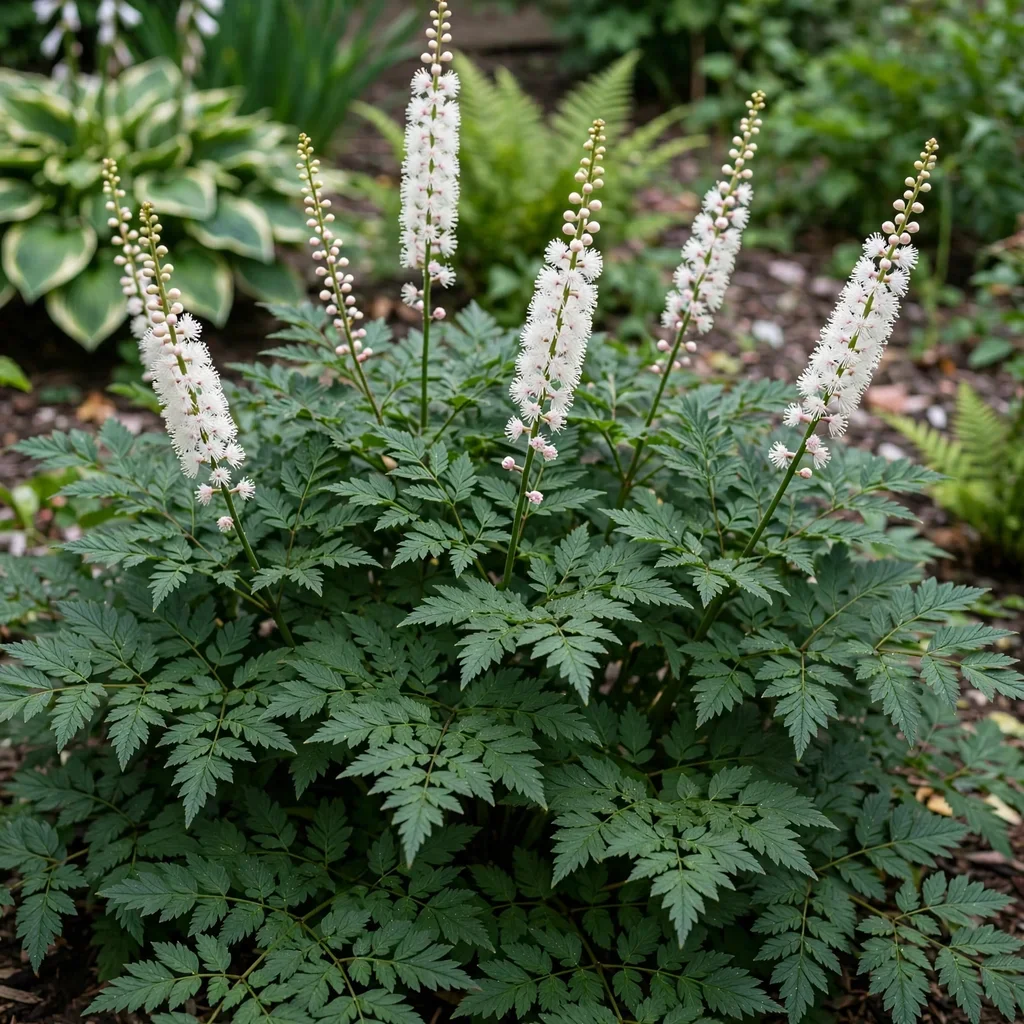
Japanese Bugbane
Actaea japonica
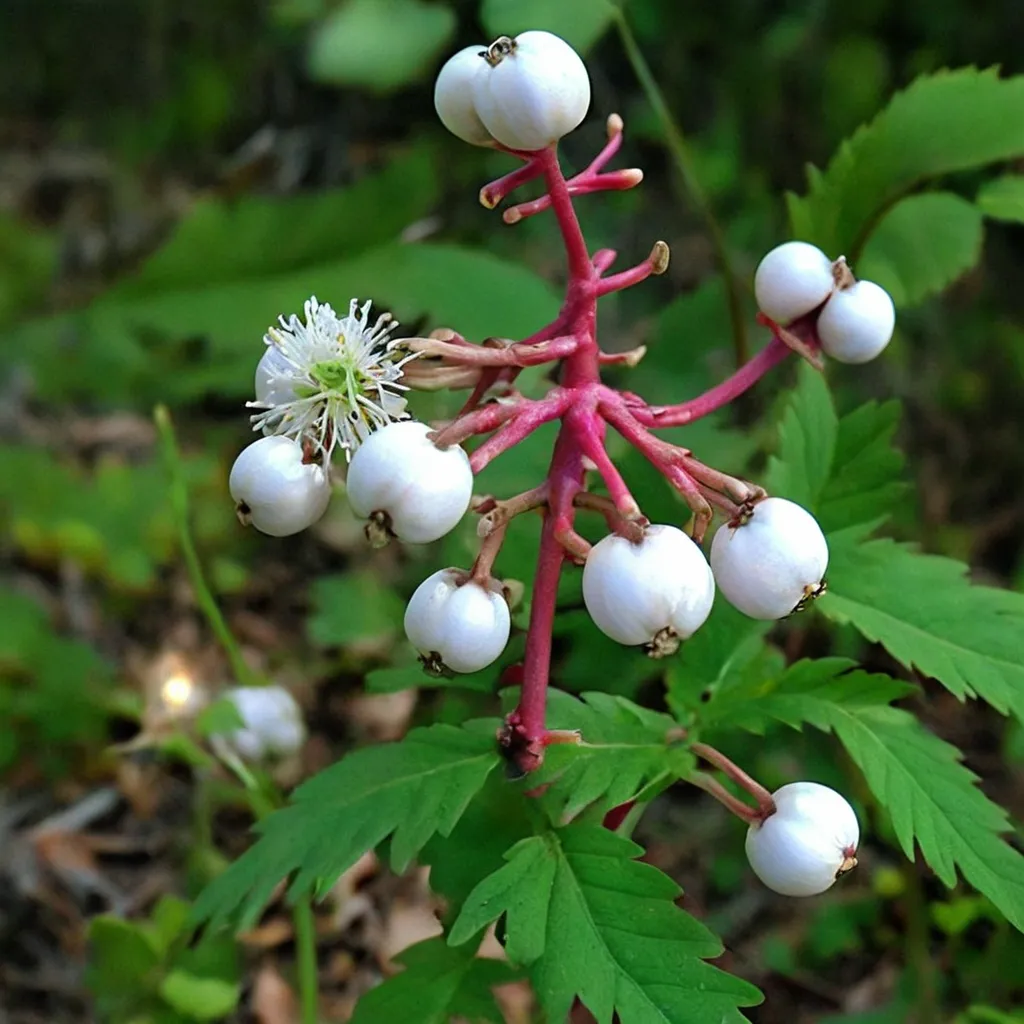
White Baneberry
Actaea pachypoda
Keep exploring
Explore the genus
Hardy in your zone?
Grow Bugbane with confidence
See it in a design of your actual yard, get zone-matched care reminders, and track it season by season in your garden journal.