Also known as African Daisy · 4 saves
Dimorphotheca
Dimorphotheca, the genus most gardeners know as african daisy. We track 3 varieties; the ones most used by real gardeners.
The 3 most-saved Dimorphotheca varieties
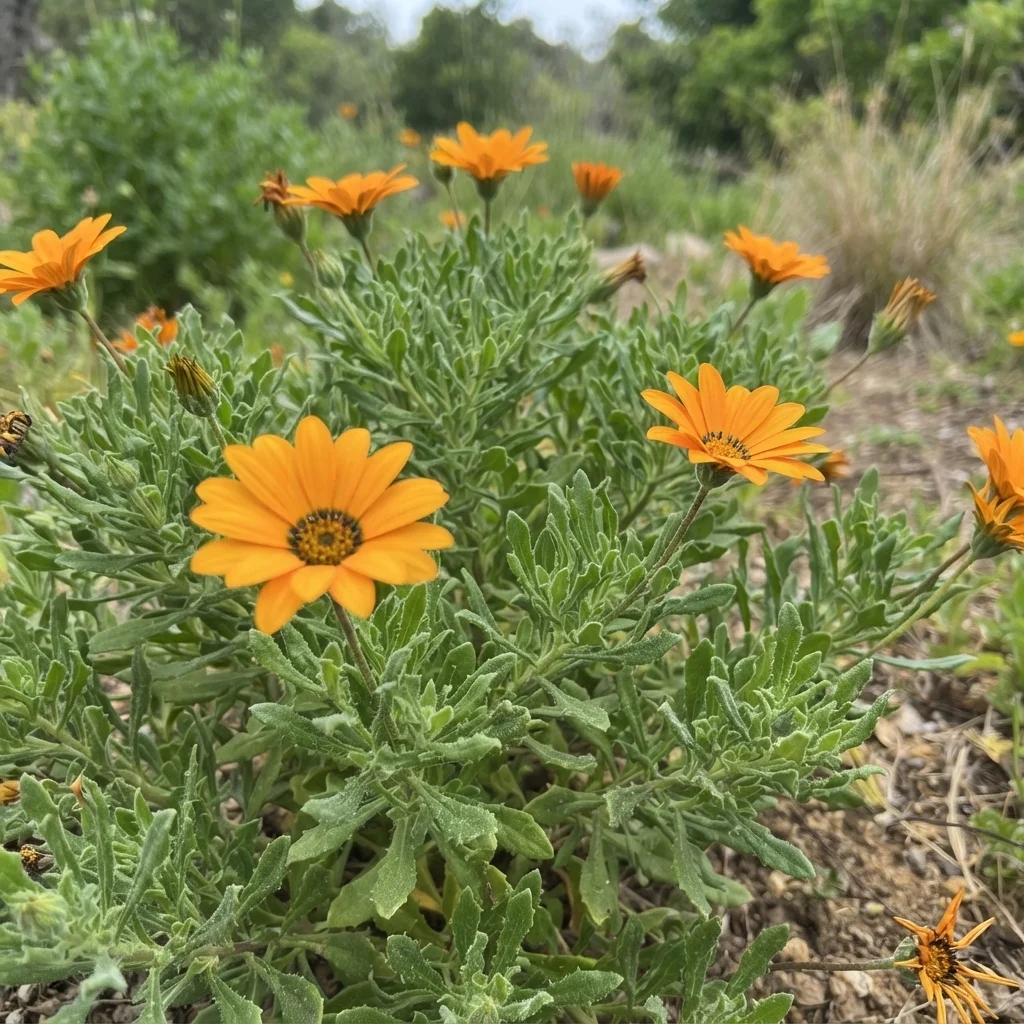
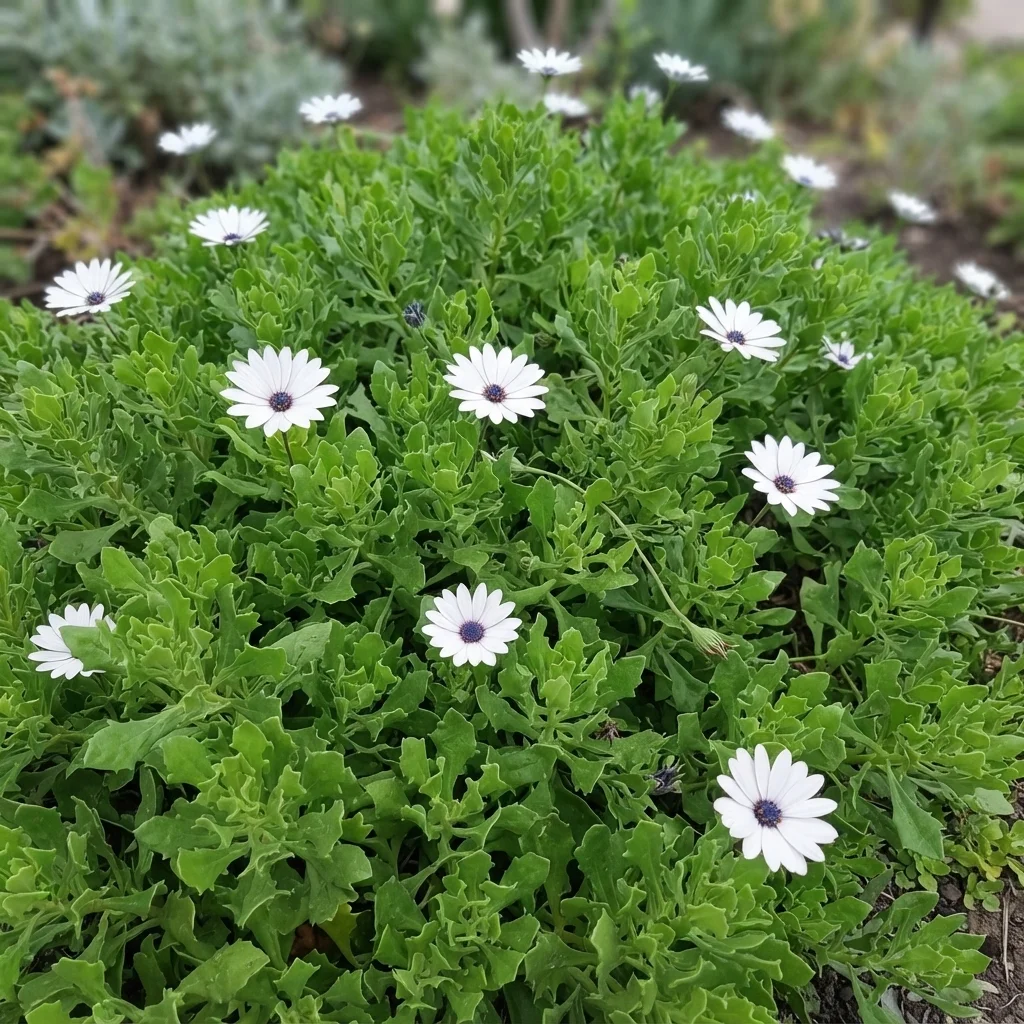
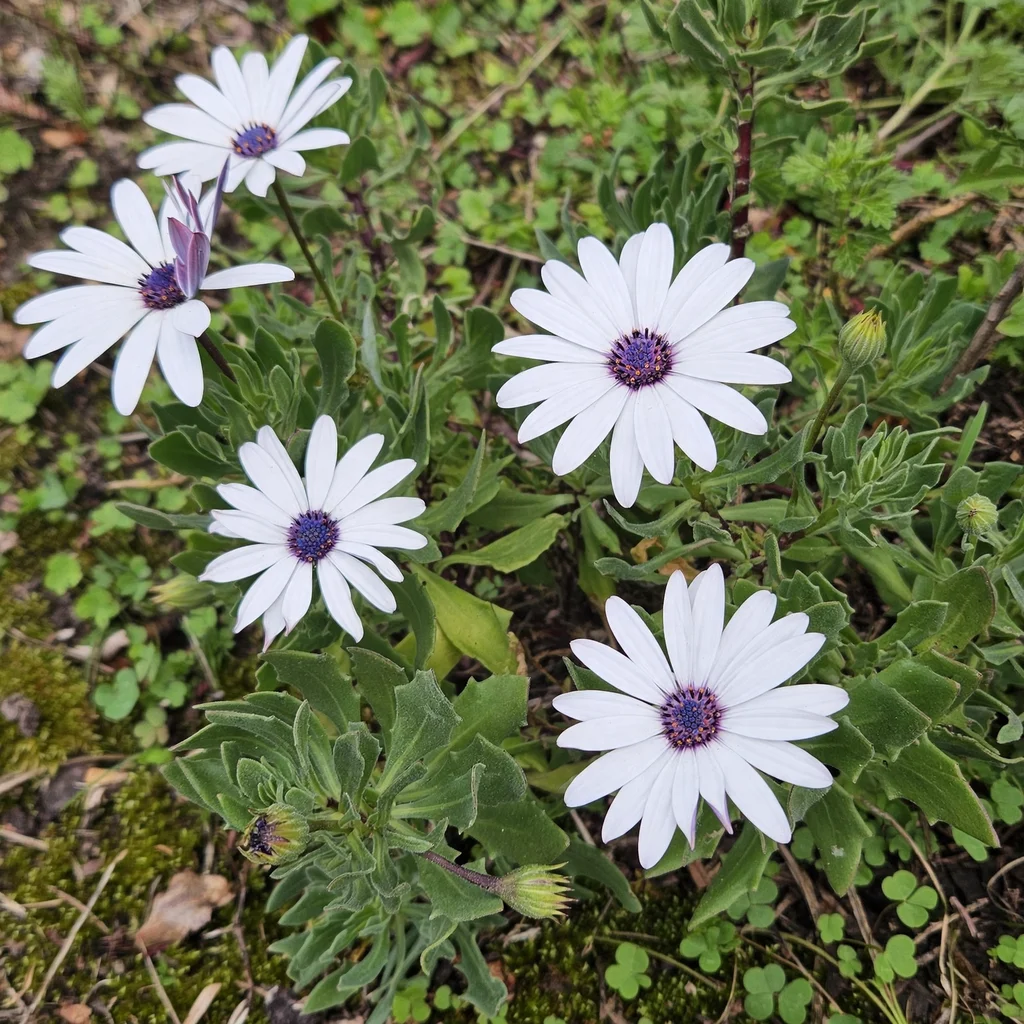
3 species of Dimorphotheca
Each one is a parent of the varieties above.
Track your Dimorphotheca in Sow
Save the Dimorphotheca you grow and get care reminders timed to your zone.
How to grow Dimorphotheca
Whats common across all Dimorphotheca varieties in our catalog — drawn from the care records of the 3 most-grown of them.
The Dimorphotheca year
- Check for PestsJune and July100% of varieties
Monitor foliage for leafhoppers and aphids, treating early to prevent viral spread.
- DeadheadMay–July67% of varieties
Remove spent flower heads regularly to encourage continuous blooming into summer.
- PruneJuly67% of varieties
Prune back lightly after the main summer flush to maintain a compact shape and prevent woodiness.
- FertilizeMarch67% of varieties
Apply a light layer of compost or organic matter sparingly at the start of spring growth.


Do
- Sow seeds directly in place for the strongest root development.
- Ensure the planting site has sharp drainage to prevent root rot.
- Allow the soil to dry out completely between waterings.
- Plant in lean, low-fertility soils to encourage abundant flowering rather than excessive foliage growth.
- Ensure excellent air circulation around the foliage to minimize the risk of powdery mildew in humid climates.
Avoid
- Do not over-fertilize, as this leads to lush foliage and fewer flowers.
- Do not use overhead watering, which encourages powdery mildew and fungal leaf issues.
- Do not plant in heavy clay or waterlogged coastal soils.
- Do not use high-nitrogen fertilizers, which produce weak, soft stems and drastically reduce bloom count.
What goes wrong with Dimorphotheca
| Problem | What you'll see | What to do |
|---|---|---|
| Aphids | Clusters of small insects on new growth and sticky honeydew on foliage. | Knock them off with a strong spray of water or apply neem oil. |
| Leafhoppers | Stippled or yellowing leaves and potential transmission of viral diseases. | Apply insecticidal soap or introduce natural predators like lacewings. |
| Spider mites | Fine webbing on leaf undersides and dusty, speckled foliage in hot, dry weather. | Increase humidity around the plants or spray with insecticidal soap. |
| Powdery mildew | White, powdery fungal patches on leaves and stems, especially in humid conditions. | Space plants to improve air circulation and avoid overhead watering. |
| Lettuce mosaic virus | Mottled, distorted leaves and stunted plant growth. | Remove and destroy infected plants; control aphid vectors. |
| Powdery Mildew | White, powdery patches on leaves and stems, leading to leaf spotting and premature drop. | Avoid overhead watering, space plants to improve air circulation, and apply a fungicide if necessary. |
Making more Dimorphotheca
Seed
- Prepare a planting bed in full sun by raking the soil to a fine tilth.
- Sow seeds shallowly in fall or early spring, pressing them lightly into the soil.
- Keep the soil moist but not wet until germination occurs in 10 to 14 days.
- Thin seedlings to a spacing of 8 to 12 inches once they develop true leaves.
Stem tip cuttings
- Take 3- to 4-inch softwood cuttings from healthy, non-flowering stem tips in spring or summer.
- Remove the lower leaves to expose the nodes, leaving only the top set of leaves.
- Insert the cut end into a moist, well-draining propagation mix of perlite and peat.
- Keep the medium lightly moist in a warm, bright location out of direct sunlight until roots establish.
Dimorphotheca questions
How many types of Dimorphotheca are there?
The Sow catalog tracks 3 distinct Dimorphotheca varieties. The most popular — ranked by 4 real gardeners — are shown first above.
What zones does Dimorphotheca grow in?
Across its varieties, Dimorphotheca covers USDA Zones 4–10. Individual varieties differ — each plant page lists its exact range, and Sow filters the catalog to your zone automatically.
When does Dimorphotheca bloom?
Most Dimorphotheca varieties bloom in spring. Staggering early, mid, and late varieties extends the genus's season in one bed.
Which Dimorphotheca should I choose?
Start from the most-saved varieties above — popularity across thousands of gardens is a strong signal of reliability — then filter by your zone and sun. In the Sow app you can preview any of them in a photo of your actual yard before you buy.