Also known as Blueberry Ash · 16 saves
Elaeocarpus
Elaeocarpus, the genus most gardeners know as blueberry ash. We track 3 varieties; the ones most used by real gardeners.
The 3 most-saved Elaeocarpus varieties
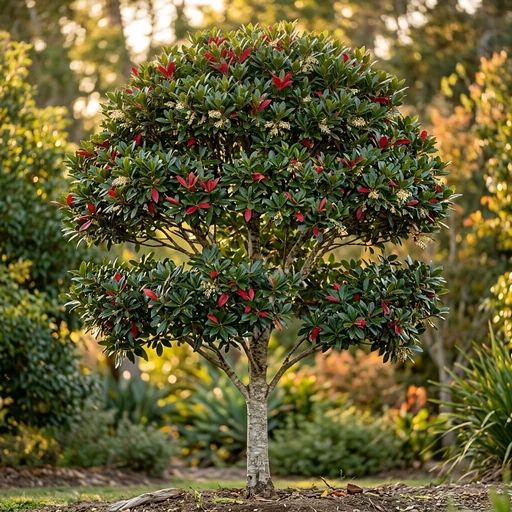
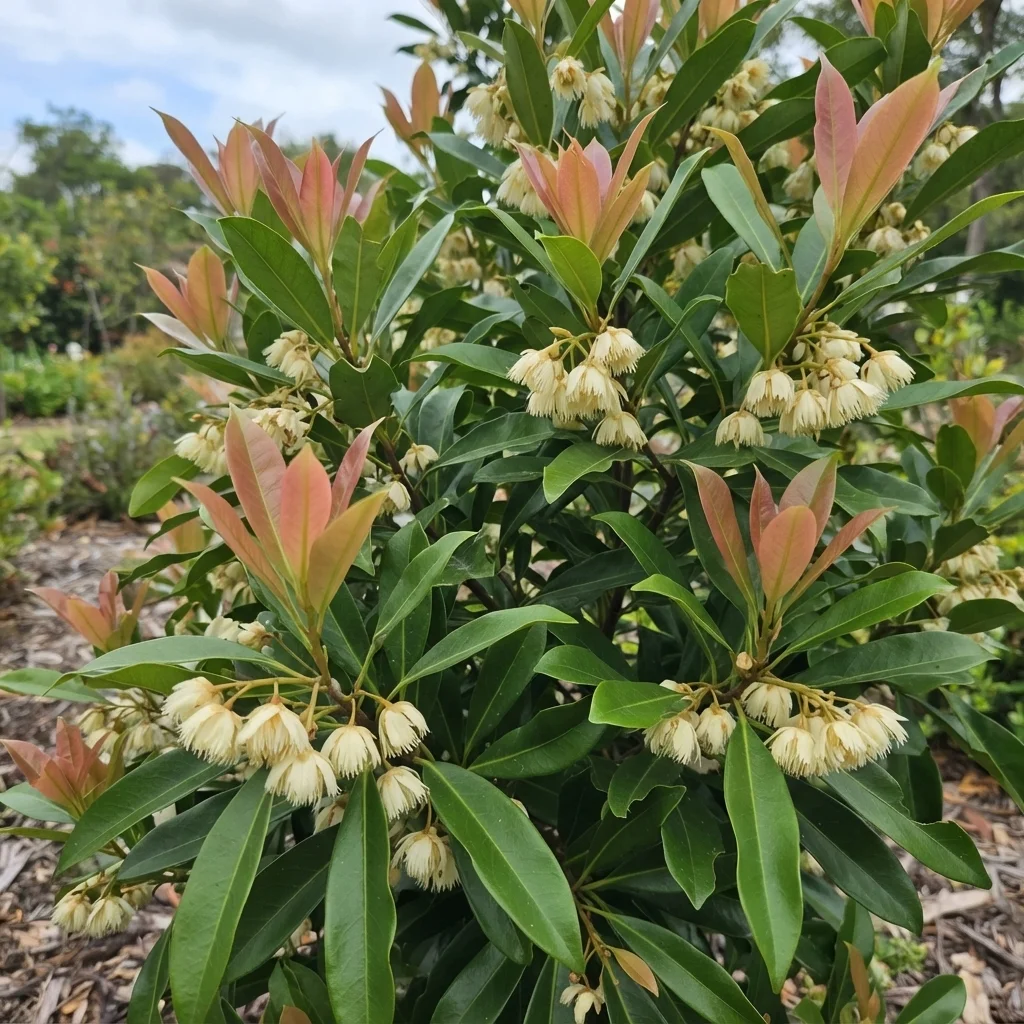
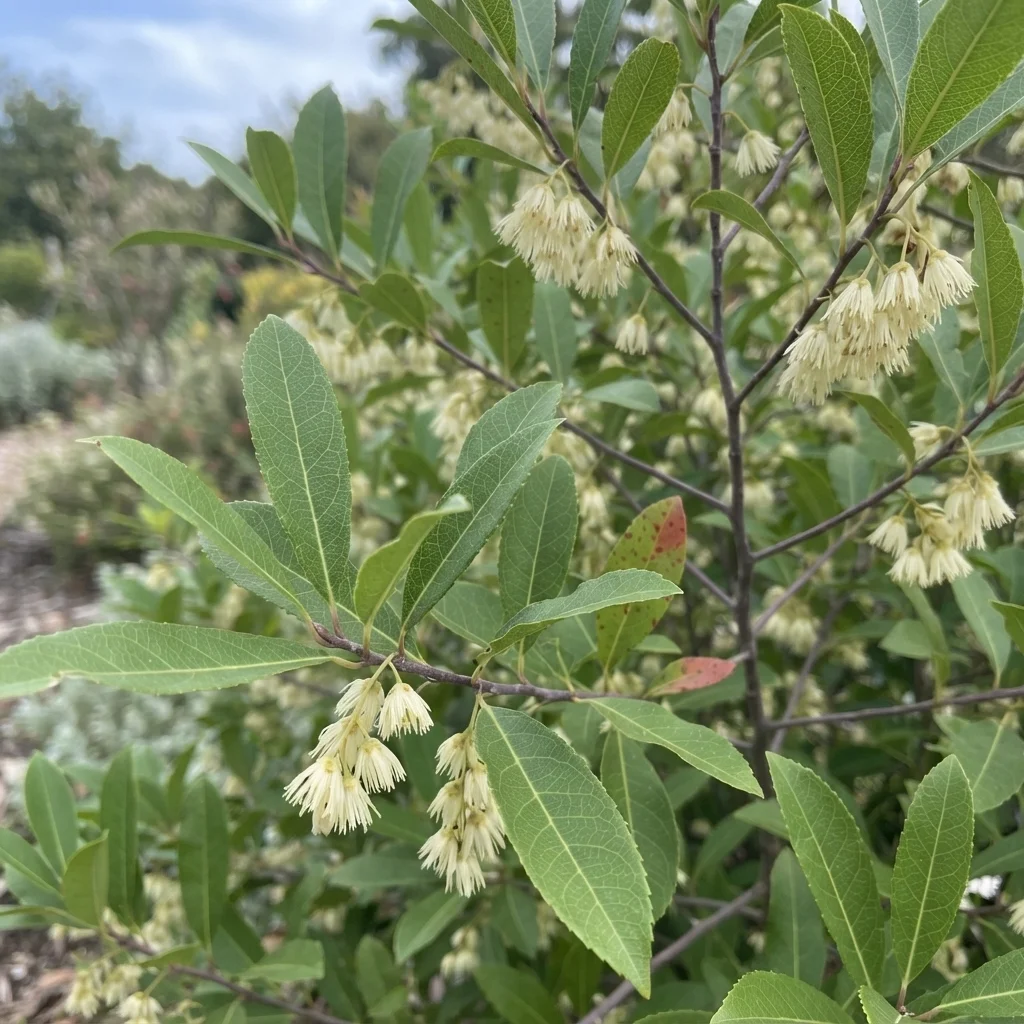
2 species of Elaeocarpus
Each one is a parent of the varieties above.
Track your Elaeocarpus in Sow
Save the Elaeocarpus you grow and get care reminders timed to your zone.
How to grow Elaeocarpus
Whats common across all Elaeocarpus varieties in our catalog — drawn from the care records of the 3 most-grown of them.
The Elaeocarpus year
- PruneJuly100% of varieties
Prune in late winter or after flowering to shape and maintain size.
- FertilizeMarch and April100% of varieties
Apply a balanced, slow-release fertilizer in early spring and mid-summer.
- MulchOctober and November67% of varieties
Apply organic mulch to protect the root zone ahead of winter.
- Check for PestsJune and July67% of varieties
Inspect foliage for spider mites and aphids during dry summer spells.


Do
- Provide supplemental water during extended dry periods.
- Prune to shape when young to encourage a dense habit.
- Maintain a good layer of mulch over the root zone.
- Fertilize in spring with a balanced, slow-release formula.
- Water regularly during dry spells to prevent drought stress and defoliation.
Avoid
- Do not prune hard into old, bare wood.
- Don't plant in waterlogged or consistently wet soil.
- Avoid heavy pruning that exposes the inner branches to sunscald.
- Don't plant too deep; keep the root flare visible.
What goes wrong with Elaeocarpus
| Problem | What you'll see | What to do |
|---|---|---|
| Spider mites | Fine webbing on leaf undersides and stippled, dusty-looking foliage under dry conditions. | Increase local humidity and spray the foliage with a strong stream of water or insecticidal soap. |
| Aphids | Clusters of small, soft-bodied insects on tender new growth, often accompanied by sticky honeydew. | Wash them off with a sharp spray of water or apply horticultural oil to the affected shoots. |
| Scale Insects | Small, immobile bumps on stems and leaves, often accompanied by sticky honeydew and black sooty mold. | Apply horticultural oil during the dormant season to smother overwintering pests. Use a systemic insecticide for heavy infestations. |
| Japanese beetle | Skeletonized leaves from localized foliar grazing. | Hand-pick beetles or apply targeted biological controls. |
| Root rot | Sudden wilting, yellowing leaves, and dieback caused by Phytophthora or Pythium in waterlogged soil. | Improve soil drainage, avoid overwatering, and plant in raised beds if heavy clay is present. |
| Root Rot | Yellowing leaves, branch dieback, and general decline of the tree. | Primarily a cultural issue. Ensure the tree is planted in well-drained soil and is not overwatered. There is no chemical cure. |
| Leaf spot | Fungal spots on the foliage during periods of high humidity. | Ensure adequate air circulation around the canopy and avoid overhead watering. |
Making more Elaeocarpus
Semi-hardwood Cuttings
- Take 6-inch cuttings from healthy stems in summer.
- Remove the lower leaves and dip the cut end in rooting hormone.
- Place in a well-drained potting mix under high humidity.
- Rooting can be slow, taking several months.
Semi-hardwood cuttings
- Take 4- to 6-inch cuttings of semi-ripe wood in late summer.
- Remove the lower leaves and dip the cut base in rooting hormone.
- Insert the cuttings into a moist, free-draining propagation mix.
- Keep in a humid, warm environment with indirect light until roots establish.
Elaeocarpus questions
How many types of Elaeocarpus are there?
The Sow catalog tracks 3 distinct Elaeocarpus varieties. The most popular — ranked by 16 real gardeners — are shown first above.
What zones does Elaeocarpus grow in?
Across its varieties, Elaeocarpus covers USDA Zones 8–10. Individual varieties differ — each plant page lists its exact range, and Sow filters the catalog to your zone automatically.
When does Elaeocarpus bloom?
Most Elaeocarpus varieties bloom in late spring, spring, summer. Staggering early, mid, and late varieties extends the genus's season in one bed.
Which Elaeocarpus should I choose?
Start from the most-saved varieties above — popularity across thousands of gardens is a strong signal of reliability — then filter by your zone and sun. In the Sow app you can preview any of them in a photo of your actual yard before you buy.