Also known as Bedstraw · 49 saves
Galium
Galium, the genus most gardeners know as bedstraw. We track 3 varieties; the ones most used by real gardeners.
The 3 most-saved Galium varieties
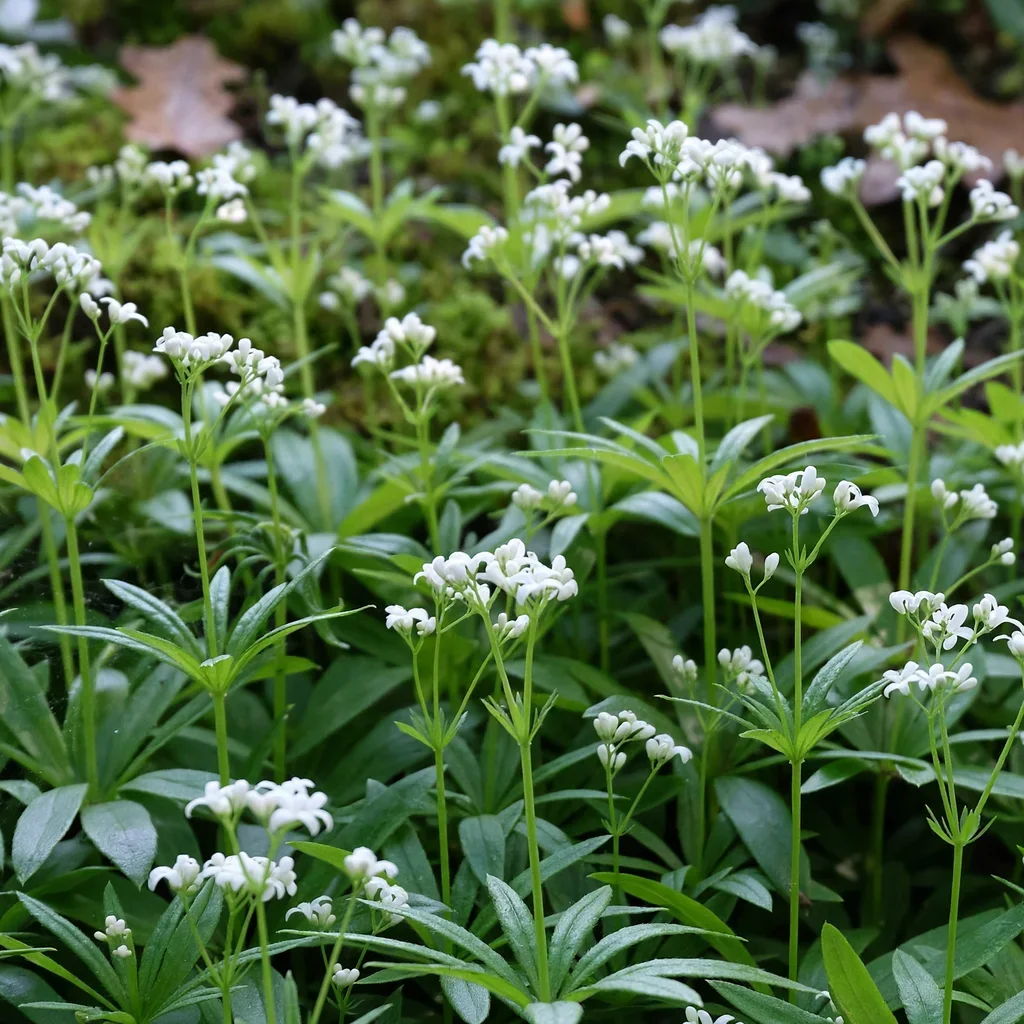
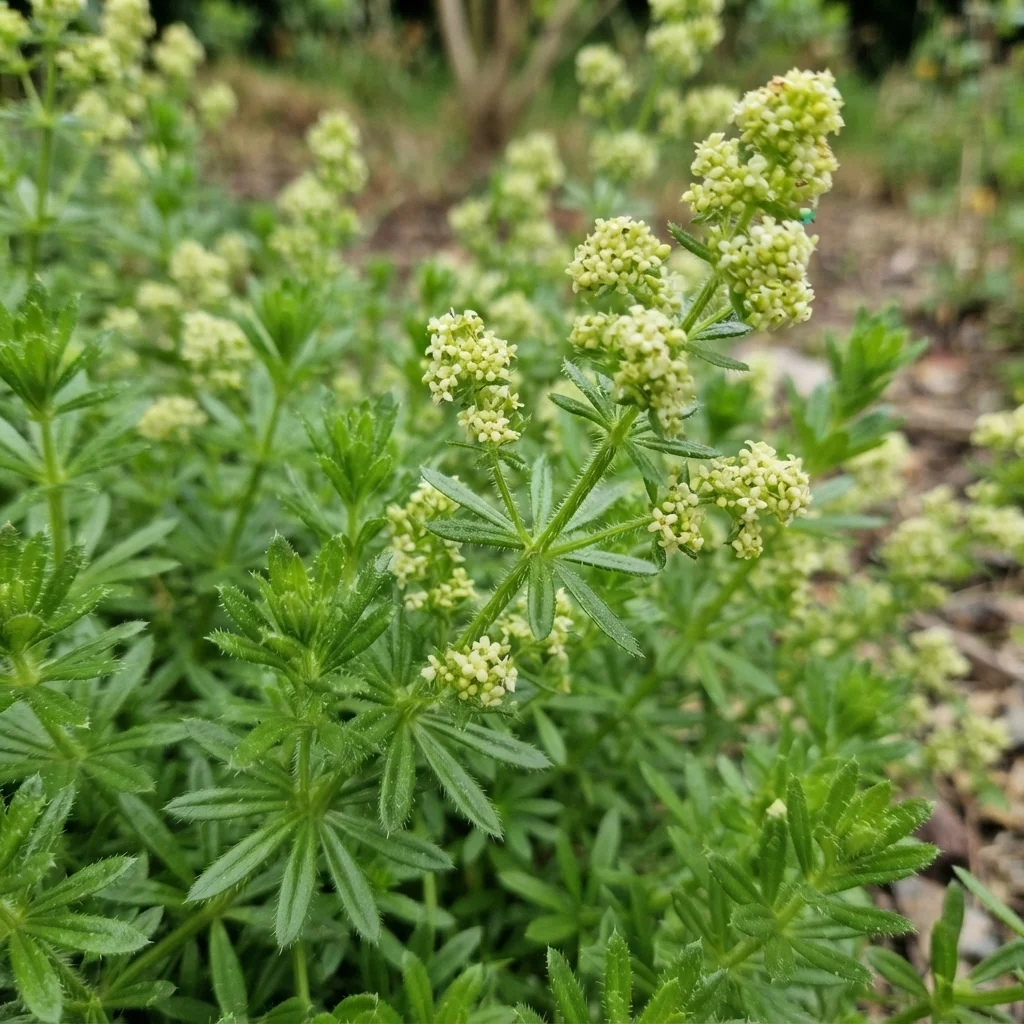
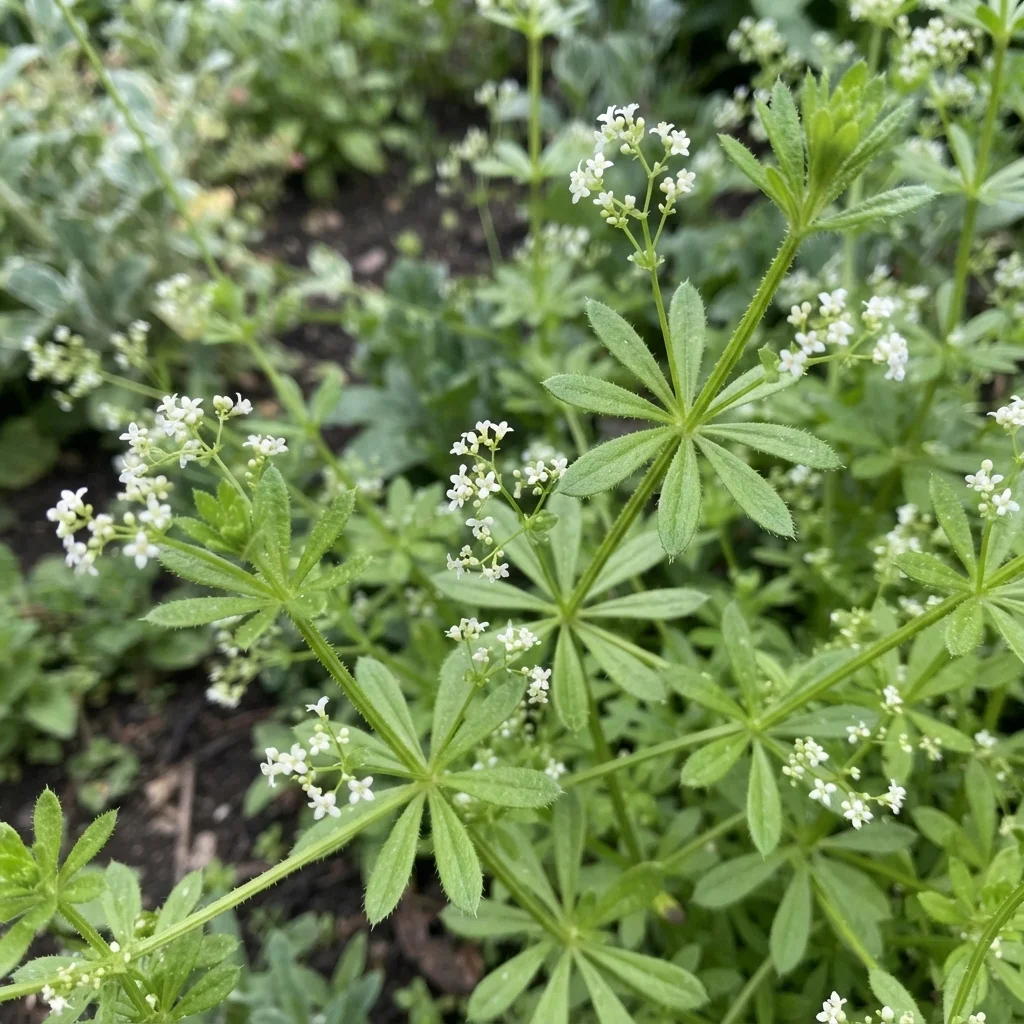
3 species of Galium
Each one is a parent of the varieties above.
Track your Galium in Sow
Save the Galium you grow and get care reminders timed to your zone.
How to grow Galium
Whats common across all Galium varieties in our catalog — drawn from the care records of the 3 most-grown of them.
The Galium year
- PruneAugust100% of varieties
Trim back lightly after flowering to maintain a dense habit; avoid cutting into old woody stems.
- PropagateApril and October100% of varieties
Sow seeds on the soil surface or take stem tip cuttings from active spring growth.
- Check for PestsJune67% of varieties
Inspect foliage for spider mites and aphids, treating early with insecticidal soap if detected.
- Spring CleanupMarch67% of varieties
Rake away old foliage before new growth begins


Do
- Trim back the foliage lightly after the late summer flowering period to maintain a compact, tidy habit.
- Apply a low-rate, balanced slow-release fertilizer sparingly in spring to prevent weak, leggy growth.
- Provide excellent air circulation to minimize the risk of powdery mildew in humid climates.
- Water deeply during dry spells 🌱
- Prune lightly after flowering to encourage bushiness
Avoid
- Do not plant in heavy clay or waterlogged soils, which rapidly cause root rot.
- Do not cut back into old, leafless woody stems, as regrowth from old wood is slow and patchy.
- Avoid over-watering or over-fertilizing, which compromises the plant's natural compact form.
- Avoid overwatering which can cause root rot ❌
What goes wrong with Galium
| Problem | What you'll see | What to do |
|---|---|---|
| Aphids | Distorted shoot tips and sticky honeydew on the foliage. | Apply insecticidal soap or use a strong water jet to dislodge them from the stems. |
| Spider mites | Stippled, fine-webbed foliage and dusty-looking leaf undersides. | Increase local humidity around the plant or apply neem oil to control infestations. |
| Flea beetles | Small, shot-hole chewing damage on the leaves. | Manually remove heavily infested plants to control populations. |
| Deer | Occasional grazing of foliage, though rarely causing significant damage. | Protect surrounding desirable plants with physical barriers if grazing pressure is high. |
| Root rot | Black, mushy stem bases and sudden wilting of the entire plant. | Improve soil aeration, ensure sharp drainage, and significantly reduce watering. |
| Powdery mildew | White powdery coating on the leaves and stems. | Increase air circulation around the plant and apply fungicidal copper if the infection is severe. |
Making more Galium
Seed
- Sow seeds in a light, well-draining propagation mix during early spring.
- Press seeds lightly into the surface, as they require light to germinate.
- Maintain a consistently moist but not wet medium at moderate temperatures.
- Transplant seedlings into individual pots once they are large enough to handle.
Stem Cuttings
- Take stem tip cuttings from healthy, active growth in spring.
- Remove the lower leaves to expose the nodes.
- Insert the cuttings into a gritty, free-draining propagation medium.
- Keep the medium lightly moist and place in a bright, indirect light location until roots form.
Galium questions
How many types of Galium are there?
The Sow catalog tracks 3 distinct Galium varieties. The most popular — ranked by 49 real gardeners — are shown first above.
What zones does Galium grow in?
Across its varieties, Galium covers USDA Zones 4–10. Individual varieties differ — each plant page lists its exact range, and Sow filters the catalog to your zone automatically.
When does Galium bloom?
Most Galium varieties bloom in late spring, summer, spring. Staggering early, mid, and late varieties extends the genus's season in one bed.
Which Galium should I choose?
Start from the most-saved varieties above — popularity across thousands of gardens is a strong signal of reliability — then filter by your zone and sun. In the Sow app you can preview any of them in a photo of your actual yard before you buy.