Also known as New Zealand Iris · 3 saves
Libertia
Libertia, the genus most gardeners know as new zealand iris. We track 3 varieties; the ones most used by real gardeners.
The 3 most-saved Libertia varieties
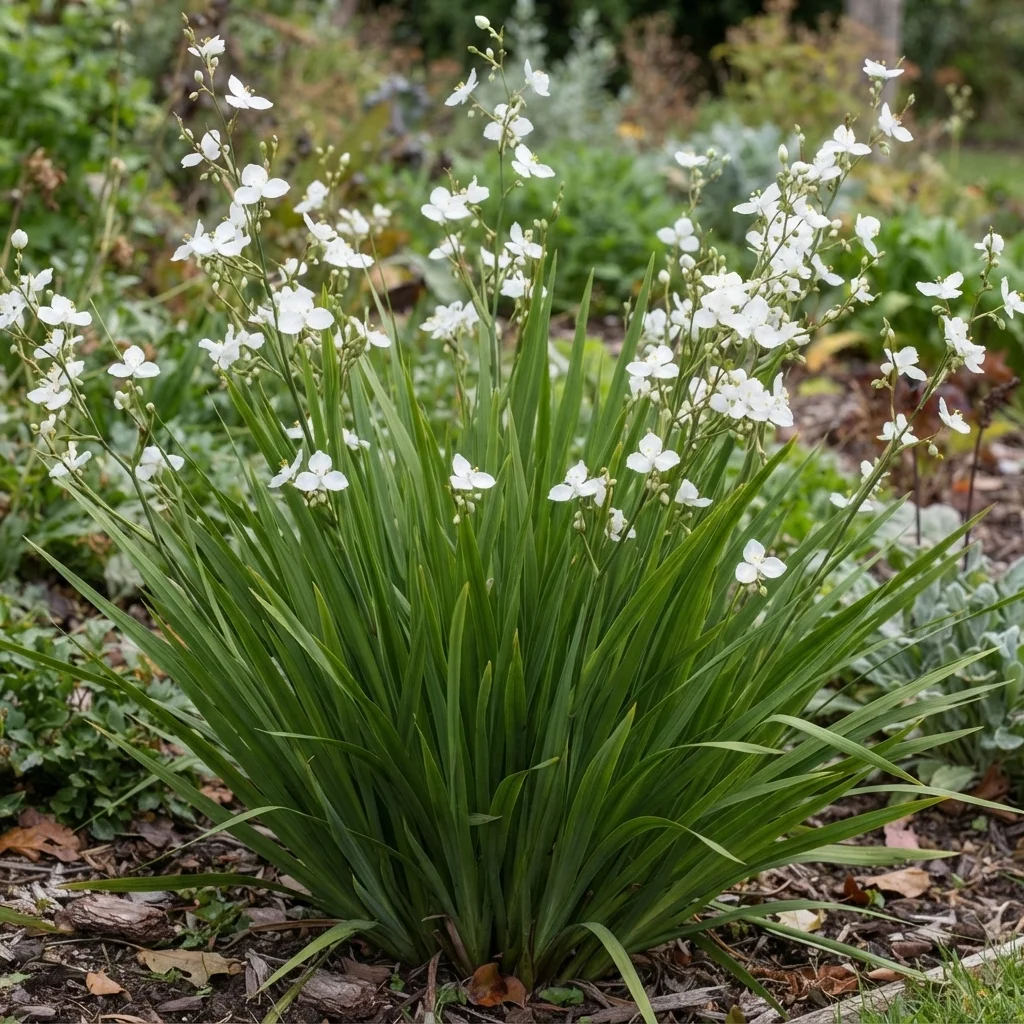
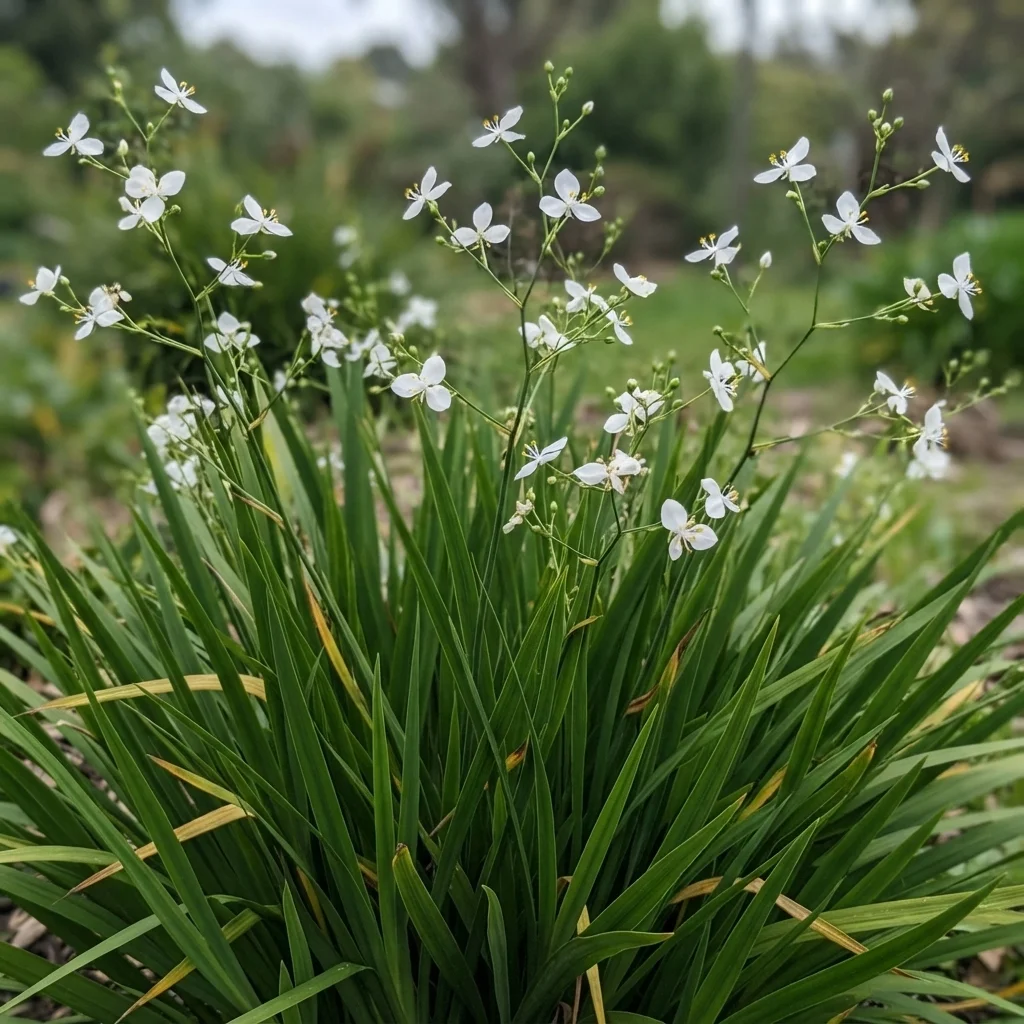
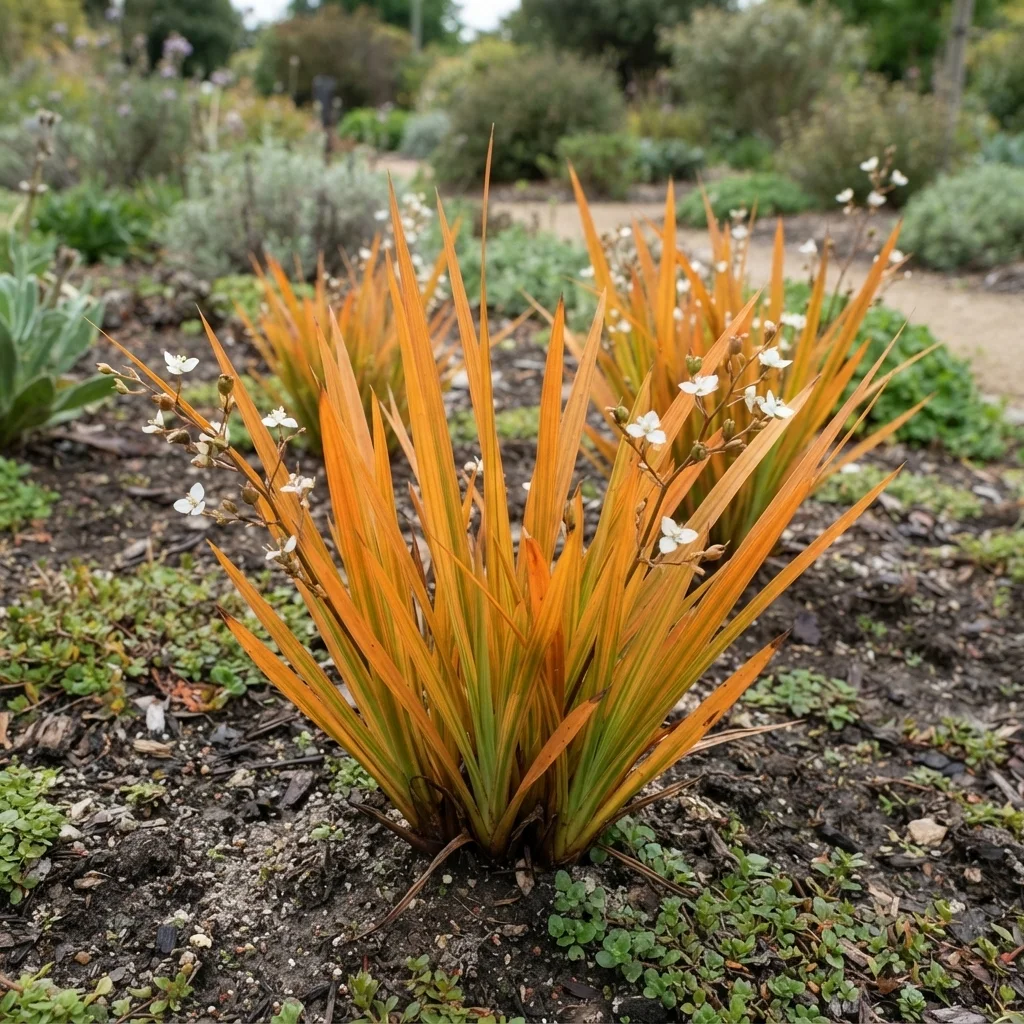
3 species of Libertia
Each one is a parent of the varieties above.
Track your Libertia in Sow
Save the Libertia you grow and get care reminders timed to your zone.
How to grow Libertia
Whats common across all Libertia varieties in our catalog — drawn from the care records of the 3 most-grown of them.
The Libertia year
- FertilizeMarch and April100% of varieties
Apply a light, balanced slow-release fertilizer around the base of the plant.
- Spring CleanupMarch and April100% of varieties
Groom the clump by hand-pulling or combing out dead brown leaves from the base.
- PropagateMarch and April67% of varieties
Divide large, established clumps to propagate new plants.
- Check for PestsJune and July67% of varieties
Inspect the leaf bases and undersides for spider mites or aphids during dry weather.
- DivideMarch and April67% of varieties
Divide congested clumps every three to five years to maintain vigor.


Do
- Provide regular irrigation during dry spells to prevent foliage tip burn.
- Hand-pull or comb out dead, brown leaves from the base of the clump in early spring.
- Wear gloves when handling the foliage to avoid skin irritation from calcium oxalate crystals.
- Apply a balanced, slow-release organic fertilizer once a year in early spring.
- Cleanly cut back dead, damaged, or winter-burned foliage tufts at the base in early spring.
Avoid
- Do not shear the foliage down to the ground annually, as this severely delays recovery.
- Do not plant in heavy, poorly drained clay soils where standing water causes root rot.
- Do not apply heavy doses of fertilizer, which encourages weak, floppy growth.
- Do not allow the soil to become waterlogged, as heavy, stagnant clay causes root rot.
What goes wrong with Libertia
| Problem | What you'll see | What to do |
|---|---|---|
| Aphids | Small green or black insects clustered on soft new growth and developing flower stems. | Wash them off with a sharp spray of water or apply a diluted horticultural oil if populations persist. |
| Spider mites | Fine webbing on leaf undersides and stippled, dusty-looking foliage during hot, dry weather. | Increase local humidity and blast the undersides of the leaves with a strong stream of water, or apply insecticidal soap. |
| Slugs | Irregular holes chewed in the foliage, particularly in overly damp or shaded conditions. | Clear debris from around the base of the plant and hand-pick pests or use organic iron phosphate baits. |
| Root rot | Foliage wilts, turns yellow, and collapses at the base despite wet soil conditions. | Improve soil drainage by incorporating organic matter, or relocate the plant to a well-drained site. |
| Powdery mildew | White, powdery fungal growth on leaves in crowded, humid settings. | Space plants to improve air circulation and remove affected foliage. |
| Crown rot | Decay at the soil line where the leaves emerge, leading to the collapse of individual fans. | Ensure the crown is not buried too deeply and avoid overhead watering late in the day. |
Making more Libertia
Division
- Dig up the entire established clump in early spring using a sharp spade.
- Gently pry the rhizomes apart, ensuring each division has several healthy fans of leaves and a robust root system.
- Trim back any damaged roots or dead foliage on the new divisions.
- Replant the divisions immediately into moist, well-draining soil at their original depth and water thoroughly.
Seed
- Collect fresh seeds from dehiscent capsules in late summer.
- Sow seeds surface-deep in a moist, well-draining seed-starting mix.
- Maintain a warm, bright environment to encourage germination.
- Pot up seedlings once they are large enough to handle and grow on before planting out.
Libertia questions
How many types of Libertia are there?
The Sow catalog tracks 3 distinct Libertia varieties. The most popular — ranked by 3 real gardeners — are shown first above.
What zones does Libertia grow in?
Across its varieties, Libertia covers USDA Zones 8–10. Individual varieties differ — each plant page lists its exact range, and Sow filters the catalog to your zone automatically.
When does Libertia bloom?
Most Libertia varieties bloom in spring, late spring. Staggering early, mid, and late varieties extends the genus's season in one bed.
Which Libertia should I choose?
Start from the most-saved varieties above — popularity across thousands of gardens is a strong signal of reliability — then filter by your zone and sun. In the Sow app you can preview any of them in a photo of your actual yard before you buy.