Also known as Mulberry · 7 saves
Morus
Morus, the genus most gardeners know as mulberry. We track 3 varieties; the ones most used by real gardeners.
The 3 most-saved Morus varieties
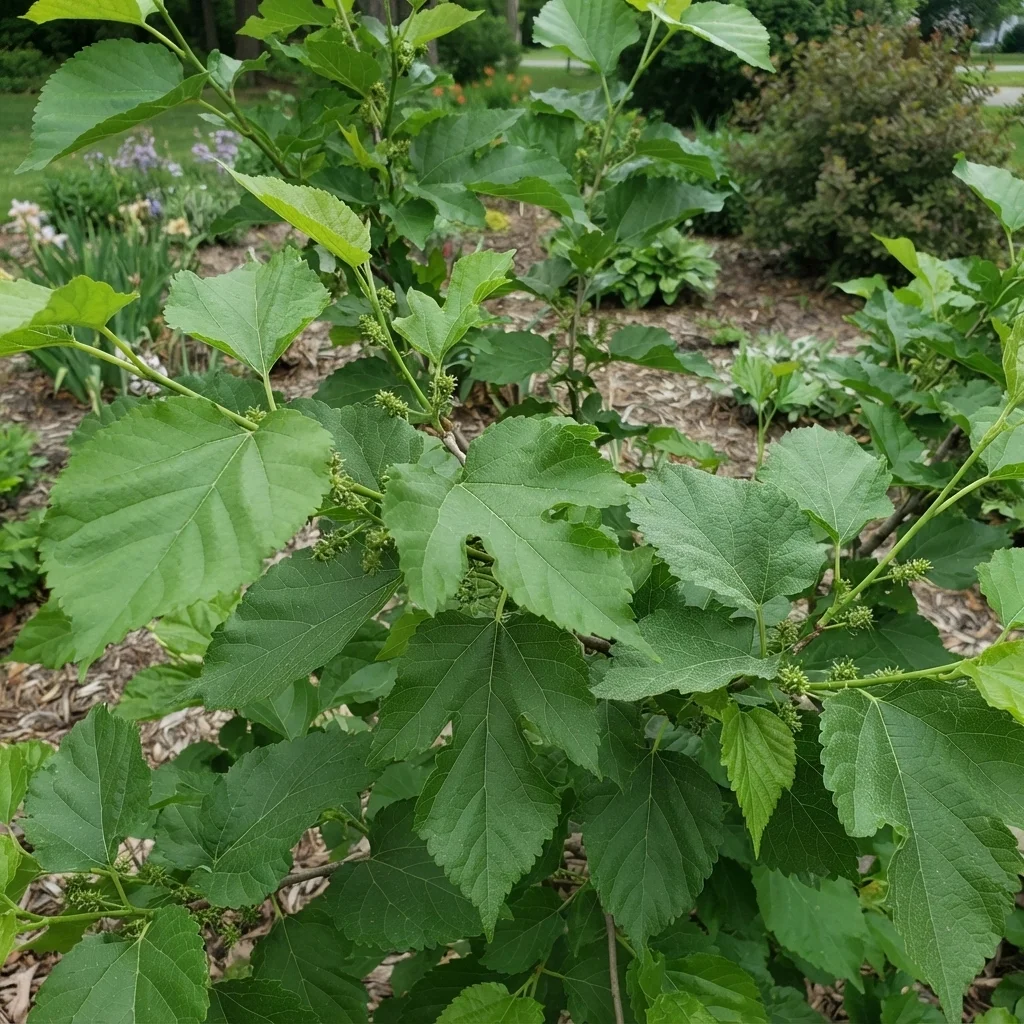
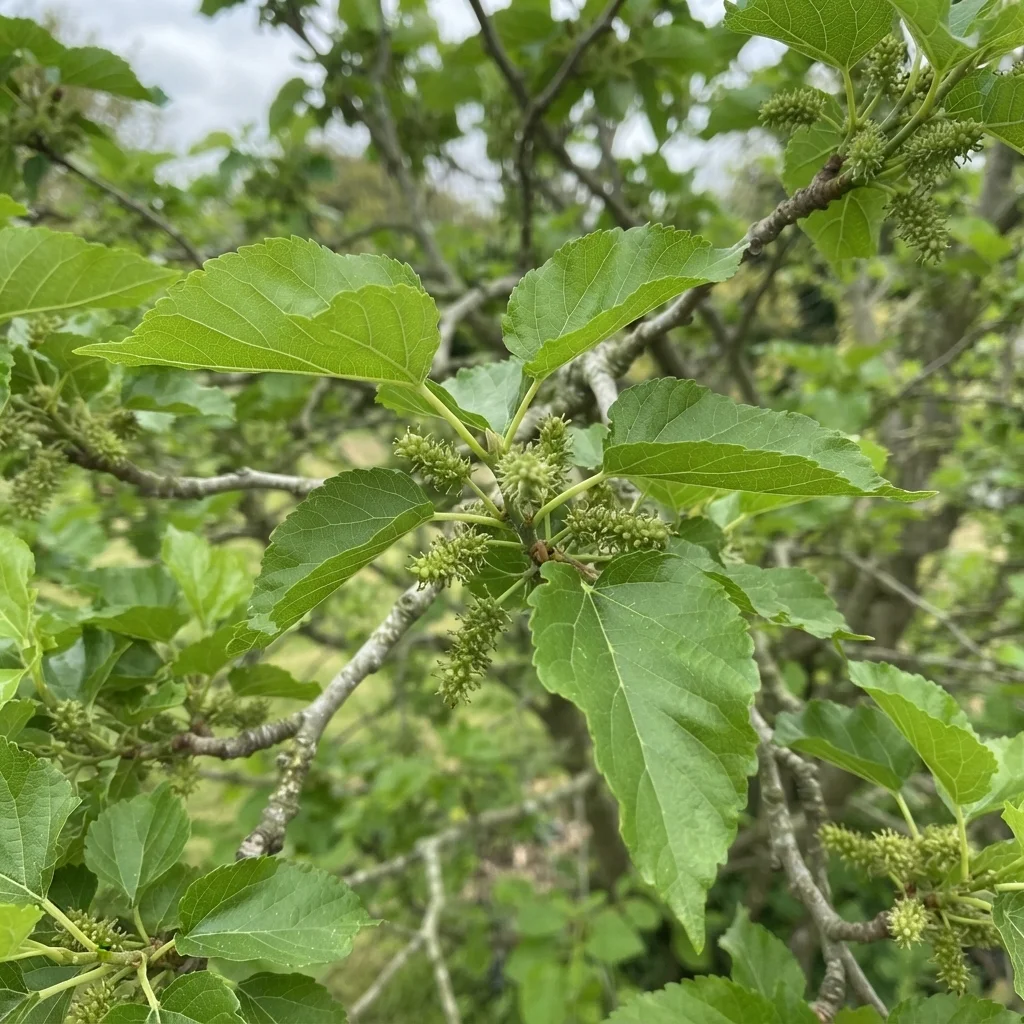
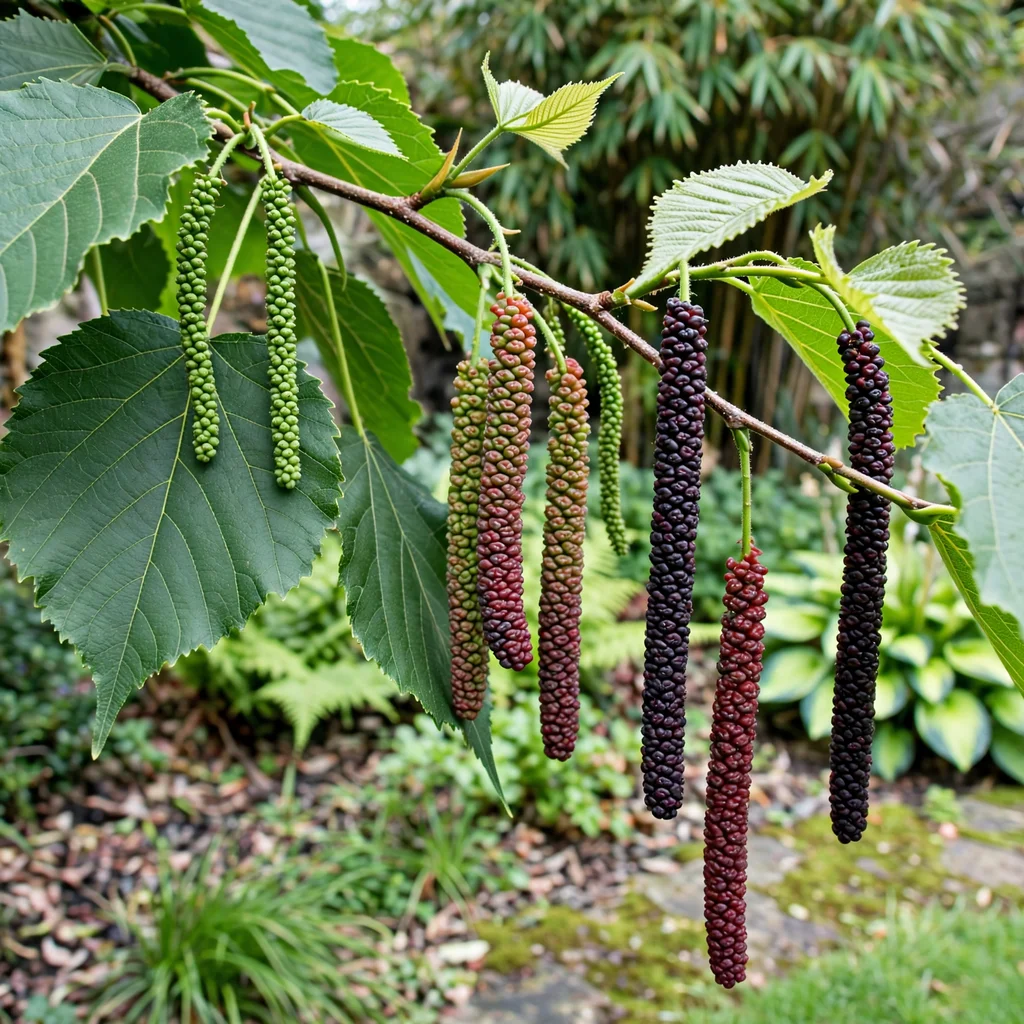
2 species of Morus
Each one is a parent of the varieties above.
Track your Morus in Sow
Save the Morus you grow and get care reminders timed to your zone.
How to grow Morus
Whats common across all Morus varieties in our catalog — drawn from the care records of the 3 most-grown of them.
The Morus year
- PruneJanuary, February and December100% of varieties
Prune during winter dormancy to shape the canopy and remove dead wood.
- HarvestJune and July100% of varieties
Harvest fully ripe, dark purple-to-black fruits as they mature.
- Check for PestsJune and July100% of varieties
Check foliage for Japanese beetles, spider mites, and powdery mildew.
- FertilizeMarch67% of varieties
Apply a balanced organic fertilizer or compost mulch around the drip line.


Do
- Prune annually in late winter to remove dead or crossing branches and maintain an open canopy.
- Protect young tree trunks with physical guards to prevent deer and rabbit browsing.
- Harvest fruit only when fully ripe and dark to ensure sweetness and avoid stomach irritation from unripe berries.
- Clean up dropped, overripe fruit promptly to prevent staining and minimize pest attraction.
- Provide regular irrigation during fruit development to prevent premature fruit drop.
Avoid
- Do not plant near concrete paths, decks, or parking areas where staining fruit will cause cleanup issues.
- Do not overwater or plant in low-lying areas prone to prolonged waterlogging, which triggers root rot.
- Do not prune heavily into old, leafless wood, as these wounds heal poorly.
- Do not plant in heavy, poorly drained clay or boggy subsoils where water pools.
What goes wrong with Morus
| Problem | What you'll see | What to do |
|---|---|---|
| Japanese beetle | Skein-like skeletonization of the foliage | Hand-pick beetles into soapy water or apply registered biological controls |
| Spider mites and aphids | Stippling, yellowing, or curled leaves accompanied by sticky honeydew | Blast foliage with a strong water spray or apply insecticidal soaps |
| Deer and rabbits | Browsing damage on lower branches and bark stripping near the base | Install physical tree guards or fencing around the trunk |
| Aphids | Curled leaves and sticky honeydew secretions on new growth. | Spray with insecticidal soap or release beneficial predatory insects. |
| Powdery mildew | White, powdery coating on the upper and lower foliage surfaces | Prune crowded branches to improve air circulation and apply appropriate fungicides if severe |
| Root rot | General canopy decline, wilting, and decay of the root system | Improve soil drainage and avoid overwatering |
| Bacterial blight | Twig dieback and dark leaf spots. | Prune out infected wood during dry weather and sanitize tools between cuts. |
Making more Morus
Hardwood Cuttings
- Take 8- to 12-inch cuttings of dormant, mature hardwood in late winter.
- Dip the cut base in rooting hormone to stimulate root development.
- Insert the cuttings into a well-drained propagation medium, leaving the top buds exposed.
- Keep the medium moist and warm until roots establish in spring.
Hardwood cuttings
- Take 10- to 12-inch cuttings of dormant, mature wood in late winter.
- Dip the basal end of each cutting in rooting hormone powder.
- Insert the cuttings into a well-drained potting medium, leaving only the top two buds exposed.
- Keep the medium moist but not wet in a sheltered, frost-free location until roots establish.
Morus questions
How many types of Morus are there?
The Sow catalog tracks 3 distinct Morus varieties. The most popular — ranked by 7 real gardeners — are shown first above.
What zones does Morus grow in?
Across its varieties, Morus covers USDA Zones 4–10. Individual varieties differ — each plant page lists its exact range, and Sow filters the catalog to your zone automatically.
When does Morus bloom?
Most Morus varieties bloom in spring. Staggering early, mid, and late varieties extends the genus's season in one bed.
Which Morus should I choose?
Start from the most-saved varieties above — popularity across thousands of gardens is a strong signal of reliability — then filter by your zone and sun. In the Sow app you can preview any of them in a photo of your actual yard before you buy.