Also known as Pokeweed · 76 saves
Phytolacca
Phytolacca, the genus most gardeners know as pokeweed. We track 4 varieties; the ones most used by real gardeners.
The 4 most-saved Phytolacca varieties
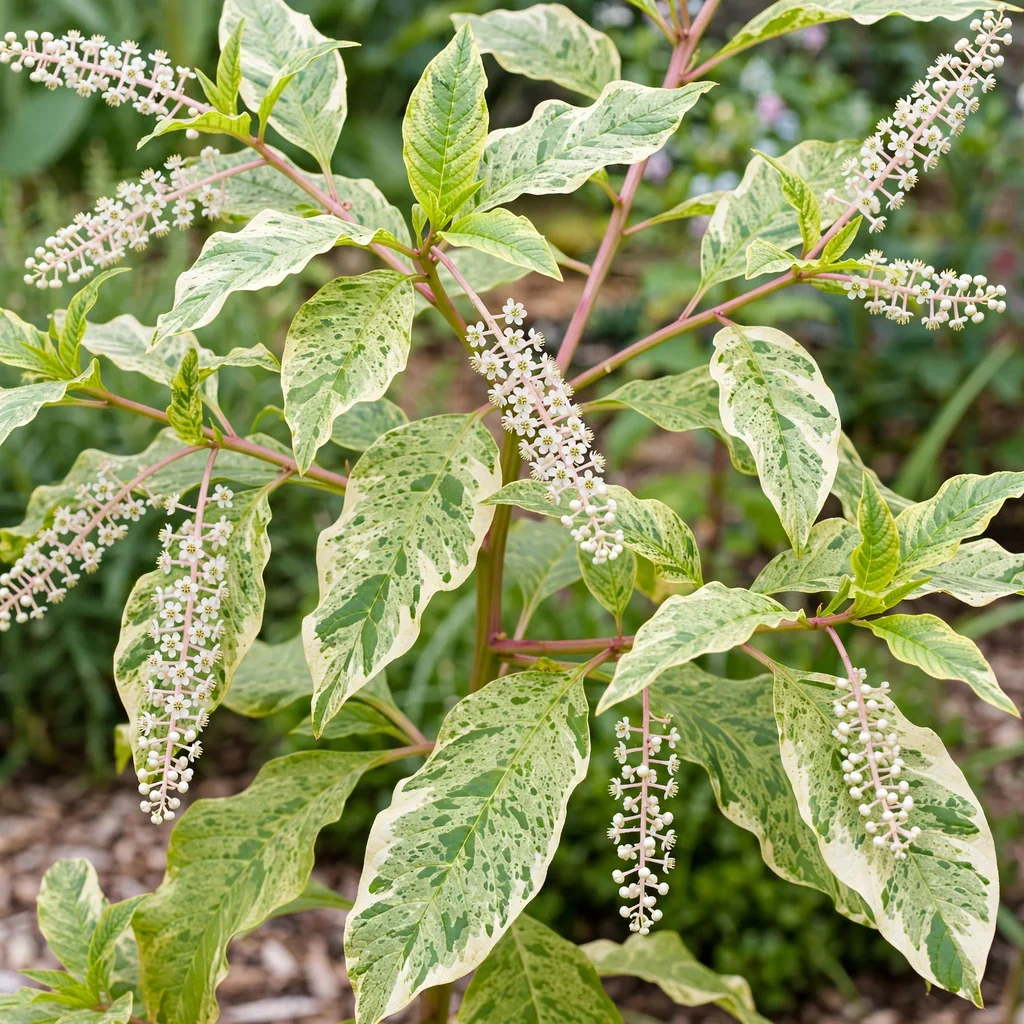
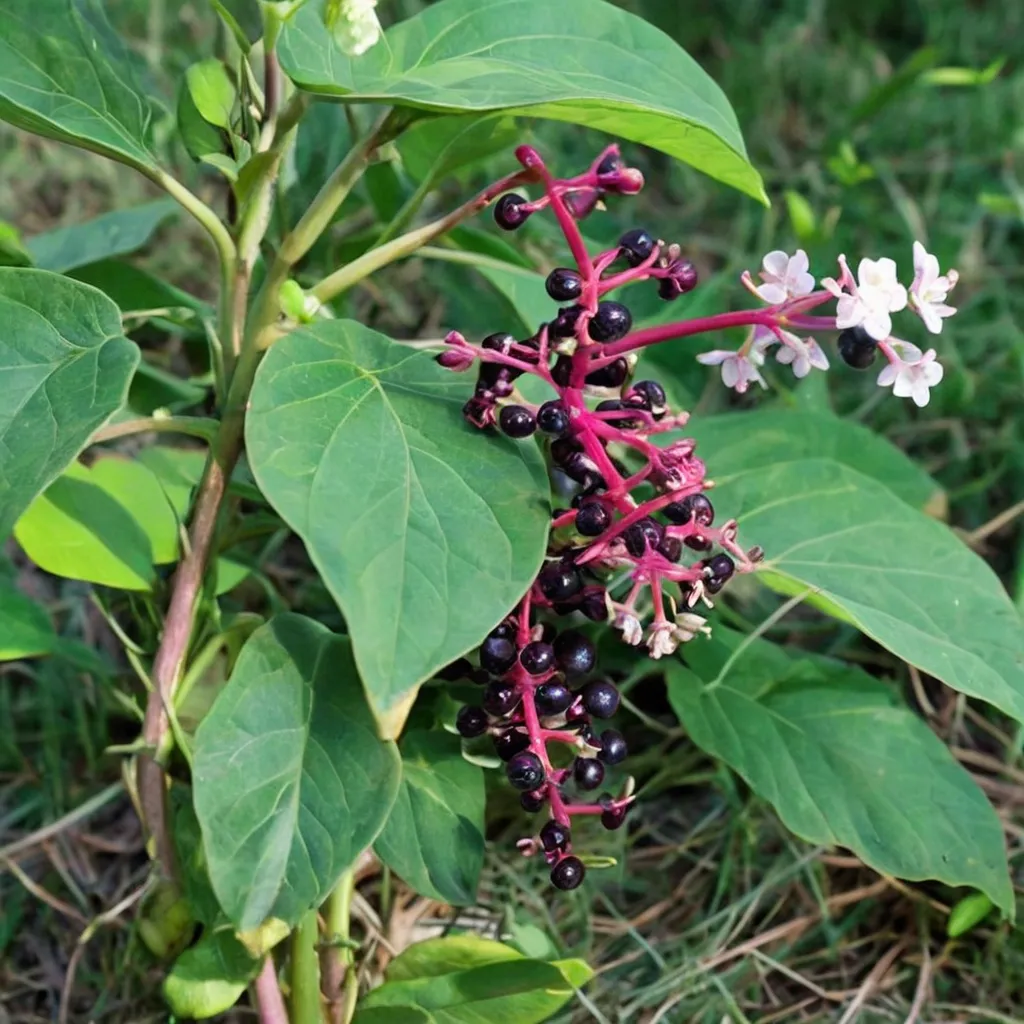
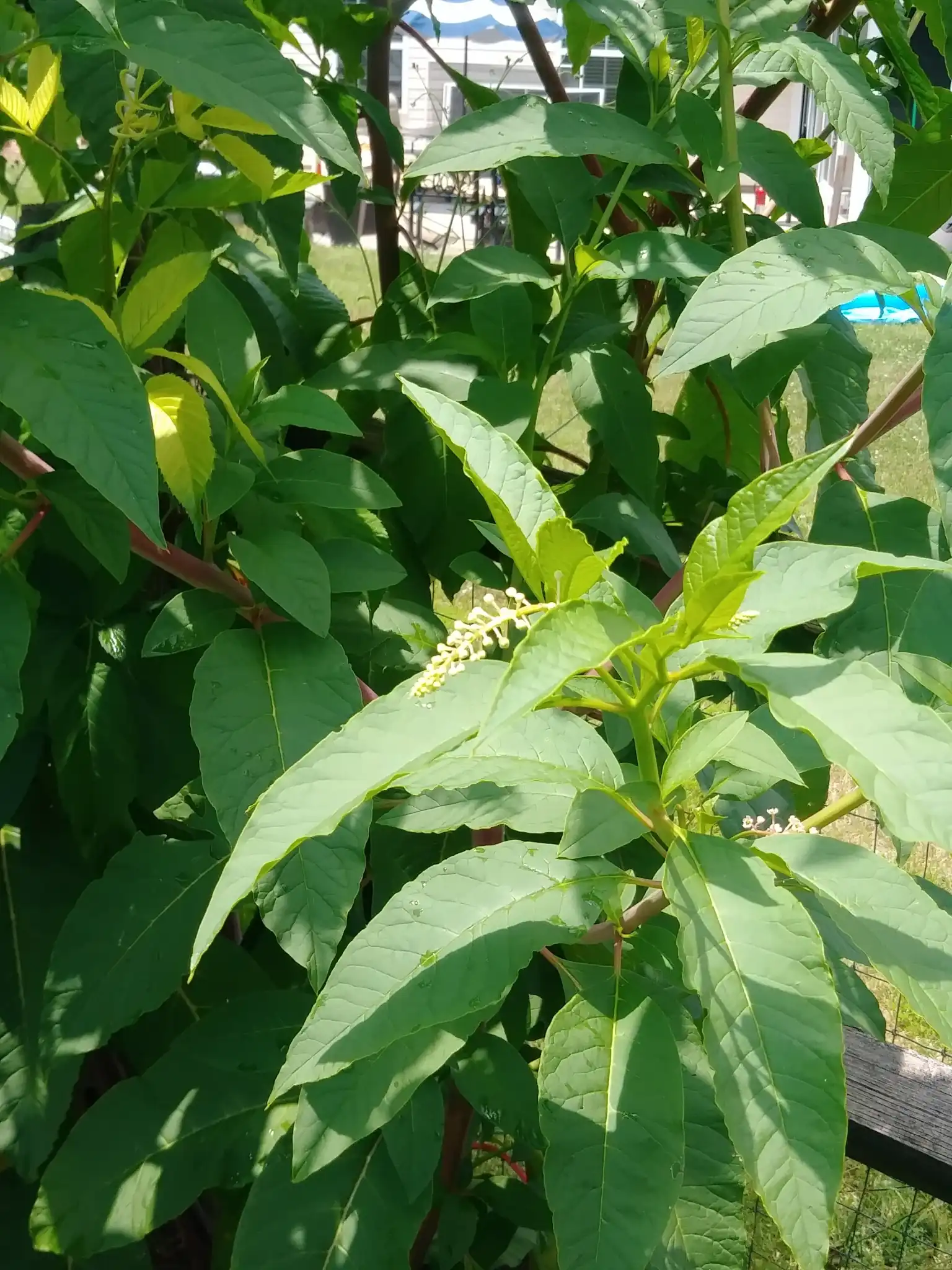
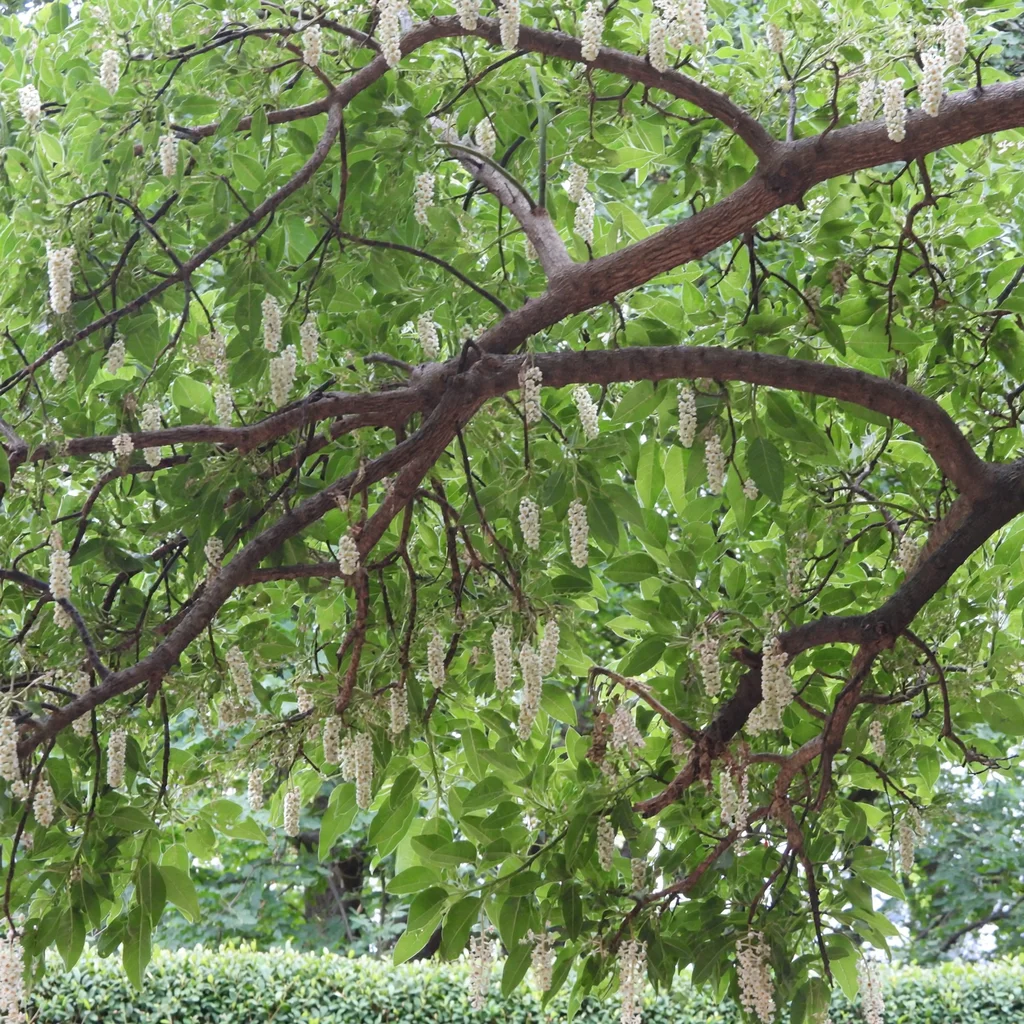
2 species of Phytolacca
Each one is a parent of the varieties above.
Track your Phytolacca in Sow
Save the Phytolacca you grow and get care reminders timed to your zone.
How to grow Phytolacca
Whats common across all Phytolacca varieties in our catalog — drawn from the care records of the 4 most-grown of them.
The Phytolacca year
- PruneNovember and December100% of varieties
Perform light structural pruning during winter dormancy if clearance is required.

Do
- Provide wide clearance from sidewalks, foundations, and underground pipes to accommodate the invasive surface roots.
- Prune lightly during winter dormancy only when structural clearance is absolutely necessary.
- Ensure the soil drains rapidly to prevent moisture accumulation around the trunk base.
- Wear gloves whenever handling it 🧤
- Remove berries before they ripen if you want to limit seedlings ✂️
Avoid
- Avoid overwatering to prevent root rot ❌
- Do not prune hard into old, leafless woody stems, as latent buds fail to push reliably from old wood.
- Do not overwater or plant in low-lying areas where water pools.
- Do not apply heavy fertilizer, as this species thrives in poor soils and excess nutrients cause weak, floppy growth.
What goes wrong with Phytolacca
| Problem | What you'll see | What to do |
|---|---|---|
| Aphids | Distorted new foliage and sticky honeydew deposits on the leaves under nursery or glasshouse stress. | Apply insecticidal soap or a sharp spray of water to knock the pests off the new growth. |
| Spider mites | Fine webbing on leaf undersides and stippled, yellowing foliage in hot, dry conditions. | Increase humidity around the canopy and apply horticultural oil to the undersides of the leaves. |
| Generally pest-free | Little insect damage; deer and rabbits avoid it | No treatment needed |
| Root rot | Wilting foliage, soft or decaying bark at the trunk base, and sudden branch dieback. | Improve soil drainage immediately, cease irrigation, and avoid planting in heavy, poorly drained soils. |
| Generally disease-free | No significant disease issues reported | None needed |
Making more Phytolacca
Seed
- Collect fresh, ripe berries in late summer and extract the seeds from the pulp.
- Sow seeds immediately in a well-draining seed-starting mix, covering them lightly with soil.
- Maintain a consistent temperature of 20 to 25 degrees Celsius and keep the medium lightly moist.
- Pot up individual seedlings into larger containers once they develop two sets of true leaves.
Seeds
- Seed is spread by birds and needs no help.
- If sowing deliberately, cold-stratify over winter.
- Sow in spring; germination is reliable.
Phytolacca questions
How many types of Phytolacca are there?
The Sow catalog tracks 4 distinct Phytolacca varieties. The most popular — ranked by 76 real gardeners — are shown first above.
What zones does Phytolacca grow in?
Across its varieties, Phytolacca covers USDA Zones 4–10. Individual varieties differ — each plant page lists its exact range, and Sow filters the catalog to your zone automatically.
When does Phytolacca bloom?
Most Phytolacca varieties bloom in mid-summer, late summer, summer to fall. Staggering early, mid, and late varieties extends the genus's season in one bed.
Which Phytolacca should I choose?
Start from the most-saved varieties above — popularity across thousands of gardens is a strong signal of reliability — then filter by your zone and sun. In the Sow app you can preview any of them in a photo of your actual yard before you buy.