Also known as Sycamore · 59 saves
Platanus
Platanus, the genus most gardeners know as sycamore. We track 4 varieties; the ones most used by real gardeners.
The 4 most-saved Platanus varieties
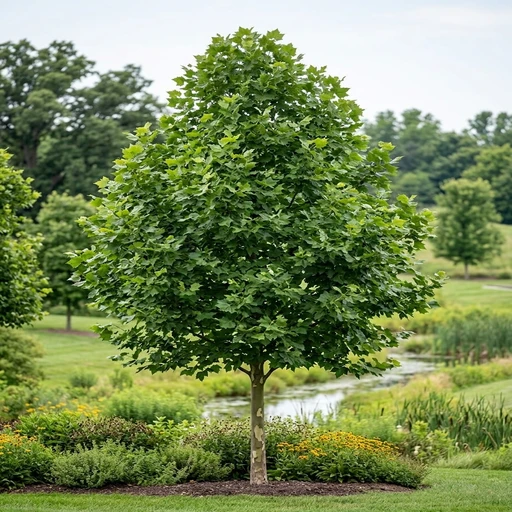
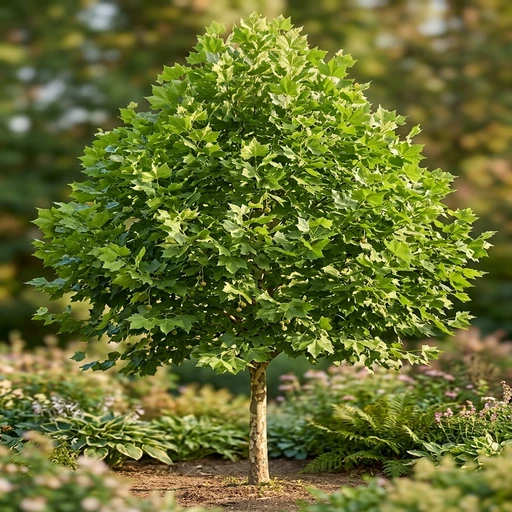
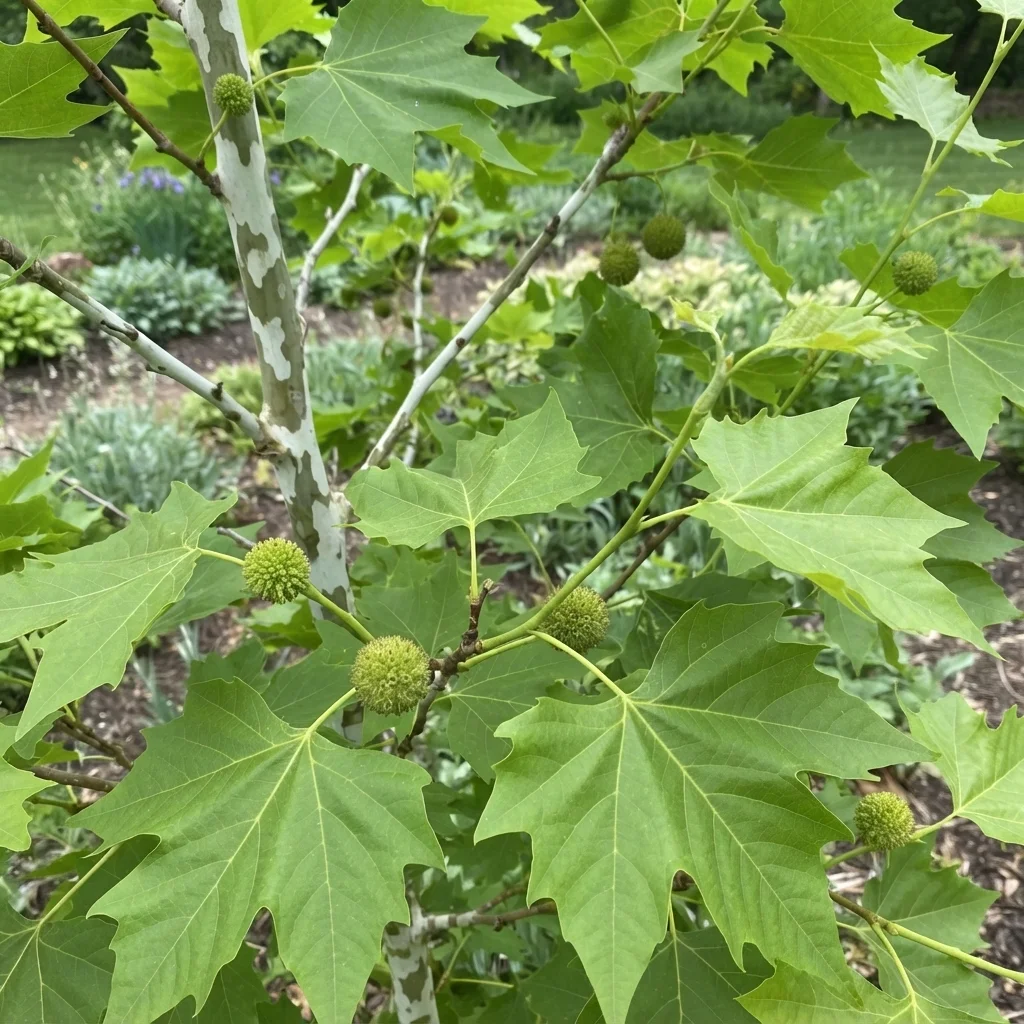
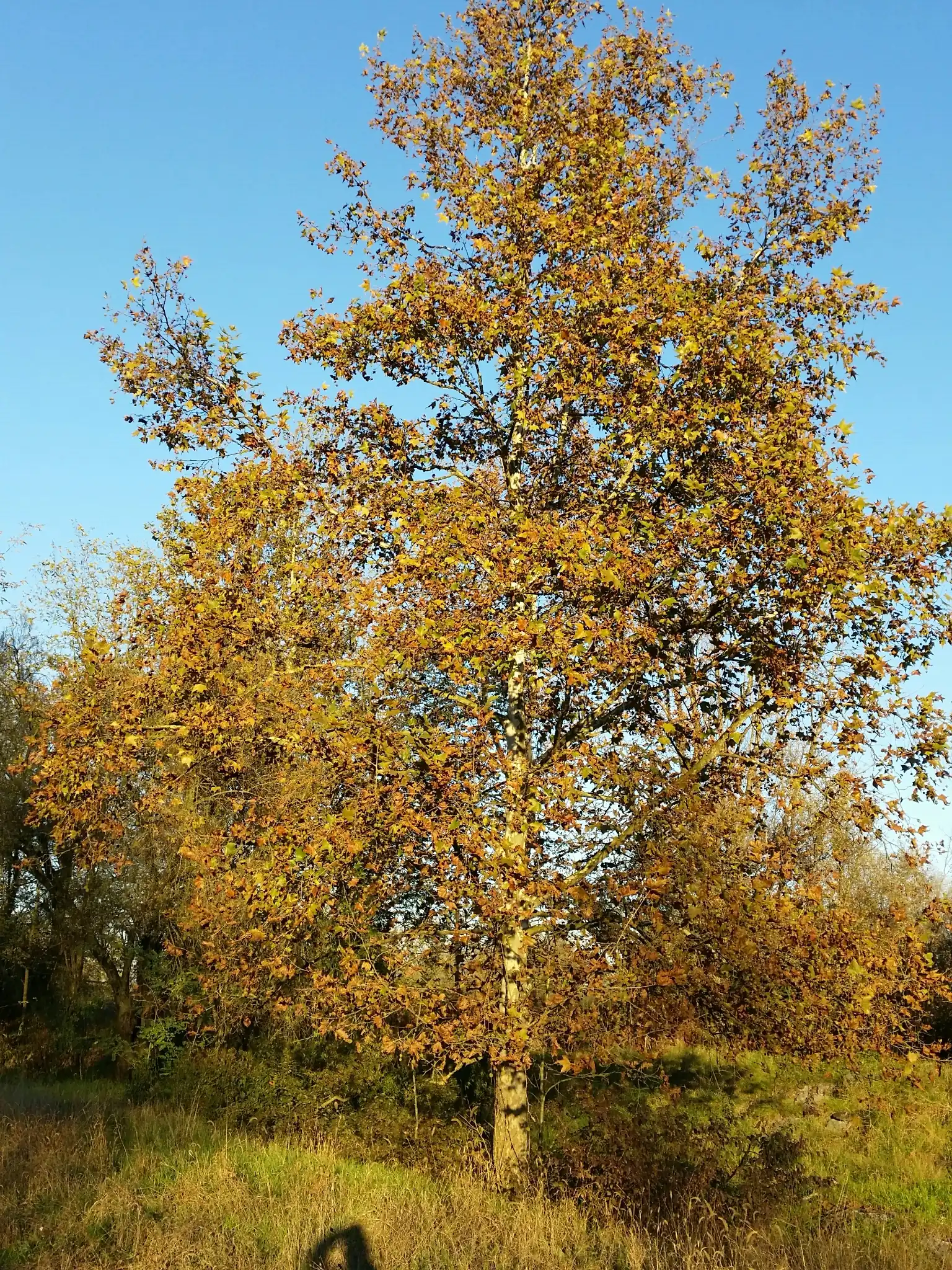
2 species of Platanus
Each one is a parent of the varieties above.
Track your Platanus in Sow
Save the Platanus you grow and get care reminders timed to your zone.
How to grow Platanus
Whats common across all Platanus varieties in our catalog — drawn from the care records of the 4 most-grown of them.
The Platanus year
- PruneJanuary, February, March and December100% of varieties
Perform structural pruning or canopy raising strictly during the dormant winter season.
- MulchApril50% of varieties
Apply a fresh layer of organic mulch to conserve soil moisture and protect the root zone.
- Spring CleanupApril50% of varieties
Rake and destroy any remaining fallen leaves and twigs to prevent the spread of anthracnose spores.


Do
- Water young trees regularly to maintain consistent soil moisture during establishment.
- Rake and destroy fallen leaves in autumn to minimize the overwintering of fungal spores.
- Prune structural branches exclusively during the dormant winter season.
- Allow sixty feet or more of spread 📏
- Use it where pollution defeats other trees 🏙️
Avoid
- Do not plant this tree in confined residential yards, narrow parking strips, or near underground utilities.
- Do not perform heavy pollarding or remove more than twenty-five percent of the canopy in any five-year period.
- Do not make flush cuts when removing branches, as this damages the trunk's protective collar.
- Plant it in a small garden ❌
What goes wrong with Platanus
| Problem | What you'll see | What to do |
|---|---|---|
| Sycamore lace bug | Foliage develops yellow chlorotic stippling on the upper surface and dark, tar-like spots of excrement on the undersides. | Apply insecticidal soap or horticultural oil to the undersides of the leaves when nymphs first appear in late spring. |
| Aphids | Curled or distorted new leaves accompanied by sticky honeydew and black sooty mold. | Blast the foliage with a strong stream of water or apply insecticidal soap to control heavy infestations. |
| Japanese beetle | Skeletonized leaves where only the tough veins remain, typically starting at the top of the canopy. | Hand-pick beetles into soapy water for minor infestations, or apply targeted biological controls to the soil to target grubs. |
| Lace Bugs | Stippled, bleached-looking leaves with small black varnish-like spots on the undersides. | Tolerate light damage. Spray undersides of leaves with insecticidal soap or horticultural oil. Systemic insecticides can be used for severe infestations. |
| Anthracnose | Young leaves and shoots blacken and die in cool wet springs, sometimes defoliating the tree | The tree refoliates and recovers; rake and remove fallen leaves, and note this hybrid resists it far better than American sycamore |
| Sycamore anthracnose | Sudden wilting and browning of expanding leaves in spring, accompanied by twig dieback and sunken cankers on young branches. | Rake and destroy all fallen leaves and twigs, prune out infected cankered twigs during dormancy, and maintain tree vigor with deep watering. |
| Powdery mildew | A white to light gray powdery fungal coating on the surfaces of leaves and young shoots, causing minor distortion. | Ensure adequate spacing for air circulation and avoid overhead watering; severe cases on young trees can be treated with sulfur-based fungicides. |
Making more Platanus
Hardwood Cuttings
- Take 10-12 inch cuttings from dormant, one-year-old wood in late winter.
- Treat the basal end with rooting hormone.
- Stick cuttings directly into the ground or a deep pot.
- Keep moist; they will root and leaf out in spring.
Hardwood cuttings
- Take twelve-inch cuttings of dormant, pencil-thick wood in late autumn or early winter.
- Dip the cut base in rooting hormone to stimulate root development.
- Insert the cuttings into a moist, well-draining sandy medium, leaving only the top two buds exposed.
- Keep the medium moist and transplant the rooted cuttings to their permanent location the following autumn.
Platanus questions
How many types of Platanus are there?
The Sow catalog tracks 4 distinct Platanus varieties. The most popular — ranked by 59 real gardeners — are shown first above.
What zones does Platanus grow in?
Across its varieties, Platanus covers USDA Zones 4–9. Individual varieties differ — each plant page lists its exact range, and Sow filters the catalog to your zone automatically.
When does Platanus bloom?
Most Platanus varieties bloom in mid-spring, spring, mid spring. Staggering early, mid, and late varieties extends the genus's season in one bed.
Which Platanus should I choose?
Start from the most-saved varieties above — popularity across thousands of gardens is a strong signal of reliability — then filter by your zone and sun. In the Sow app you can preview any of them in a photo of your actual yard before you buy.