The Story
Plant Bio
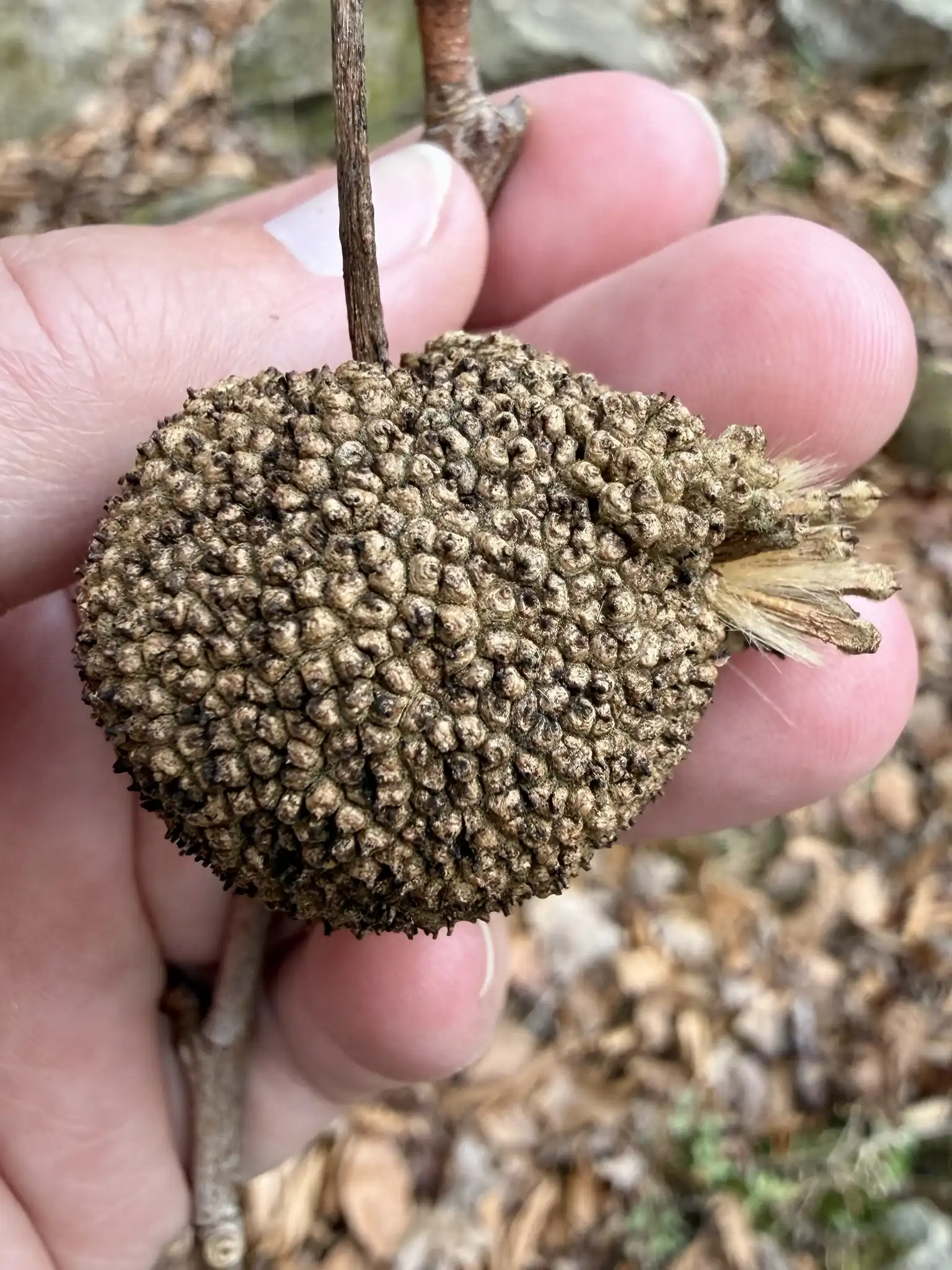
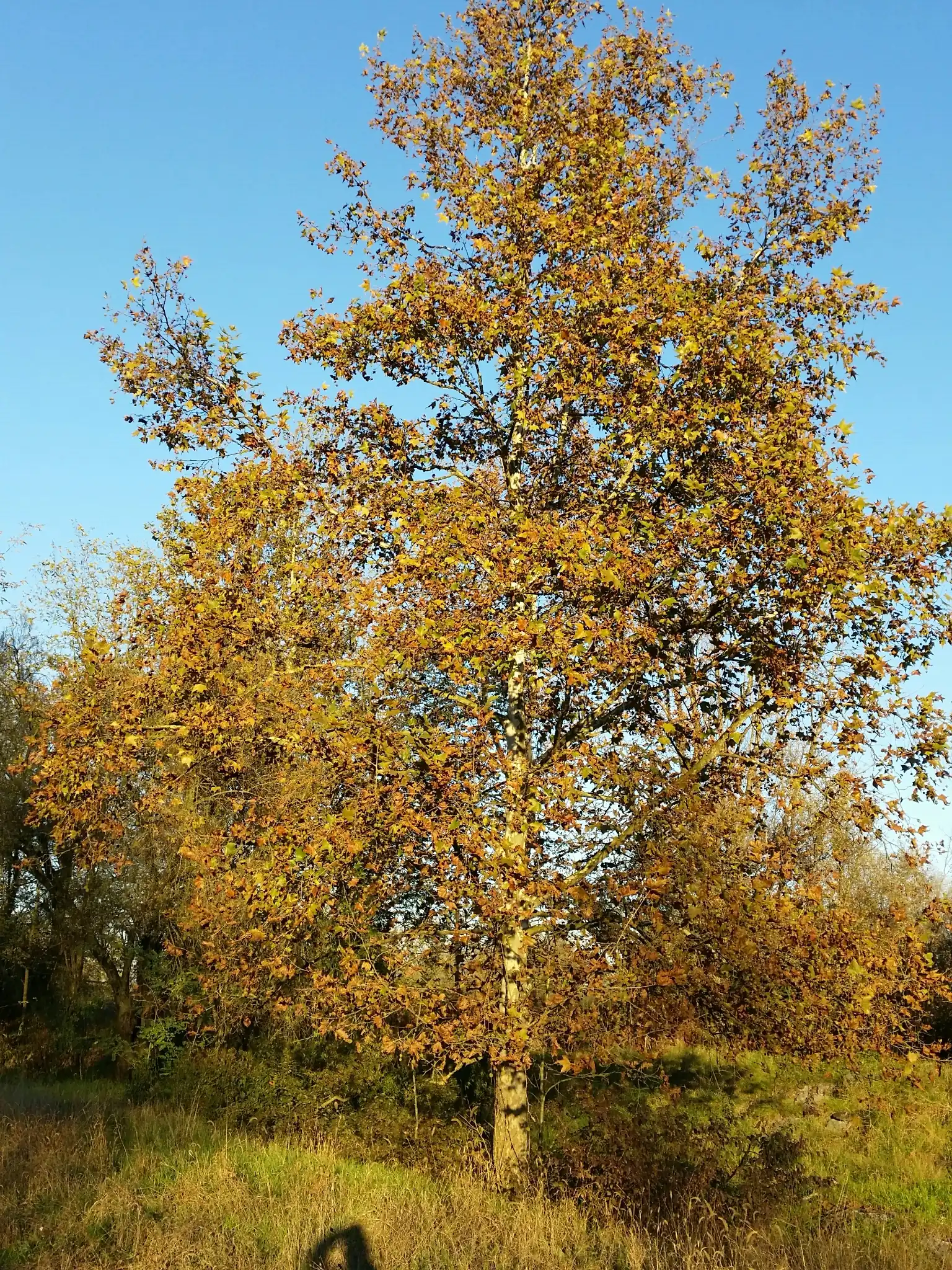
Platanus occidentalis is a massive, fast-growing deciduous tree native to North American floodplains, characterized by its wide-spreading crown and exfoliating bark that peels to reveal a mottled patchwork of white, gray, and green. The large, palmate leaves turn yellow in fall, while the inconspicuous spring flowers develop into spherical, bristly seed balls that persist into winter.
This species is distinguished by its exceptionally bright, smooth white upper branches and its reliance on high-moisture alluvial soils. Unlike its hybrids, it exhibits a high susceptibility to sycamore anthracnose, which often causes a dramatic but temporary spring defoliation.
Uses & Benefits:
Essentials
At a Glance
Plant Type
Tree
Height
9000"
Width
9000"
Light
Full Sun, Partial Sun
Zones
4, 5, 6, 7, 8, 9
Water
High
Humidity
High
Lifespan
Long-lived
Native To
North America
Toxicity
Non-toxic
Bloom period
Spring
In flower about 3 months of the year
Marketplace
Where to Buy
Shipping costs Year-round shipping Free shipping
Planting
How to Grow
- Select a planting site in full sun with deep, moist, rich soil, ideally near a water source or in a low-lying area.
- Dig a hole twice as wide as the root ball and of equal depth, ensuring the flare of the trunk sits slightly above the soil line.
- Backfill with native soil, tamp down gently to remove air pockets, and water thoroughly to settle the ground.
- Apply a three-inch layer of organic mulch around the base to retain moisture, keeping it several inches away from the bark.
Pro Tip
To manage the aggressive, wide-spreading surface root system, plant this tree at least thirty feet away from sewer lines, sidewalks, and foundations.
Keep It Thriving
Care Guide
Do
- Water young trees regularly to maintain consistent soil moisture during establishment.
- Rake and destroy fallen leaves in autumn to minimize the overwintering of fungal spores.
- Prune structural branches exclusively during the dormant winter season.
Don't
- Do not plant this tree in confined residential yards, narrow parking strips, or near underground utilities.
- Do not perform heavy pollarding or remove more than twenty-five percent of the canopy in any five-year period.
- Do not make flush cuts when removing branches, as this damages the trunk's protective collar.
Seasonal Care Calendar
| Task | Jan | Feb | Mar | Apr | May | Jun | Jul | Aug | Sep | Oct | Nov | Dec |
|---|---|---|---|---|---|---|---|---|---|---|---|---|
| Mulch | ||||||||||||
| Pest Check | ||||||||||||
| Prune | ||||||||||||
| Spring Cleanup |
Watch Out For
Pests & Diseases
Common Pests
Common Diseases
In the Garden
Landscape Uses & Companions
Landscape Uses
Companion Plants
Multiply
Propagation Methods
Good to Know
Common Questions
American Sycamore questions
What zones can American Sycamore grow in?
American Sycamore is hardy in USDA Zones 4–9. Inside that range it survives winter in the ground; outside it, grow it as an annual or a container plant you protect.
Is American Sycamore deer resistant?
Not reliably. Deer may browse American Sycamore, especially tender spring growth — plan on repellents or fencing where pressure is high.
When does American Sycamore bloom?
American Sycamore typically blooms in spring through spring. Exact timing shifts a week or two with your zone — Sow's bloom calendar maps it to your garden.
Does American Sycamore need full sun?
American Sycamore does best in full sun to part shade. In hot climates, afternoon shade keeps blooms fresher longer.
More Platanus to compare
Keep exploring
Explore the genus
Grow American Sycamore with confidence
See it in a design of your actual yard, get zone-matched care reminders, and track it season by season in your garden journal.