Also known as Dandelion · 0 saves
Taraxacum
Taraxacum, the genus most gardeners know as dandelion. We track 3 varieties; the ones most used by real gardeners.
The 3 most-saved Taraxacum varieties
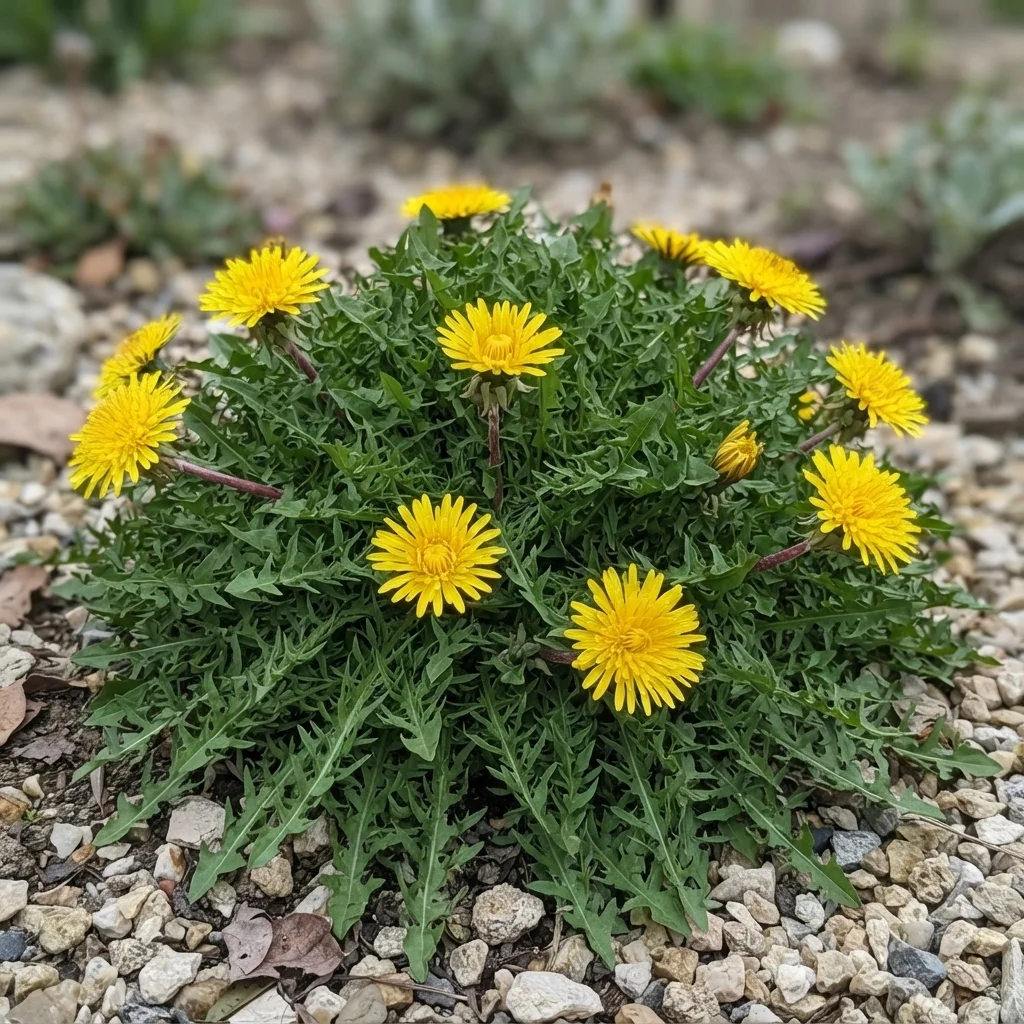
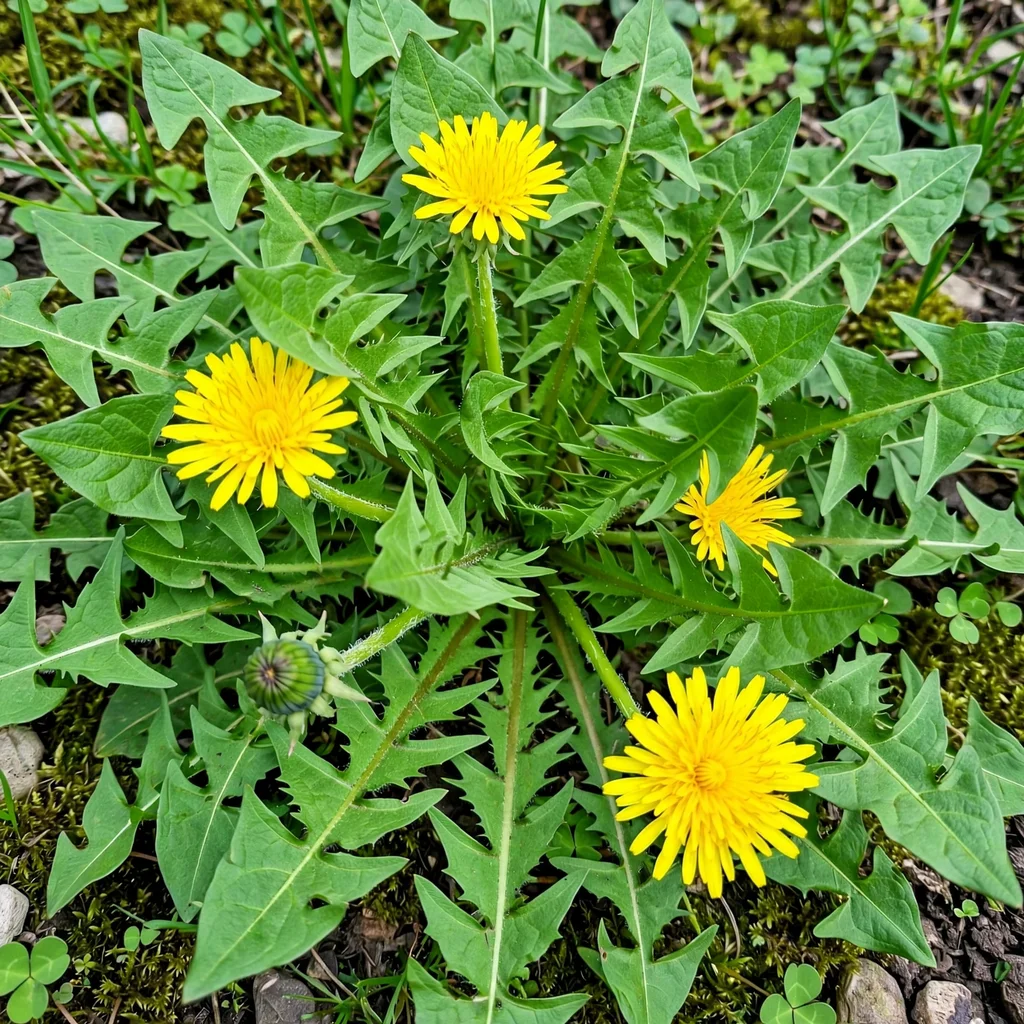
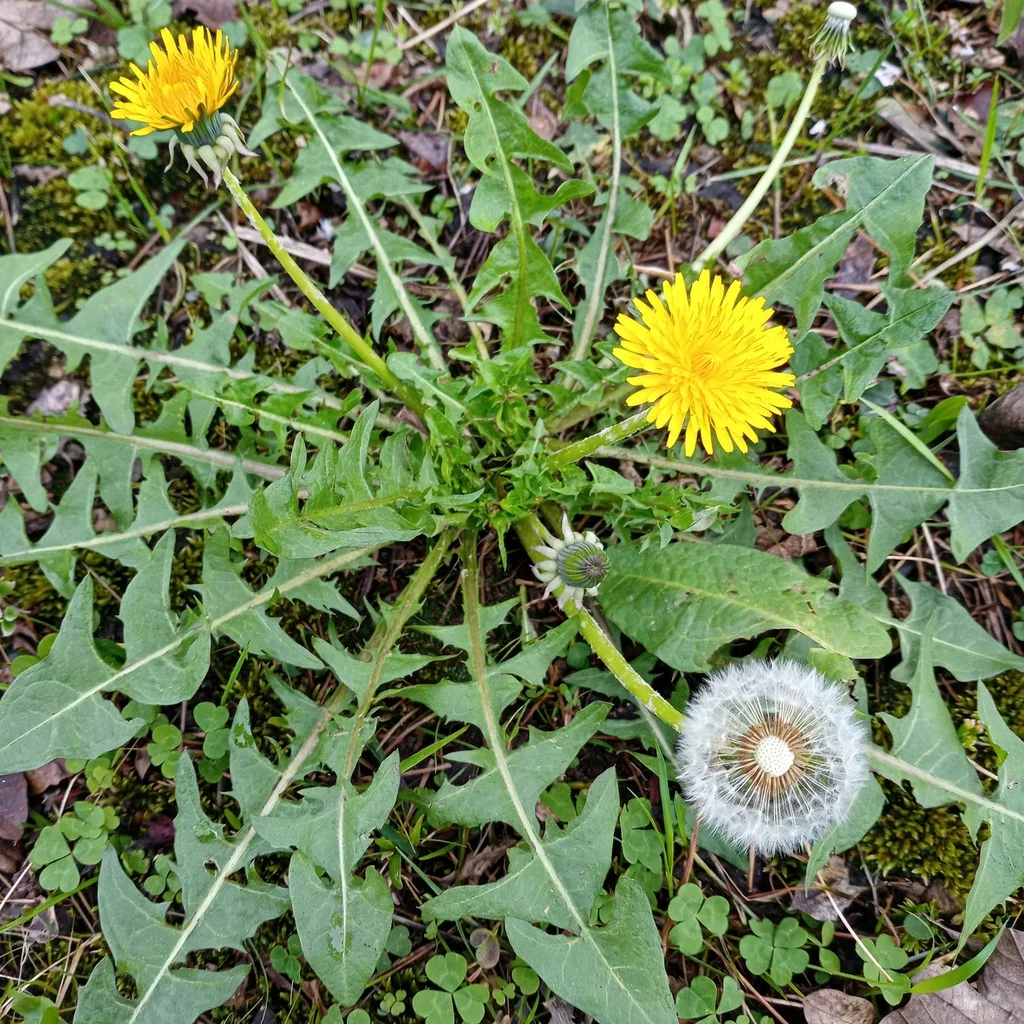
3 species of Taraxacum
Each one is a parent of the varieties above.
Track your Taraxacum in Sow
Save the Taraxacum you grow and get care reminders timed to your zone.
How to grow Taraxacum
Whats common across all Taraxacum varieties in our catalog — drawn from the care records of the 3 most-grown of them.
The Taraxacum year
- DeadheadMay–August100% of varieties
Remove spent yellow flower heads before they mature into white puffballs to prevent self-seeding.
- PropagateMarch and April100% of varieties
Sow seeds on the soil surface or take root cuttings to establish new plants.
- Check for PestsJune and July100% of varieties
Inspect foliage for powdery mildew and treat with potassium bicarbonate if white spots appear.
- Spring CleanupMarch67% of varieties
Clear away dead winter foliage from the basal rosette to encourage fresh green growth.


Do
- Dig deeply to extract the entire taproot when weeding to prevent vegetative regeneration.
- Harvest young, tender leaves in early spring before flowering for culinary use to avoid bitterness.
- Apply potassium bicarbonate or horticultural oils at the first sign of powdery mildew on the foliage.
- Deadhead spent flowers immediately to prevent unwanted self-seeding.
- Grow in well-drained, gritty soil to mimic its native alpine habitat.
Avoid
- Do not over-fertilize surrounding turf, as excess nitrogen encourages rapid rosette establishment.
- Do not leave severed crowns in the soil, as they will quickly regenerate new foliage.
- Do not allow seed heads to mature and disperse if you wish to contain the plant within a specific area.
- Do not overwater, as excessive moisture can lead to root rot.
What goes wrong with Taraxacum
| Problem | What you'll see | What to do |
|---|---|---|
| Aphids | Clusters of small insects on new growth and leaf undersides, accompanied by sticky honeydew. | Knock off with a strong spray of water or apply insecticidal soap. |
| Spider mites | Fine webbing on the undersides of leaves and stippled, yellowing foliage. | Increase humidity around the plant and spray with insecticidal soap or neem oil. |
| Voles | Chewed roots and crowns, leading to sudden wilting and plant death. | Install physical barriers or wire mesh baskets around root zones in affected areas. |
| Rabbits | Cleanly clipped foliage and chewed crowns, particularly on young spring growth. | Protect plants with physical fencing or apply scent-based repellents. |
| Powdery mildew | White, powdery fungal patches on the upper surfaces of the leaves. | Apply potassium bicarbonate or horticultural oils and improve air circulation. |
| Root rot | Wilting foliage and mushy, blackened taproots caused by saturated soils. | Improve soil drainage and reduce irrigation frequency. |
| Bacterial leaf spot | Water-soaked, dark brown or black spots on the leaves, sometimes with a yellow halo. | Remove infected leaves and avoid overhead watering to keep foliage dry. |
Making more Taraxacum
Seed
- Sow seeds on the surface of a well-draining, gritty seed-starting mix.
- Press seeds lightly into the soil but do not cover, as they require light to germinate.
- Maintain a temperature of 65 to 70 degrees Fahrenheit and keep the soil moist.
- Transplant seedlings into individual pots once they develop their first true leaves.
Taraxacum questions
How many types of Taraxacum are there?
The Sow catalog tracks 3 distinct Taraxacum varieties. The most popular — ranked by 0 real gardeners — are shown first above.
What zones does Taraxacum grow in?
Across its varieties, Taraxacum covers USDA Zones 4–9. Individual varieties differ — each plant page lists its exact range, and Sow filters the catalog to your zone automatically.
When does Taraxacum bloom?
Most Taraxacum varieties bloom in spring. Staggering early, mid, and late varieties extends the genus's season in one bed.
Which Taraxacum should I choose?
Start from the most-saved varieties above — popularity across thousands of gardens is a strong signal of reliability — then filter by your zone and sun. In the Sow app you can preview any of them in a photo of your actual yard before you buy.