Also known as Trumpetbush · 25 saves
Tecoma
Tecoma, the genus most gardeners know as trumpetbush. We track 3 varieties; the ones most used by real gardeners.
The 2 most-saved Tecoma varieties
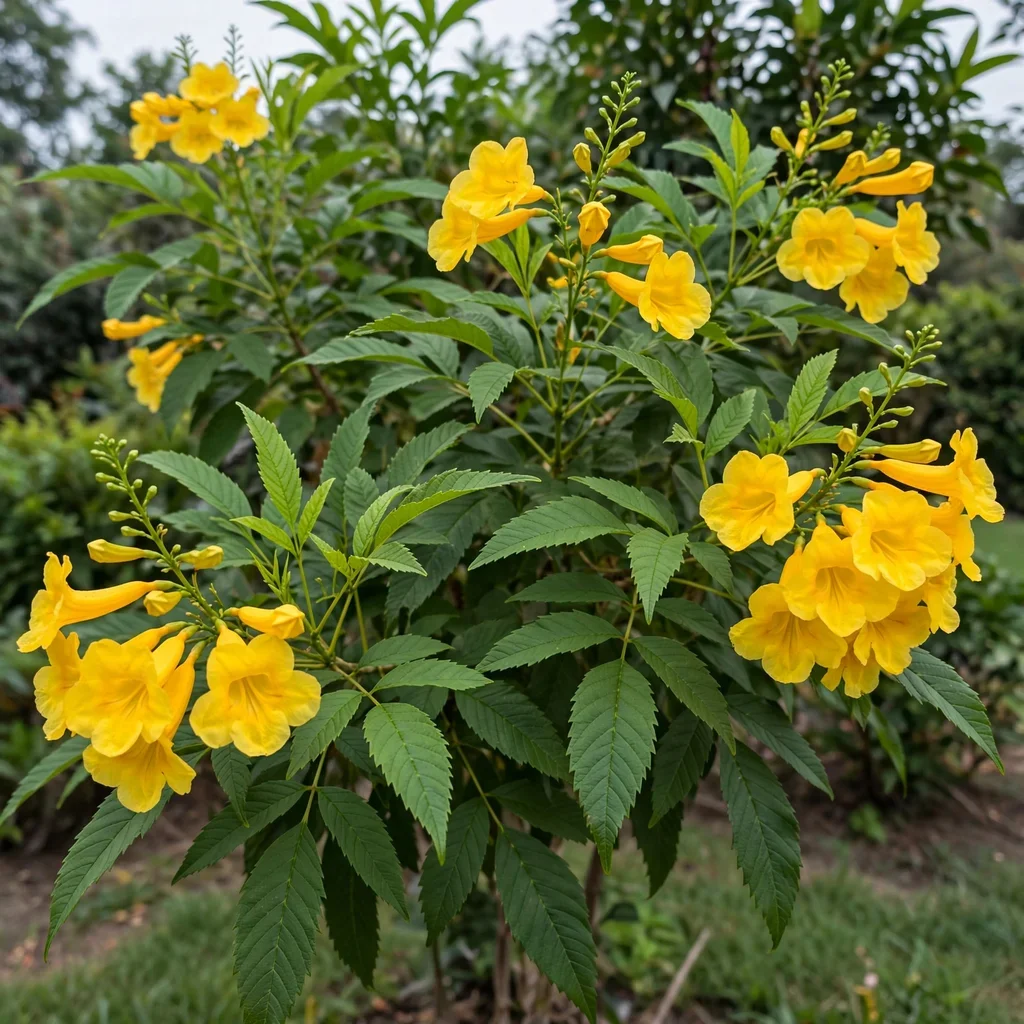
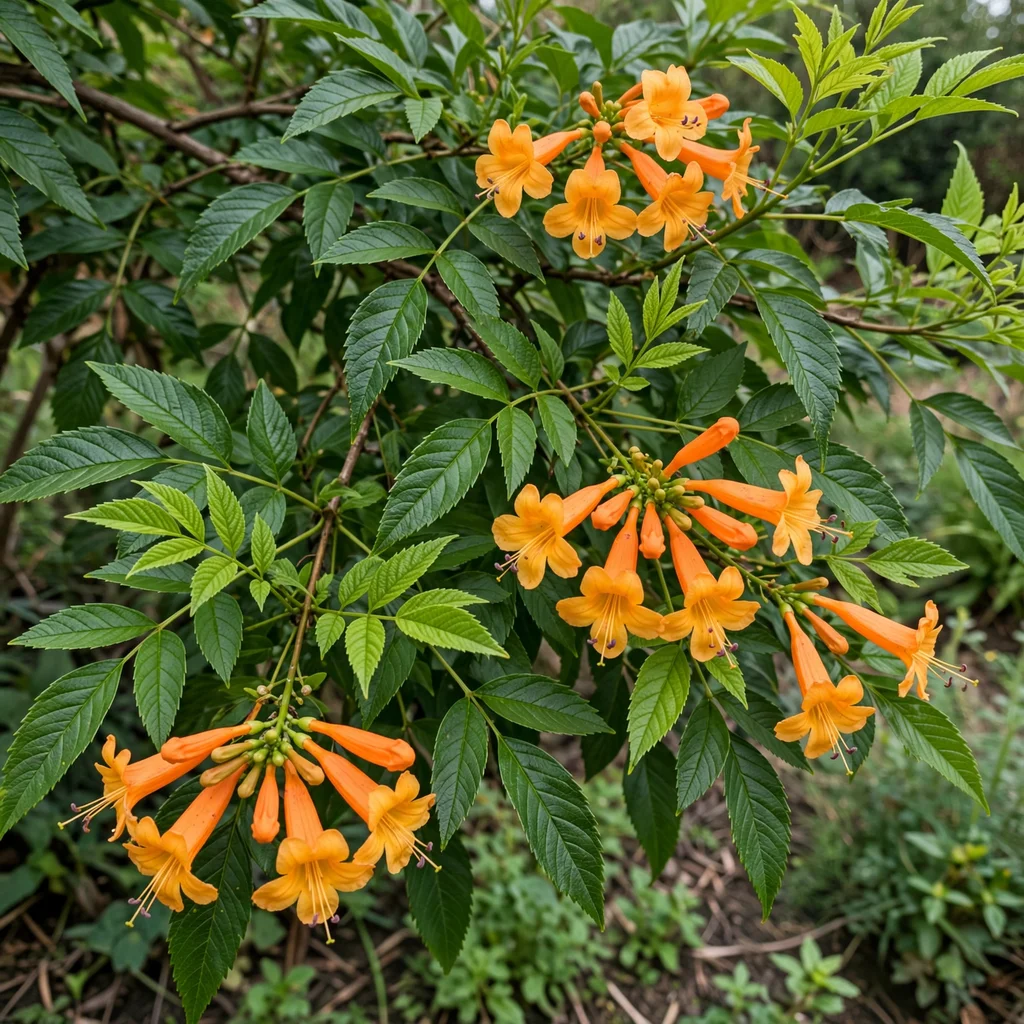
Browse all 3 Tecoma varieties →
2 species of Tecoma
Each one is a parent of the varieties above.
Track your Tecoma in Sow
Save the Tecoma you grow and get care reminders timed to your zone.
How to grow Tecoma
Whats common across all Tecoma varieties in our catalog — drawn from the care records of the 3 most-grown of them.
The Tecoma year
- PruneMarch100% of varieties
Cut back hard in late winter to control size and drive new flowering wood.

Do
- Give it full sun and heat ☀️
- Cut it back hard each late winter ✂️
- Deadhead to keep flowers coming 🌼
- Plant it where hummingbirds visit 🐦
- Prune back hard every spring after flowering to maintain a compact, bushy shape.
Avoid
- Feed it richly ❌
- Let it sit in wet soil ❌
- Expect flowers in shade ❌
- Do not overwater or plant in low-lying areas where water pools.
What goes wrong with Tecoma
| Problem | What you'll see | What to do |
|---|---|---|
| Aphids | Curling leaves, sticky honeydew, and black sooty mold on foliage. | Knock them off with a strong spray of water, or apply insecticidal soap or horticultural oils. |
| Generally pest-free | No significant insect damage is typical | Monitor only; no routine treatment needed |
| Spider Mites | Stippled, faded leaves and fine webbing on the undersides during hot, dry weather. | Increase ambient humidity and apply insecticidal soap or miticides. |
| Scale Insects | Small, raised bumps on stems and leaves, sticky residue, and branch dieback. | Apply horticultural dormant oils or systemic insecticides. |
| Root rot | Wilting and dieback despite wet soil, with darkened roots when lifted | Improve drainage; it tolerates drought far better than saturated ground |
| Root Rot | Wilting, yellowing leaves, and mushy, discolored roots from wet soil. | Improve soil drainage, reduce watering frequency, and apply fungicides if detected early. |
| Powdery Mildew | A white, powdery coating on leaf surfaces during humid conditions. | Ensure adequate spacing for air circulation and apply sulfur-based fungicides. |
Making more Tecoma
Stem cuttings
- Take semi-ripe cuttings in summer.
- Root in gritty compost with warmth.
- Pot on and keep frost-free through the first winter.
Seed
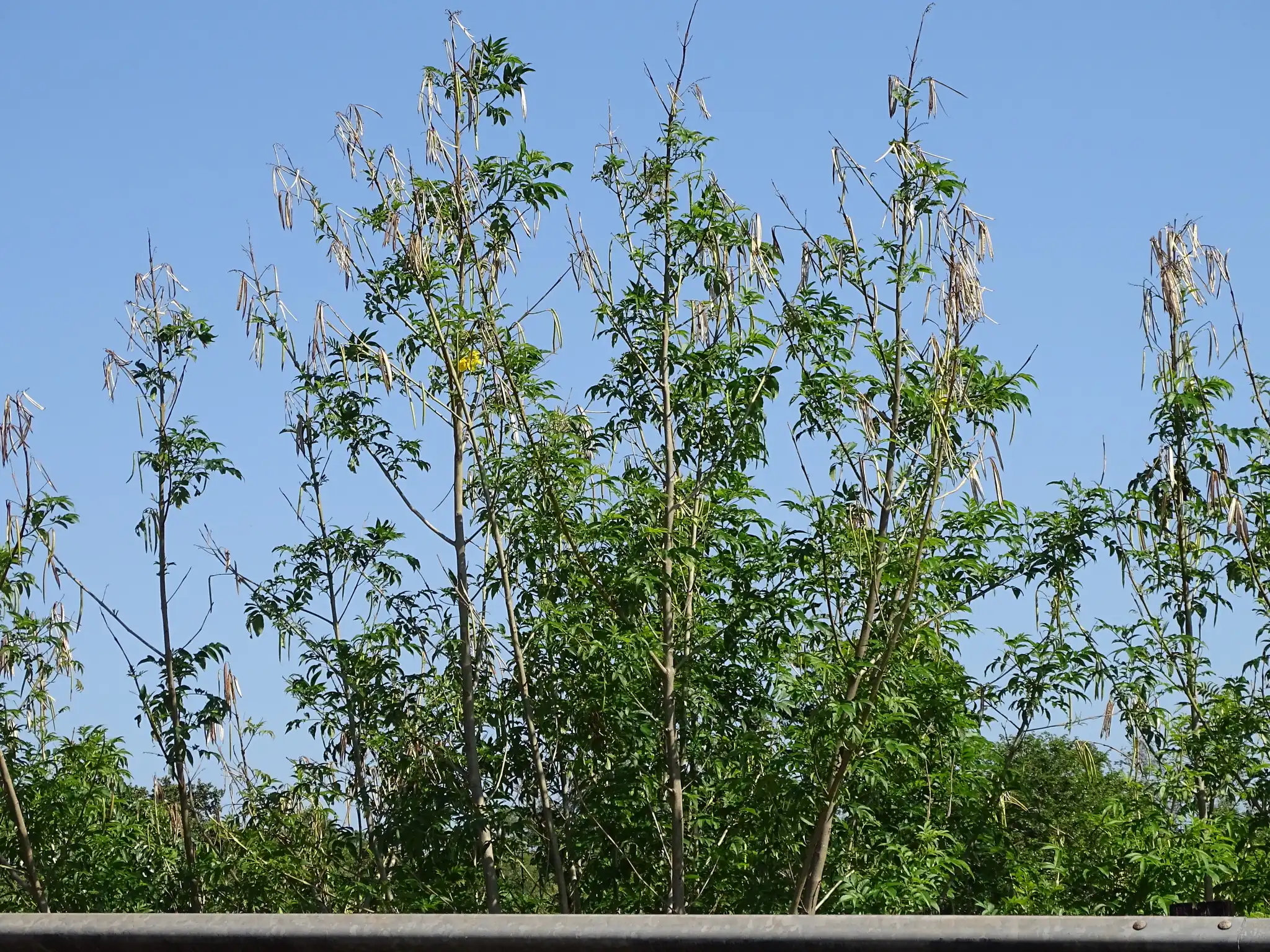
- Collect seed from the long slim pods when dry.
- Sow warm in spring in free-draining compost.
- Expect flowers within a season or two.
Tecoma questions
How many types of Tecoma are there?
The Sow catalog tracks 3 distinct Tecoma varieties. The most popular — ranked by 25 real gardeners — are shown first above.
What zones does Tecoma grow in?
Across its varieties, Tecoma covers USDA Zones 6–10. Individual varieties differ — each plant page lists its exact range, and Sow filters the catalog to your zone automatically.
When does Tecoma bloom?
Most Tecoma varieties bloom in mid-summer, autumn. Staggering early, mid, and late varieties extends the genus's season in one bed.
Which Tecoma should I choose?
Start from the most-saved varieties above — popularity across thousands of gardens is a strong signal of reliability — then filter by your zone and sun. In the Sow app you can preview any of them in a photo of your actual yard before you buy.