The Story
Plant Bio
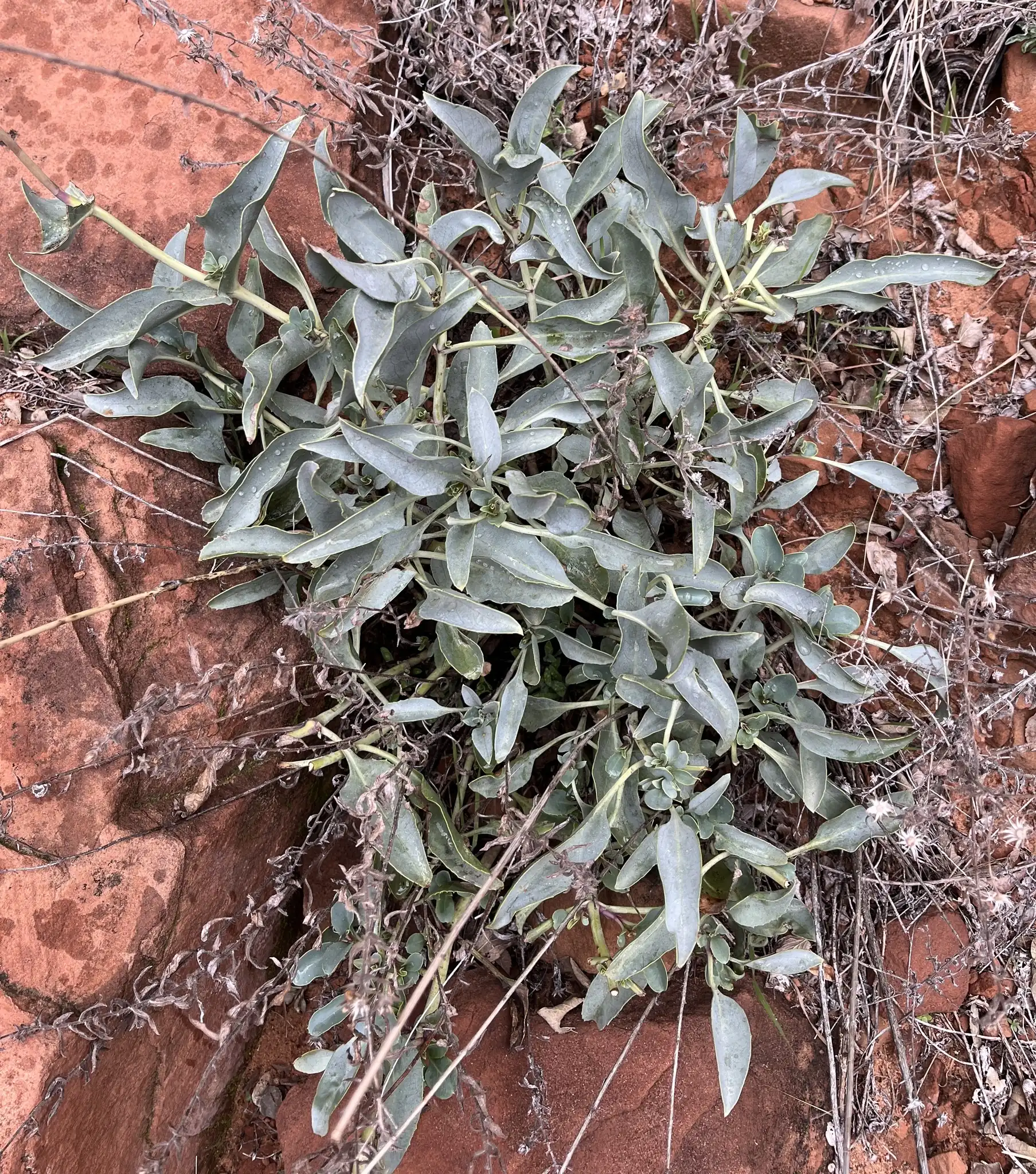
Penstemon palmeri is an erect perennial native to dry washes, rocky slopes, and desert scrub across the southwestern North American interior. It produces glaucous gray-green leaves fused around stout stems, topped by tall spires of inflated, fragrant, light pink to lavender funnel-shaped flowers.
This species stands out among penstemons for its fragrant flowers, which emit a sweet scent, and its cup-like foliage that completely encircles the upper stems. The swollen blooms display prominent purple nectar guides and a densely bearded interior hook.
Uses & Benefits:
Essentials
At a Glance
Plant Type
Perennial
Height
59"
Width
35"
Light
Full Sun
Zones
4, 5, 6, 7, 8, 9
Water
Low
Humidity
Low
Lifespan
Perennial
Native To
North America
Toxicity
Non-toxic
Bloom period
Late spring – Summer
In flower about 4 months of the year
Planting
How to Grow
- Select a planting site in full sun with sharp, fast-draining gravelly or sandy soil.
- Dig a shallow hole no deeper than the root ball and avoid enriching the soil with rich organic matter or fertilizer.
- Water thoroughly at planting to settle the soil around roots, then restrict supplemental watering once established.
- Cut spent flowering stalks back to basal leafy rosettes in late summer to encourage compact winter growth.
Pro Tip
Plant in unamended, sharply draining soil without summer irrigation; pruning back into bare, leafless woody bases destroys dormant growth points and kills stems.
Keep It Thriving
Care Guide
Do
- Provide exceptional soil drainage to prevent crown rot during winter wet.
- Prune flower stems down to the leafy basal growth after blooming ends.
- Keep soil fertility low to maintain a sturdy, upright plant habit.
Don't
- Do not irrigate established plants during warm summer months.
- Do not prune deep into old, bare woody stems where replacement buds fail to form.
- Do not add heavy organic compost or high-nitrogen fertilizers to the soil.
Seasonal Care Calendar
| Task | Jan | Feb | Mar | Apr | May | Jun | Jul | Aug | Sep | Oct | Nov | Dec |
|---|---|---|---|---|---|---|---|---|---|---|---|---|
| Pest Check | ||||||||||||
| Propagate | ||||||||||||
| Prune | ||||||||||||
| Spring Cleanup |
Watch Out For
Pests & Diseases
Common Pests
Common Diseases
In the Garden
Landscape Uses & Companions
Landscape Uses
Multiply
Propagation Methods
Good to Know
Common Questions
Palmer's Penstemon questions
What zones can Palmer's Penstemon grow in?
Palmer's Penstemon is hardy in USDA Zones 4–9: in that range it survives winter in the ground. Warmer than Zone 9, winter isn't the problem: it prefers colder winters, and summer heat can shorten its life.
Is Palmer's Penstemon deer resistant?
Not reliably. Deer may browse Palmer's Penstemon, especially tender spring growth — plan on repellents or fencing where pressure is high.
When does Palmer's Penstemon bloom?
Palmer's Penstemon typically blooms from late spring to late summer. Exact timing shifts a week or two with your zone — Sow's bloom calendar maps it to your garden.
Does Palmer's Penstemon need full sun?
Palmer's Penstemon does best in full sun (6+ hours).
Is Palmer's Penstemon drought tolerant?
Yes — once established (usually after the first full season), Palmer's Penstemon handles dry spells with minimal watering. Water deeply its first year to build the root system that makes that possible.
More Penstemon to compare
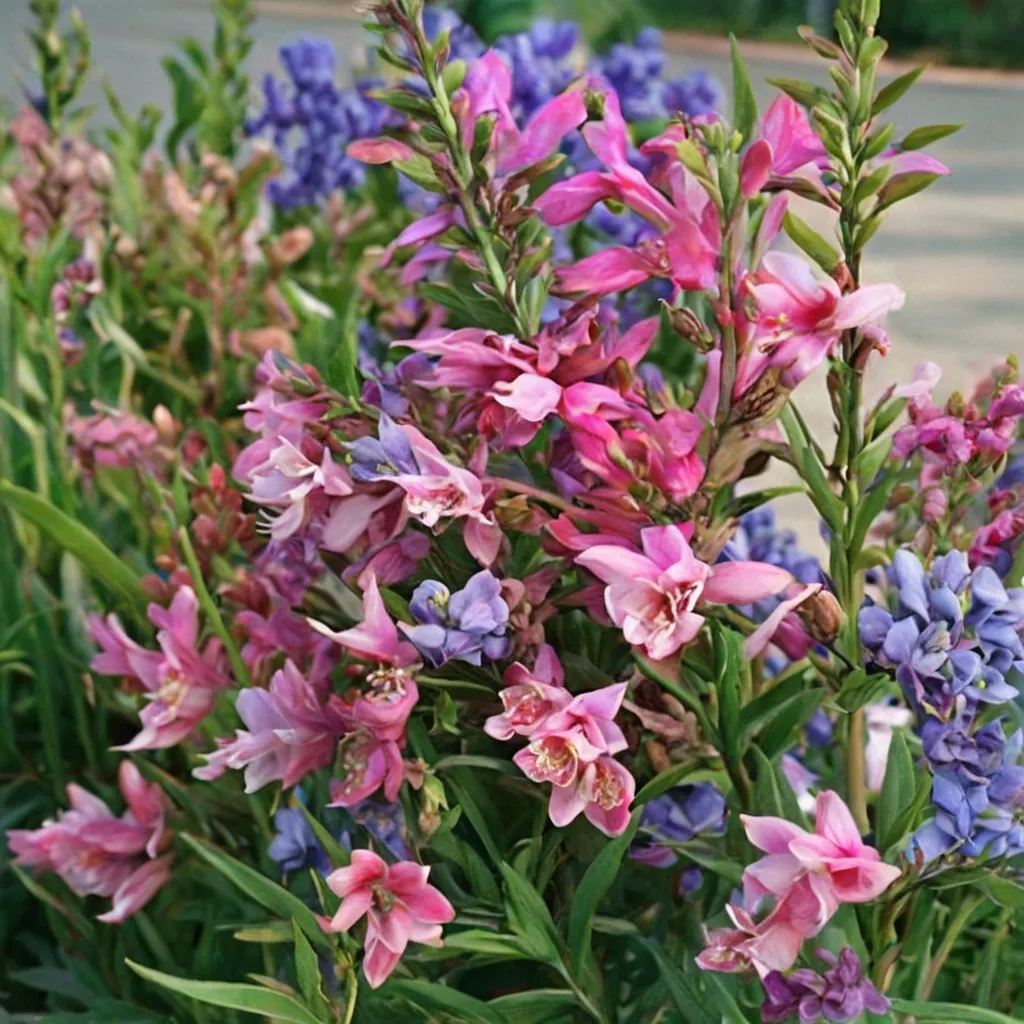
Beardtongue Rondo
Penstemon barbatus 'Rondo'
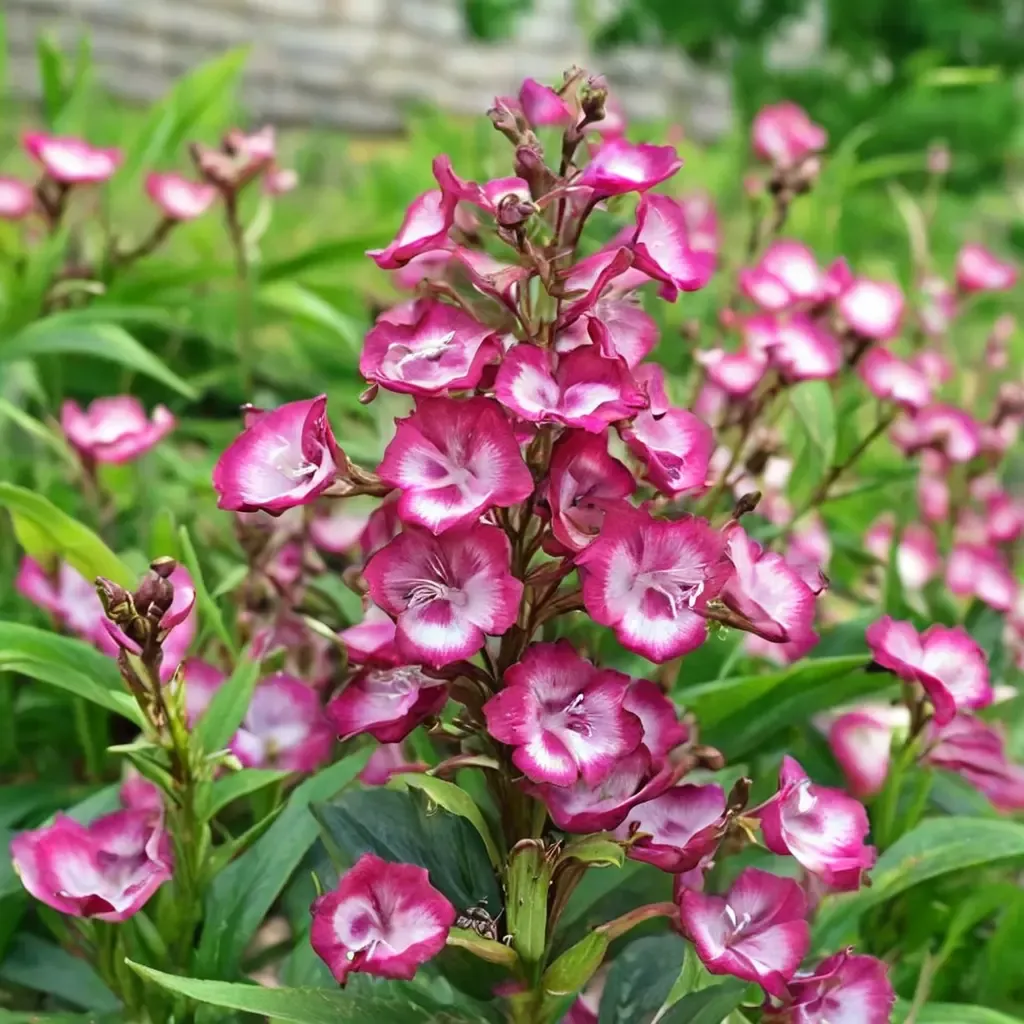
George Home Penstemon
Penstemon digitalis 'George Home'
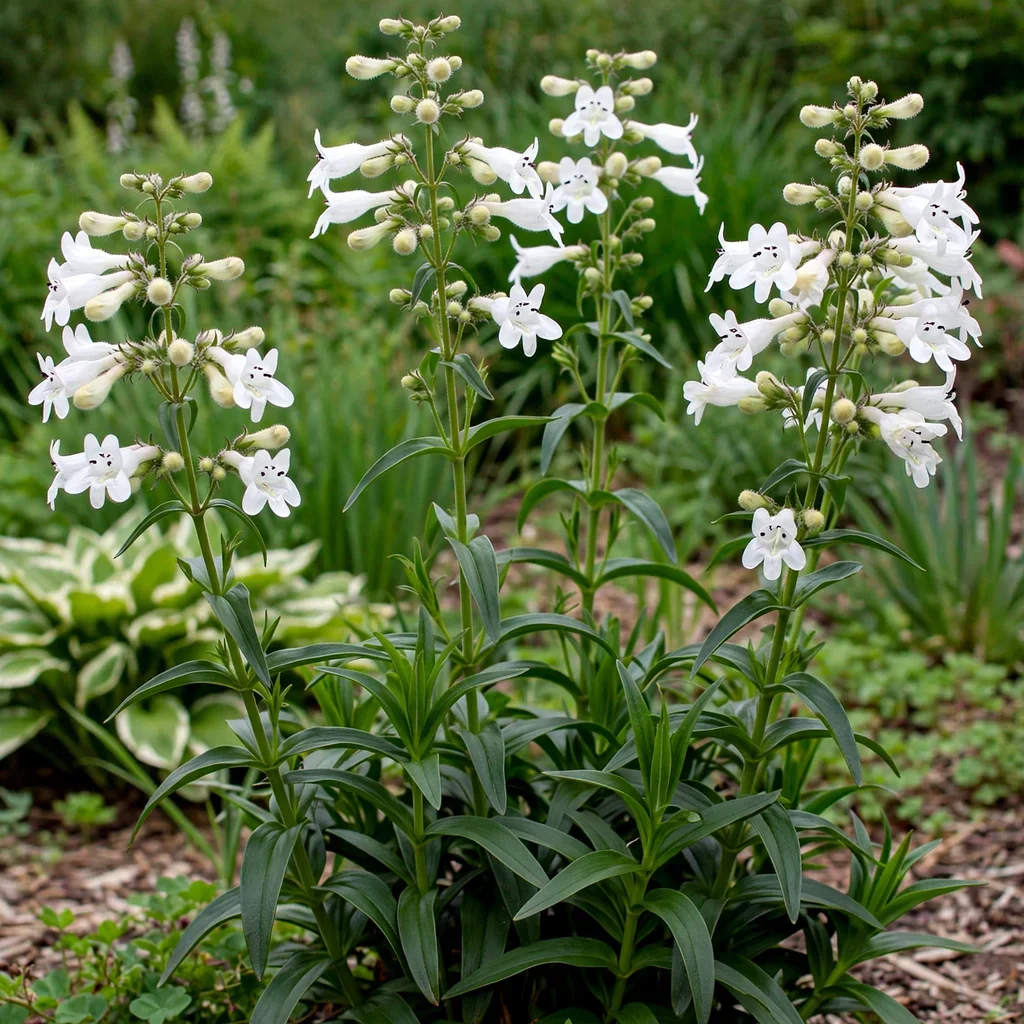
Foxglove Beardtongue
Penstemon digitalis
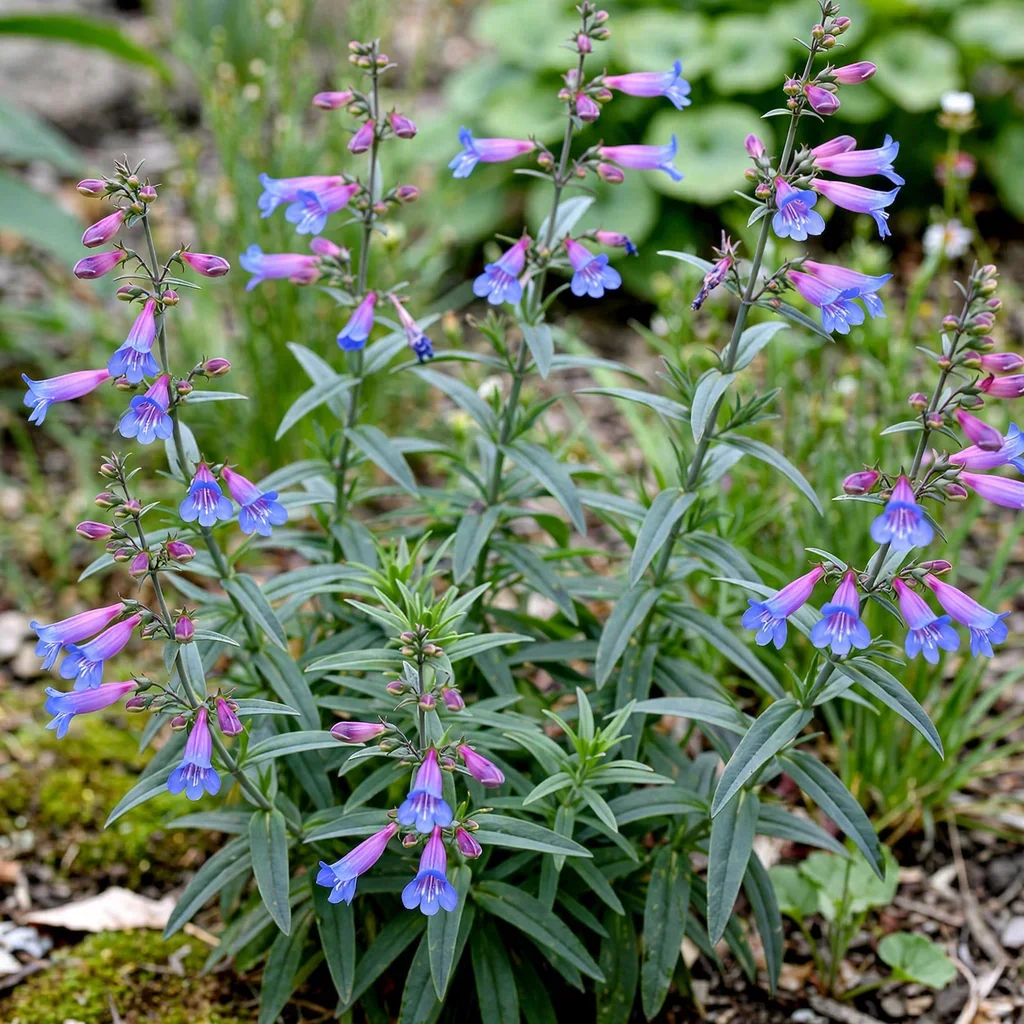
Blue Springs Penstemon
Penstemon heterophyllus 'Blue Springs'
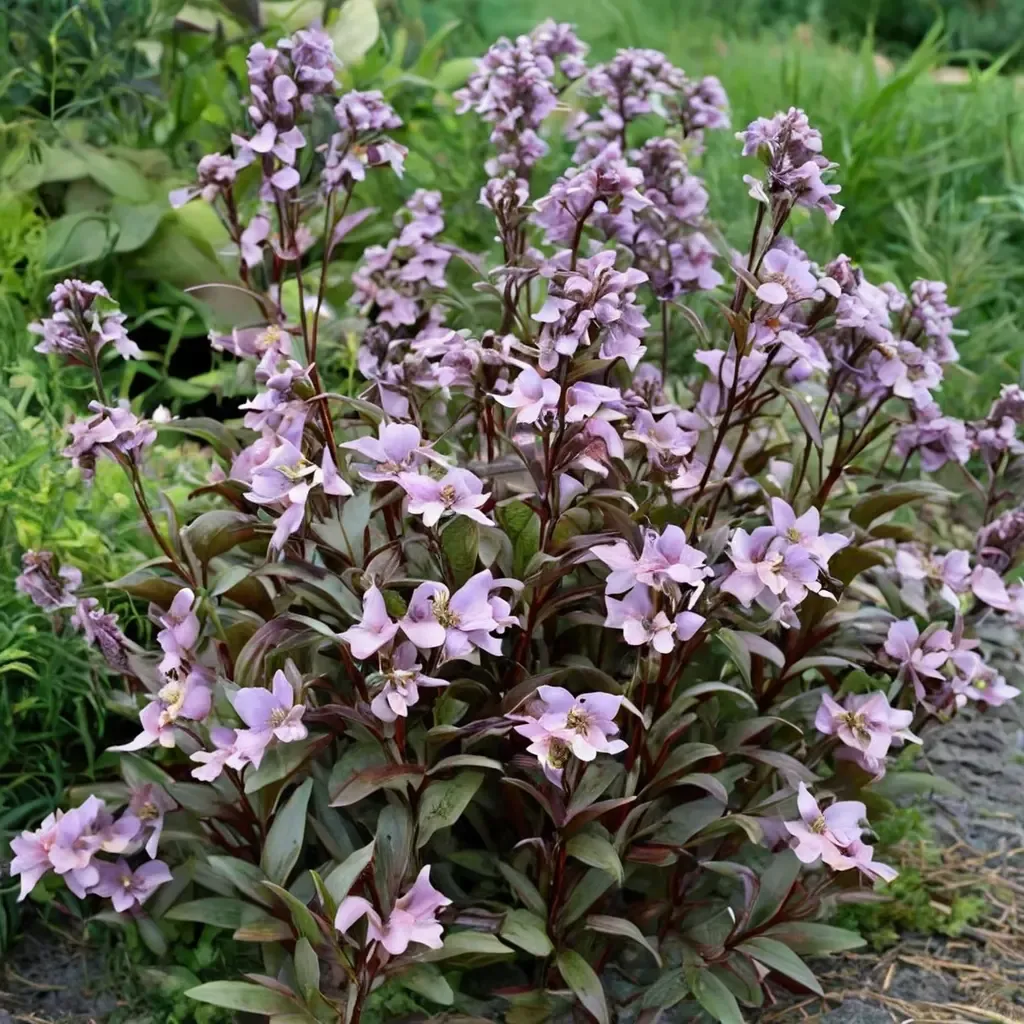
Blackbeard Beardtongue
Penstemon digitalis 'Blackbeard'
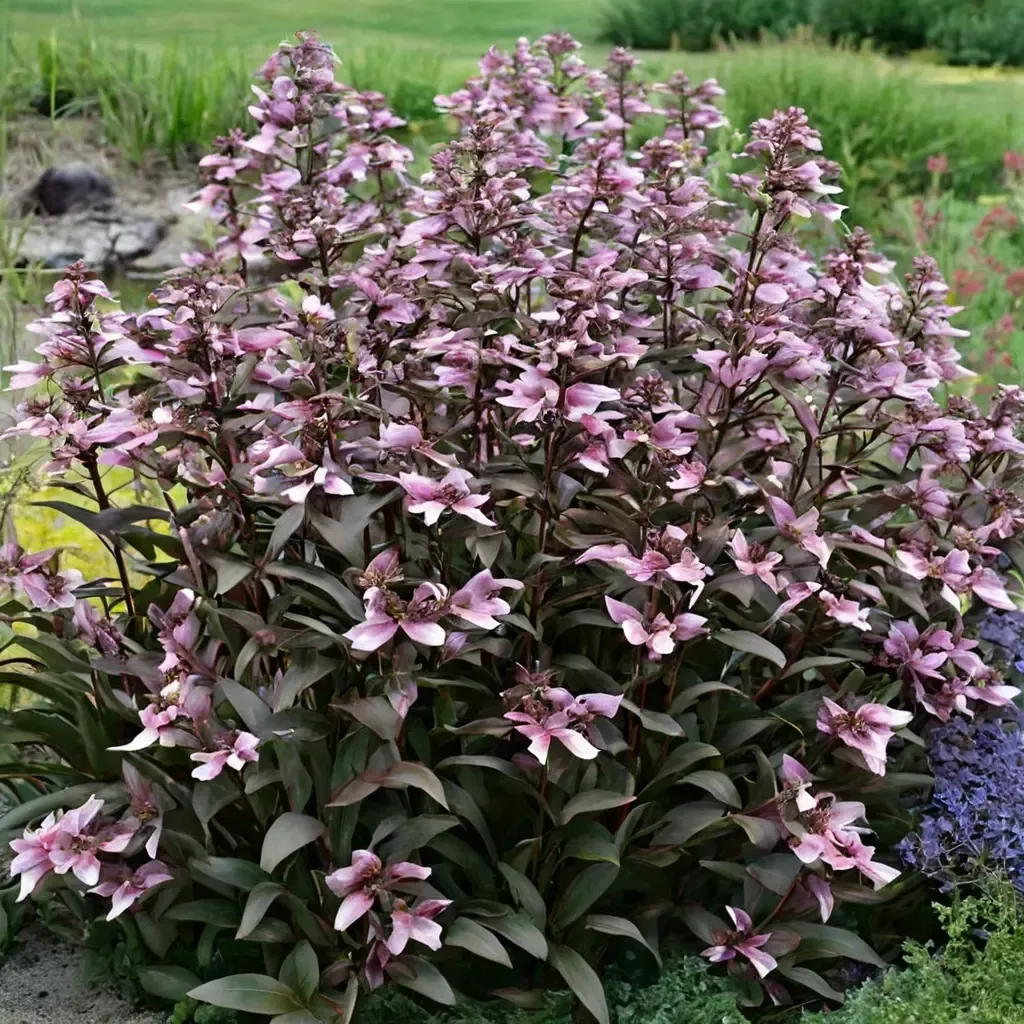
Dark Towers Penstemon
Penstemon digitalis 'Dark Towers'
Keep exploring
Explore the genus
Grow Palmer's Penstemon with confidence
See it in a design of your actual yard, get zone-matched care reminders, and track it season by season in your garden journal.