
The Story
Plant Bio
Passiflora suberosa is a slender, tendril-climbing perennial vine reaching 15 feet, scrambling through shrubs or over a trellis from a wiry base. The dark green leaves are variable in shape and the dime-sized flowers sit singly or paired in the leaf axils, followed by small black berries.
Older lower stems develop pale corky bark that gives the plant its name, and the leaves have a distinctly heart-shaped base that separates it from Passiflora pallida. Each flower is about half an inch across with five greenish-white sepals and no petals, built for bees rather than show.
Uses & Benefits:
Essentials
At a Glance
Plant Type
Vine
Height
180"
Width
24"
Light
Full Sun, Partial Sun
Zones
8, 9, 10
Water
Moderate
Humidity
Average
Lifespan
Perennial
Native To
Florida, South Texas to South America
Toxicity
Toxic if ingested
Bloom period
Year round
In flower about 12 months of the year
Planting
How to Grow
- Plant in full sun to part shade in sandy soil after last frost, giving the vine a fence or trellis to climb.
- Water to settle the roots, then water during extended dry spells in the first season.
- Leave caterpillars in place; hand-pick eggs only if a young plant is stripped by more than five larvae.
- Prune back wandering stems to keep the vine inside its space.
- Keep insecticide drift off the foliage to protect larvae and bee pollinators.
Pro Tip
Do not spray caterpillars off this vine; Gulf fritillary and zebra heliconian larvae are the point, and established vines refoliate after feeding.
Keep It Thriving
Care Guide
Do
- Give full sun to part shade and a trellis or shrub to climb
- Leave Gulf fritillary, Julia and zebra heliconian caterpillars to feed
- Prune to contain spread in tight spaces
Don't
- Do not spray insecticide on this butterfly host vine
- Do not eat leaves or unripe fruit and seeds
- Do not expect large showy petals
Seasonal Care Calendar
| Task | Jan | Feb | Mar | Apr | May | Jun | Jul | Aug | Sep | Oct | Nov | Dec |
|---|---|---|---|---|---|---|---|---|---|---|---|---|
| Pest Check | ||||||||||||
| Plant | ||||||||||||
| Prune | ||||||||||||
| Winter Prep |
Watch Out For
Pests & Diseases
Common Pests
In the Garden
Landscape Uses & Companions
Landscape Uses
Multiply
Propagation Methods
Good to Know
Common Questions
Corkstem Passionflower questions
What zones can Corkstem Passionflower grow in?
Corkstem Passionflower is hardy in USDA Zones 8–10: in that range it survives winter in the ground. Colder than Zone 8, grow it in a container you can move to shelter for the winter, or as an annual.
When does Corkstem Passionflower bloom?
Corkstem Passionflower typically blooms year-round. Exact timing shifts a week or two with your zone — Sow's bloom calendar maps it to your garden.
Does Corkstem Passionflower need full sun?
Corkstem Passionflower does best in full sun to part shade. In hot climates, afternoon shade keeps blooms fresher longer.
More Passiflora to compare
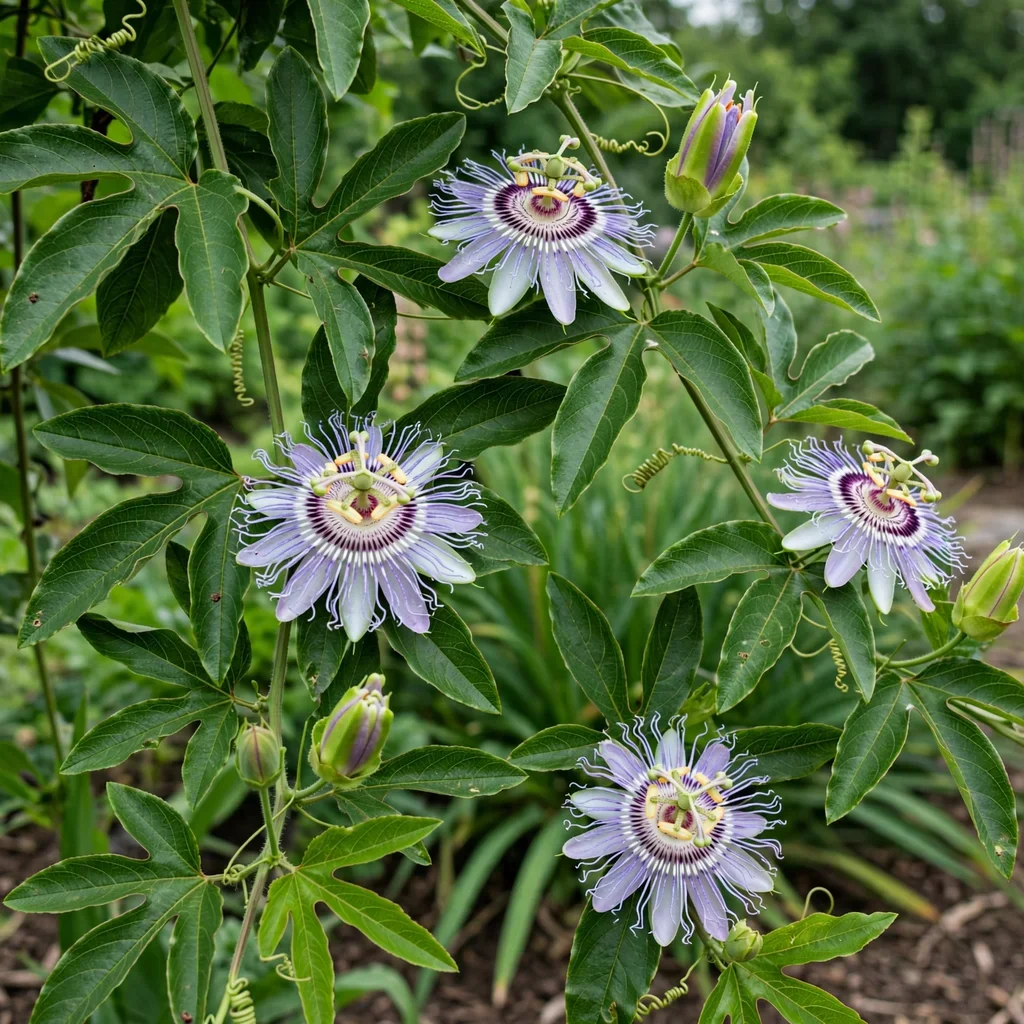
Purple Passionflower
Passiflora incarnata
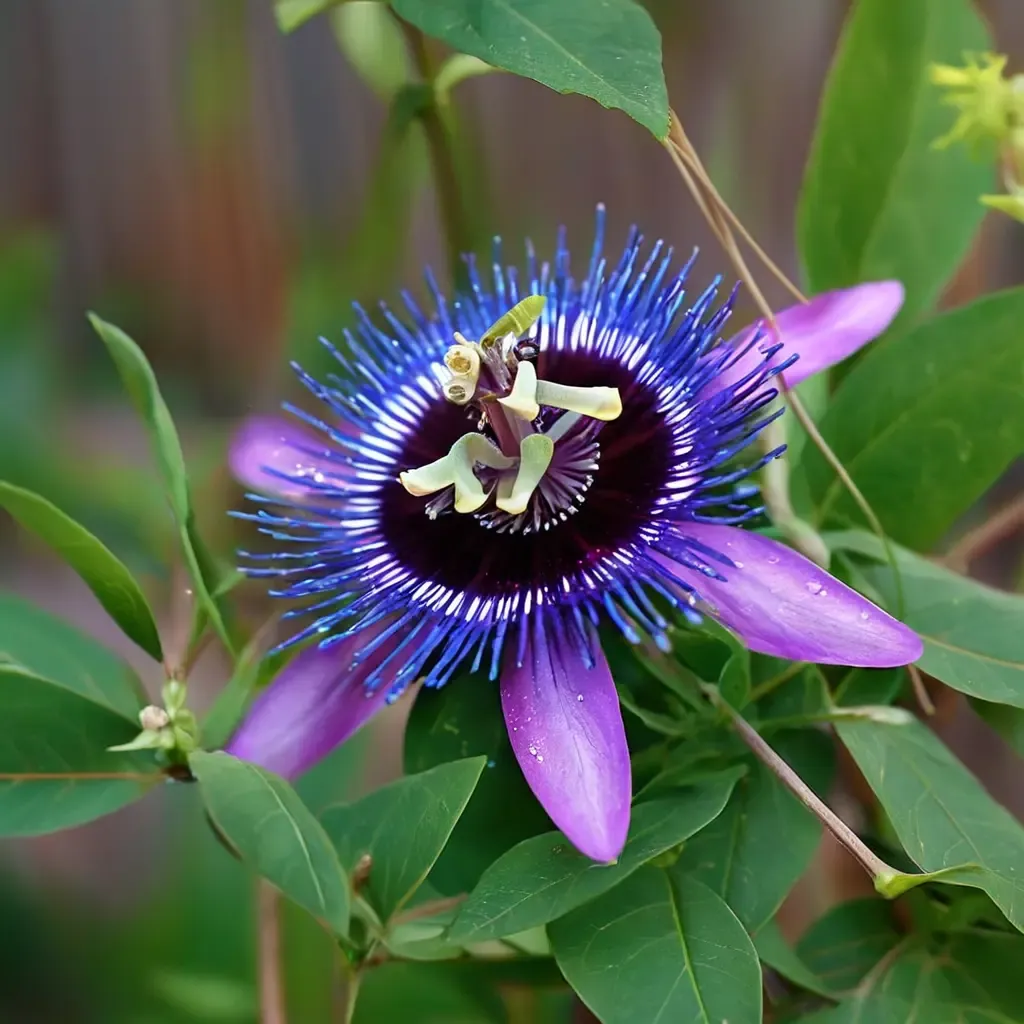
Blue Passionflower
Passiflora loefgrenii
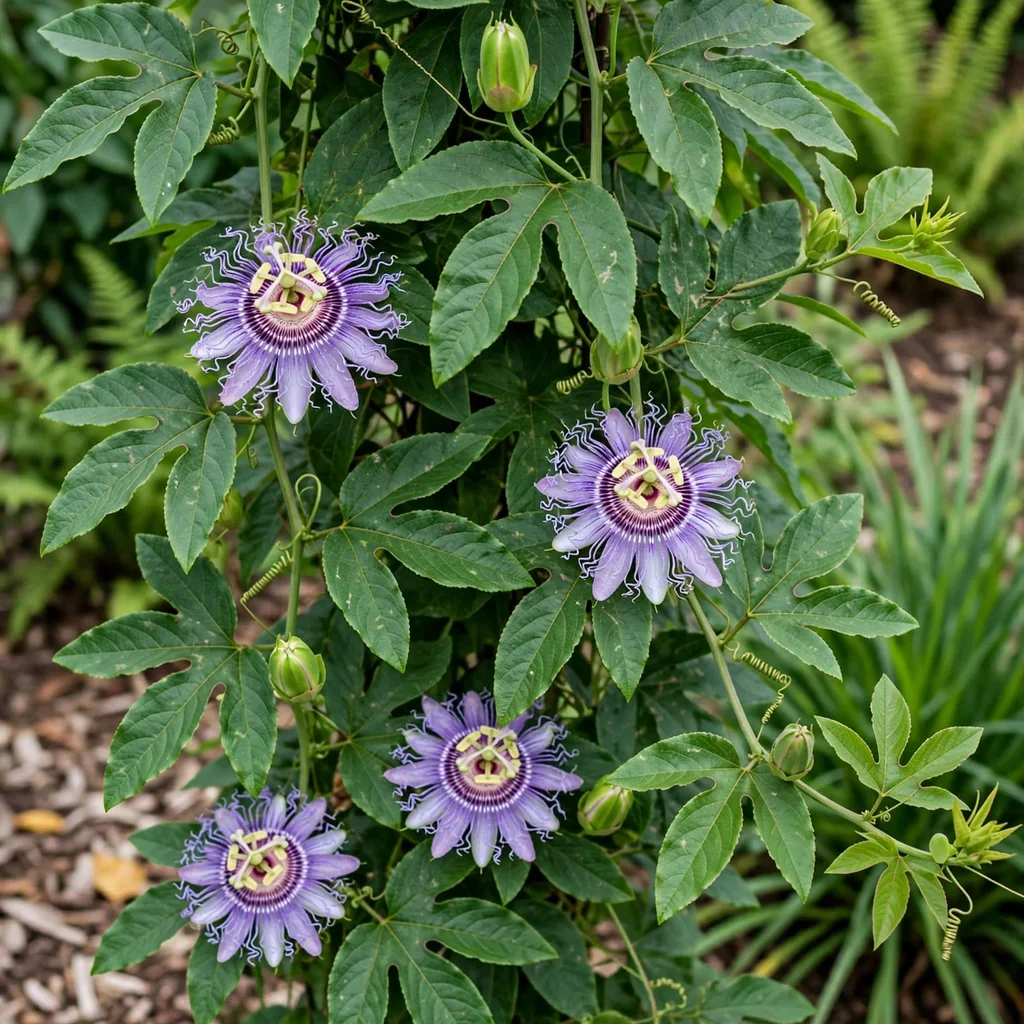
Butterfly Flower Purple Passionflower
Passiflora incarnata 'Butterfly Flower'
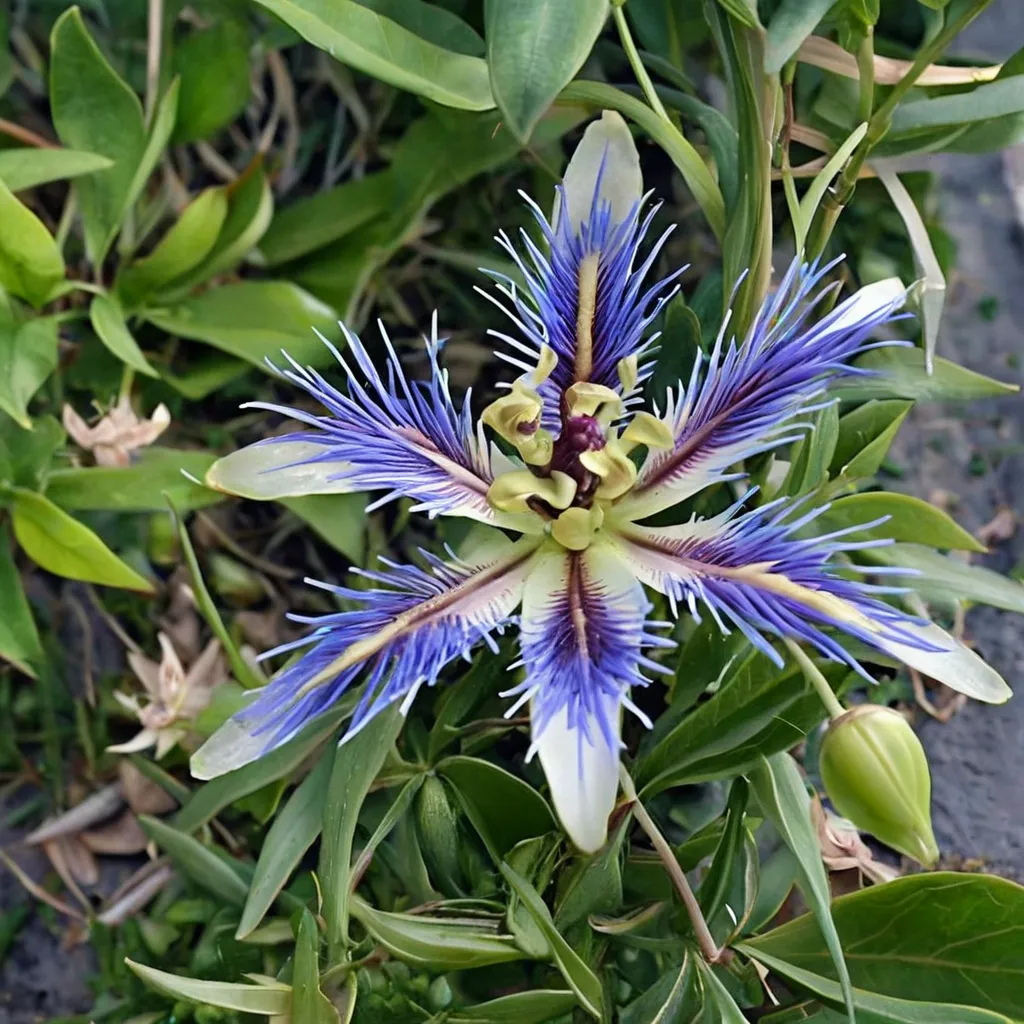
Waterloo Blue Passionflower
Passiflora caerulea 'Waterloo Blue'
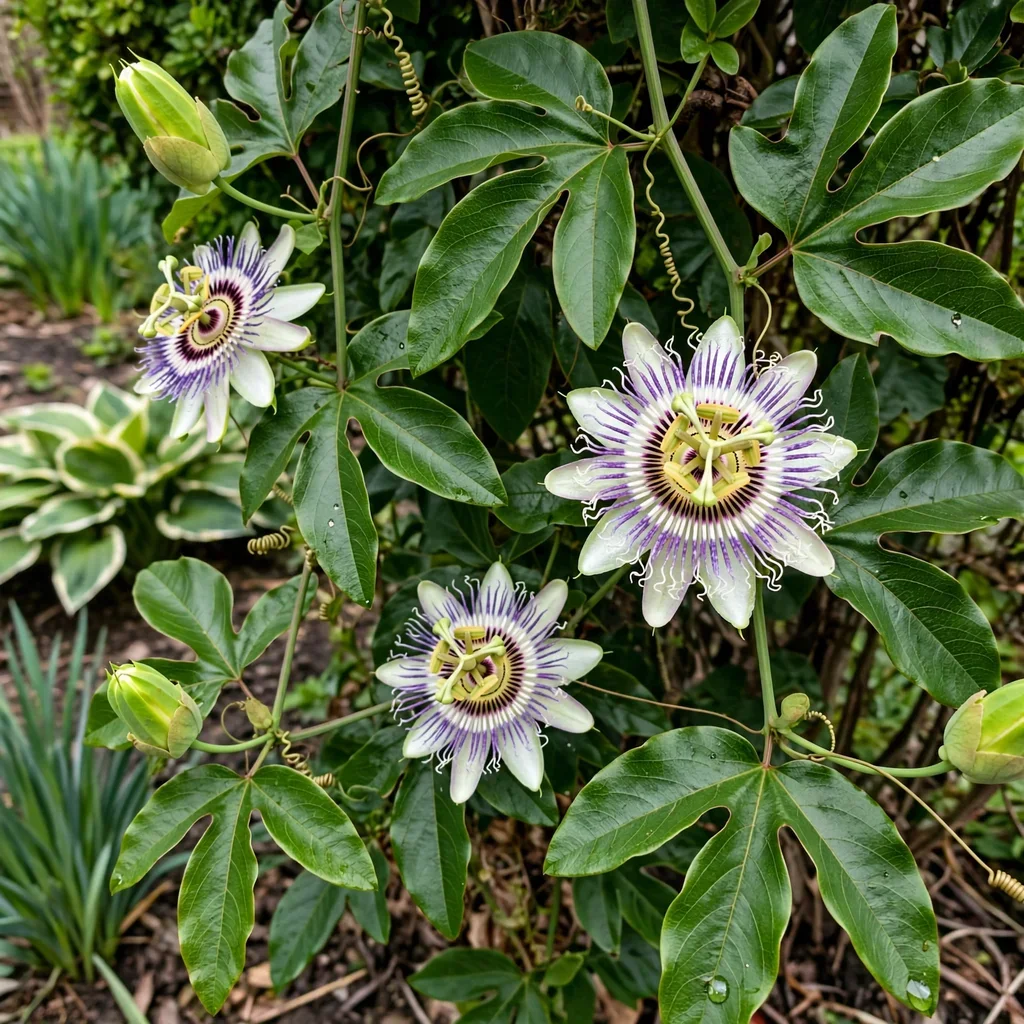
Sea Anemone Passion Flower
Passiflora actinia
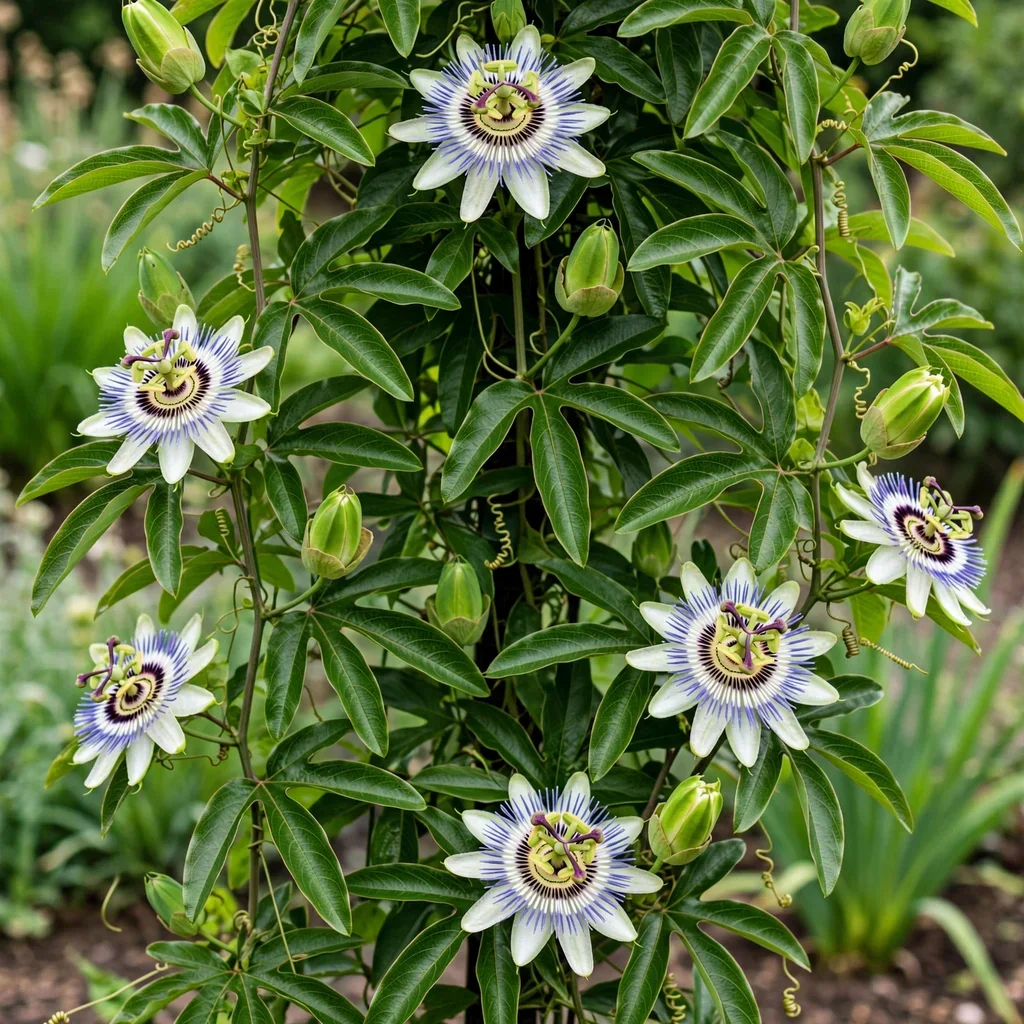
White Passionflower
Passiflora alba 'Blue Horizon'
Keep exploring
Explore the genus
Hardy in your zone?
Grow Corkstem Passionflower with confidence
See it in a design of your actual yard, get zone-matched care reminders, and track it season by season in your garden journal.