The Story
Plant Bio
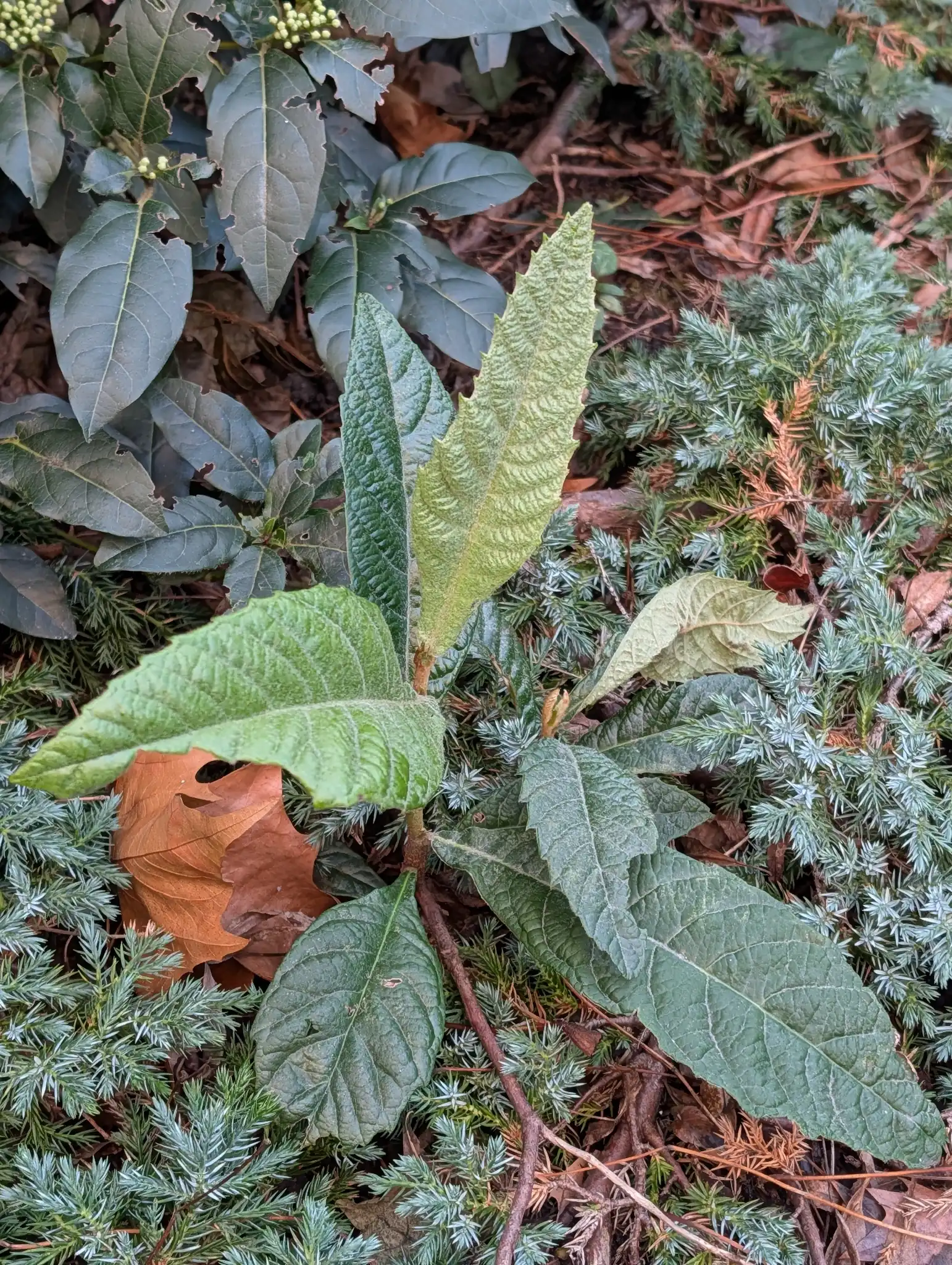
Rhaphiolepis bibas, commonly known as the loquat, is a large evergreen shrub or small tree native to south-central China, featuring a rounded crown and stout trunk. The thick, leathery leaves are dark green and glossy above with a rusty, woolly underside, providing dense year-round foliage.
This species produces terminal panicles of small, ivory-white flowers from fall into winter, followed by edible, sweet yellow-orange pome fruits. It is frequently confused with smaller shrubby Indian hawthorns, but easily distinguished by its significant mature height and large, deeply veined leaves.
Uses & Benefits:
Essentials
At a Glance
Plant Type
Tree
Height
315"
Width
236"
Light
Full Sun, Partial Sun
Zones
8, 9, 10
Water
Moderate
Humidity
Moderate
Lifespan
50-75 years
Native To
South-central China
Toxicity
Seeds are toxic if ingested
Bloom period
Fall – Winter
In flower about 6 months of the year
Planting
How to Grow
- Select a planting site in full sun to partial shade with excellent drainage to prevent root rot.
- Dig a hole twice as wide as the root ball and of equal depth, ensuring the soil line matches the container level.
- Water deeply at the base during the first growing season to establish a deep, drought-tolerant root system.
- Apply a balanced, slow-release fertilizer in early spring to support steady growth without overstimulating foliage.
Pro Tip
Prune lightly immediately after harvesting the fruit to maintain shape; cutting deeply into old, leafless wood results in slow, patchy recovery and reduces the following season's yield.
Keep It Thriving
Care Guide
Do
- Water consistently during fruit development to ensure plump, high-quality pomes.
- Prune out dead or crossing branches to maintain an open canopy and improve air circulation.
- Clear fallen fruit from the ground to prevent attracting unwanted pests and rodents.
Don't
- Do not plant in low-lying areas or heavy clay soils that retain standing water.
- Avoid overhead irrigation, which promotes fungal leaf spot and fire blight infections.
- Do not apply high-nitrogen fertilizers, as excess nitrogen increases susceptibility to fire blight.
Seasonal Care Calendar
| Task | Jan | Feb | Mar | Apr | May | Jun | Jul | Aug | Sep | Oct | Nov | Dec |
|---|---|---|---|---|---|---|---|---|---|---|---|---|
| Fertilize | ||||||||||||
| Harvest | ||||||||||||
| Mulch | ||||||||||||
| Pest Check | ||||||||||||
| Prune |
Watch Out For
Pests & Diseases
Common Pests
Common Diseases
In the Garden
Landscape Uses & Companions
Landscape Uses
Companion Plants
Multiply
Propagation Methods
Good to Know
Common Questions
Loquat questions
What zones can Loquat grow in?
Loquat is hardy in USDA Zones 8–10. Inside that range it survives winter in the ground; outside it, grow it as an annual or a container plant you protect.
When does Loquat bloom?
Loquat typically blooms in fall through winter. Exact timing shifts a week or two with your zone — Sow's bloom calendar maps it to your garden.
Does Loquat need full sun?
Loquat does best in full sun to part shade. In hot climates, afternoon shade keeps blooms fresher longer.
Is Loquat drought tolerant?
Yes — once established (usually after the first full season), Loquat handles dry spells with minimal watering. Water deeply its first year to build the root system that makes that possible.
More Rhaphiolepis to compare
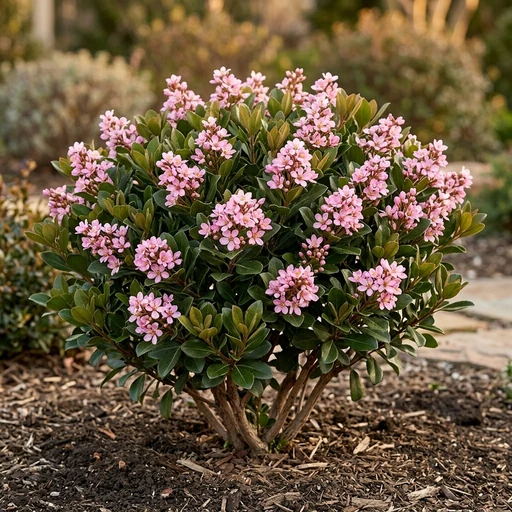
Pink Lady Indian Hawthorn
Rhaphiolepis indica 'Pink Lady'
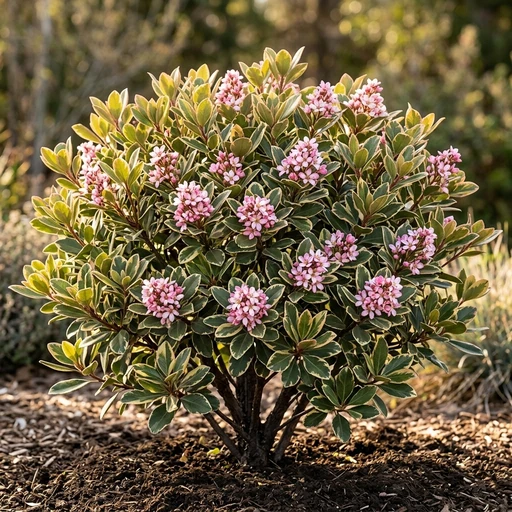
Pinkie Indian Hawthorn
Rhaphiolepis indica 'Pinkie'
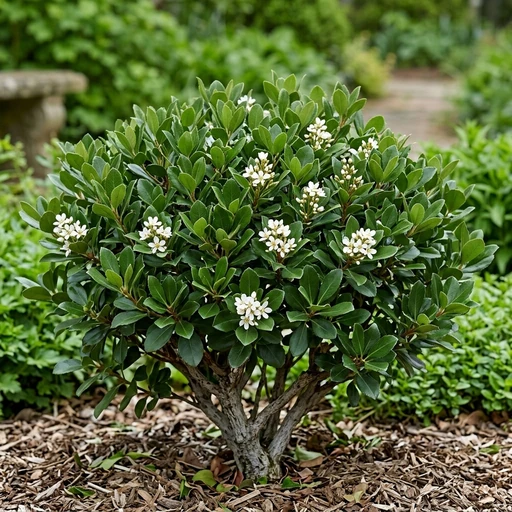
Snow White Indian Hawthorn
Rhaphiolepis indica 'Snow White'
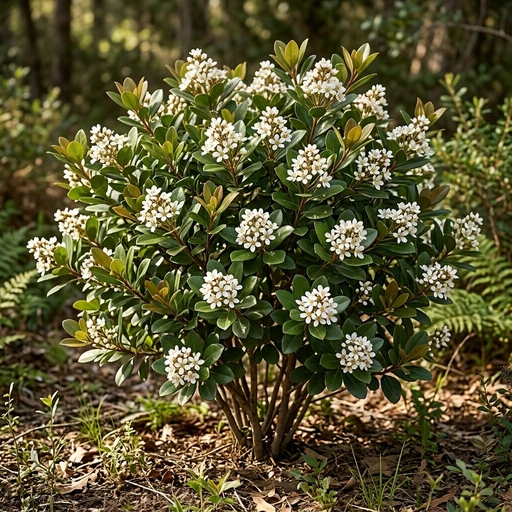
Indian Hawthorn
Rhaphiolepis indica
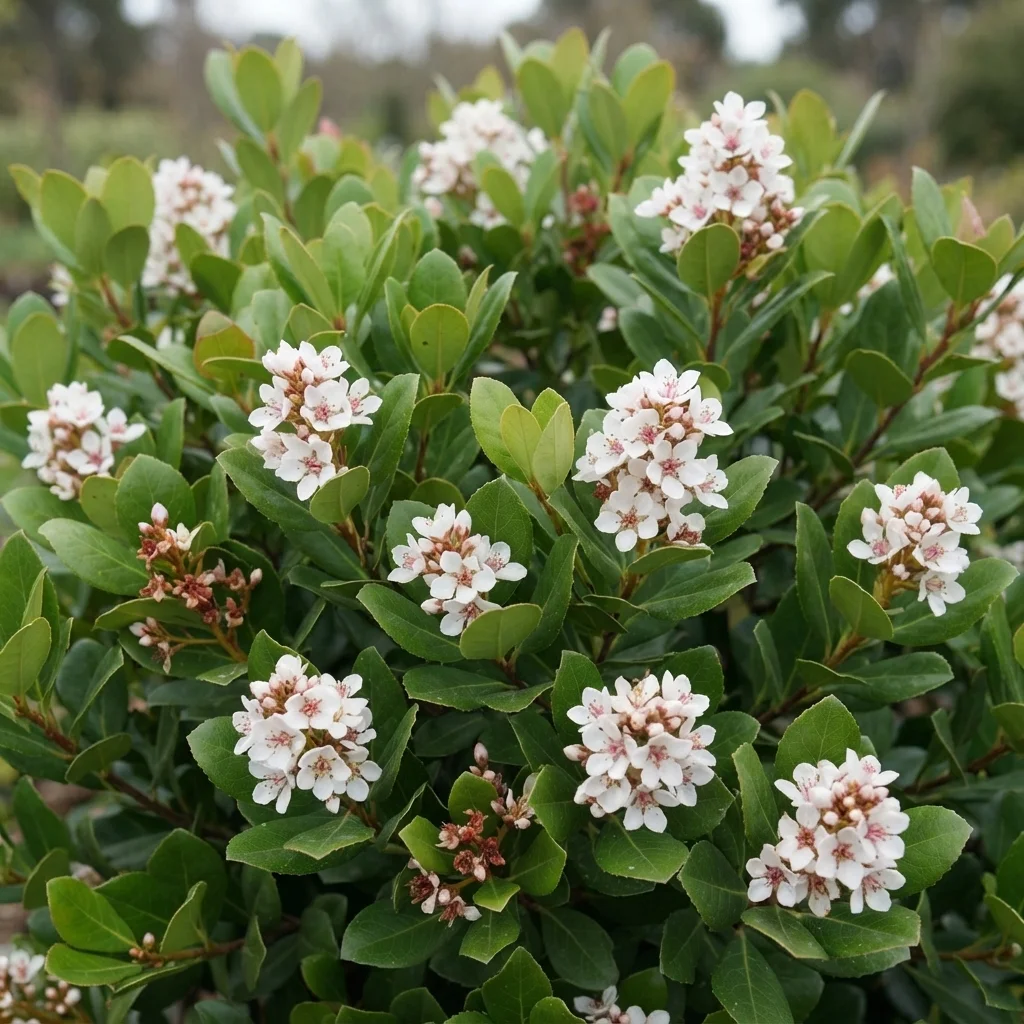
India Hawthorn
Rhaphiolepis indica 'Oriental Pearl'
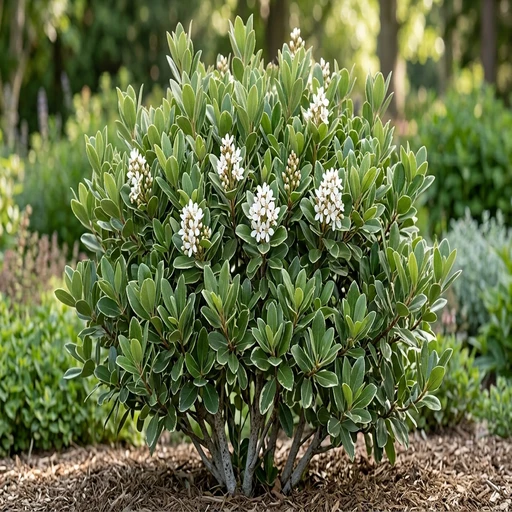
Clara Indian Hawthorn
Rhaphiolepis indica 'Clara'
Keep exploring
Explore the genus
Hardy in your zone?
Grow Loquat with confidence
See it in a design of your actual yard, get zone-matched care reminders, and track it season by season in your garden journal.