
The Story
Plant Bio
Hibiscus cannabinus is an erect annual mallow that reaches six to eight feet in one season on a single woody-based stem with small upward prickles. The alternate leaves change up the stem from heart-shaped and unlobed below to deeply three- to seven-lobed above with narrow toothed lobes to six inches across on stalks to nine inches long.
Each upper leaf axil bears a single short-lived bloom three to six inches wide in pale yellow to near white with a dark maroon center and seven to ten narrow bracts beneath the petals. It stays vegetative through summer and flowers in fall in response to short days, then sets prickly capsules and dies; the stems yield fiber and the sour leaves are eaten, unlike common garden hibiscus.
Uses & Benefits:
Essentials
At a Glance
Plant Type
Annual
Height
94"
Width
36"
Light
Full Sun
Zones
9, 10
Water
Moderate
Humidity
Low
Lifespan
Annual
Native To
Africa
Toxicity
Non-toxic, skin irritant from prickles
Bloom period
Fall
In flower about 3 months of the year
Planting
How to Grow
- Sow outdoors in late spring after frost when soil is warm, 68-86F.
- Sow seed 1 inch deep in rows, thinning to stand single-stemmed.
- Grow in a warm open spot with room to reach 6-8 feet in one season.
- Keep water even through summer and avoid ground with root-knot nematodes or just cropped to cowpea.
- Pull plants after seed sets in fall; frost kills them and they do not regrow.
Pro Tip
Sow once soil is warm and give plants the full summer to bulk; late sowing runs into short-day fall bloom before stems size up.
Keep It Thriving
Care Guide
Do
- Do sow fresh seed each spring after danger of frost.
- Do wear gloves when handling prickly stems and hairy capsules.
- Do rotate beds and avoid planting after cowpea.
Don't
- Do not cut back for regrowth; the plant dies after seed.
- Do not sow late in summer; short days trigger bloom before bulk.
- Do not expect plants to survive frost.
Seasonal Care Calendar
| Task | Jan | Feb | Mar | Apr | May | Jun | Jul | Aug | Sep | Oct | Nov | Dec |
|---|---|---|---|---|---|---|---|---|---|---|---|---|
| Harvest | ||||||||||||
| Pest Check | ||||||||||||
| Plant | ||||||||||||
| Winter Prep |
Watch Out For
Pests & Diseases
Common Pests
Common Diseases
In the Garden
Landscape Uses & Companions
Landscape Uses
Companion Plants
Multiply
Propagation Methods
Good to Know
Common Questions
Kenaf questions
What zones can Kenaf grow in?
Kenaf is an annual: it grows, flowers and sets seed in one season, so winter cold doesn't limit where it grows. Gardeners in any zone can grow it by planting at the right time, usually after the last spring frost.
When does Kenaf bloom?
Kenaf typically blooms in fall. Exact timing shifts a week or two with your zone — Sow's bloom calendar maps it to your garden.
Does Kenaf need full sun?
Kenaf does best in full sun (6+ hours).
More Hibiscus to compare
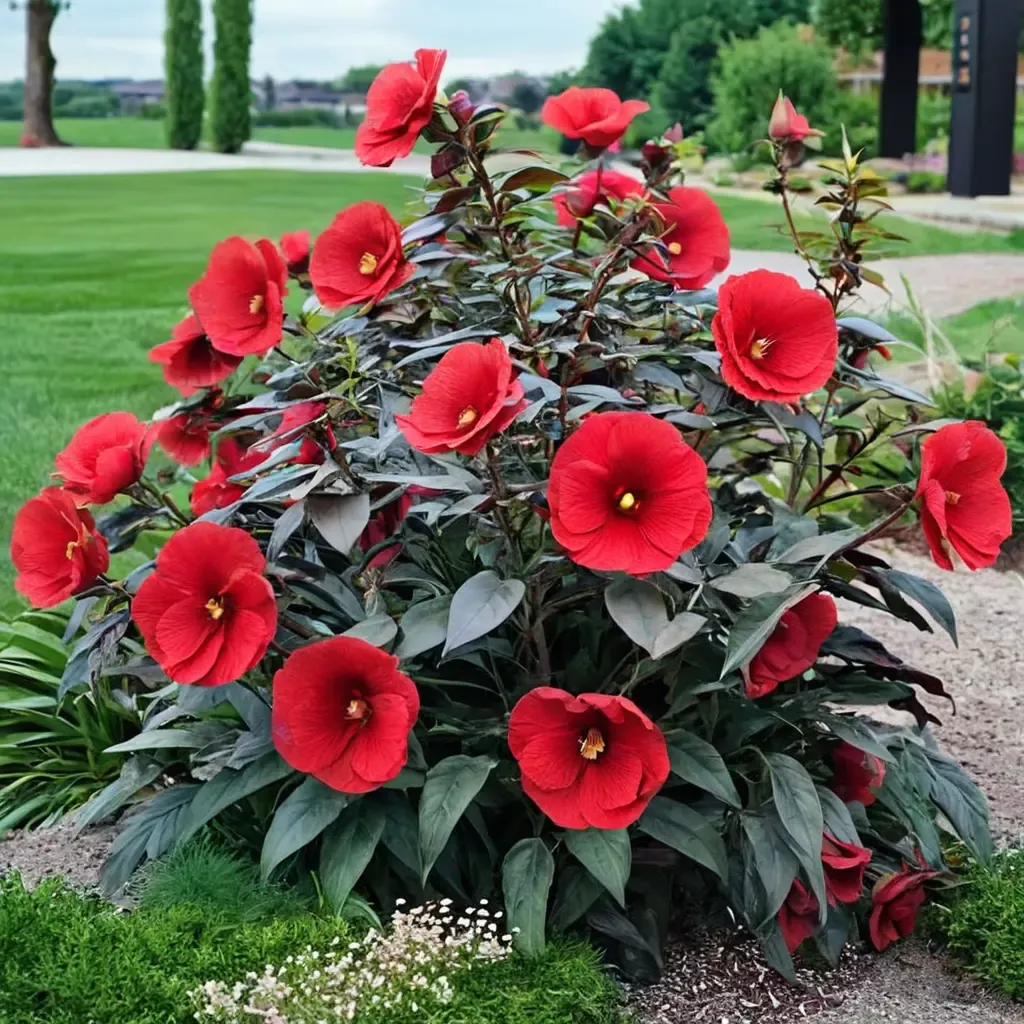
Midnight Marvel Swamp Hibiscus
Hibiscus moscheutos 'Midnight Marvel'
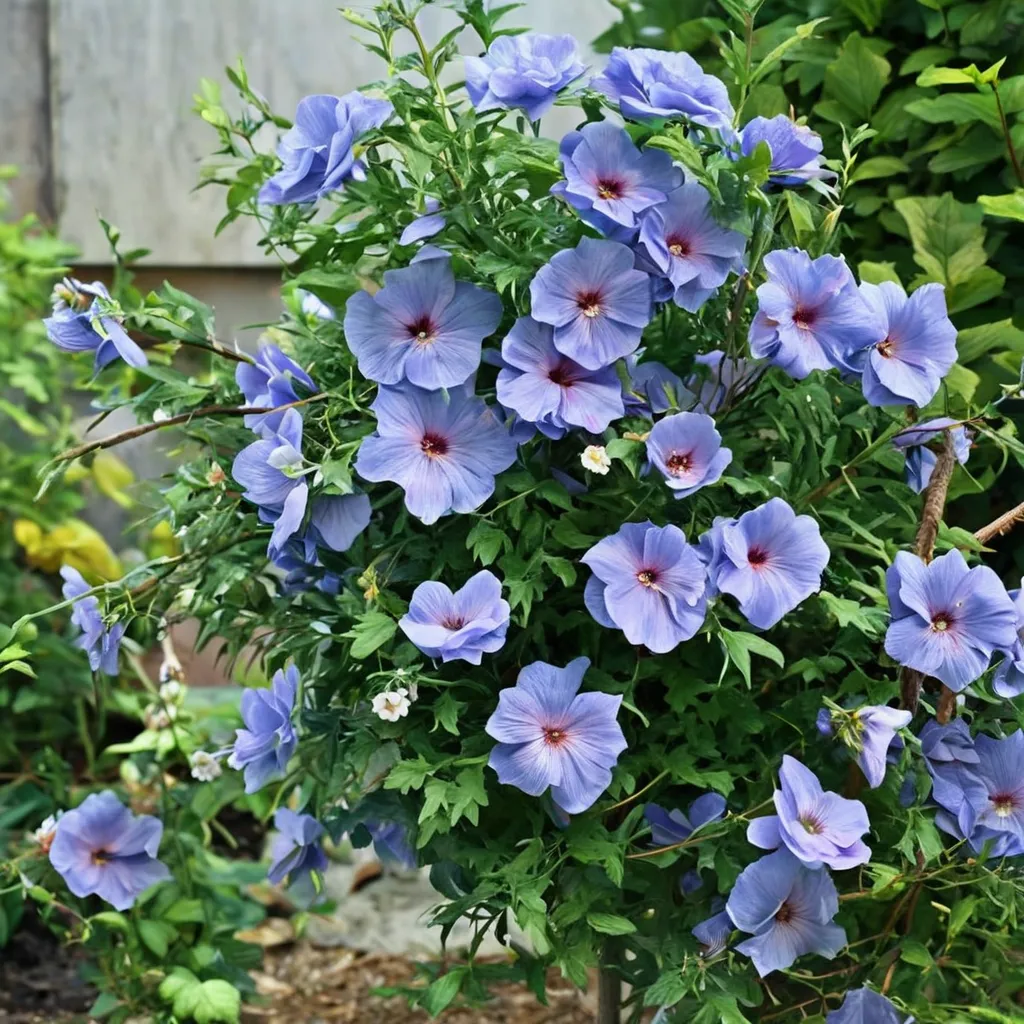
Rose of Sharon Hibiscus
Hibiscus syriacus 'Azurri Blue Satin'
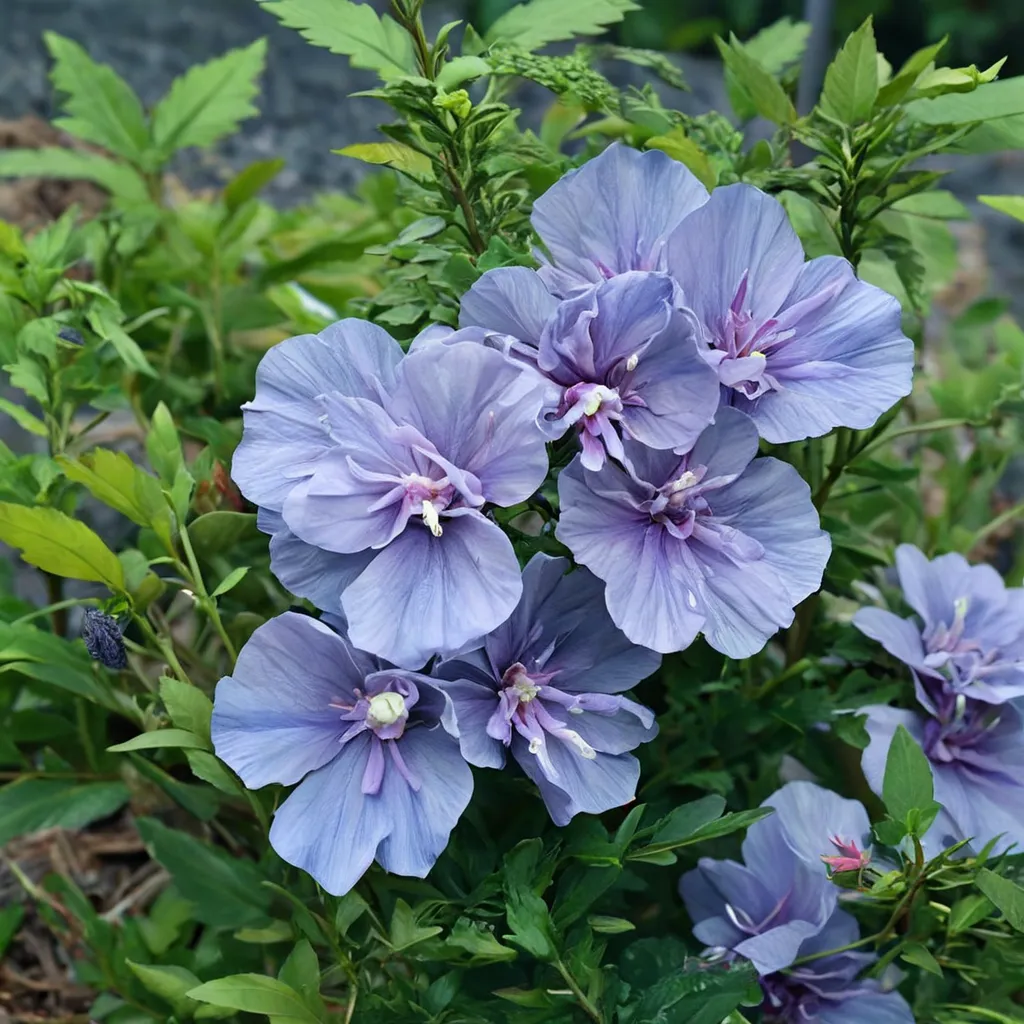
Blue Chiffon Rose of Sharon
Hibiscus syriacus 'Blue Chiffon'
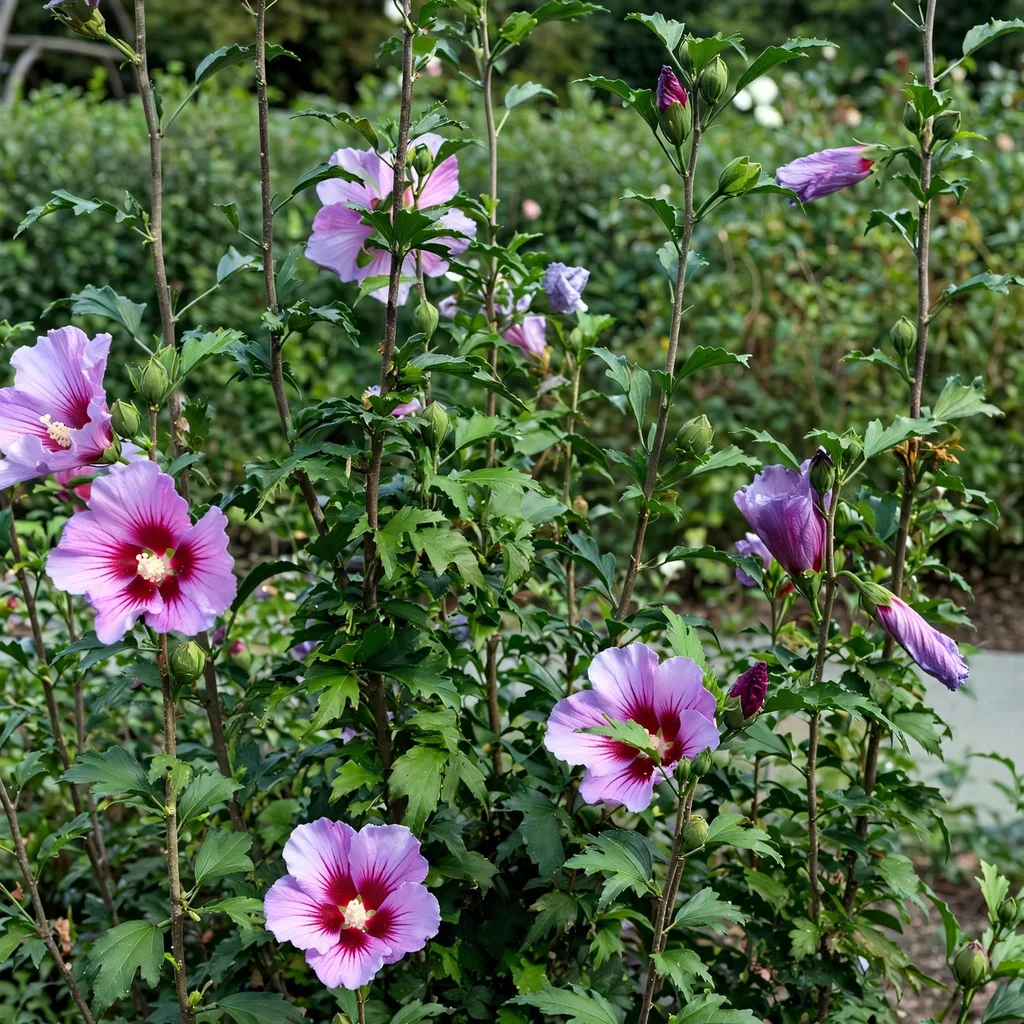
Purple Pillar Hibiscus
Hibiscus syriacus 'Purple Pillar'
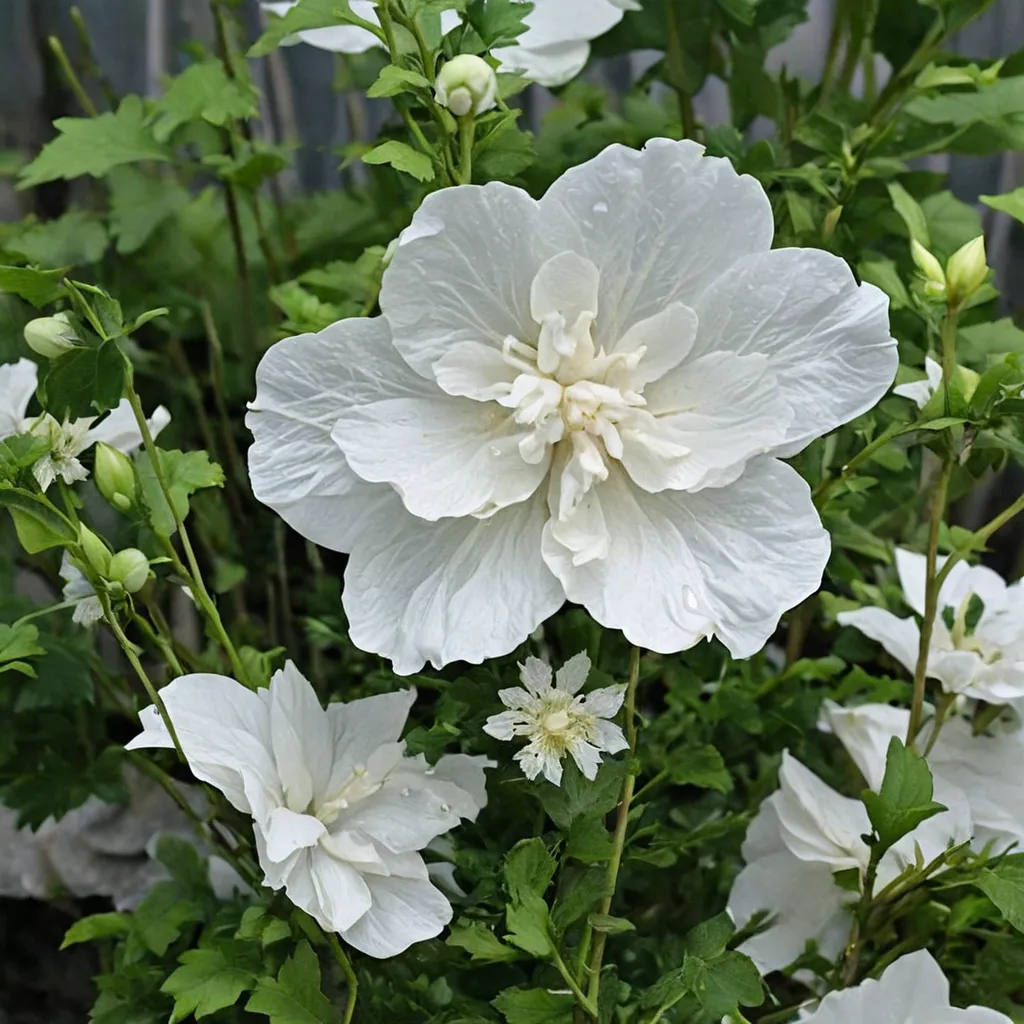
White Chiffon Hibiscus
Hibiscus syriacus 'White Chiffon'
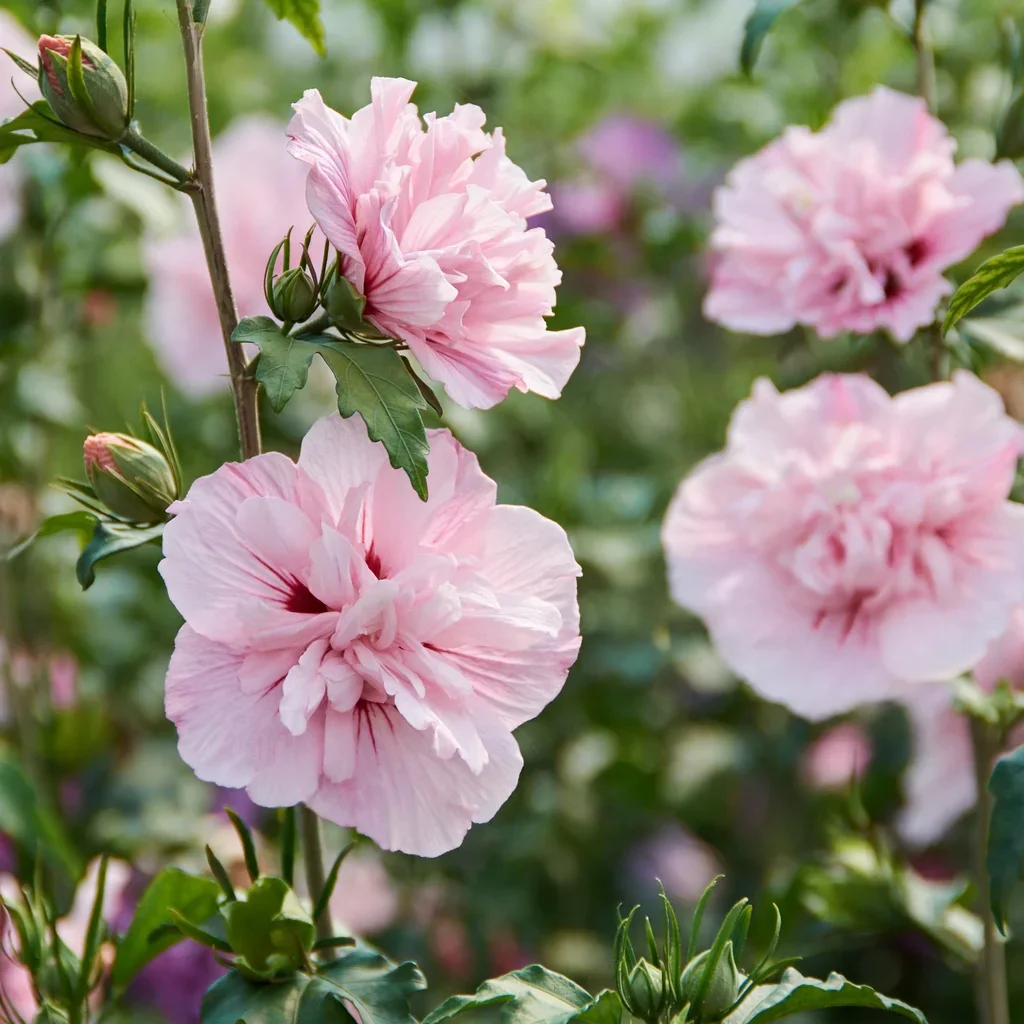
Pink Chiffon Rose of Sharon
Hibiscus syriacus 'Pink Chiffon'
Keep exploring
Hardy in your zone?
Grow Kenaf with confidence
See it in a design of your actual yard, get zone-matched care reminders, and track it season by season in your garden journal.