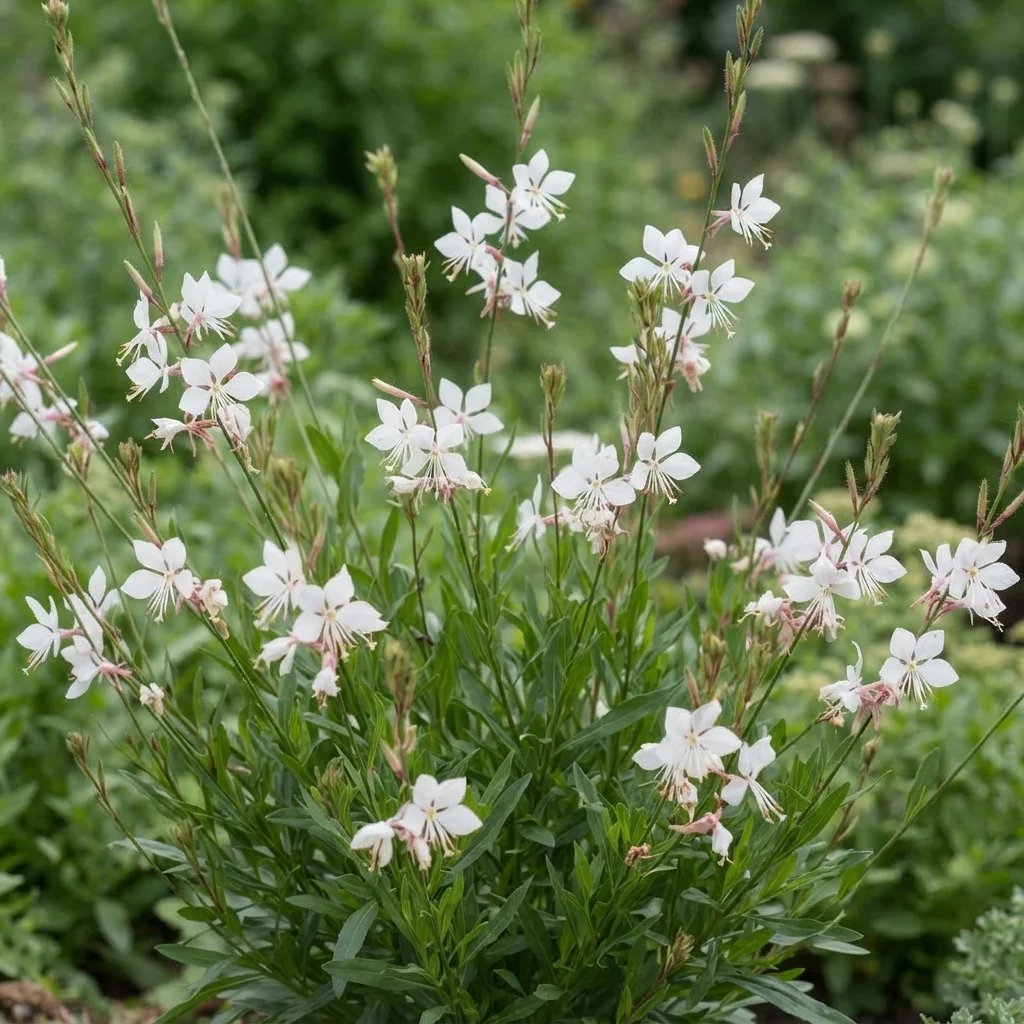
Species
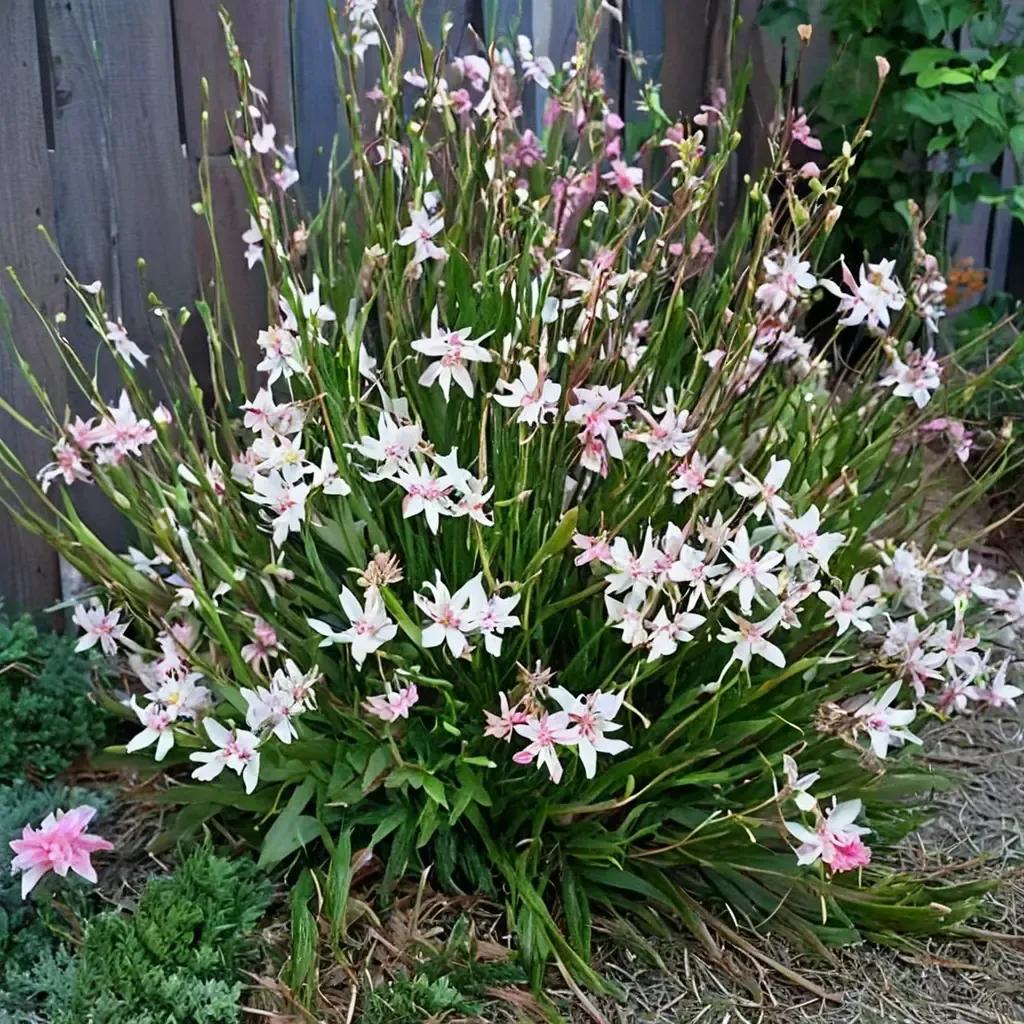 Gaura lindheimeriLindheimer's Beeblossom Whirling Butterflies
16 other cultivars
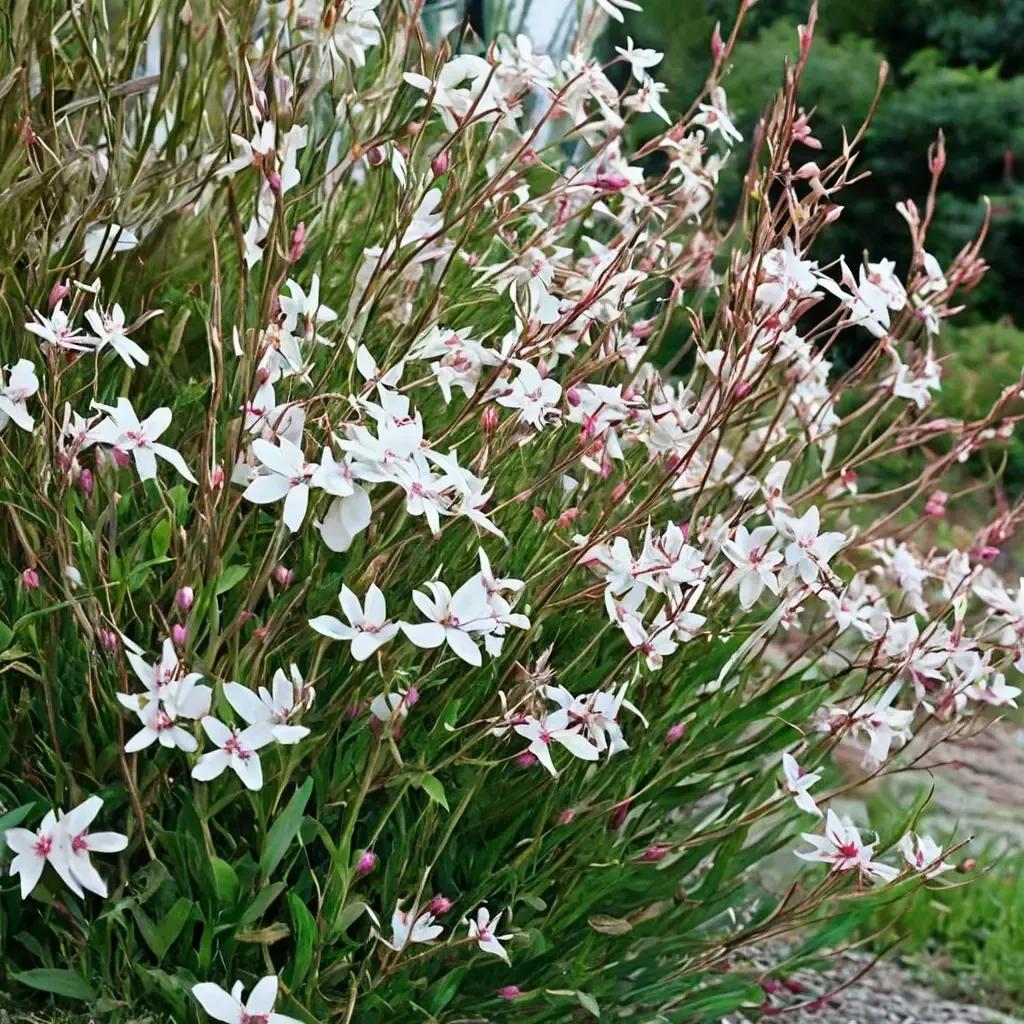 ‘Whirling Butterflies’Whirling Butterflies Beeblossom
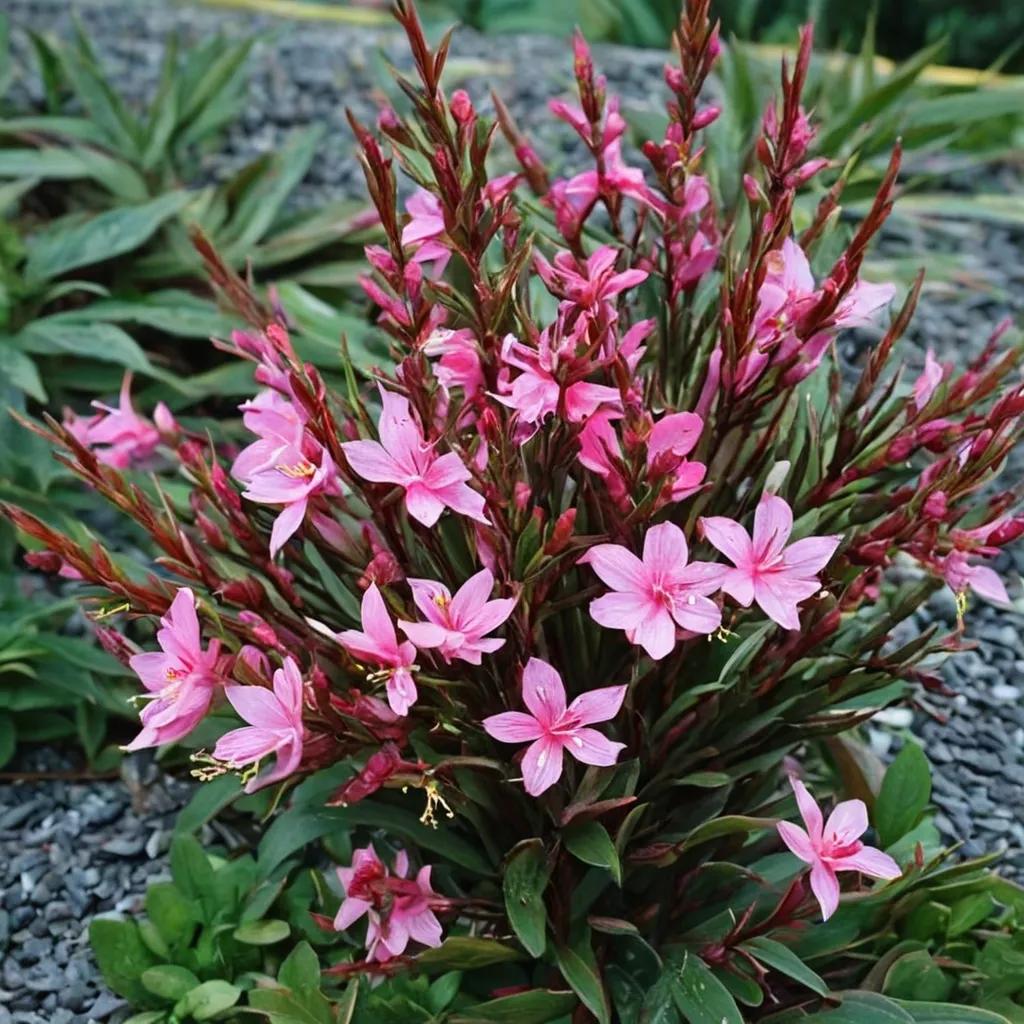 ‘Crimson Butterflies’Crimson Butterflies Beeblossom
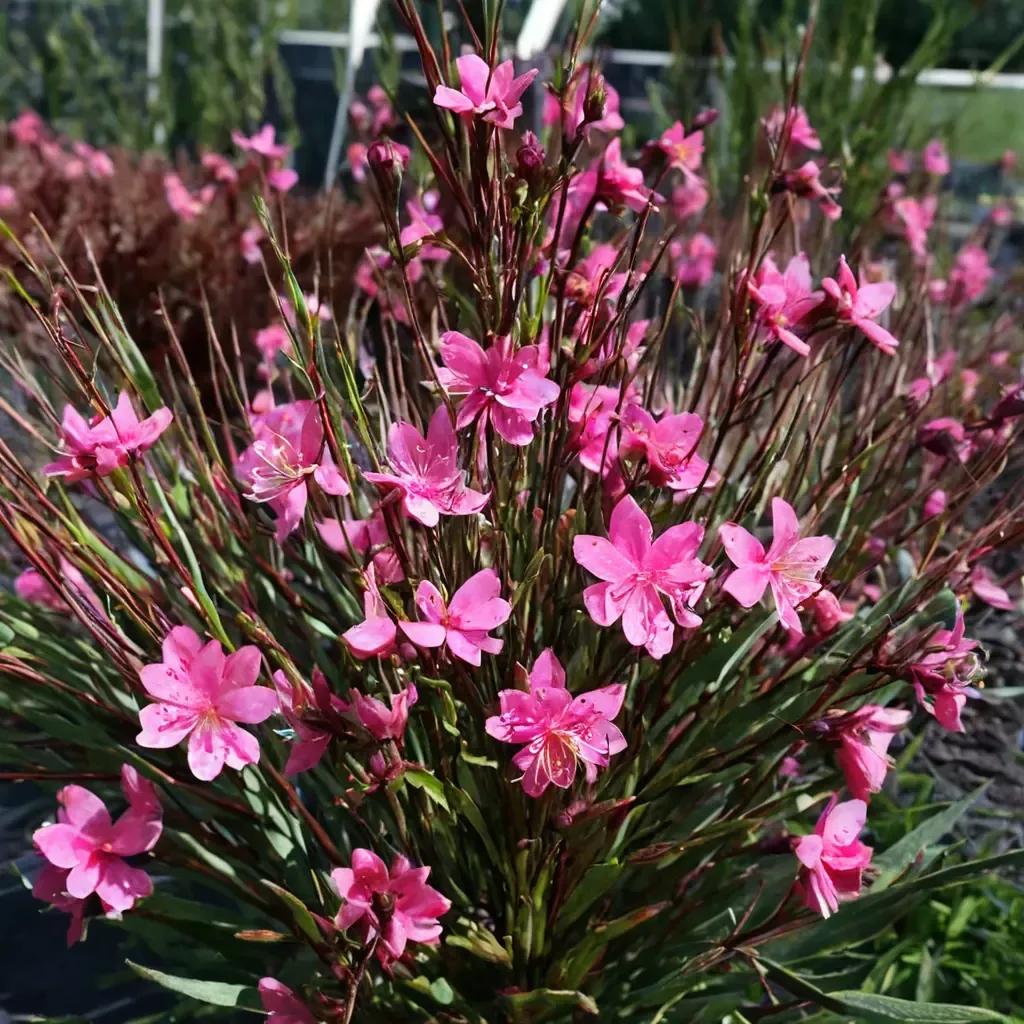 ‘Belleza Dark Pink’Belleza Dark Pink Gaura
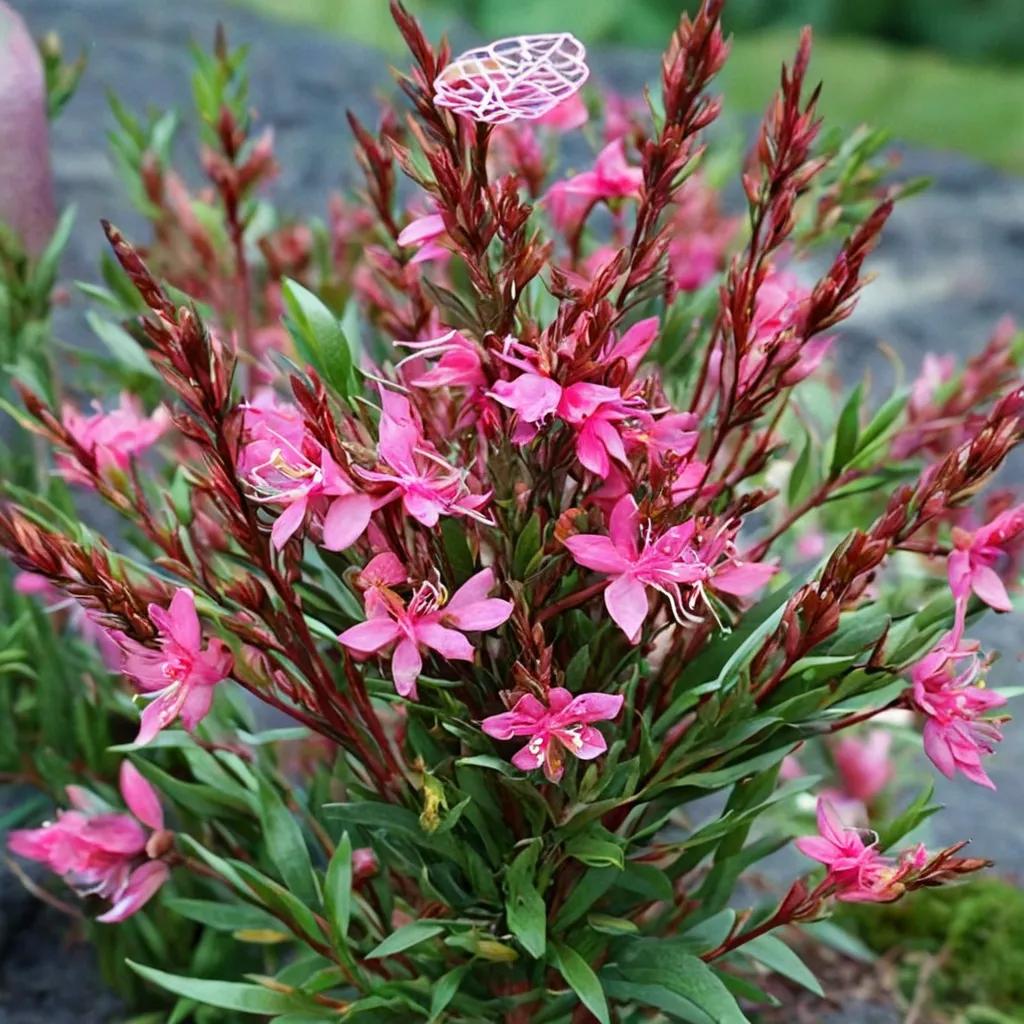 ‘Gaudí Red’Gaudi Red Gaura
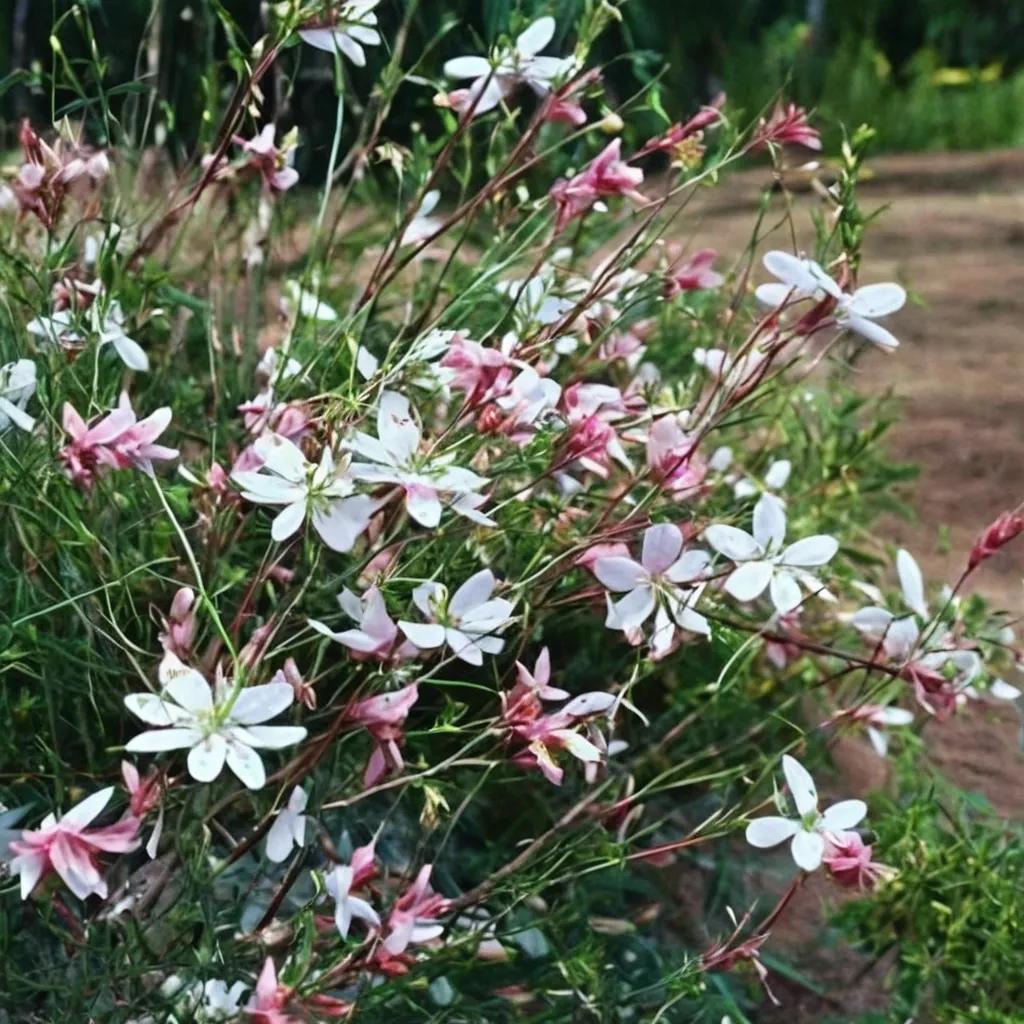 ‘Dauphin’Dauphin Beeblossom
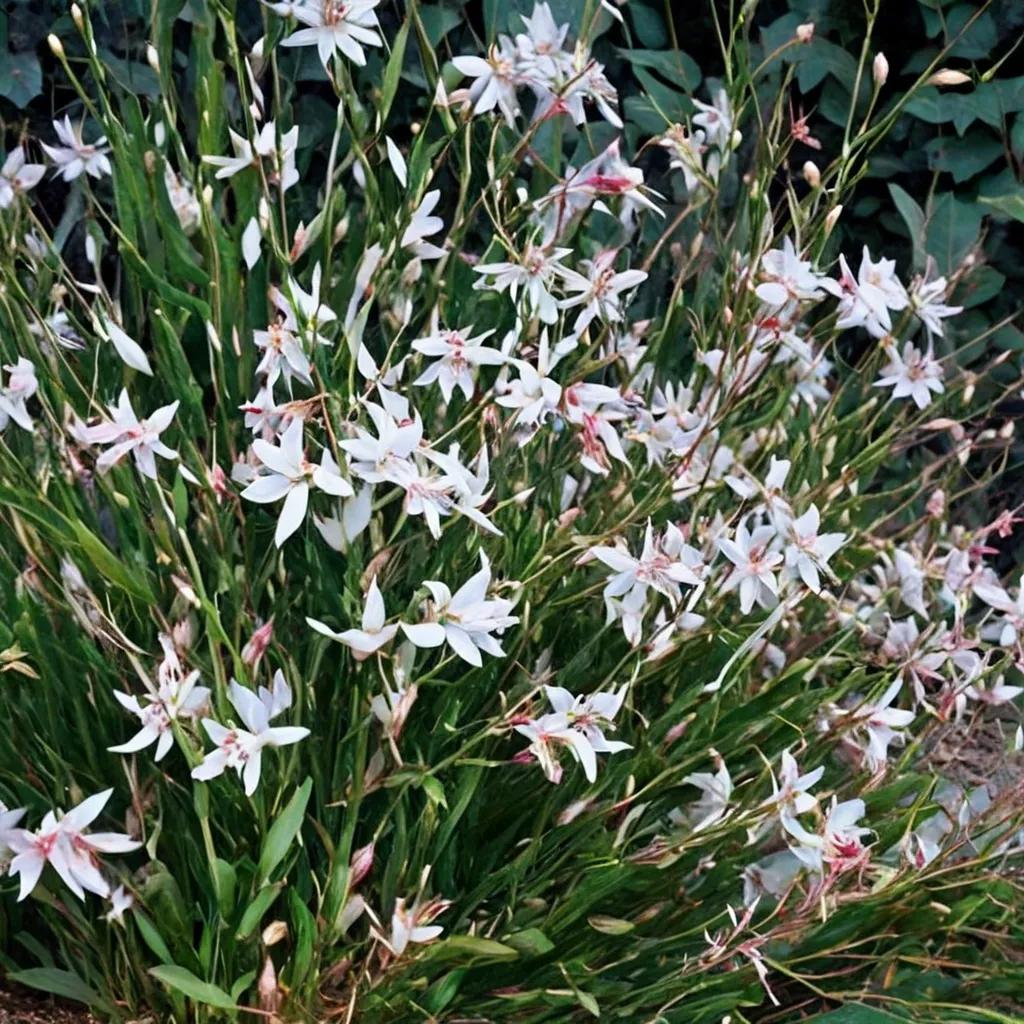 ‘Walsnofou’Snow Fountain Wand Flower
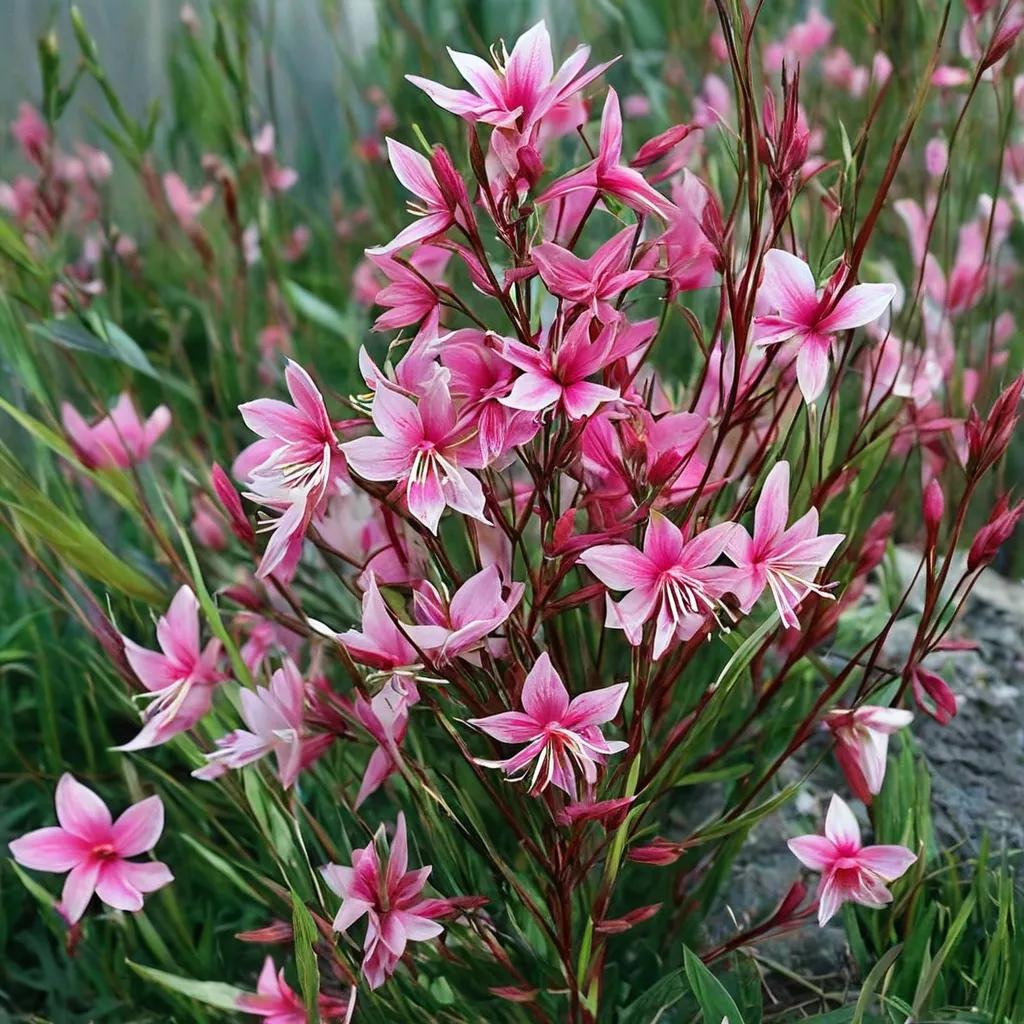 ‘Siskiyou Pink’Siskiyou Pink Gaura
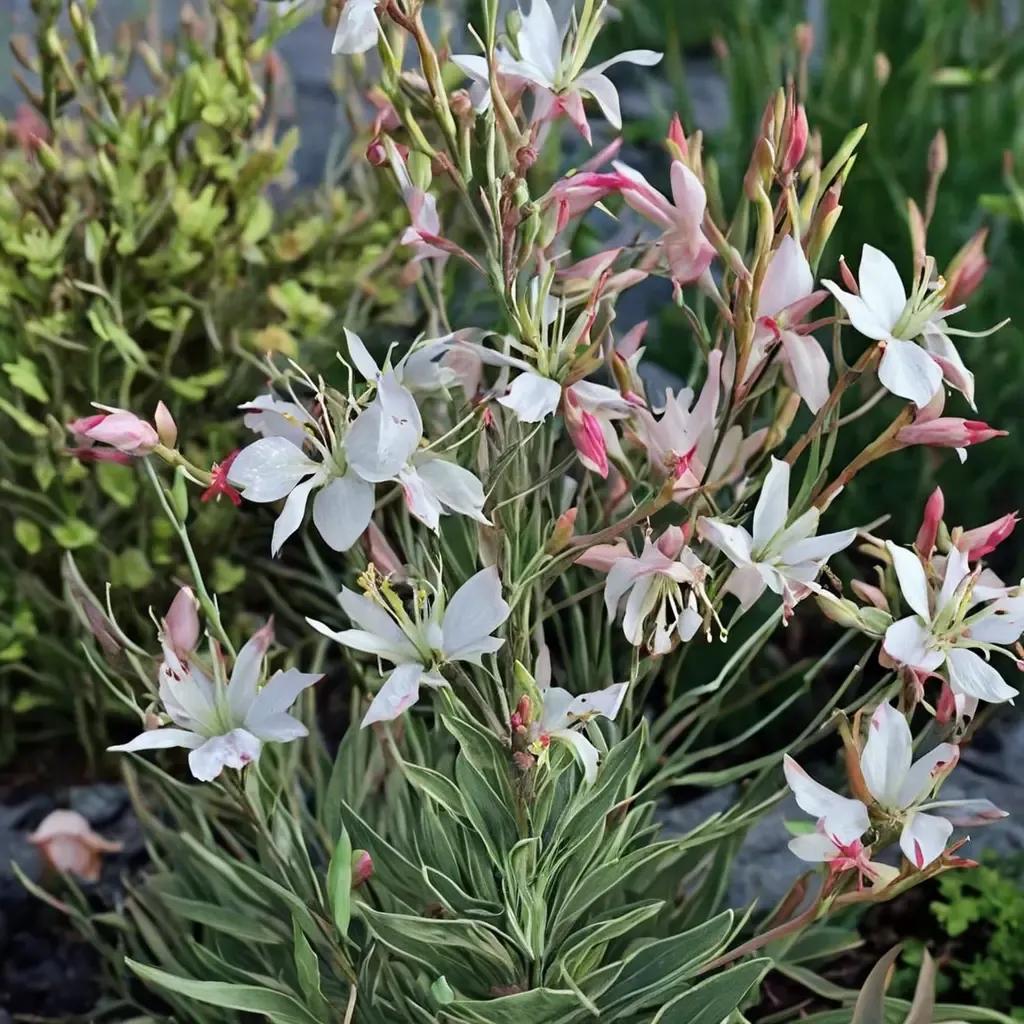 ‘Silver Fountain’Silver Fountain Beeblossom
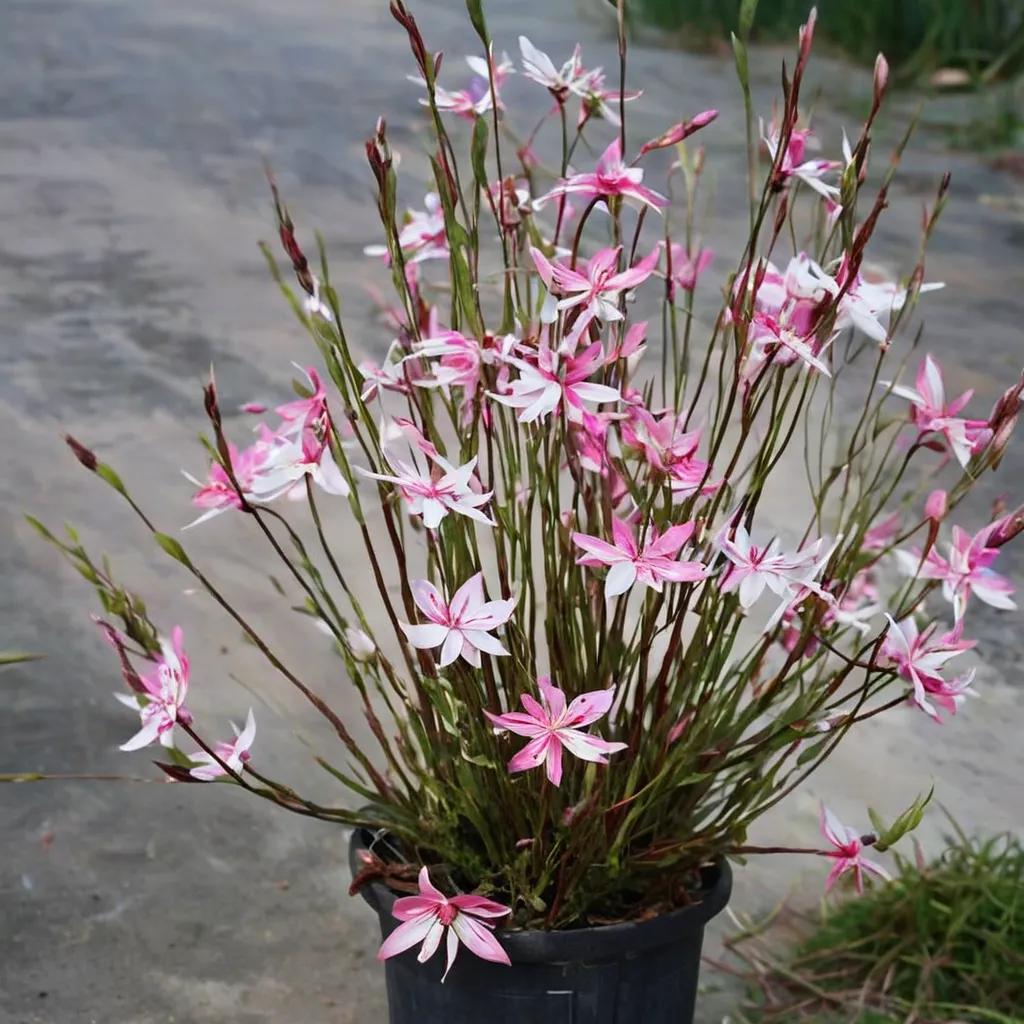 ‘Little Janie’Little Janie Gaura
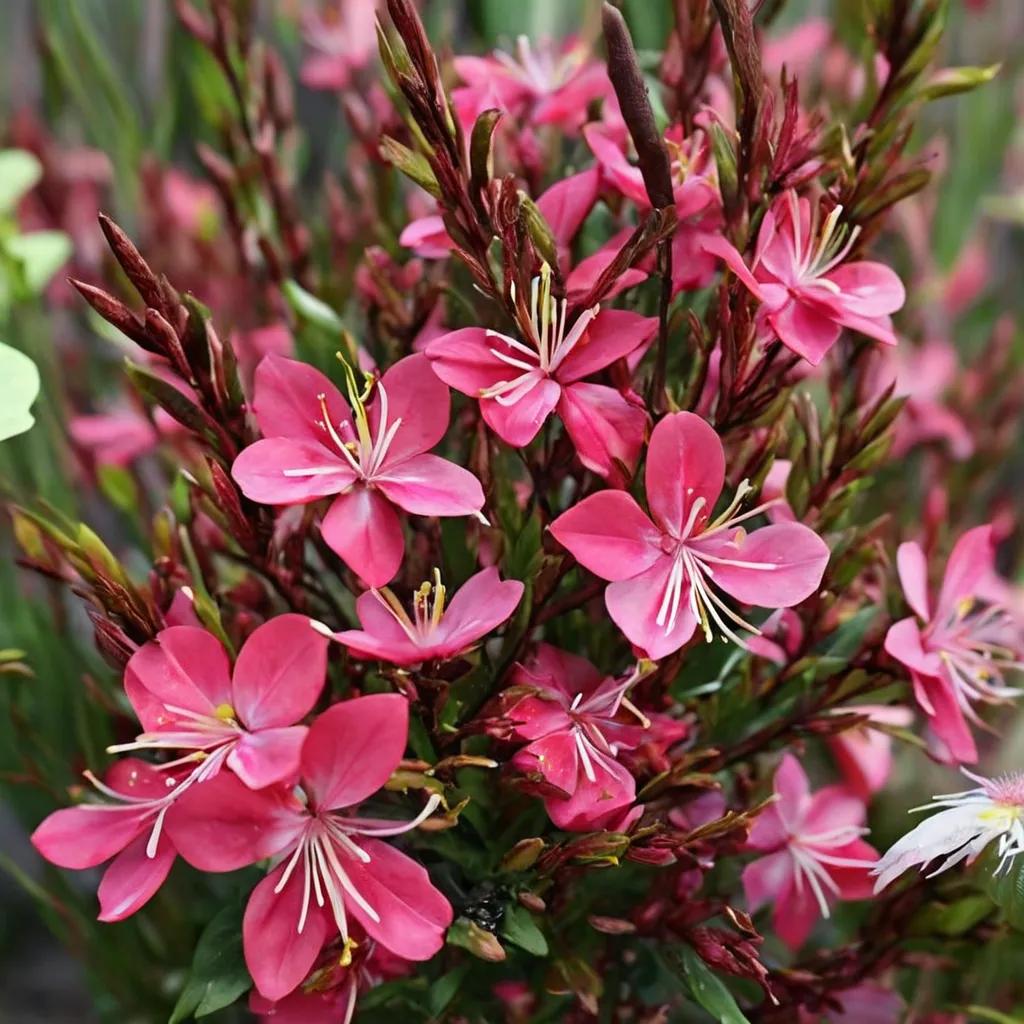 ‘Deep Rose’Gaura lindheimeri Deep Rose
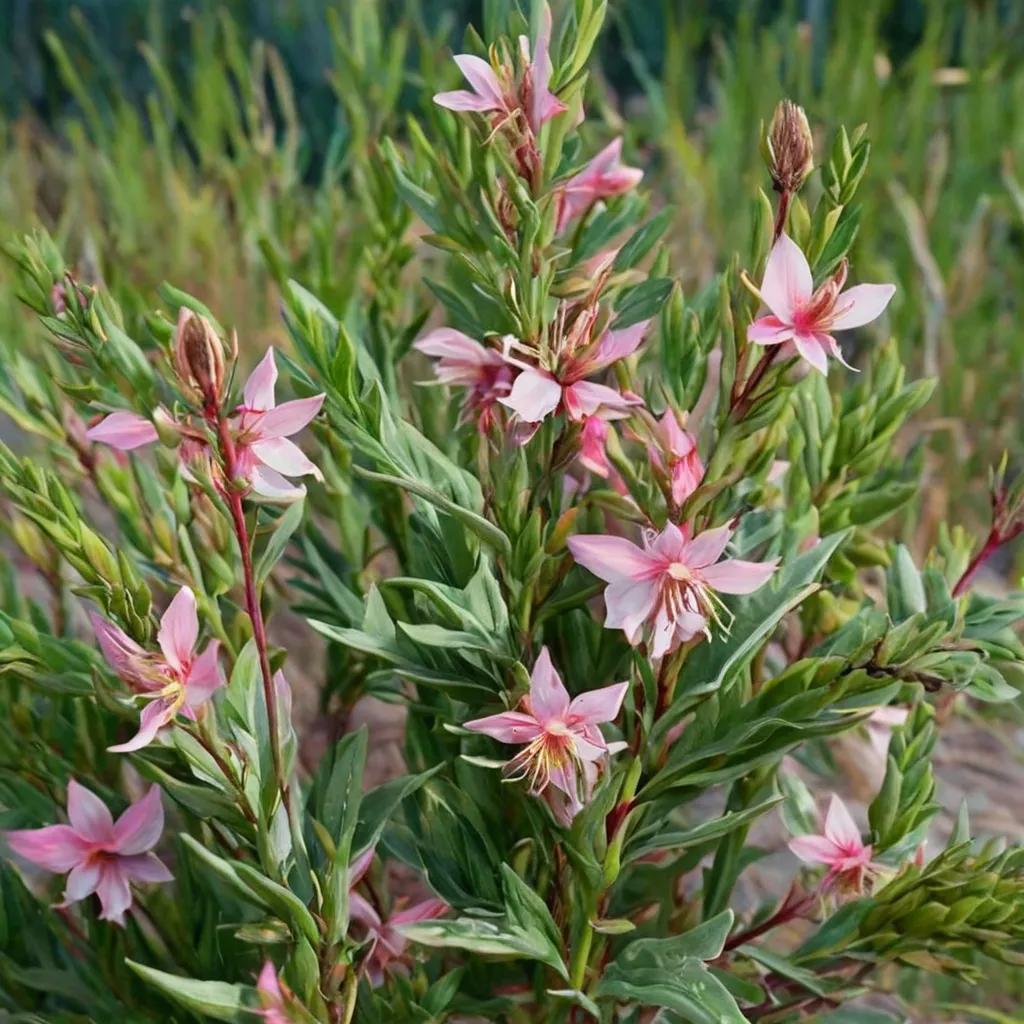 ‘Jo Adella’Gaura Lindheimeri Jo Adella
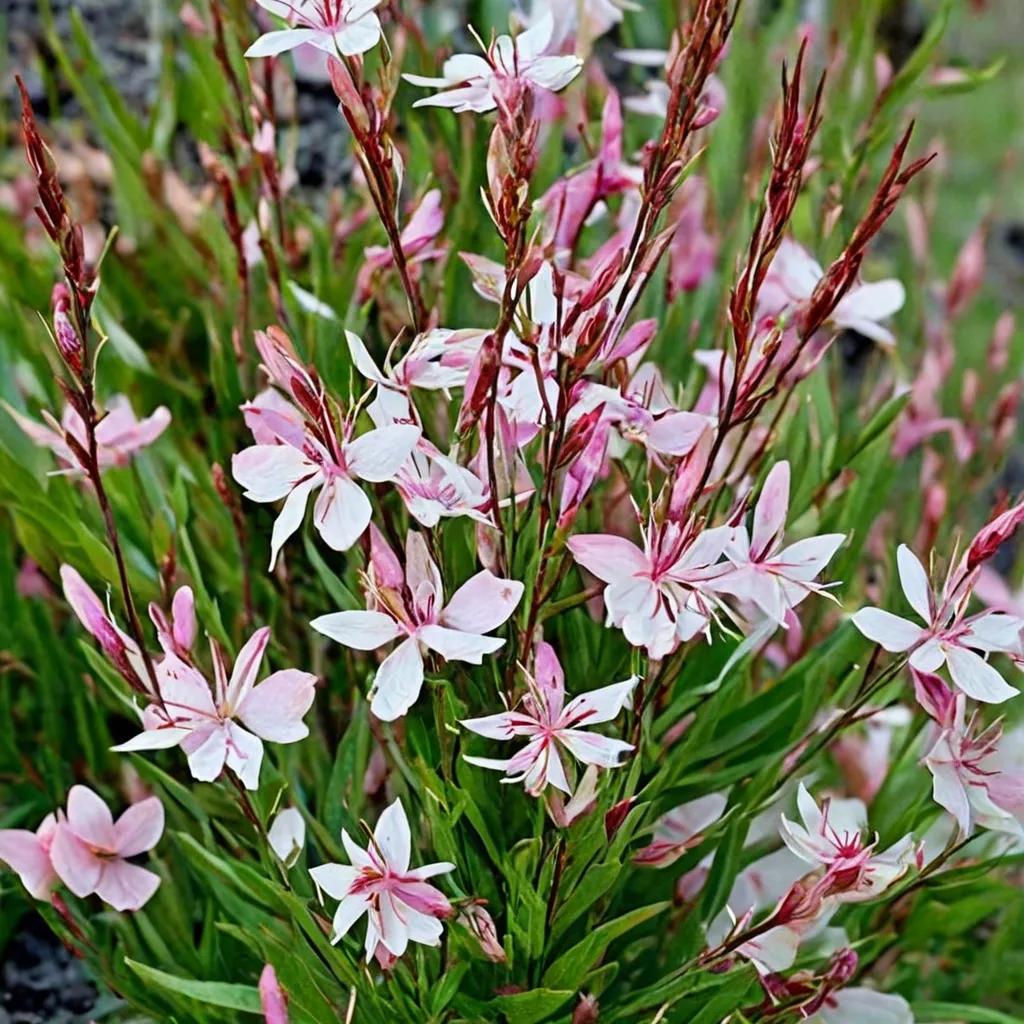 ‘Blushing Butterflies’Blushing Butterflies Beeblossom
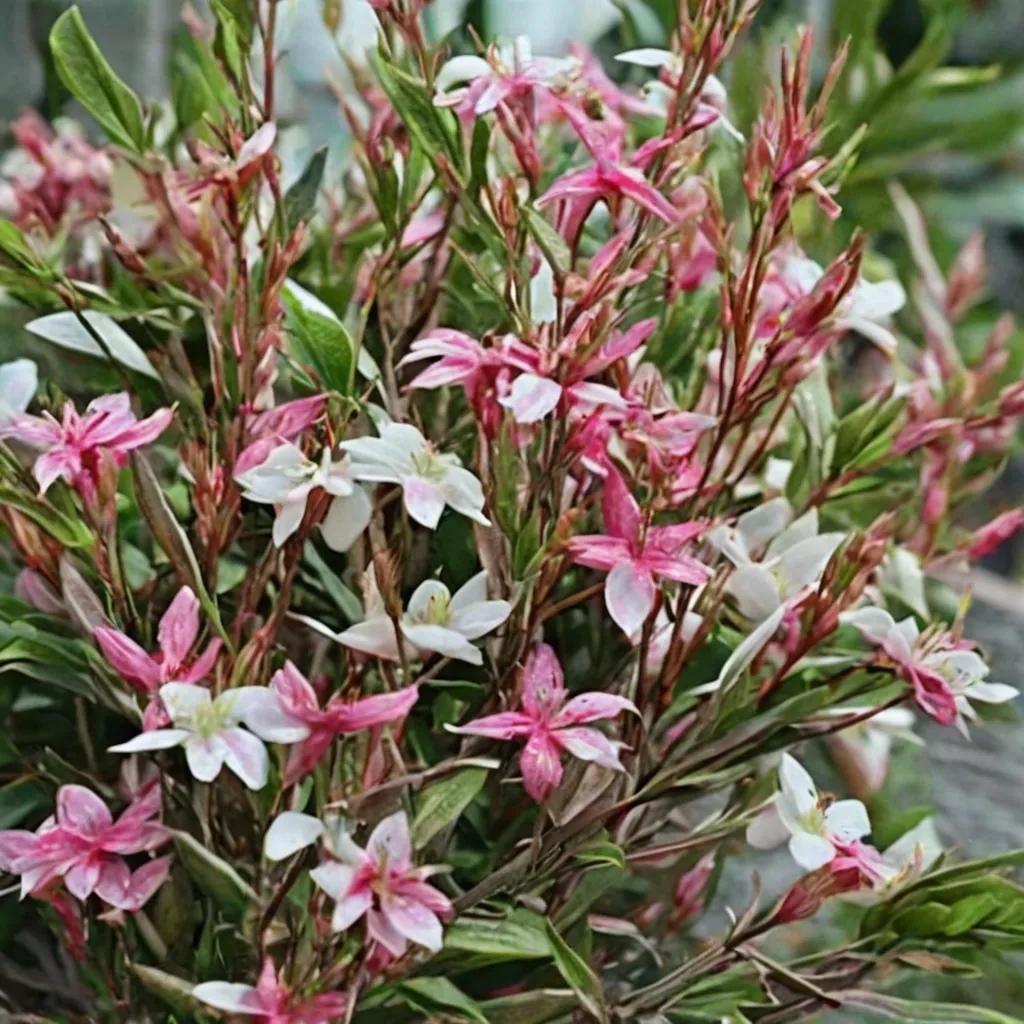 ‘Bijou Butterflies’Bijou Butterflies Beeblossom
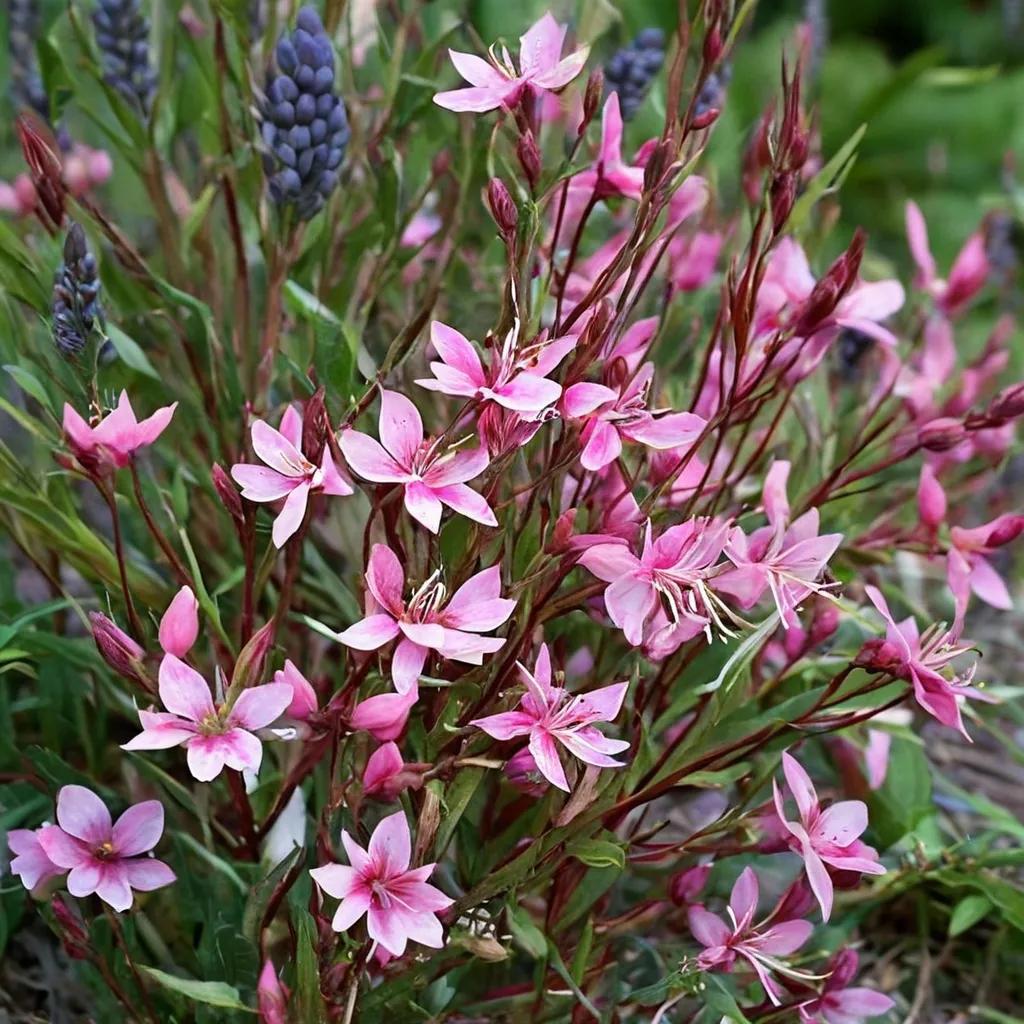 ‘Pink Cloud’Pink Cloud Beeblossom
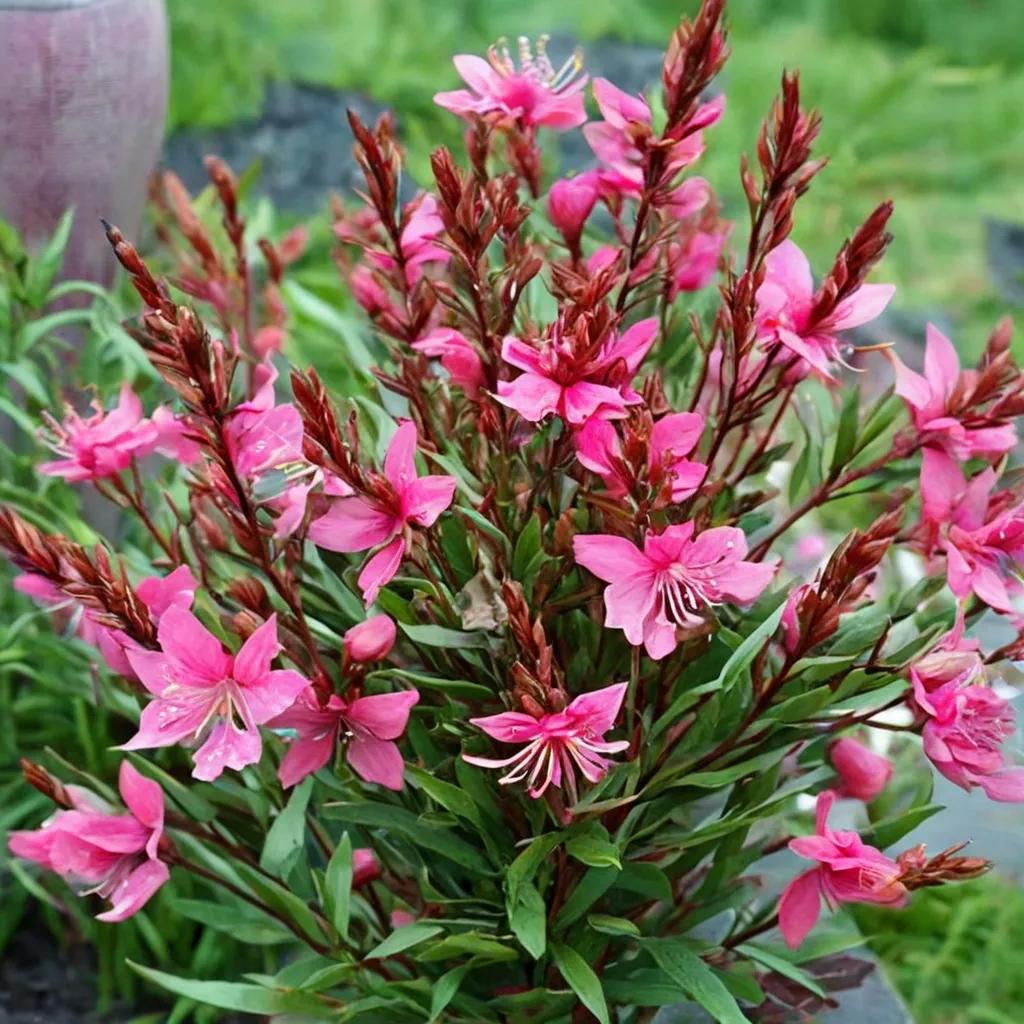 ‘Gaudi Red’Gaudi Red Beeblossom
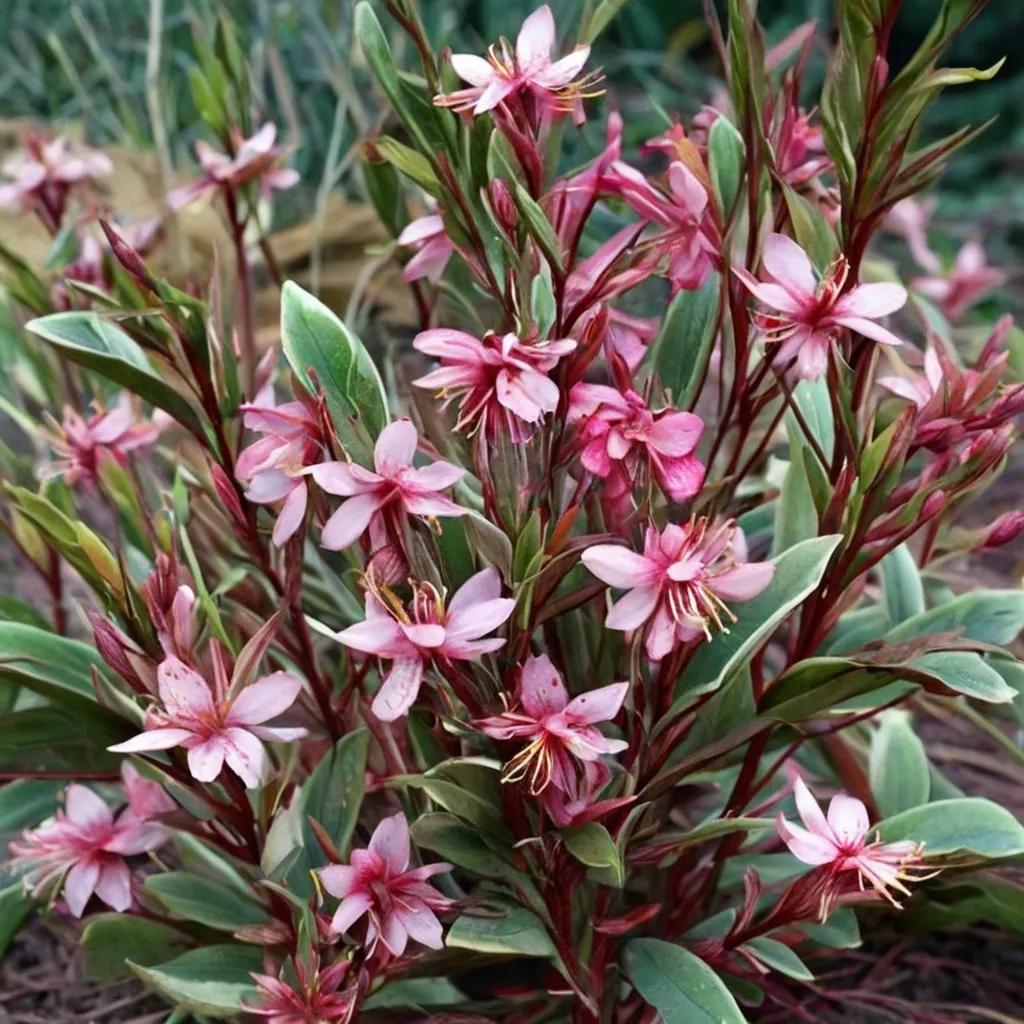 ‘Passionate Rainbow’Gaura lindheimeri Passionate Rainbow
The Story
Plant Bio
Oenothera lindheimeri is a clump-forming herbaceous perennial native to the south-central United States, characterized by its airy, wand-like flowering stems. The species produces narrow, lance-shaped green leaves and loose terminal racemes of four-petaled flowers that flutter in the wind like butterflies.
'Sparkle White' is a compact, highly uniform cultivar that grows to a tidy height of 12 to 28 inches. It produces pure white flowers from pinkish buds that bloom continuously from late spring until the first hard frost.
Uses & Benefits:
Essentials
At a Glance
Plant Type
Perennial
Height
28"
Width
31"
Light
Full Sun, Partial Sun
Zones
5, 6, 7, 8, 9
Water
Low
Humidity
Moderate
Lifespan
Perennial
Native To
South-central United States (Texas, Louisiana)
Toxicity
Non-toxic
Bloom period
Late spring – Fall
In flower about 7 months of the year
Planting
How to Grow
- Select a planting site that receives full sun to ensure strong stems and maximum flower production.
- Amend heavy soils with coarse sand or gravel to guarantee rapid drainage, as wet winter soils cause root rot.
- Dig a hole twice the width of the root ball but equal in depth to prevent burying the crown.
- Water thoroughly immediately after planting to settle the soil, then reduce watering once the taproot establishes.
Pro Tip
Plant in sharply drained, sandy or gravelly soil and avoid adding organic compost or fertilizer; rich soils cause the wiry stems to become weak and flop over.
Keep It Thriving
Care Guide
Do
- Cut back spent flower spikes regularly during the growing season to stimulate continuous blooming.
- Shear the entire plant close to the ground in late winter to clear dead topgrowth.
- Plant in poor, well-drained soils to maintain a compact, upright growth habit.
Don't
- Do not over-fertilize or plant in rich loam, which leads to floppy, weak stems.
- Do not attempt to divide mature plants, as the deep woody taproot resents disturbance.
- Do not prune back into old, leafless woody stems that lack active buds.
Seasonal Care Calendar
| Task | Jan | Feb | Mar | Apr | May | Jun | Jul | Aug | Sep | Oct | Nov | Dec |
|---|---|---|---|---|---|---|---|---|---|---|---|---|
| Deadhead | ||||||||||||
| Fertilize | ||||||||||||
| Pest Check | ||||||||||||
| Prune |
Watch Out For
Pests & Diseases
Common Pests
Common Diseases
In the Garden
Landscape Uses & Companions
Landscape Uses
Multiply
Propagation Methods
Good to Know
Common Questions
White Gaura questions
What zones can White Gaura grow in?
White Gaura is hardy in USDA Zones 5–9. Inside that range it survives winter in the ground; outside it, grow it as an annual or a container plant you protect.
Is White Gaura deer resistant?
Yes — White Gaura is rated deer-resistant. Deer typically pass it over, though extreme hunger can override any plant's defenses.
When does White Gaura bloom?
White Gaura typically blooms in late spring through fall. Exact timing shifts a week or two with your zone — Sow's bloom calendar maps it to your garden.
Does White Gaura need full sun?
White Gaura does best in full sun to part shade. In hot climates, afternoon shade keeps blooms fresher longer.
Is White Gaura drought tolerant?
Yes — once established (usually after the first full season), White Gaura handles dry spells with minimal watering. Water deeply its first year to build the root system that makes that possible.
More Gaura to compare
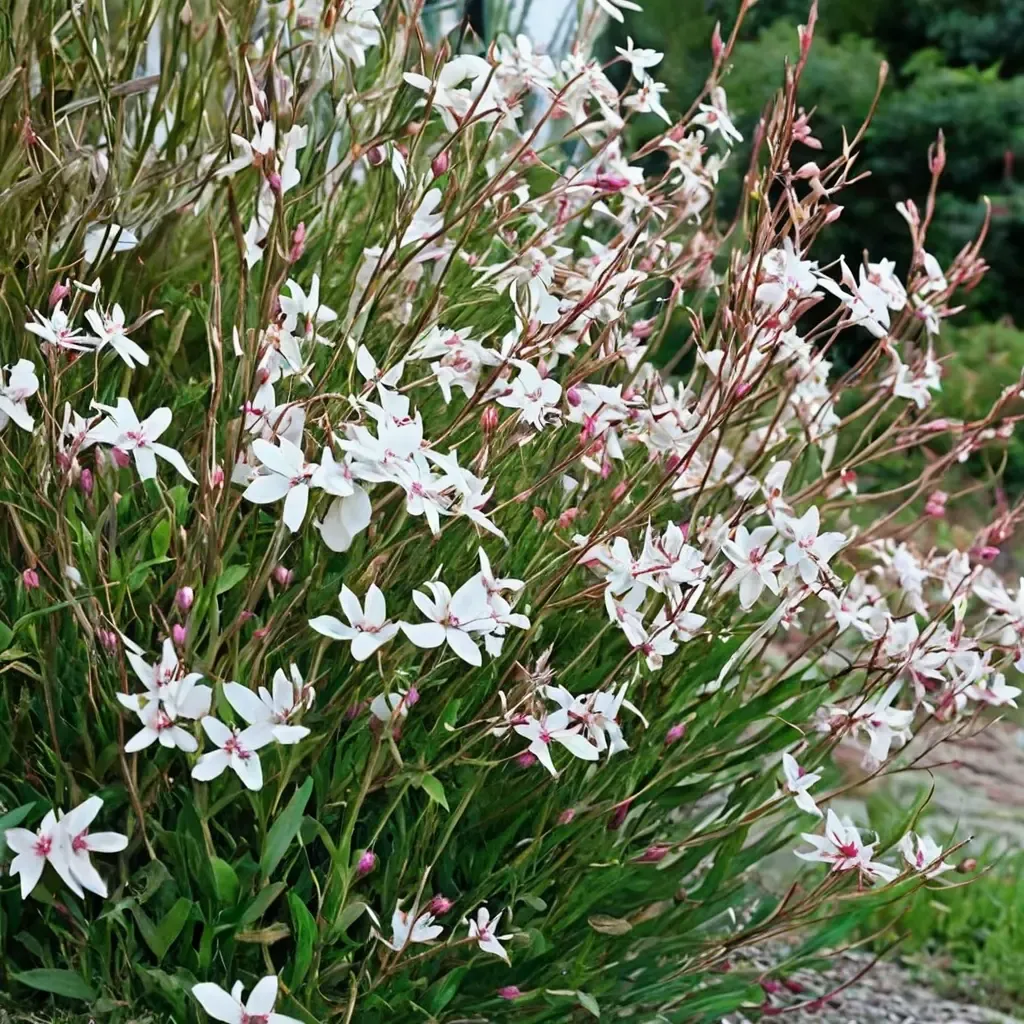
Whirling Butterflies Beeblossom
Gaura lindheimeri 'Whirling Butterflies'
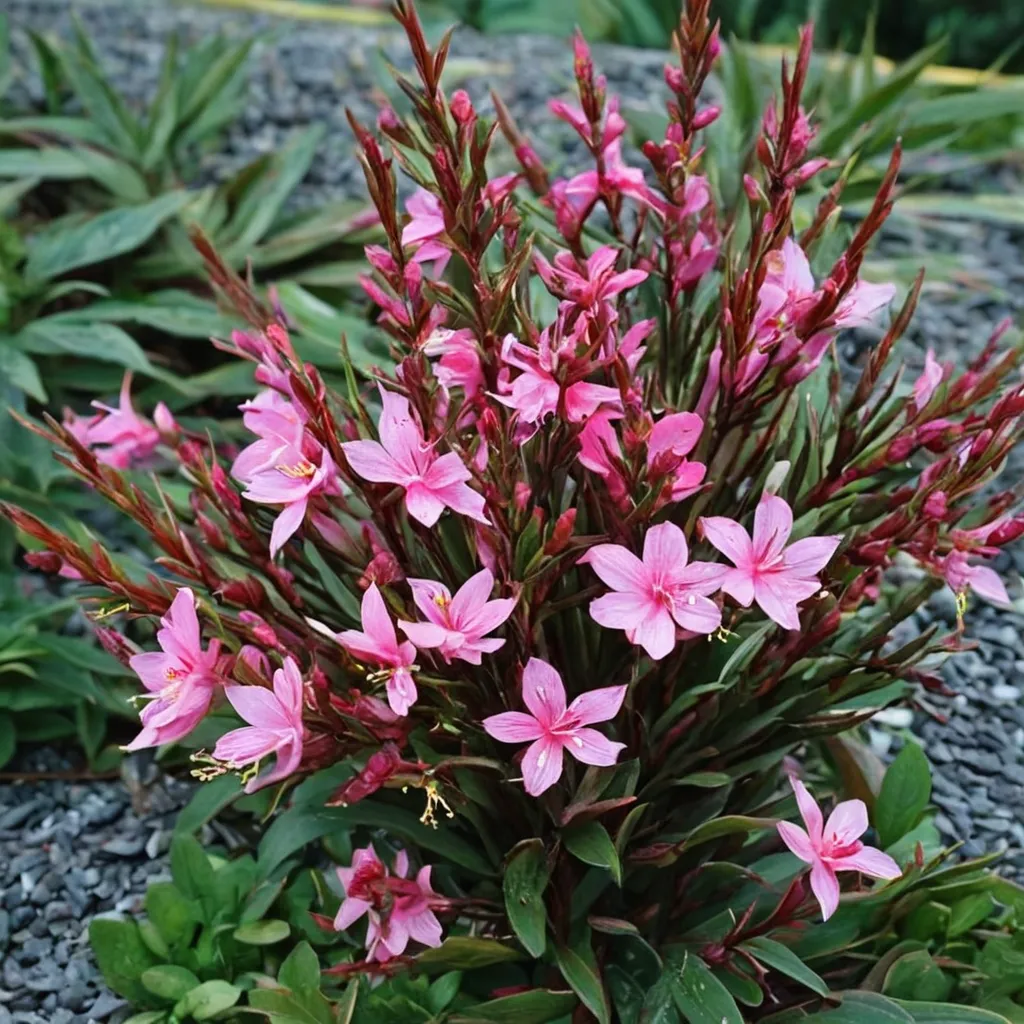
Crimson Butterflies Beeblossom
Gaura lindheimeri 'Crimson Butterflies'
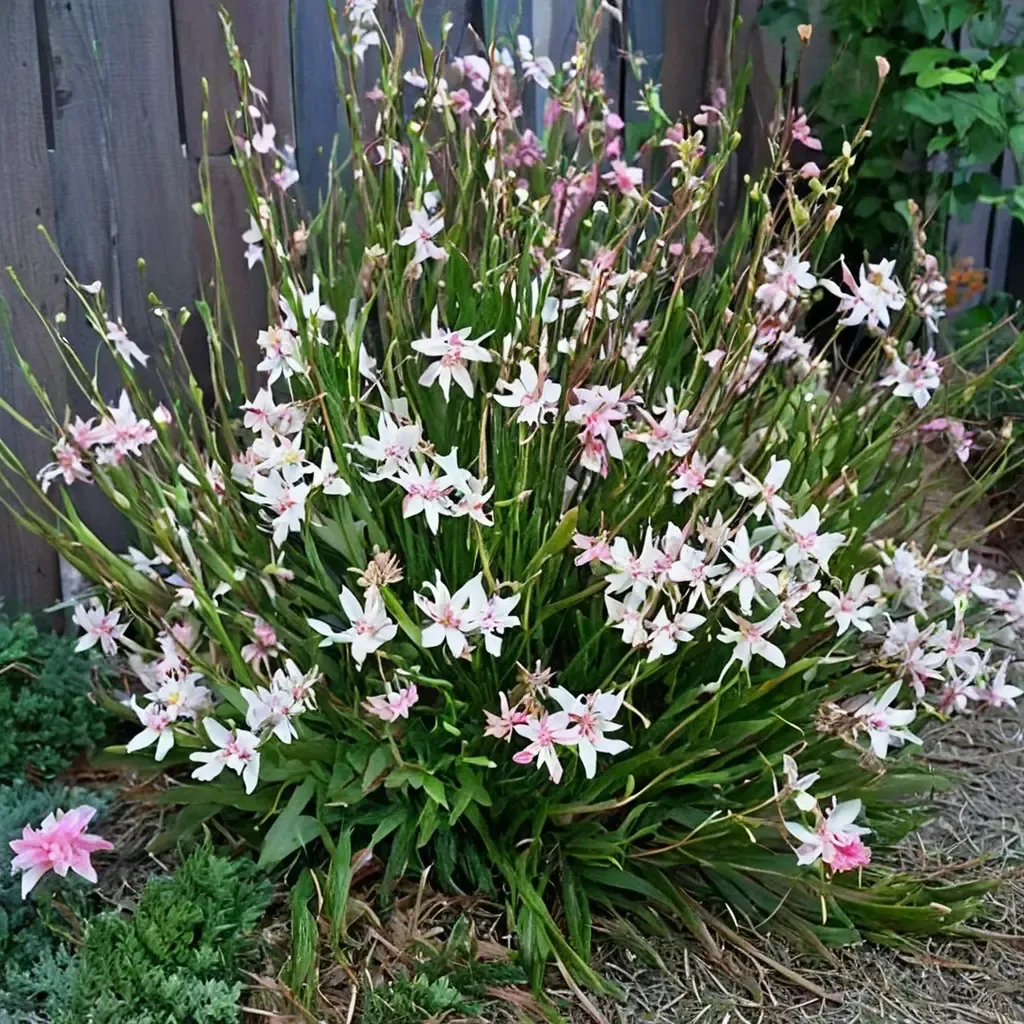
Lindheimer's Beeblossom Whirling Butterflies
Gaura lindheimeri
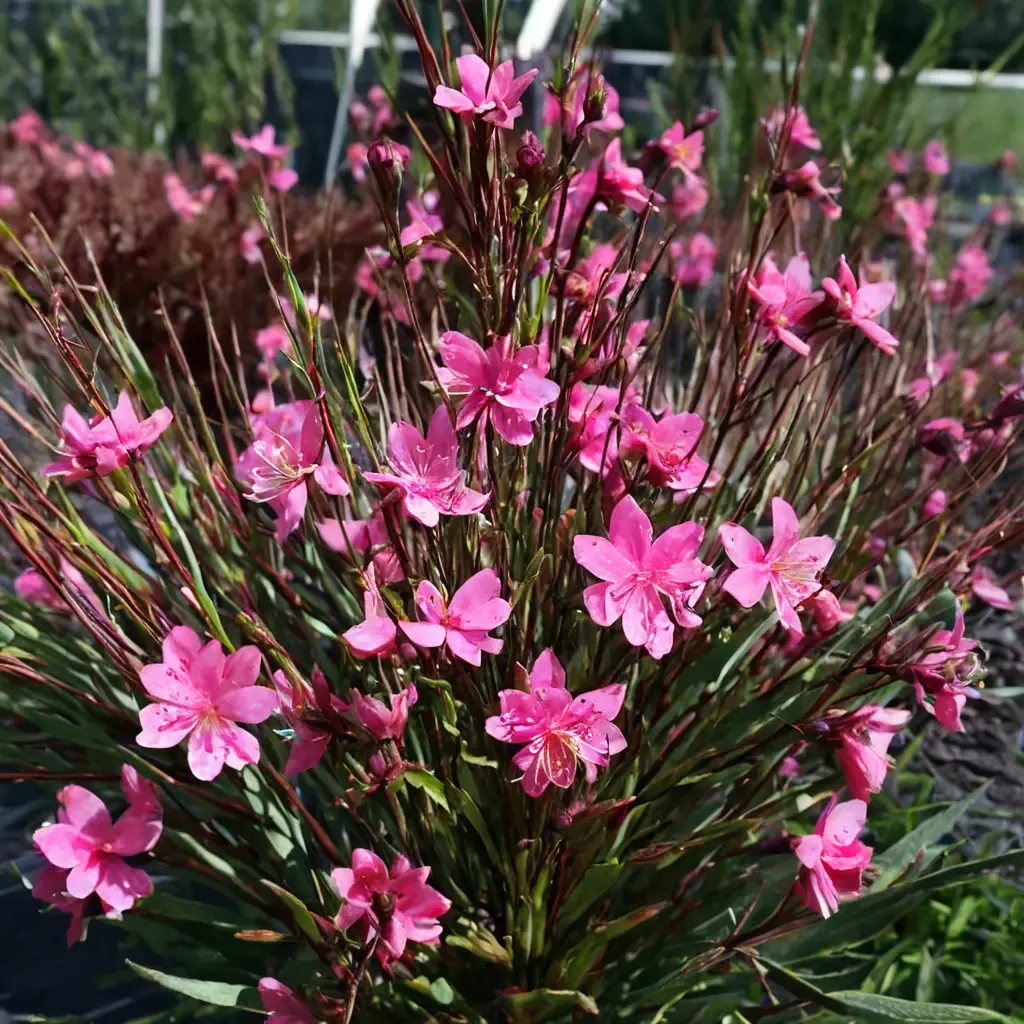
Belleza Dark Pink Gaura
Gaura lindheimeri 'Belleza Dark Pink'
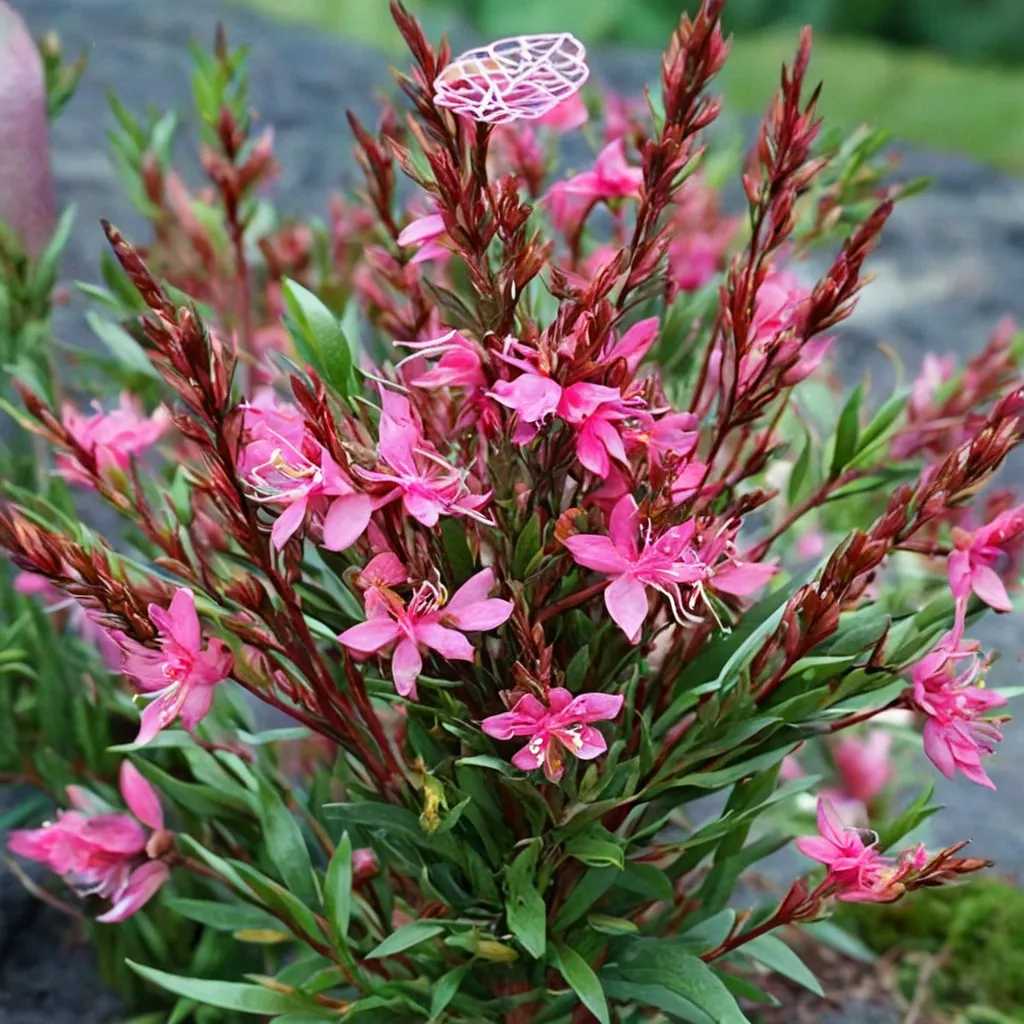
Gaudi Red Gaura
Gaura lindheimeri 'Gaudí Red'
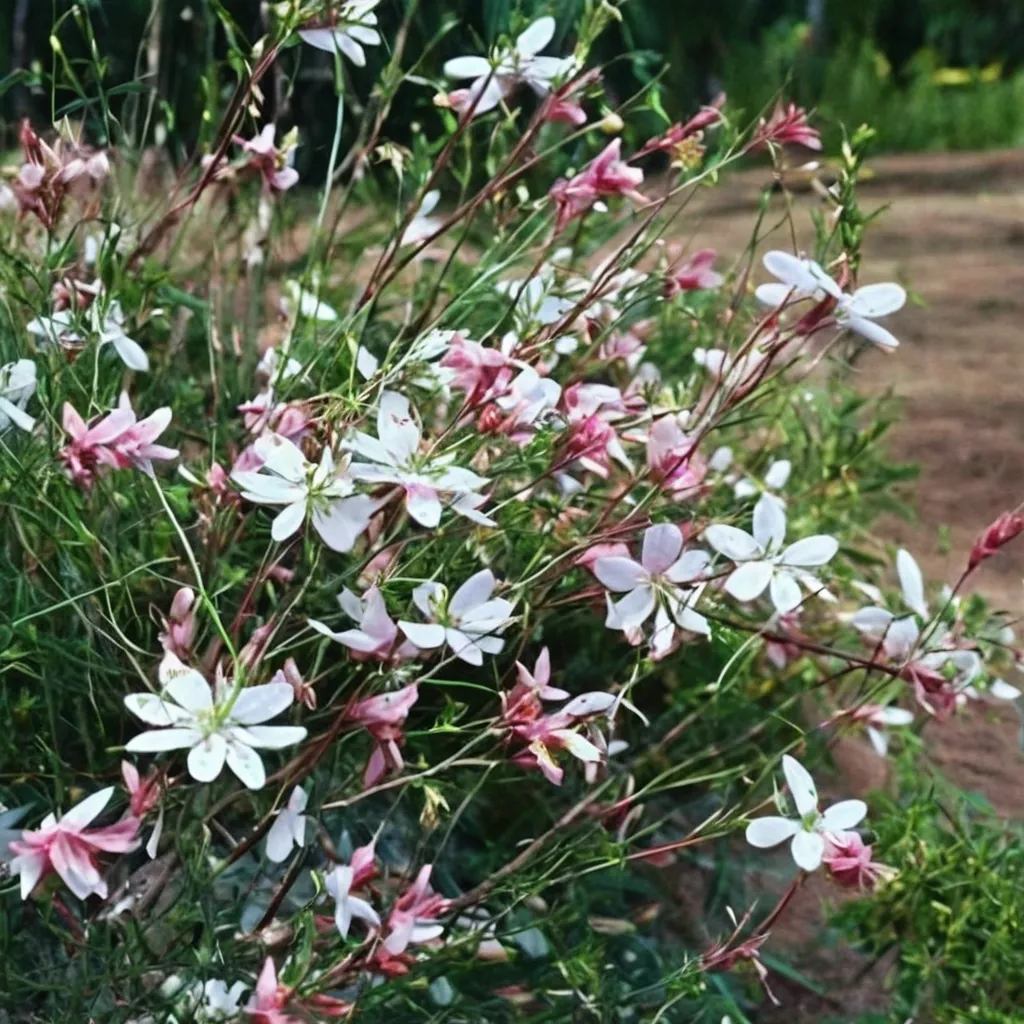
Dauphin Beeblossom
Gaura lindheimeri 'Dauphin'
Keep exploring
Explore the genus
Hardy in your zone?
Grow White Gaura with confidence
See it in a design of your actual yard, get zone-matched care reminders, and track it season by season in your garden journal.