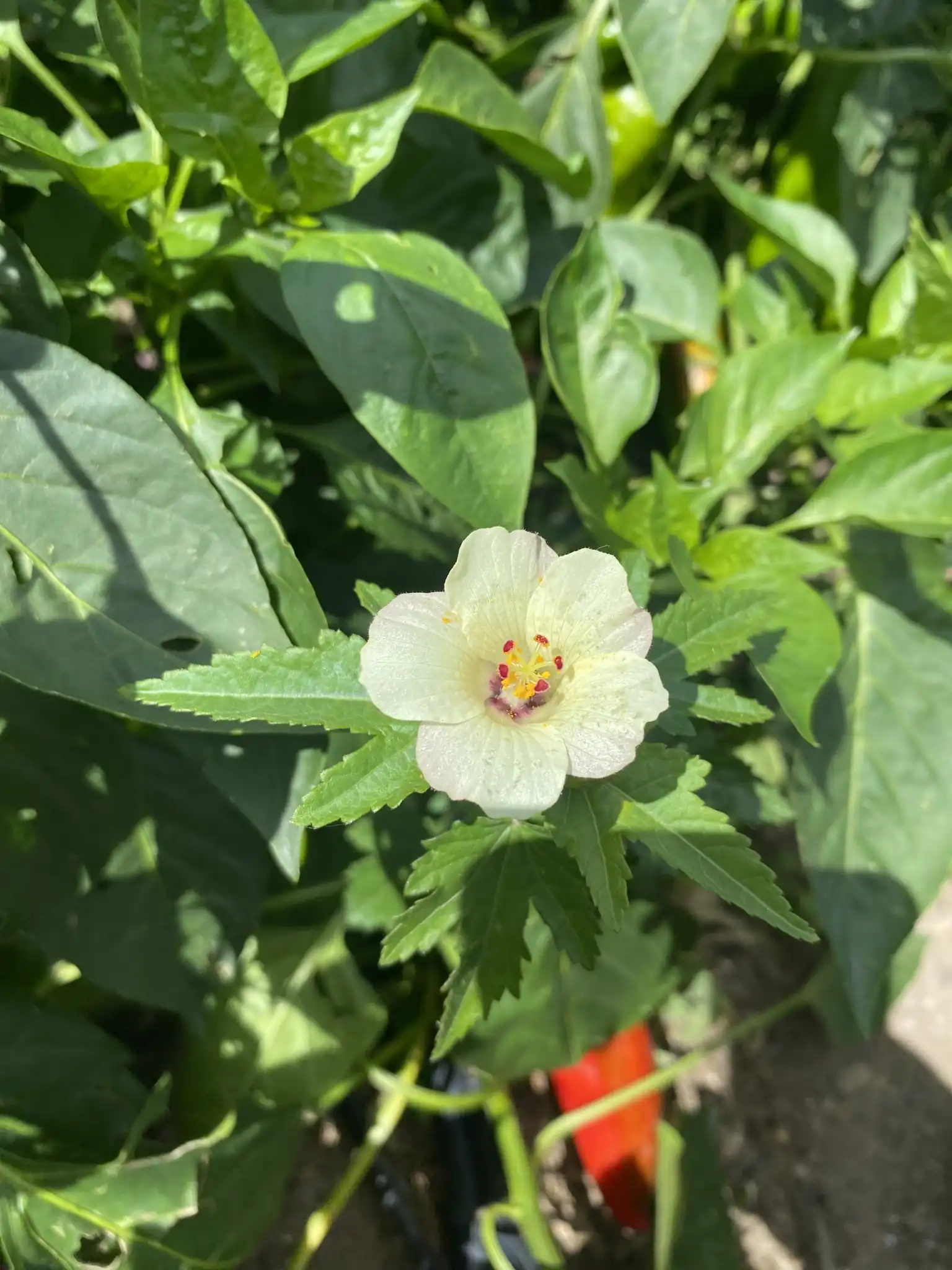
The Story
Plant Bio
Hibiscus richardsonii is an upright, slender annual or short-lived perennial herb native to coastal Australasia, reaching three feet in height. It produces solitary, bowl-shaped flowers in shades of pure white to pale cream from summer through fall, set against deeply lobed foliage.
Unlike weedy variants in the same genus, this species features solid white-to-cream petals that lack a dark contrasting eye at the base. Young stems are densely clothed in short bristles that gradually shed as the stems age.
Uses & Benefits:
Essentials
At a Glance
Plant Type
Perennial
Height
39"
Width
28"
Light
Full Sun
Zones
9, 10
Water
Low to Moderate
Humidity
Moderate to High
Lifespan
Short-lived Perennial / Annual
Native To
Australasia (Australia & New Zealand)
Toxicity
Non-toxic
Bloom period
Summer – Fall
In flower about 6 months of the year
Planting
How to Grow
- Select a site in full sun with sharp drainage and sandy or gravelly soil.
- Sow seeds directly in spring after frost risk passes, or transplant plugs into lean soil.
- Water regularly until established, then allow the top inch of soil to dry between waterings.
- Pinch active tip growth early in the season to encourage a multi-stemmed form.
Pro Tip
Pinch the growing tips on young plants to encourage branching, and avoid cutting back into older, leafless wood.
Keep It Thriving
Care Guide
Do
- Plant in a full-sun location with gritty, free-draining soil.
- Pinch young tip growth early in the season to encourage a bushier habit.
- Allow soil to dry out moderately between waterings.
Don't
- Do not overwater or plant in heavy clay soils that retain moisture.
- Do not apply heavy doses of high-nitrogen or rich organic fertilizer.
- Do not prune hard into old, leafless woody stems.
Seasonal Care Calendar
| Task | Jan | Feb | Mar | Apr | May | Jun | Jul | Aug | Sep | Oct | Nov | Dec |
|---|---|---|---|---|---|---|---|---|---|---|---|---|
| Fertilize | ||||||||||||
| Pest Check | ||||||||||||
| Pinch | ||||||||||||
| Plant | ||||||||||||
| Prune |
Watch Out For
Pests & Diseases
Common Pests
Common Diseases
In the Garden
Landscape Uses & Companions
Landscape Uses
Companion Plants
Multiply
Propagation Methods
Good to Know
Common Questions
Bladder Ketmia questions
What zones can Bladder Ketmia grow in?
Bladder Ketmia is hardy in USDA Zones 9–10: in that range it survives winter in the ground. Colder than Zone 9, grow it in a container you can move to shelter for the winter, or as an annual.
Is Bladder Ketmia deer resistant?
Not reliably. Deer may browse Bladder Ketmia, especially tender spring growth — plan on repellents or fencing where pressure is high.
When does Bladder Ketmia bloom?
Bladder Ketmia typically blooms from summer to fall. Exact timing shifts a week or two with your zone — Sow's bloom calendar maps it to your garden.
Does Bladder Ketmia need full sun?
Bladder Ketmia does best in full sun (6+ hours).
Is Bladder Ketmia drought tolerant?
Yes — once established (usually after the first full season), Bladder Ketmia handles dry spells with minimal watering. Water deeply its first year to build the root system that makes that possible.
More Hibiscus to compare
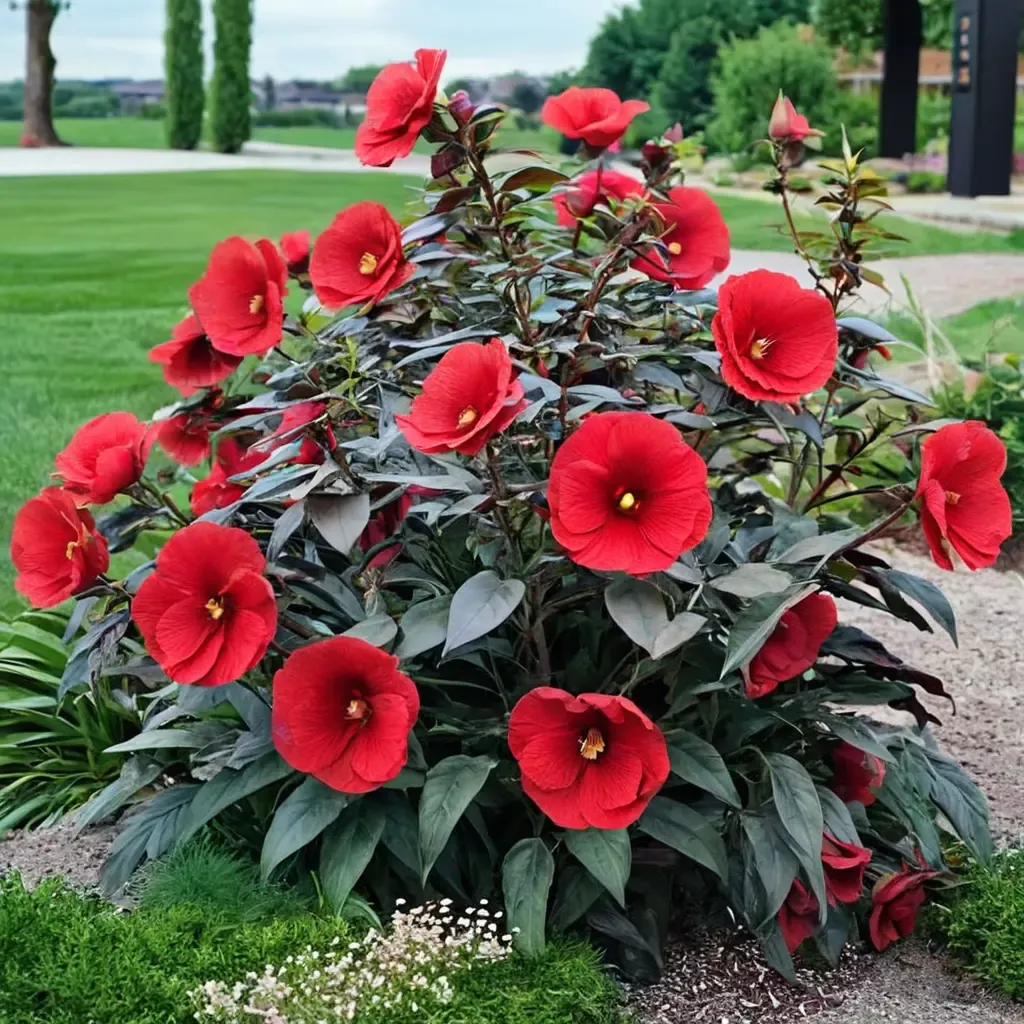
Midnight Marvel Swamp Hibiscus
Hibiscus moscheutos 'Midnight Marvel'
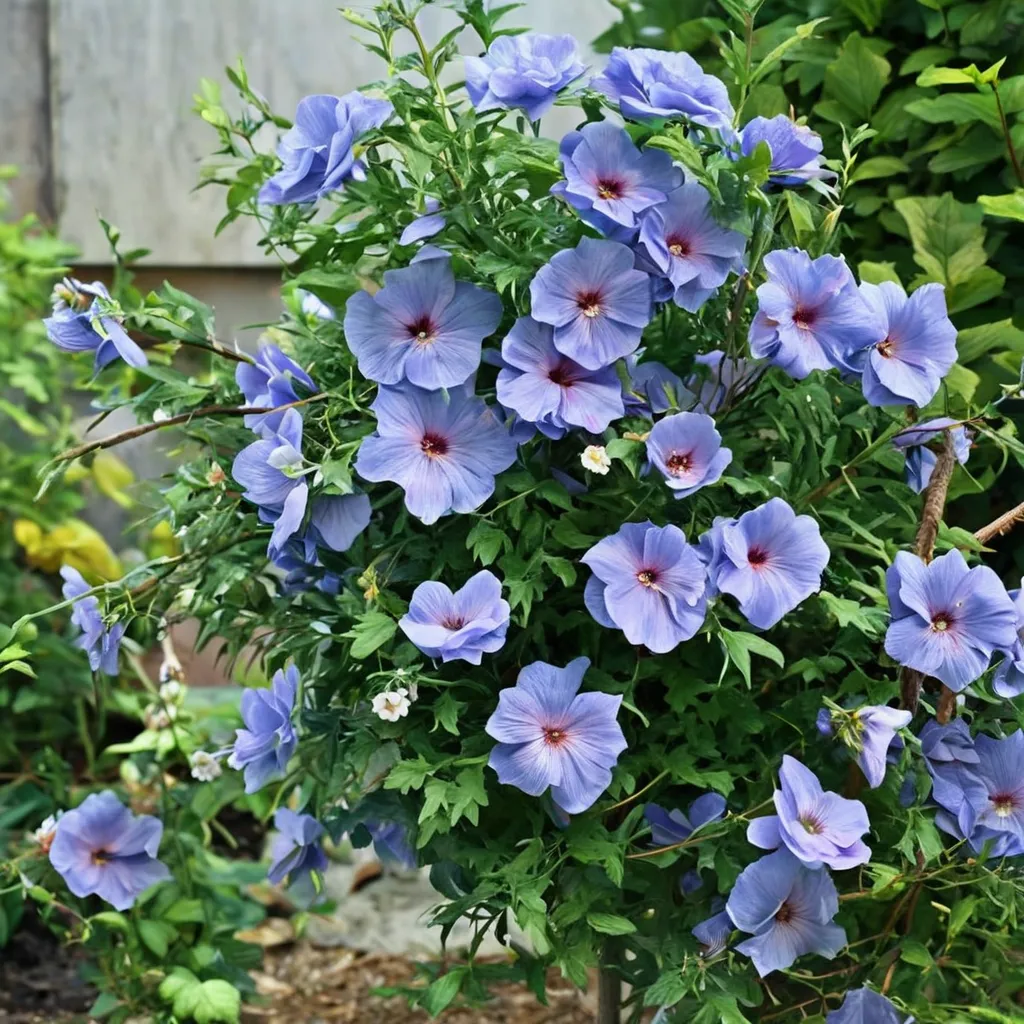
Rose of Sharon Hibiscus
Hibiscus syriacus 'Azurri Blue Satin'
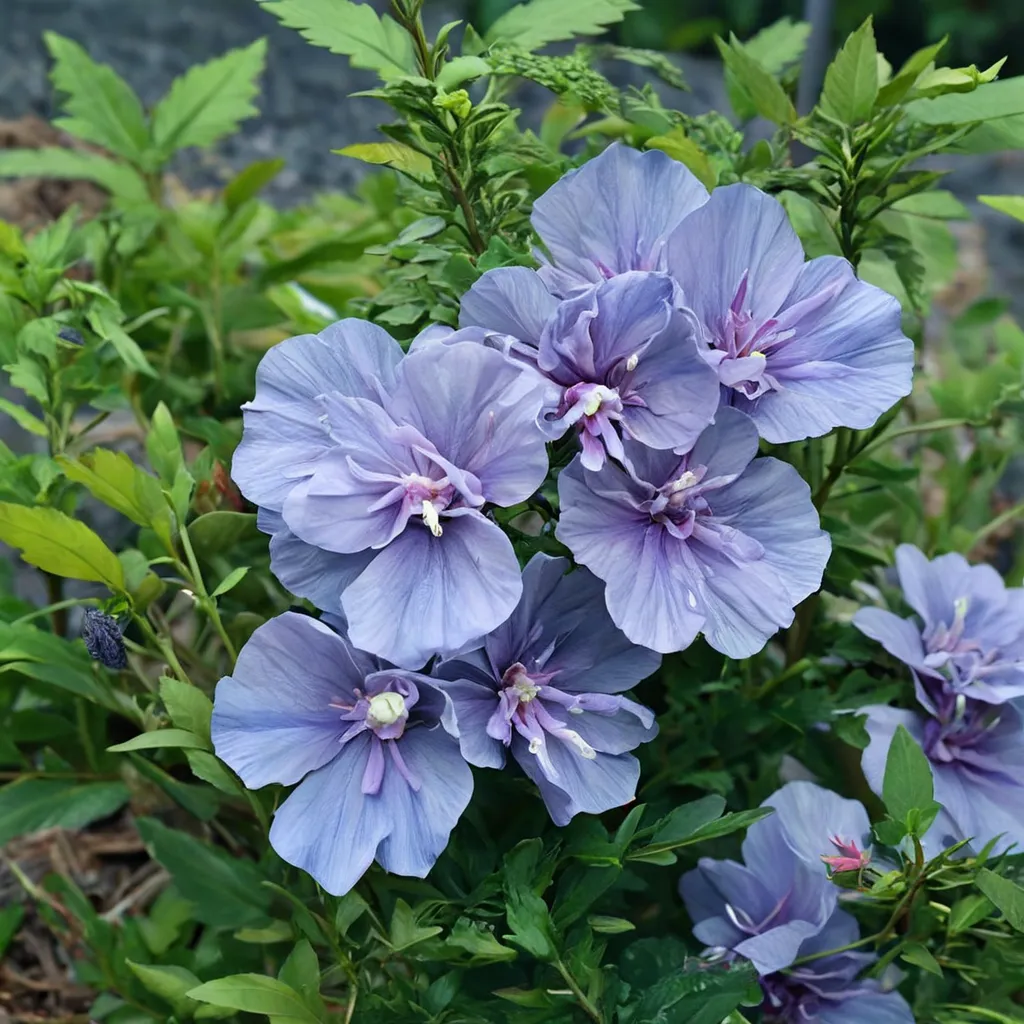
Blue Chiffon Rose of Sharon
Hibiscus syriacus 'Blue Chiffon'
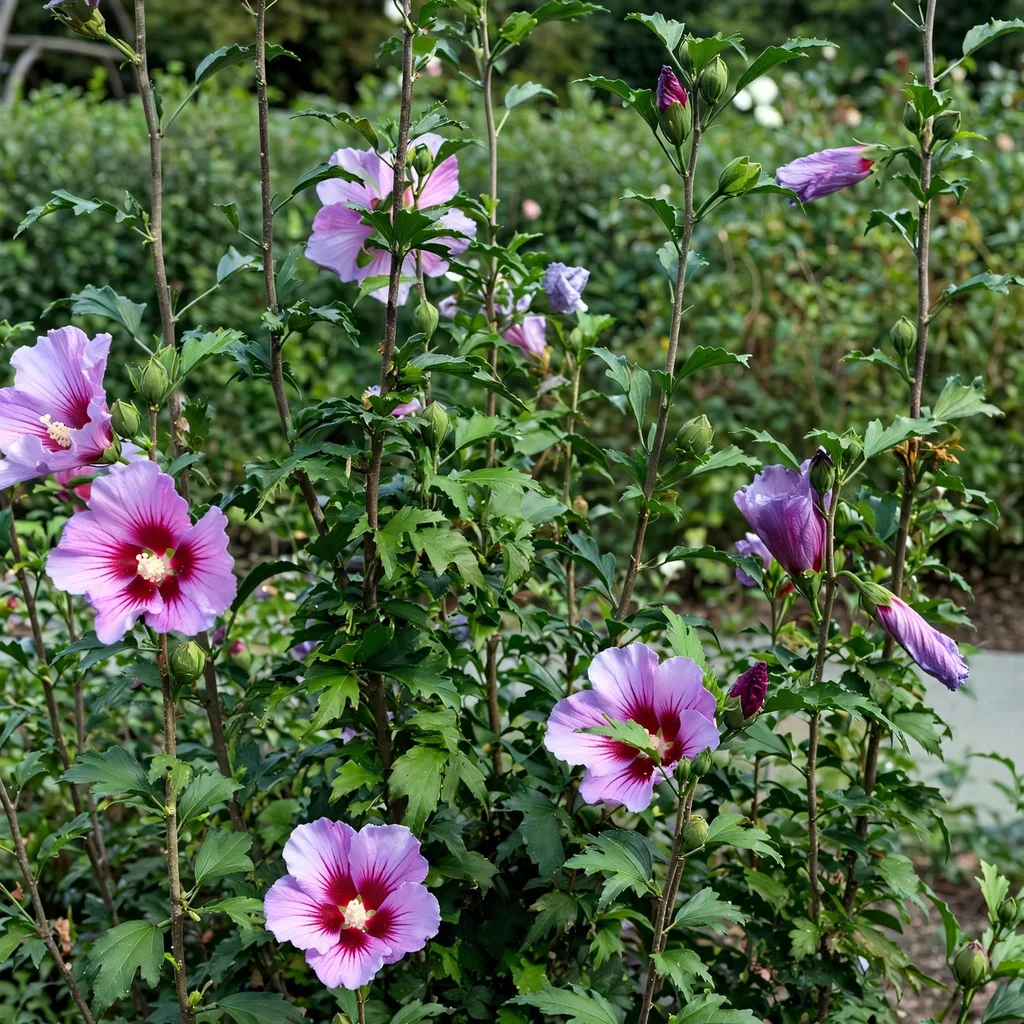
Purple Pillar Hibiscus
Hibiscus syriacus 'Purple Pillar'
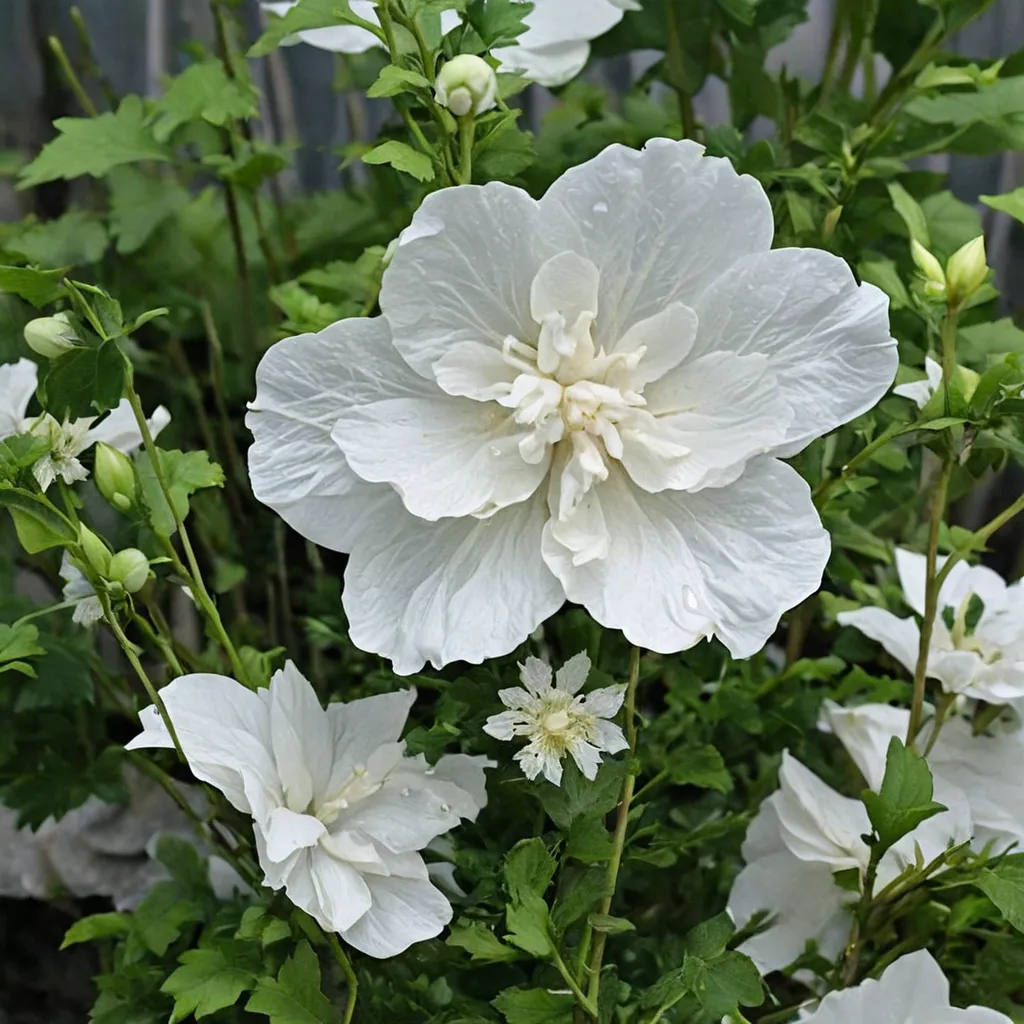
White Chiffon Hibiscus
Hibiscus syriacus 'White Chiffon'
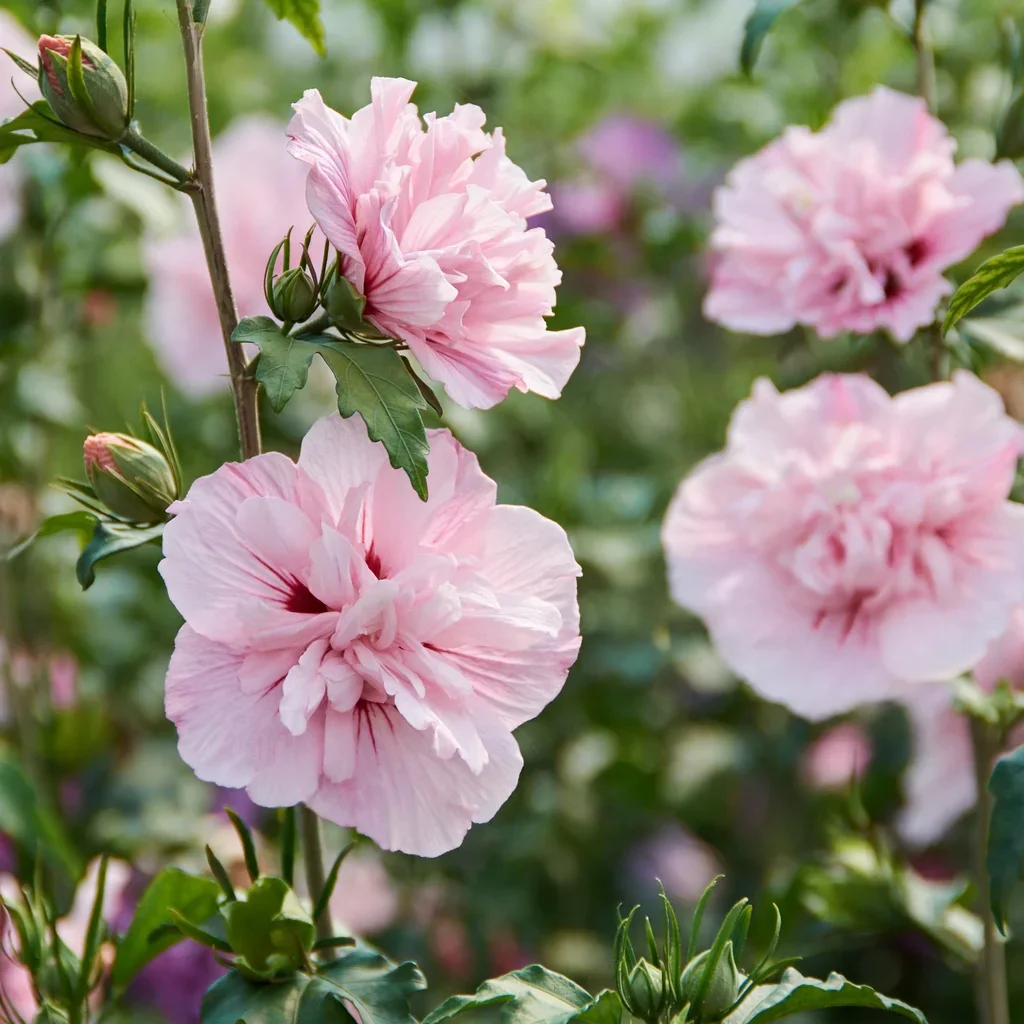
Pink Chiffon Rose of Sharon
Hibiscus syriacus 'Pink Chiffon'
Keep exploring
Hardy in your zone?
Grow Bladder Ketmia with confidence
See it in a design of your actual yard, get zone-matched care reminders, and track it season by season in your garden journal.