The Story
Plant Bio
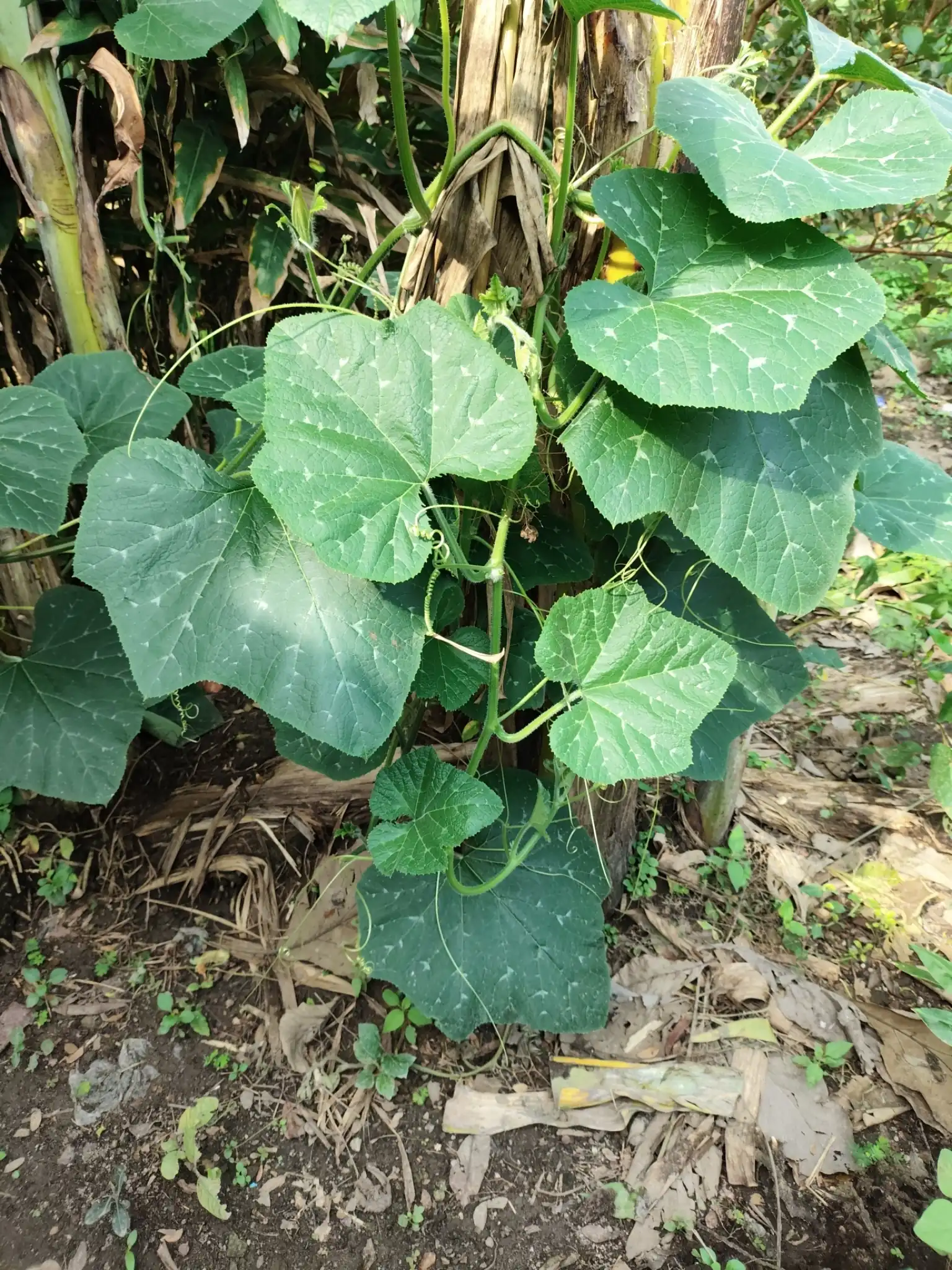
Cucurbita moschata, the butternut squash, is a creeping, vine-like herbaceous annual that trails extensively along the ground or climbs via branching tendrils. The velvety-hairy, broad-ovate leaves frequently feature white blotches along the veins and frame single, bell-shaped yellow flowers that bloom from summer to late summer.
This species is distinguished by its high tolerance for heat and humidity compared to other winter squashes, though it remains highly sensitive to frost. The developing fruits require elevation off damp soil to prevent ground rot before the stems turn corky and ridged at maturity.
Uses & Benefits:
Essentials
At a Glance
Plant Type
Fruit Vegetable
Height
18"
Width
180"
Light
Full Sun
Zones
4, 5, 6, 7, 8, 9, 10
Water
Medium
Humidity
High
Lifespan
Annual
Native To
Central America, South America
Toxicity
Non-toxic
Bloom period
Summer – Late summer
In flower about 3 months of the year
Planting
How to Grow
- Sow seeds directly in the garden after the last frost once soil temperatures reach 65°F, or start indoors three weeks prior.
- Incorporate generous amounts of organic compost or a balanced slow-release fertilizer into the planting site.
- Space plants to accommodate the extensive trailing vines, or provide sturdy vertical supports for tendrils to climb.
- Side-dress with a potassium-rich fertilizer when the first yellow flowers appear to support fruit development.
Pro Tip
Delay harvest until the fruit stem turns beige, corky, and deeply ridged; cutting the vines earlier stops the flow of essential photosynthates and prevents the squash from curing properly.
Keep It Thriving
Care Guide
Do
- Place developing squashes on straw, plastic mats, or wooden boards to isolate them from damp soil.
- Water deeply at the base of the plant to keep soil consistently moist during active growth.
- Pinch back the tips of primary runners once they reach the limits of your growing space to manage sprawl.
Don't
- Do not overhead water, as wet foliage combined with high humidity encourages powdery and downy mildew.
- Avoid heavy pruning of the vines, as the developing fruit relies on maximum leaf surface area to size up.
- Do not harvest the squash while the stem is still green and smooth, which leads to poor storage life.
Seasonal Care Calendar
| Task | Jan | Feb | Mar | Apr | May | Jun | Jul | Aug | Sep | Oct | Nov | Dec |
|---|---|---|---|---|---|---|---|---|---|---|---|---|
| Fertilize | ||||||||||||
| Harvest | ||||||||||||
| Pest Check | ||||||||||||
| Pinch | ||||||||||||
| Plant |
Watch Out For
Pests & Diseases
Common Pests
Common Diseases
In the Garden
Landscape Uses & Companions
Landscape Uses
Companion Plants
Multiply
Propagation Methods
Good to Know
Common Questions
Butternut Squash questions
What zones can Butternut Squash grow in?
Butternut Squash is hardy in USDA Zones 4–10. Inside that range it survives winter in the ground; outside it, grow it as an annual or a container plant you protect.
Is Butternut Squash deer resistant?
Not reliably. Deer may browse Butternut Squash, especially tender spring growth — plan on repellents or fencing where pressure is high.
When does Butternut Squash bloom?
Butternut Squash typically blooms in summer through late summer. Exact timing shifts a week or two with your zone — Sow's bloom calendar maps it to your garden.
Does Butternut Squash need full sun?
Butternut Squash does best in full sun (6+ hours).
More Cucurbita to compare
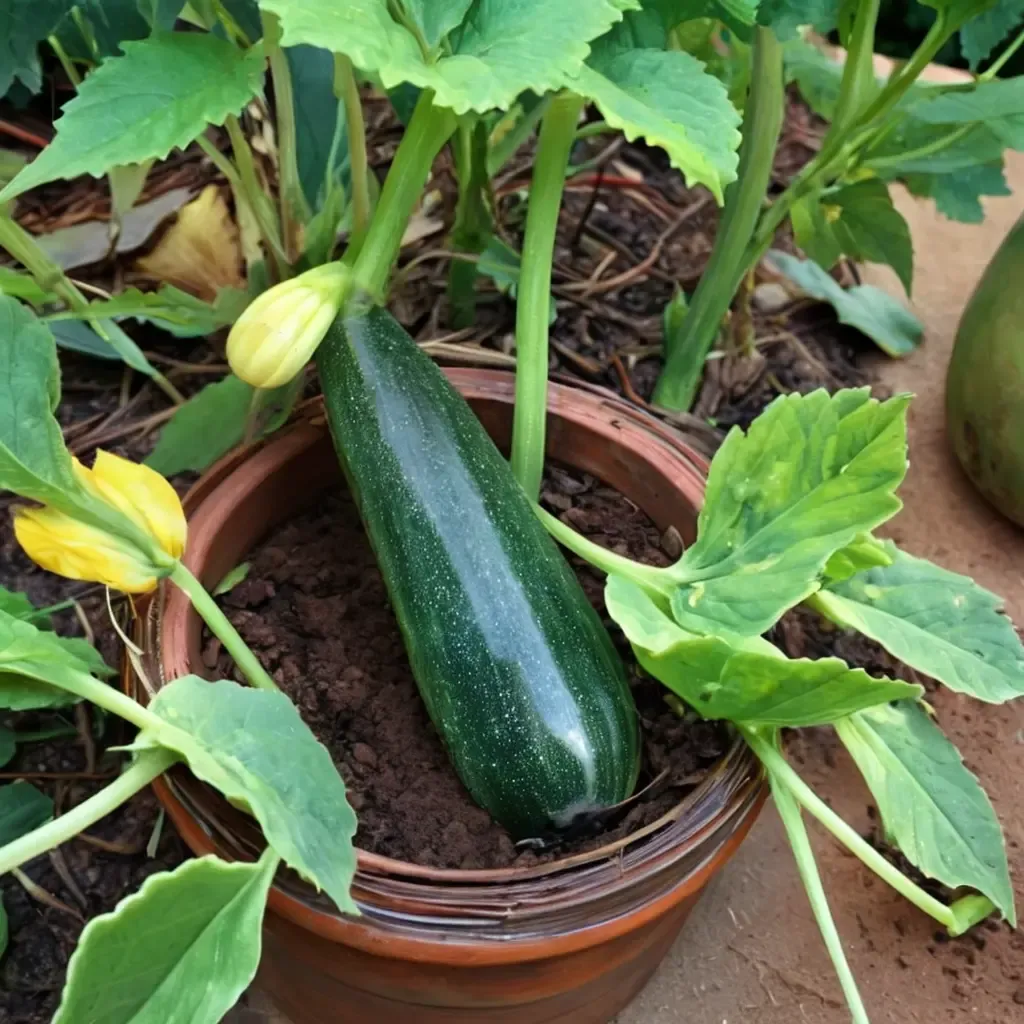
Astia Zucchini
Cucurbita pepo 'Astia'
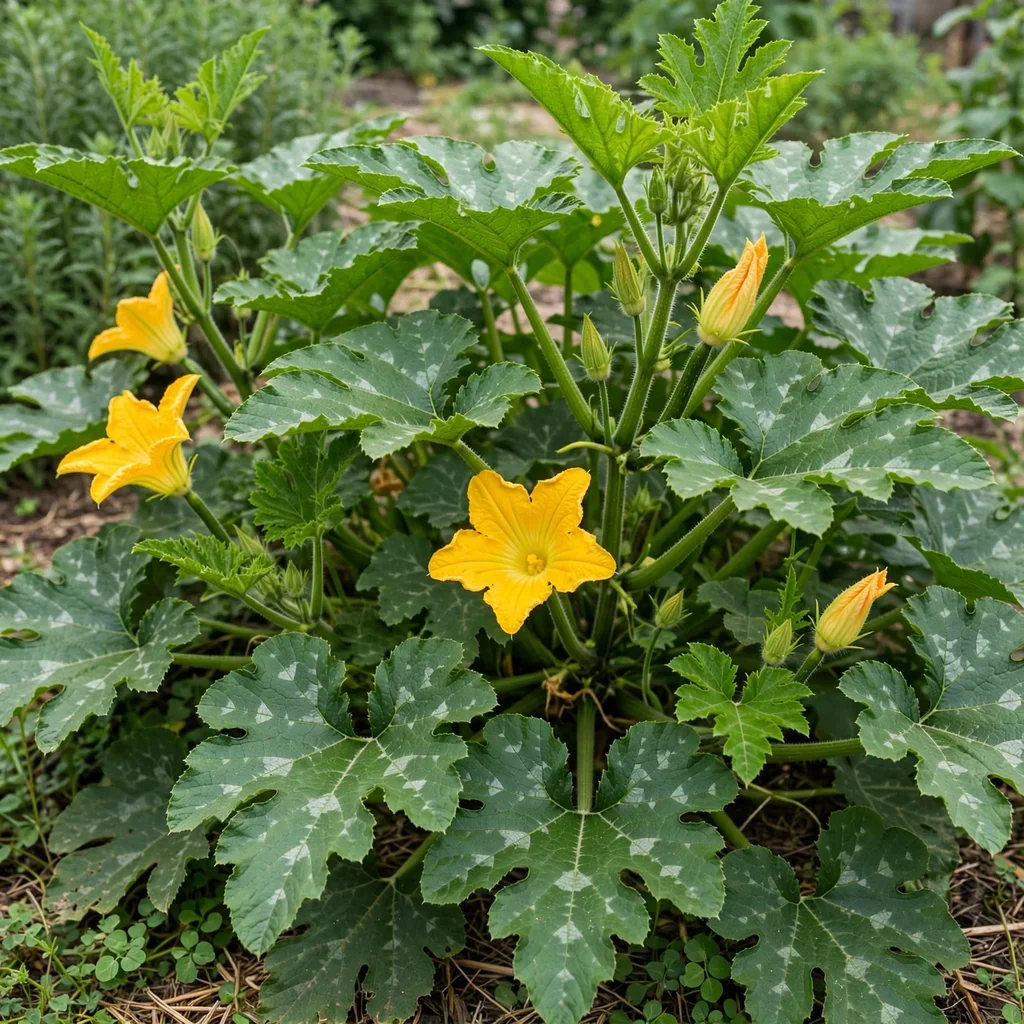
Summer Squash
Cucurbita pepo 'Summer Squash'
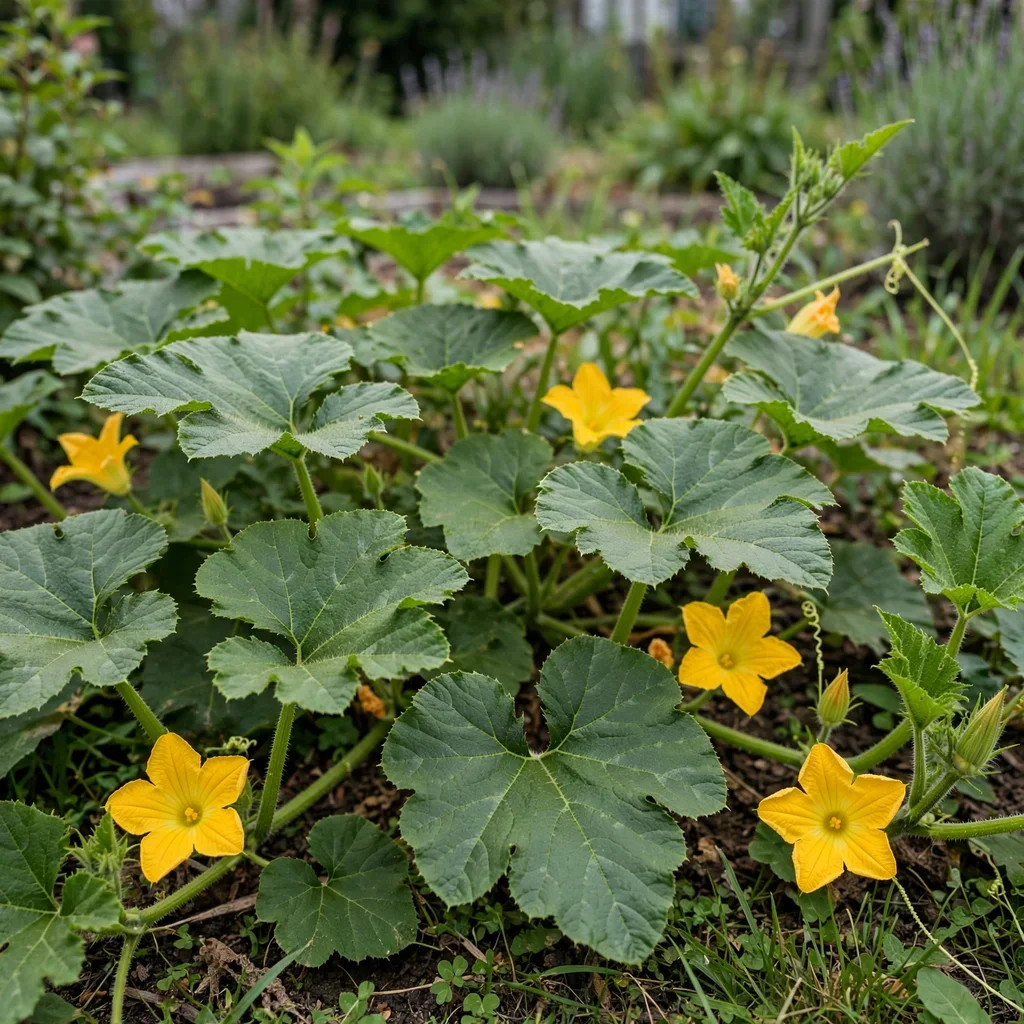
Baby Bear Pumpkin
Cucurbita pepo 'Baby Bear'
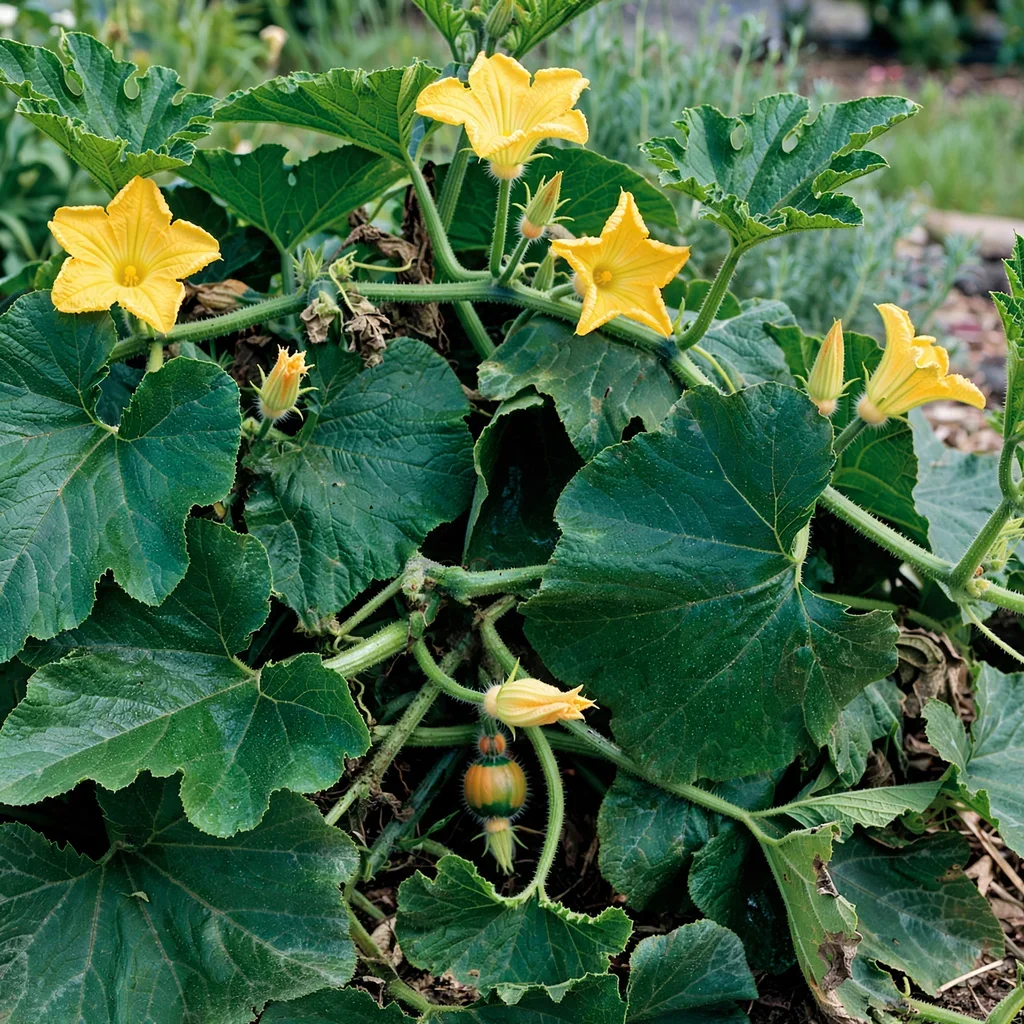
Potimarron Squash
Cucurbita maxima 'Potimarron'
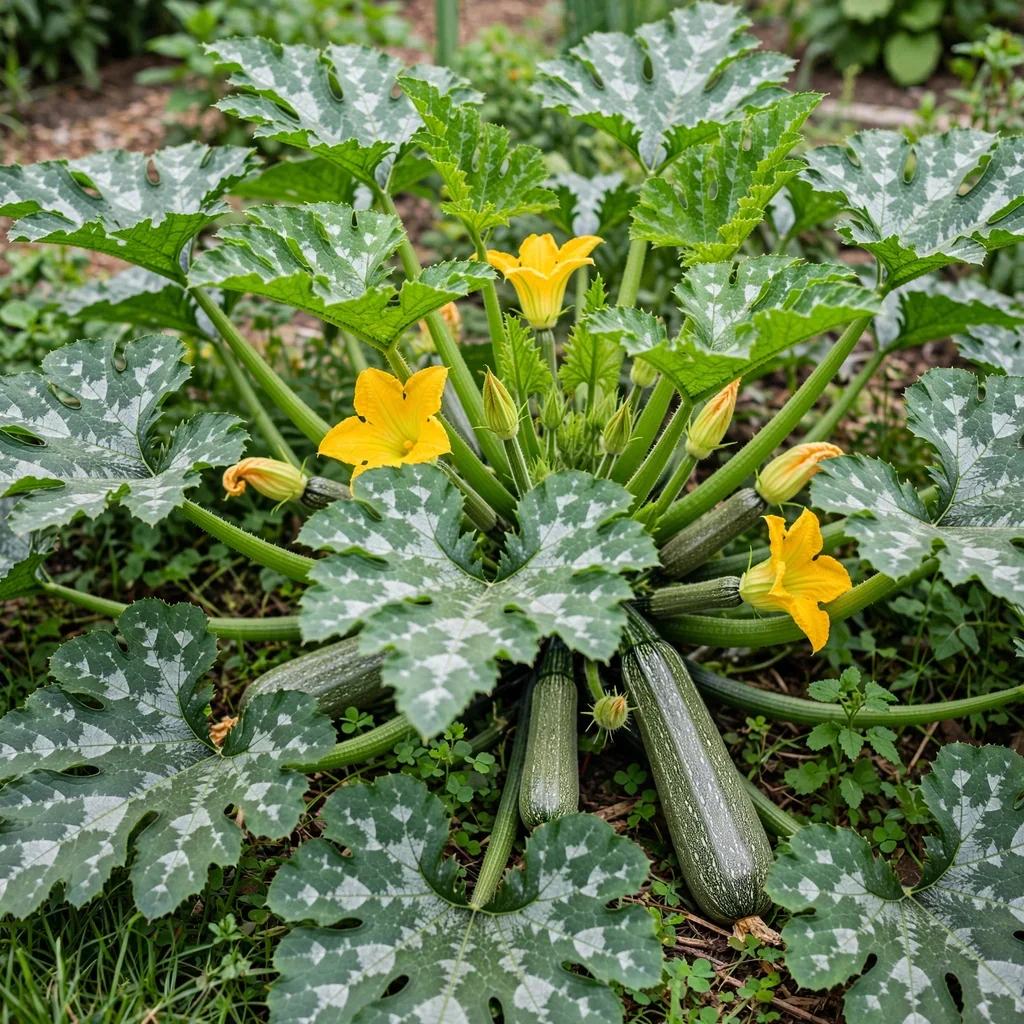
Reno zucchini
Cucurbita pepo 'Reno'
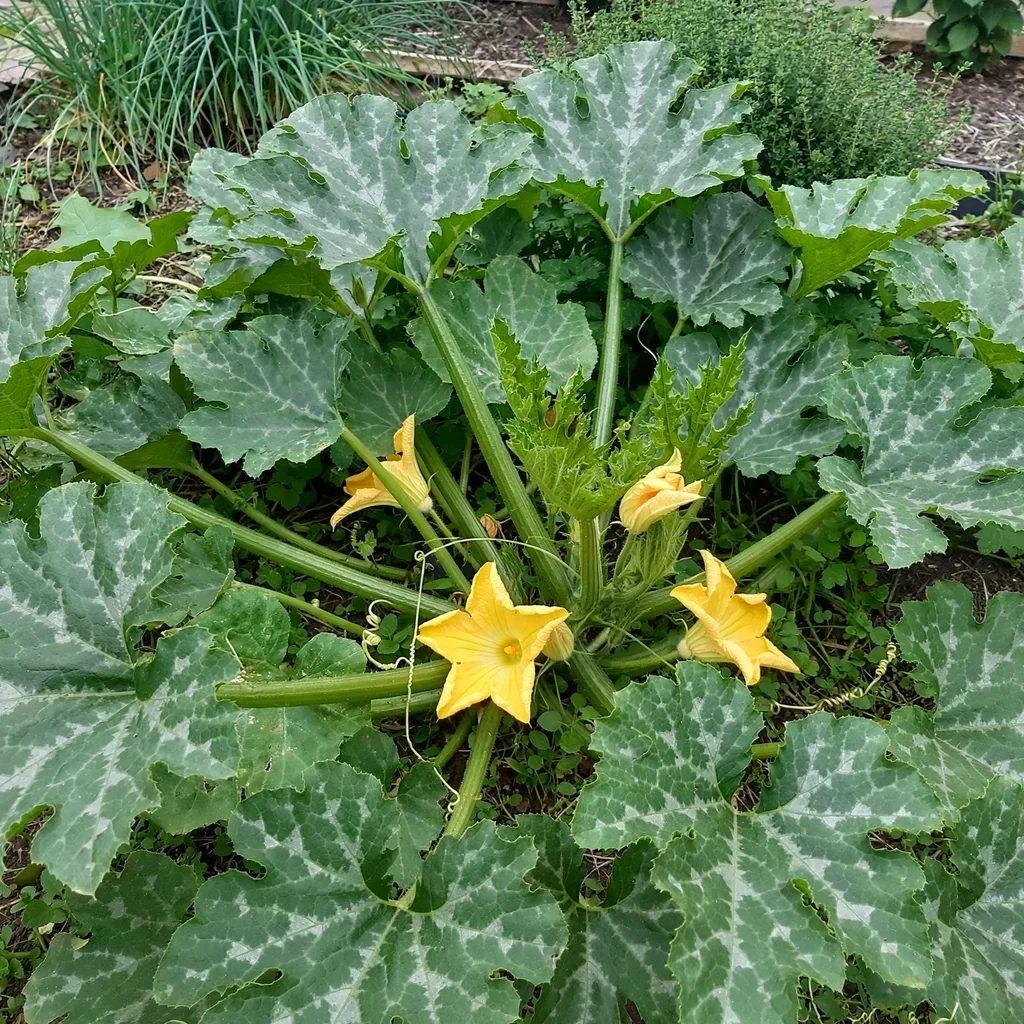
Ronde de Nice Squash
Cucurbita pepo 'Ronde de Nice'
Keep exploring
Explore the genus
Grow Butternut Squash with confidence
See it in a design of your actual yard, get zone-matched care reminders, and track it season by season in your garden journal.