1 named cultivar

The Story
Plant Bio
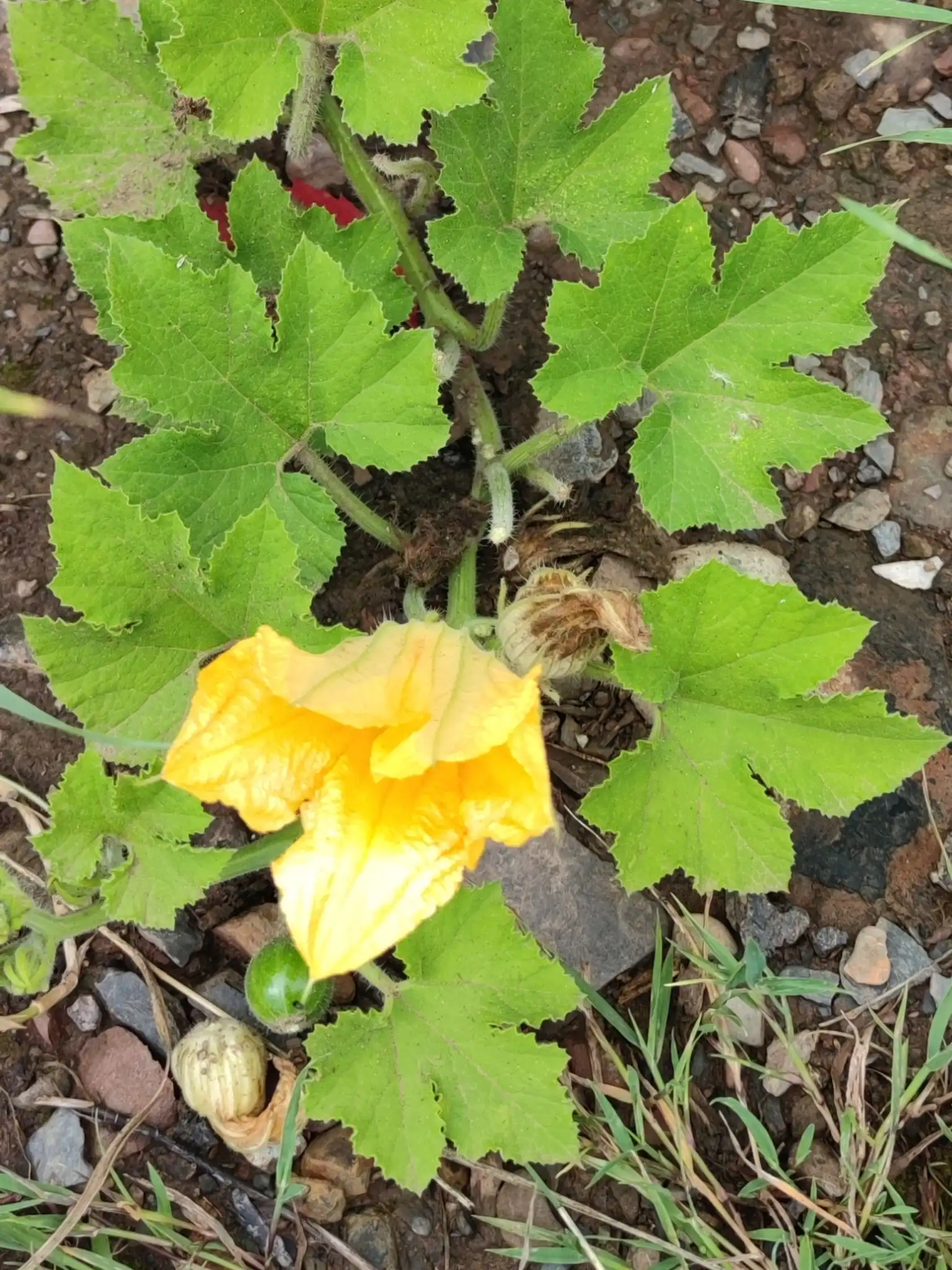
Cucurbita maxima is the squash species behind hubbard, buttercup, kabocha and the giant pumpkins, a trailing warm-season annual from South America. Large rough prickly leaves with palmate veining rise from running stems, funnel-shaped yellow flowers three to six inches across open in summer, and the fruit stalk is round and corky rather than ridged.
This is the species behind every record-breaking giant pumpkin, and the soft round stalk is what distinguishes it from the hard ridged stem of Cucurbita pepo. Its fruit generally stores longer and tastes sweeter than pepo squashes, which is why kabocha and buttercup types belong here. Vines run ten feet or more, so it needs real ground.
Uses & Benefits:
Essentials
At a Glance
Plant Type
Fruit Vegetable
Height
24"
Width
180"
Light
Full Sun
Zones
4, 5, 6, 7, 8, 9, 10
Water
Moderate to high
Humidity
Moderate
Lifespan
Annual
Native To
South America
Toxicity
Edible; discard any bitter fruit
Planting
How to Grow
- Sow after all frost into thoroughly warm soil.
- Give it full sun and rich, freely draining ground.
- Allow ten feet or more of run per plant.
- Water deeply and evenly while fruit swells.
- Leave a few inches of stalk when cutting fruit.
- Cure winter squash warm for a week before storing.
Pro Tip
Cut the fruit with a few inches of stalk attached — a squash snapped off at the shoulder rots within weeks instead of storing.
Keep It Thriving
Care Guide
Do
- Give each plant ten feet of run 📏
- Water deeply while fruit swells 💧
- Leave a stalk on cut fruit 🎃
- Cure winter squash before storing 🌡️
Don't
- Sow into cold soil ❌
- Snap fruit off at the shoulder ❌
- Store uncured squash ❌
Seasonal Care Calendar
| Task | Jan | Feb | Mar | Apr | May | Jun | Jul | Aug | Sep | Oct | Nov | Dec |
|---|---|---|---|---|---|---|---|---|---|---|---|---|
| Harvest | ||||||||||||
| Sow |
Watch Out For
Pests & Diseases
Common Pests
Common Diseases
In the Garden
Landscape Uses & Companions
Landscape Uses
Multiply
Propagation Methods
Good to Know
Common Questions
Squash questions
What zones can Squash grow in?
Squash is hardy in USDA Zones 4–10. Inside that range it survives winter in the ground; outside it, grow it as an annual or a container plant you protect.
Is Squash deer resistant?
Not reliably. Deer may browse Squash, especially tender spring growth — plan on repellents or fencing where pressure is high.
When does Squash bloom?
Squash typically blooms in mid-summer through late summer. Exact timing shifts a week or two with your zone — Sow's bloom calendar maps it to your garden.
Does Squash need full sun?
Squash does best in full sun (6+ hours).
More Cucurbita to compare
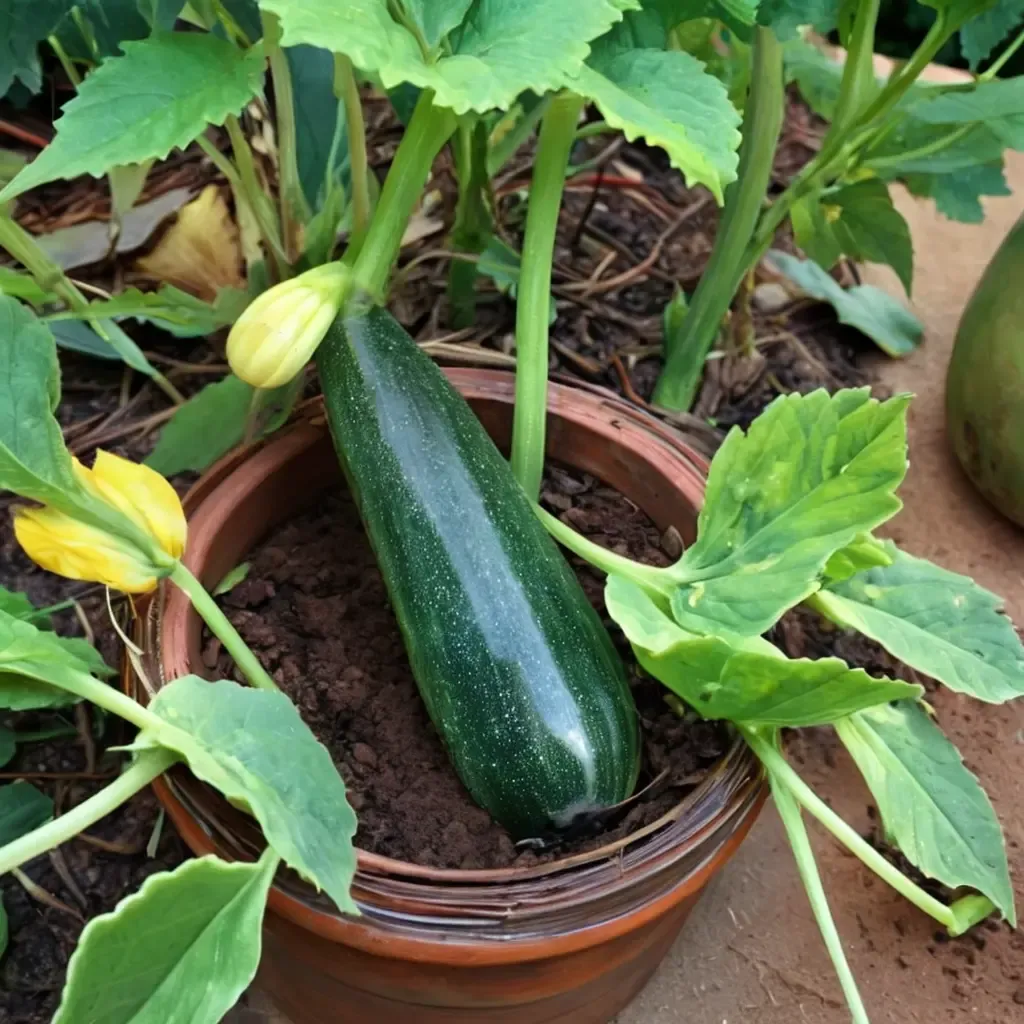
Astia Zucchini
Cucurbita pepo 'Astia'
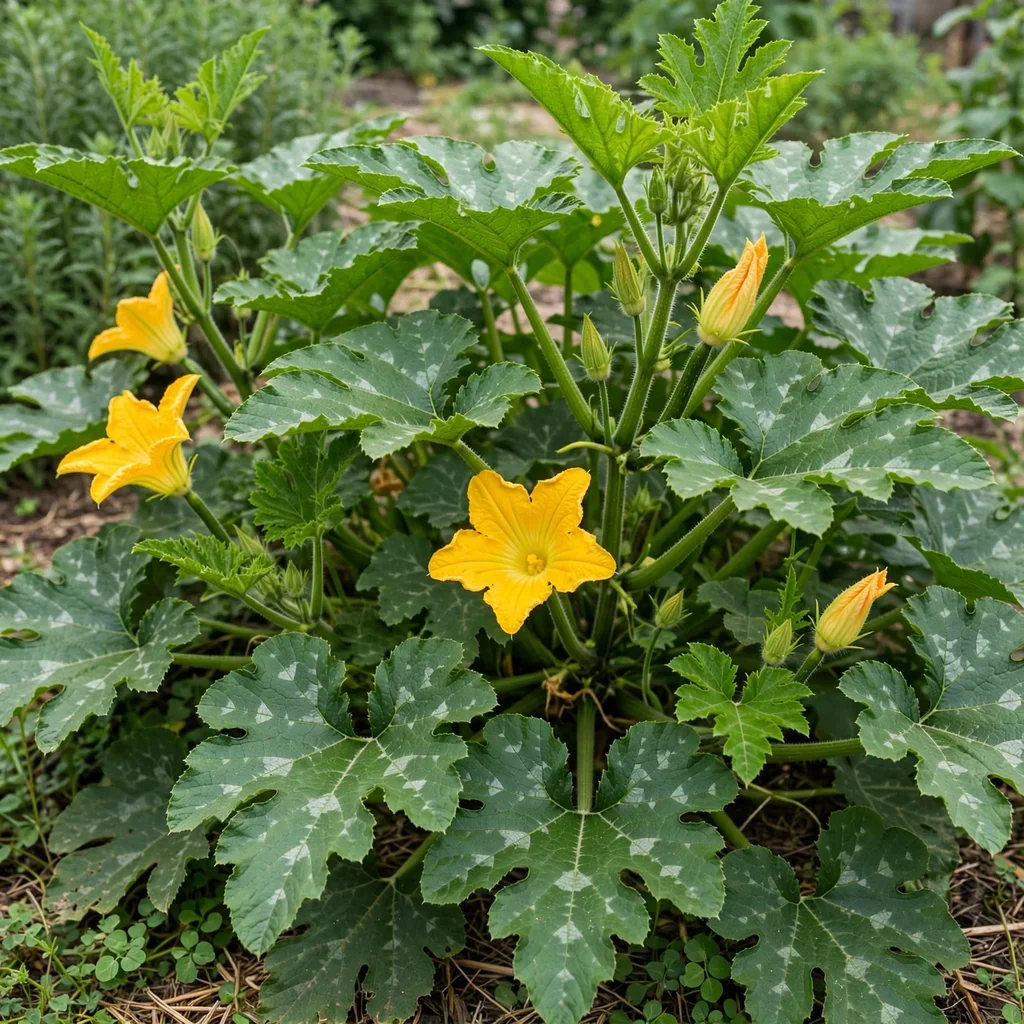
Summer Squash
Cucurbita pepo 'Summer Squash'
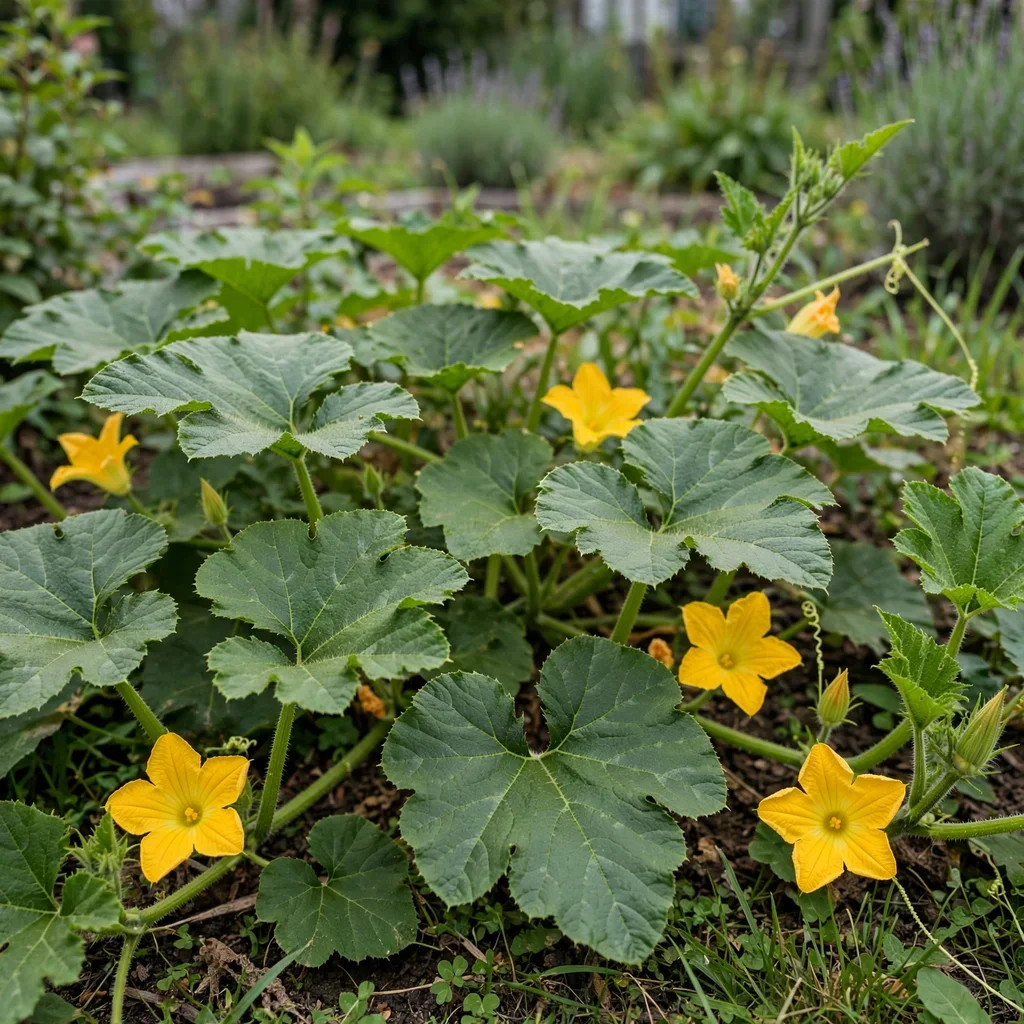
Baby Bear Pumpkin
Cucurbita pepo 'Baby Bear'
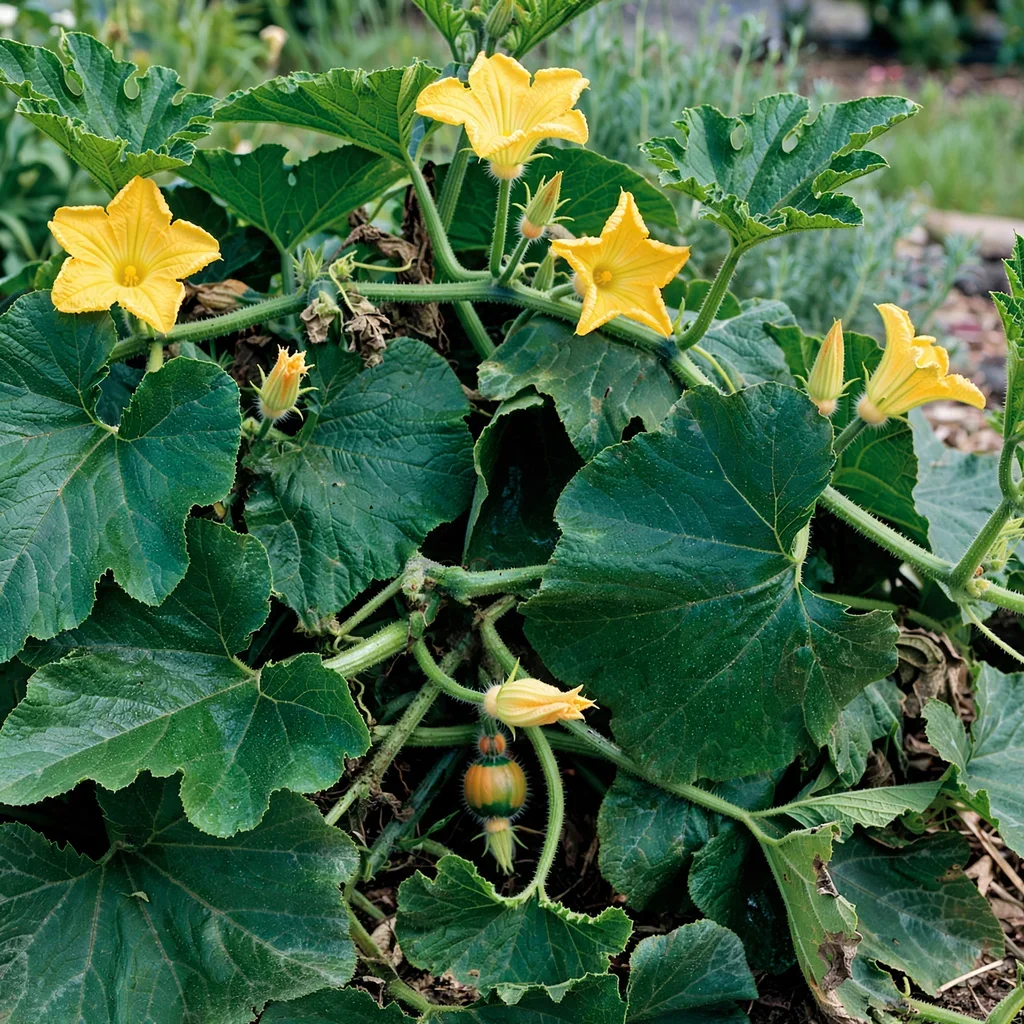
Potimarron Squash
Cucurbita maxima 'Potimarron'
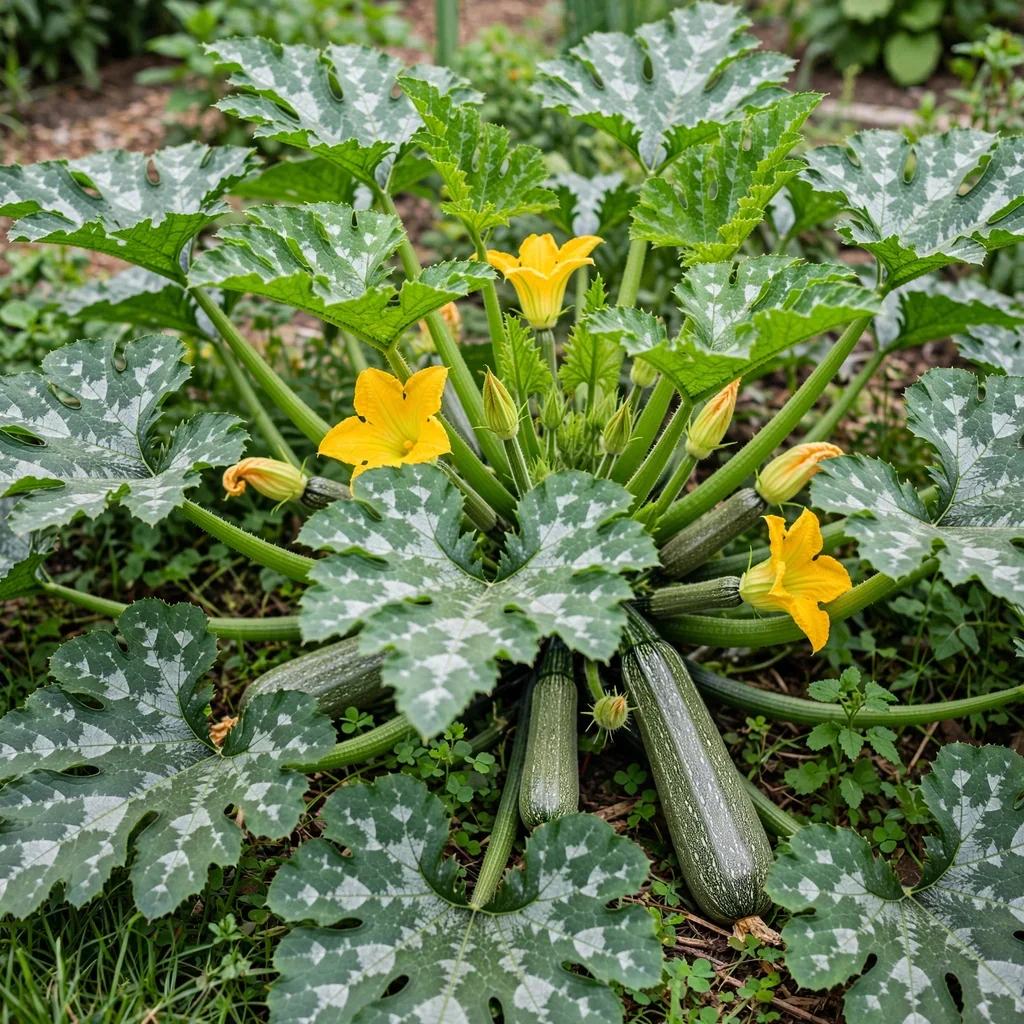
Reno zucchini
Cucurbita pepo 'Reno'
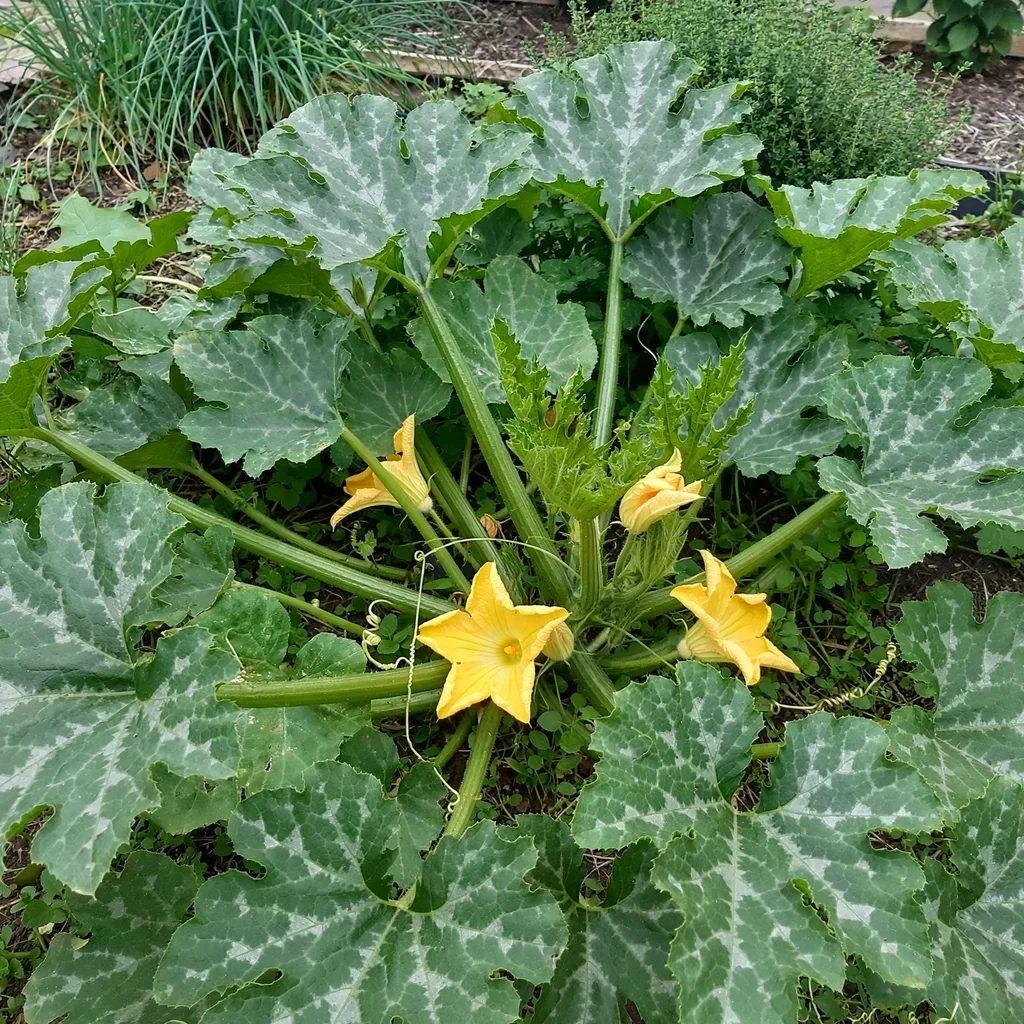
Ronde de Nice Squash
Cucurbita pepo 'Ronde de Nice'
Keep exploring
Explore the genus
Grow Squash with confidence
See it in a design of your actual yard, get zone-matched care reminders, and track it season by season in your garden journal.