The Story
Plant Bio
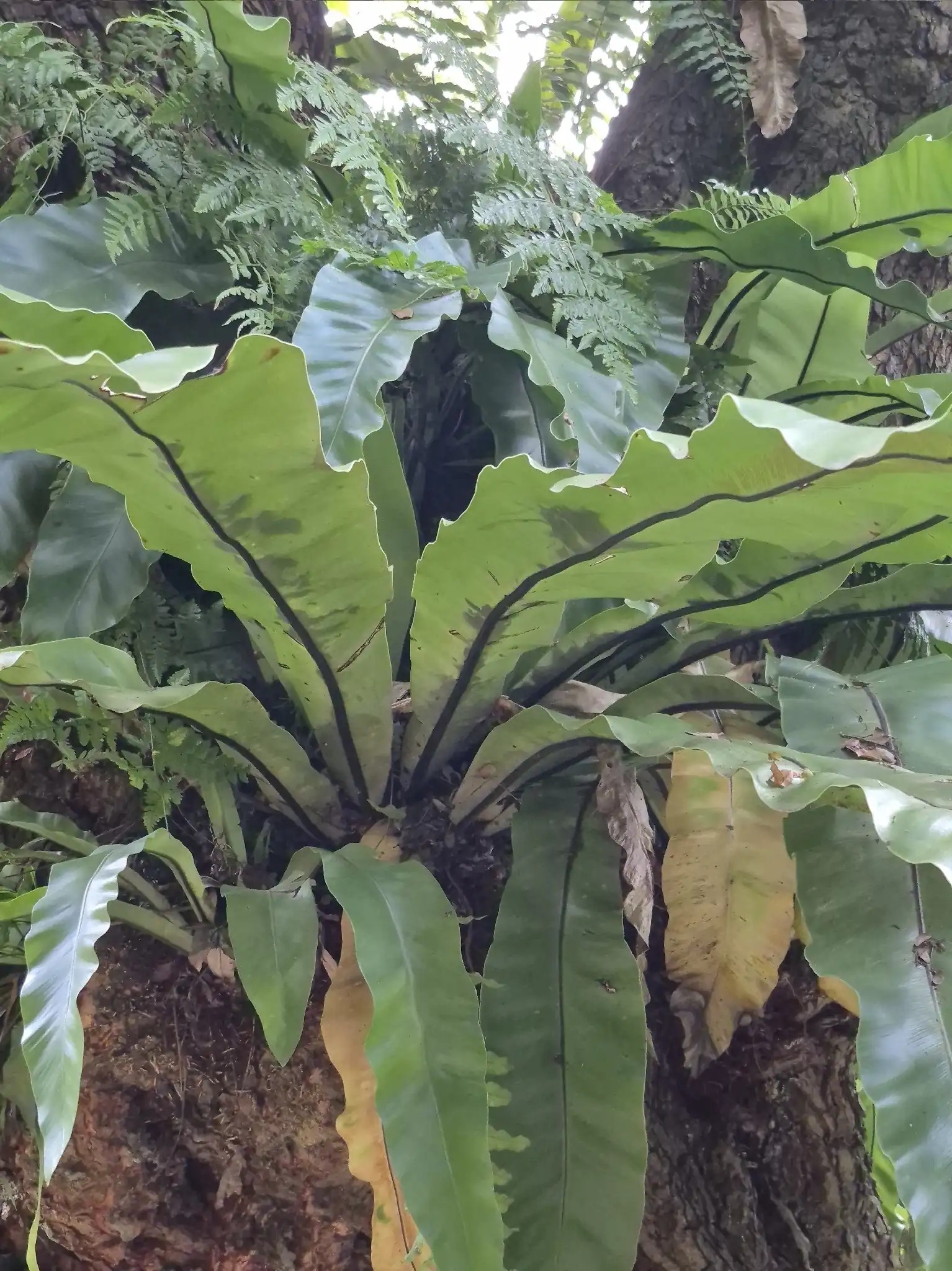
Asplenium nidus is an evergreen epiphytic fern that forms a symmetrical, vase-shaped rosette of glossy, strap-like fronds. Naturally growing on trees and rocks in tropical forests, it collects organic debris and moisture in its central, nest-like crown.
The simple, undivided fronds feature slightly undulating margins and a prominent dark brown to black midrib. New growth emerges from the center of the rosette as tightly unfurled, bright apple-green croziers.
Uses & Benefits:
Essentials
At a Glance
Plant Type
Fern
Height
60"
Width
60"
Light
Partial Sun, Shade
Zones
10
Water
Medium
Humidity
High
Lifespan
Long-lived
Native To
Asia, Oceania, Africa
Toxicity
Non-toxic
Marketplace
Where to Buy
Shipping costs Year-round shipping Free shipping
Planting
How to Grow
- Plant in a highly porous, humus-rich medium such as a peat- or coir-based mix amended with perlite and leaf mold.
- Position in bright indirect light indoors, or in a sheltered, fully shaded spot outdoors in frost-free climates.
- Water regularly when the top surface of the medium feels slightly dry, keeping the root zone consistently moist but never waterlogged.
- Maintain high humidity around the plant and protect it from cold drafts, dry air, and harsh midday sun.
Pro Tip
Never pour water, fertilizer, or pesticides directly into the central nest funnel, as trapped moisture quickly causes fatal bacterial crown rot; always apply water and nutrients directly to the surrounding soil medium.
Keep It Thriving
Care Guide
Do
- Water the soil medium directly rather than the foliage.
- Maintain high humidity through misting or a gravel tray.
- Handle the plant strictly by its pot or root ball to avoid bruising the fronds.
- Remove spent, browning outer fronds by cutting them gently at the base.
Don't
- Do not pour water or liquid fertilizer into the central rosette.
- Do not expose the plant to freezing temperatures or frost.
- Do not allow the potting medium to dry out completely.
- Do not use harsh chemical pesticide sprays on the fragile frond tissue.
Seasonal Care Calendar
| Task | Jan | Feb | Mar | Apr | May | Jun | Jul | Aug | Sep | Oct | Nov | Dec |
|---|---|---|---|---|---|---|---|---|---|---|---|---|
| Fertilize | ||||||||||||
| Pest Check | ||||||||||||
| Prune | ||||||||||||
| Winter Prep |
Watch Out For
Pests & Diseases
Common Pests
Common Diseases
In the Garden
Landscape Uses & Companions
Landscape Uses
Companion Plants
Multiply
Propagation Methods
Good to Know
Common Questions
Bird's-Nest Fern questions
What zones can Bird's-Nest Fern grow in?
Bird's-Nest Fern is hardy in USDA Zone 10. Inside that range it survives winter in the ground; outside it, grow it as an annual or a container plant you protect.
Does Bird's-Nest Fern need full sun?
Bird's-Nest Fern does best in part shade.
More Asplenium to compare
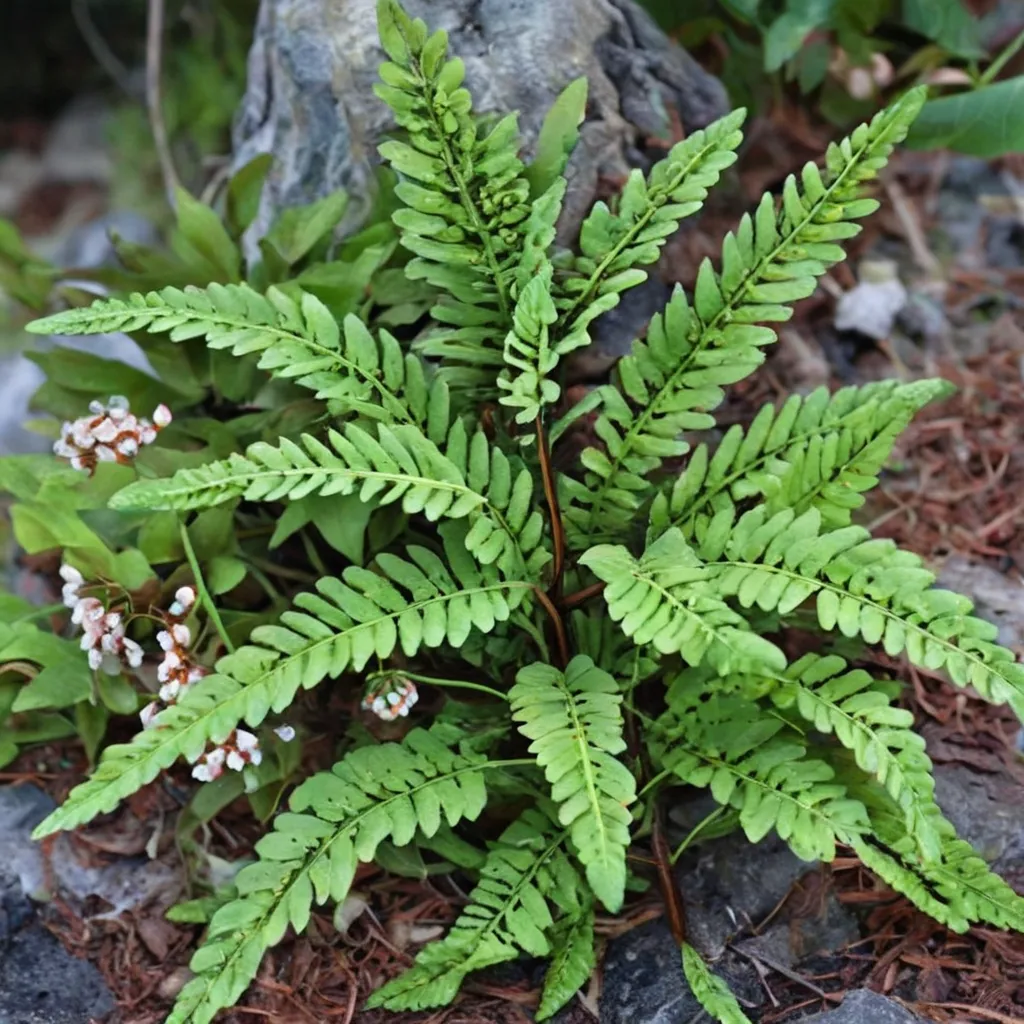
Maidenhair Spleenwort
Asplenium trichomanes
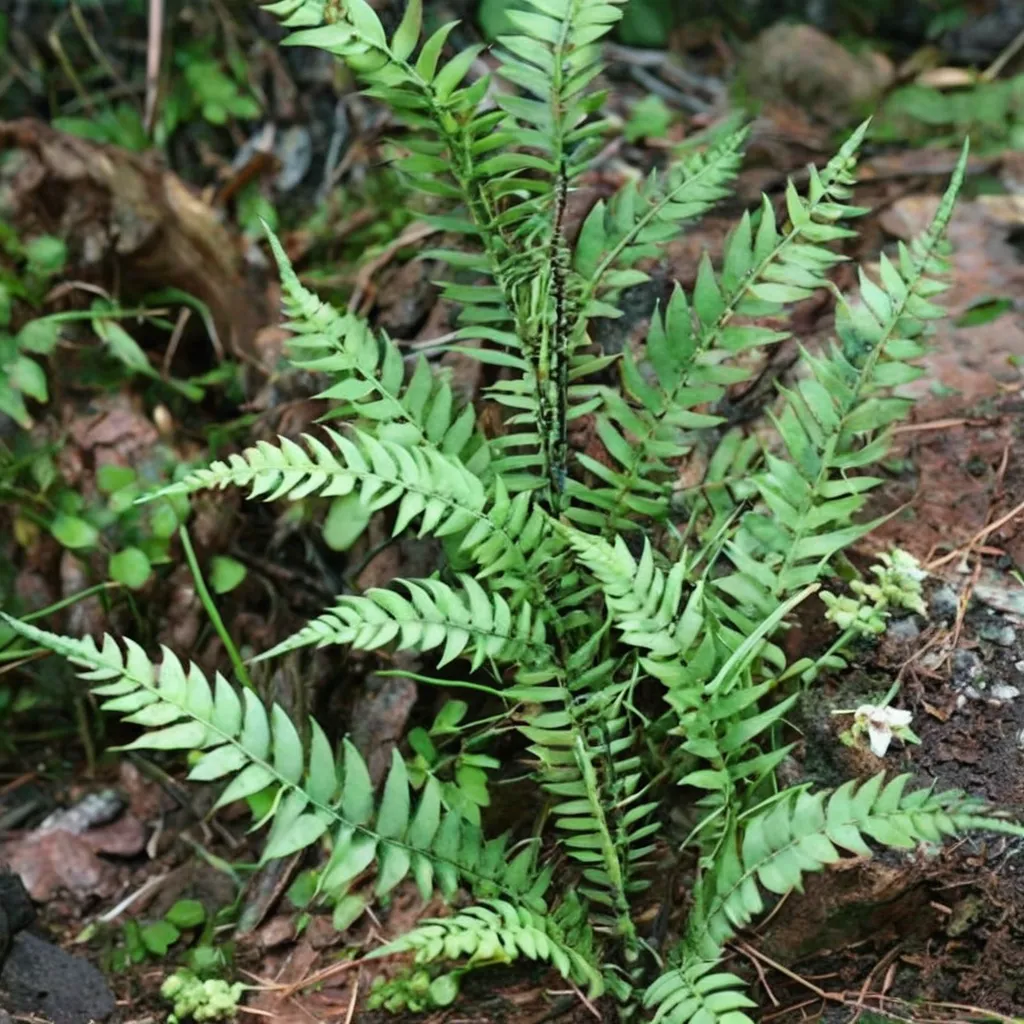
Brunswick Giant Ebony Spleenwort
Asplenium platyneuron 'Brunswick Giant'
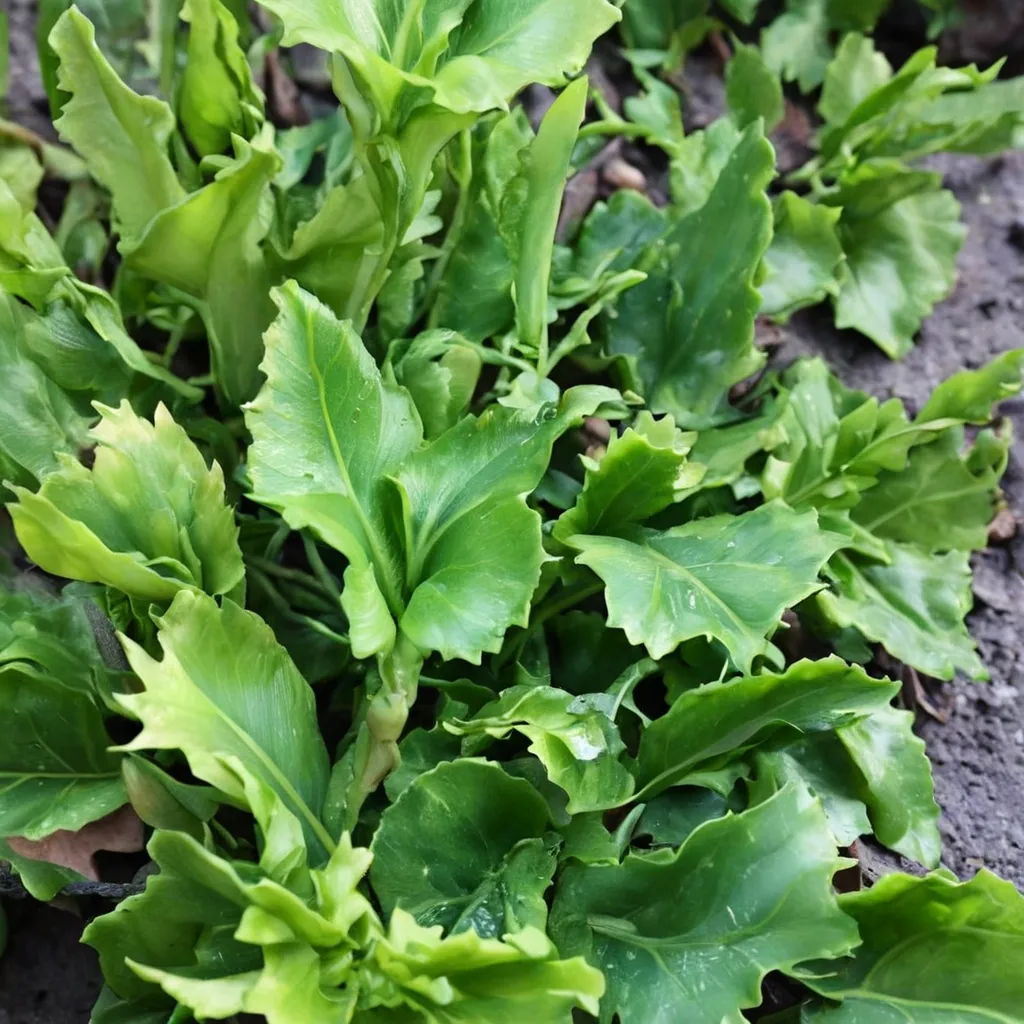
Cristatum Hart's Tongue Fern
Asplenium scolopendrium 'Cristatum'
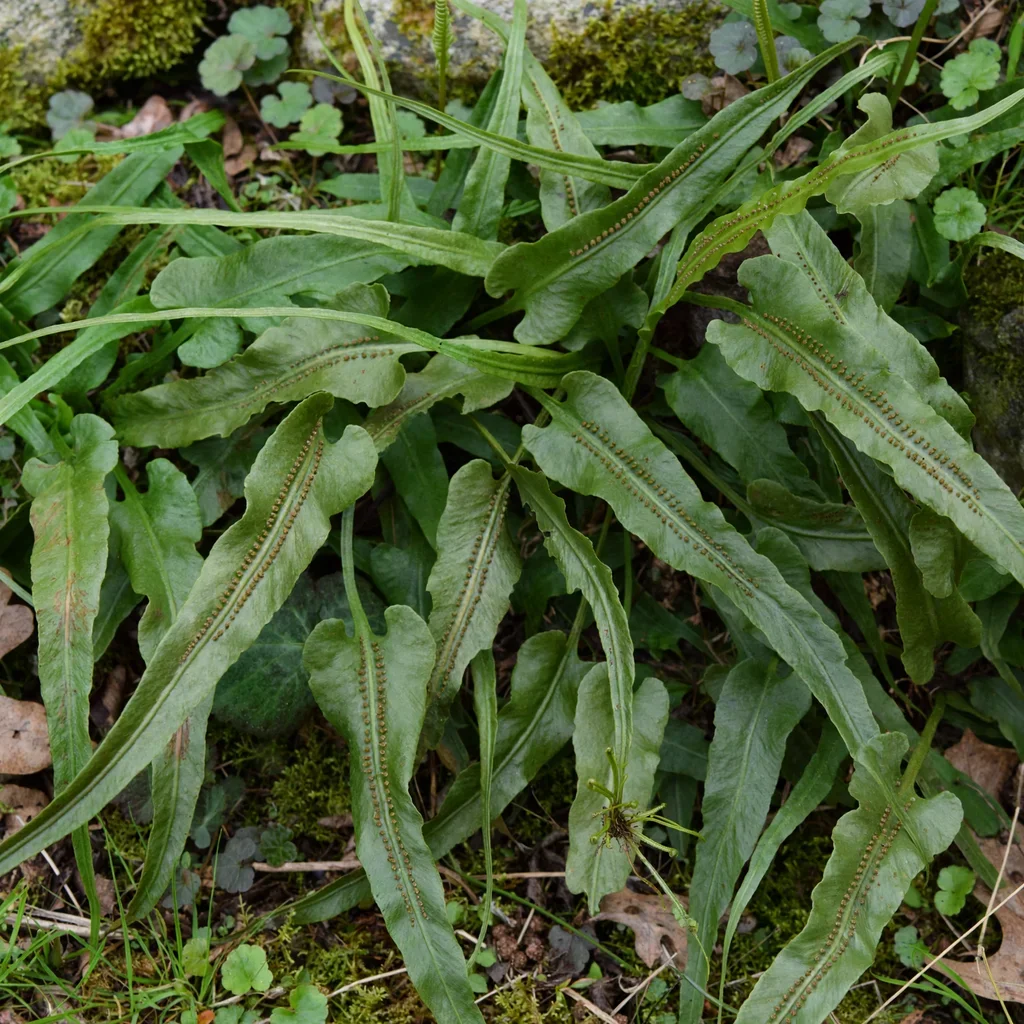
Walking Fern
Asplenium rhizophyllum
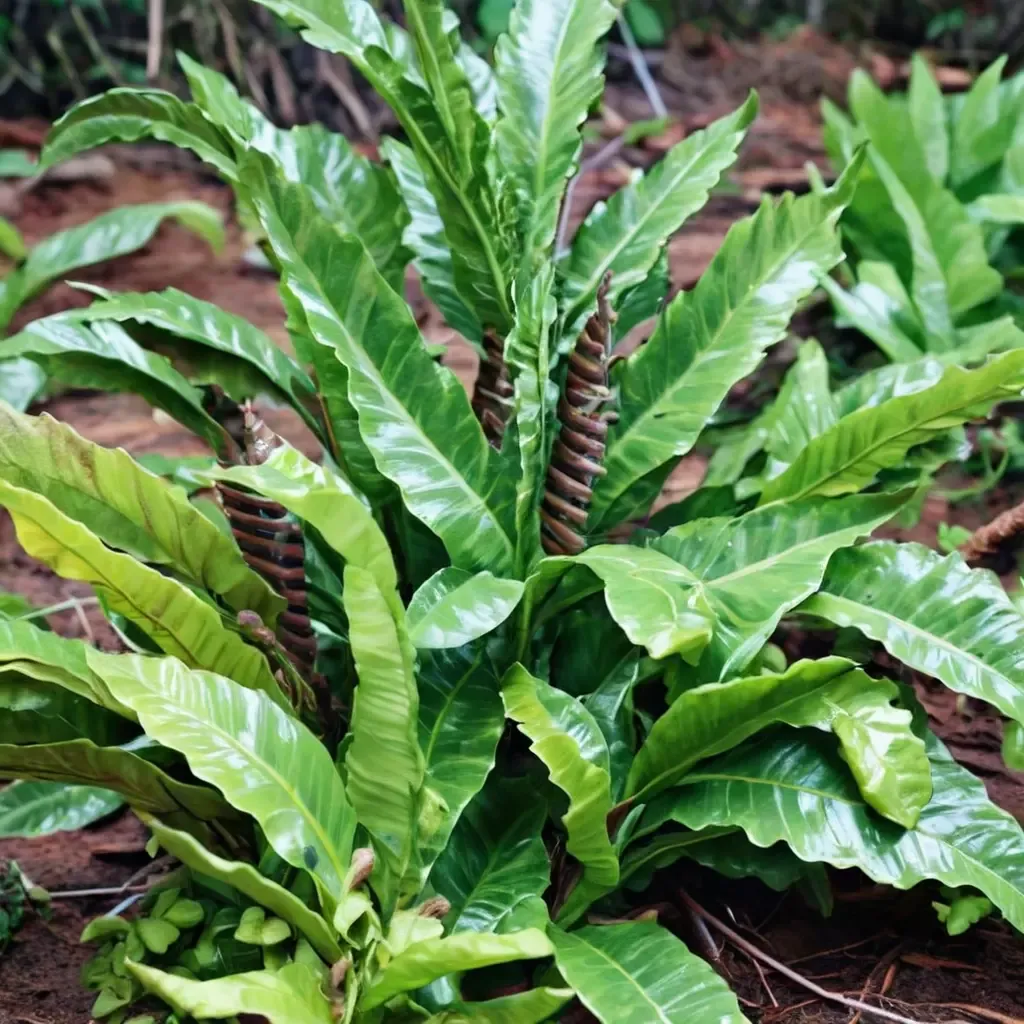
Hart's Tongue Fern
Asplenium scolopendrium
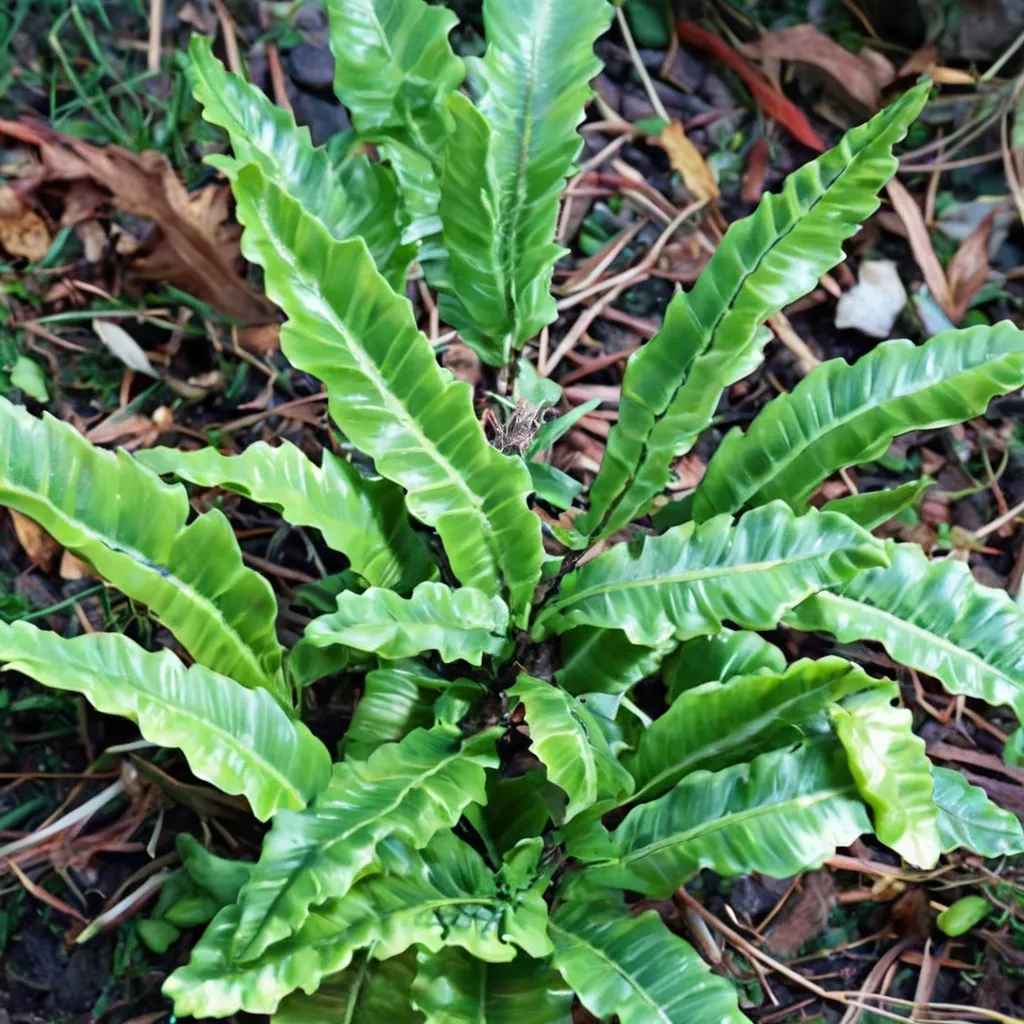
Ulleung Island Hart's-tongue Fern
Asplenium scolopendrium 'Ulleung Island'
Keep exploring
Explore the genus
Hardy in your zone?
Grow Bird's-Nest Fern with confidence
See it in a design of your actual yard, get zone-matched care reminders, and track it season by season in your garden journal.