
Species
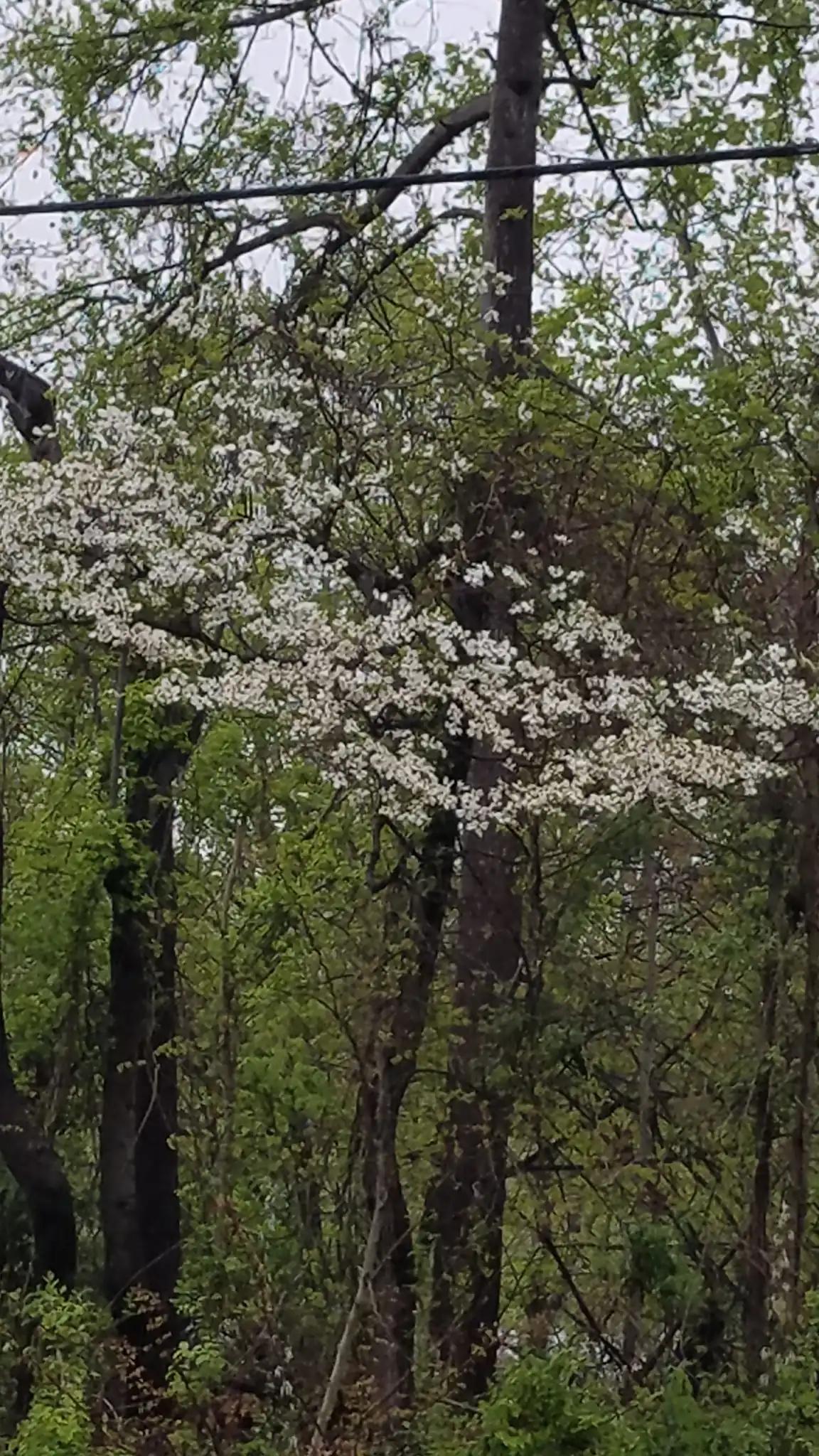 Cornus floridaFlowering Dogwood
15 other cultivars
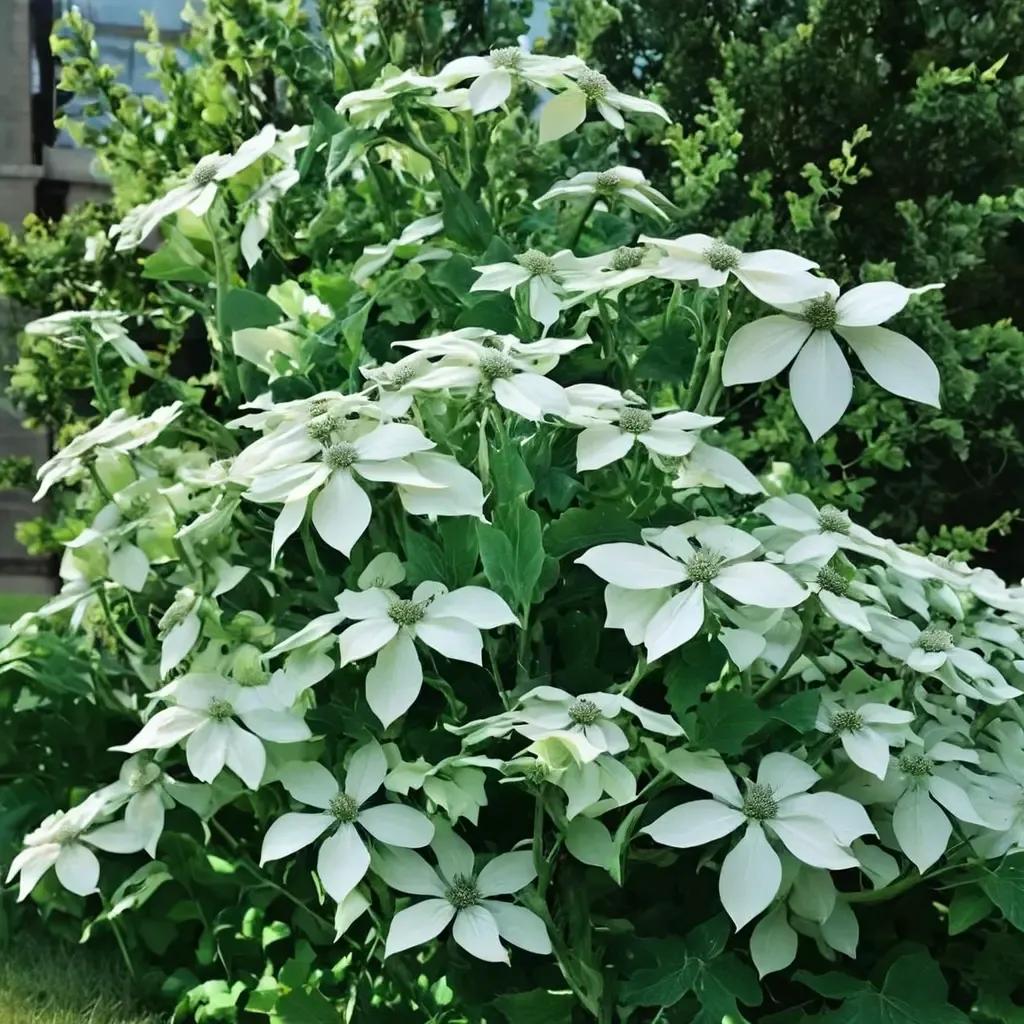 ‘Blue Ray’Blue Ray Dogwood
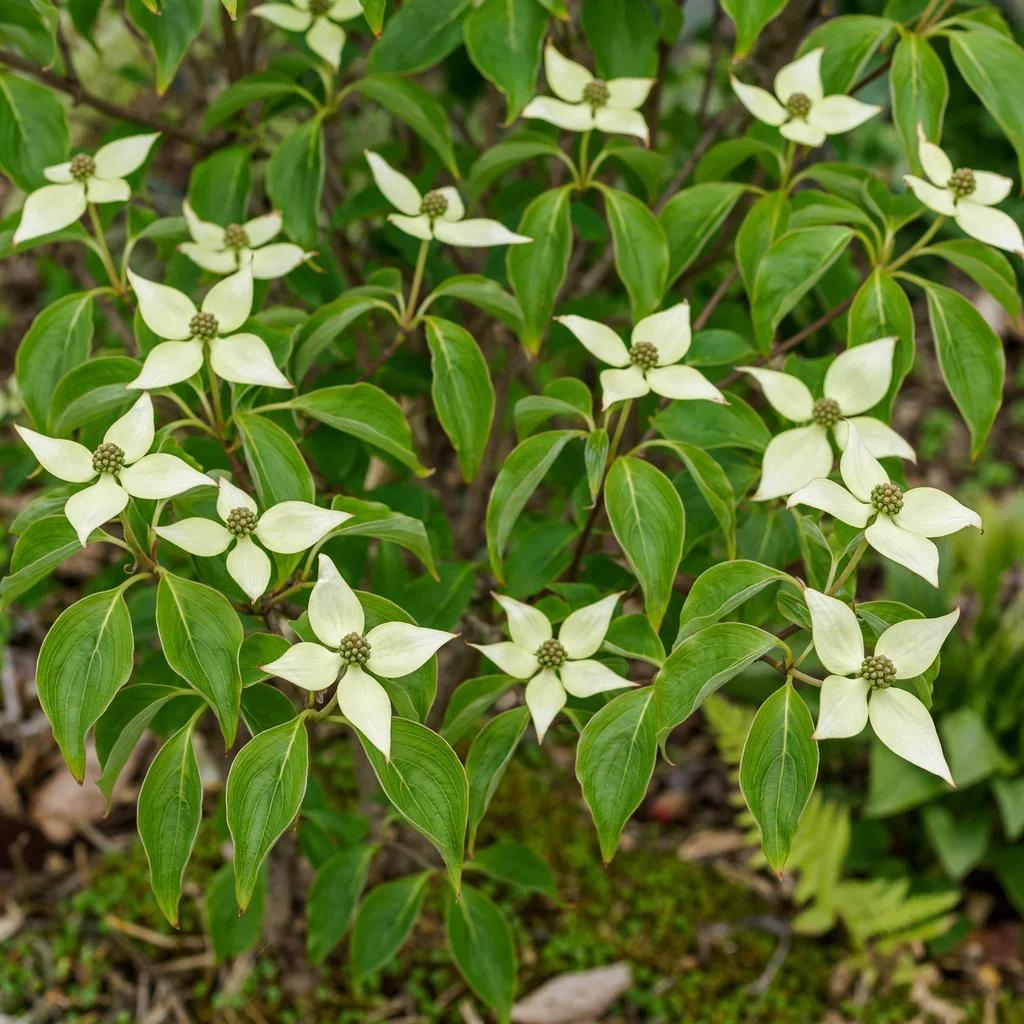 ‘Little Poncho’Little Poncho Dogwood
 ‘Scarlet Fire’Scarlet Fire Kousa Dogwood
 ‘Cherokee Chief’Cherokee Chief Dogwood
 ‘Summer Gold’Summer Gold Flowering Dogwood
 ‘Cherokee Princess’Cherokee Princess Flowering Dogwood
 ‘Sgt Pepper’Coral Bark Dogwood Sgt Pepper
 ‘Rubra’Pink Flowering Dogwood
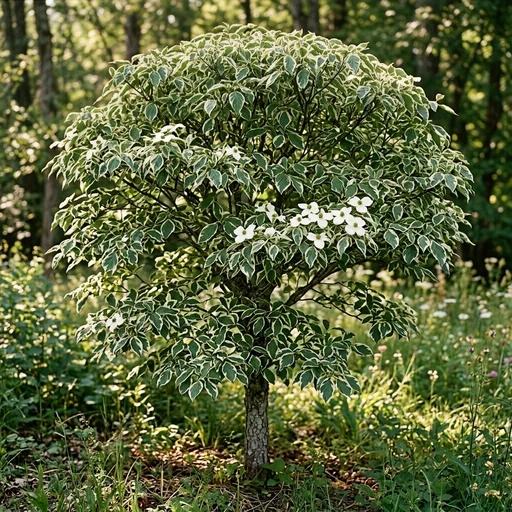 ‘Super Princess’Super Princess Dogwood
 ‘Cloud Nine’Cloud Nine Flowering Dogwood
 ‘Jean’Jean Flowering Dogwood
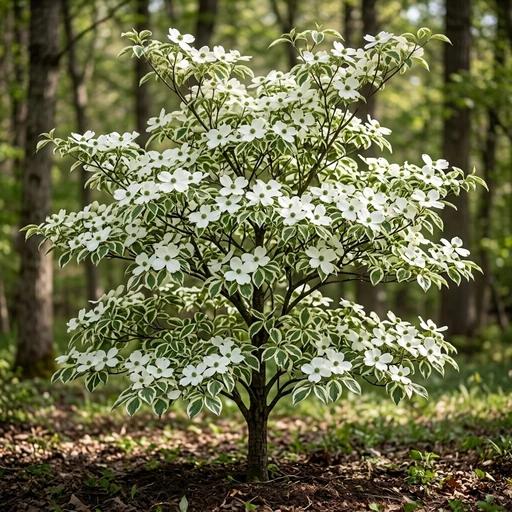 ‘Appalachian Spring’Appalachian Spring Flowering Dogwood
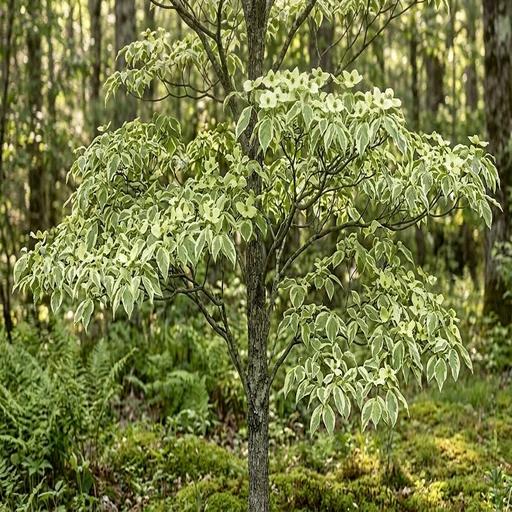 ‘Kay'S Appalachian Mist’Kay's Appalachian Mist Dogwood
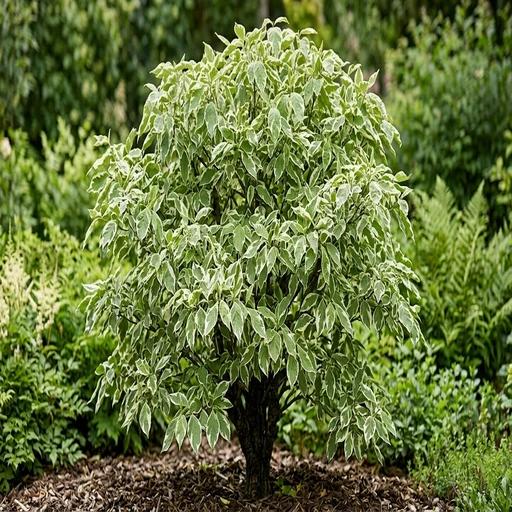 ‘Spring Grove’Spring Grove Flowering Dogwood
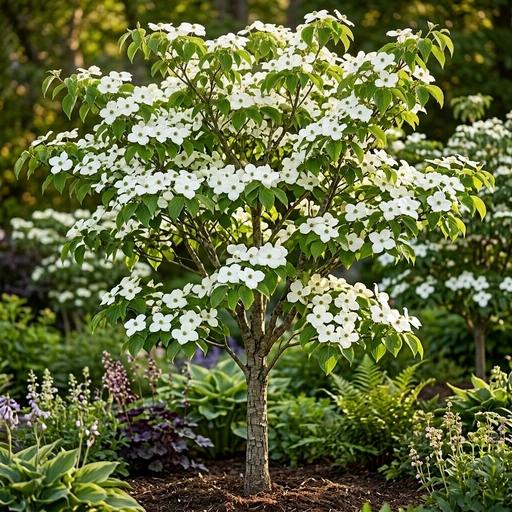 ‘Hyperion’Hyperion Flowering Dogwood
The Story
Plant Bio
Cornus florida is a small, deciduous flowering tree native to eastern North America, celebrated for its showy spring bracts, vibrant fall color, and attractive tiered branching. It is a classic understory tree in woodland settings.
'Comco No 1', sold as Cherokee Brave®, is distinguished by its new foliage emerging burgundy-red, maturing to green, and then turning a brilliant reddish-purple in fall. Its flower bracts are a deep ruby-red with white centers.
Uses & Benefits:
Essentials
At a Glance
Plant Type
Tree
Height
240"
Width
240"
Light
Full Sun, Partial Sun
Zones
5, 6, 7, 8, 9
Water
Medium
Humidity
Average
Lifespan
Medium
Native To
Eastern North America
Toxicity
Fruit is mildly toxic to humans if ingested
Bloom period
Mid-spring – Late spring
In flower about 2 months of the year
Planting
How to Grow
- Choose a site with morning sun and afternoon shade.
- Amend soil with organic matter to improve drainage and acidity.
- Dig a hole two to three times the root ball width.
- Plant with the root flare level with the surrounding soil.
- Water thoroughly after planting and apply a 2-3 inch mulch layer.
- Maintain consistent moisture, especially during the first few years.
Pro Tip
Ensure excellent air circulation and well-drained, acidic soil to minimize disease pressure, especially anthracnose and powdery mildew.
Keep It Thriving
Care Guide
Do
- Mulch annually with acidic material like pine straw or compost.
- Water deeply during dry spells, especially in summer.
- Prune out dead or diseased wood in late winter.
- Monitor for signs of dogwood anthracnose and powdery mildew.
Don't
- Don't plant in poorly drained or alkaline soils.
- Avoid overhead watering to reduce fungal disease risk.
- Don't fertilize heavily; a light spring application is sufficient.
- Avoid mechanical injury to the trunk from mowers or trimmers.
Seasonal Care Calendar
| Task | Jan | Feb | Mar | Apr | May | Jun | Jul | Aug | Sep | Oct | Nov | Dec |
|---|---|---|---|---|---|---|---|---|---|---|---|---|
| Mulch | ||||||||||||
| Pest Check | ||||||||||||
| Plant | ||||||||||||
| Prune | ||||||||||||
| Spray |
Watch Out For
Pests & Diseases
Common Pests
Common Diseases
In the Garden
Landscape Uses & Companions
Landscape Uses
Companion Plants
Multiply
Propagation Methods
Good to Know
Common Questions
Cherokee Brave Dogwood questions
What zones can Cherokee Brave Dogwood grow in?
Cherokee Brave Dogwood is hardy in USDA Zones 5–9. Inside that range it survives winter in the ground; outside it, grow it as an annual or a container plant you protect.
Is Cherokee Brave Dogwood deer resistant?
Yes — Cherokee Brave Dogwood is rated deer-resistant. Deer typically pass it over, though extreme hunger can override any plant's defenses.
When does Cherokee Brave Dogwood bloom?
Cherokee Brave Dogwood typically blooms in mid-spring through late spring. Exact timing shifts a week or two with your zone — Sow's bloom calendar maps it to your garden.
Does Cherokee Brave Dogwood need full sun?
Cherokee Brave Dogwood does best in full sun to part shade. In hot climates, afternoon shade keeps blooms fresher longer.
More Cornus to compare
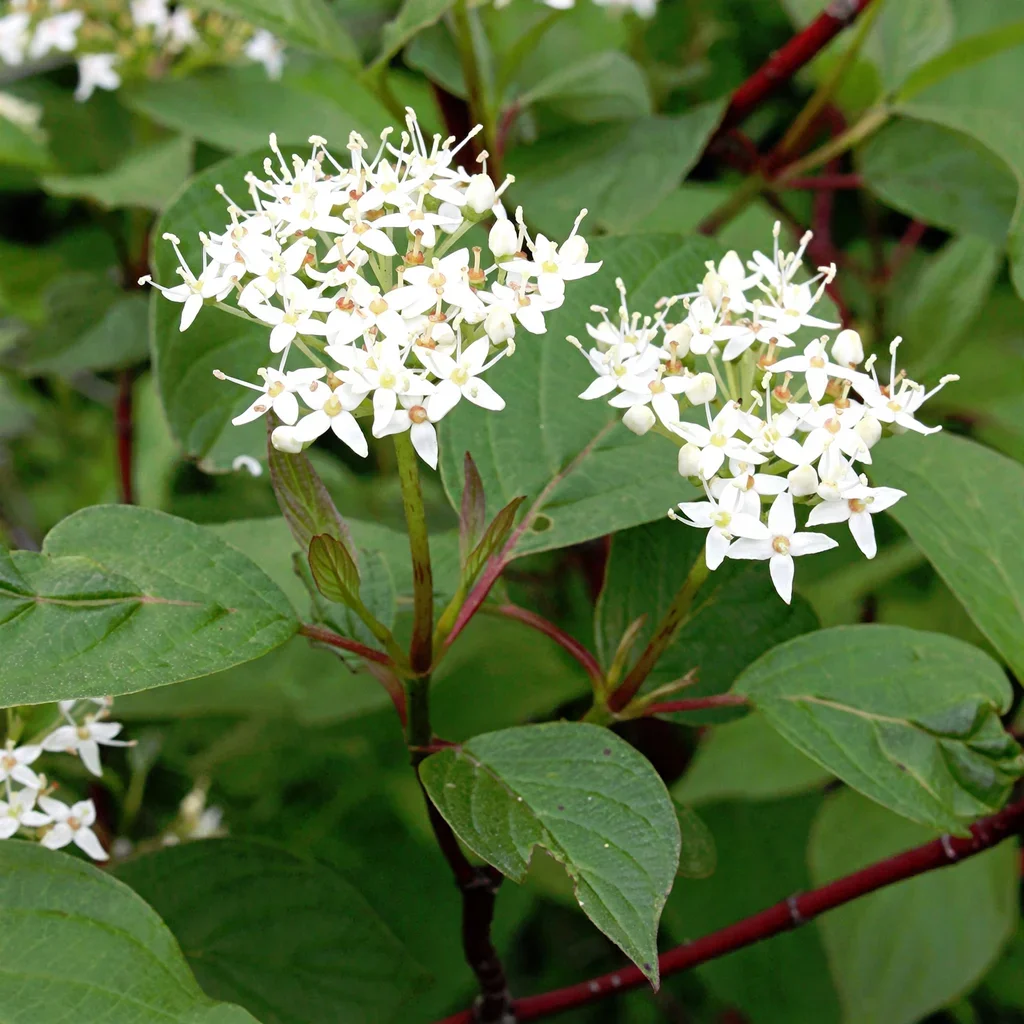
Red Twig Dogwood
Cornus sericea 'Red Twig'
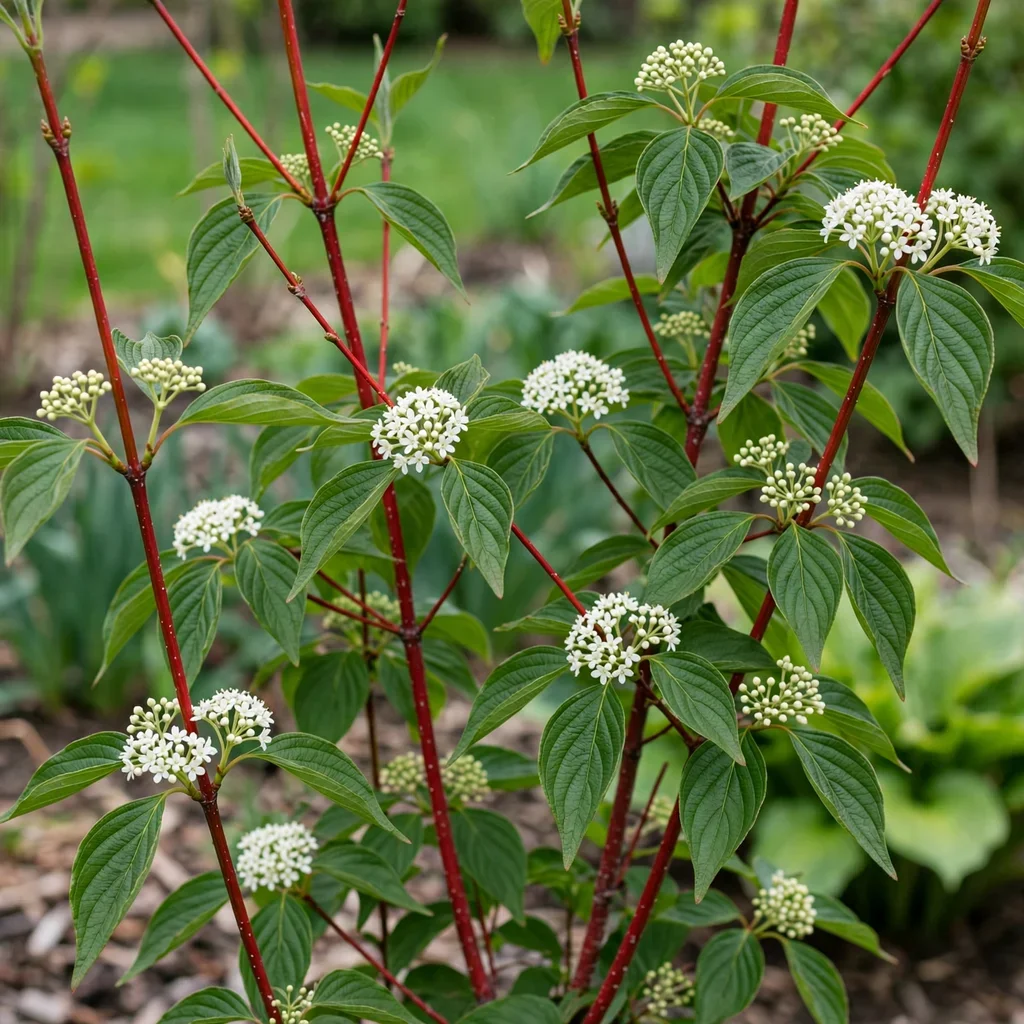
Arctic Fire Red Osier Dogwood
Cornus sericea 'Arctic Fire'
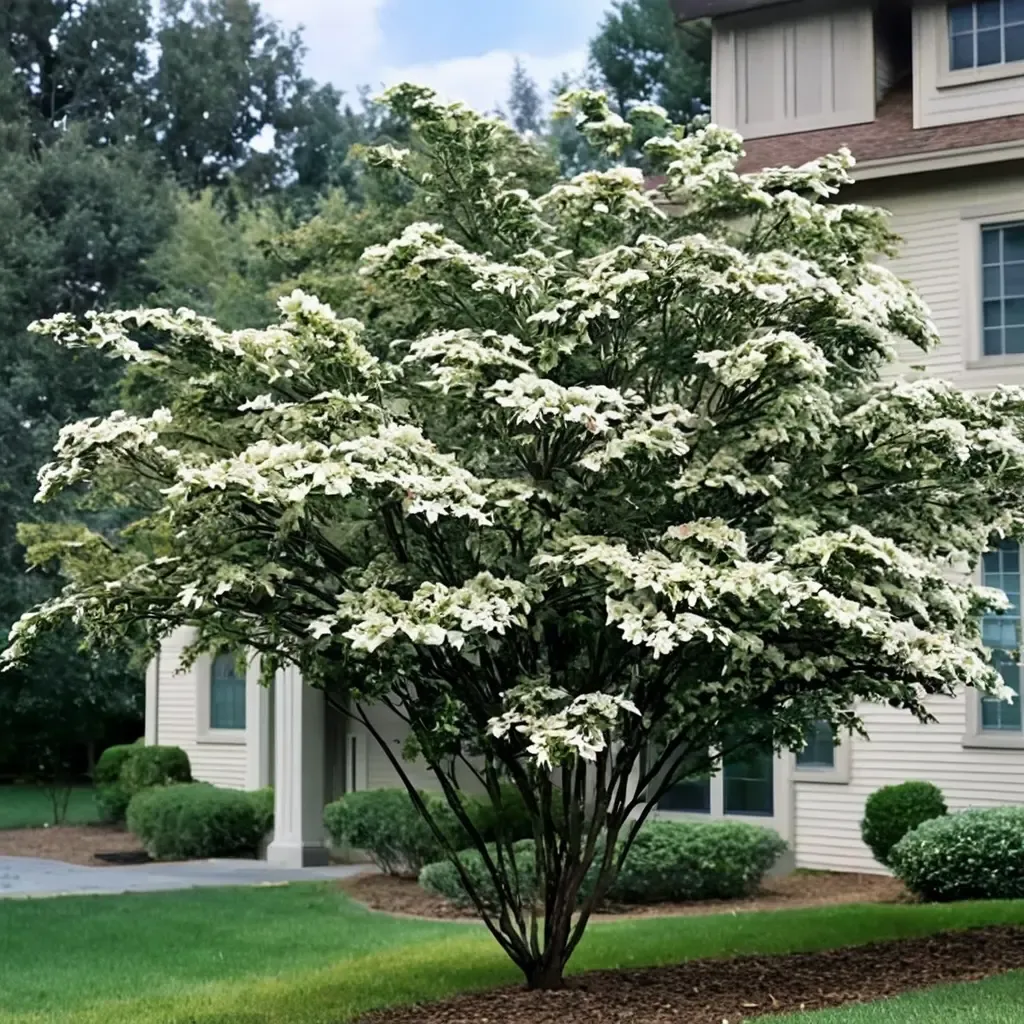
Kousa Dogwood
Cornus kousa
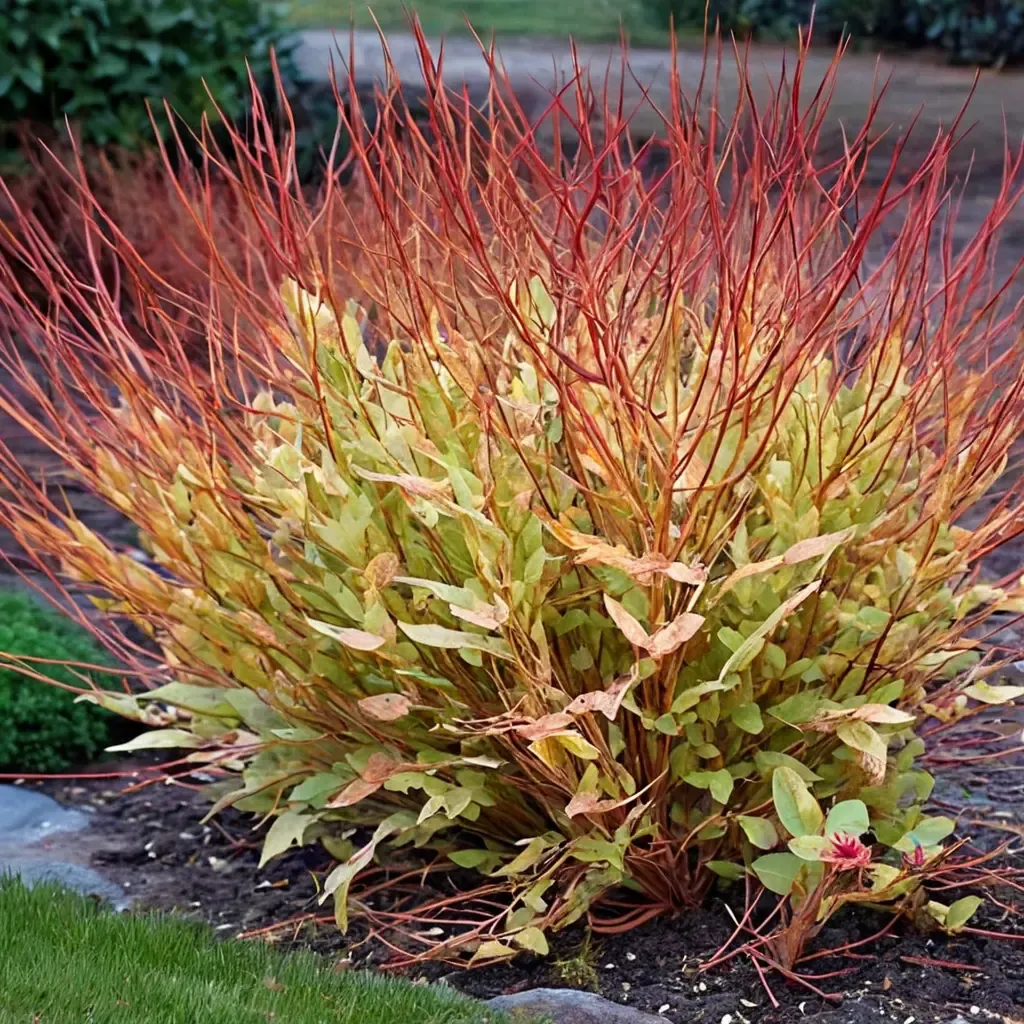
Midwinter Fire Dogwood
Cornus sanguinea 'Midwinter Fire'
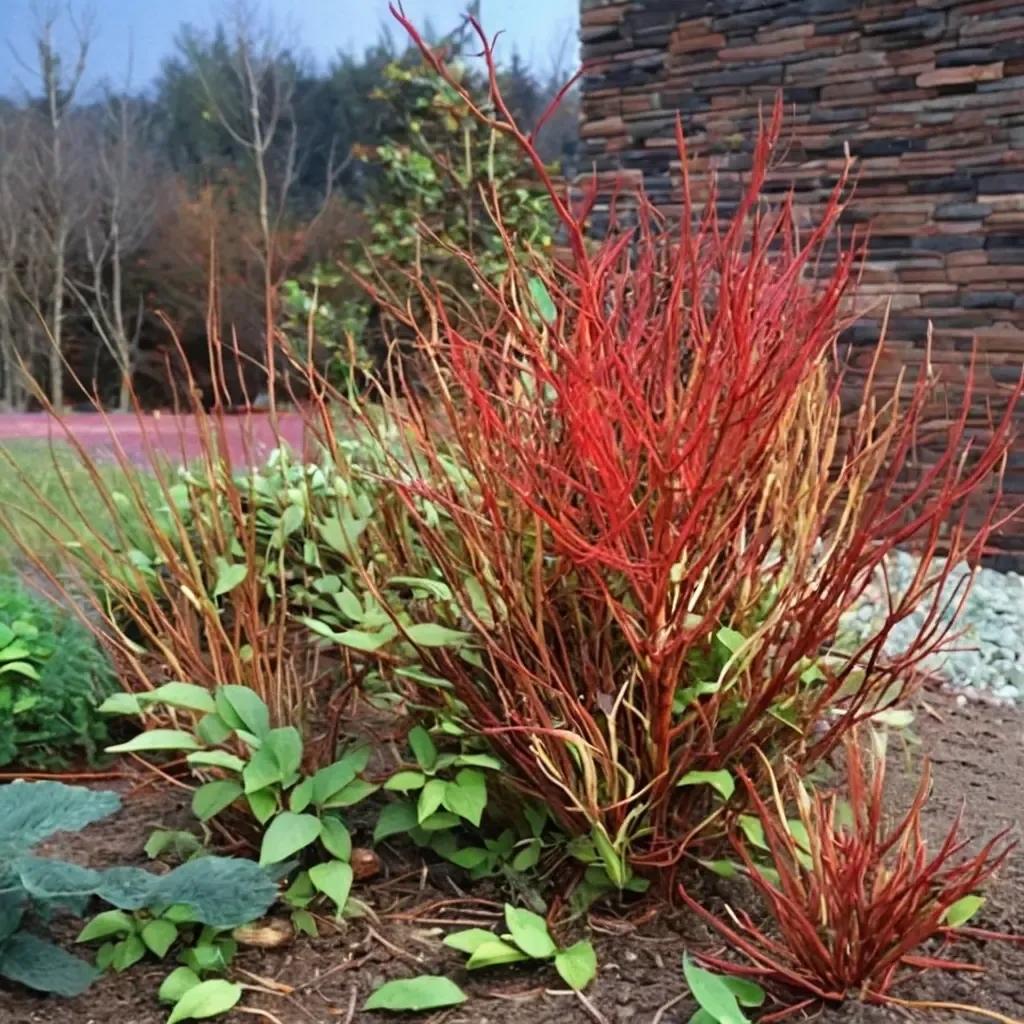
Cardinal Red Osier Dogwood
Cornus sericea 'Cardinal'
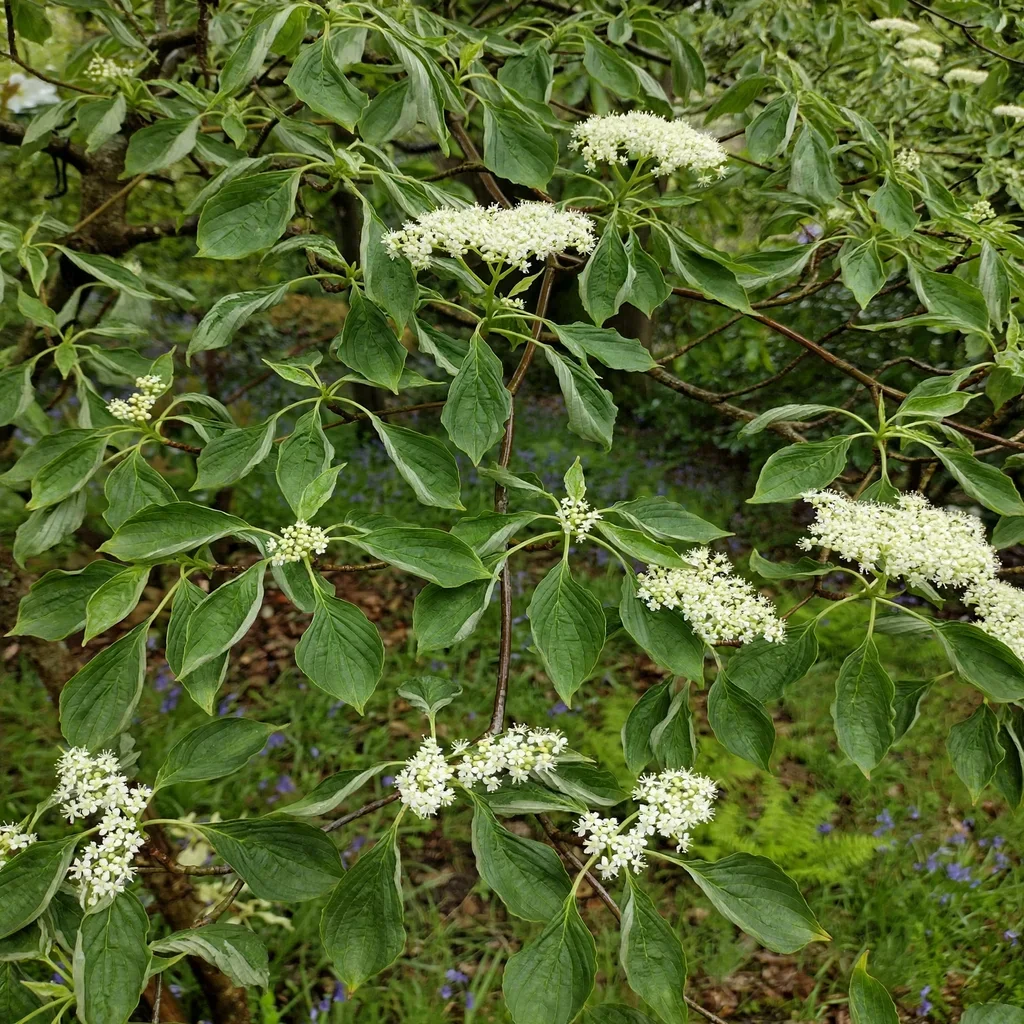
Giant Dogwood
Cornus controversa
Keep exploring
Explore the genus
Hardy in your zone?
Grow Cherokee Brave Dogwood with confidence
See it in a design of your actual yard, get zone-matched care reminders, and track it season by season in your garden journal.