
Species
 Symphyotrichum novi-belgiiNew York Aster
1 other cultivar

The Story
Plant Bio
Symphyotrichum novi-belgii, commonly known as the New York aster, is a clump-forming deciduous perennial native to eastern North American wetlands and coastal areas. It produces upright, branching stems clad in smooth, lance-shaped dark green leaves that support dense clusters of daisy-like flower heads in the fall.
'Rosaperle' is distinguished by its semi-double to double basket-shaped flower heads in shades of lavender-pink to bright pink. This cultivar grows to a height of about 47 inches, forming a bushy, upright mound that provides late-season color.
Uses & Benefits:
Essentials
At a Glance
Plant Type
Perennial
Height
47"
Width
24"
Light
Full Sun
Zones
4, 5, 6, 7, 8
Water
Medium
Humidity
Moderate
Lifespan
Perennial
Native To
North America
Toxicity
Non-toxic
Bloom period
Fall
In flower about 3 months of the year
Planting
How to Grow
- Select a planting site in full sun with fertile, moist, well-drained soil.
- Space plants at least 2 feet apart to ensure excellent air circulation and minimize powdery mildew.
- Apply a balanced organic fertilizer in spring to support vigorous growth.
- Divide the clumps every three years in early spring to maintain vigor and prevent central die-out.
Pro Tip
Pinch or cut stems back by half in late spring to encourage a sturdier, self-supporting habit and prevent the tall flowering stems from flopping in late summer.
Keep It Thriving
Care Guide
Do
- Water regularly to keep the soil evenly moist, especially during dry summer spells.
- Cut back old stems to the ground in late winter or early spring before new growth emerges.
Don't
- Do not crowd plants in enclosed or stagnant garden corners where powdery mildew can thrive.
- Avoid overhead watering; apply water directly to the soil to keep the foliage dry.
Seasonal Care Calendar
| Task | Jan | Feb | Mar | Apr | May | Jun | Jul | Aug | Sep | Oct | Nov | Dec |
|---|---|---|---|---|---|---|---|---|---|---|---|---|
| Divide | ||||||||||||
| Fertilize | ||||||||||||
| Pest Check | ||||||||||||
| Pinch | ||||||||||||
| Spring Cleanup |
Watch Out For
Pests & Diseases
Common Pests
Common Diseases
In the Garden
Landscape Uses & Companions
Landscape Uses
Companion Plants
Multiply
Propagation Methods
Good to Know
Common Questions
New York Aster questions
What zones can New York Aster grow in?
New York Aster is hardy in USDA Zones 4–8. Inside that range it survives winter in the ground; outside it, grow it as an annual or a container plant you protect.
Is New York Aster deer resistant?
Yes — New York Aster is rated deer-resistant. Deer typically pass it over, though extreme hunger can override any plant's defenses.
When does New York Aster bloom?
New York Aster typically blooms in fall through fall. Exact timing shifts a week or two with your zone — Sow's bloom calendar maps it to your garden.
Does New York Aster need full sun?
New York Aster does best in full sun (6+ hours).
More Symphyotrichum to compare
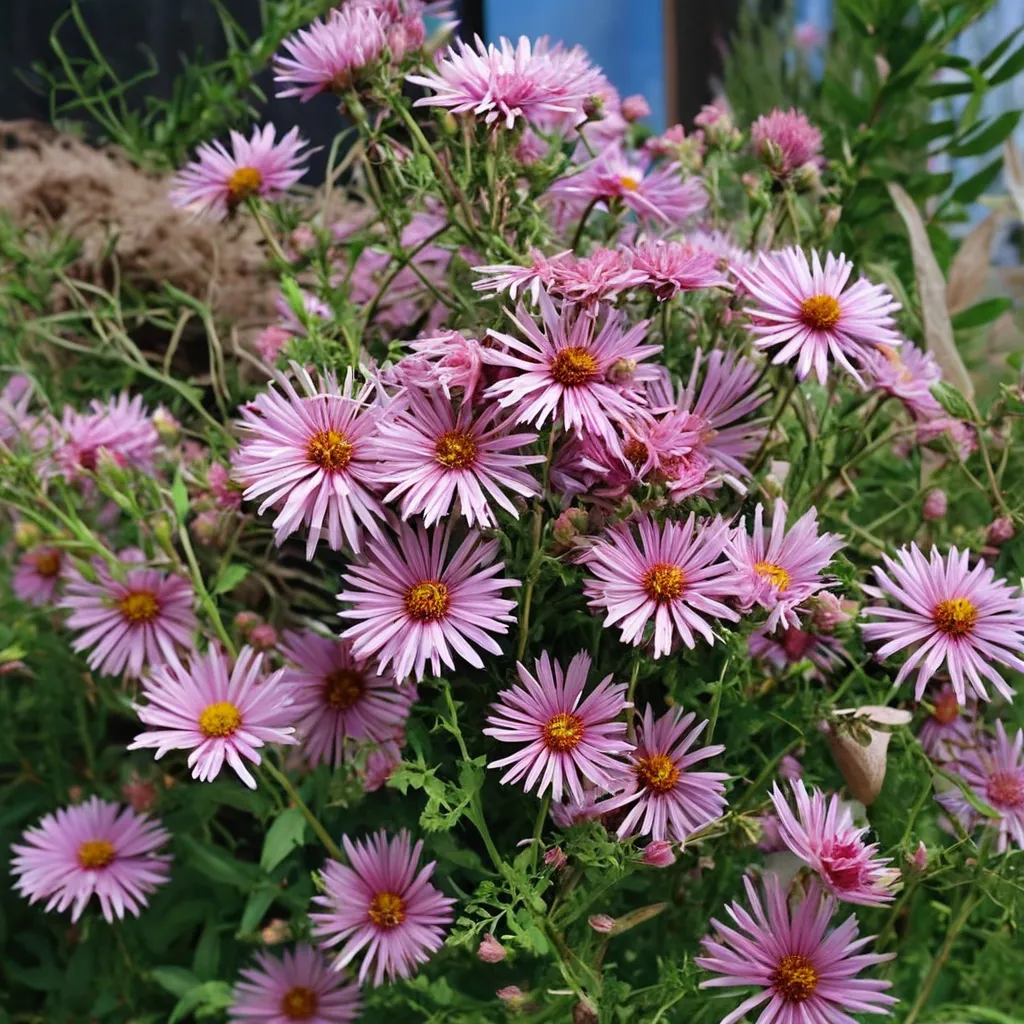
New England Aster Harringtons Pink
Symphyotrichum novae-angliae 'Harringtons Pink'
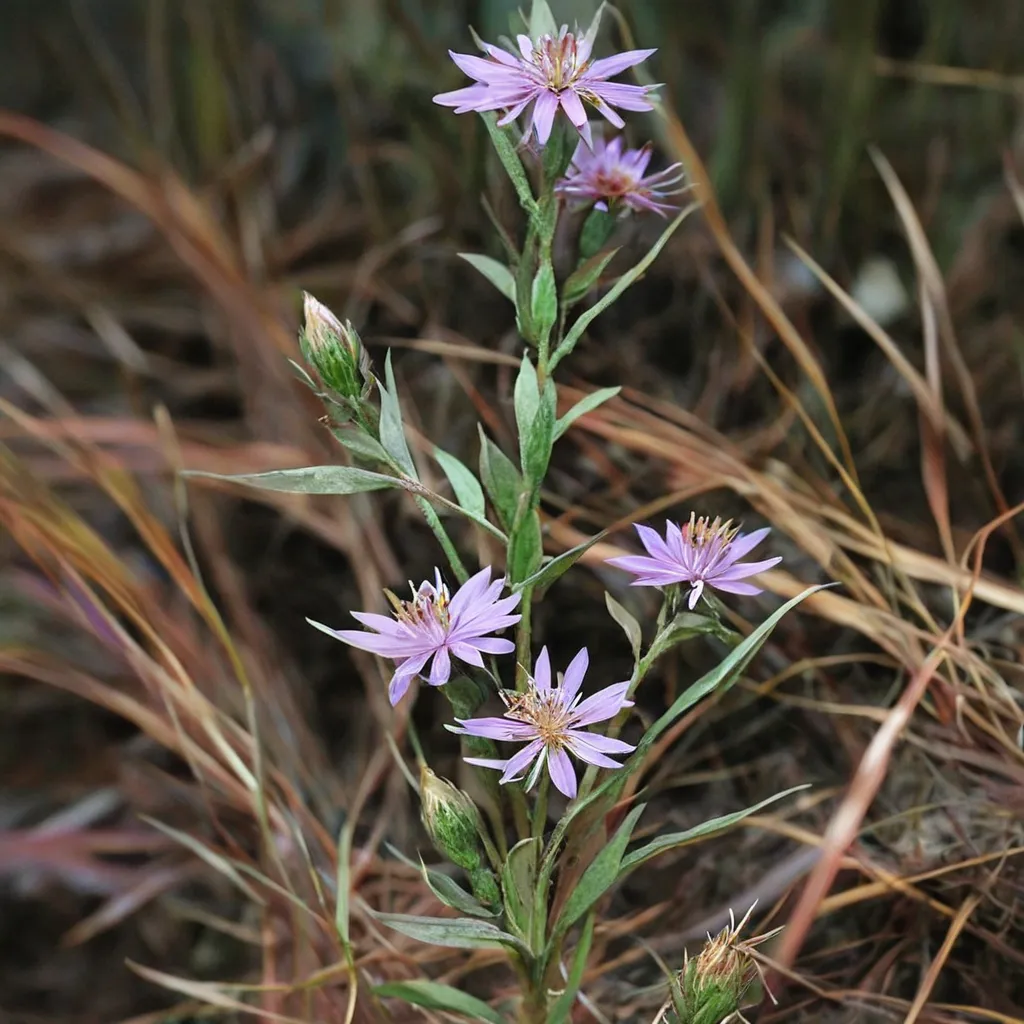
Eastern Silver Aster
Symphyotrichum concolor
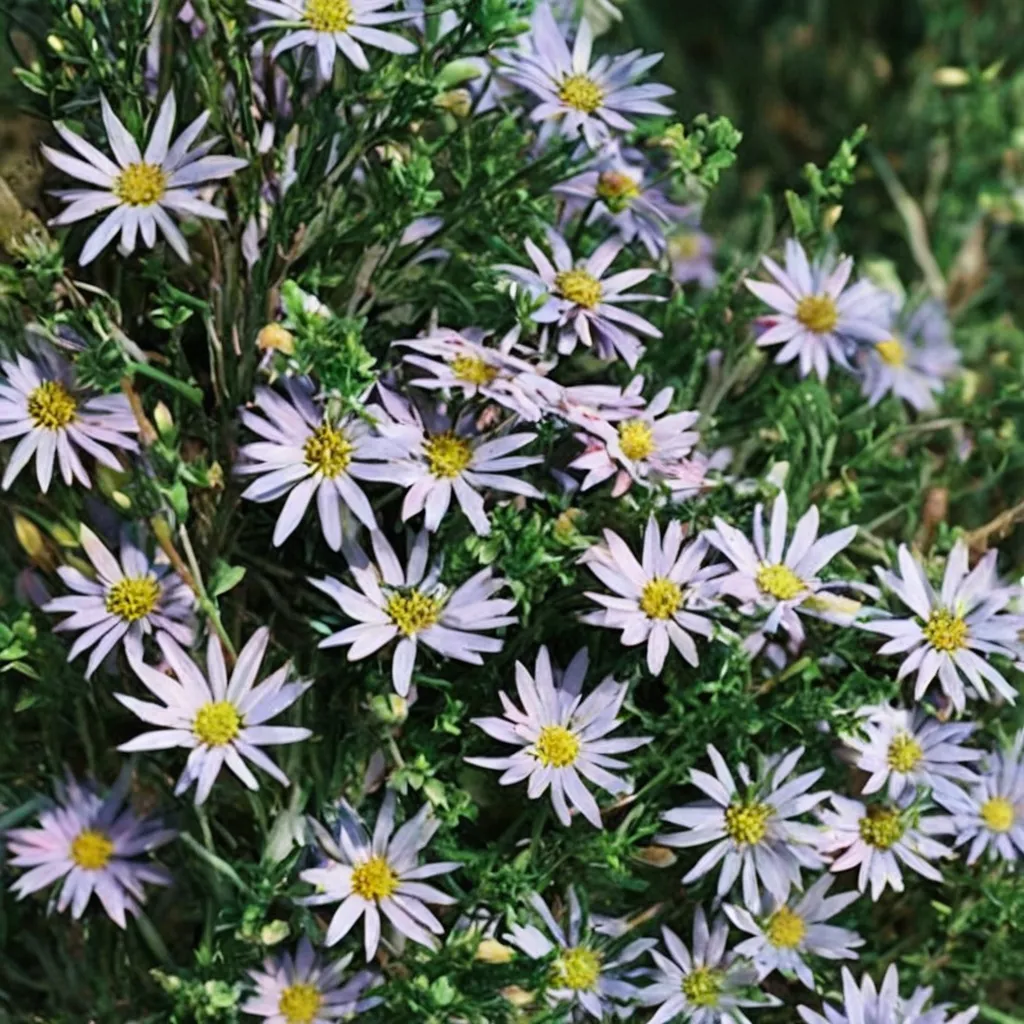
New Mexico Aster My Antonia
Symphyotrichum fendleri 'My Antonia'
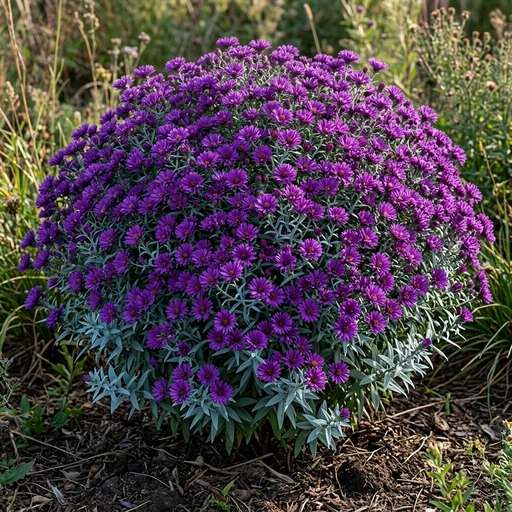
Purple Dome New England Aster
Symphyotrichum novae-angliae 'Purple Dome'
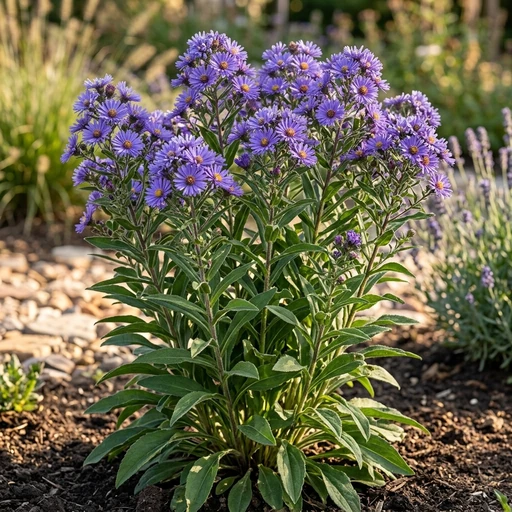
New England Aster
Symphyotrichum novae-angliae '05-196-10'
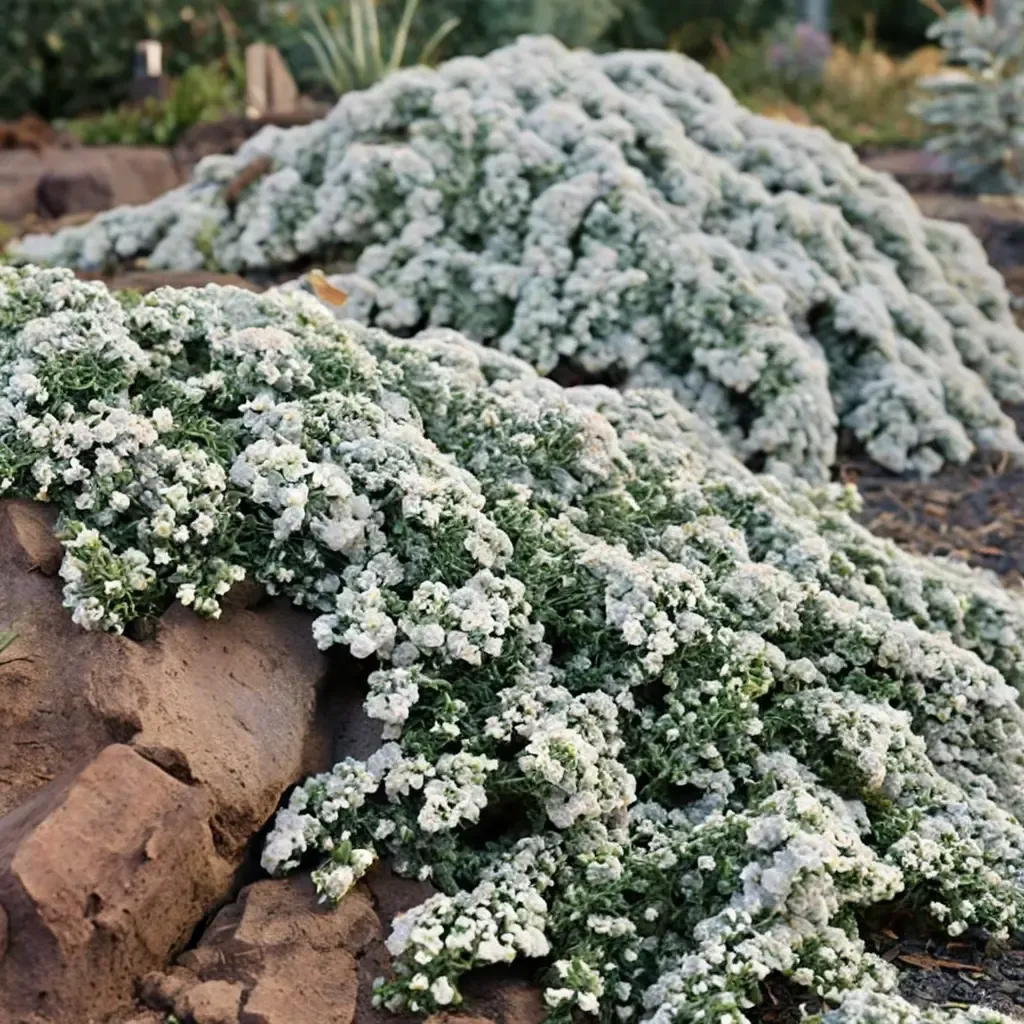
Snow Flurry Heath Aster
Symphyotrichum ericoides 'Snow Flurry'
Keep exploring
Explore the genus
Hardy in your zone?
Grow New York Aster with confidence
See it in a design of your actual yard, get zone-matched care reminders, and track it season by season in your garden journal.