The Story
Plant Bio
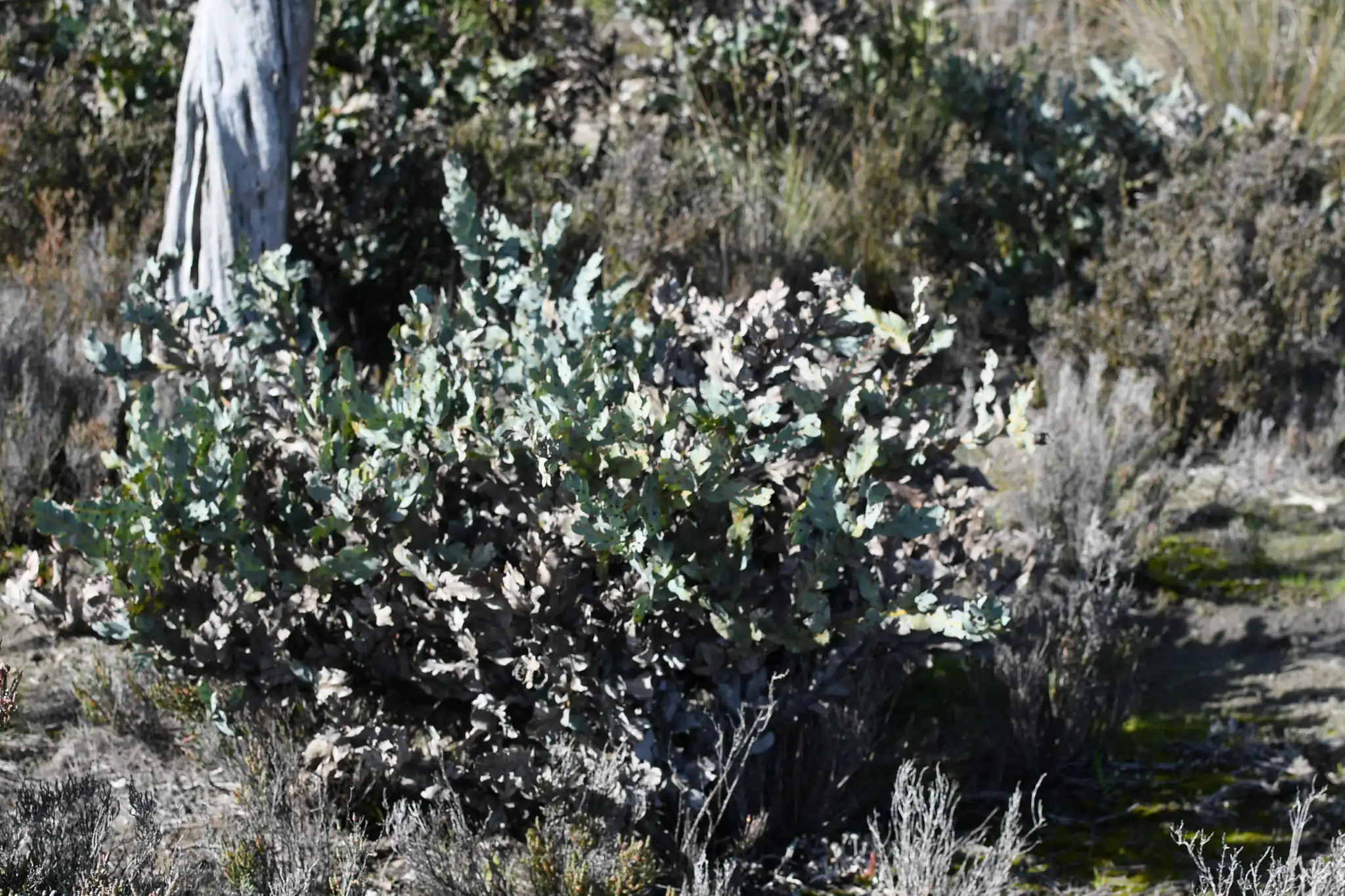
Acacia glaucoptera, commonly known as clay wattle, is a low, sprawling evergreen shrub native to southwestern Western Australia. The stems are lined with broad, overlapping, winged phyllodes that replace true leaves and create a distinct architectural zigzag appearance along the branches.
Vivid red, bronze, or purple new foliage flushes across the plant before maturing to a deep blue-green. In winter and spring, bright golden-yellow spherical flower heads emerge directly from the junctions of the flattened stem wings.
Uses & Benefits:
Essentials
At a Glance
Plant Type
Shrub
Height
48"
Width
72"
Light
Full Sun, Partial Sun
Zones
9, 10
Water
Low
Humidity
Moderate
Lifespan
Perennial
Native To
Australia
Toxicity
Non-toxic
Bloom period
Winter – Spring
In flower about 6 months of the year
Planting
How to Grow
- Select a full sun to partial shade location with gravelly, loam, or clay soil that drains freely.
- Plant on a slope or raised bed if soil retains moisture, keeping the root crown level with the surrounding ground.
- Water deeply during the first growing season to establish roots, letting the soil dry between waterings.
- Prune stem tips immediately after the spring bloom to encourage compact branching and vivid new red flushes.
Pro Tip
Prune immediately after flowering finishes to stimulate dense growth and colorful new flushes; cutting into old leafless wood prevents re-sprouting.
Keep It Thriving
Care Guide
Do
- Plant in lean, highly drained soils in full sun or partial shade.
- Prune tip growth annually following the spring bloom.
- Allow the top few inches of soil to dry out completely between waterings once established.
Don't
- Do not overwater or allow roots to sit in stagnant, saturated soil.
- Do not hard-prune back into old, bare interior wood lacking green phyllodes.
- Do not apply standard high-phosphorus fertilizers.
Seasonal Care Calendar
| Task | Jan | Feb | Mar | Apr | May | Jun | Jul | Aug | Sep | Oct | Nov | Dec |
|---|---|---|---|---|---|---|---|---|---|---|---|---|
| Fertilize | ||||||||||||
| Mulch | ||||||||||||
| Pest Check | ||||||||||||
| Prune | ||||||||||||
| Spring Cleanup |
Watch Out For
Pests & Diseases
Common Pests
Common Diseases
In the Garden
Landscape Uses & Companions
Landscape Uses
Companion Plants
Multiply
Propagation Methods
Good to Know
Common Questions
Clay Wattle questions
What zones can Clay Wattle grow in?
Clay Wattle is hardy in USDA Zones 9–10: in that range it survives winter in the ground. Colder than Zone 9, grow it in a container you can move to shelter for the winter.
When does Clay Wattle bloom?
Clay Wattle typically blooms from winter to spring. Exact timing shifts a week or two with your zone — Sow's bloom calendar maps it to your garden.
Does Clay Wattle need full sun?
Clay Wattle does best in full sun to part shade. In hot climates, afternoon shade keeps blooms fresher longer.
Is Clay Wattle drought tolerant?
Yes — once established (usually after the first full season), Clay Wattle handles dry spells with minimal watering. Water deeply its first year to build the root system that makes that possible.
More Acacia to compare
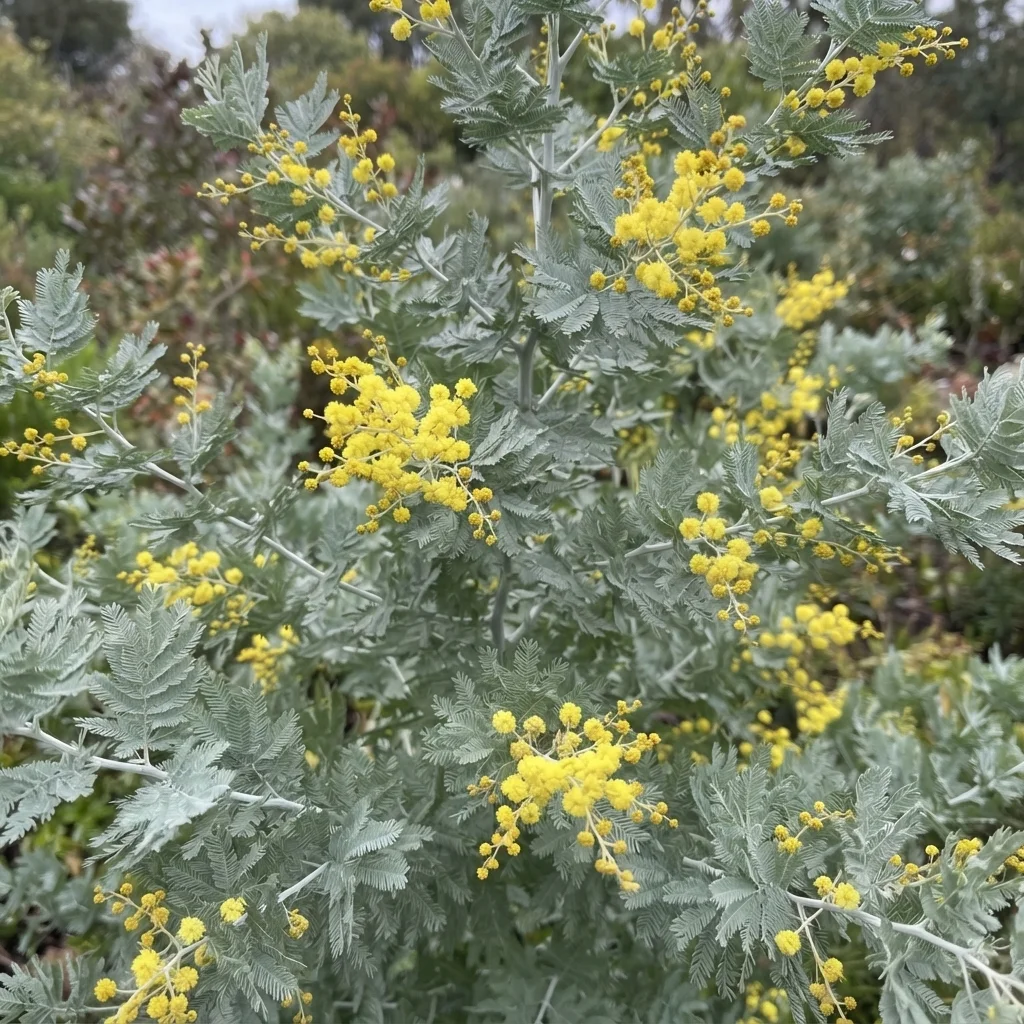
Silver wattle
Acacia dealbata
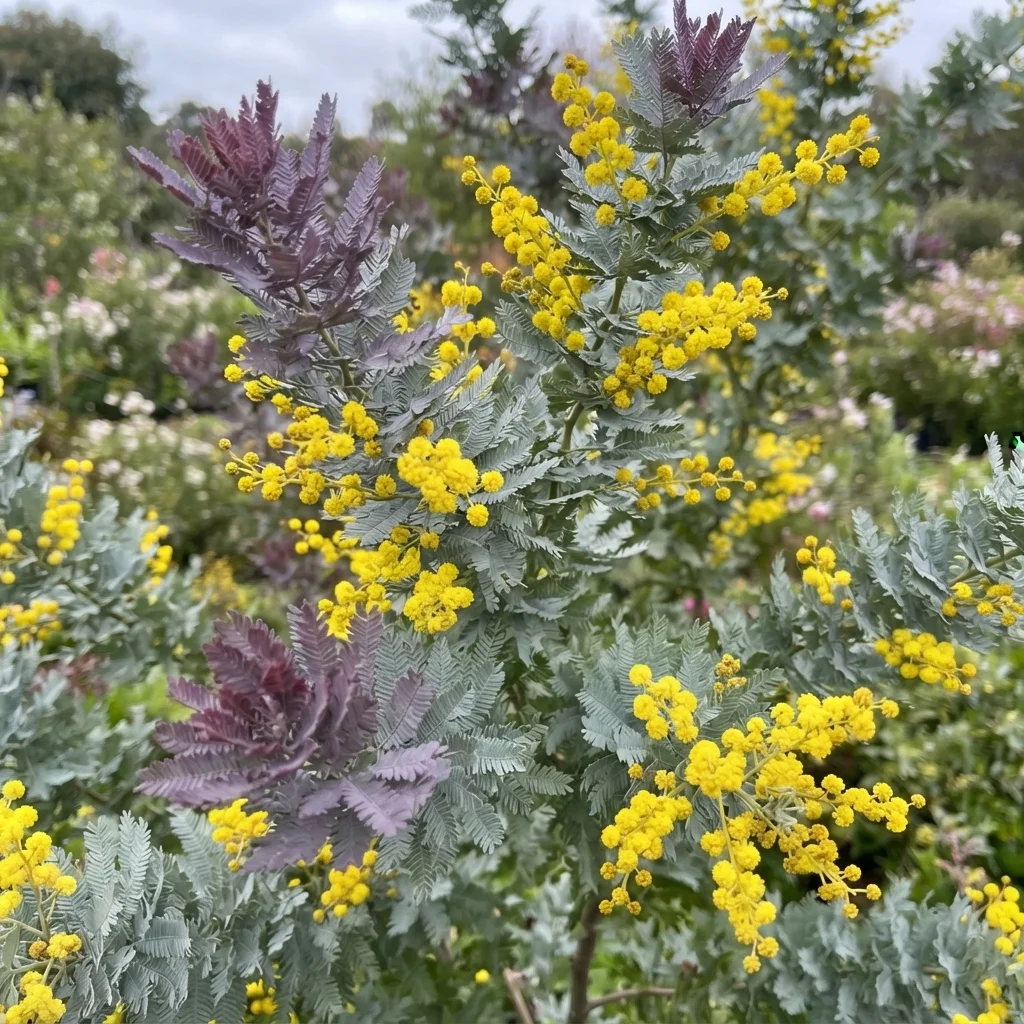
Cootamundra Wattle 'Purpurea'
Acacia baileyana 'Purpurea'
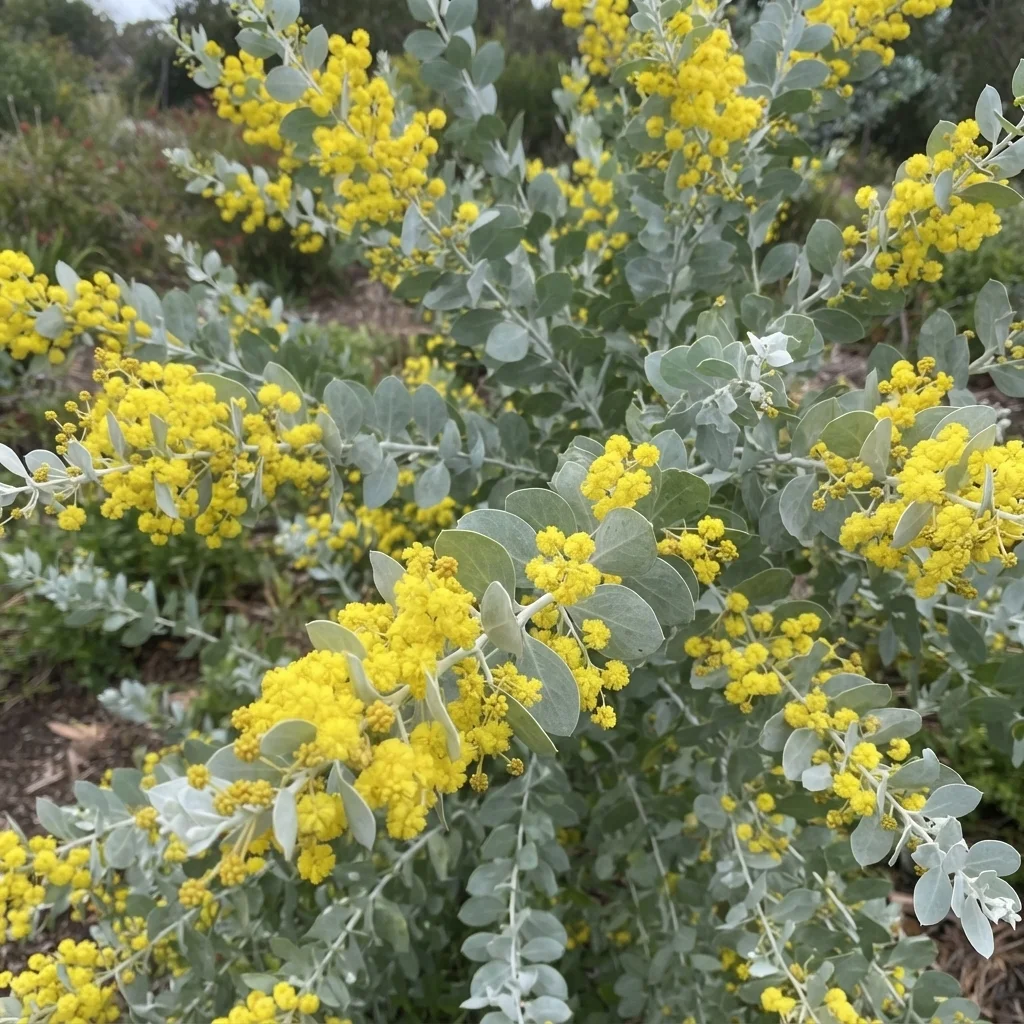
Pearl Acacia
Acacia podalyriifolia
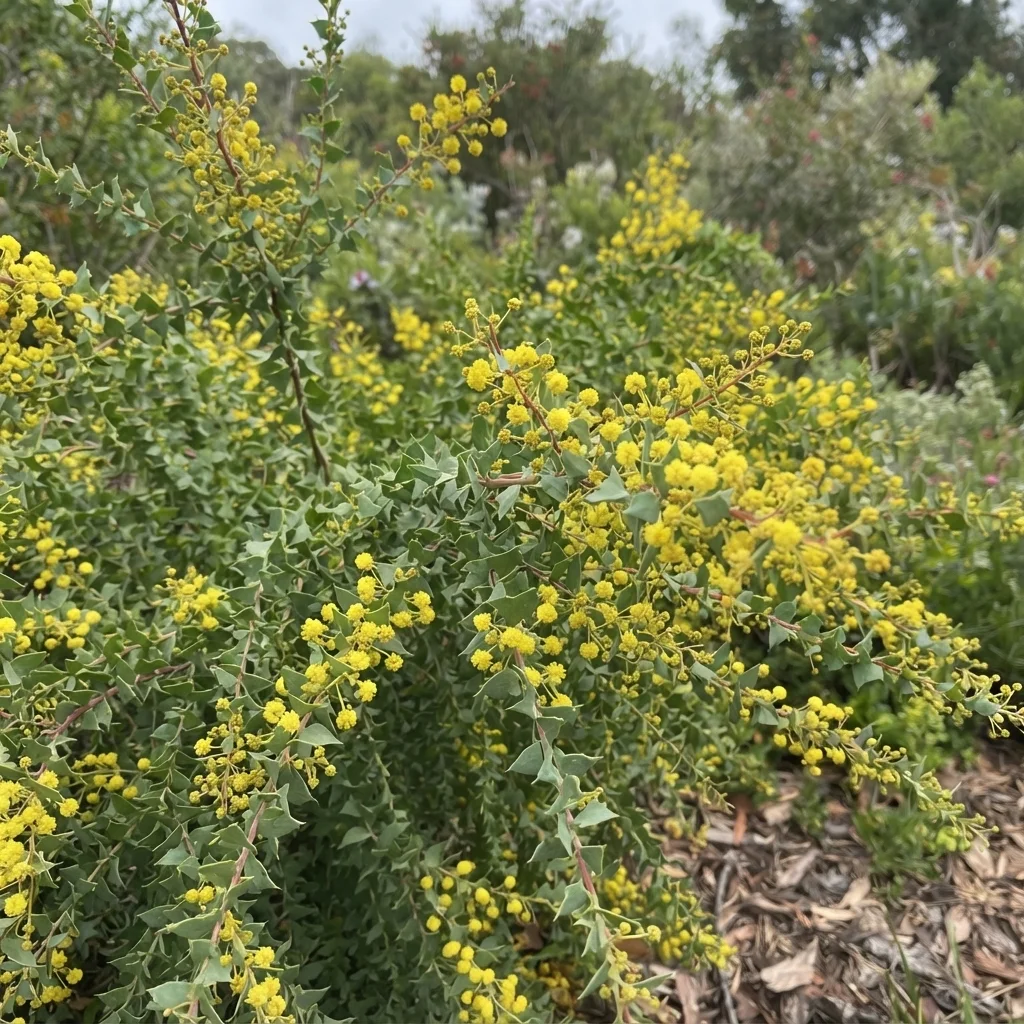
Ovens Wattle
Acacia pravissima
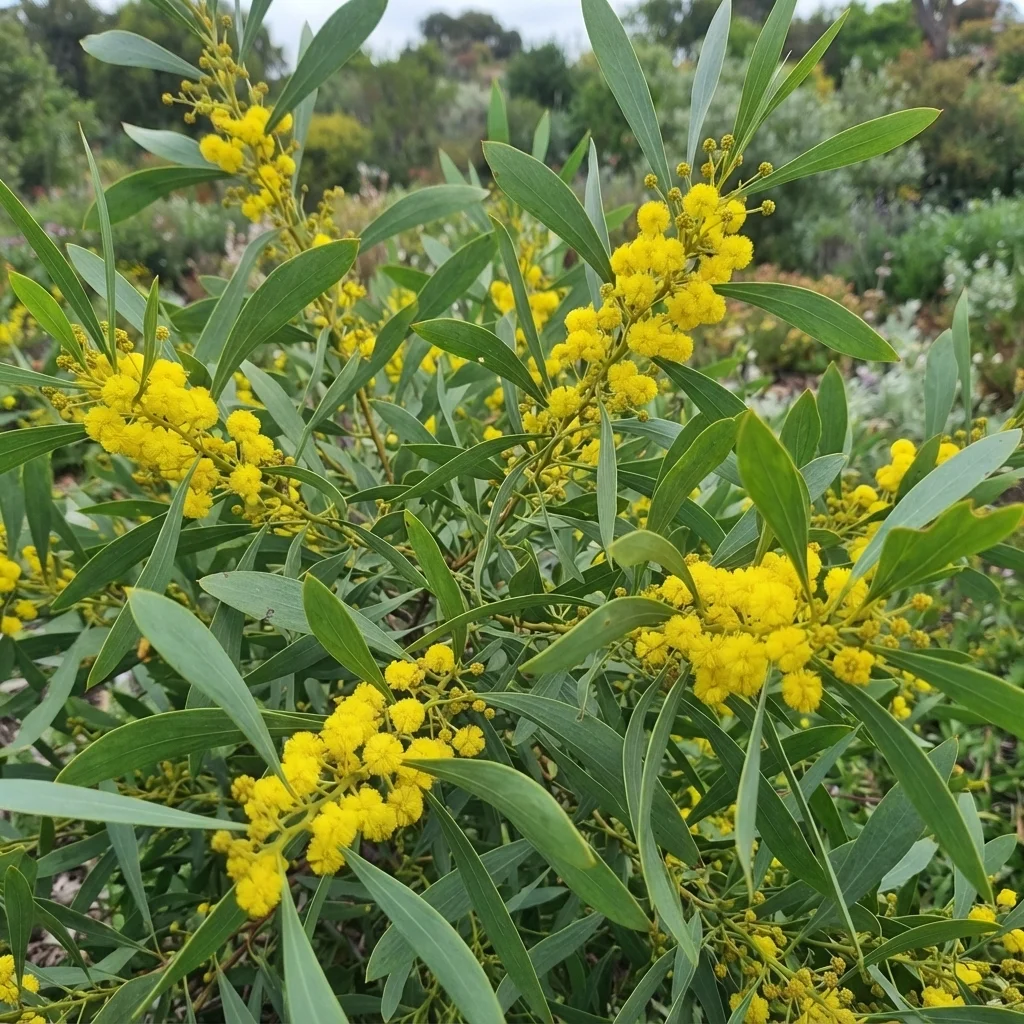
Golden Wreath Wattle
Acacia saligna
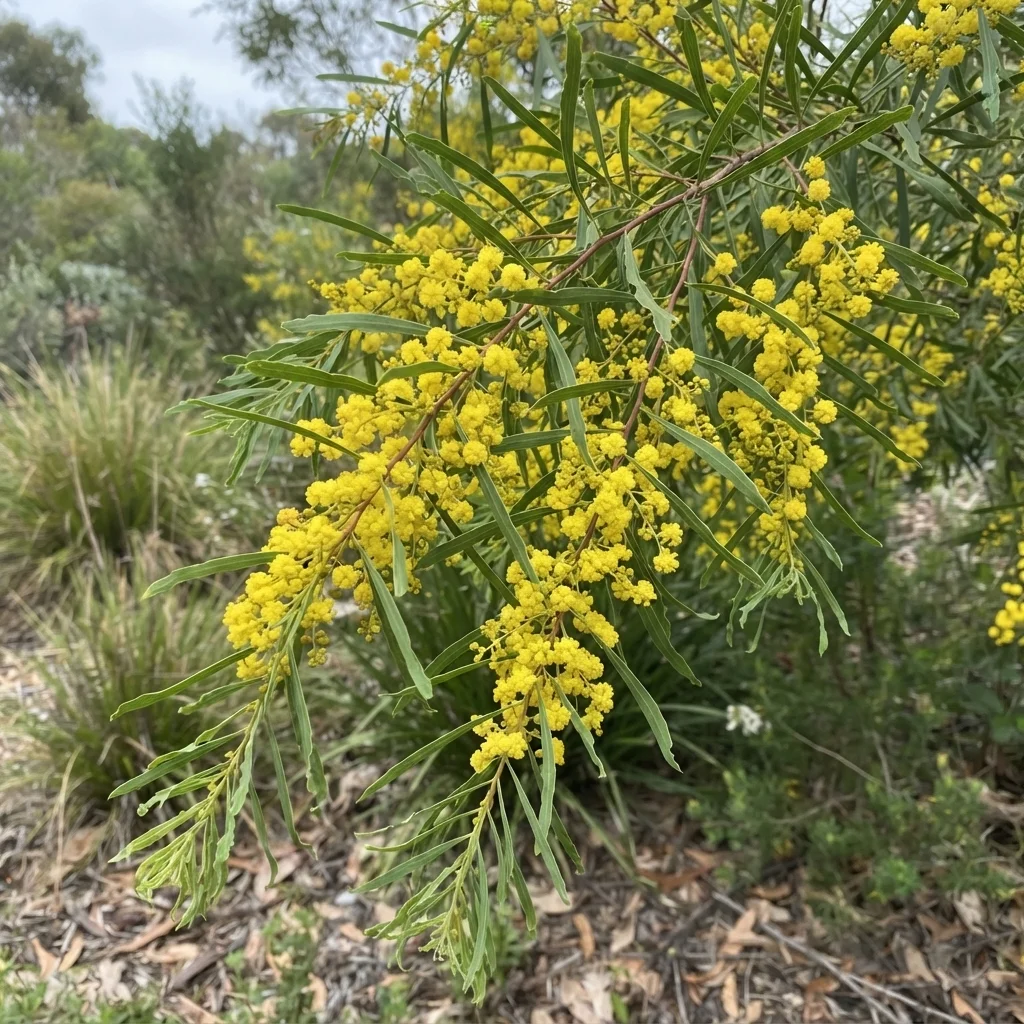
Fringed Wattle
Acacia fimbriata
Keep exploring
Explore the genus
Hardy in your zone?
Grow Clay Wattle with confidence
See it in a design of your actual yard, get zone-matched care reminders, and track it season by season in your garden journal.