The Story
Plant Bio
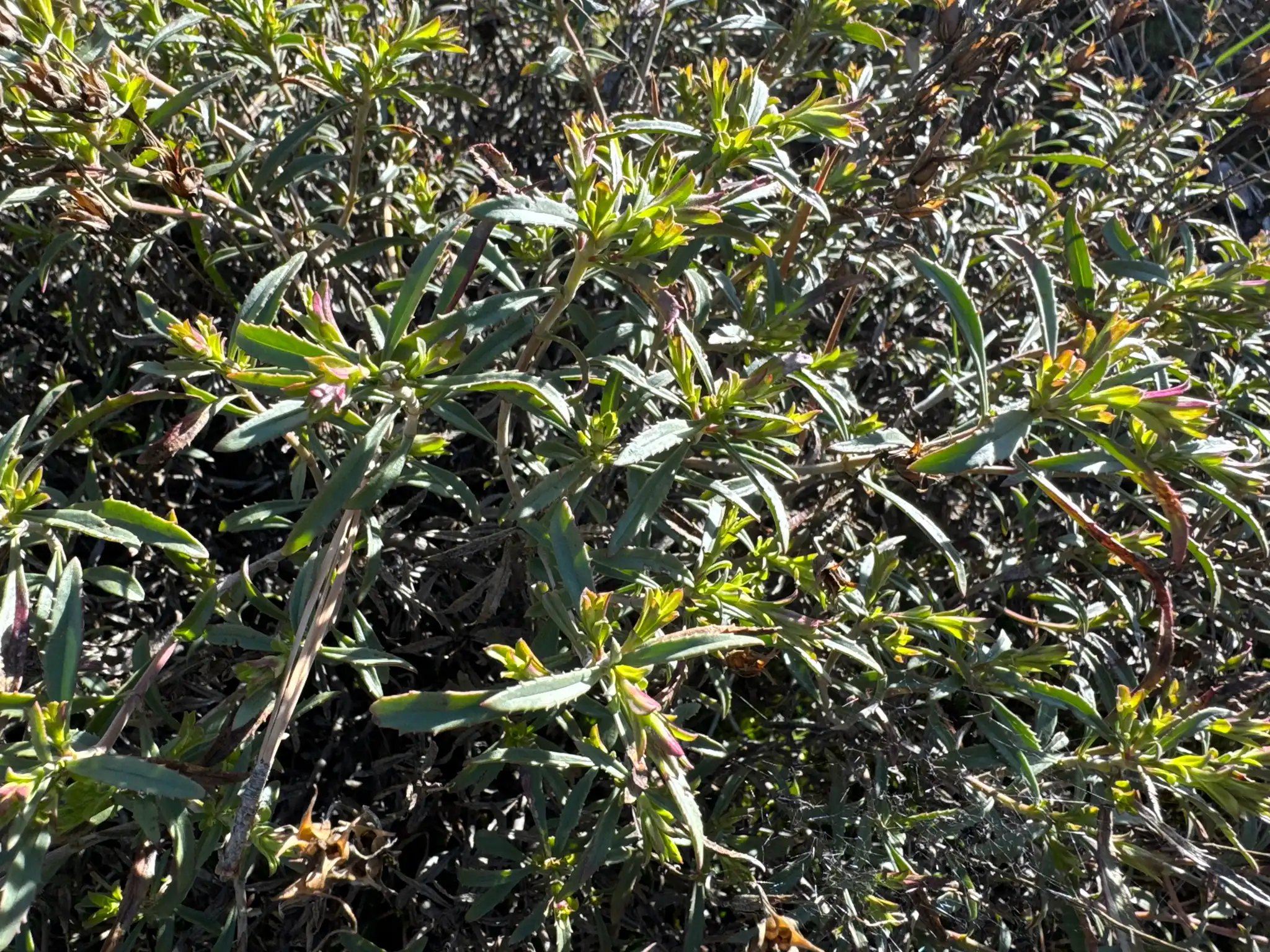
Penstemon fruticosus is a low-growing, evergreen subshrub native to the rocky slopes and open woods of western North America. It forms spreading mats of leathery, dark green foliage that remain attractive year-round, capped by short clusters of large, tubular purple to lavender flowers from late spring into summer.
As a woody-based beardtongue, this species combines evergreen mat-forming structure with exceptional cold hardiness and drought tolerance. Its semi-woody stems and firm foliage texture provide high browsing resistance against deer and rabbits.
Uses & Benefits:
Essentials
At a Glance
Plant Type
Shrub
Height
24"
Width
36"
Light
Full Sun, Partial Sun
Zones
4, 5, 6, 7, 8
Water
Low
Humidity
Low
Lifespan
Perennial
Native To
Western North America
Toxicity
Non-toxic
Bloom period
Late spring – Mid summer
In flower about 3 months of the year
Planting
How to Grow
- Select a planting site in full sun to light shade with gritty, sharply drained soil.
- Dig a hole twice as wide as the root ball and set the crown level with or slightly above the surrounding grade.
- Backfill with native soil mixed with coarse sand or fine gravel, avoiding rich compost or manure.
- Water lightly during establishment, then let the soil dry out thoroughly between waterings.
Pro Tip
Prune lightly directly after flowering into green leafy growth to maintain a compact shape; cutting back into bare, leafless woody stems will kill the branch because old wood does not resprout.
Keep It Thriving
Care Guide
Do
- Plant in gritty, gravelly, or sandy soil with rapid drainage.
- Trim leafy shoot tips right after the spring bloom flush.
- Provide clear airflow around the crown to prevent foliage mildew.
Don't
- Do not prune hard into bare, leafless woody wood.
- Do not overwater or plant in heavy, water-retaining clay soil.
- Do not heavily fertilize, as nutrient-dense soil causes soft, leggy growth.
Seasonal Care Calendar
| Task | Jan | Feb | Mar | Apr | May | Jun | Jul | Aug | Sep | Oct | Nov | Dec |
|---|---|---|---|---|---|---|---|---|---|---|---|---|
| Fertilize | ||||||||||||
| Pest Check | ||||||||||||
| Prune | ||||||||||||
| Winter Prep |
Watch Out For
Pests & Diseases
Common Pests
Common Diseases
In the Garden
Landscape Uses & Companions
Landscape Uses
Multiply
Propagation Methods
Good to Know
Common Questions
Bush penstemon questions
What zones can Bush penstemon grow in?
Bush penstemon is hardy in USDA Zones 4–8: in that range it survives winter in the ground. Warmer than Zone 8, winter isn't the problem: it prefers colder winters, and summer heat can shorten its life.
Is Bush penstemon deer resistant?
Yes — Bush penstemon is rated deer-resistant. Deer typically pass it over, though extreme hunger can override any plant's defenses.
When does Bush penstemon bloom?
Bush penstemon typically blooms from late spring to mid-summer. Exact timing shifts a week or two with your zone — Sow's bloom calendar maps it to your garden.
Does Bush penstemon need full sun?
Bush penstemon does best in full sun to part shade. In hot climates, afternoon shade keeps blooms fresher longer.
Is Bush penstemon drought tolerant?
Yes — once established (usually after the first full season), Bush penstemon handles dry spells with minimal watering. Water deeply its first year to build the root system that makes that possible.
More Penstemon to compare
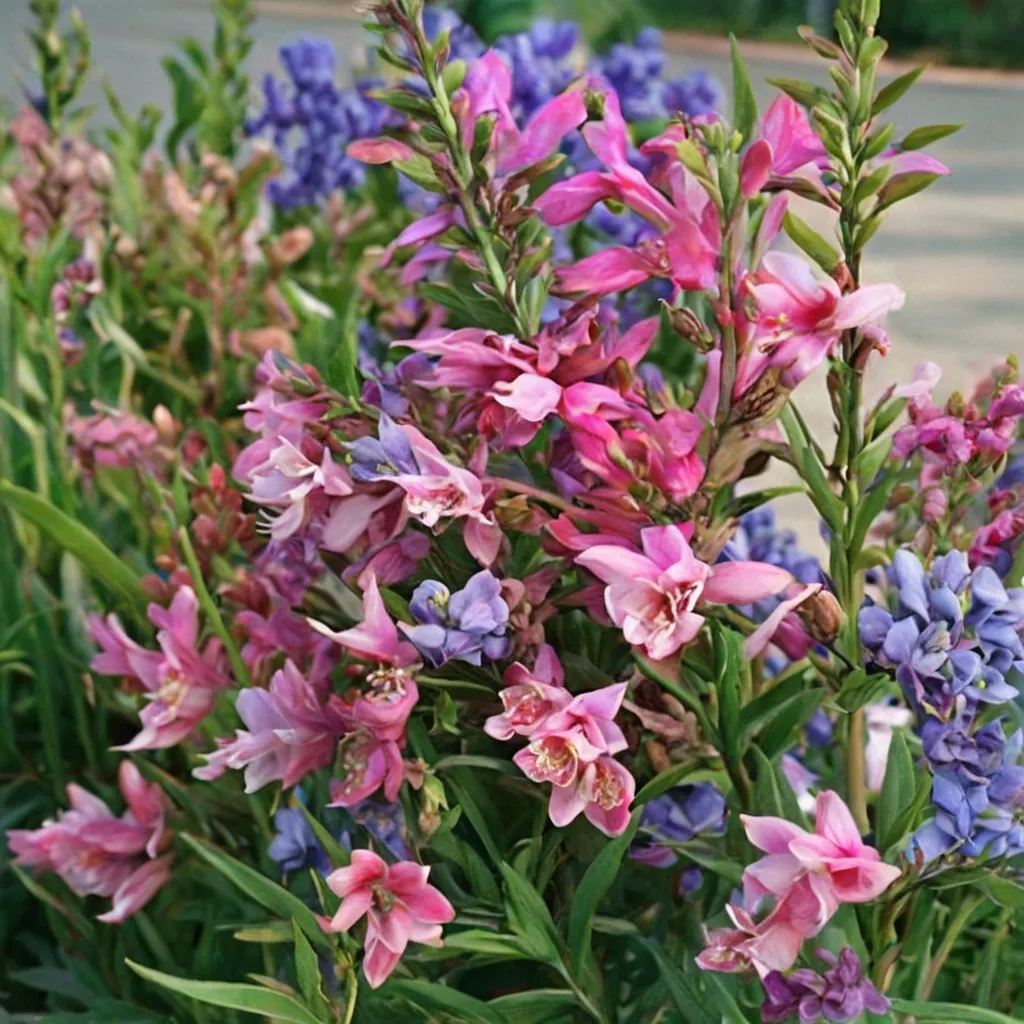
Beardtongue Rondo
Penstemon barbatus 'Rondo'
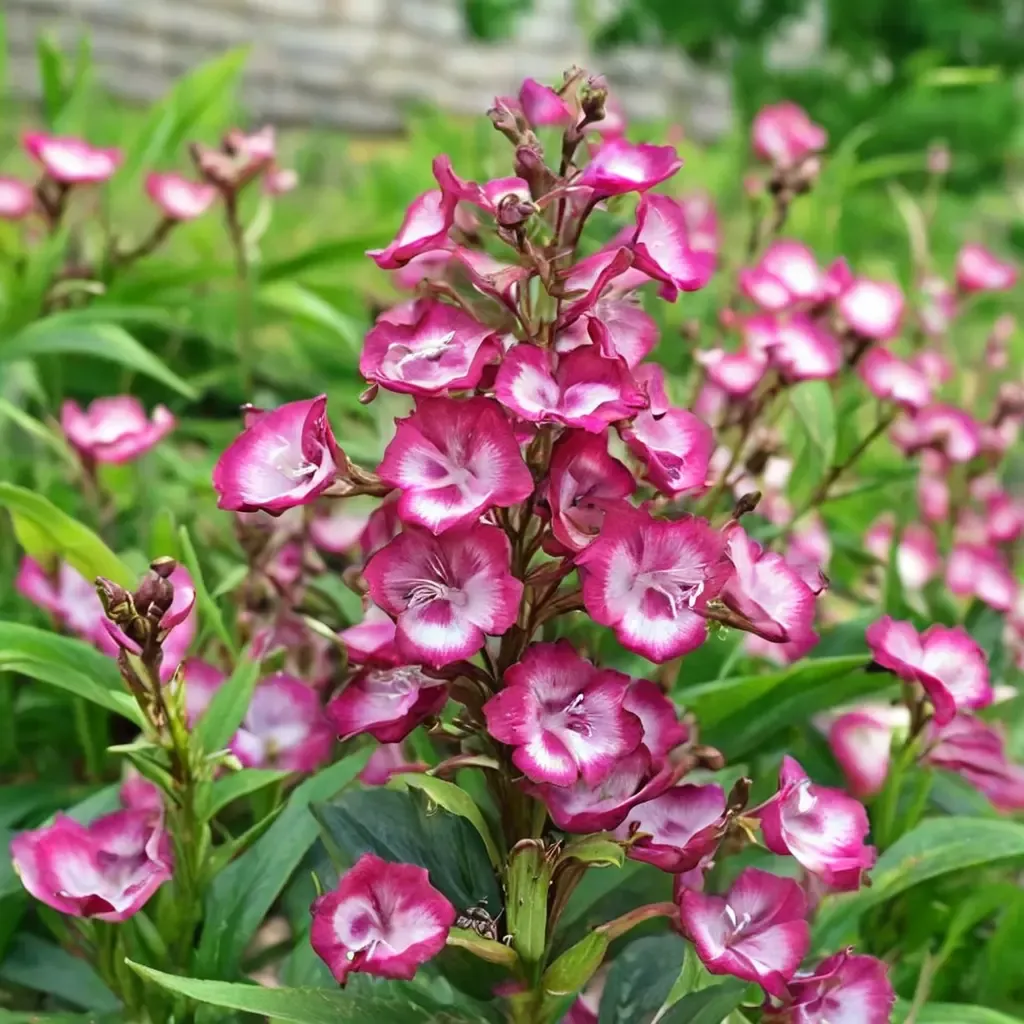
George Home Penstemon
Penstemon digitalis 'George Home'
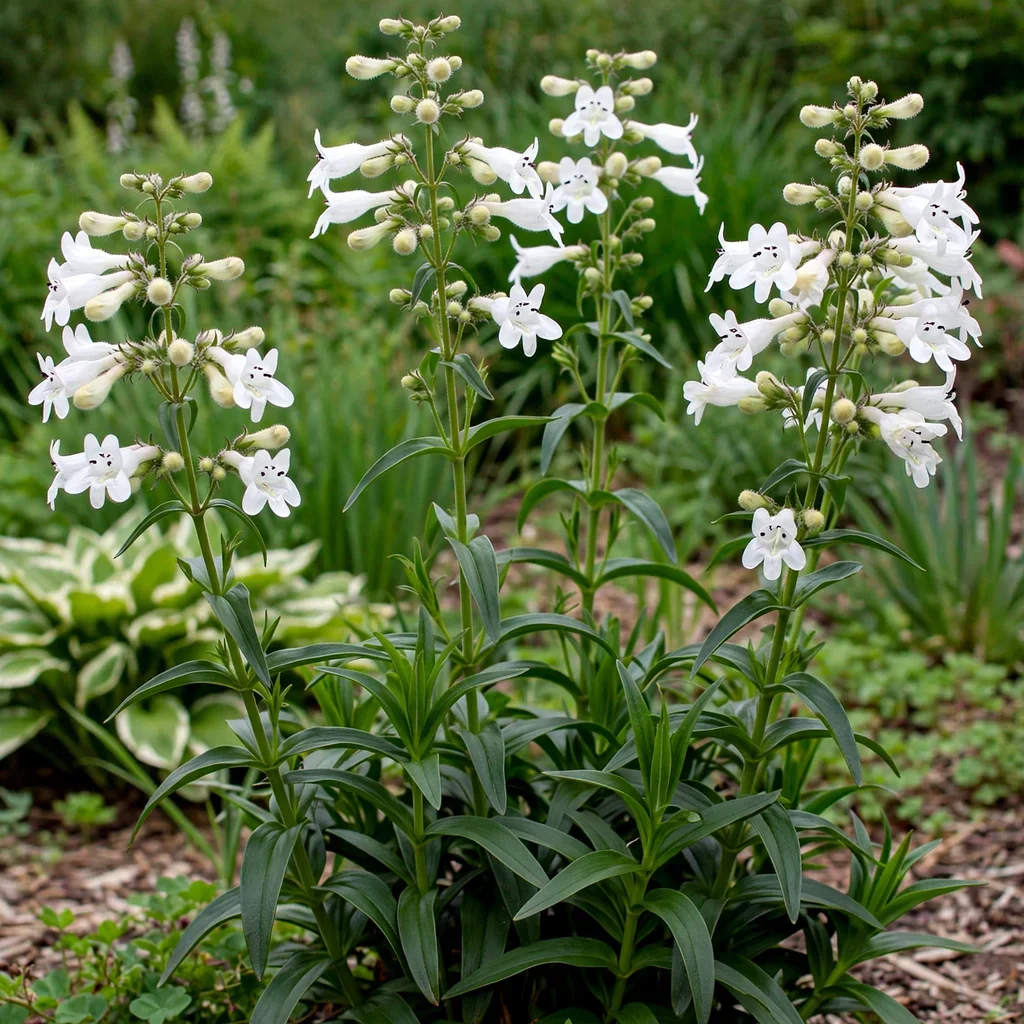
Foxglove Beardtongue
Penstemon digitalis
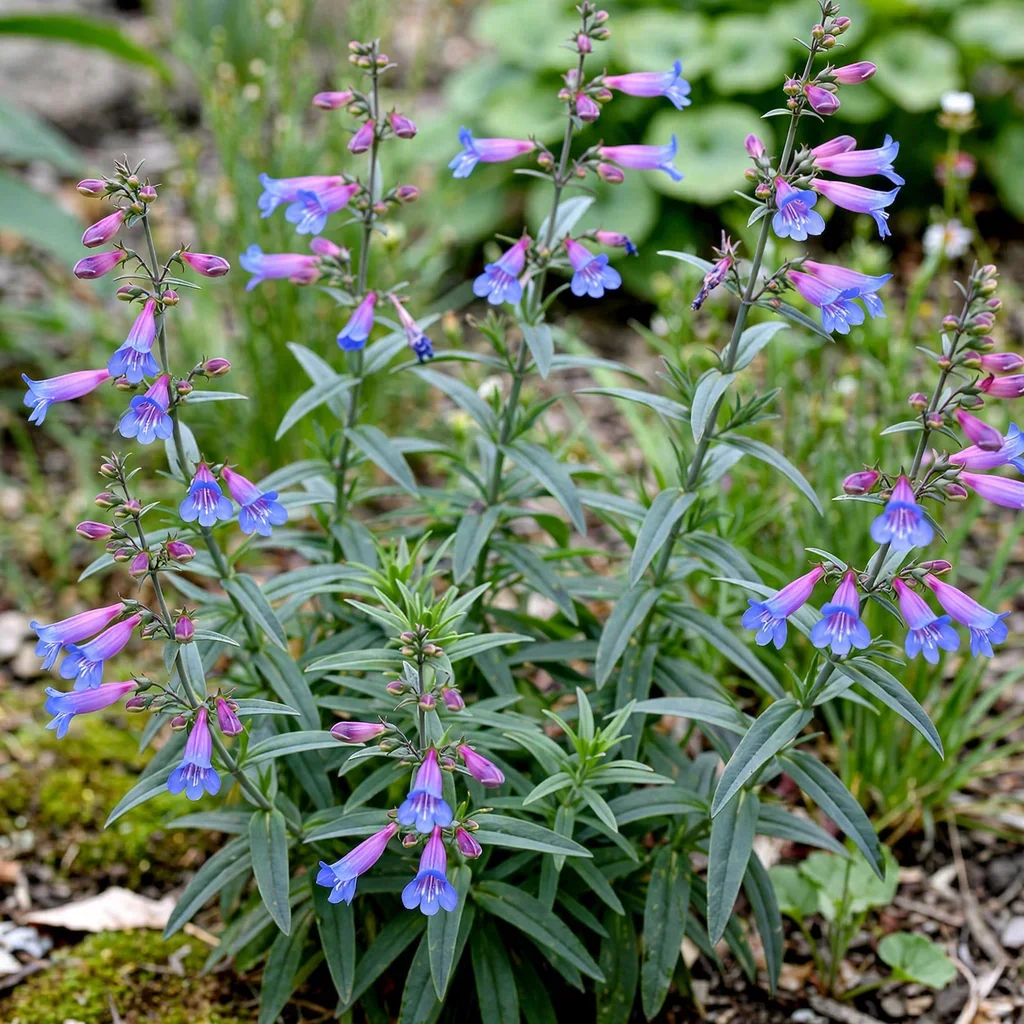
Blue Springs Penstemon
Penstemon heterophyllus 'Blue Springs'
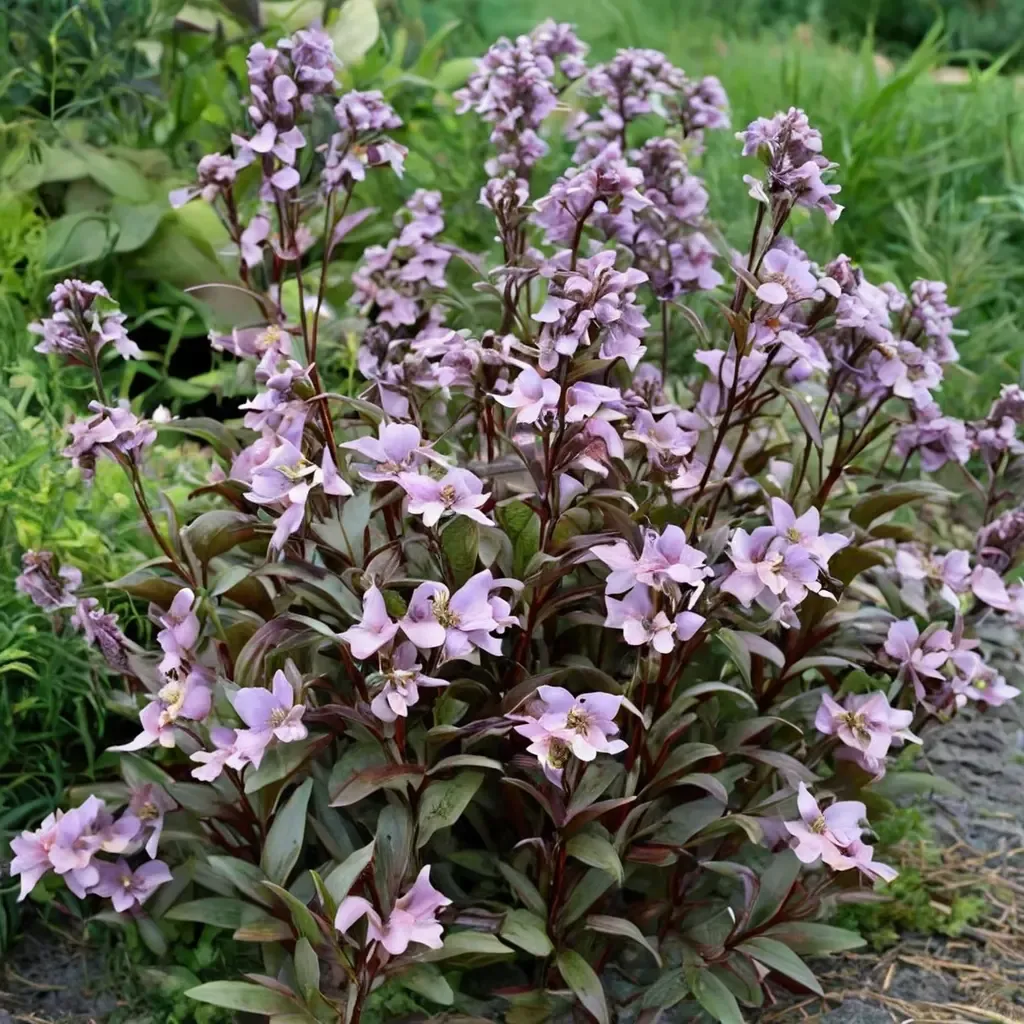
Blackbeard Beardtongue
Penstemon digitalis 'Blackbeard'
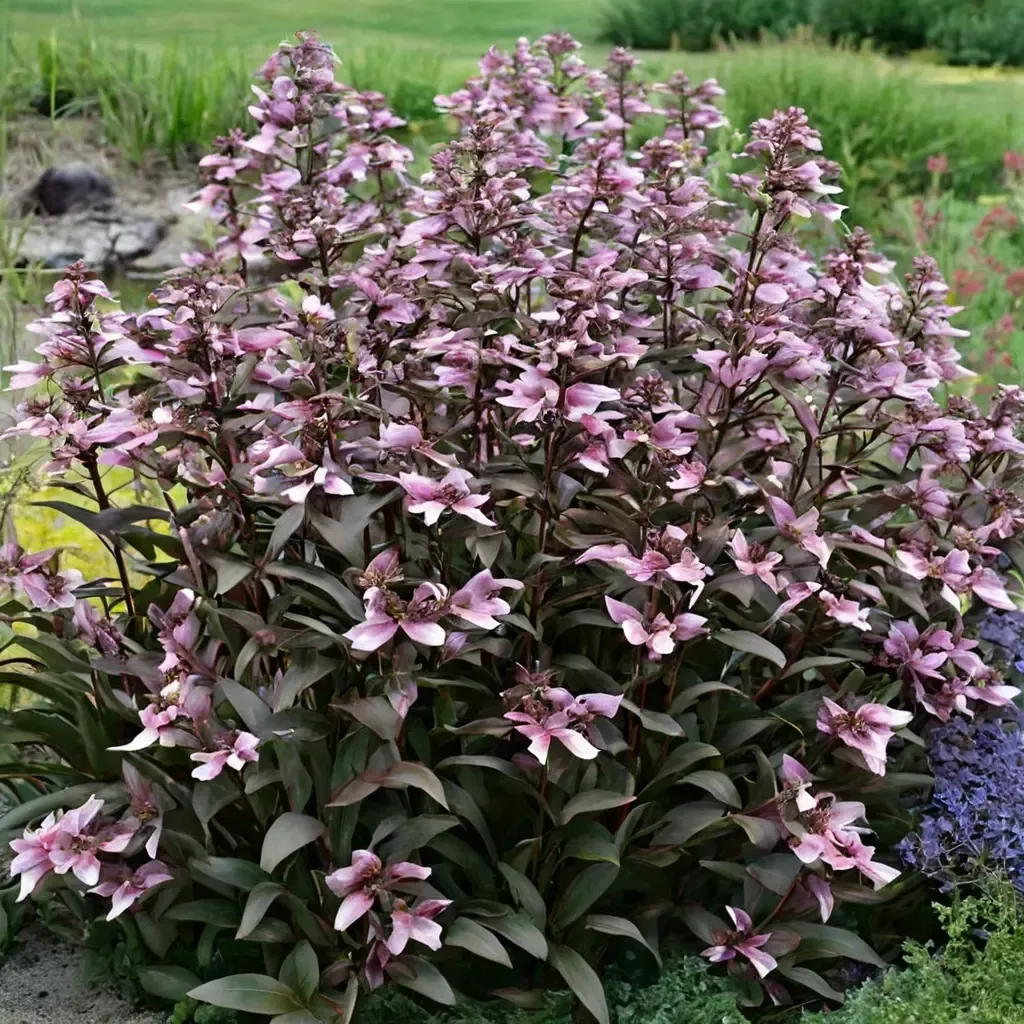
Dark Towers Penstemon
Penstemon digitalis 'Dark Towers'
Keep exploring
Explore the genus
Hardy in your zone?
Grow Bush penstemon with confidence
See it in a design of your actual yard, get zone-matched care reminders, and track it season by season in your garden journal.