The Story
Plant Bio
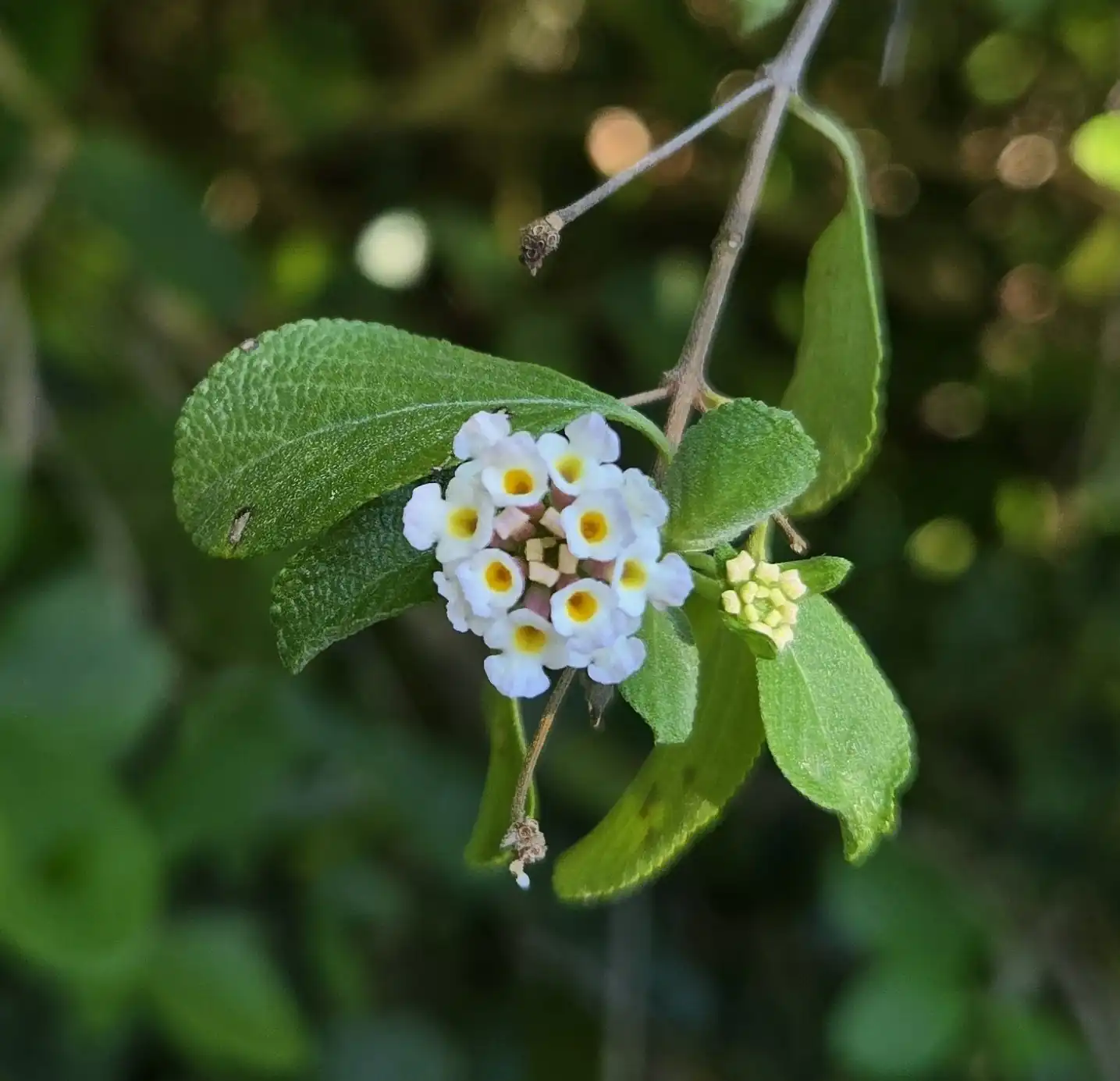
Lantana involucrata, the buttonsage, is a heavily branched evergreen shrub reaching three to five feet tall and wide, with small downy oval leaves with toothed margins. The flowers are borne in dense rounded clusters of small white to pale lavender tubes with a sweet scent, followed by fleshy purple to purplish-black drupes.
Unlike the common Lantana camara, this species is unarmed and forms a rounded shrub that stays dense with periodic pruning and turns open and leggy without it. It flowers in every season where frost does not interrupt it and sets ripe black fruit eaten by birds, while unripe green fruit remains poisonous.
Uses & Benefits:
Essentials
At a Glance
Plant Type
Shrub
Height
60"
Width
60"
Light
Full Sun
Zones
8, 9, 10
Water
Low
Humidity
Tolerant
Lifespan
Woody perennial shrub
Native To
South Florida, Mexico, Caribbean, northern South America
Toxicity
Highly toxic if ingested
Bloom period
Year round
In flower about 12 months of the year
Planting
How to Grow
- Set out in spring after last frost in full sun with at least six hours of direct sun.
- Plant in dry, well-drained sandy or rocky soil at the same depth it grew in the pot.
- Water in once, then water sparingly until established; mature plants need no supplemental water except in prolonged drought.
- Tip-prune after bloom flushes to keep the crown dense and rounded.
Pro Tip
Give it full sun and sharp drainage and tip-prune after each heavy flush; shade and wet soil make it leggy and thin.
Keep It Thriving
Care Guide
Do
- Plant in full sun and well-drained ridge, dune, or shell soils.
- Prune periodically to maintain density and a four to six foot hedge form.
- Wear gloves and eye protection when pruning; foliage contact can irritate skin.
Don't
- Do not plant in wet clay or low ground that stays saturated.
- Do not eat any part; all parts are highly toxic with vomiting and diarrhea, and green berries are poisonous.
- Do not substitute Lantana camara; it is invasive in tropical areas while Lantana involucrata is native in Florida.
Seasonal Care Calendar
| Task | Jan | Feb | Mar | Apr | May | Jun | Jul | Aug | Sep | Oct | Nov | Dec |
|---|---|---|---|---|---|---|---|---|---|---|---|---|
| Mulch | ||||||||||||
| Pest Check | ||||||||||||
| Plant | ||||||||||||
| Propagate | ||||||||||||
| Prune |
Watch Out For
Pests & Diseases
Common Pests
Common Diseases
In the Garden
Landscape Uses & Companions
Landscape Uses
Multiply
Propagation Methods
Good to Know
Common Questions
Buttonsage questions
What zones can Buttonsage grow in?
Buttonsage is hardy in USDA Zones 8–10: in that range it survives winter in the ground. Colder than Zone 8, grow it in a container you can move to shelter for the winter.
Is Buttonsage deer resistant?
Yes — Buttonsage is rated deer-resistant. Deer typically pass it over, though extreme hunger can override any plant's defenses.
When does Buttonsage bloom?
Buttonsage typically blooms year-round. Exact timing shifts a week or two with your zone — Sow's bloom calendar maps it to your garden.
Does Buttonsage need full sun?
Buttonsage does best in full sun (6+ hours).
Is Buttonsage drought tolerant?
Yes — once established (usually after the first full season), Buttonsage handles dry spells with minimal watering. Water deeply its first year to build the root system that makes that possible.
More Lantana to compare
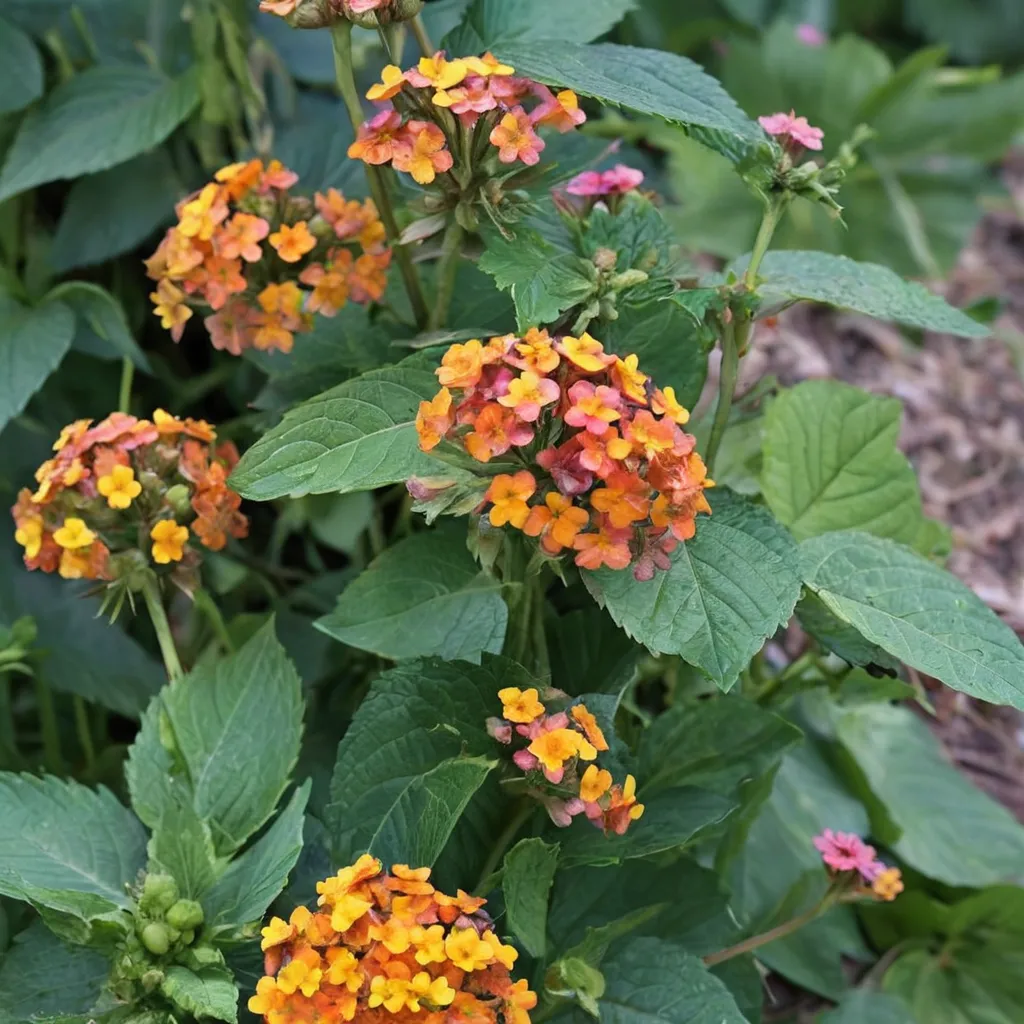
Lantana Miss Huff
Lantana camara 'Miss Huff'
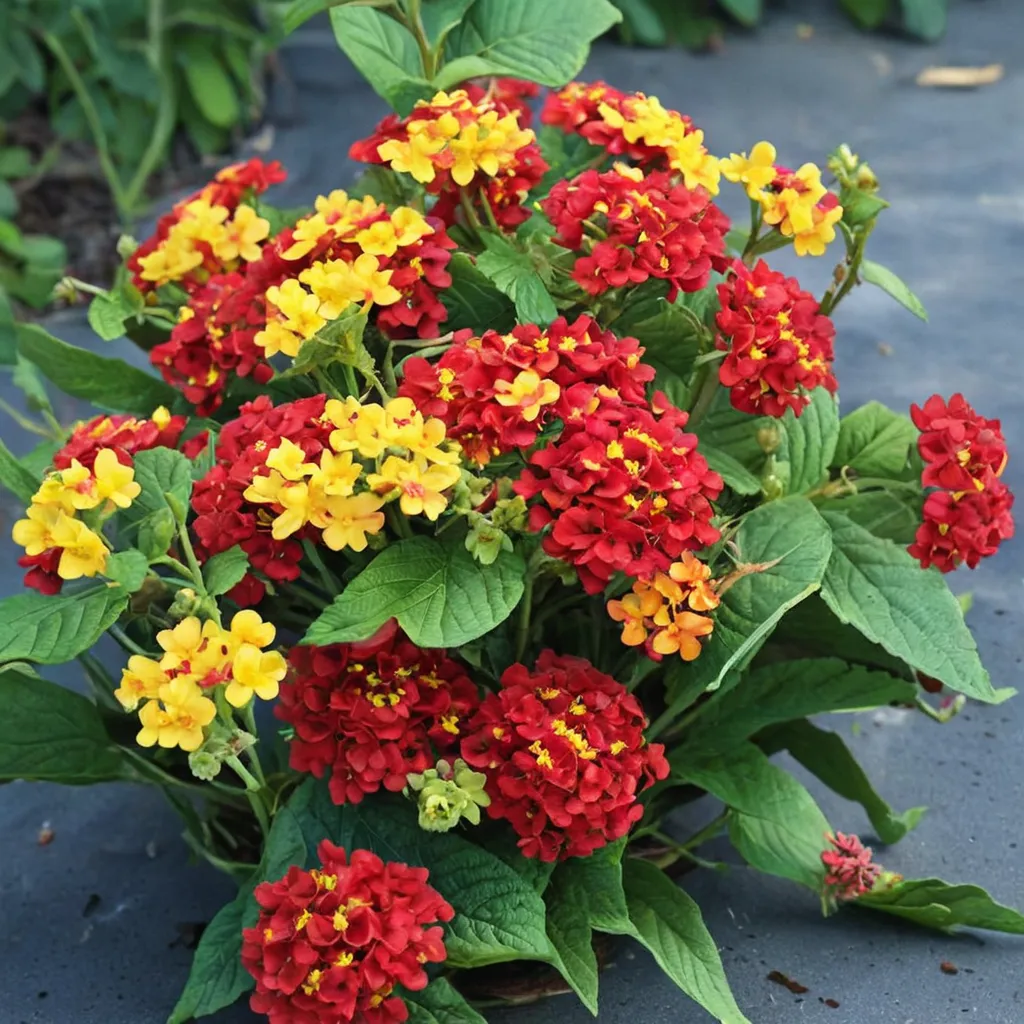
Lantana Luscious Citrus Blend
Lantana camara 'Luscious Citrus Blend'
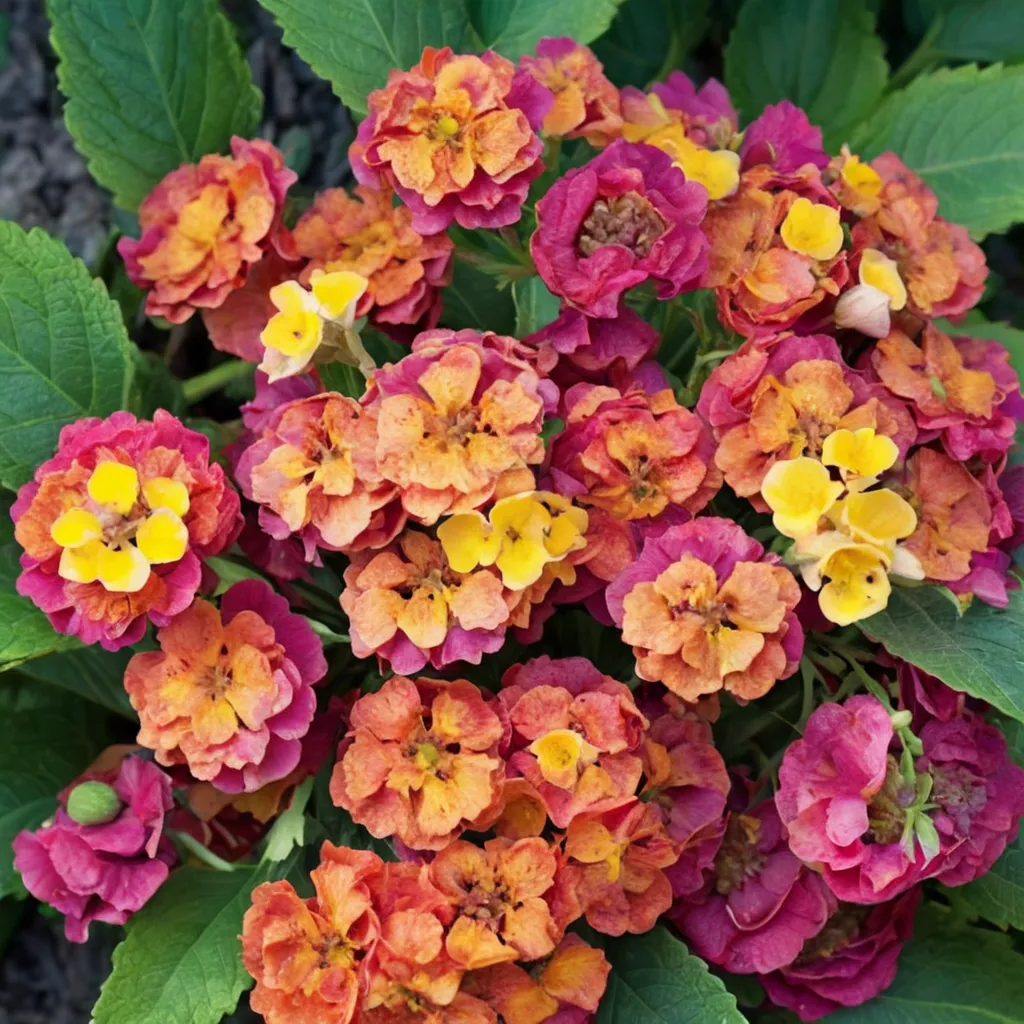
Lantana Cherry Sunrise
Lantana camara 'Cherry Sunrise'
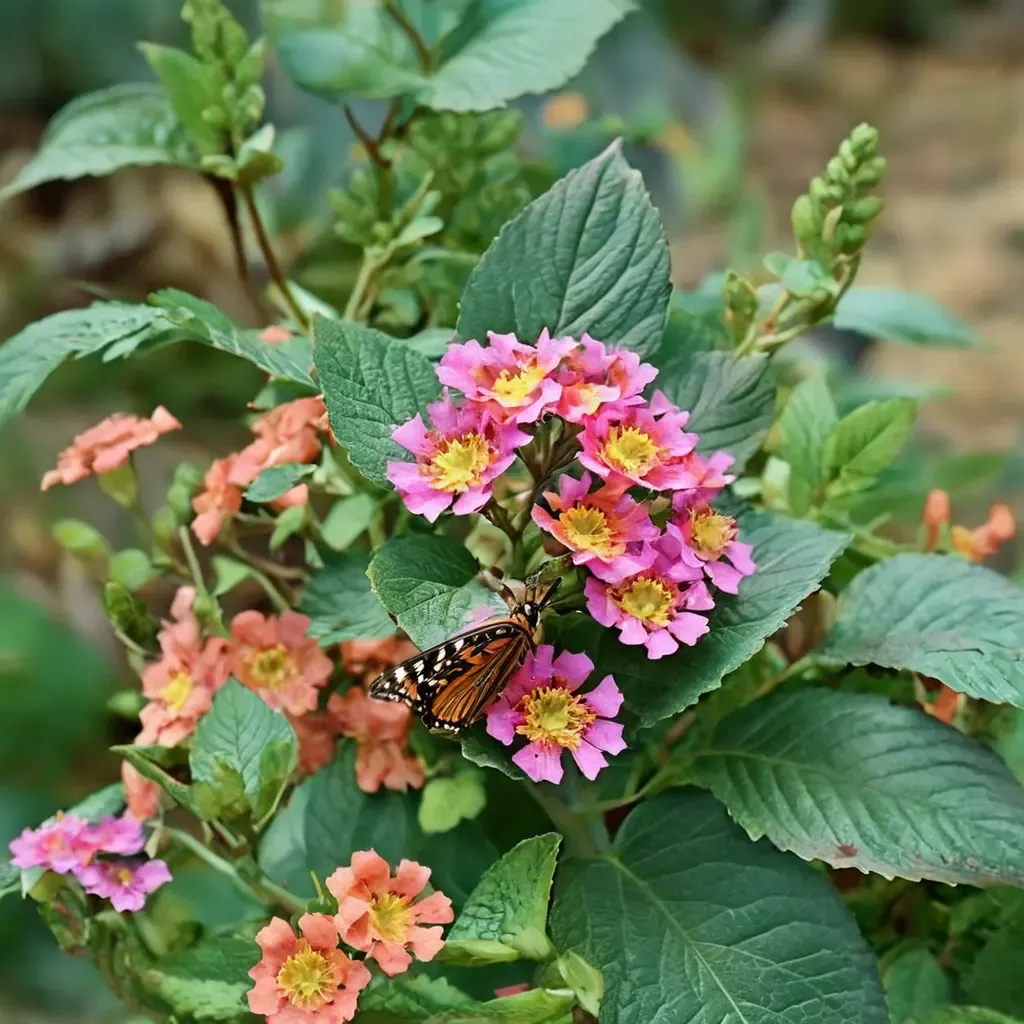
Butterfly Puddler Lantana
Lantana camara 'Butterfly Puddler'
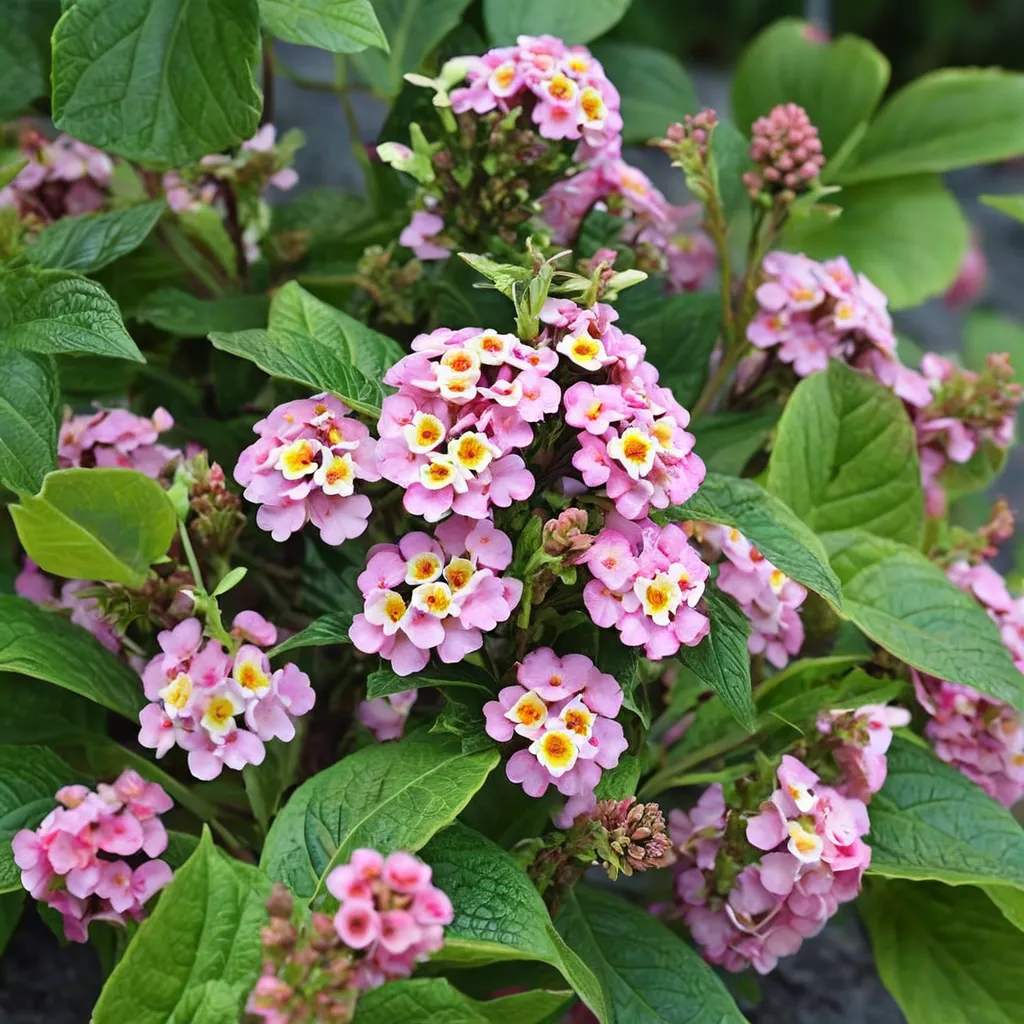
Lantana Camara Luscious Pinkberry Blend
Lantana camara 'Luscious Pinkberry Blend'
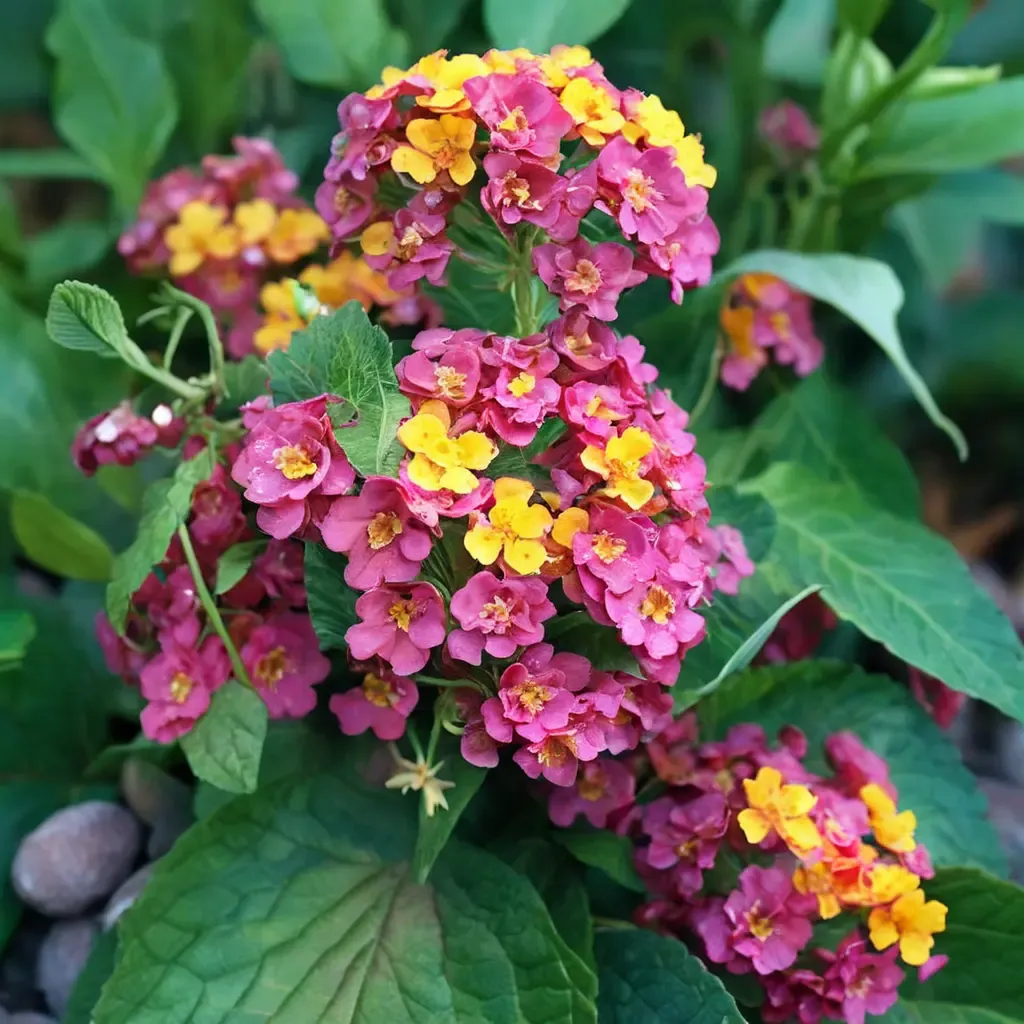
Irene Lantana
Lantana camara 'Irene'
Keep exploring
Explore the genus
Hardy in your zone?
Grow Buttonsage with confidence
See it in a design of your actual yard, get zone-matched care reminders, and track it season by season in your garden journal.