The Story
Plant Bio
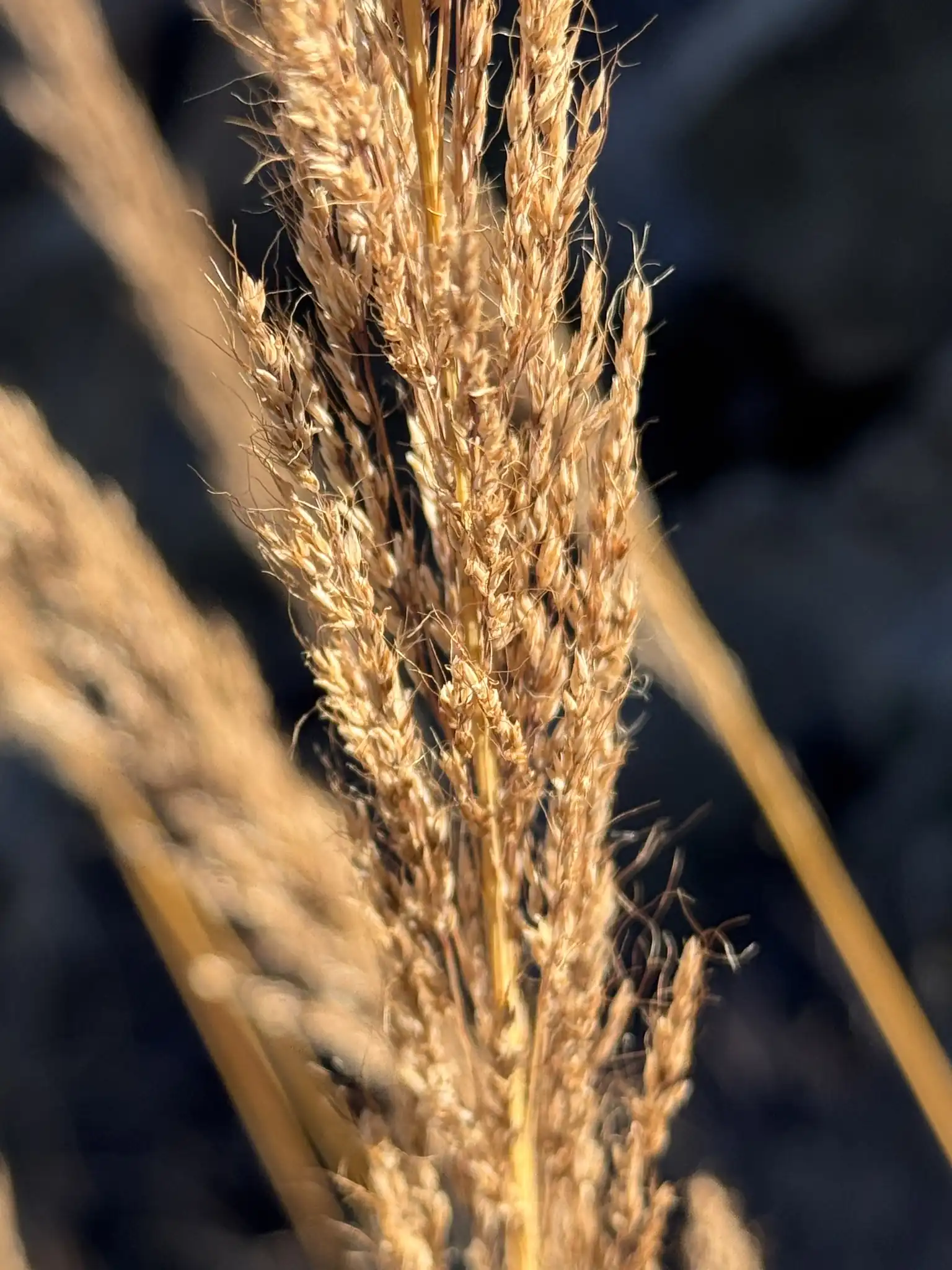
Muhlenbergia emersleyi is an evergreen clumping grass from rocky slopes and oak woodland from Arizona to Panama, forming a dense arching mound of blue-green foliage two to three feet tall. The bloom is wind-pollinated; loose airy plumes rise three to five feet above the leaves in summer and hold into fall, opening dark purple-red and fading to cream-tan.
It stays smaller and denser than Muhlenbergia rigens, with coarser slightly wider blue-green leaves coated in wax to limit water loss. Plants sold as Gooding's muhly are the same species under the synonym Muhlenbergia gooddingii, and it flowers earlier than most other muhlys.
Uses & Benefits:
Essentials
At a Glance
Plant Type
Grass
Height
48"
Width
36"
Light
Full Sun, Partial Sun
Zones
6, 7, 8, 9, 10
Water
Low
Humidity
Low
Lifespan
Perennial
Native To
Southwestern U.S. to Panama
Toxicity
Possibly toxic to some animals
Bloom period
Summer – Fall
In flower about 6 months of the year
Planting
How to Grow
- Plant in full sun to light shade in very well-drained rocky, gravelly or sandy soil.
- Space 3 feet apart to allow the arching mound to develop without crowding.
- Water regularly to establish, then reduce; established plants take reflected heat and drought.
- Cut the entire mound back in early spring before new growth starts.
- Leave fall plumes standing for winter structure and bird cover.
Pro Tip
Cut the mound back hard in spring, not fall, leaving the faded plumes for winter structure; plants labeled Gooding's muhly are this same species.
Keep It Thriving
Care Guide
Do
- Plant in well-drained soil with sharp winter drainage
- Give full sun with room for air movement
- Cut back hard in spring to renew foliage
Don't
- Do not cut back in fall
- Do not plant in wet or poorly drained soil
- Do not confuse with running fountain grass
Seasonal Care Calendar
| Task | Jan | Feb | Mar | Apr | May | Jun | Jul | Aug | Sep | Oct | Nov | Dec |
|---|---|---|---|---|---|---|---|---|---|---|---|---|
| Mulch | ||||||||||||
| Pest Check | ||||||||||||
| Plant | ||||||||||||
| Prune | ||||||||||||
| Winter Prep |
Watch Out For
Pests & Diseases
Common Pests
Common Diseases
In the Garden
Landscape Uses & Companions
Landscape Uses
Companion Plants
Multiply
Propagation Methods
Good to Know
Common Questions
Bullgrass questions
What zones can Bullgrass grow in?
Bullgrass is hardy in USDA Zones 6–10: in that range it survives winter in the ground. Colder than Zone 6, grow it in a container you can move to shelter for the winter, or as an annual.
Is Bullgrass deer resistant?
Yes — Bullgrass is rated deer-resistant. Deer typically pass it over, though extreme hunger can override any plant's defenses.
When does Bullgrass bloom?
Bullgrass typically blooms from summer to fall. Exact timing shifts a week or two with your zone — Sow's bloom calendar maps it to your garden.
Does Bullgrass need full sun?
Bullgrass does best in full sun to part shade. In hot climates, afternoon shade keeps blooms fresher longer.
Is Bullgrass drought tolerant?
Yes — once established (usually after the first full season), Bullgrass handles dry spells with minimal watering. Water deeply its first year to build the root system that makes that possible.
More Muhlenbergia to compare
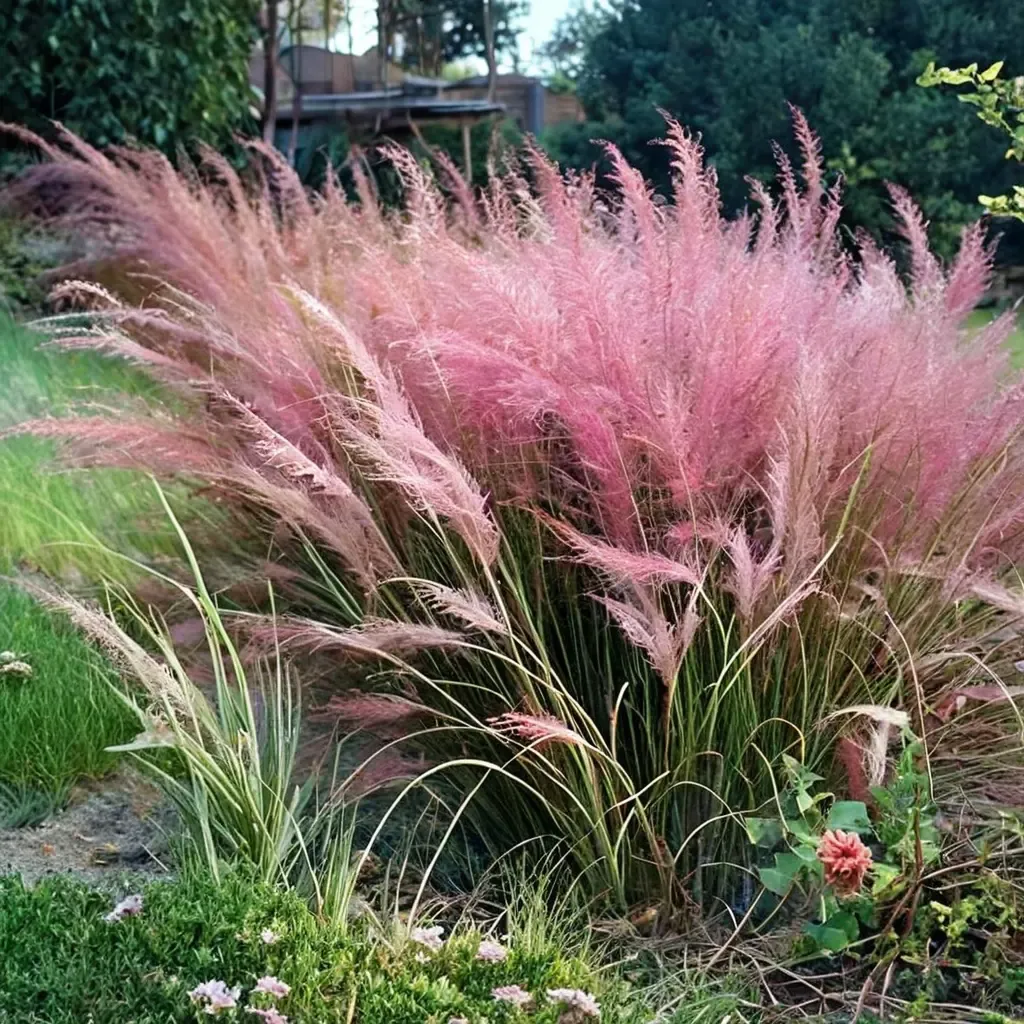
Pink Muhly Grass
Muhlenbergia capillaris
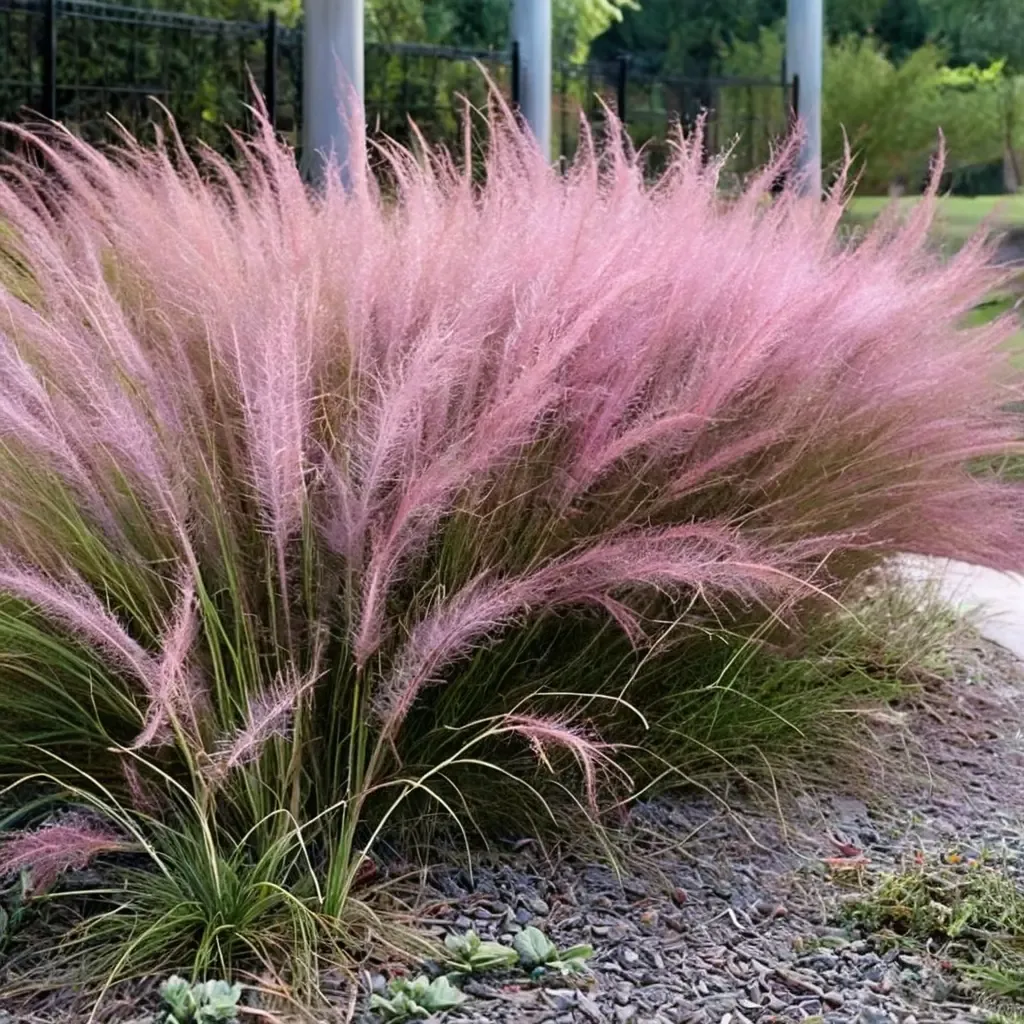
Pink Cloud Muhly Grass
Muhlenbergia capillaris 'Pink Cloud'
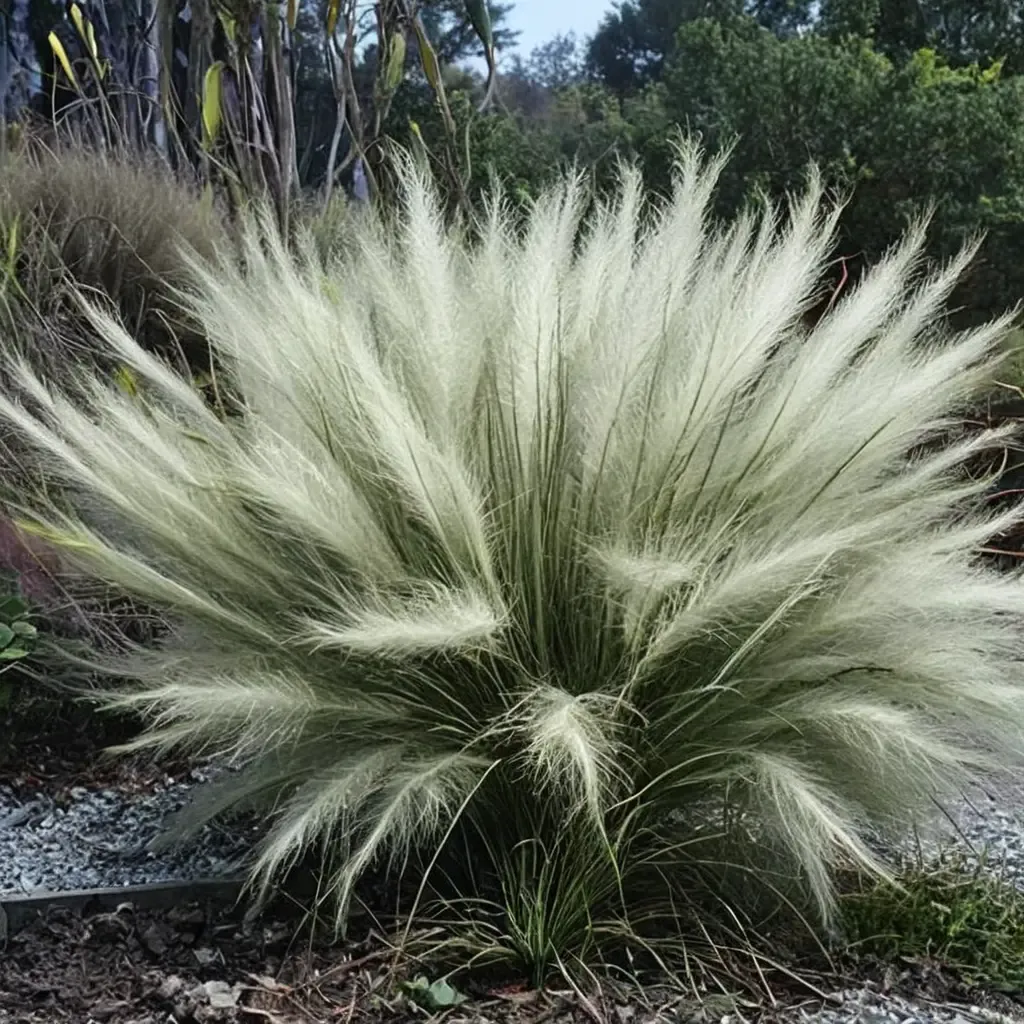
White Cloud Muhly
Muhlenbergia sericea 'White Cloud'
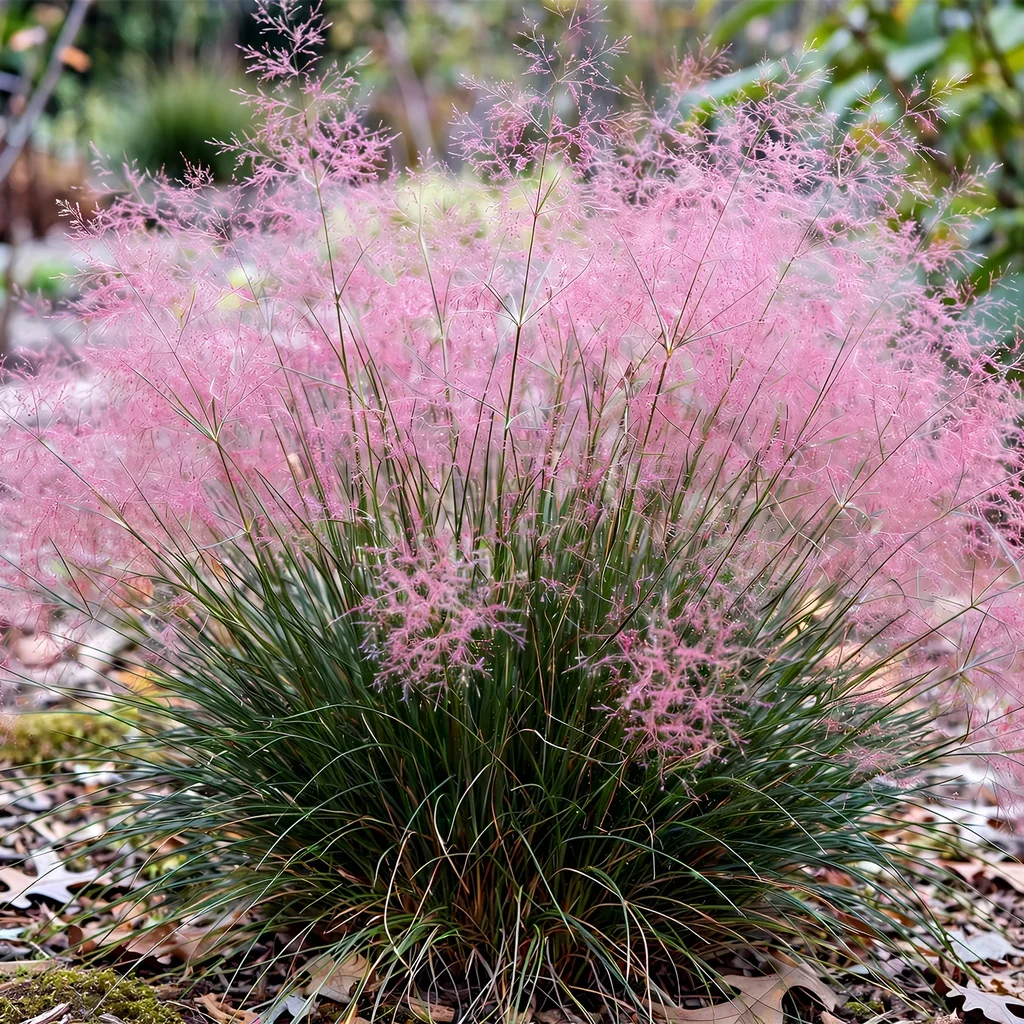
Pink Hairgrass
Muhlenbergia capillaris 'Pink Hairgrass'
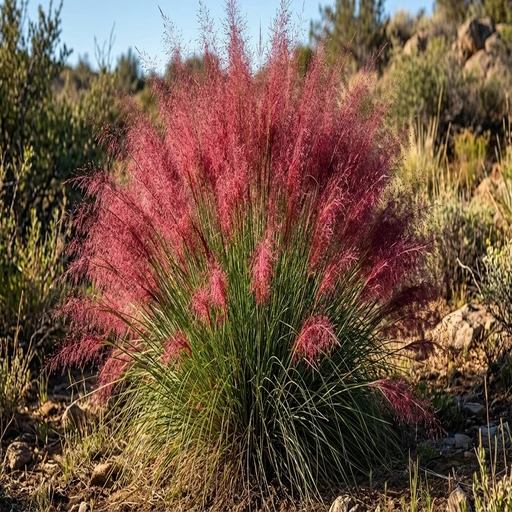
Undaunted Ruby Muhly Grass
Muhlenbergia reverchonii 'Undaunted Ruby'
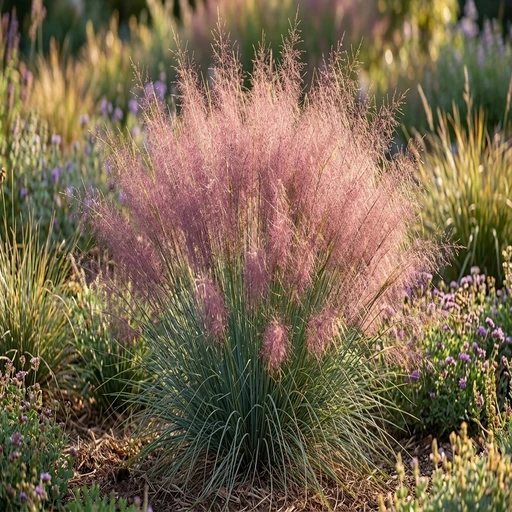
Ruby Muhly Grass
Muhlenbergia reverchonii
Keep exploring
Explore the genus
Hardy in your zone?
Grow Bullgrass with confidence
See it in a design of your actual yard, get zone-matched care reminders, and track it season by season in your garden journal.