The Story
Plant Bio
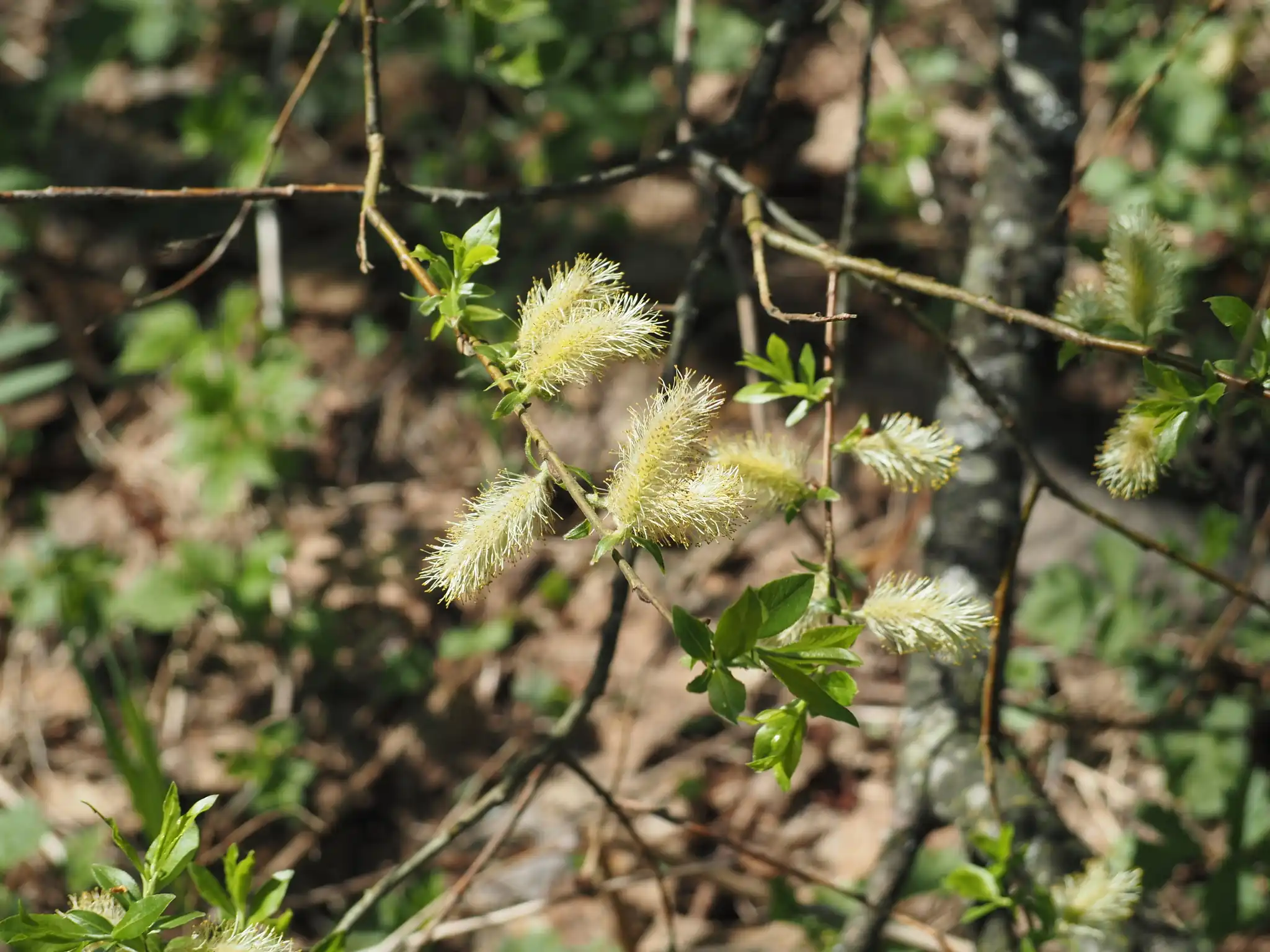
Salix myrsinifolia, the dark-leaved willow, is a deciduous, multi-stemmed shrub or small tree native to Europe and Western Siberia, characterized by its flexible stems and upright, spreading habit. The dark green, glossy leaves turn a distinctive blackish color upon drying, while the spring flowers appear as erect catkins on short, leafy stalks just before or alongside the new foliage.
This species is exceptionally cold-hardy, thriving in subarctic conditions where other woody plants struggle. Unlike many wetland willows, it requires active soil oxygenation and will decline in stagnant, oxygen-depleted swamps despite its high moisture demand.
Uses & Benefits:
Essentials
At a Glance
Plant Type
Shrub
Height
196"
Width
118"
Light
Full Sun, Partial Sun
Zones
4, 5, 6, 7
Water
High
Humidity
Moderate
Lifespan
Moderate
Native To
Europe and Western Siberia
Toxicity
Toxic to pets (contains salicylates)
Bloom period
Spring
In flower about 3 months of the year
Planting
How to Grow
- Select a planting site in full sun to partial shade with rich, moisture-retentive loam or clay soil.
- Dig a hole twice as wide as the root ball and set the plant at the same depth it was growing in the container.
- Water thoroughly immediately after planting to settle the soil and eliminate air pockets around the roots.
- Apply a thick layer of organic mulch around the base to retain soil moisture, keeping the mulch clear of the stems.
- Maintain consistently moist soil conditions, providing supplemental water during dry spells to prevent drought stress.
Pro Tip
Prune only during winter dormancy and avoid cutting back into old, leafless wood, as older stems lack the latent buds required to regenerate.
Keep It Thriving
Care Guide
Do
- Keep the soil consistently moist or wet, especially during warm summer months.
- Prune annually in late winter or early spring to shape the shrub and manage its size.
- Ensure the planting site has moving or oxygenated water rather than stagnant, oxygen-depleted swamp water.
Don't
- Do not allow the soil to dry out completely, as this species has very low drought tolerance.
- Do not prune heavily into old, leafless wood where latent buds cannot break.
- Do not apply heavy fertilizers unless the soil is exceptionally poor.
Seasonal Care Calendar
| Task | Jan | Feb | Mar | Apr | May | Jun | Jul | Aug | Sep | Oct | Nov | Dec |
|---|---|---|---|---|---|---|---|---|---|---|---|---|
| Mulch | ||||||||||||
| Pest Check | ||||||||||||
| Propagate | ||||||||||||
| Prune |
Watch Out For
Pests & Diseases
Common Pests
Common Diseases
In the Garden
Landscape Uses & Companions
Landscape Uses
Companion Plants
Multiply
Propagation Methods
Good to Know
Common Questions
Dark-Leaved Willow questions
What zones can Dark-Leaved Willow grow in?
Dark-Leaved Willow is hardy in USDA Zones 4–7. Inside that range it survives winter in the ground; outside it, grow it as an annual or a container plant you protect.
Is Dark-Leaved Willow deer resistant?
Not reliably. Deer may browse Dark-Leaved Willow, especially tender spring growth — plan on repellents or fencing where pressure is high.
When does Dark-Leaved Willow bloom?
Dark-Leaved Willow typically blooms in spring through spring. Exact timing shifts a week or two with your zone — Sow's bloom calendar maps it to your garden.
Does Dark-Leaved Willow need full sun?
Dark-Leaved Willow does best in full sun to part shade. In hot climates, afternoon shade keeps blooms fresher longer.
More Salix to compare
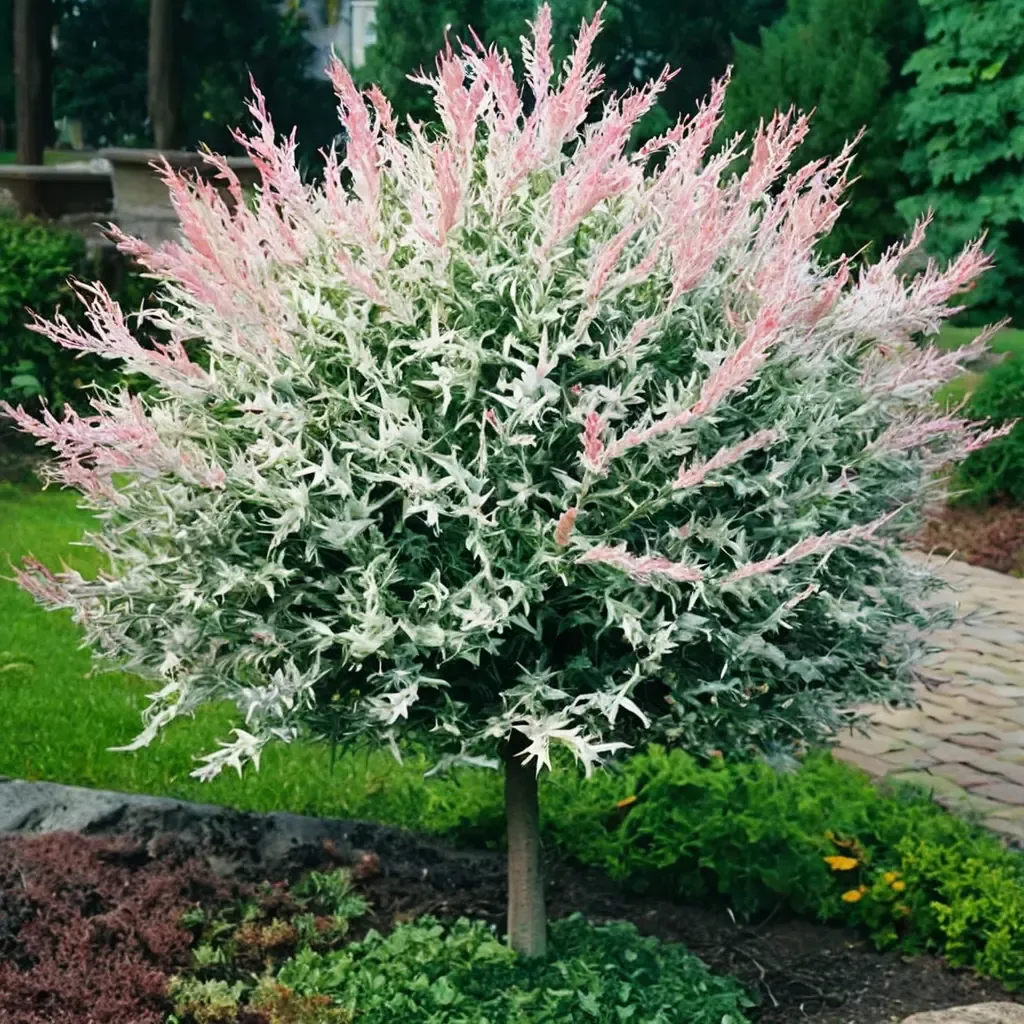
Dappled Willow
Salix integra 'Hakuro-nishiki'
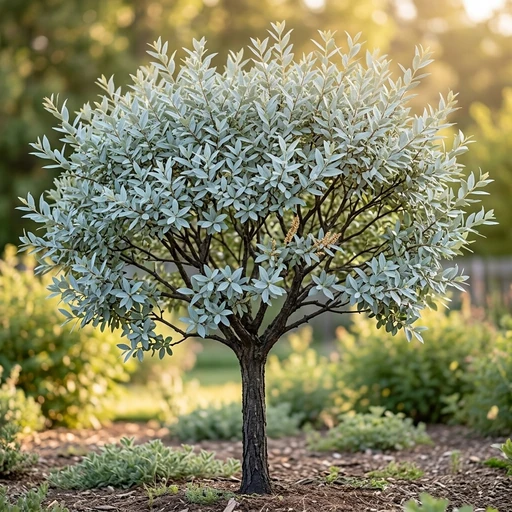
Black Willow
Salix nigra
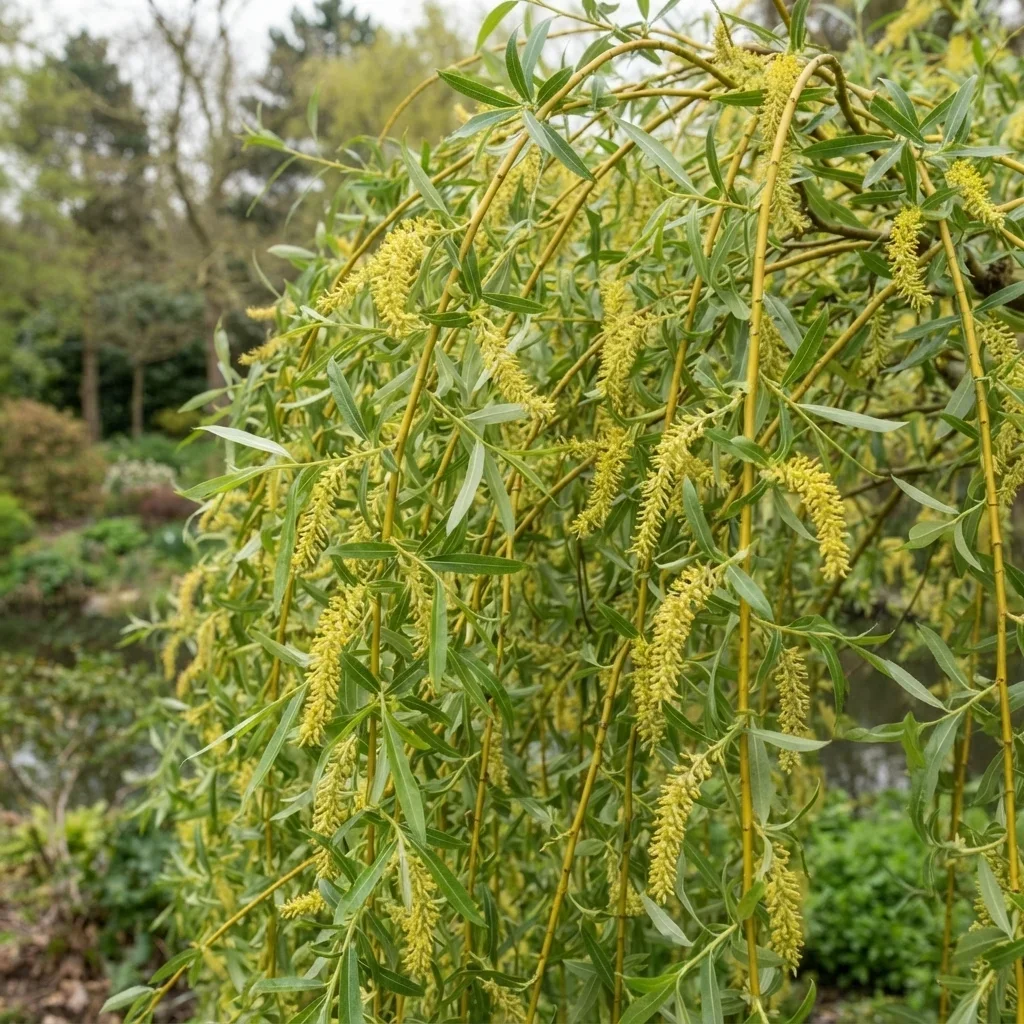
Weeping Willow
Salix x sepulcralis 'Mix'
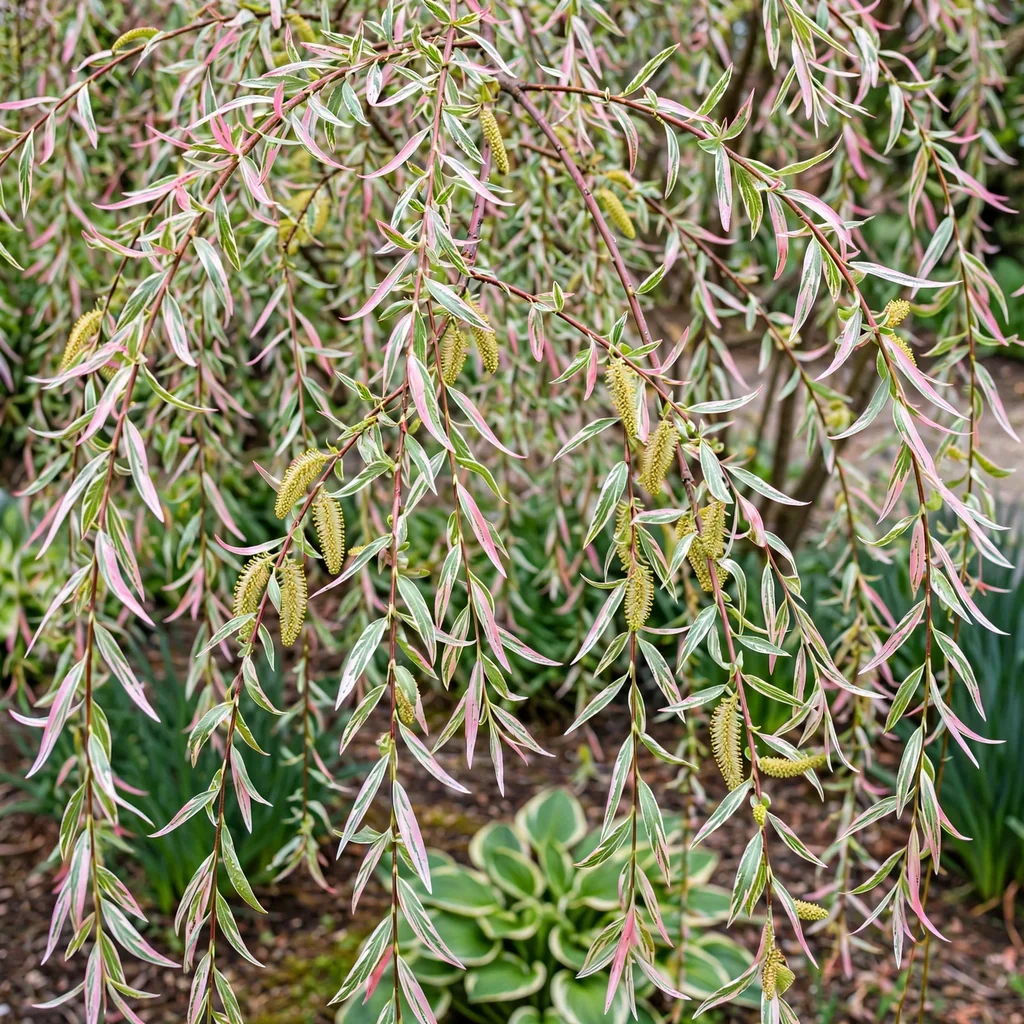
Flamingo Dappled Willow
Salix integra 'Flamingo'
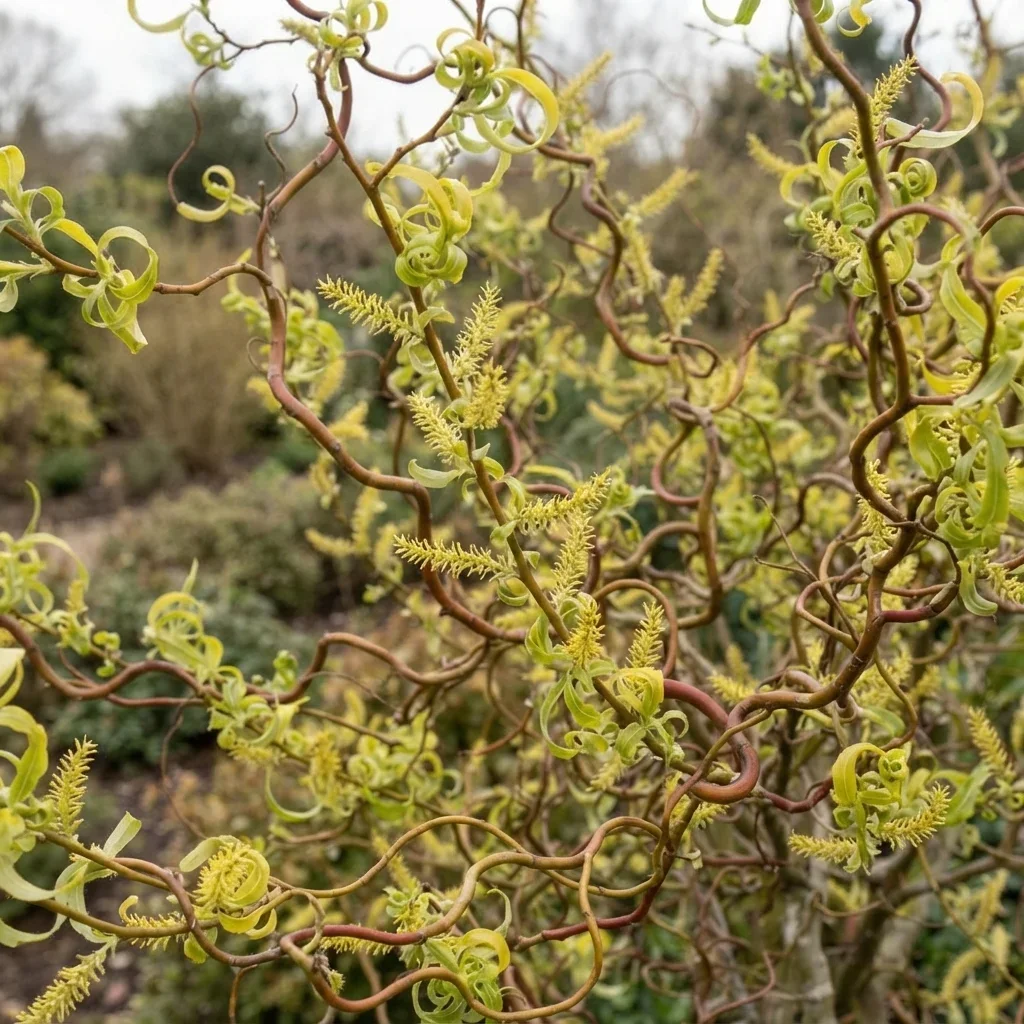
Corkscrew Willow
Salix babylonica 'Tortuosa'
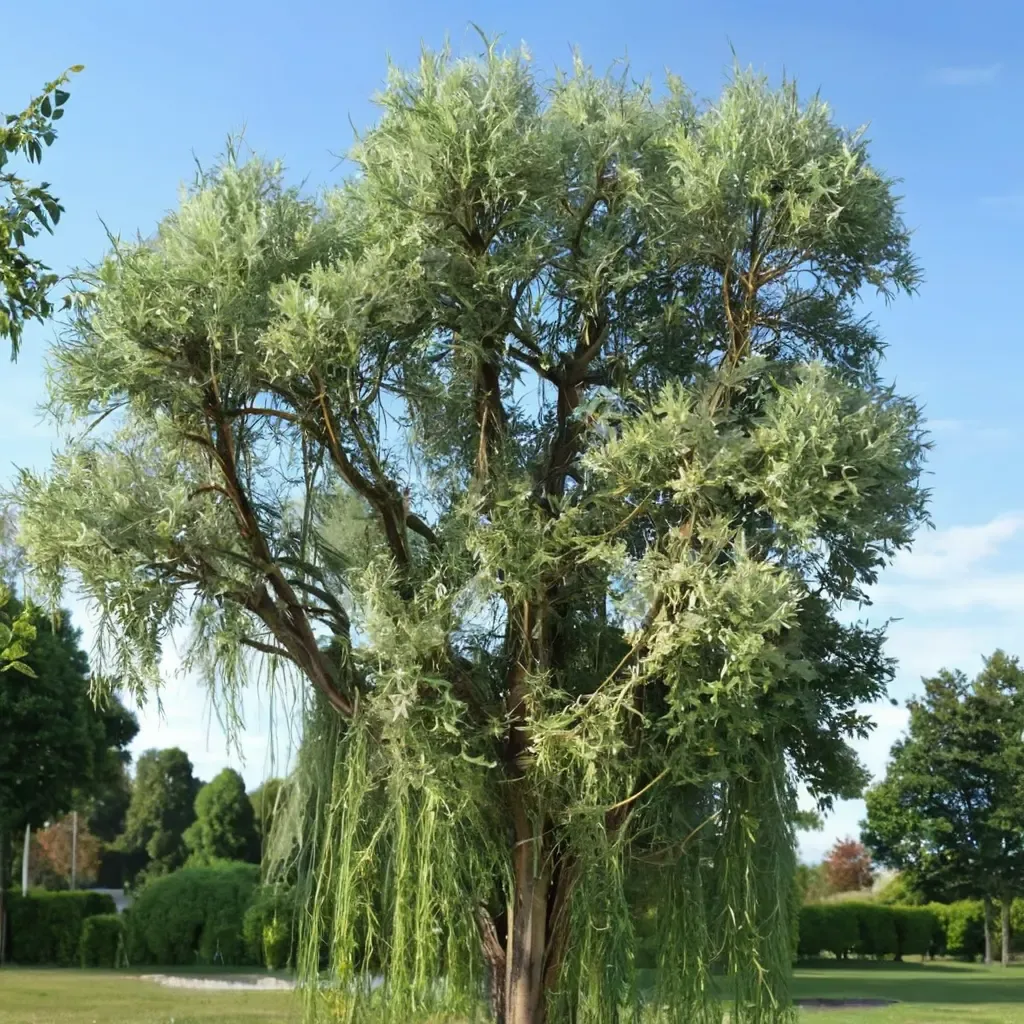
White Willow
Salix alba
Keep exploring
Explore the genus
Hardy in your zone?
Grow Dark-Leaved Willow with confidence
See it in a design of your actual yard, get zone-matched care reminders, and track it season by season in your garden journal.