The Story
Plant Bio
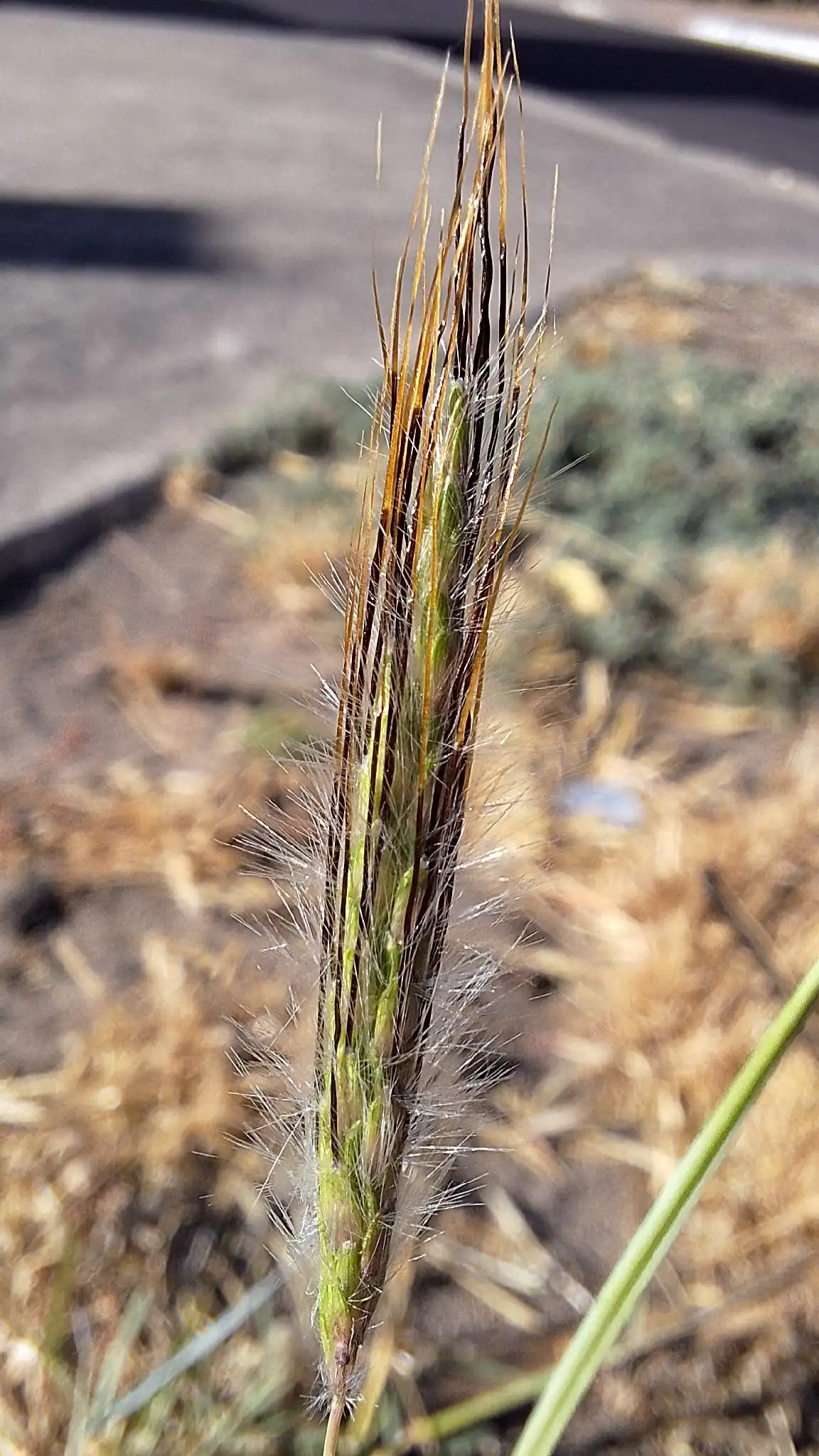
Dichanthium sericeum is a slender, tufted grass that forms narrow clumps up to four feet tall, featuring soft leaf blades ranging from green to distinctive blue-green or purple hues. The nodes along its branching stems are marked by dense, conspicuous rings of white hairs.
Its upright flower heads consist of paired racemes coated in silky white hairs and dark, twisted awns that move in response to humidity changes. The foliage shifts in tone through the seasons, providing structural interest in naturalistic plantings.
Uses & Benefits:
Essentials
At a Glance
Plant Type
Grass
Height
47"
Width
12"
Light
Full Sun
Zones
8, 9, 10
Water
Low to Medium
Humidity
High
Lifespan
Perennial
Native To
Australia, Indo-China
Toxicity
Non-toxic
Bloom period
Late spring – Fall
In flower about 7 months of the year
Planting
How to Grow
- Select a site in full sun with neutral to alkaline soil and reliable drainage.
- Sow seeds lightly on the soil surface or set plugs at the exact depth they grew in their containers.
- Water regularly during the first month to establish seedling root systems before reducing moisture.
- Trim back dead top growth near the base in late winter before new shoots emerge.
Pro Tip
Avoid aggressive hand-weeding or mechanical disturbance around the base, as the shallow and delicate root system easily dislodges from the soil.
Keep It Thriving
Care Guide
Do
- Plant in full sun to maintain dense, upright stems.
- Ensure soil drains freely to prevent crown decay during rainy periods.
- Allow seeds to drop naturally if self-sowing is desired.
Don't
- Do not over-fertilize, as excess nitrogen weakens stem structure and root stability.
- Avoid planting in deeply shaded or waterlogged locations.
- Do not pull aggressively on surrounding weeds, which can uproot the grass entirely.
Seasonal Care Calendar
| Task | Jan | Feb | Mar | Apr | May | Jun | Jul | Aug | Sep | Oct | Nov | Dec |
|---|---|---|---|---|---|---|---|---|---|---|---|---|
| Fertilize | ||||||||||||
| Pest Check | ||||||||||||
| Plant | ||||||||||||
| Prune |
Watch Out For
Pests & Diseases
Common Pests
Common Diseases
In the Garden
Landscape Uses & Companions
Landscape Uses
Multiply
Propagation Methods
Good to Know
Common Questions
Silky Bluestem questions
What zones can Silky Bluestem grow in?
Silky Bluestem is hardy in USDA Zones 8–10: in that range it survives winter in the ground. Colder than Zone 8, grow it in a container you can move to shelter for the winter, or as an annual.
When does Silky Bluestem bloom?
Silky Bluestem typically blooms from late spring to late fall. Exact timing shifts a week or two with your zone — Sow's bloom calendar maps it to your garden.
Does Silky Bluestem need full sun?
Silky Bluestem does best in full sun (6+ hours).
Is Silky Bluestem drought tolerant?
Yes — once established (usually after the first full season), Silky Bluestem handles dry spells with minimal watering. Water deeply its first year to build the root system that makes that possible.
Keep exploring
Explore the genus
Hardy in your zone?
Grow Silky Bluestem with confidence
See it in a design of your actual yard, get zone-matched care reminders, and track it season by season in your garden journal.