The Story
Plant Bio
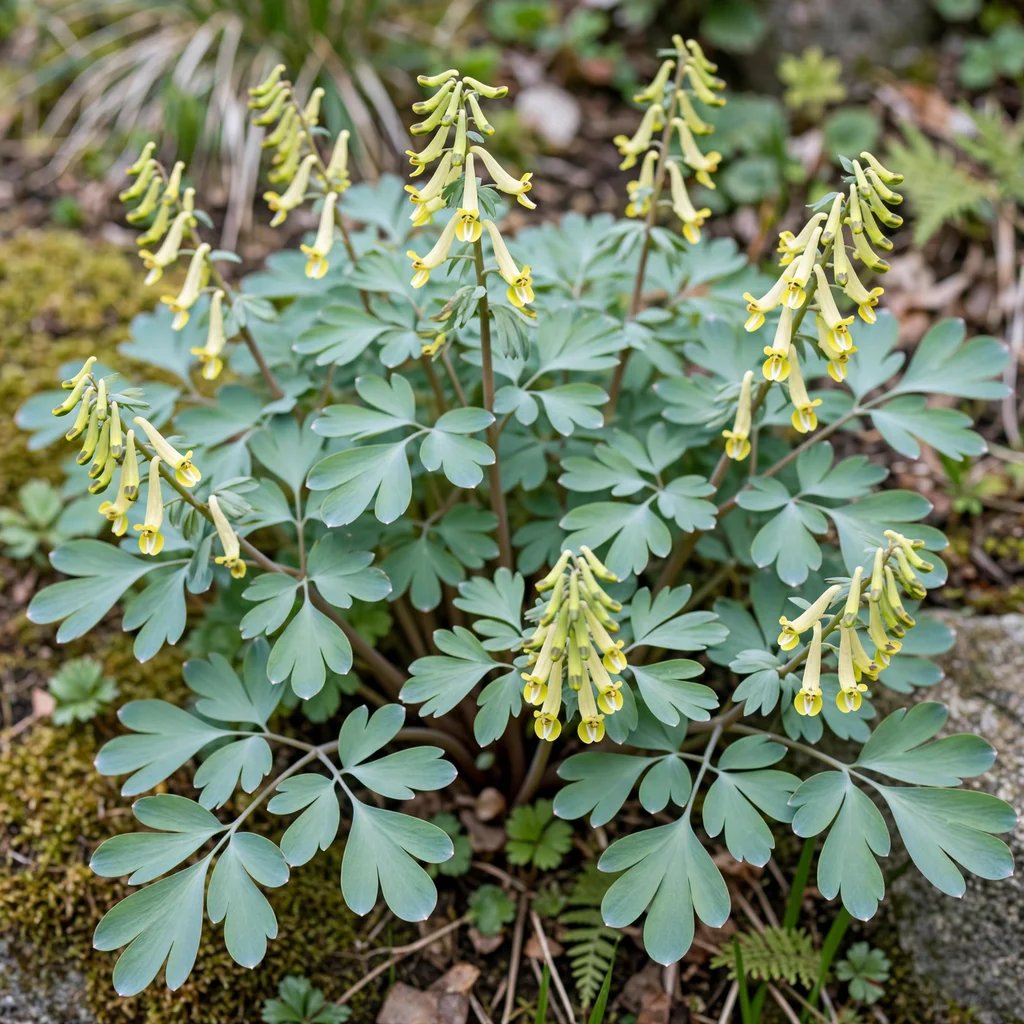
Corydalis saxicola is a rhizomatous perennial from the limestone cliffs of central and south China, forming a low mound to about a foot tall with brittle, nearly prostrate stems. The foliage is twice-divided and fernlike in pale blue-green, and the flowers are short-spurred yellow tubes carried in elongated, slightly nodding racemes.
Unlike the European yellow corydalis of garden walls, this is a true karst-crevice plant that demands lean, sharply drained rock rather than rich soil. It holds its blue-green mound through summer bloom and self-sows freely where drainage suits it, going soft and rotting where summer stays hot and wet.
Uses & Benefits:
Essentials
At a Glance
Plant Type
Perennial
Height
12"
Width
8"
Light
Partial Sun, Shade
Zones
5, 6, 7, 8
Water
Medium
Humidity
Low; intolerant of hot humid summers
Lifespan
Perennial
Native To
Central and South China
Toxicity
Toxic if ingested
Bloom period
Summer – Early fall
In flower about 4 months of the year
Planting
How to Grow
- Plant in spring after hard frost in part to full shade in gritty, free-draining loam with limestone chips worked in.
- Set the crown level with the surface and firm gravel around the stems to keep water off the neck.
- Water to establish, then keep evenly moist in summer; do not let the crevice sit wet in winter.
- Deadhead spent racemes to curb self-sowing unless you want seedlings in the stonework.
- Top-dress with a thin gravel mulch each fall to keep crowns dry and clean.
Pro Tip
Set the crown in a limestone crevice with gravel around the neck; wet shade in a peat bed rots it over winter.
Keep It Thriving
Care Guide
Do
- Give sharp drainage with limestone grit in the root zone.
- Keep soil evenly moist through bloom.
- Deadhead to limit self-sowing where it is happy.
Don't
- Do not plant in rich moisture-holding woodland soil.
- Do not leave crowns wet over winter.
- Do not expect it to persist through hot humid summers without airflow and shade.
Seasonal Care Calendar
| Task | Jan | Feb | Mar | Apr | May | Jun | Jul | Aug | Sep | Oct | Nov | Dec |
|---|---|---|---|---|---|---|---|---|---|---|---|---|
| Deadhead | ||||||||||||
| Divide | ||||||||||||
| Mulch | ||||||||||||
| Plant | ||||||||||||
| Spring Cleanup |
Watch Out For
Pests & Diseases
Common Pests
Common Diseases
In the Garden
Landscape Uses & Companions
Landscape Uses
Multiply
Propagation Methods
Good to Know
Common Questions
Yellow Corydalis questions
What zones can Yellow Corydalis grow in?
Yellow Corydalis is hardy in USDA Zones 5–8: in that range it survives winter in the ground. Colder than Zone 5, grow it in a container you can move to shelter for the winter, or as an annual. Warmer than Zone 8, winter isn't the problem: it prefers colder winters, and summer heat can shorten its life.
Is Yellow Corydalis deer resistant?
Yes — Yellow Corydalis is rated deer-resistant. Deer typically pass it over, though extreme hunger can override any plant's defenses.
When does Yellow Corydalis bloom?
Yellow Corydalis typically blooms from early summer to early fall. Exact timing shifts a week or two with your zone — Sow's bloom calendar maps it to your garden.
Does Yellow Corydalis need full sun?
Yellow Corydalis does best in part shade.
More Corydalis to compare
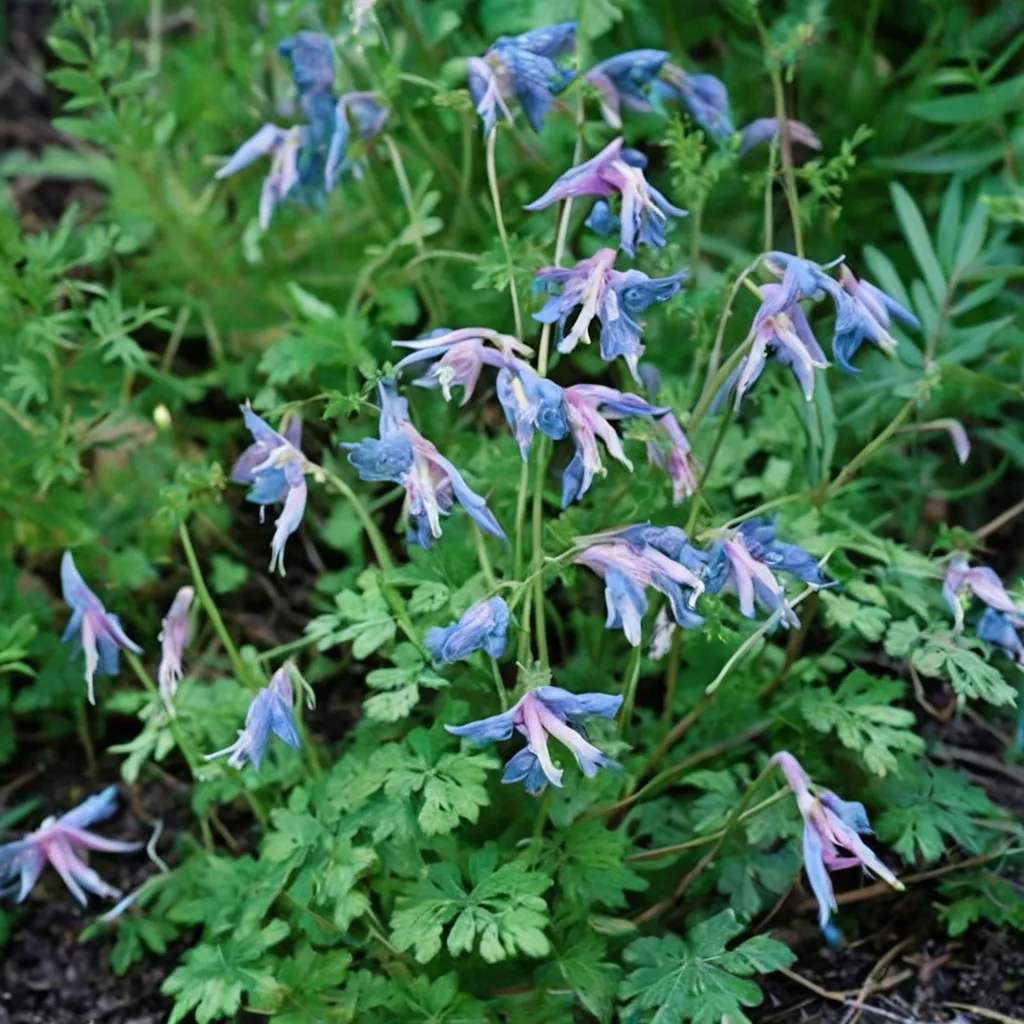
Corydalis linstowiana
Corydalis linstowiana
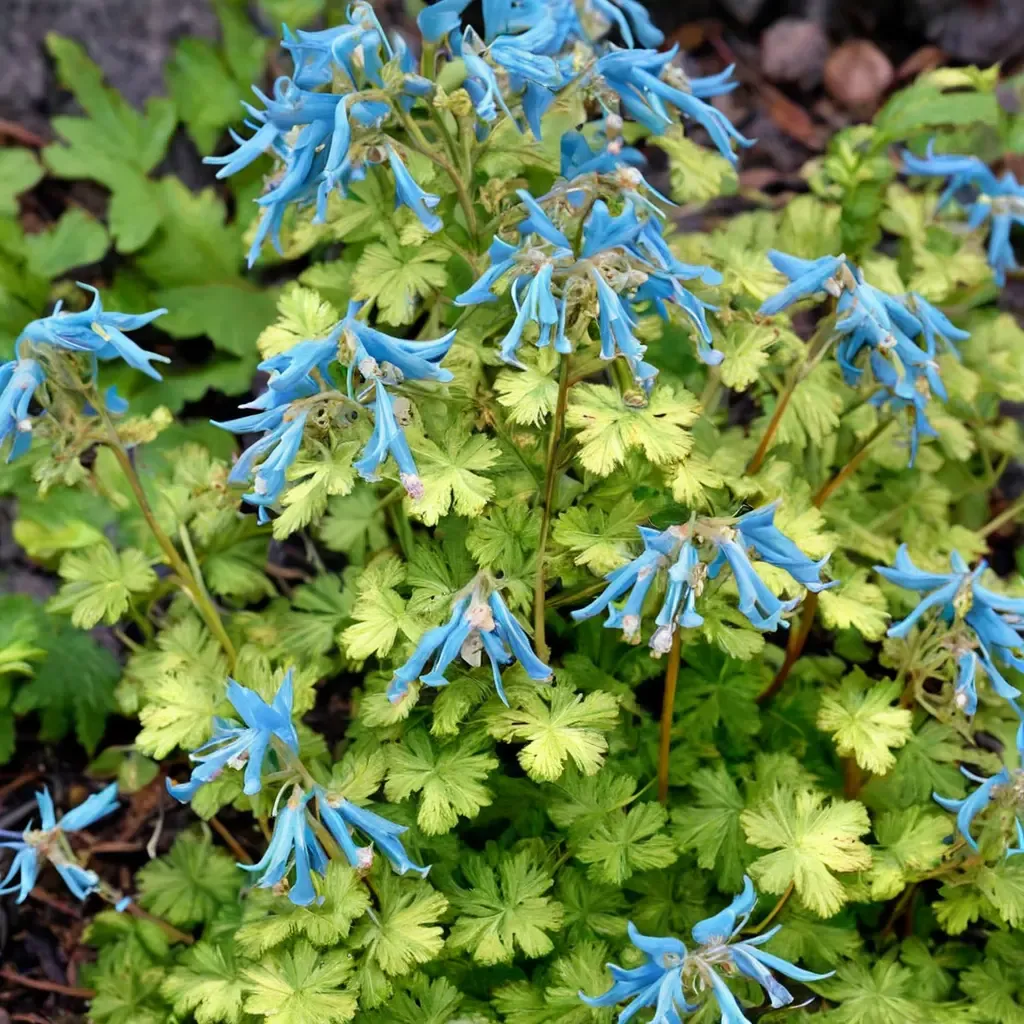
Golden Panda Corydalis
Corydalis flexuosa 'Golden Panda'
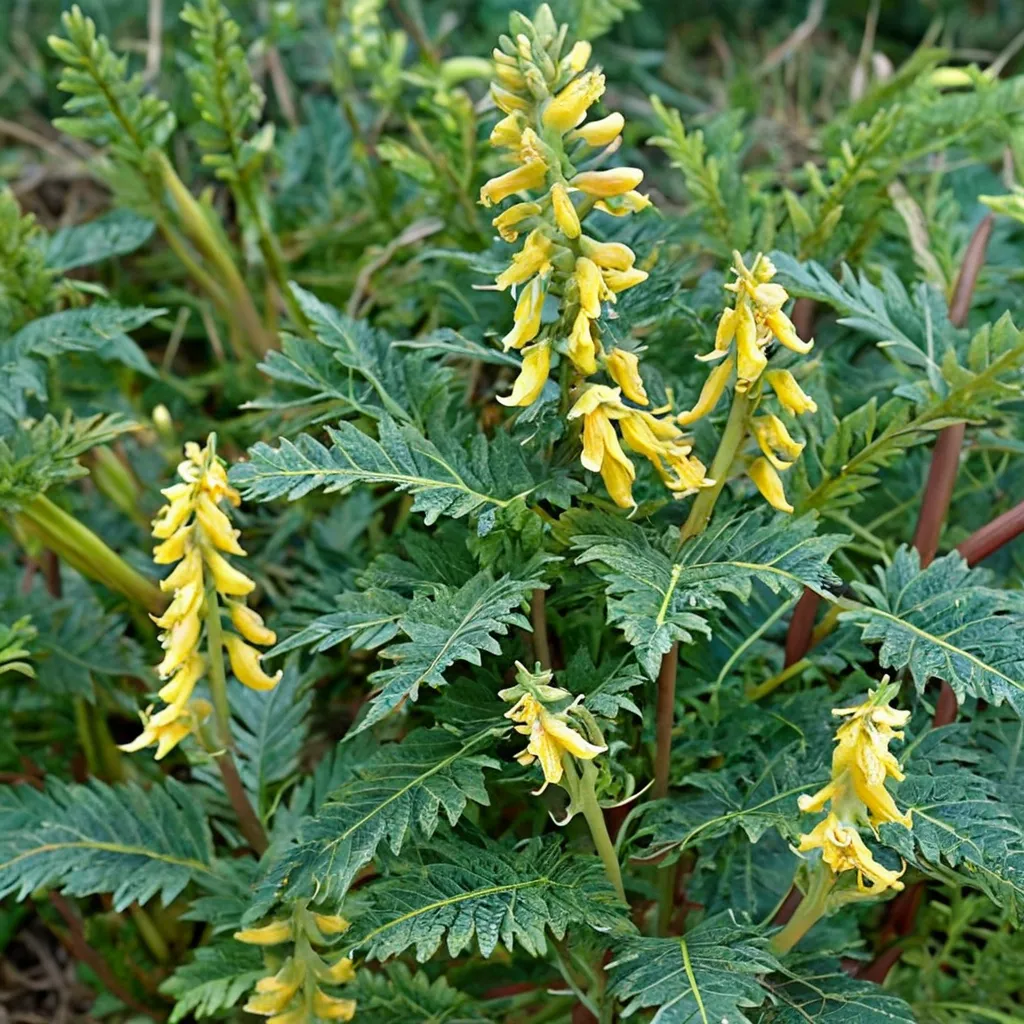
Corydalis heterocarpa
Corydalis heterocarpa
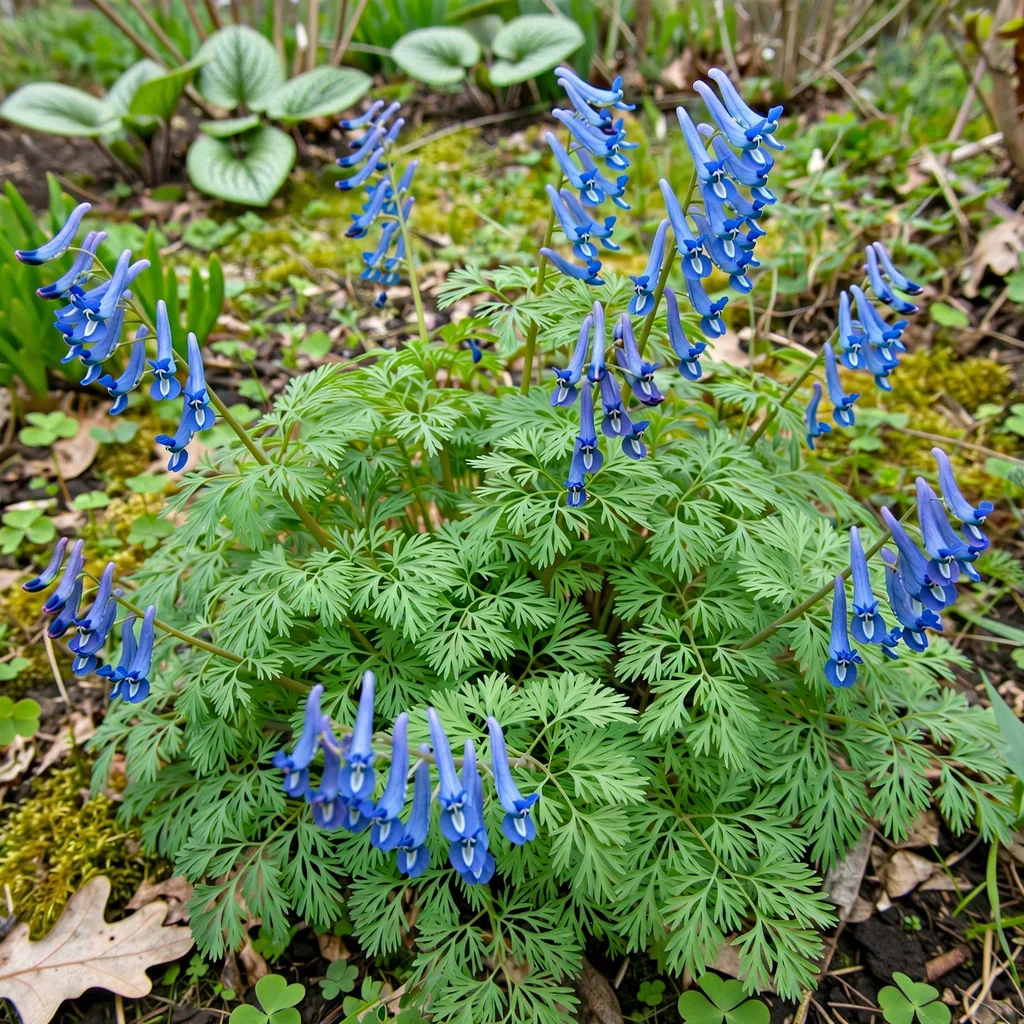
Corydalis elata
Corydalis elata
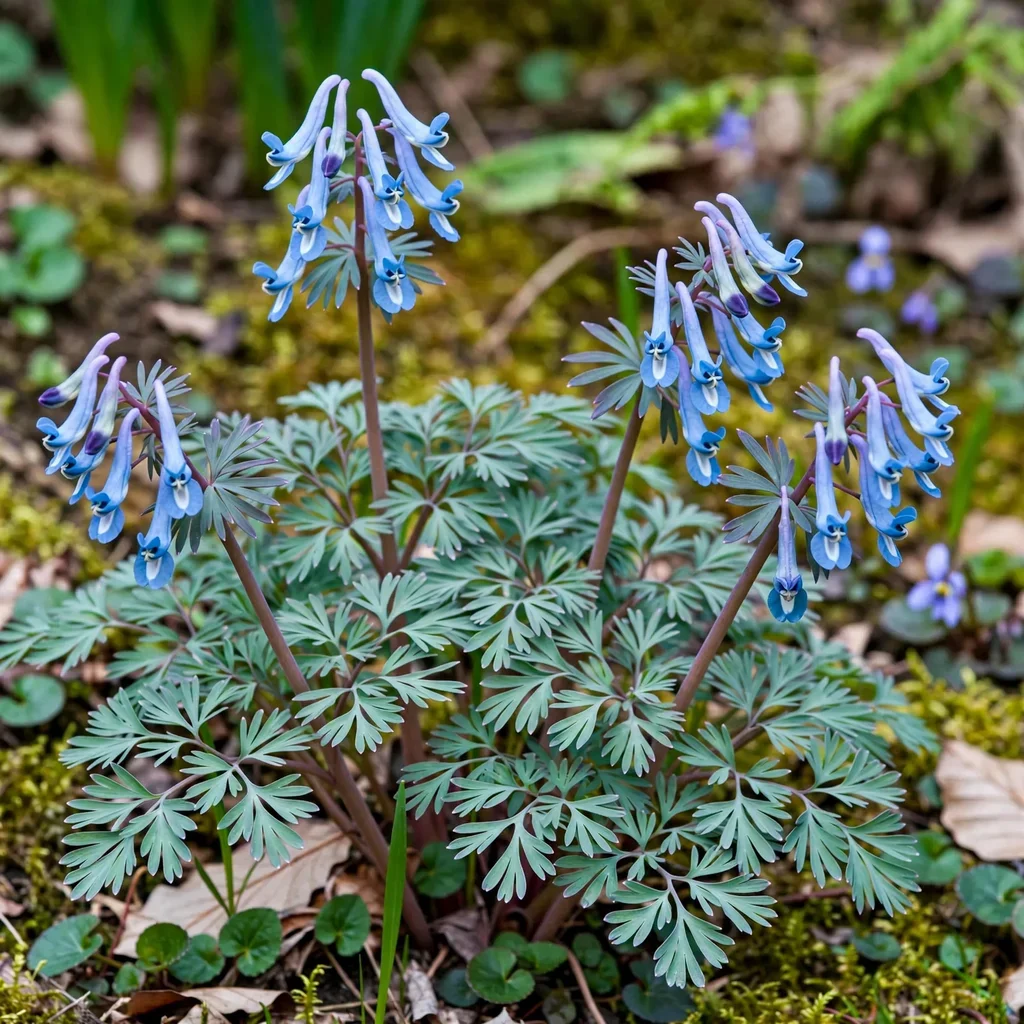
Blue Corydalis
Corydalis flexuosa
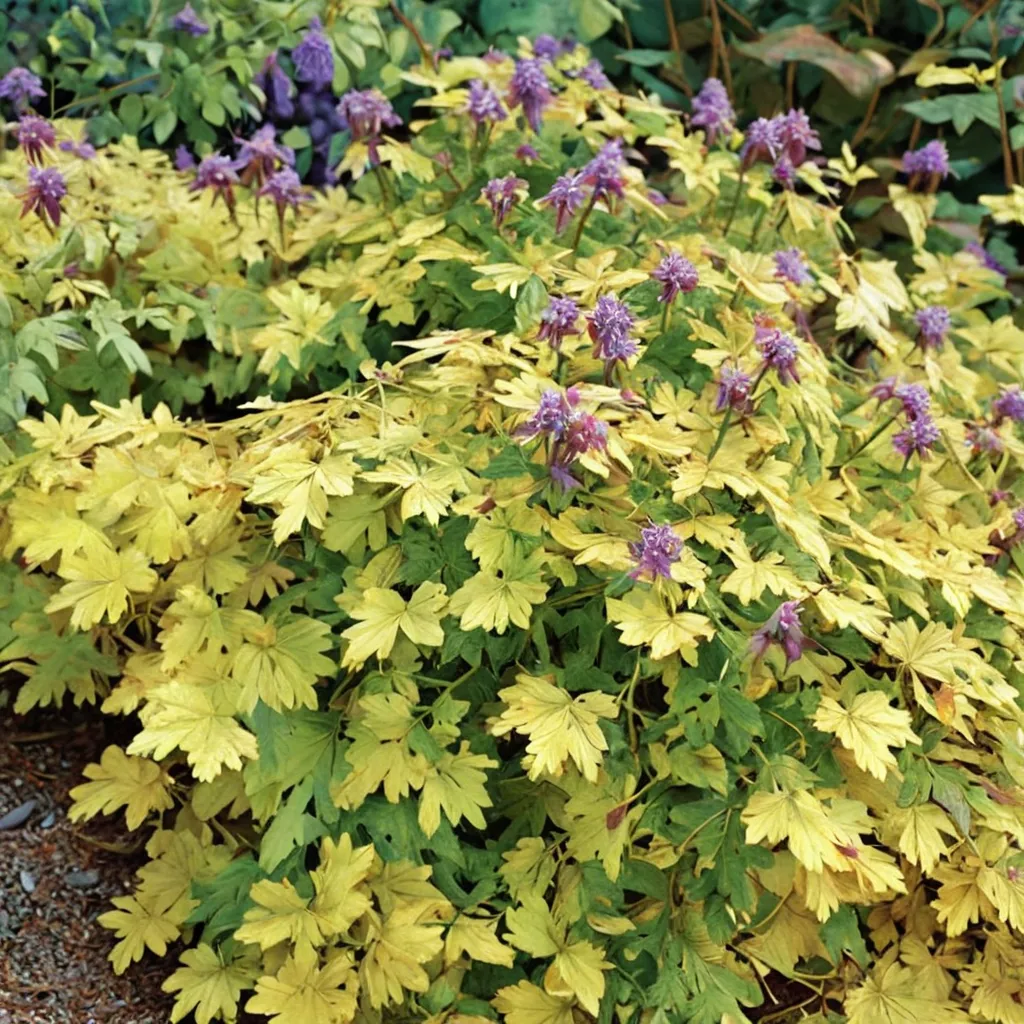
'Berry Exciting' Corydalis
Corydalis anthriscifolia 'Berry Exciting'
Keep exploring
Explore the genus
Hardy in your zone?
Grow Yellow Corydalis with confidence
See it in a design of your actual yard, get zone-matched care reminders, and track it season by season in your garden journal.