The Story
Plant Bio
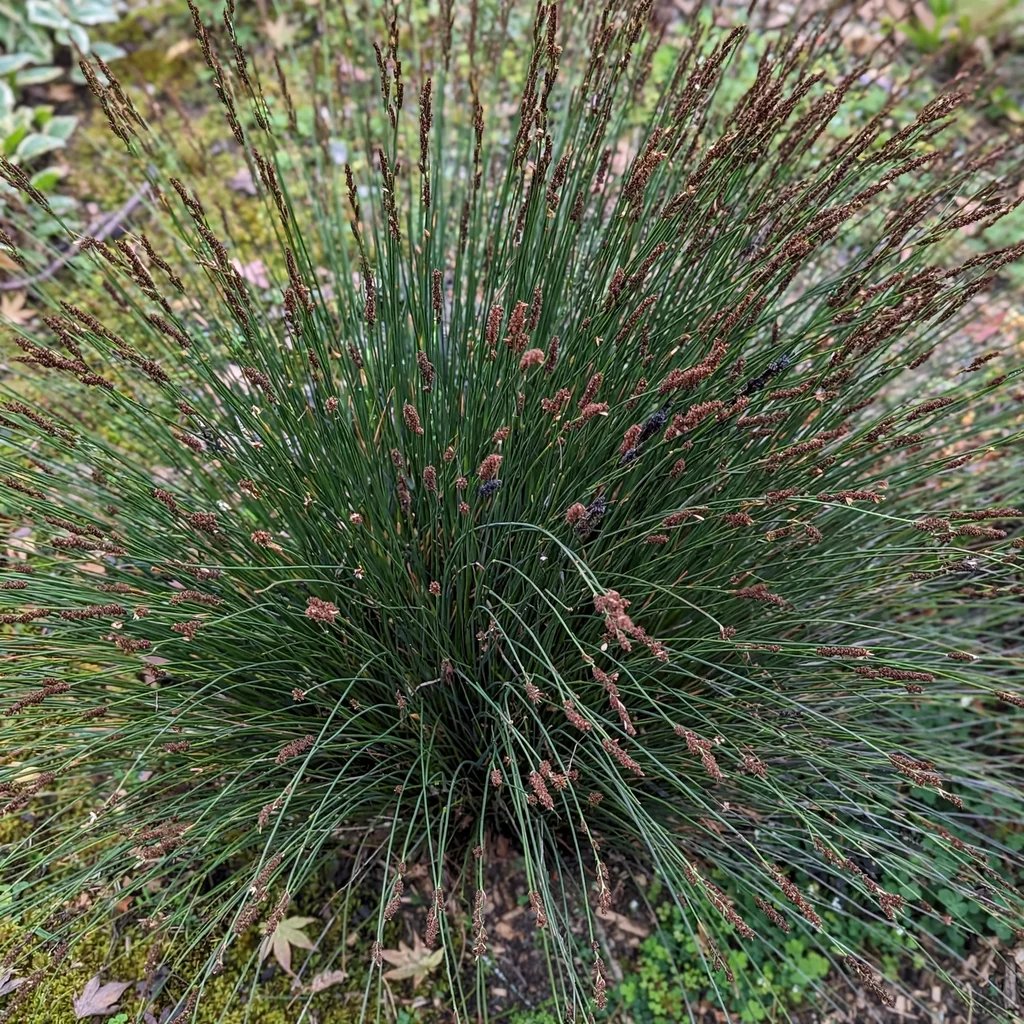
Chondropetalum tectorum, sold as Elegia tectorum, is an evergreen South African restio forming a symmetrical clump of thin jointed dark green culms that serve as leaves. Plants reach two to three feet high and wide in gardens, though wild clumps reach six feet, growing slowly from a basal crown.
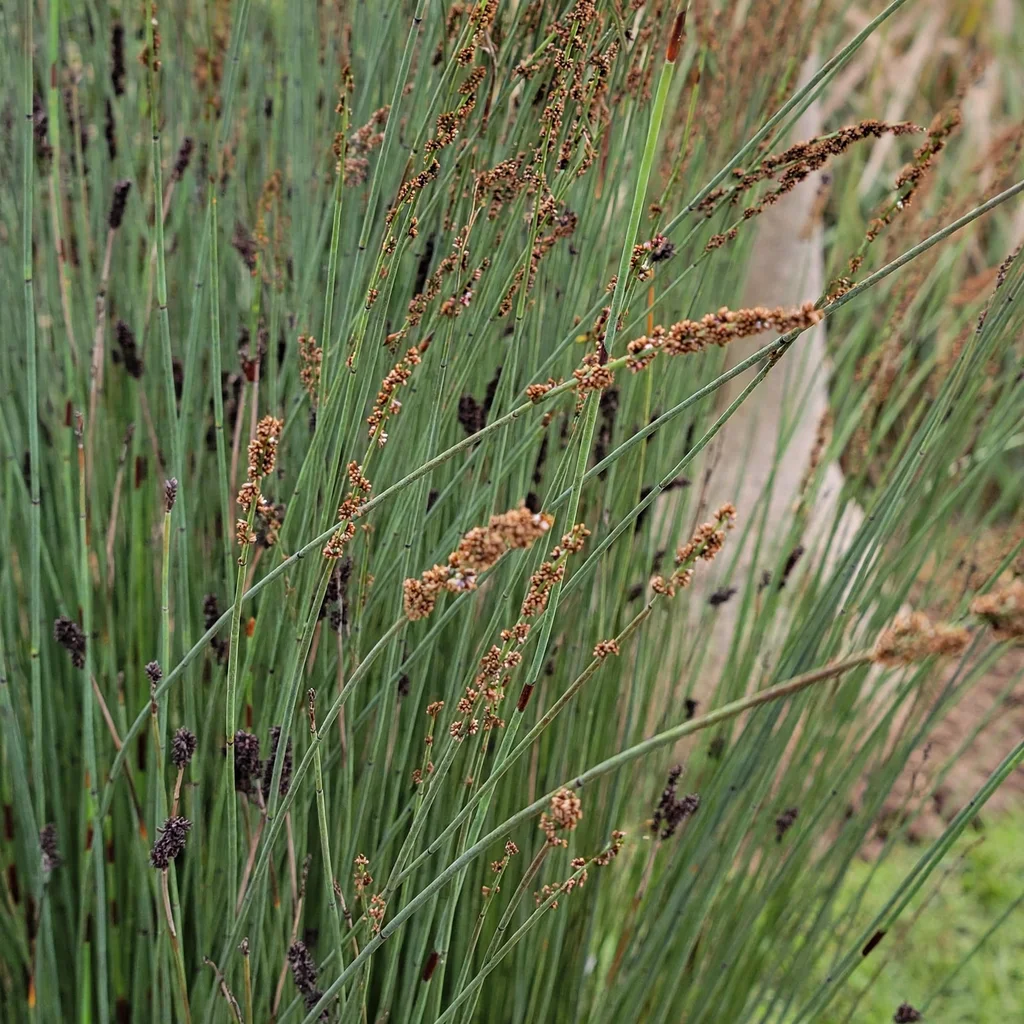
Stems are unbranched and reed-straight, topped in fall by small slender spikes of brown flowers with golden-brown bracts, male and female on separate plants. Unlike the larger Chondropetalum elephantinum it is often confused with, it holds a tight two- to three-foot mound and never needs staking.
Uses & Benefits:
Essentials
At a Glance
Plant Type
Grass
Height
36"
Width
36"
Light
Full Sun
Zones
8, 9, 10
Water
Low
Humidity
Average
Lifespan
Perennial
Native To
South Africa
Toxicity
Non-toxic
Bloom period
Fall
In flower about 3 months of the year
Planting
How to Grow
- Plant in full sun in well-drained sand or loam with open air movement; set the crown at soil level in fall at the start of rains.
- Water deeply twice a week for the first six to eight weeks, then taper to occasional deep soakings; established clumps take drought and shallow pond edges but rot in stagnant water.
- Feed lightly once in spring with compost or ammonium sulfate; avoid heavy high-phosphorus fertilizer.
- Pull dead outer culms by hand in late winter before new growth starts; never cut green stems shorter to control height.
Pro Tip
Never shear the clump to shorten it; cut stems do not regrow and the plant declines within two to three years.
Keep It Thriving
Care Guide
Do
- Plant at the start of the rainy season and water regularly the first season
- Grow in full sun with good air movement
- Remove only brown outer culms before spring growth
- Feed sparingly with organic matter or ammonium sulfate in the growing season
Don't
- Do not shear or trim the clump to reduce height
- Do not keep the crown constantly waterlogged
- Do not divide often; plants resent transplanting
Seasonal Care Calendar
| Task | Jan | Feb | Mar | Apr | May | Jun | Jul | Aug | Sep | Oct | Nov | Dec |
|---|---|---|---|---|---|---|---|---|---|---|---|---|
| Divide | ||||||||||||
| Fertilize | ||||||||||||
| Plant | ||||||||||||
| Spring Cleanup |
Watch Out For
Pests & Diseases
Common Pests
Common Diseases
In the Garden
Landscape Uses & Companions
Landscape Uses
Companion Plants
Multiply
Propagation Methods
Good to Know
Common Questions
Cape Rush questions
What zones can Cape Rush grow in?
Cape Rush is hardy in USDA Zones 8–10: in that range it survives winter in the ground. Colder than Zone 8, grow it in a container you can move to shelter for the winter, or as an annual.
Is Cape Rush deer resistant?
Yes — Cape Rush is rated deer-resistant. Deer typically pass it over, though extreme hunger can override any plant's defenses.
When does Cape Rush bloom?
Cape Rush typically blooms in fall. Exact timing shifts a week or two with your zone — Sow's bloom calendar maps it to your garden.
Does Cape Rush need full sun?
Cape Rush does best in full sun (6+ hours).
Is Cape Rush drought tolerant?
Yes — once established (usually after the first full season), Cape Rush handles dry spells with minimal watering. Water deeply its first year to build the root system that makes that possible.
More Chondropetalum to compare
Keep exploring
Explore the genus
Hardy in your zone?
Grow Cape Rush with confidence
See it in a design of your actual yard, get zone-matched care reminders, and track it season by season in your garden journal.