The Story
Plant Bio
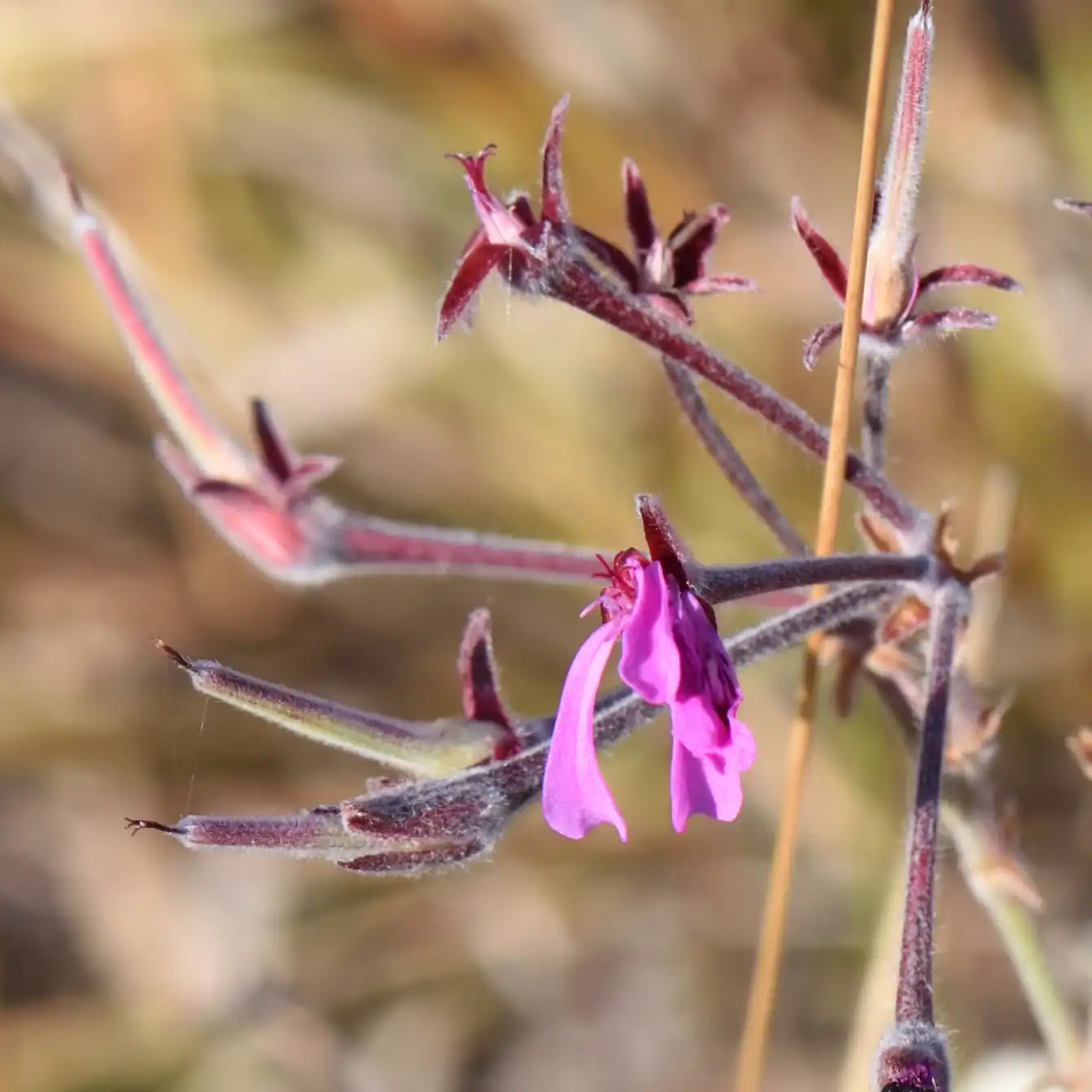
Pelargonium reniforme is a small upright perennial shrublet from dry flats and grassland in South Africa's Eastern Cape, growing 12 to 16 inches tall from tuberous roots and a short stem wrapped in old stipules. Its kidney-shaped to heart-shaped leaves are about 1 inch across, grayish-green and velvety with matted hairs, held on long petioles with awl-shaped stipules.
It carries pink to magenta flowers with dark spots and stripes on the upper two petals, held three or more to an umbel with six to seven fertile stamens. Unlike Pelargonium sidoides, sold as umckaloabo with dark purple flowers, it suckers from the crown to form a 20-inch-wide soft mound and blooms from spring to fall where frost-free.
Uses & Benefits:
Essentials
At a Glance
Plant Type
Perennial
Height
16"
Width
20"
Light
Full Sun, Partial Sun
Zones
8, 9, 10
Water
Low
Humidity
Low
Lifespan
Perennial
Native To
South Africa (Eastern Cape)
Toxicity
Mildly toxic to cats and dogs
Bloom period
Spring – Fall
In flower about 9 months of the year
Planting
How to Grow
- Plant out after last frost in full sun in sandy or loamy soil that drains sharply.
- Set the crown level with the soil surface and water in once.
- Water potted plants every third day for four to six weeks until rooted, then reduce to deep, infrequent soakings.
- Feed monthly during growth with dilute liquid organic fertilizer.
- Move pots indoors to a bright, frost-free spot before first fall frost and keep almost dry through winter.
Pro Tip
Set it in lean, sandy, well-drained soil in full sun, water new pots every third day for four to six weeks, then keep it dry and bring pots indoors before frost.
Keep It Thriving
Care Guide
Do
- Plant in full sun in sharply drained sandy or loamy soil.
- Water to establish, then keep on the dry side.
- Deadhead spent umbels to prolong bloom.
Don't
- Do not overwater or leave pots standing in saucers.
- Do not plant in heavy wet soil that stays saturated.
- Do not expose crowns to hard frost without protection.
Seasonal Care Calendar
| Task | Jan | Feb | Mar | Apr | May | Jun | Jul | Aug | Sep | Oct | Nov | Dec |
|---|---|---|---|---|---|---|---|---|---|---|---|---|
| Deadhead | ||||||||||||
| Fertilize | ||||||||||||
| Lift Store | ||||||||||||
| Pest Check | ||||||||||||
| Plant |
Watch Out For
Pests & Diseases
Common Pests
Common Diseases
In the Garden
Landscape Uses & Companions
Landscape Uses
Multiply
Propagation Methods
Good to Know
Common Questions
Kidney-Leaved Pelargonium questions
What zones can Kidney-Leaved Pelargonium grow in?
Kidney-Leaved Pelargonium is hardy in USDA Zones 8–10: in that range it survives winter in the ground. Colder than Zone 8, grow it in a container you can move to shelter for the winter, or as an annual.
When does Kidney-Leaved Pelargonium bloom?
Kidney-Leaved Pelargonium typically blooms from spring to fall. Exact timing shifts a week or two with your zone — Sow's bloom calendar maps it to your garden.
Does Kidney-Leaved Pelargonium need full sun?
Kidney-Leaved Pelargonium does best in full sun to part shade. In hot climates, afternoon shade keeps blooms fresher longer.
Is Kidney-Leaved Pelargonium drought tolerant?
Yes — once established (usually after the first full season), Kidney-Leaved Pelargonium handles dry spells with minimal watering. Water deeply its first year to build the root system that makes that possible.
More Pelargonium to compare
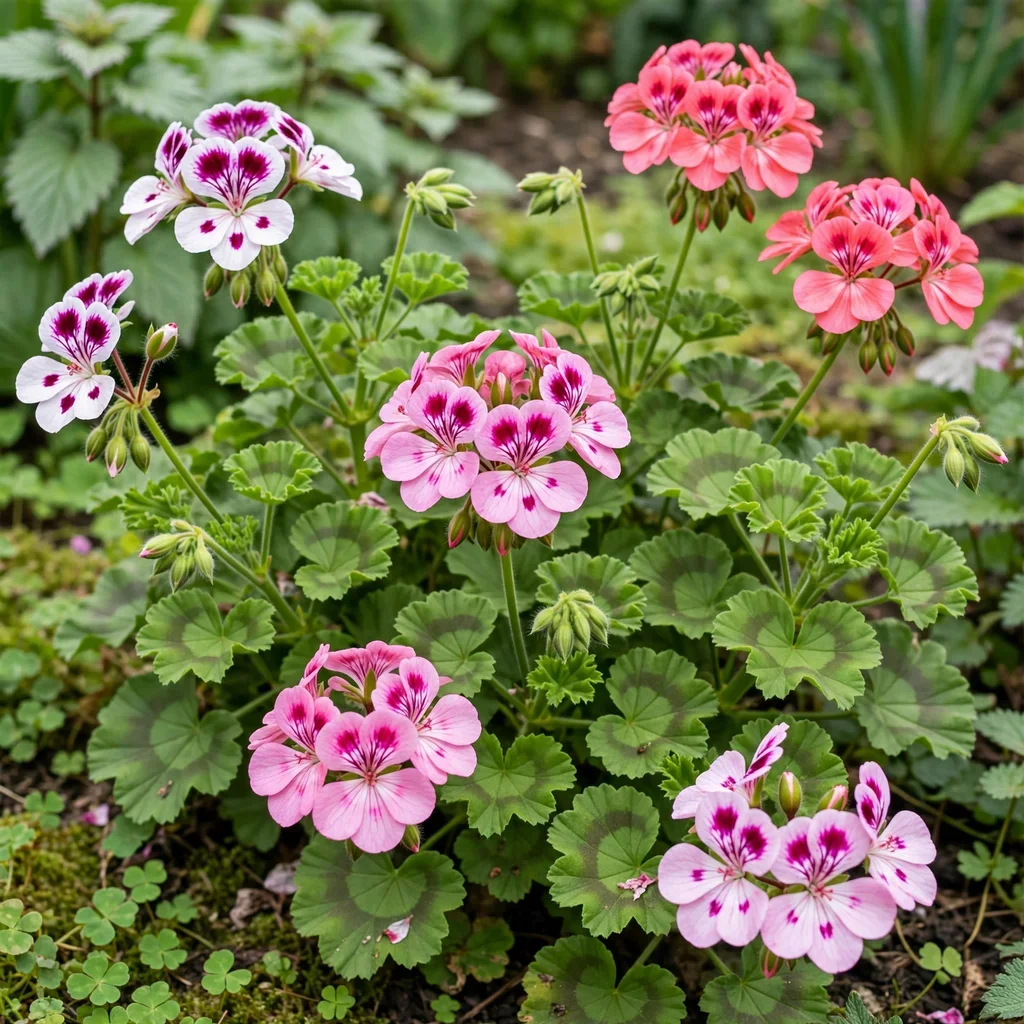
Breeders Mix Zonal Geranium
Pelargonium x hortorum 'Breeders Mix'
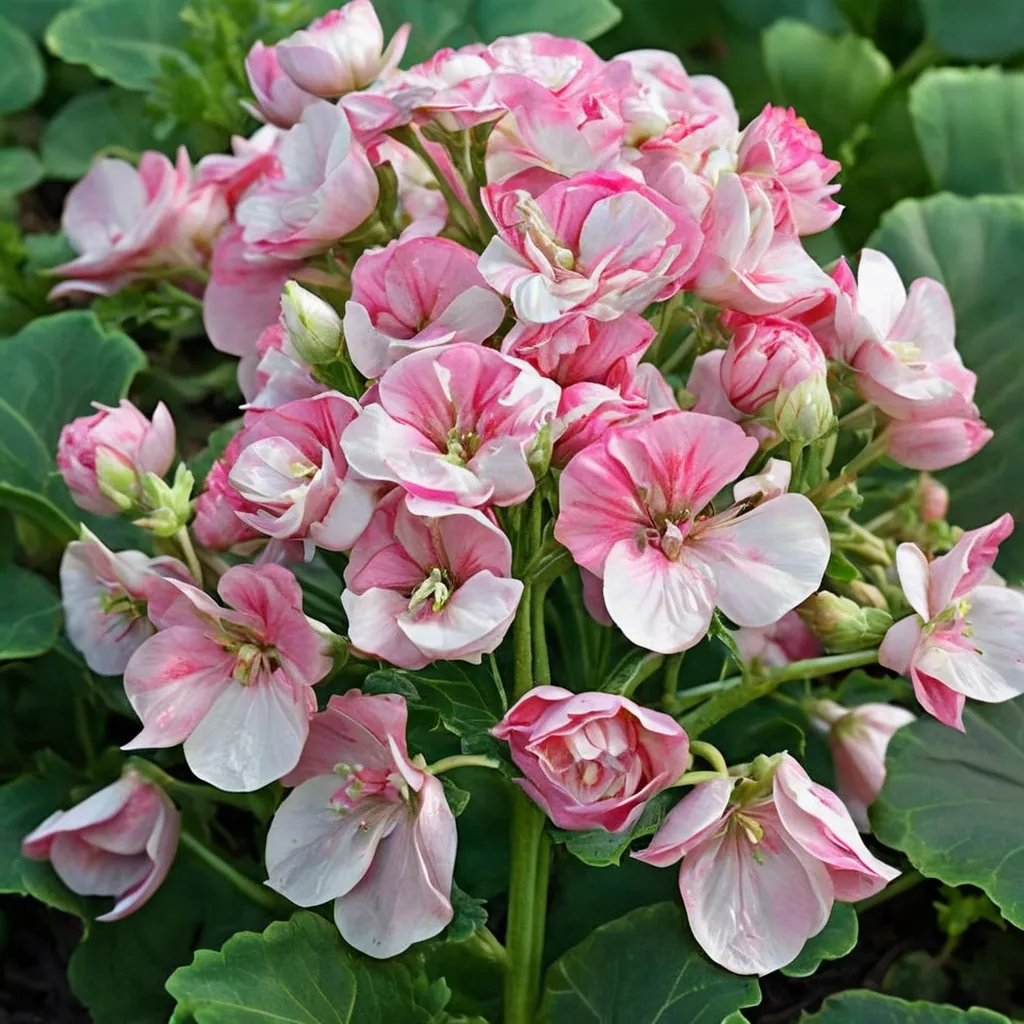
Zonal Geranium 'Appleblossom'
Pelargonium x hortorum 'Appleblossom'
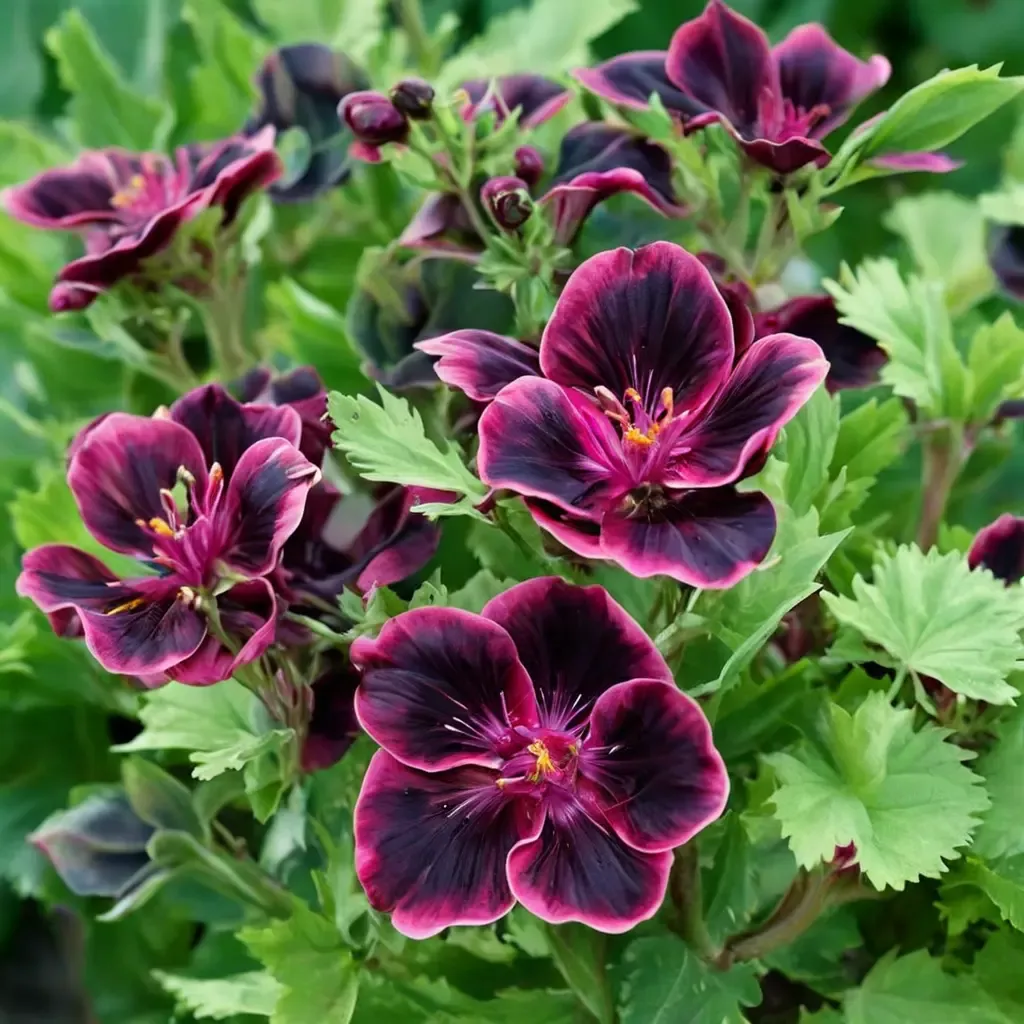
'Lord Bute' Regal Pelargonium
Pelargonium x hortorum 'Lord Bute'
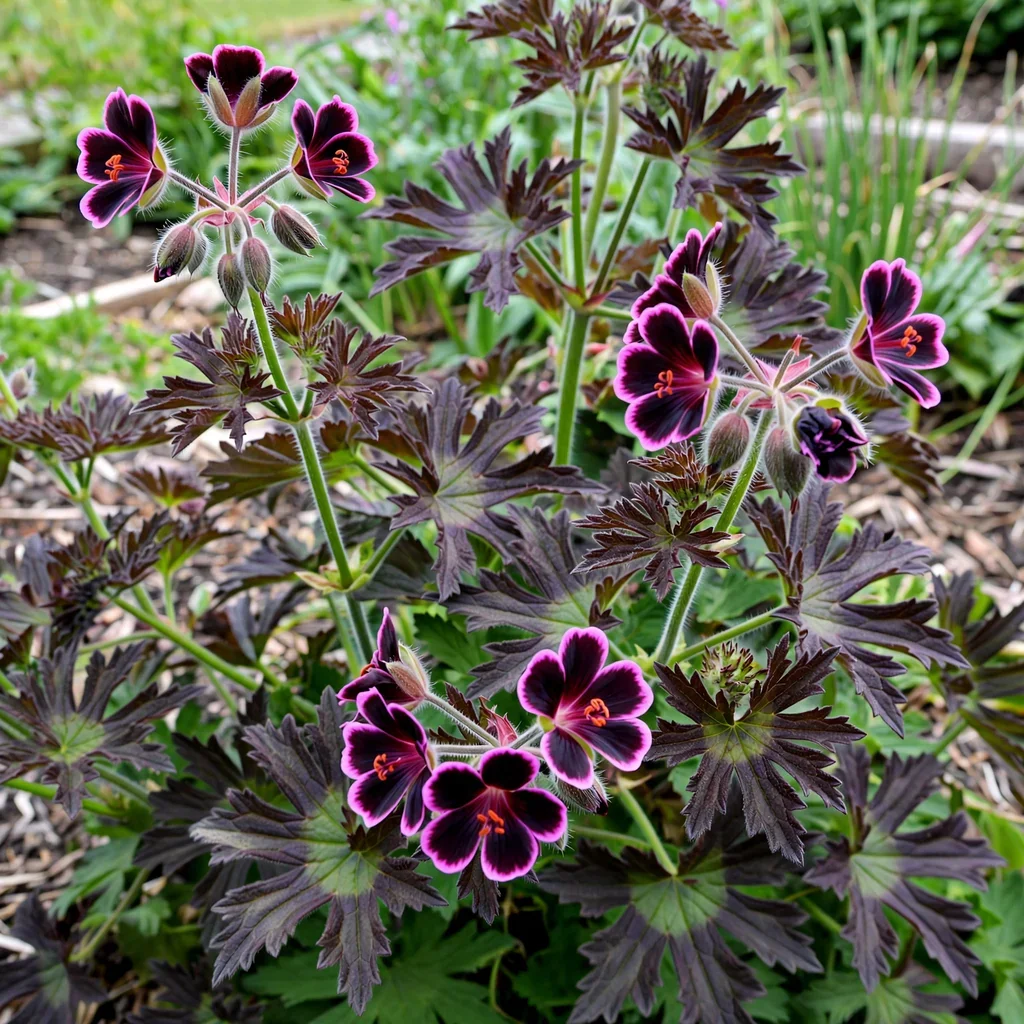
Midnight Ghost Geranium
Pelargonium x hortorum 'Midnight Ghost'
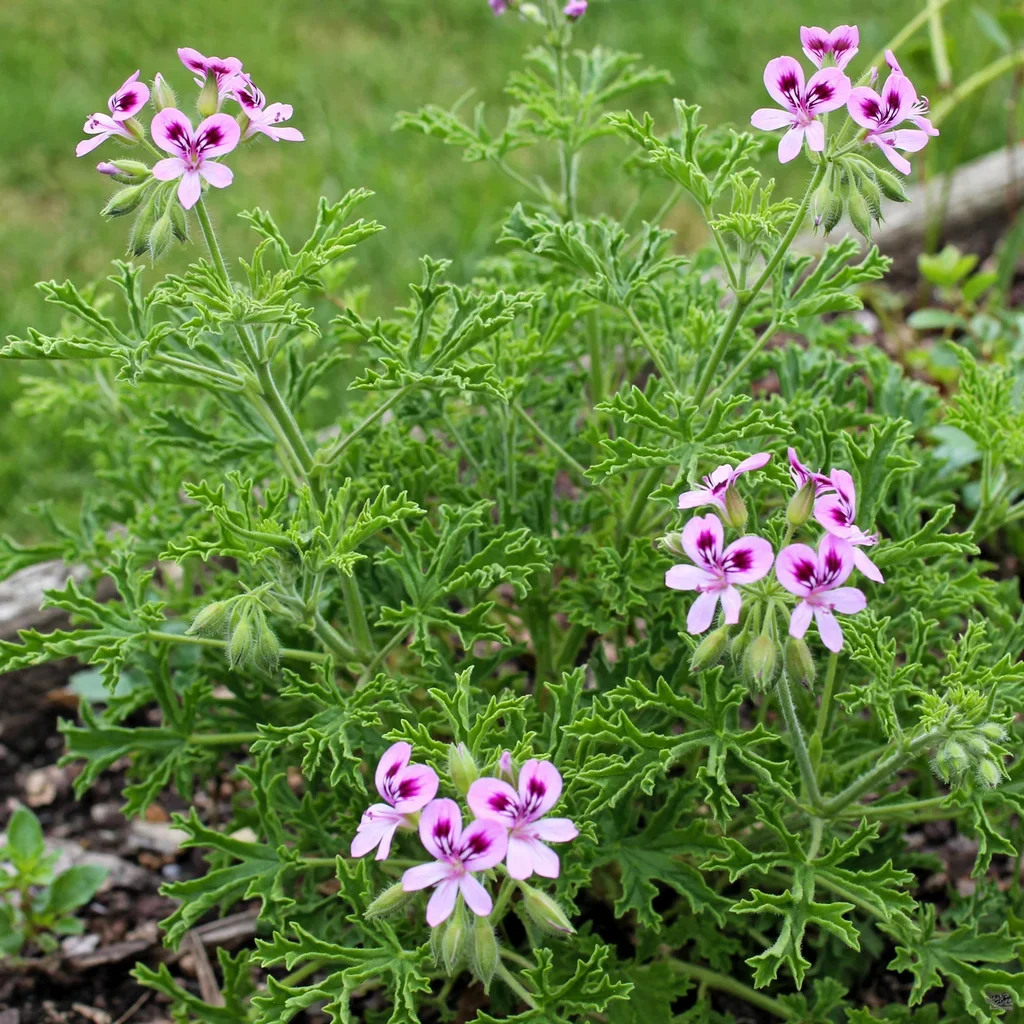
Citronella Plant
Pelargonium citrosum
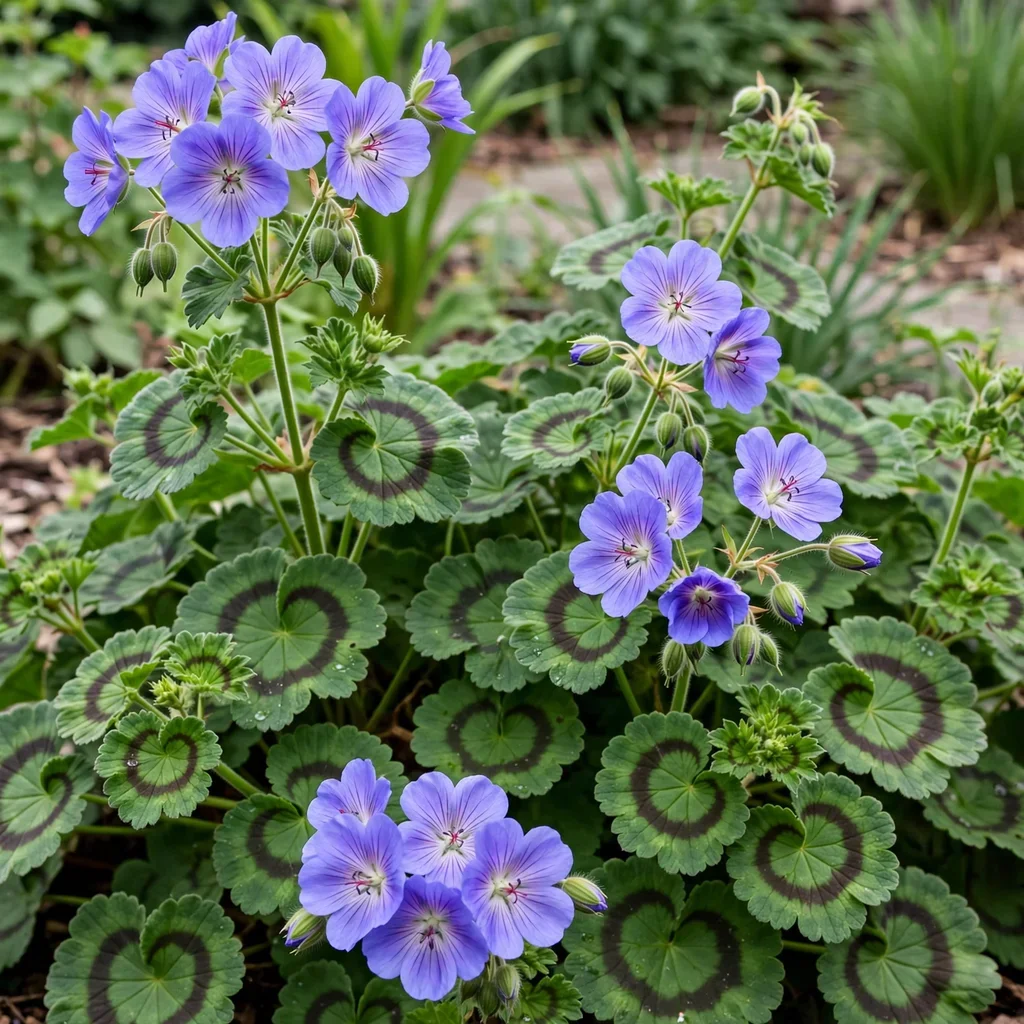
Azure Rush Zonal Geranium
Pelargonium x hortorum 'Azure Rush'
Keep exploring
Explore the genus
Hardy in your zone?
Grow Kidney-Leaved Pelargonium with confidence
See it in a design of your actual yard, get zone-matched care reminders, and track it season by season in your garden journal.