The Story
Plant Bio
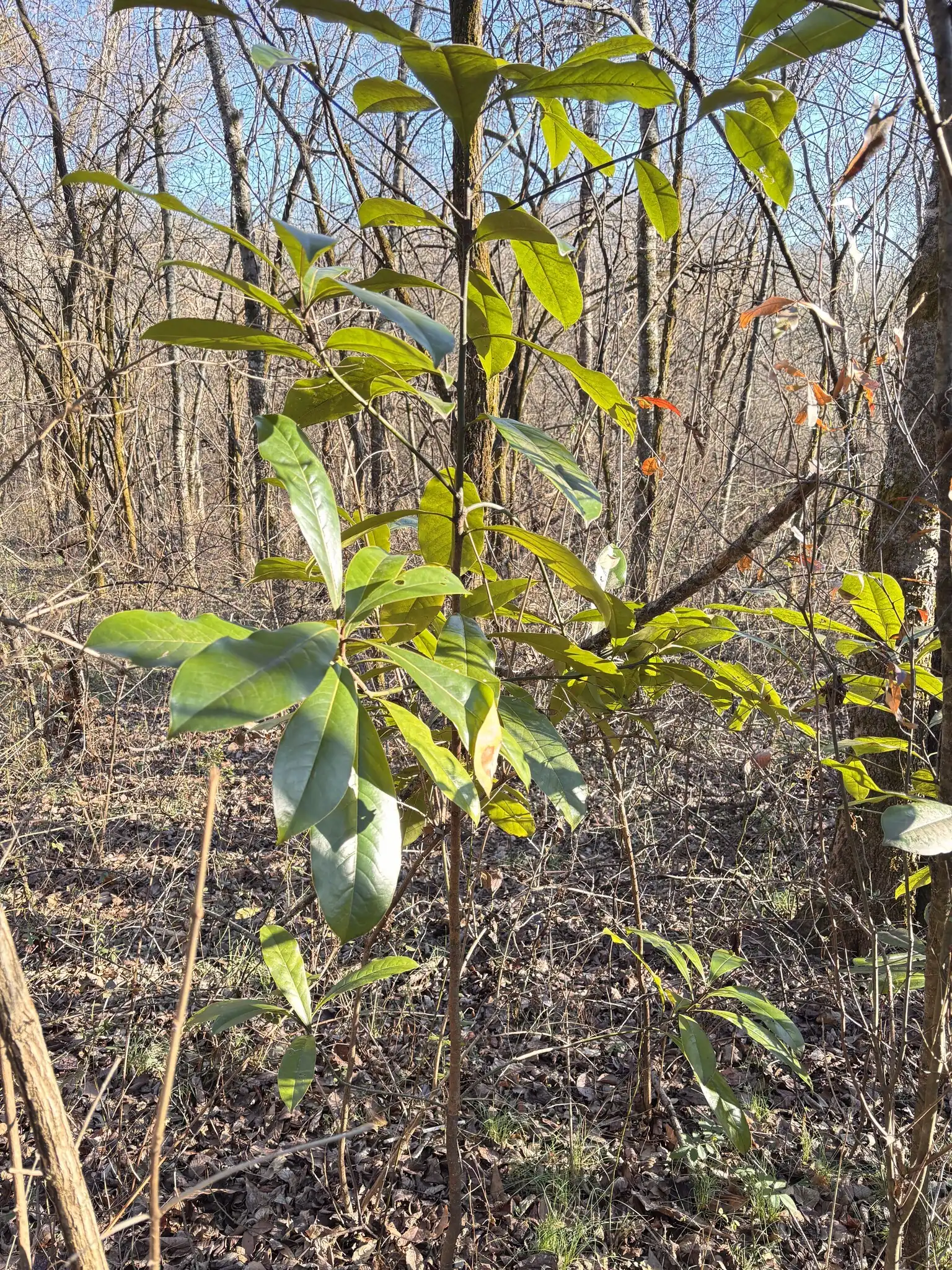
Quercus imbricaria, the shingle oak, is a deciduous North American tree growing up to eighty feet tall, characterized by its unusual unlobed, lanceolate leaves that resemble laurel foliage. The crown begins with a symmetrical pyramidal form in youth and gradually broadens into a rounded canopy with drooping lower branches.
Unlike most oaks, this species features smooth-edged, glossy dark green leaves that turn a rich yellow-brown to russet-red in fall and persist on the branches through winter. The hard, fine-grained wood was historically split into shakes and shingles, giving the tree its common name.
Uses & Benefits:
Essentials
At a Glance
Plant Type
Tree
Height
720"
Width
600"
Light
Full Sun, Partial Sun
Zones
4, 5, 6, 7, 8
Water
Medium
Humidity
High
Lifespan
Long
Native To
North America
Toxicity
Mildly toxic if raw acorns are ingested in large quantities
Bloom period
Spring
In flower about 3 months of the year
Planting
How to Grow
- Plant in a full sun to partially shaded location with deep, well-draining soil.
- Water deeply and regularly during the first two growing seasons to establish a deep taproot.
- Apply a thick layer of organic mulch around the root zone, keeping it clear of the trunk.
- Limit pruning to structural training during mid-to-late winter when the tree is fully dormant.
Pro Tip
Always prune during the dormant winter months; active-season cuts open pathways for sap-feeding beetles that transmit devastating oak wilt.
Keep It Thriving
Care Guide
Do
- Prune strictly during the dormant winter season to prevent disease vectors.
- Provide supplemental water during extended summer droughts while the tree is young.
- Clear fallen winter leaves if maintaining a pristine lawn area is required.
Don't
- Do not prune during the spring or summer growing season when oak wilt is active.
- Do not cut back into old, leafless bare wood where epicormic sprouting is poor.
- Avoid over-fertilizing, which can stimulate weak, disease-susceptible growth.
Seasonal Care Calendar
| Task | Jan | Feb | Mar | Apr | May | Jun | Jul | Aug | Sep | Oct | Nov | Dec |
|---|---|---|---|---|---|---|---|---|---|---|---|---|
| Fertilize | ||||||||||||
| Mulch | ||||||||||||
| Pest Check | ||||||||||||
| Plant | ||||||||||||
| Prune |
Watch Out For
Pests & Diseases
Common Pests
Common Diseases
In the Garden
Landscape Uses & Companions
Landscape Uses
Multiply
Propagation Methods
Good to Know
Common Questions
Shingle Oak questions
What zones can Shingle Oak grow in?
Shingle Oak is hardy in USDA Zones 4–8. Inside that range it survives winter in the ground; outside it, grow it as an annual or a container plant you protect.
Is Shingle Oak deer resistant?
Not reliably. Deer may browse Shingle Oak, especially tender spring growth — plan on repellents or fencing where pressure is high.
When does Shingle Oak bloom?
Shingle Oak typically blooms in spring through spring. Exact timing shifts a week or two with your zone — Sow's bloom calendar maps it to your garden.
Does Shingle Oak need full sun?
Shingle Oak does best in full sun to part shade. In hot climates, afternoon shade keeps blooms fresher longer.
Is Shingle Oak drought tolerant?
Yes — once established (usually after the first full season), Shingle Oak handles dry spells with minimal watering. Water deeply its first year to build the root system that makes that possible.
More Quercus to compare
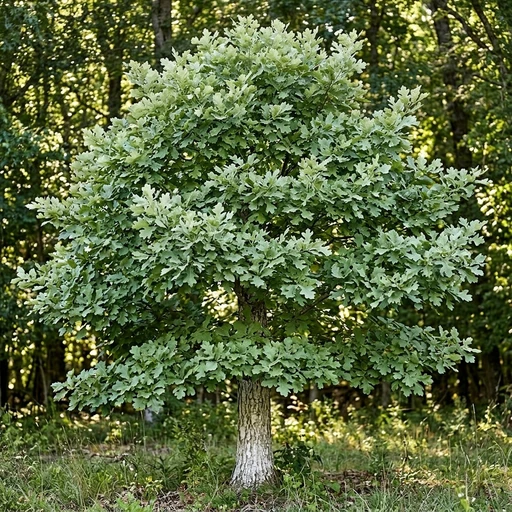
White Oak
Quercus alba
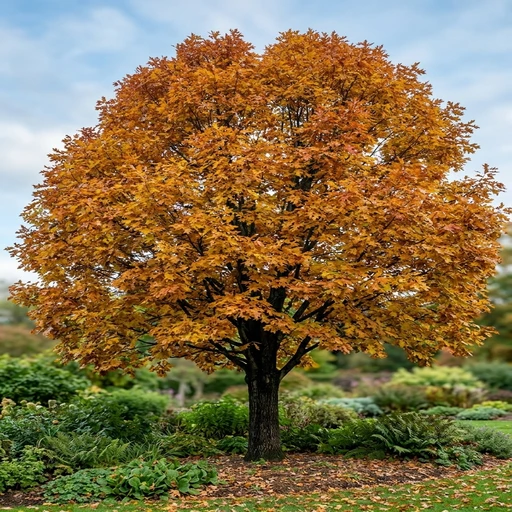
Black Oak
Quercus velutina
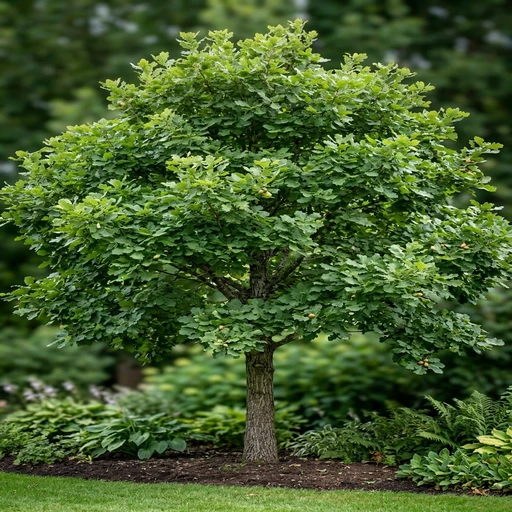
English Oak
Quercus robur
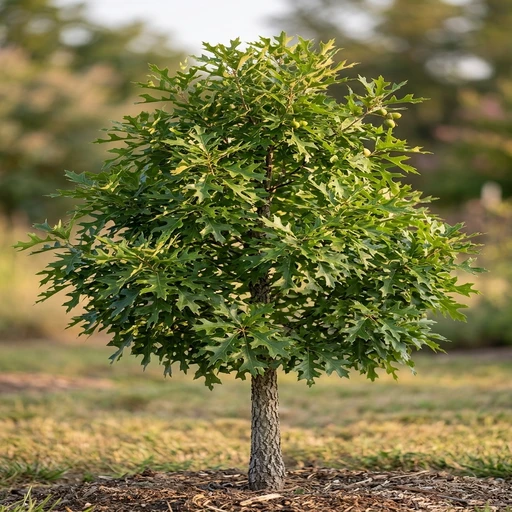
Nuttall Oak
Quercus texana
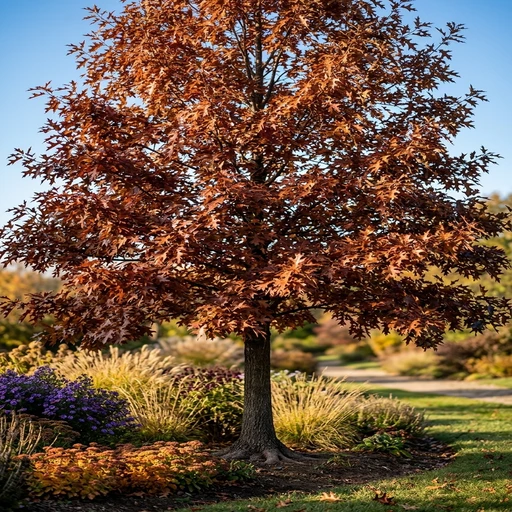
Pin Oak
Quercus palustris
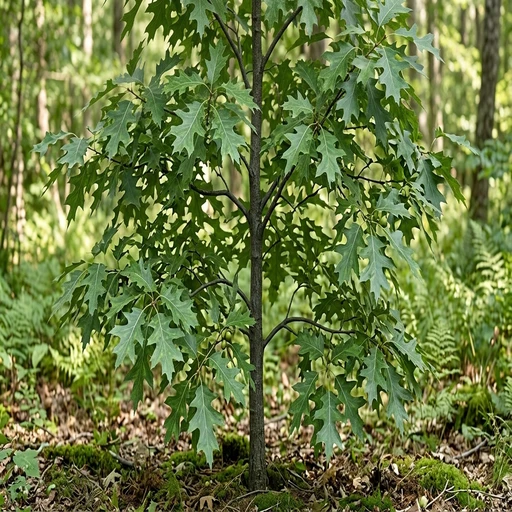
Scarlet Oak
Quercus coccinea
Keep exploring
Explore the genus
Hardy in your zone?
Grow Shingle Oak with confidence
See it in a design of your actual yard, get zone-matched care reminders, and track it season by season in your garden journal.