The Story
Plant Bio
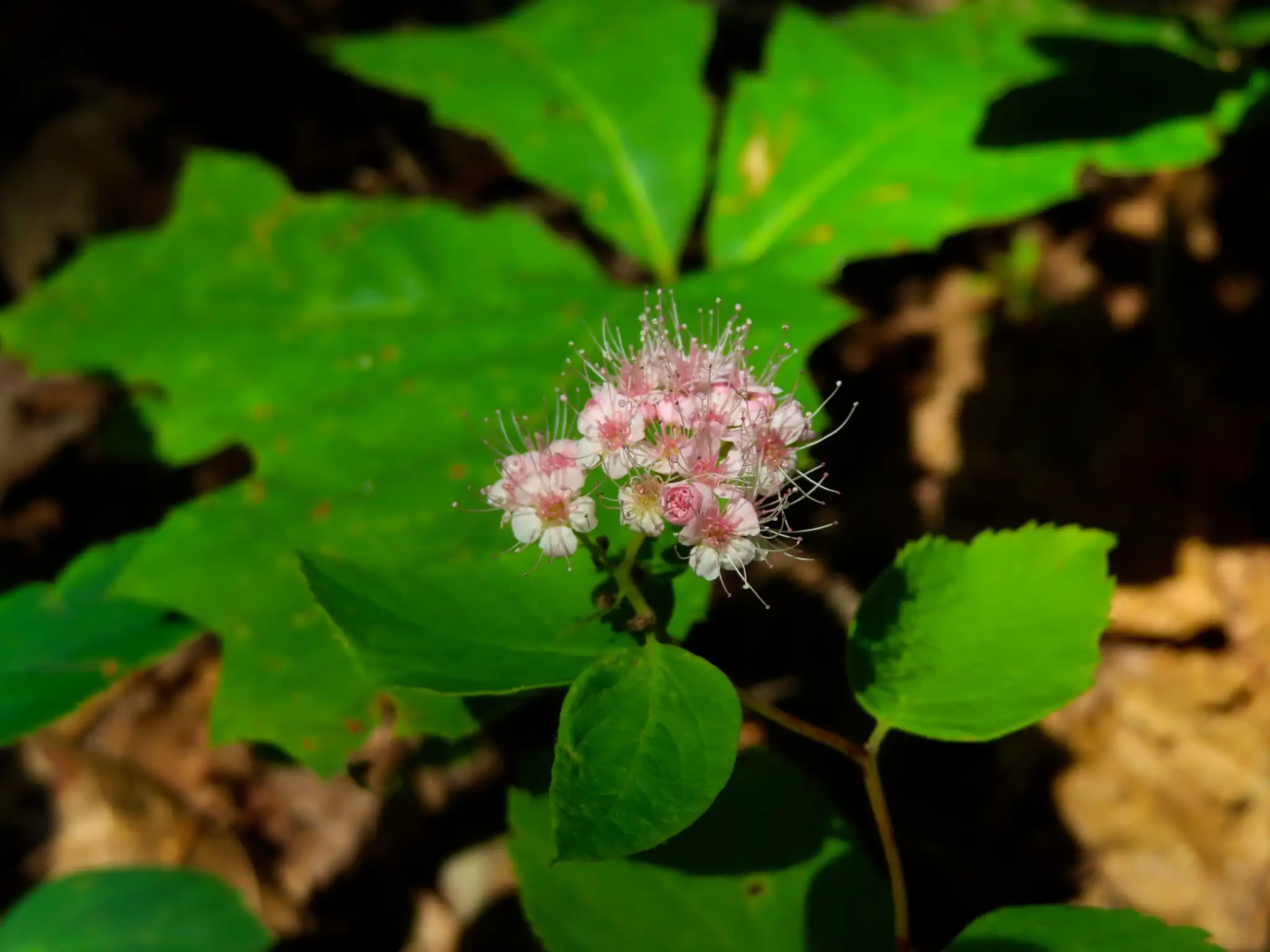
Spiraea corymbosa is a compact, deciduous North American shrub growing eighteen to thirty-six inches high with a dense, mounding habit and shiny oval leaves. Flat-topped clusters of chalky white flowers bloom at the stem tips from early to late summer, followed by yellow, orange, or purple fall foliage.
Distinguished by its glossy leaf surfaces and short underground rhizomes, this species forms localized colonies over time without spreading aggressively. Its flat flower heads measure two to four inches across and develop entirely on current-season wood.
Uses & Benefits:
Essentials
At a Glance
Plant Type
Shrub
Height
36"
Width
36"
Light
Full Sun, Partial Sun
Zones
4, 5, 6, 7, 8
Water
Moderate
Humidity
Moderate
Lifespan
Perennial
Native To
Eastern North America
Toxicity
Non-toxic
Bloom period
Summer – Late summer
In flower about 3 months of the year
Planting
How to Grow
- Select a site in full sun to light shade with well-draining soil.
- Dig a planting hole twice as wide as the root ball and level with the root crown.
- Backfill with native soil, press gently to remove air pockets, and water thoroughly.
- Apply a two-inch layer of organic mulch around the base, keeping it clear of the main stems.
Pro Tip
Prune stems back in late winter before growth begins; because flowers form on new season stems, structural pruning maintains shape without disrupting summer blooms.
Keep It Thriving
Care Guide
Do
- Plant in full sun to achieve maximum flowering and vibrant fall leaf colors.
- Ensure soil drains freely to prevent root decay.
- Prune lightly in late winter to promote vigorous new flowering shoots.
Don't
- Do not shear the plant into tight formal geometric balls, which ruins its natural mounding architecture.
- Avoid planting in waterlogged or boggy soil conditions.
- Do not over-fertilize, as excess nitrogen reduces flowering and encourages soft, weak growth.
Seasonal Care Calendar
| Task | Jan | Feb | Mar | Apr | May | Jun | Jul | Aug | Sep | Oct | Nov | Dec |
|---|---|---|---|---|---|---|---|---|---|---|---|---|
| Mulch | ||||||||||||
| Pest Check | ||||||||||||
| Prune | ||||||||||||
| Winter Prep |
Watch Out For
Pests & Diseases
Common Pests
Common Diseases
In the Garden
Landscape Uses & Companions
Landscape Uses
Companion Plants
Multiply
Propagation Methods
Good to Know
Common Questions
Shinyleaf Meadowsweet questions
What zones can Shinyleaf Meadowsweet grow in?
Shinyleaf Meadowsweet is hardy in USDA Zones 4–8: in that range it survives winter in the ground. Warmer than Zone 8, winter isn't the problem: it prefers colder winters, and summer heat can shorten its life.
Is Shinyleaf Meadowsweet deer resistant?
Not reliably. Deer may browse Shinyleaf Meadowsweet, especially tender spring growth — plan on repellents or fencing where pressure is high.
When does Shinyleaf Meadowsweet bloom?
Shinyleaf Meadowsweet typically blooms in summer. Exact timing shifts a week or two with your zone — Sow's bloom calendar maps it to your garden.
Does Shinyleaf Meadowsweet need full sun?
Shinyleaf Meadowsweet does best in full sun to part shade. In hot climates, afternoon shade keeps blooms fresher longer.
Is Shinyleaf Meadowsweet drought tolerant?
Yes — once established (usually after the first full season), Shinyleaf Meadowsweet handles dry spells with minimal watering. Water deeply its first year to build the root system that makes that possible.
More Spiraea to compare
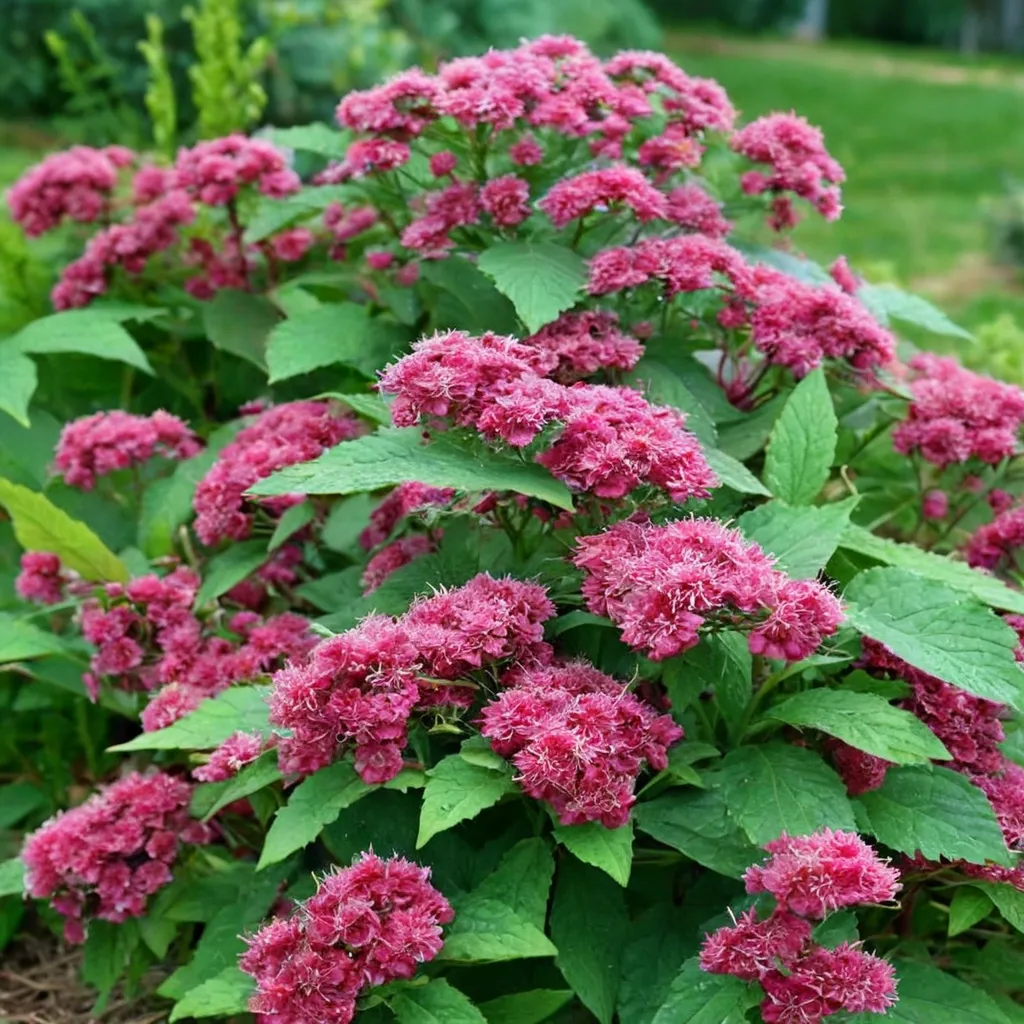
Double Play Red Spirea
Spiraea japonica 'Double Play Red'
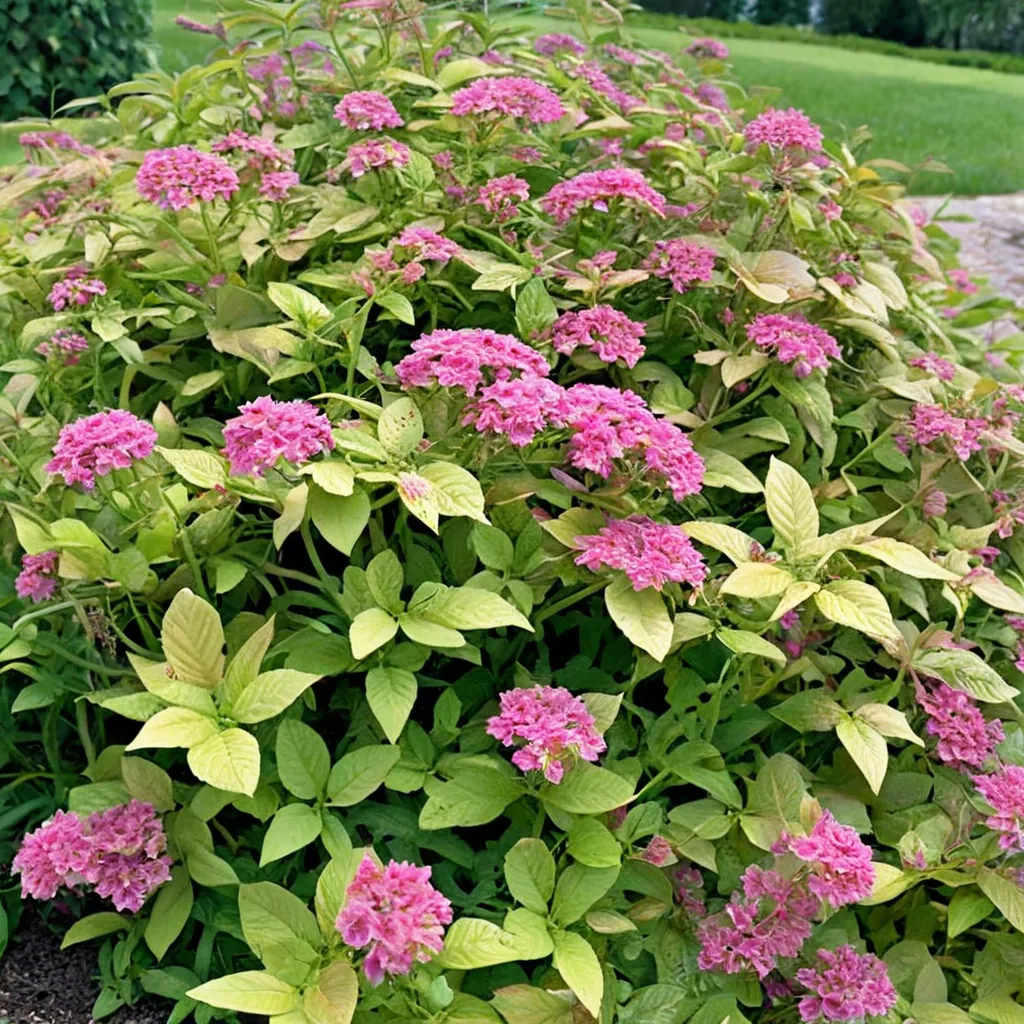
Bumalda Spiraea Mix
Spiraea x bumalda 'Mix'
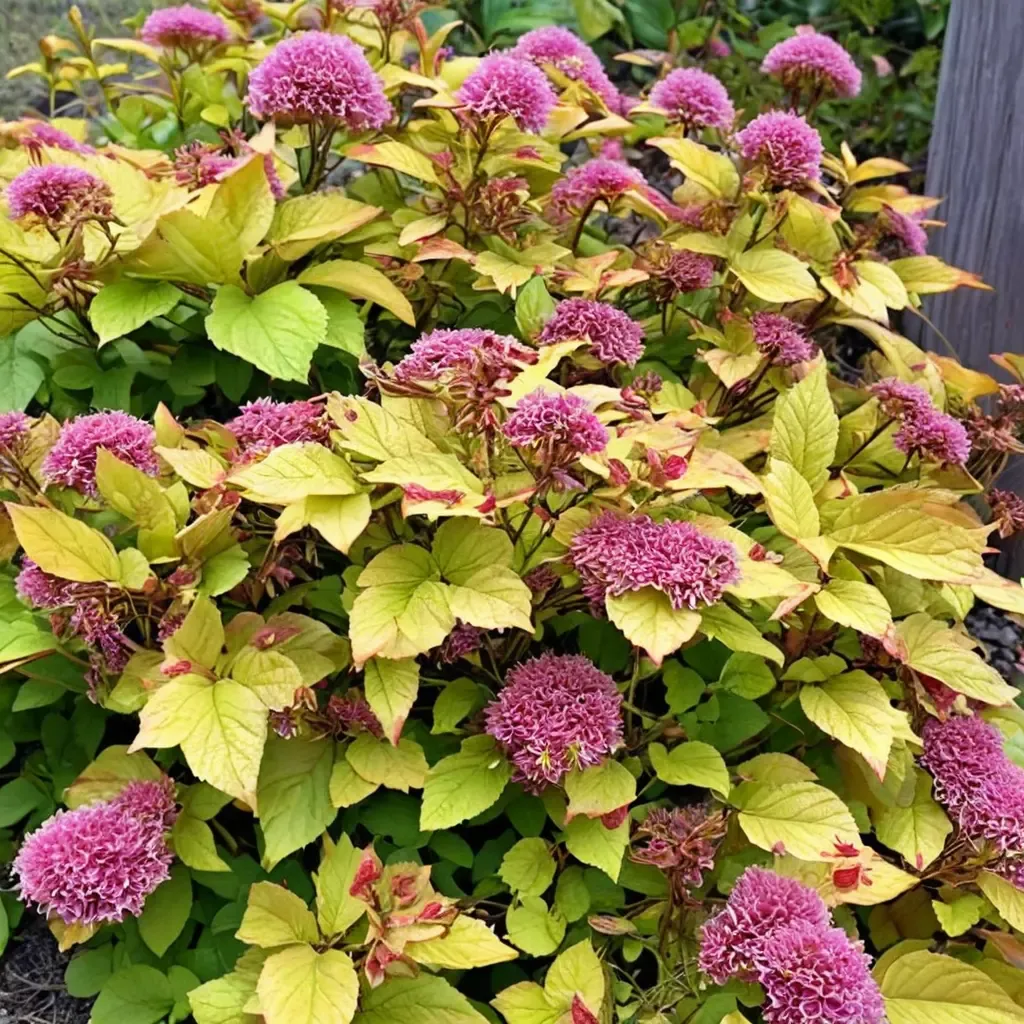
Magic Carpet Japanese Spirea
Spiraea japonica 'Magic Carpet'
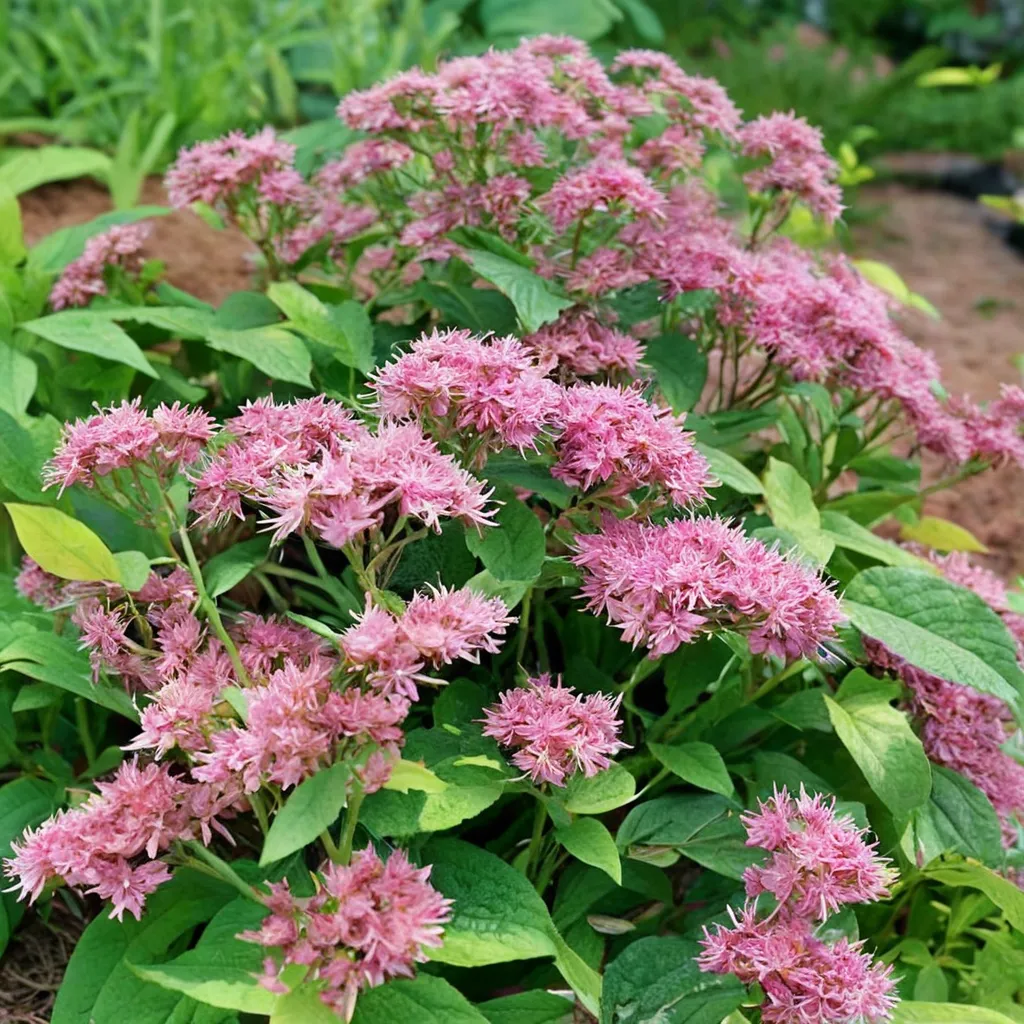
Hybrid Spirea
Spiraea x hybrida 'Mix'
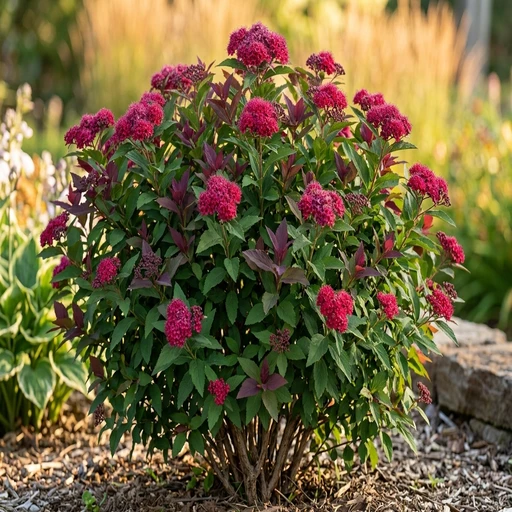
Double Play Doozie Spirea
Spiraea japonica 'Double Play Doozie'
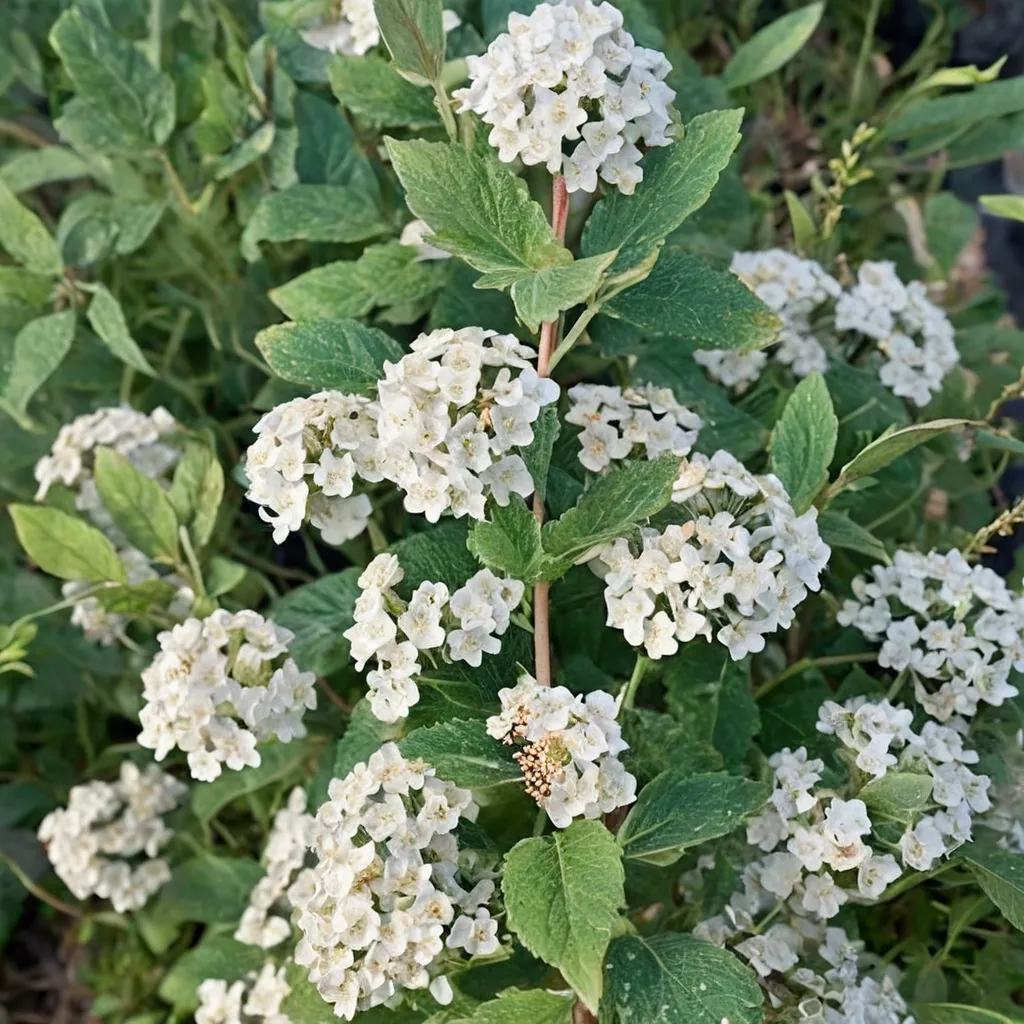
Vanhoutte Spirea Mix
Spiraea x vanhouttei 'Mix'
Keep exploring
Explore the genus
Hardy in your zone?
Grow Shinyleaf Meadowsweet with confidence
See it in a design of your actual yard, get zone-matched care reminders, and track it season by season in your garden journal.