
Species
 Ilex crenataJapanese Holly
18 other cultivars
 ‘Sky Pencil’Sky Pencil Holly
 ‘Dwarf Pagoda’Dwarf Pagoda Holly
 ‘Soft Touch’Soft Touch Japanese Holly
 ‘Compacta’Compact Japanese Holly
 ‘Helleri’Helleri Japanese Holly
 ‘Green Lustre’Green Lustre Japanese Holly
 ‘Bennett’Bennett's Compact Japanese Holly
 ‘Drops Of Gold’Drops of Gold Japanese Holly
 ‘Steeds’Steeds Japanese Holly
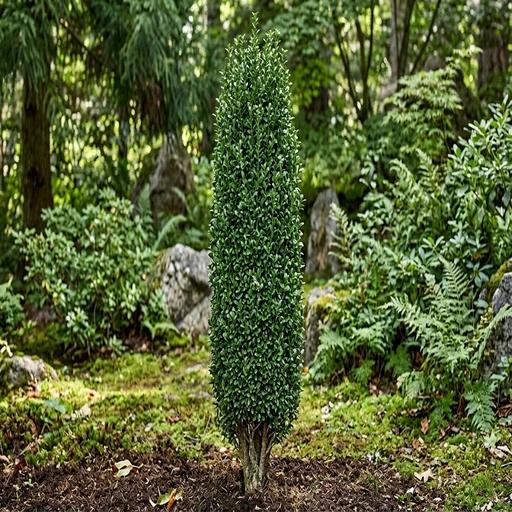 ‘Straight & Narrow’Straight & Narrow Japanese Holly
 ‘Hetzii’Hetzi Japanese Holly
 ‘Chesapeake’Chesapeake Japanese Holly
 ‘Hoogendorn’Hoogendorn Japanese Holly
 ‘Stokes’Stokes Dwarf Japanese Holly
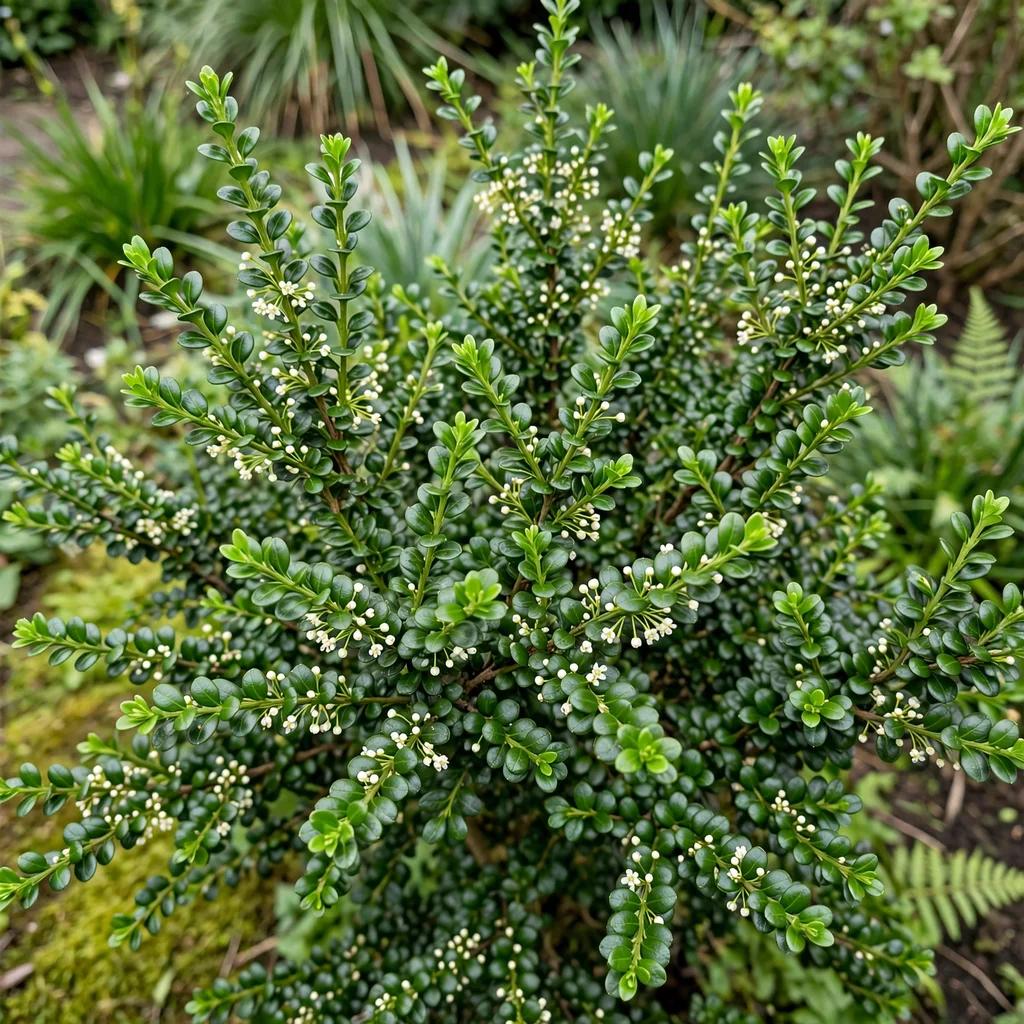 ‘Glory Gem’Japanese Holly 'Glory Gem'
 ‘Convexa’Japanese Holly
 ‘Green Hedge’Japanese Holly
 ‘Golden Soft Touch’Golden Soft Touch Japanese Holly
The Story
Plant Bio
Ilex crenata, the Japanese holly, is a dense, slow-growing evergreen shrub native to East Asian mountain forests and thickets. Its small, spineless, rounded leaves closely resemble boxwood, but the species is distinguished by its preference for acidic soils and its small, black berries on female plants.
'Golden Gem' is a compact, low-mounding male clone distinguished by its brilliant golden-yellow new foliage that matures to a soft chartreuse. Because it is an all-male selection, it produces inconspicuous white flowers in late spring but never bears fruit.
Uses & Benefits:
Essentials
At a Glance
Plant Type
Shrub
Height
30"
Width
40"
Light
Full Sun, Partial Sun
Zones
5, 6, 7, 8
Water
Low to moderate
Humidity
Low to moderate
Lifespan
Long-lived
Native To
East Asia
Toxicity
Mildly toxic if ingested
Bloom period
Late spring – Early summer
In flower about 2 months of the year
Planting
How to Grow
- Select a planting site in full sun to partial shade with rich, acidic, well-draining soil.
- Dig a hole twice as wide as the root ball but no deeper, ensuring the crown sits slightly above the surrounding soil level.
- Backfill with native soil amended with organic matter, tamping lightly to remove air pockets without compacting the root zone.
- Water deeply at the base to settle the soil, and apply a two-inch layer of organic mulch to retain moisture while keeping it clear of the main stem.
Pro Tip
Plant in full sun to secure the brightest golden foliage, as deep shade forces the leaves to revert to dull green, and ensure the soil is acidic and highly permeable to prevent fatal root rot.
Keep It Thriving
Care Guide
Do
- Water regularly during the first growing season to establish a deep, resilient root system.
- Apply an acidic, slow-release fertilizer in early spring if the plant shows sluggish growth.
- Prune lightly in late spring after the initial growth flush to maintain a compact, mounded shape.
Don't
- Do not plant in heavy, poorly drained clay soils where water pools, as this triggers fatal root rot.
- Avoid shearing deeply into old, leafless interior wood, which responds poorly and leaves permanent bare patches.
- Do not plant in alkaline or heavily limed soils, which cause rapid chlorosis and decline.
Seasonal Care Calendar
| Task | Jan | Feb | Mar | Apr | May | Jun | Jul | Aug | Sep | Oct | Nov | Dec |
|---|---|---|---|---|---|---|---|---|---|---|---|---|
| Fertilize | ||||||||||||
| Mulch | ||||||||||||
| Pest Check | ||||||||||||
| Prune |
Watch Out For
Pests & Diseases
Common Pests
Common Diseases
In the Garden
Landscape Uses & Companions
Landscape Uses
Companion Plants
Multiply
Propagation Methods
Good to Know
Common Questions
Japanese Holly questions
What zones can Japanese Holly grow in?
Japanese Holly is hardy in USDA Zones 5–8. Inside that range it survives winter in the ground; outside it, grow it as an annual or a container plant you protect.
When does Japanese Holly bloom?
Japanese Holly typically blooms in late spring through early summer. Exact timing shifts a week or two with your zone — Sow's bloom calendar maps it to your garden.
Does Japanese Holly need full sun?
Japanese Holly does best in full sun to part shade. In hot climates, afternoon shade keeps blooms fresher longer.
More Ilex to compare
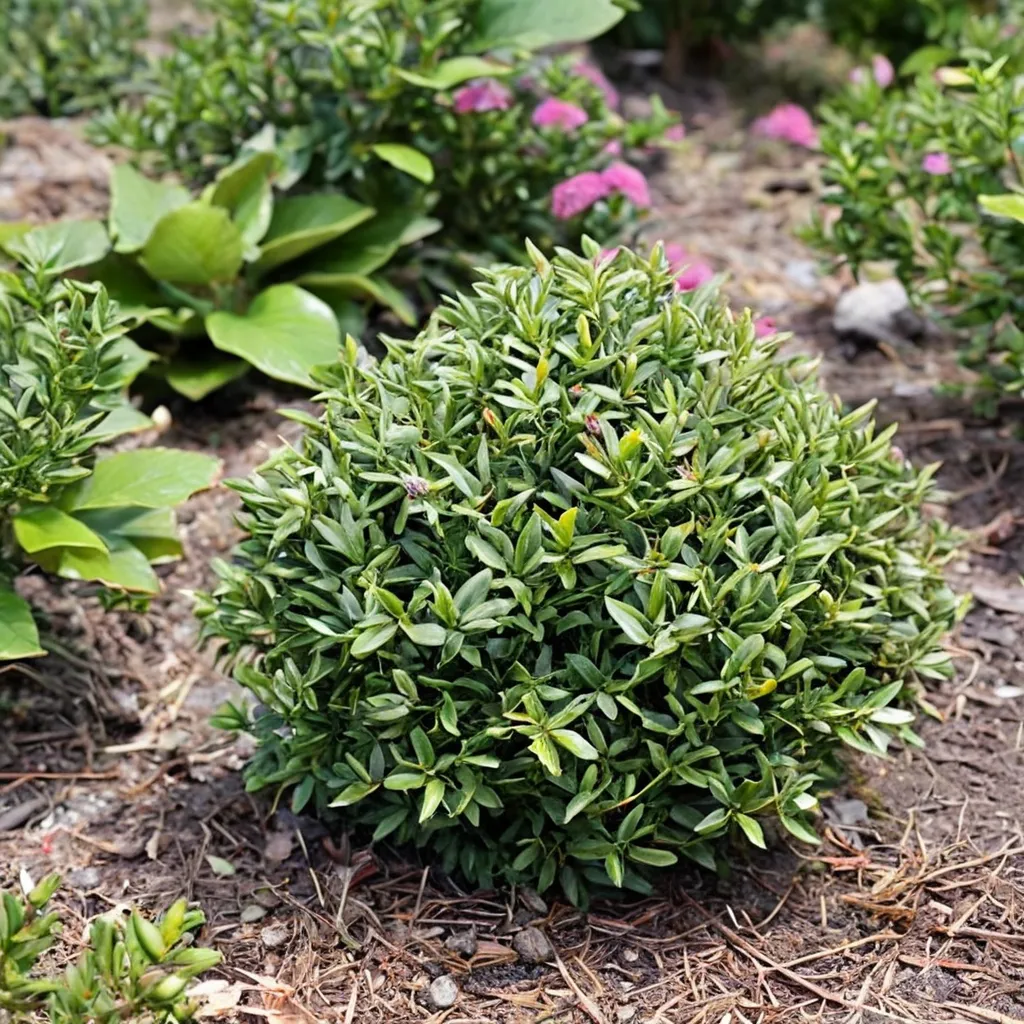
Gem Box Inkberry Holly
Ilex glabra 'Gem Box'
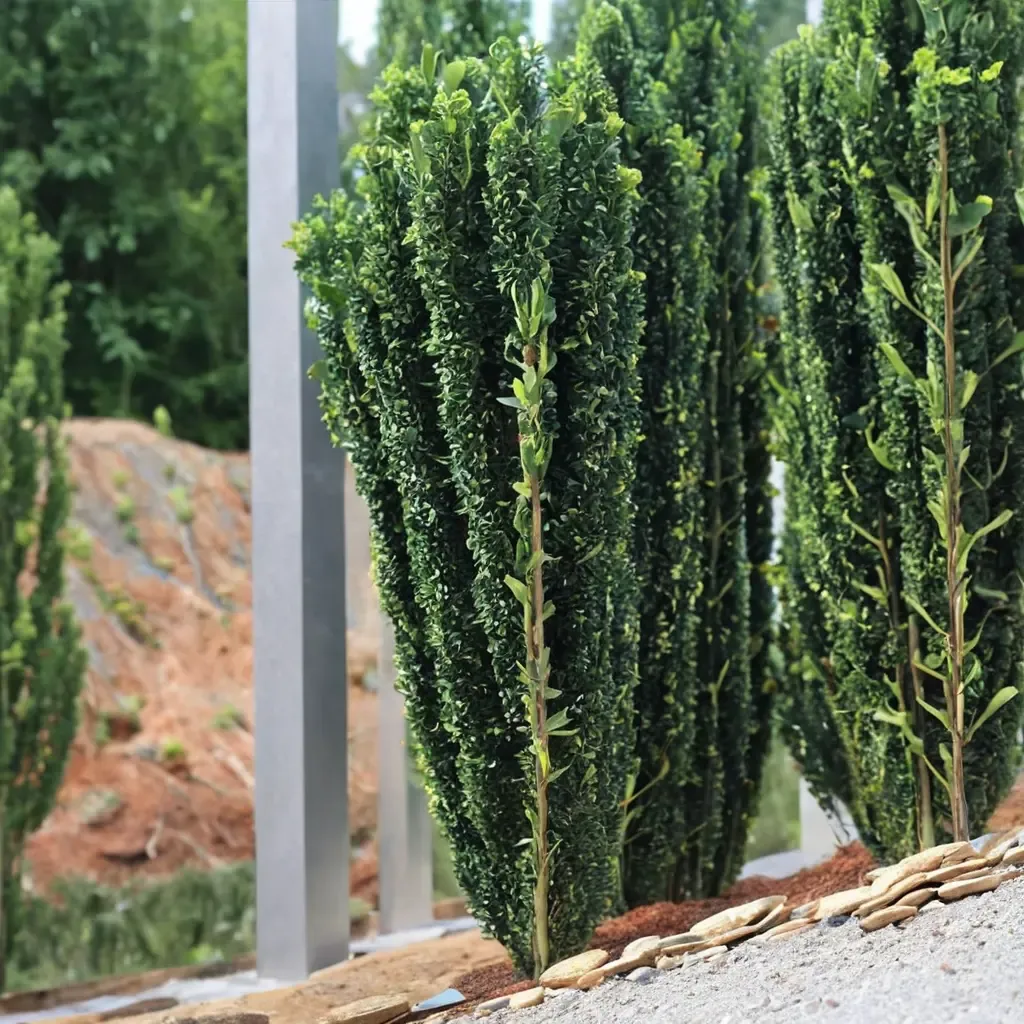
Sky Pencil Holly
Ilex crenata 'Sky Pencil'
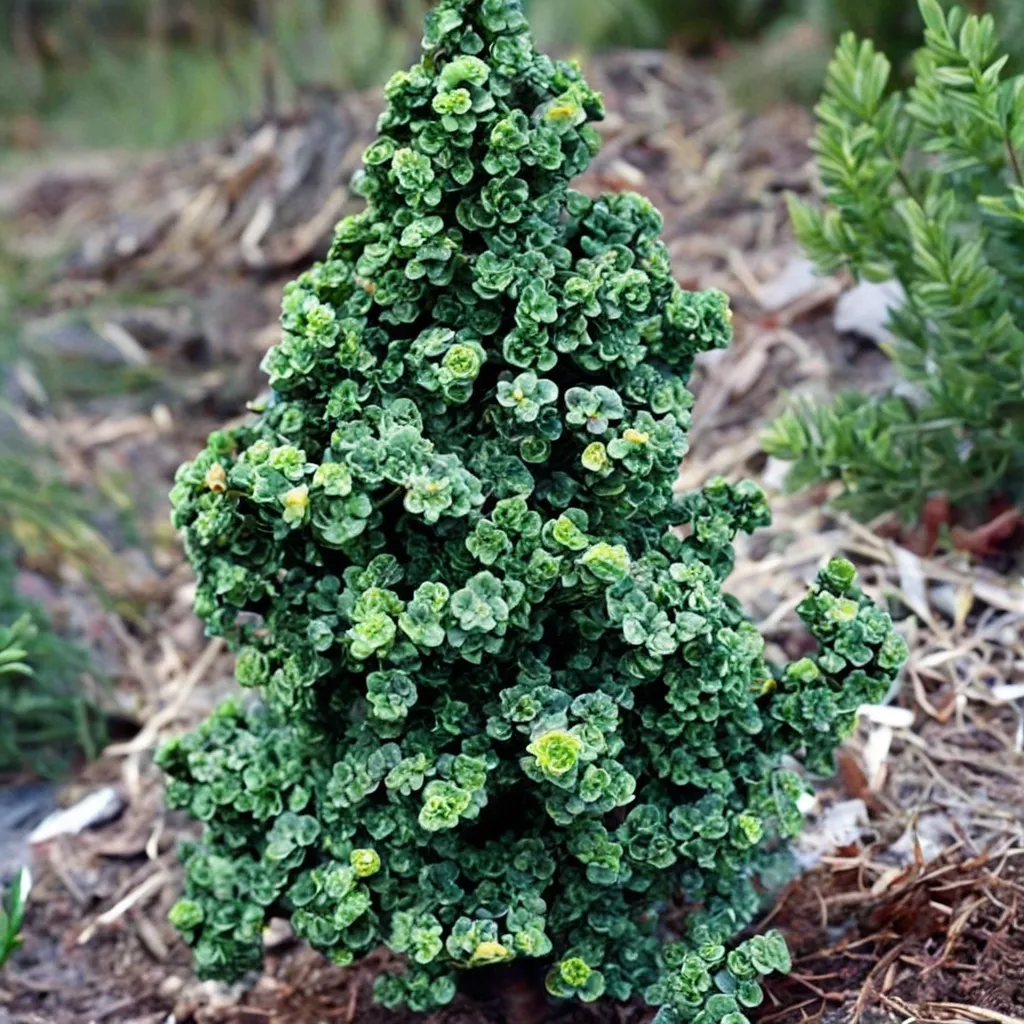
Dwarf Pagoda Holly
Ilex crenata 'Dwarf Pagoda'
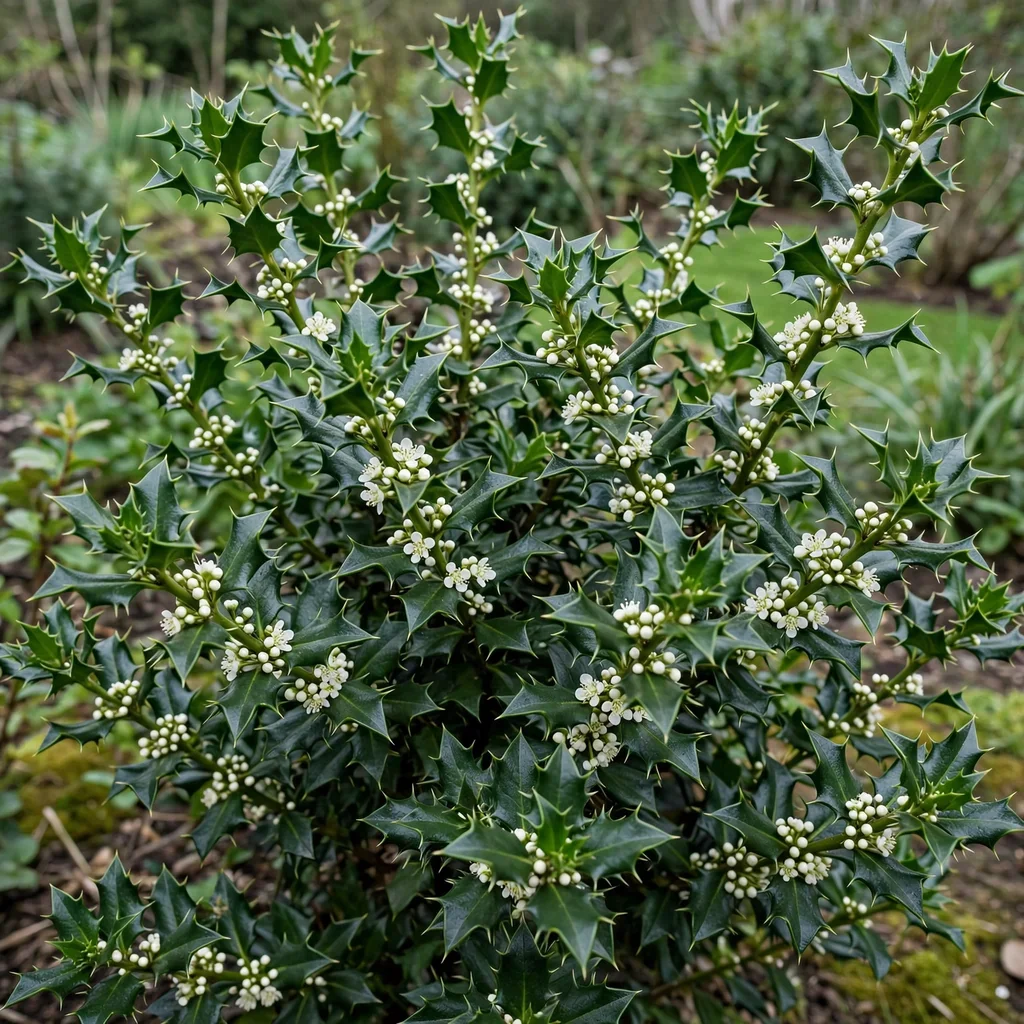
Mr Poppins Holly
Ilex x meserveae 'Mr Poppins'
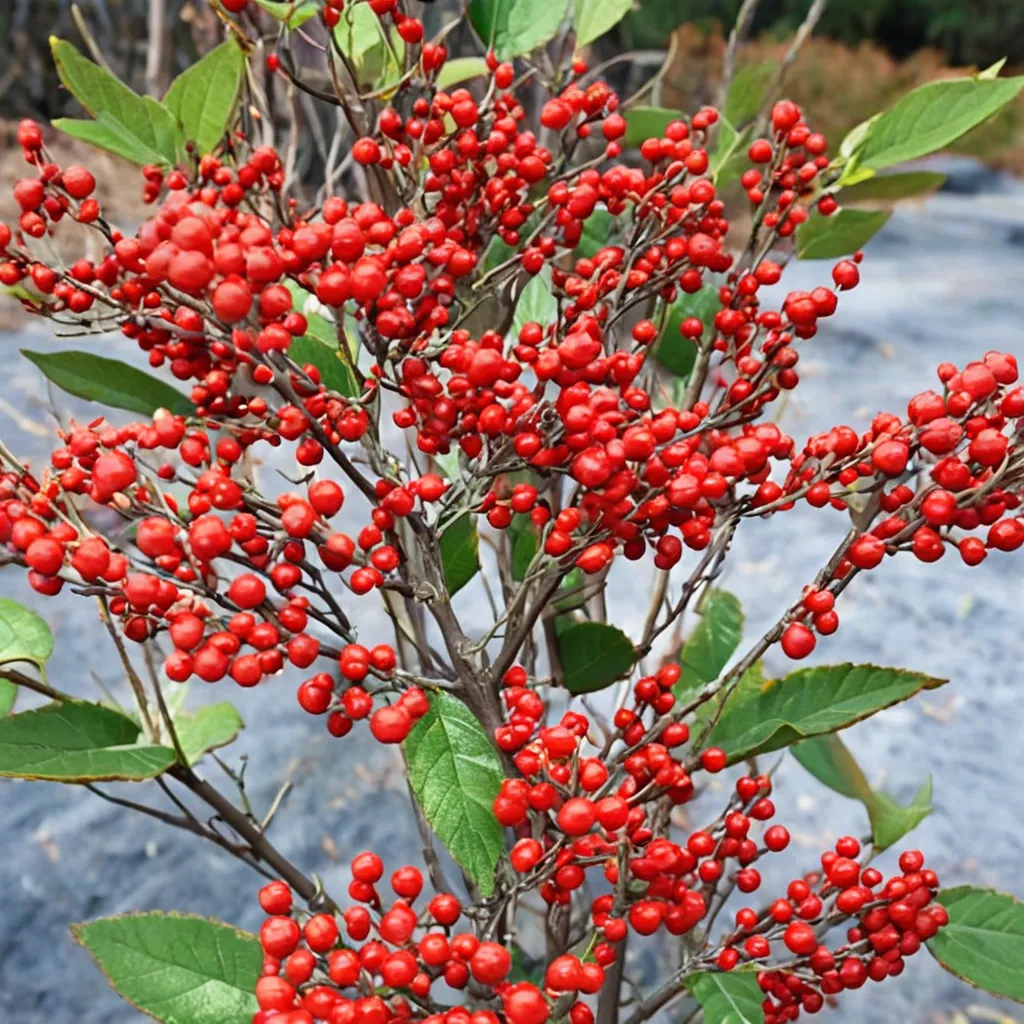
Blue Holly Berry Poppins
Ilex x meserveae 'Berry Poppins'
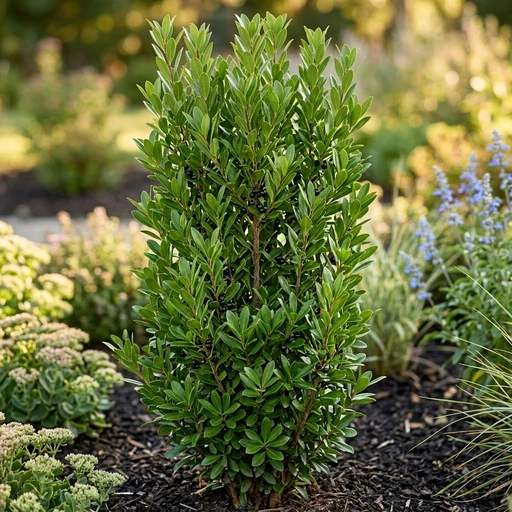
Squeeze Box Inkberry Holly
Ilex glabra 'Squeeze Box'
Keep exploring
Explore the genus
Hardy in your zone?
Grow Japanese Holly with confidence
See it in a design of your actual yard, get zone-matched care reminders, and track it season by season in your garden journal.