19 named cultivars
 ‘Sky Pencil’Sky Pencil Holly
 ‘Dwarf Pagoda’Dwarf Pagoda Holly
 ‘Soft Touch’Soft Touch Japanese Holly
 ‘Compacta’Compact Japanese Holly
 ‘Helleri’Helleri Japanese Holly
 ‘Green Lustre’Green Lustre Japanese Holly
 ‘Bennett’Bennett's Compact Japanese Holly
 ‘Drops Of Gold’Drops of Gold Japanese Holly
 ‘Steeds’Steeds Japanese Holly
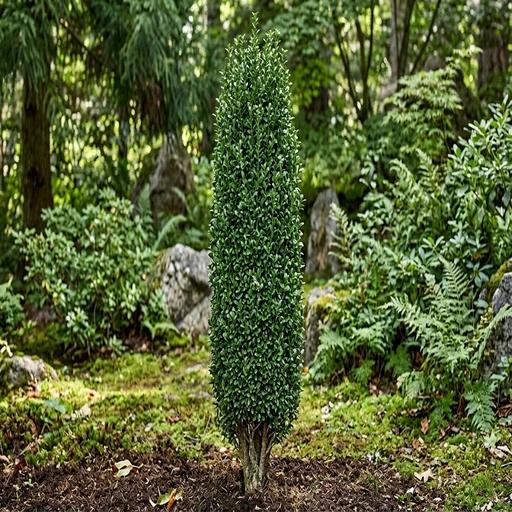 ‘Straight & Narrow’Straight & Narrow Japanese Holly
 ‘Hetzii’Hetzi Japanese Holly
 ‘Chesapeake’Chesapeake Japanese Holly
 ‘Hoogendorn’Hoogendorn Japanese Holly
 ‘Stokes’Stokes Dwarf Japanese Holly
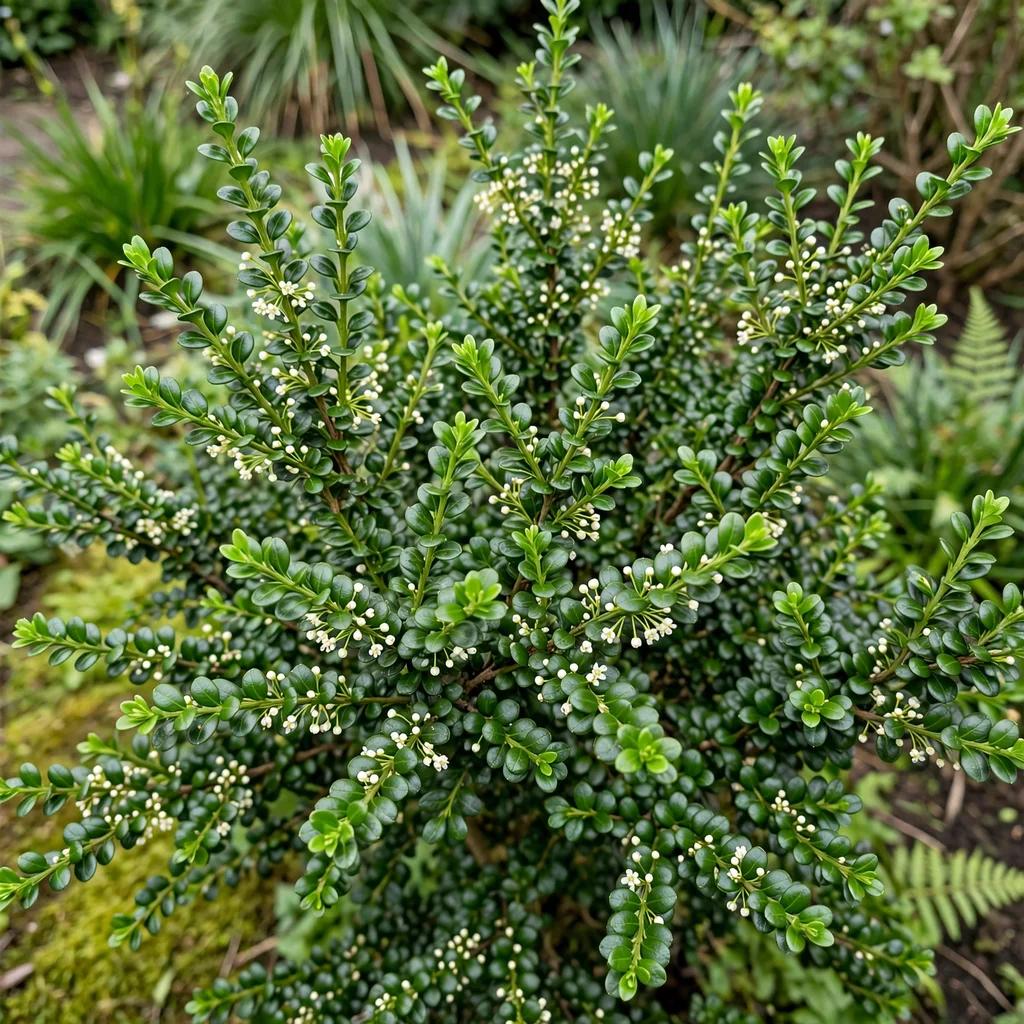 ‘Glory Gem’Japanese Holly 'Glory Gem'
 ‘Convexa’Japanese Holly
 ‘Golden Gem’Japanese Holly
 ‘Green Hedge’Japanese Holly
 ‘Golden Soft Touch’Golden Soft Touch Japanese Holly
The Story
Plant Bio
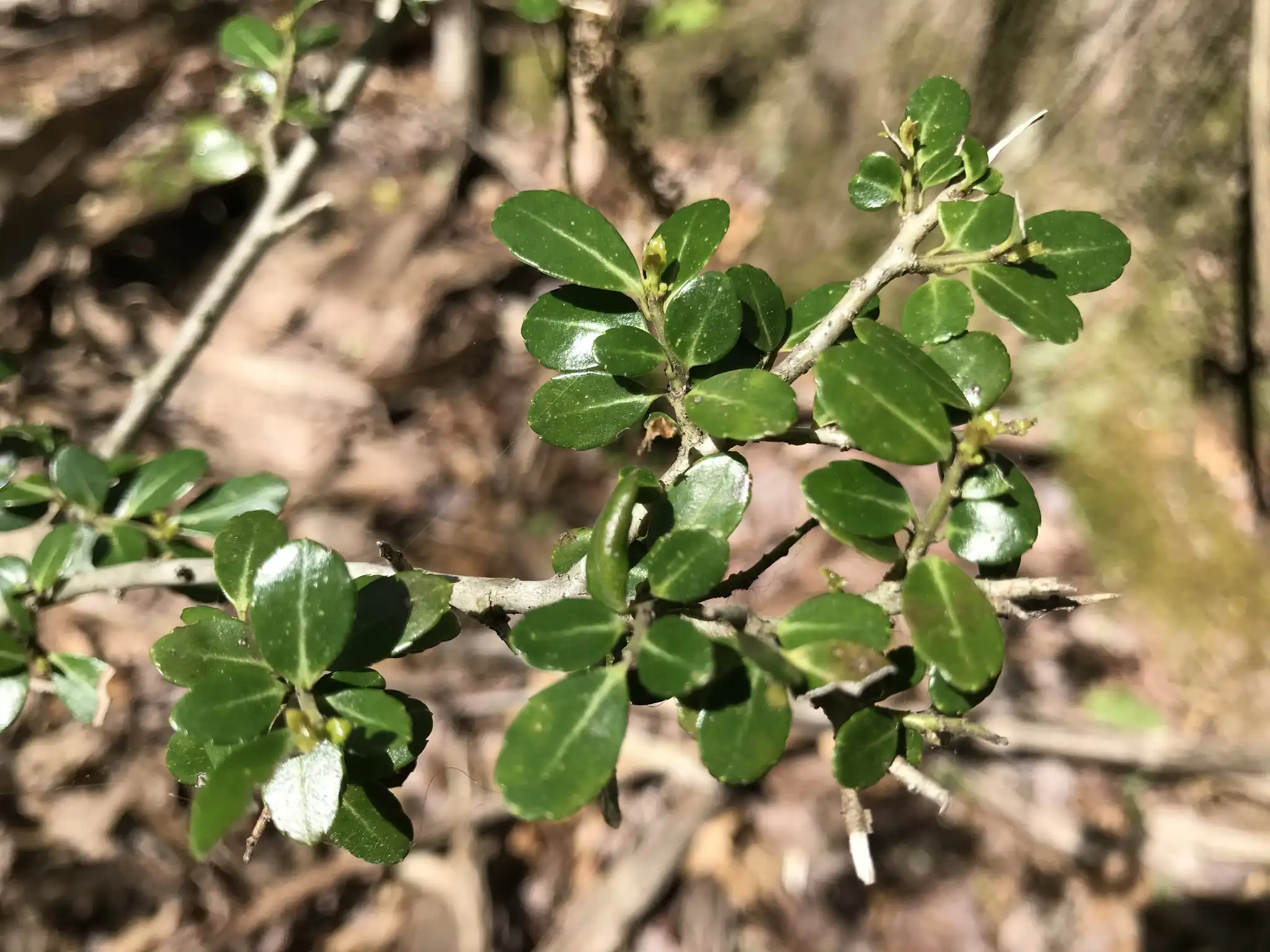
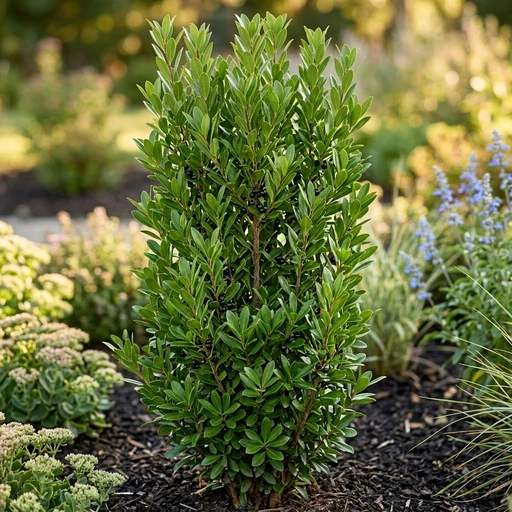
Ilex crenata, Japanese holly, is a broadleaf evergreen shrub from Japan, Korea and temperate East Asia, reaching about 5 to 10 ft tall and 5 to 8 ft wide. It is dense, multi-stemmed, rounded and spreading, with small glossy leaves that look far more like box than holly. Growth is slow and the bark is smooth greenish-brown to grey.
It is the usual stand-in for boxwood, taking shearing into hedges, globes and cloud-pruned forms without the box blight risk. The tiny fragrant flowers draw bees and support the specialist bee Colletes banksi. Female plants set small black berries rather than the red ones people expect from a holly.
Uses & Benefits:
Essentials
At a Glance
Plant Type
Shrub
Height
90"
Width
78"
Light
Full Sun, Partial Sun
Zones
5, 6, 7, 8
Water
Medium; even moisture with sharp drainage
Humidity
Tolerates average to humid air
Lifespan
Long-lived where drainage suits it
Native To
Japan, Korea and temperate East Asia
Toxicity
Berries may cause a minor reaction if eaten
Planting
How to Grow
- Choose full sun to partial shade with shelter from harsh winter wind.
- Test the soil; it needs acid to neutral ground, never alkaline.
- Plant into well-drained soil, raising the bed if drainage is doubtful.
- Set the root ball slightly proud of grade and backfill firmly.
- Mulch 2-3 in deep and water regularly through the first year.
- Shear lightly in late spring and again in midsummer to shape.
Pro Tip
It dies from the roots up in wet or alkaline soil, so a raised, acidified bed prevents more losses than any spray will.
Keep It Thriving
Care Guide
Do
- Keep the soil acid, ideally below pH 6.5 🧪
- Plant high on a mound where drainage is imperfect ⛰️
- Shear after the spring flush for a crisp outline ✂️
- Water deeply in drought; shallow roots dry fast 💧
Don't
- Do not plant in heavy, wet or alkaline soil ❌
- Do not pile mulch against the stems ❌
- Do not shear into late autumn; soft growth will not harden ❌
Seasonal Care Calendar
| Task | Jan | Feb | Mar | Apr | May | Jun | Jul | Aug | Sep | Oct | Nov | Dec |
|---|---|---|---|---|---|---|---|---|---|---|---|---|
| Check Roots And Drainage | ||||||||||||
| Shear To Shape |
Watch Out For
Pests & Diseases
Common Pests
Common Diseases
In the Garden
Landscape Uses & Companions
Landscape Uses
Multiply
Propagation Methods
Good to Know
Common Questions
Japanese Holly questions
What zones can Japanese Holly grow in?
Japanese Holly is hardy in USDA Zones 5–8. Inside that range it survives winter in the ground; outside it, grow it as an annual or a container plant you protect.
Is Japanese Holly deer resistant?
Yes — Japanese Holly is rated deer-resistant. Deer typically pass it over, though extreme hunger can override any plant's defenses.
When does Japanese Holly bloom?
Japanese Holly typically blooms in spring, small and fragrant through late spring. Exact timing shifts a week or two with your zone — Sow's bloom calendar maps it to your garden.
Does Japanese Holly need full sun?
Japanese Holly does best in full sun to part shade. In hot climates, afternoon shade keeps blooms fresher longer.
More Ilex to compare
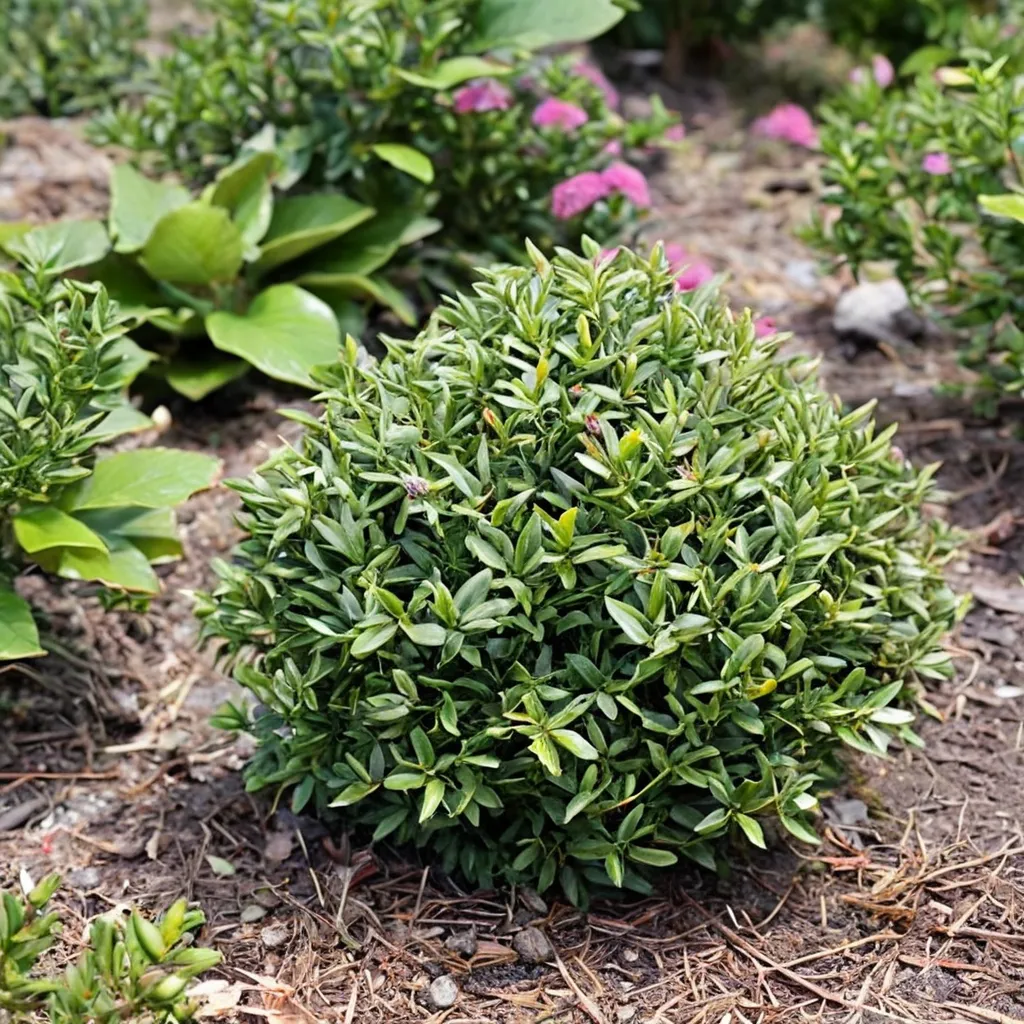
Gem Box Inkberry Holly
Ilex glabra 'Gem Box'
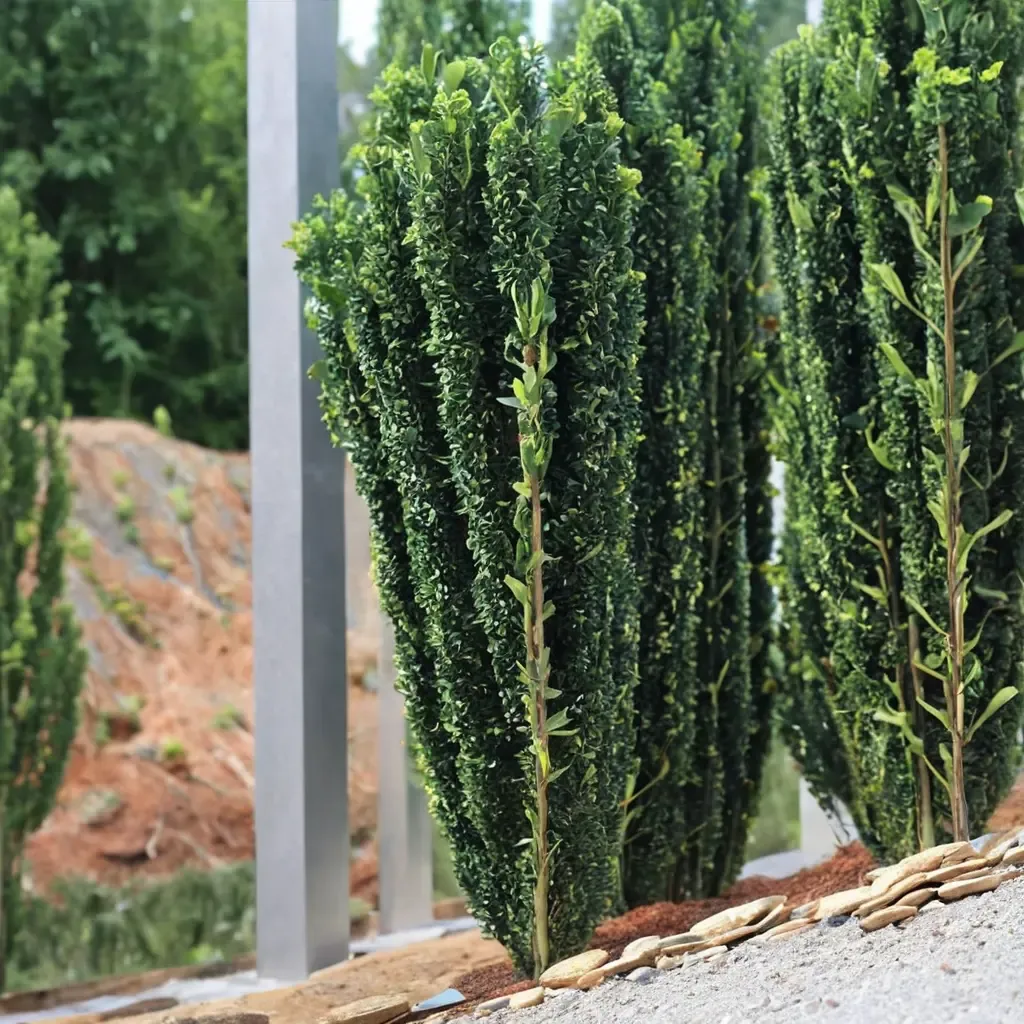
Sky Pencil Holly
Ilex crenata 'Sky Pencil'
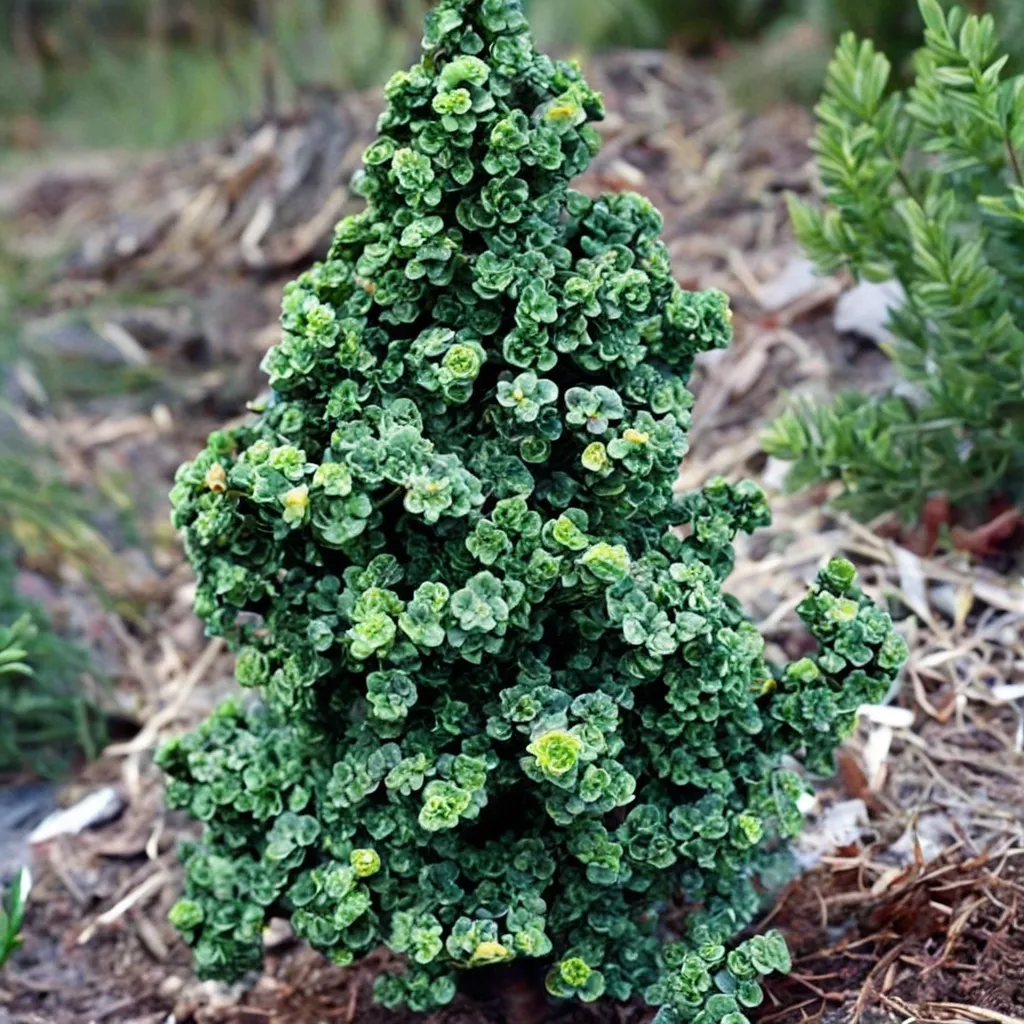
Dwarf Pagoda Holly
Ilex crenata 'Dwarf Pagoda'
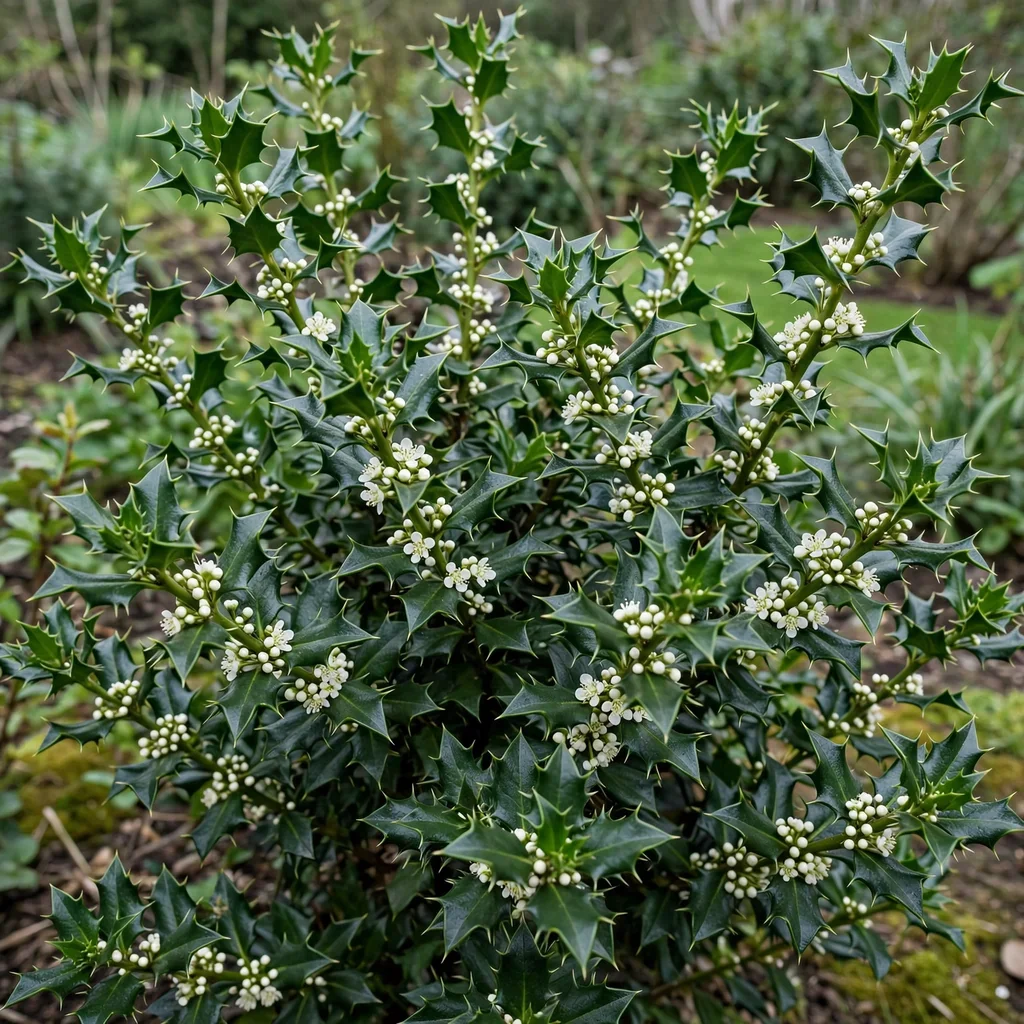
Mr Poppins Holly
Ilex x meserveae 'Mr Poppins'
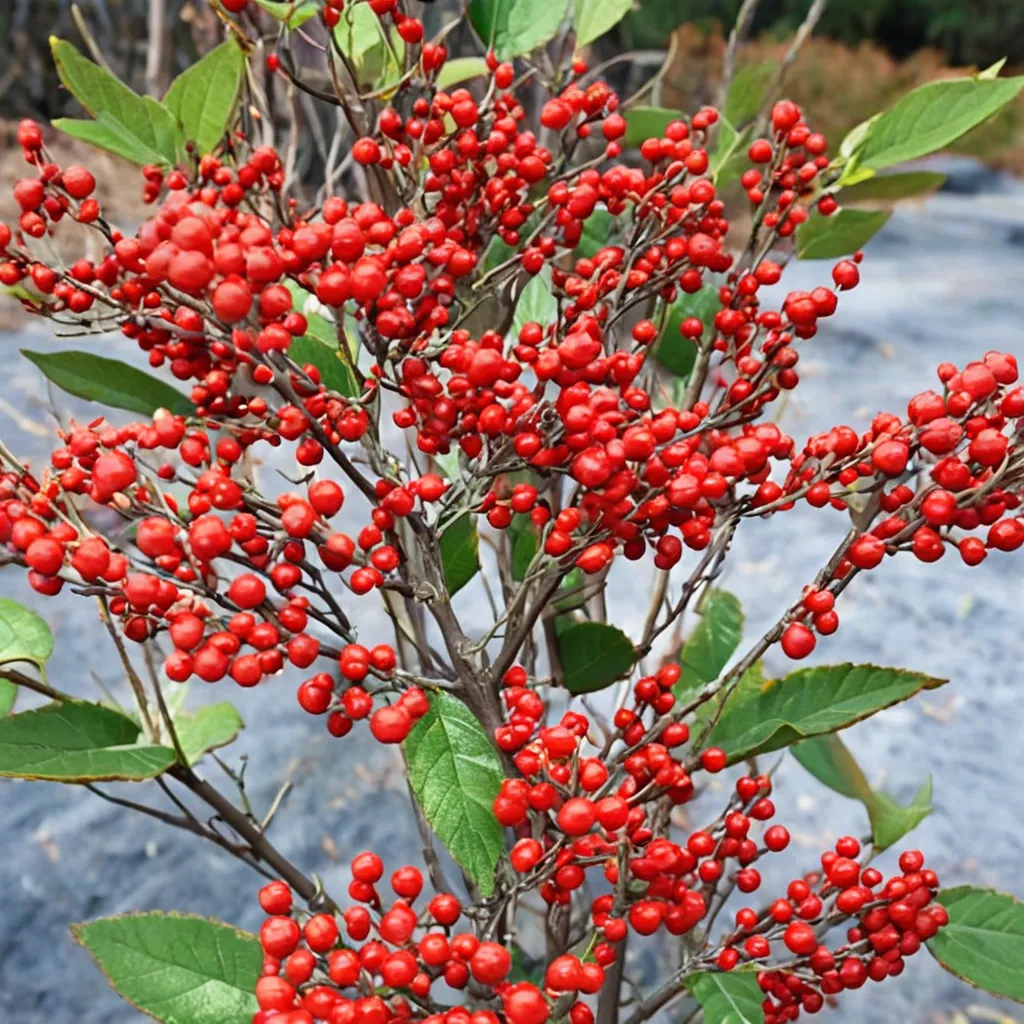
Blue Holly Berry Poppins
Ilex x meserveae 'Berry Poppins'
Squeeze Box Inkberry Holly
Ilex glabra 'Squeeze Box'
Keep exploring
Explore the genus
Hardy in your zone?
Grow Japanese Holly with confidence
See it in a design of your actual yard, get zone-matched care reminders, and track it season by season in your garden journal.