The Story
Plant Bio
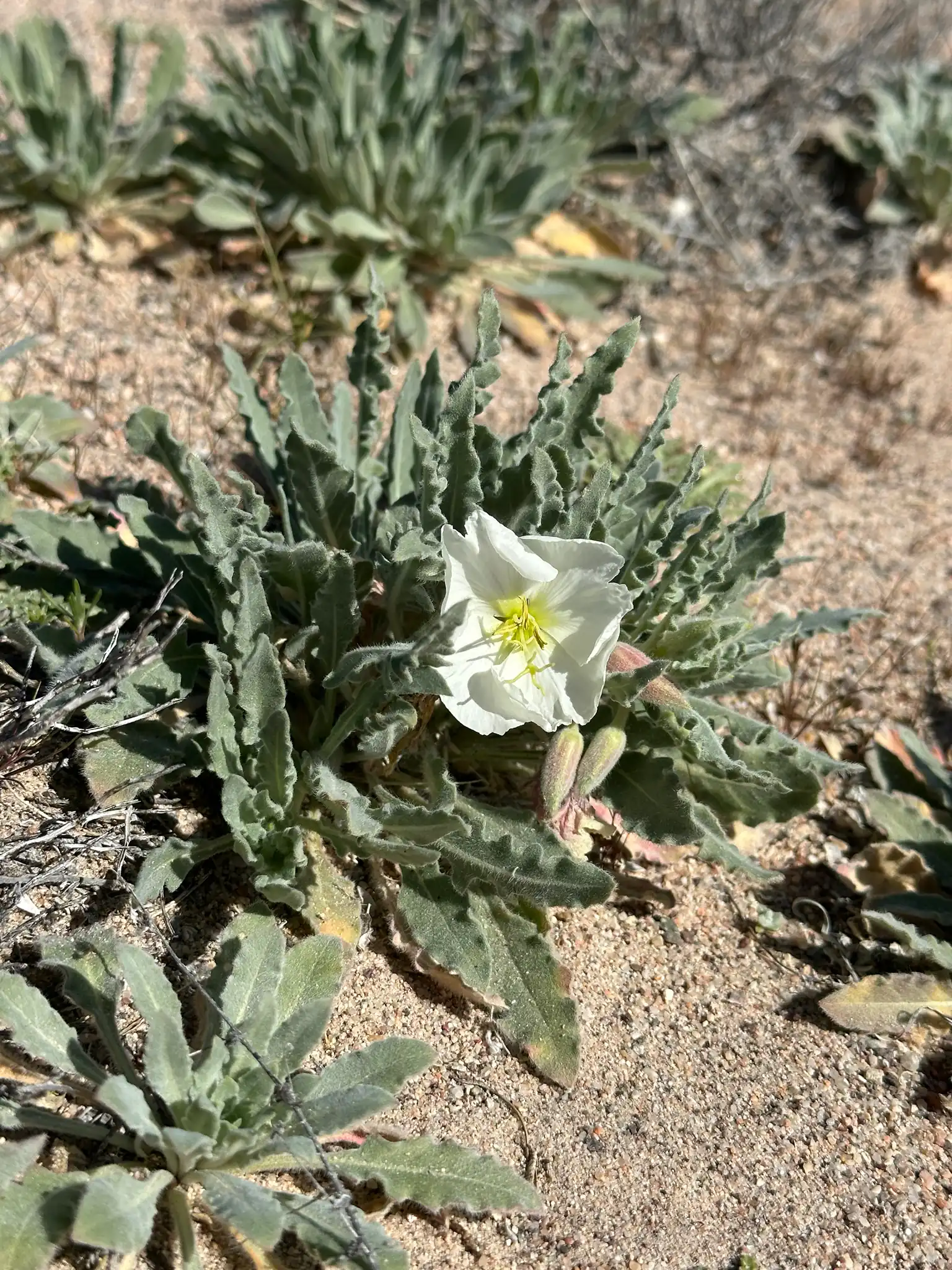
Oenothera avita is a rosette-forming perennial native to arid sandy flats and desert dunes across the southwestern United States and northern Mexico. It carries gray-green foliage along decumbent stems and produces large four-petaled flowers that open white in the evening and age to rose-pink by morning.
The flowers depend on hawkmoths and specialized desert bees for nocturnal pollination. A deep taproot and thick rhizomes allow established plants to endure severe heat and drought in nutrient-poor mineral soils.
Uses & Benefits:
Essentials
At a Glance
Plant Type
Perennial
Height
24"
Width
36"
Light
Full Sun
Zones
8, 9, 10
Water
Low
Humidity
Low
Lifespan
Perennial
Native To
Southwestern North America
Toxicity
Non-toxic
Bloom period
Spring – Summer
In flower about 6 months of the year
Planting
How to Grow
- Select a site in full sun with sandy, gravelly, or coarse soil.
- Ensure sharp soil drainage by amending planting beds with coarse sand or sharp grit if needed.
- Water lightly at planting to set the roots, then reduce irrigation significantly once established.
- Avoid applying organic mulches around the crown to prevent moisture retention.
Pro Tip
Cutting into old leafless woody stems prevents regrowth; prune back spent flowering stems lightly only to active basal foliage.
Keep It Thriving
Care Guide
Do
- Grow in full sun and sharply draining sandy soils.
- Allow soil to dry completely between light waterings.
- Prune back old flowering stems above active leaf nodes after blooming.
Don't
- Do not overwater or plant in heavy clay soils.
- Do not apply high-nitrogen fertilizers, which cause weak growth and shorten lifespan.
- Do not cut back into old leafless woody wood.
Seasonal Care Calendar
| Task | Jan | Feb | Mar | Apr | May | Jun | Jul | Aug | Sep | Oct | Nov | Dec |
|---|---|---|---|---|---|---|---|---|---|---|---|---|
| Fertilize | ||||||||||||
| Pest Check | ||||||||||||
| Propagate | ||||||||||||
| Prune | ||||||||||||
| Spring Cleanup |
Watch Out For
Pests & Diseases
Common Pests
Common Diseases
In the Garden
Landscape Uses & Companions
Landscape Uses
Multiply
Propagation Methods
Good to Know
Common Questions
California Evening Primrose questions
What zones can California Evening Primrose grow in?
California Evening Primrose is hardy in USDA Zones 8–10: in that range it survives winter in the ground. Colder than Zone 8, grow it in a container you can move to shelter for the winter, or as an annual.
Is California Evening Primrose deer resistant?
Not reliably. Deer may browse California Evening Primrose, especially tender spring growth — plan on repellents or fencing where pressure is high.
When does California Evening Primrose bloom?
California Evening Primrose typically blooms from spring to summer. Exact timing shifts a week or two with your zone — Sow's bloom calendar maps it to your garden.
Does California Evening Primrose need full sun?
California Evening Primrose does best in full sun (6+ hours).
Is California Evening Primrose drought tolerant?
Yes — once established (usually after the first full season), California Evening Primrose handles dry spells with minimal watering. Water deeply its first year to build the root system that makes that possible.
More Oenothera to compare
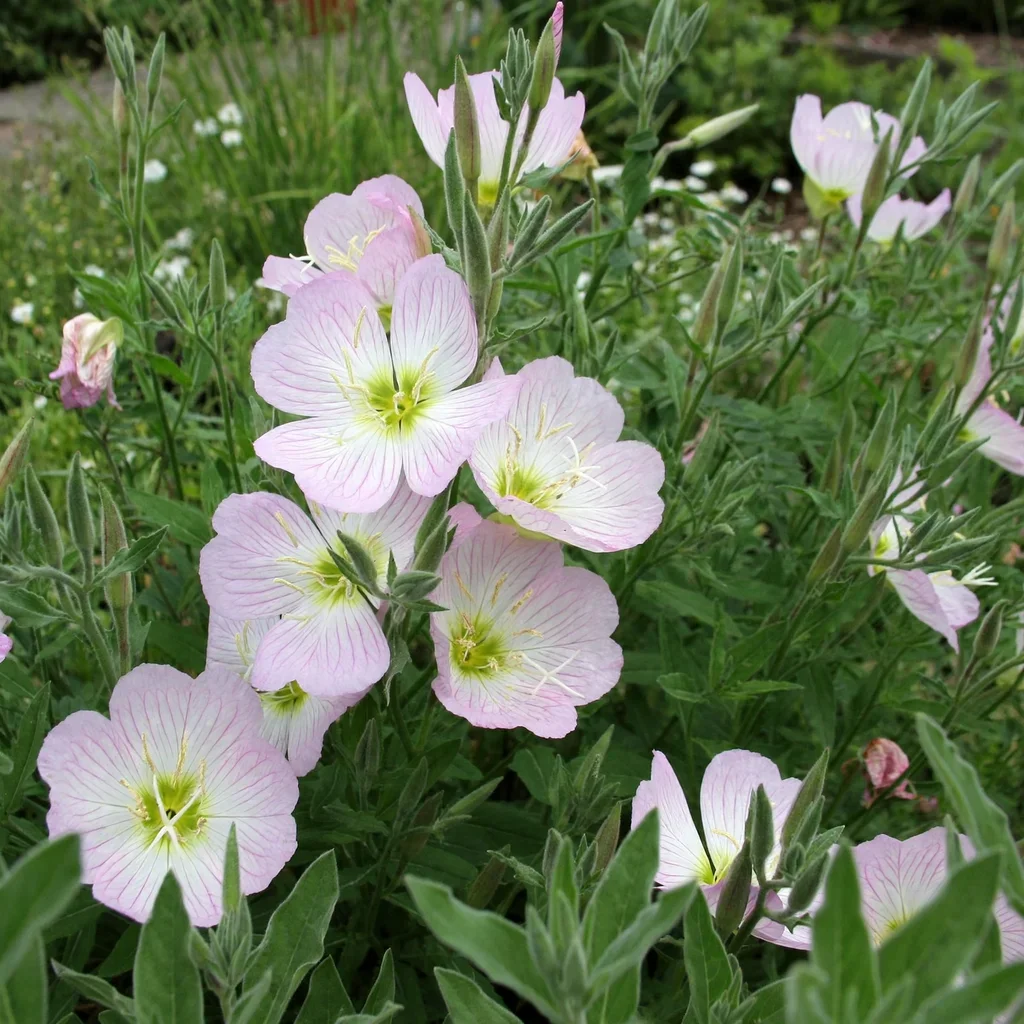
Pink Evening Primrose
Oenothera speciosa
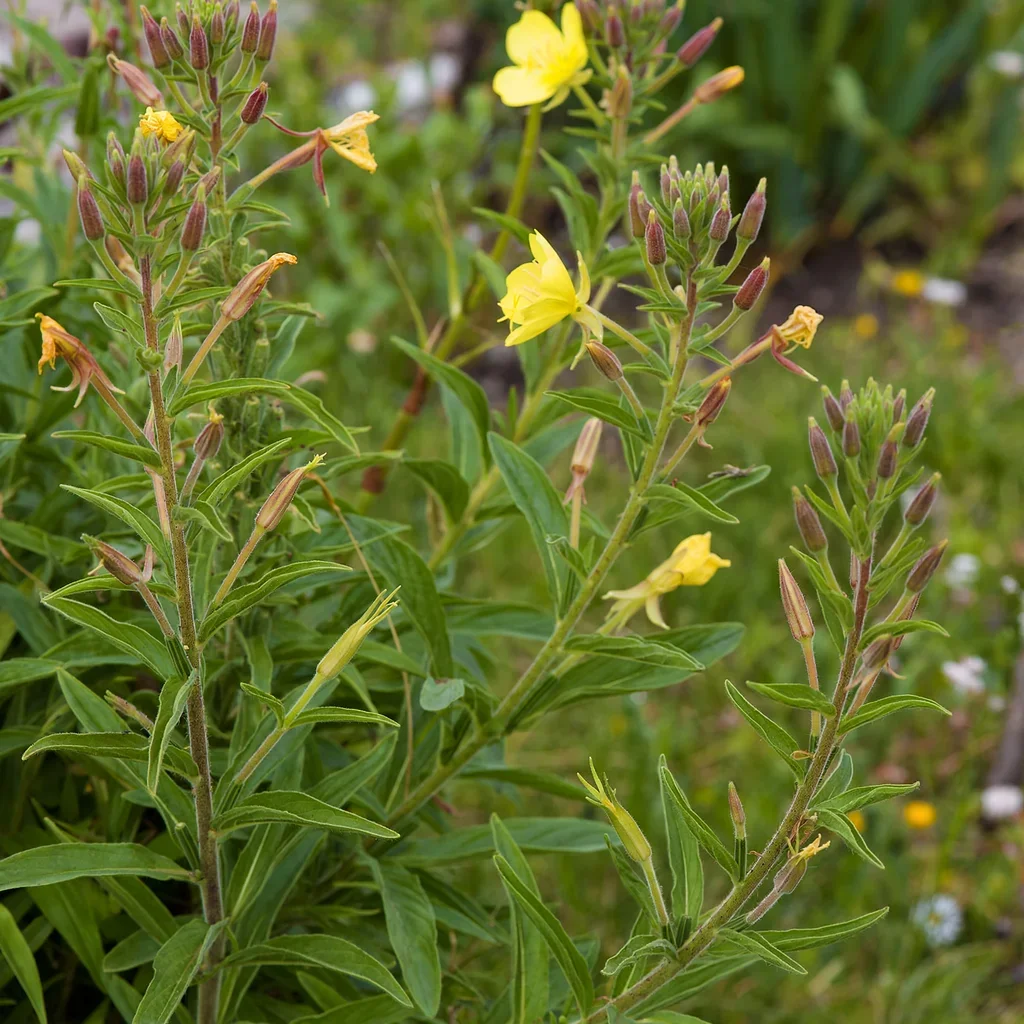
Evening Primrose
Oenothera biennis
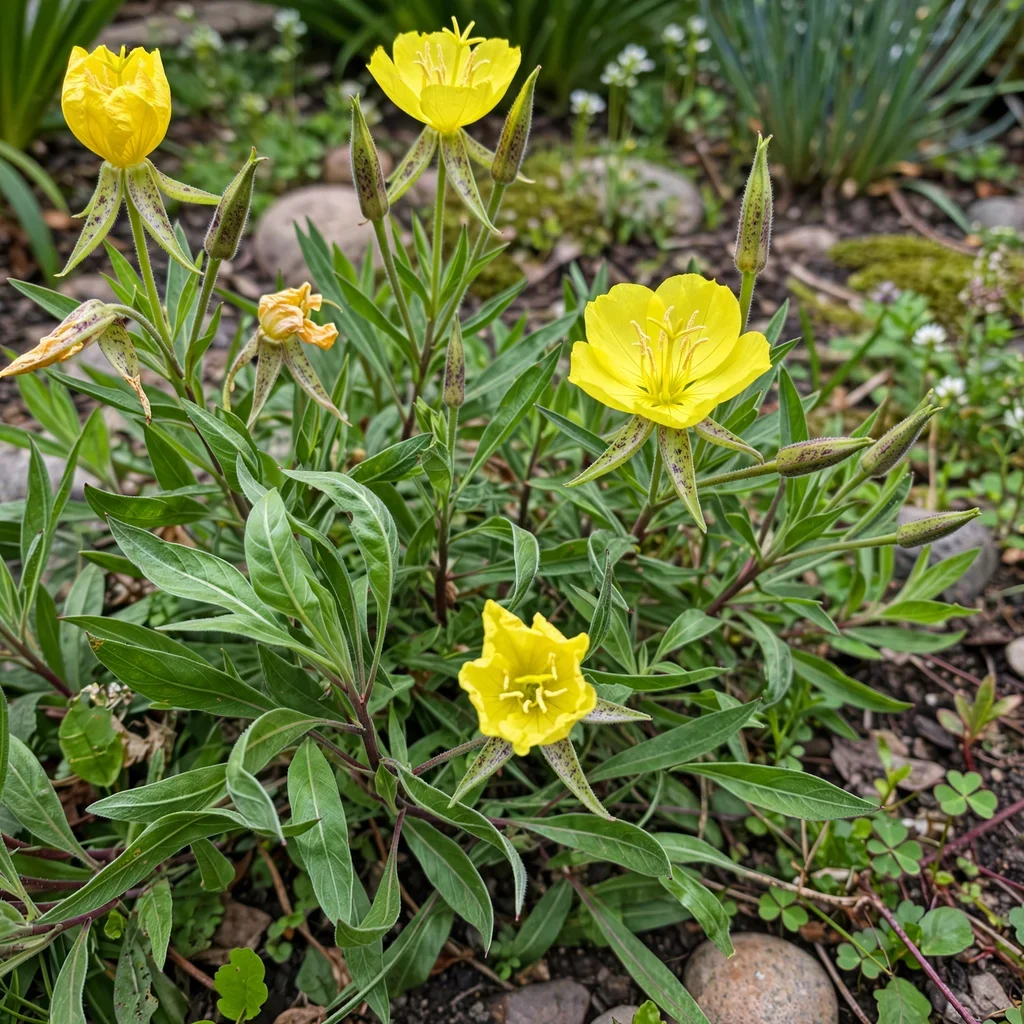
Missouri Evening Primrose Giant Evening Primrose
Oenothera macrocarpa
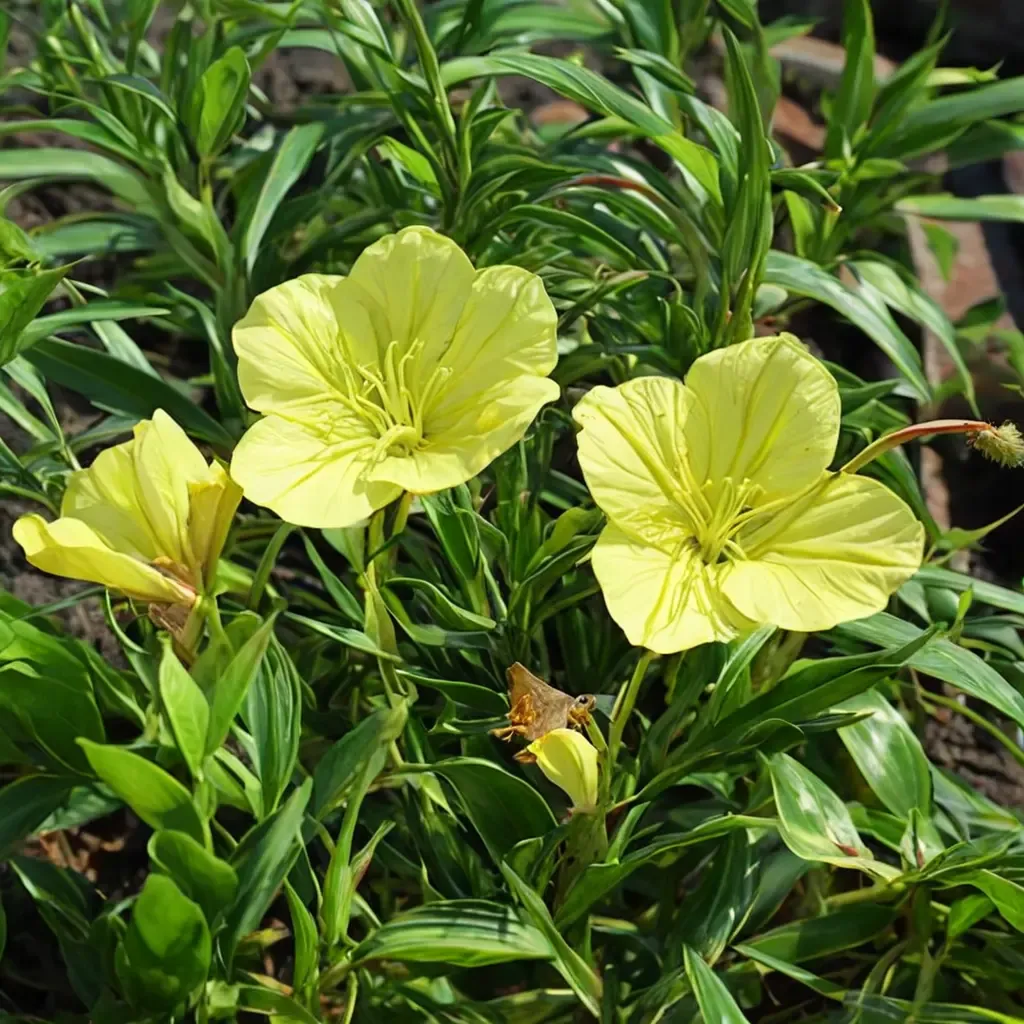
Ozark Sundrop
Oenothera missouriensis 'Ozark Sundrop'
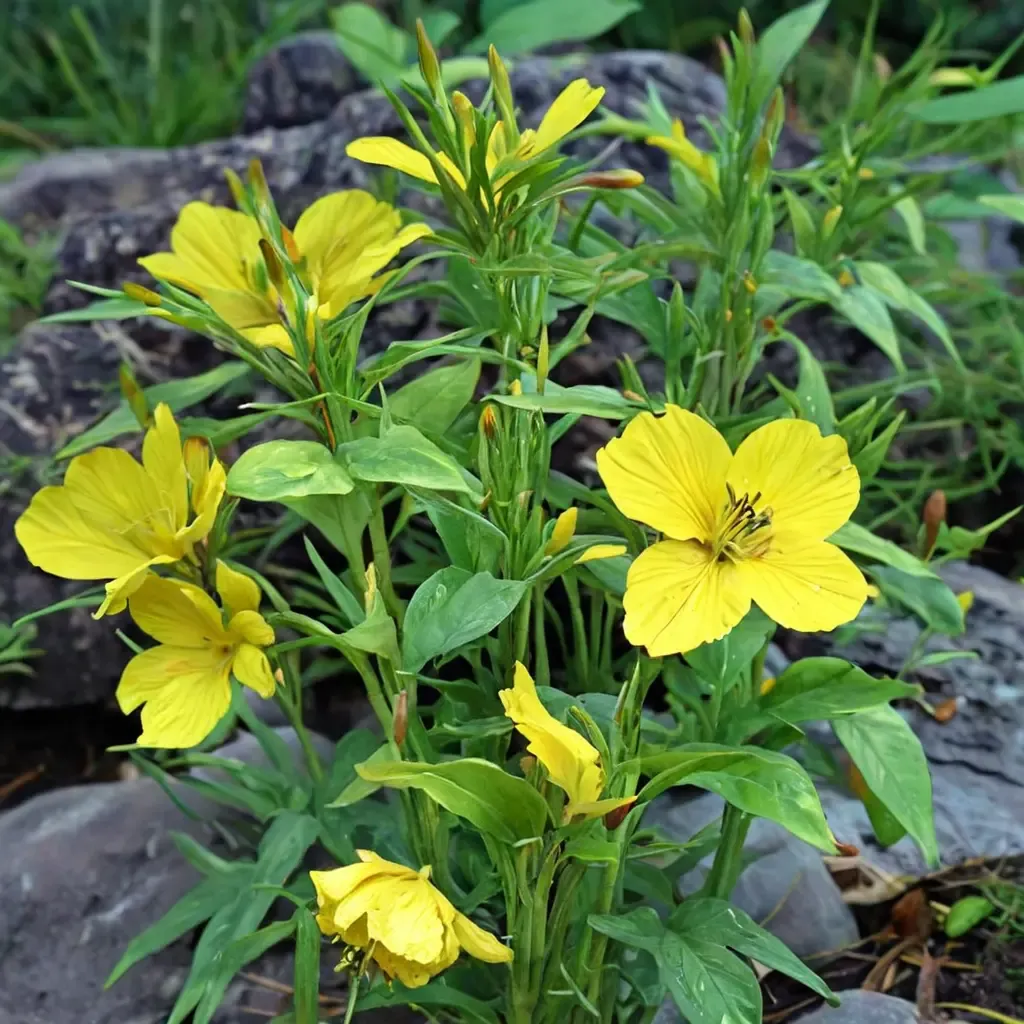
Native Yellow Sundrops
Oenothera fruticosa 'Native Yellow Bellflower'
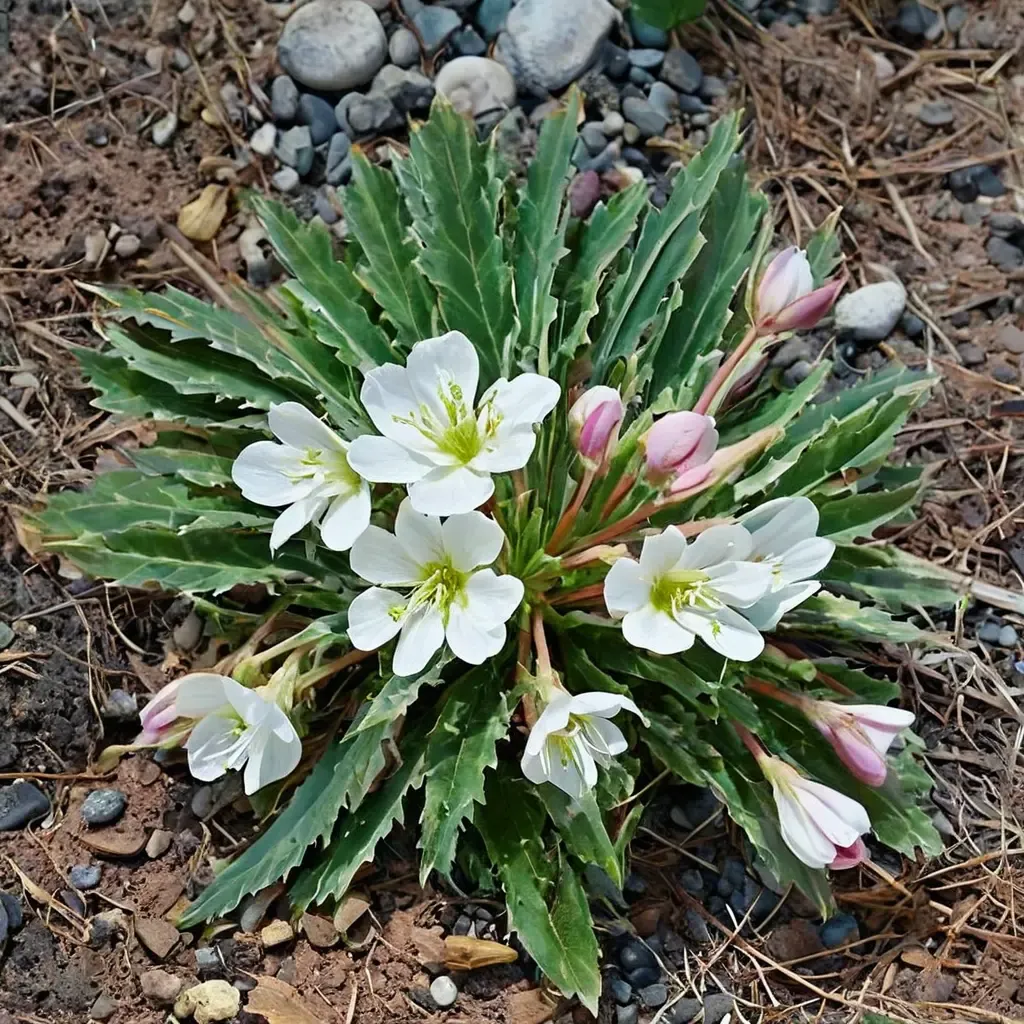
Tufted Evening Primrose
Oenothera caespitosa
Keep exploring
Explore the genus
Hardy in your zone?
Grow California Evening Primrose with confidence
See it in a design of your actual yard, get zone-matched care reminders, and track it season by season in your garden journal.