

The Story
Plant Bio
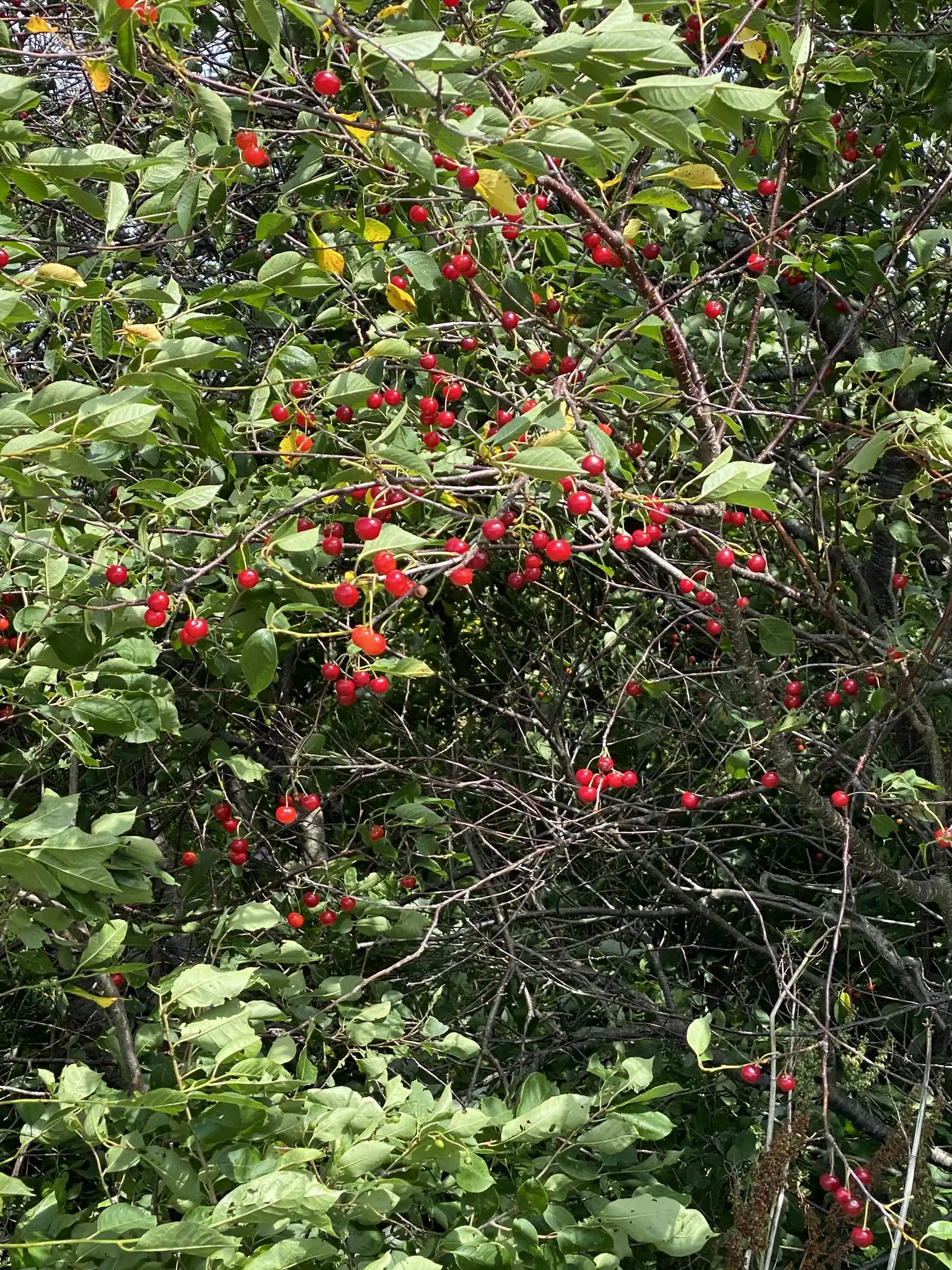
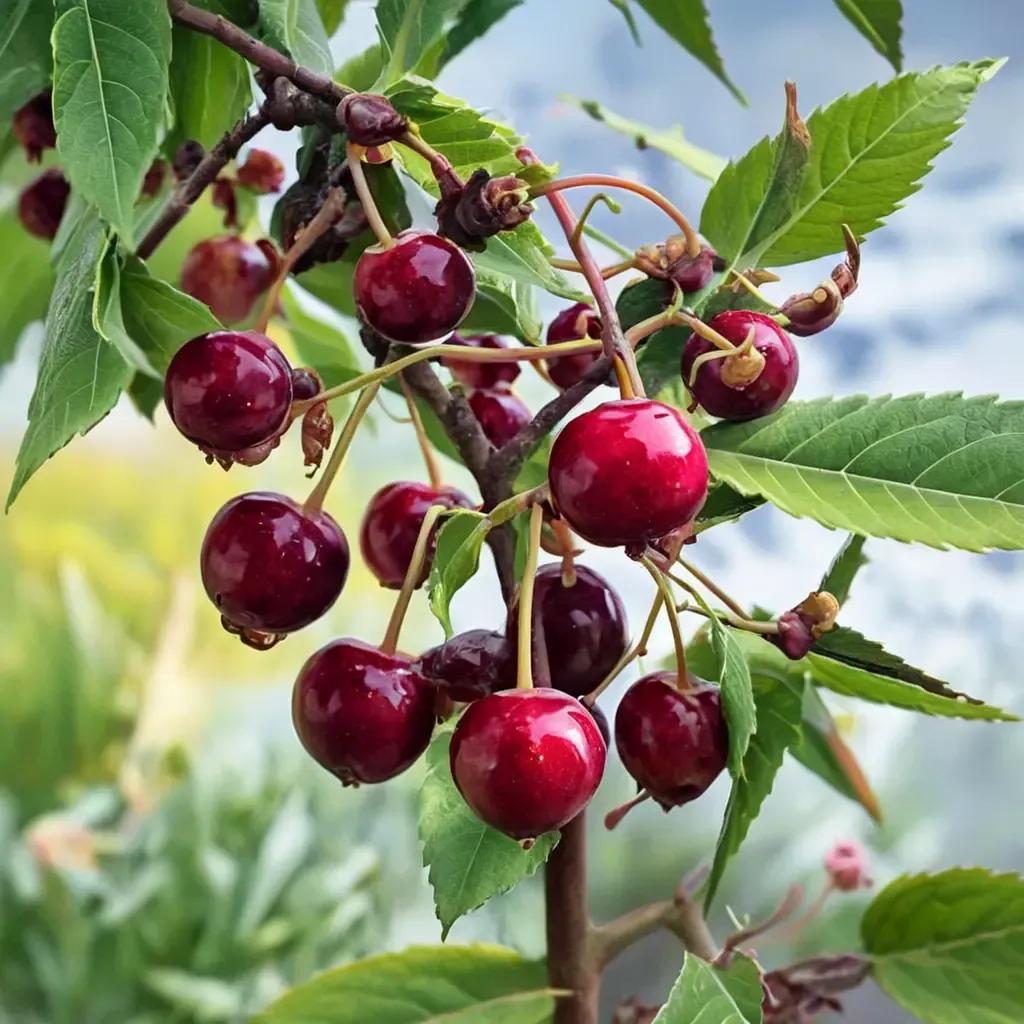
Prunus cerasus, sour or tart cherry, is a small deciduous fruit tree from Europe and southwest Asia, reaching about fifteen to twenty feet and usually smaller in cultivation. Groups of three to five white cup-shaped flowers open in mid spring, glossy serrated leaves follow, and round red drupes with a distinctly sharp flavour ripen in early summer.
Unlike sweet cherries, most sour cherries are self-fertile, so a single tree crops without a partner — that alone makes it the better choice for a small garden. It is also hardier, more disease-tolerant, later to flower and so less often caught by frost. The fruit is too sharp to eat raw for most people and is grown for pies, preserves and drying.
Uses & Benefits:
Essentials
At a Glance
Plant Type
Fruit Vegetable
Height
84"
Width
72"
Light
Full Sun
Zones
4, 5, 6, 7
Water
Moderate
Humidity
Moderate
Lifespan
Perennial
Native To
Europe to southwest Asia
Toxicity
Fruit edible; leaves and kernels contain cyanogenic compounds
Marketplace
Where to Buy
Shipping costs Year-round shipping Free shipping
Planting
How to Grow
- Plant in full sun in freely drained soil.
- Confirm the cultivar is self-fertile; most are.
- Net the tree before the fruit begins to colour.
- Prune only in dry summer weather, never in winter.
- Thin crowded branches to open the centre.
- Remove damaged wood promptly to limit canker.
Pro Tip
Most sour cherries are self-fertile, so one tree crops alone — the pollination partner a sweet cherry demands is not needed here.
Keep It Thriving
Care Guide
Do
- Prune only in dry summer weather ✂️
- Net before the fruit colours 🐦
- Plant it in full sun ☀️
- Keep the trunk free of mower wounds 🛡️
Don't
- Prune it in winter or wet weather ❌
- Let livestock reach wilted prunings ❌
- Expect sweet fruit off the tree ❌
Seasonal Care Calendar
| Task | Jan | Feb | Mar | Apr | May | Jun | Jul | Aug | Sep | Oct | Nov | Dec |
|---|---|---|---|---|---|---|---|---|---|---|---|---|
| Net | ||||||||||||
| Prune |
Watch Out For
Pests & Diseases
Common Pests
Common Diseases
In the Garden
Landscape Uses & Companions
Landscape Uses
Multiply
Propagation Methods
Good to Know
Common Questions
Cherry questions
What zones can Cherry grow in?
Cherry is hardy in USDA Zones 4–7. Inside that range it survives winter in the ground; outside it, grow it as an annual or a container plant you protect.
Is Cherry deer resistant?
Not reliably. Deer may browse Cherry, especially tender spring growth — plan on repellents or fencing where pressure is high.
When does Cherry bloom?
Cherry typically blooms in mid spring through late spring. Exact timing shifts a week or two with your zone — Sow's bloom calendar maps it to your garden.
Does Cherry need full sun?
Cherry does best in full sun (6+ hours).
Is Cherry drought tolerant?
Yes — once established (usually after the first full season), Cherry handles dry spells with minimal watering. Water deeply its first year to build the root system that makes that possible.
More Prunus to compare
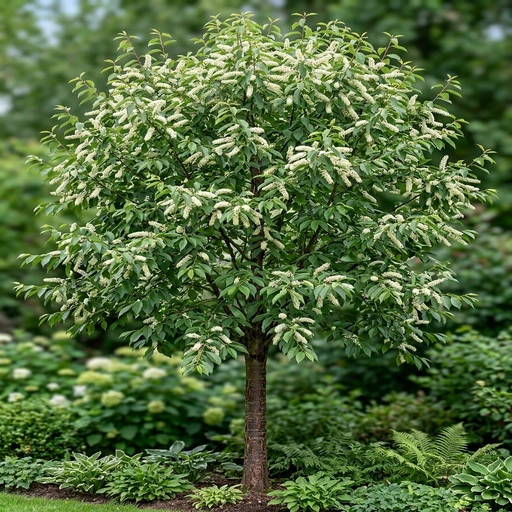
Black Cherry
Prunus serotina
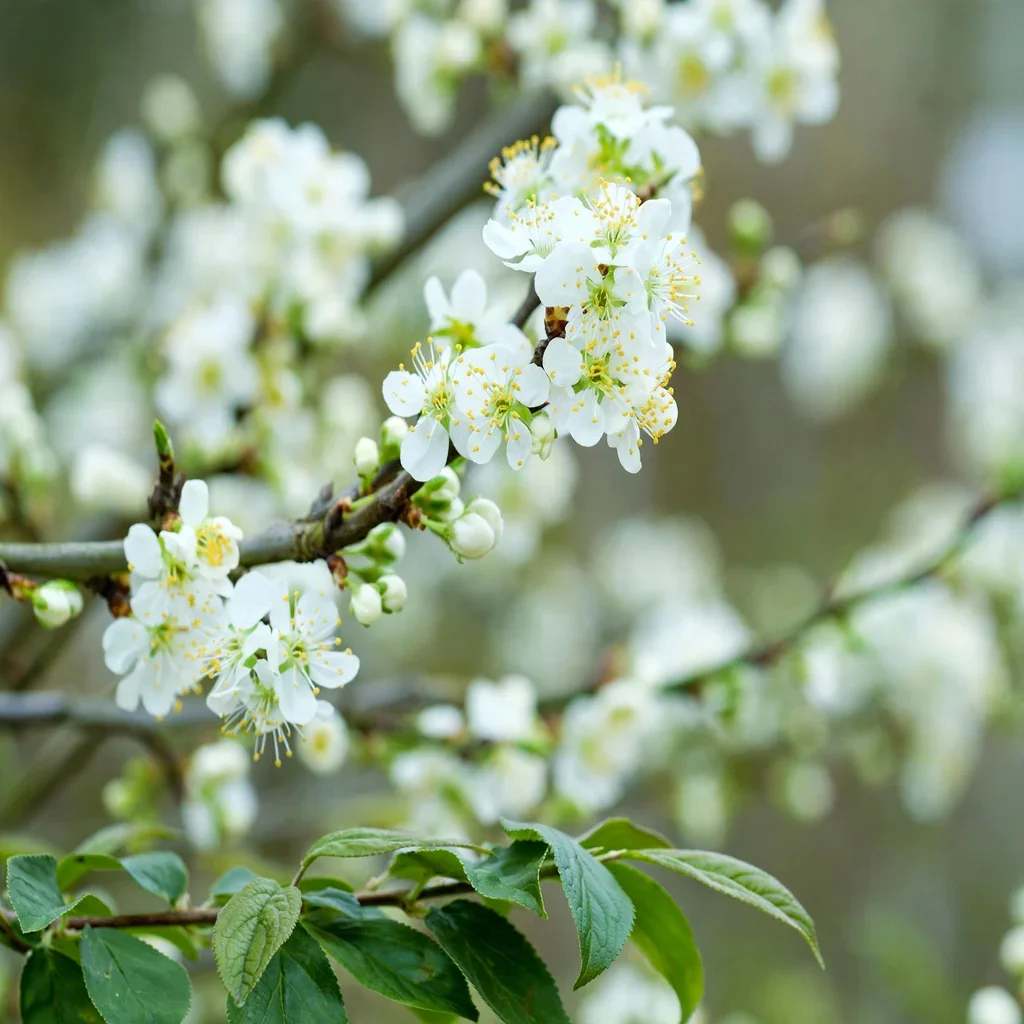
Sugar Plum
Prunus domestica 'Sugar Plum'
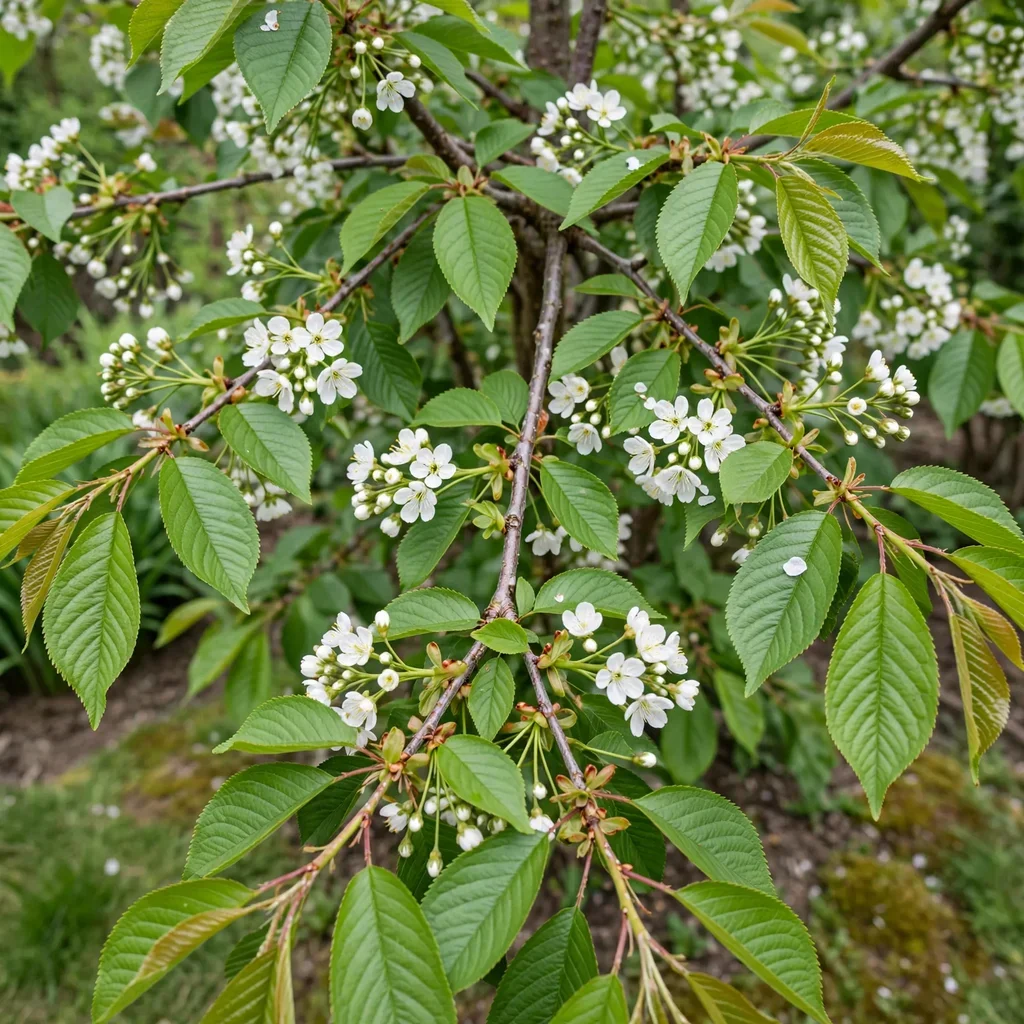
Sweet Cherry
Prunus avium 'Mix'
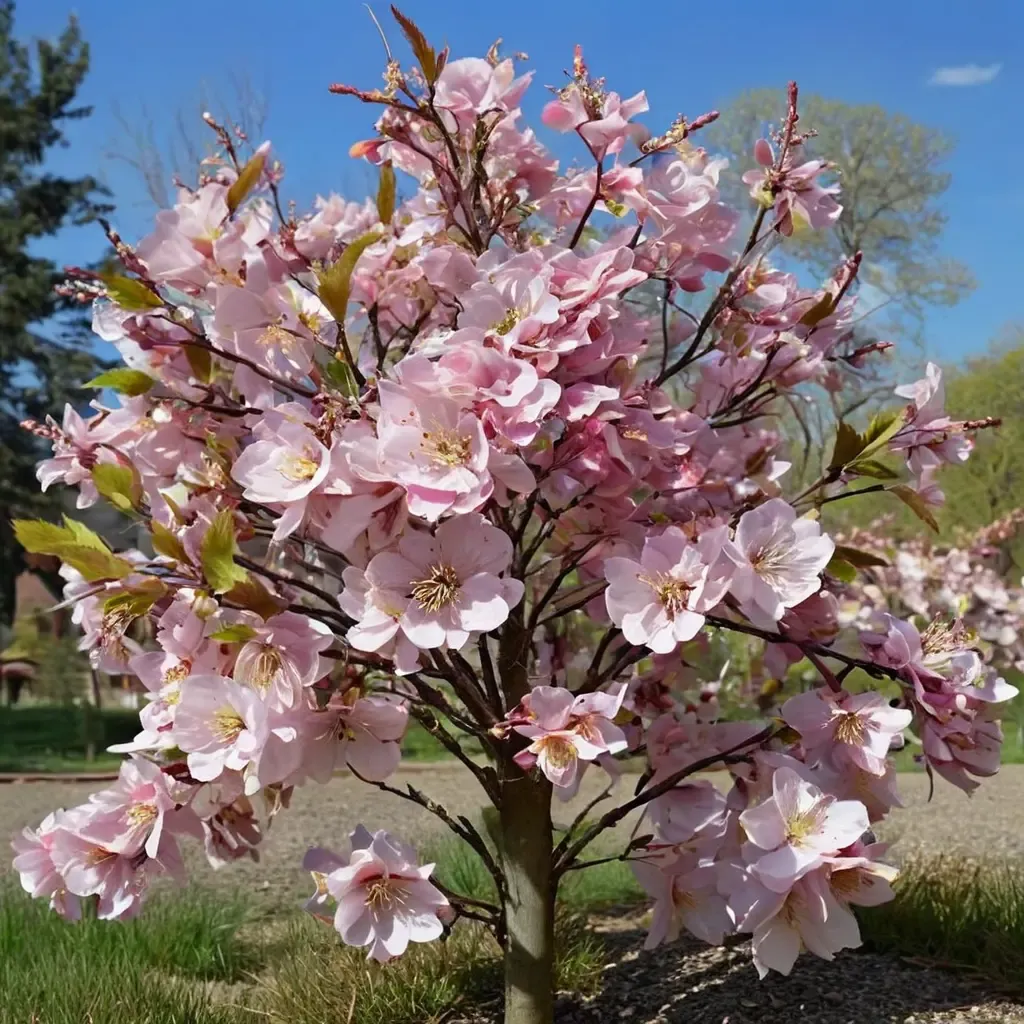
Japanese Flowering Cherry
Prunus serrulata
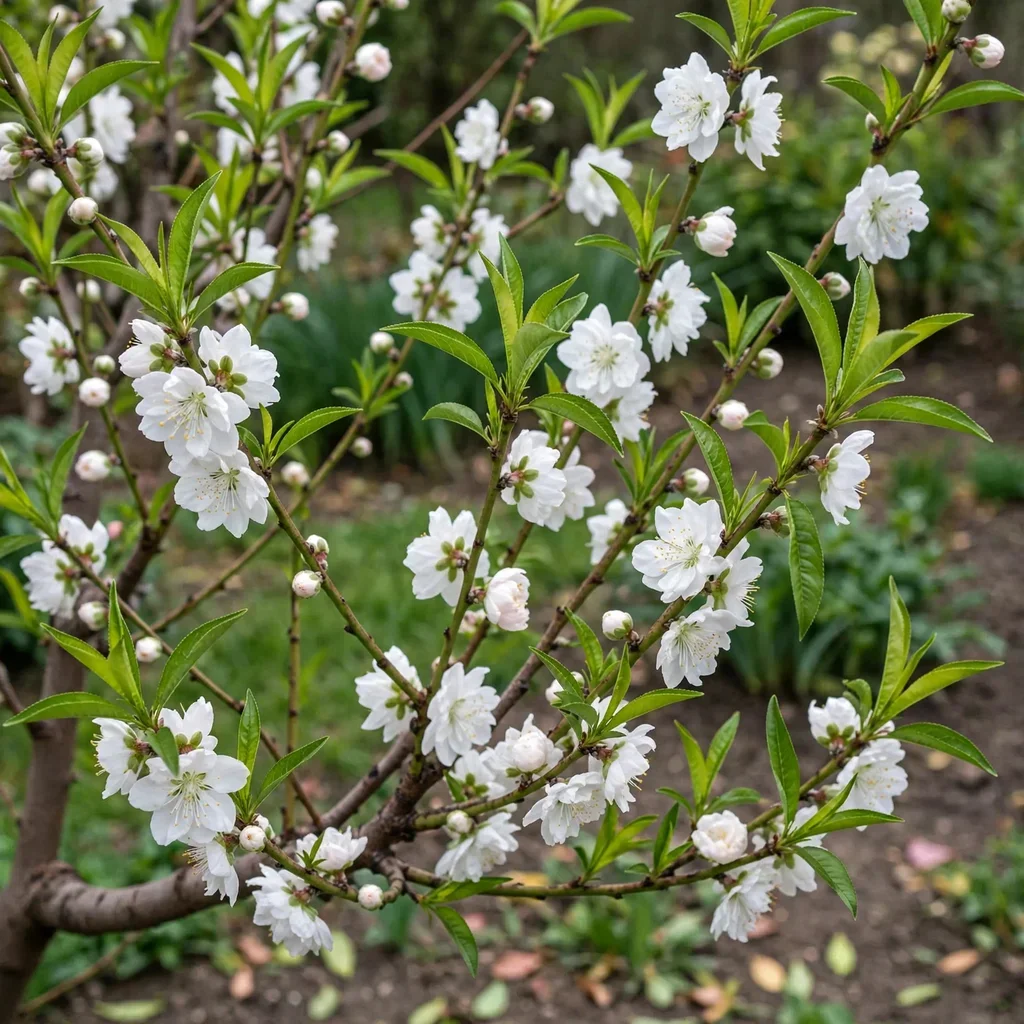
Feiching Tao White Peach
Prunus persica 'Feiching Tao White'
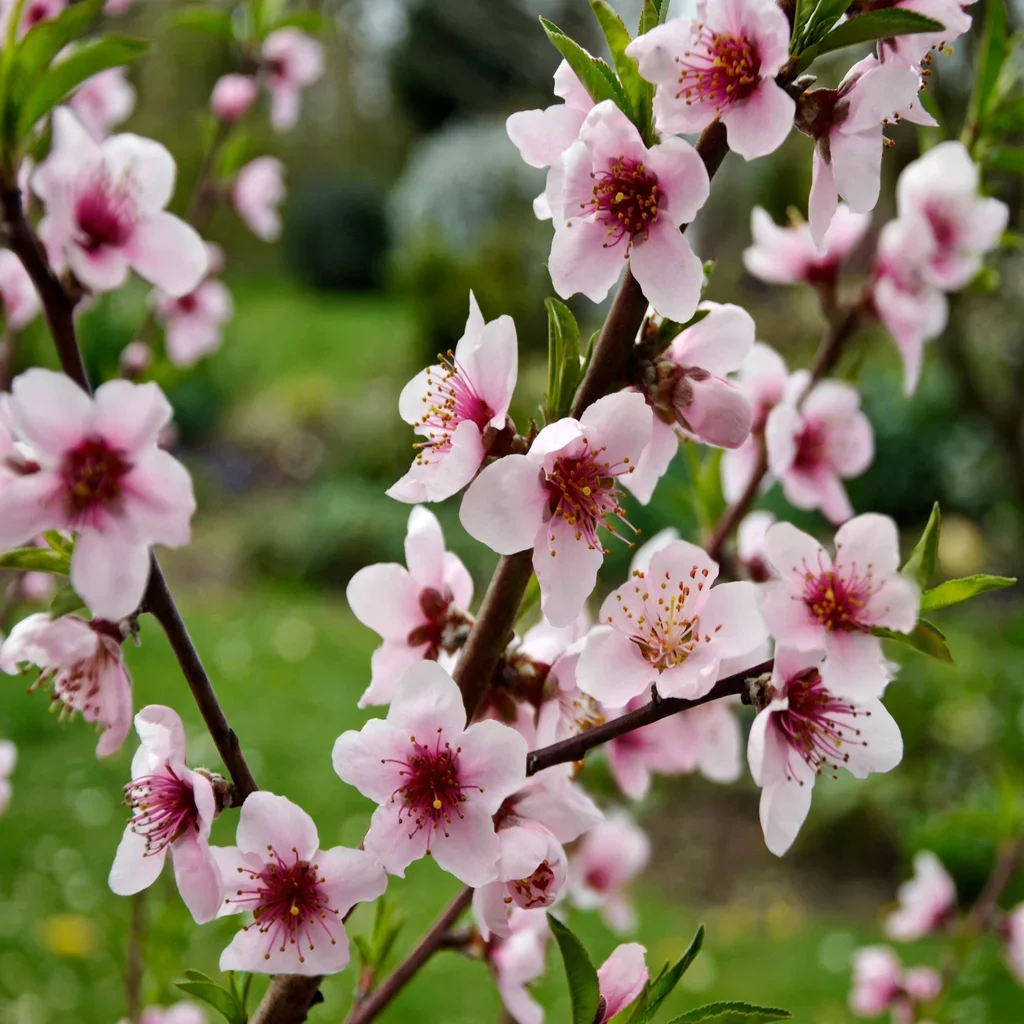
Hale Haven Peach
Prunus persica 'Hale Haven'
Keep exploring
Explore the genus
Hardy in your zone?
Grow Cherry with confidence
See it in a design of your actual yard, get zone-matched care reminders, and track it season by season in your garden journal.