Also known as Rabbitbrush · 2 saves
Ericameria
Ericameria, the genus most gardeners know as rabbitbrush. We track 5 varieties; the ones most used by real gardeners.
The 5 most-saved Ericameria varieties
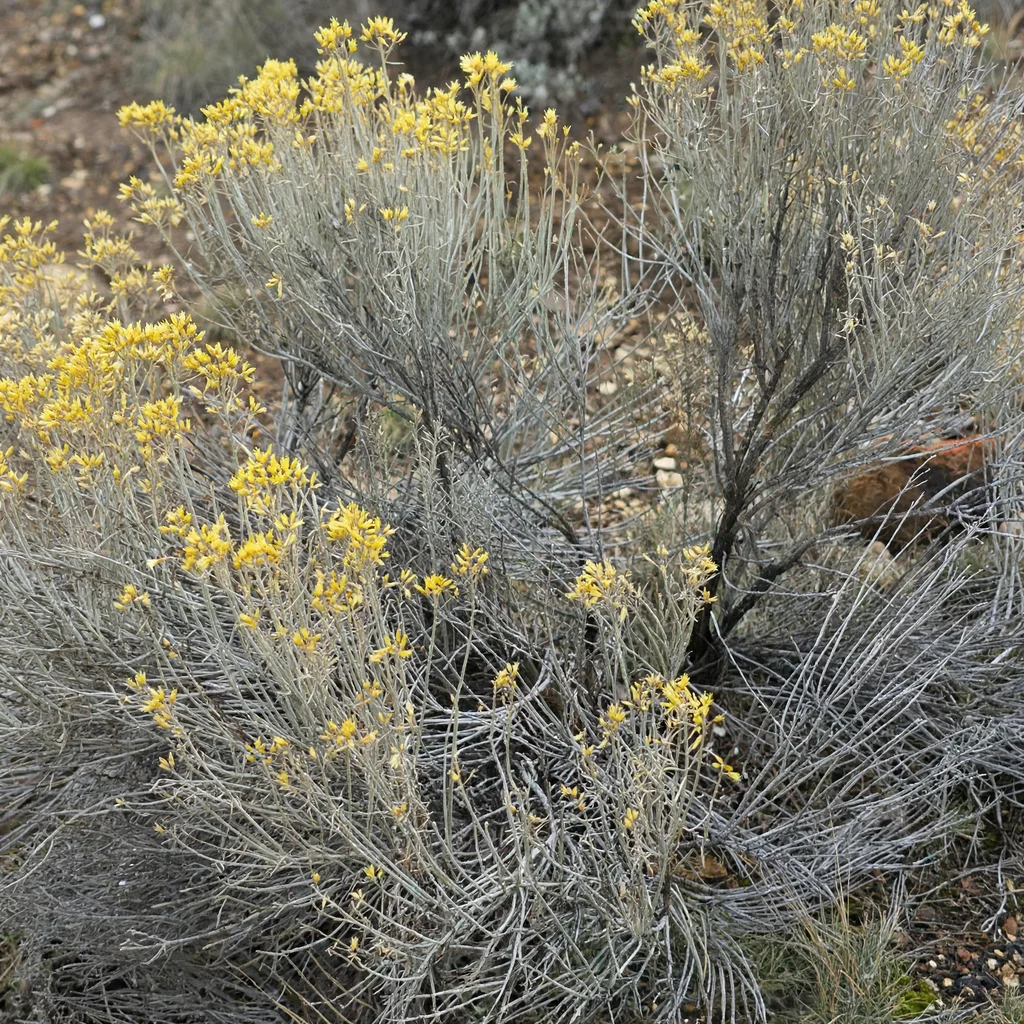
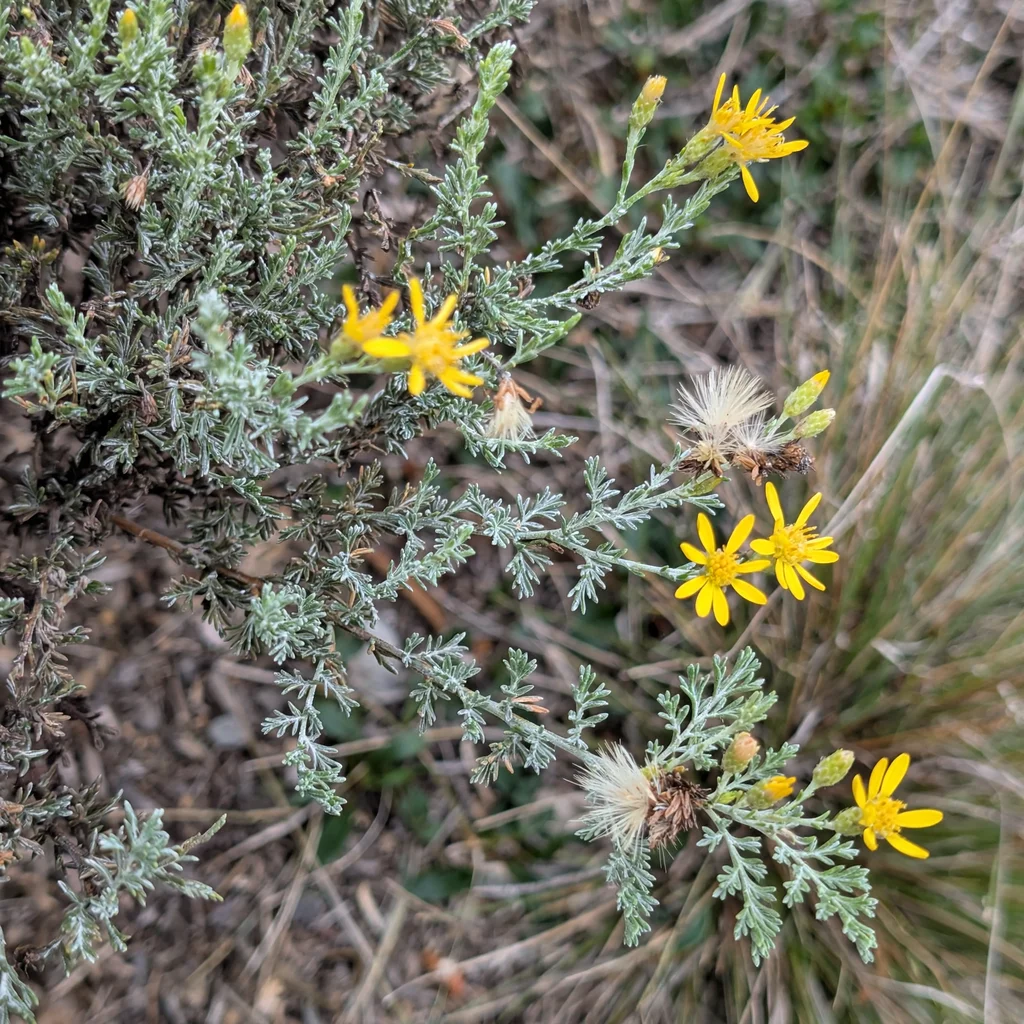
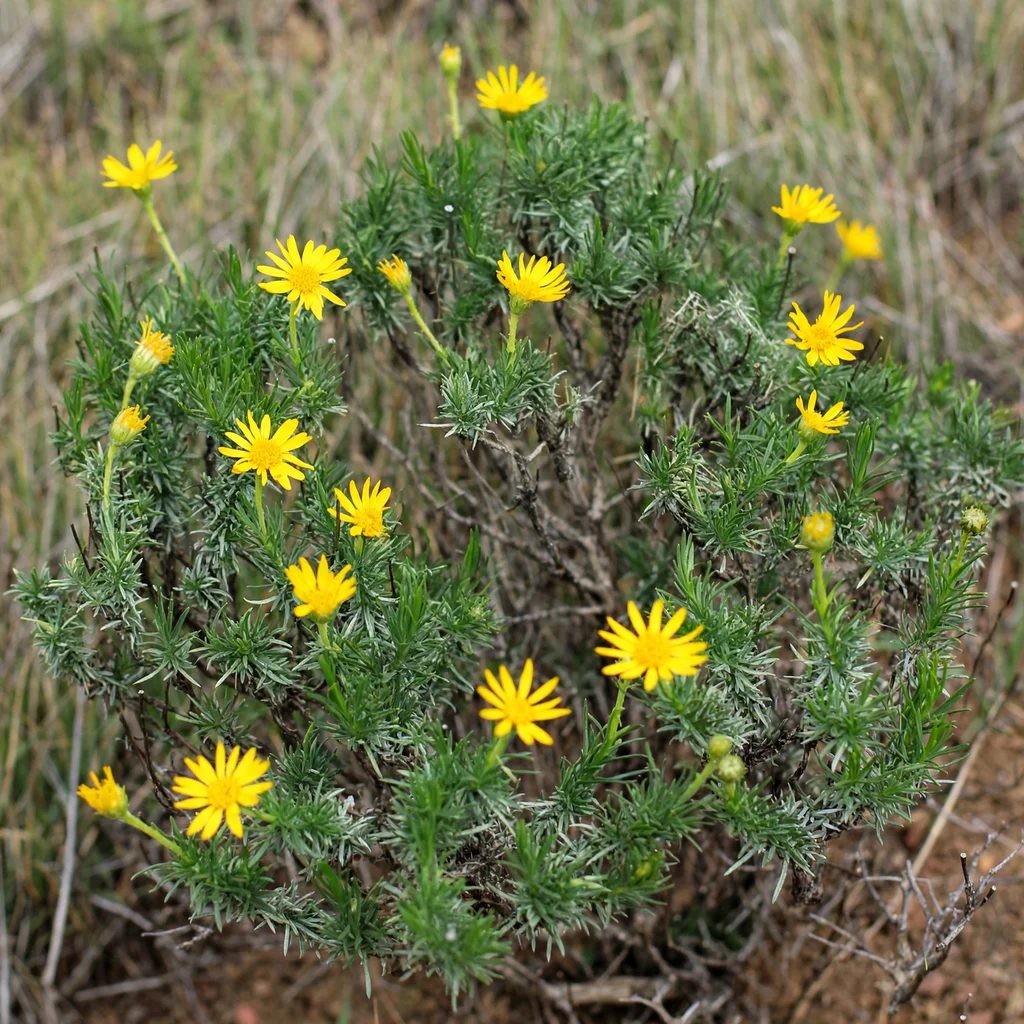
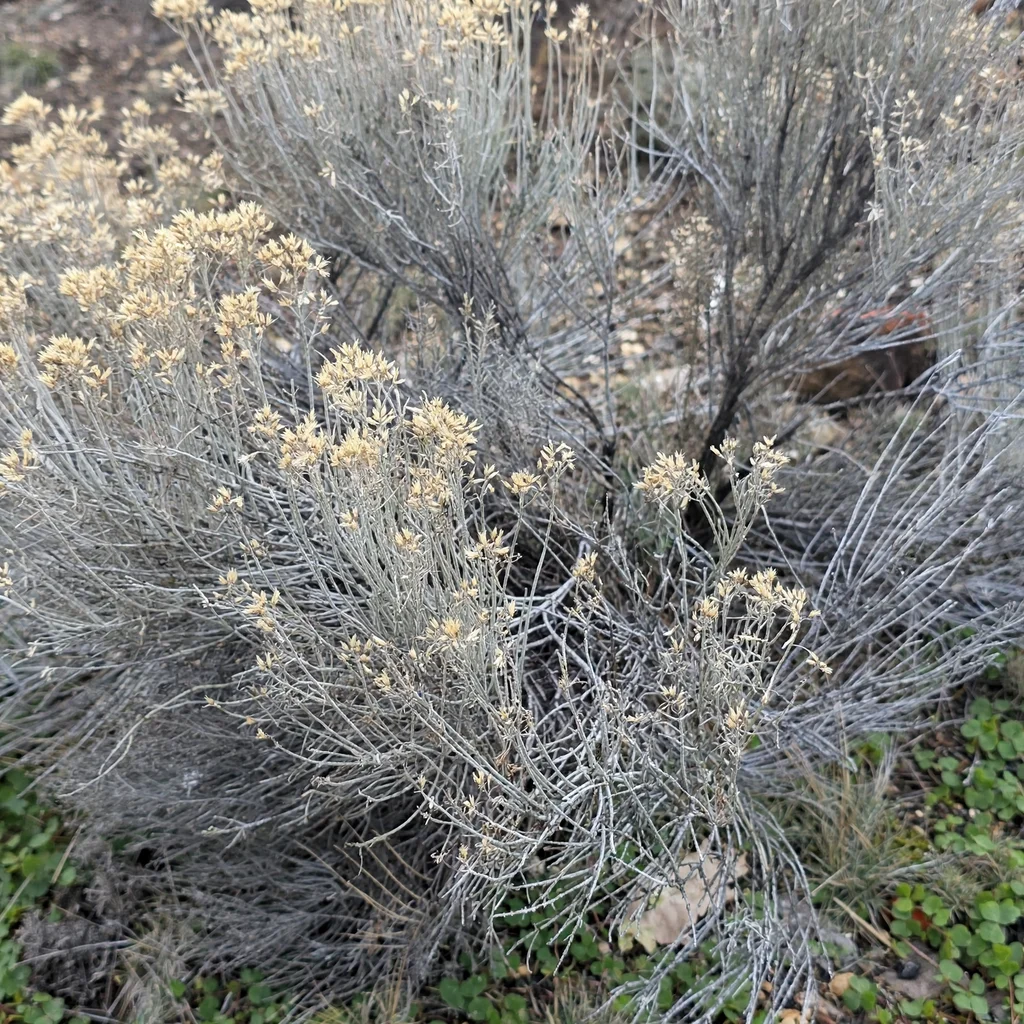
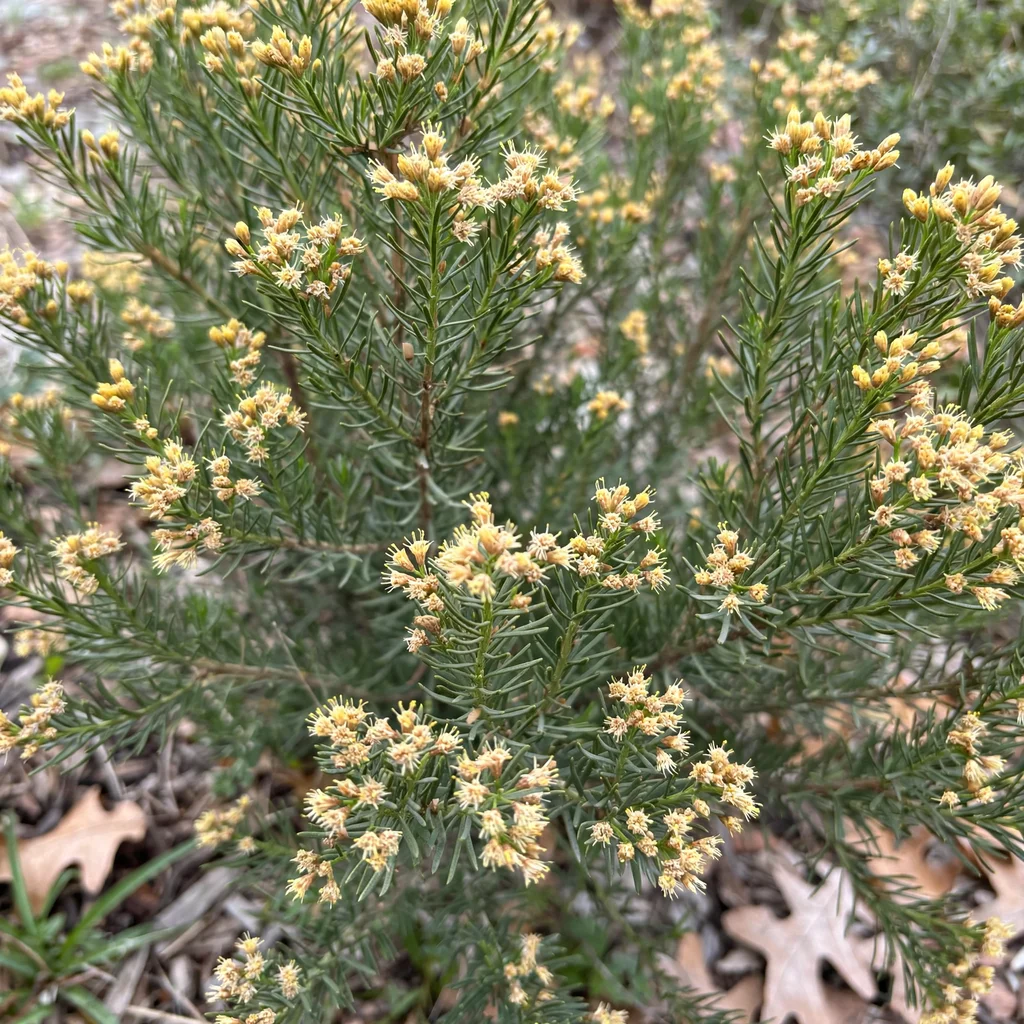
5 species of Ericameria
Each one is a parent of the varieties above.
Track your Ericameria in Sow
Save the Ericameria you grow and get care reminders timed to your zone.
How to grow Ericameria
Whats common across all Ericameria varieties in our catalog — drawn from the care records of the 5 most-grown of them.
The Ericameria year
- PruneFebruary and March100% of varieties
Lightly tip-prune spent flower heads to maintain a dense habit.
- Check for PestsJune and July100% of varieties
Inspect dense internal foliage for spider mites in hot dry weather.
- PlantMarch, April and October60% of varieties
Plant during late fall so winter rains establish roots before dry weather.
- PropagateJune and July60% of varieties
Take semi-hardwood cuttings from firm current-season growth.
- Winter PrepNovember40% of varieties
Ensure soil surrounding the base remains clear of standing rain accumulation.


Do
- Plant in pure sand or fast-draining gritty soil mixtures.
- Provide full sun exposure to maintain compact growth.
- Lightly shear terminal branchlets after flowering ends in late fall.
- Verify the identity of any plant sold under this name.
- Select valid Ericameria species for dry, sunny landscapes.
Avoid
- Do not apply high-nitrogen fertilizers or rich organic compost.
- Do not irrigate established plants during warm summer months.
- Do not prune hard into bare, leafless woody stems.
- Do not purchase plants under this unverified botanical name.
What goes wrong with Ericameria
| Problem | What you'll see | What to do |
|---|---|---|
| Aphids | Soft-bodied insects gathered on young terminal stems causing slight distorted growth. | Rinse off branch tips with a firm jet of water or apply insecticidal soap. |
| Spider mites | Fine webbing and stippled foliage during prolonged hot, dry spells. | Increase airflow and spray foliage with water to dislodge mites. |
| Scale insects | Small, bumpy shells adhering to the woody twigs, causing localized dieback. | Prune out heavily infested twigs or apply horticultural oil during the dormant season. |
| Rabbits | Chewed needle foliage and nipped shoot tips, especially on young plants | Protect new plantings with wire caging; established shrubs usually outgrow light browsing |
| Phytophthora root rot | Rapid foliage yellowing, wilting, and crown collapse. | Ensure fast soil drainage and eliminate warm-weather irrigation. |
| Powdery mildew | White powdery patches on foliage in humid or stagnant conditions. | Site in full sun with unhindered air movement. |
| Root rot | Sudden wilting, yellowing foliage, and branch dieback caused by soggy soil. | Ensure perfect soil drainage and strictly avoid over-watering. |
Making more Ericameria
Seed
- Collect ripe seeds from dry flower heads in late fall.
- Sow seeds directly outdoors in spring or in pots filled with sandy seed-starting mix.
- Press seeds lightly into the soil surface, as they require light to germinate.
- Water sparingly to prevent damping-off as seedlings emerge.
Semi-hardwood cuttings
- Take 3- to 4-inch cuttings of firm, current-season shoot tips in summer.
- Strip lower leaves to expose axillary nodes along the stem base.
- Insert cuttings into a gritty mixture of perlite and coarse sand.
- Keep under light shade in a cold frame with moderate humidity until rooted.
Ericameria questions
How many types of Ericameria are there?
The Sow catalog tracks 5 distinct Ericameria varieties. The most popular — ranked by 2 real gardeners — are shown first above.
What zones does Ericameria grow in?
Across its varieties, Ericameria covers USDA Zones 4–10. Individual varieties differ — each plant page lists its exact range, and Sow filters the catalog to your zone automatically.
When does Ericameria bloom?
Most Ericameria varieties bloom from summer to fall.
Which Ericameria should I choose?
Start from the most-saved varieties above — popularity across thousands of gardens is a strong signal of reliability — then filter by your zone and sun. In the Sow app you can preview any of them in a photo of your actual yard before you buy.