The Story
Plant Bio
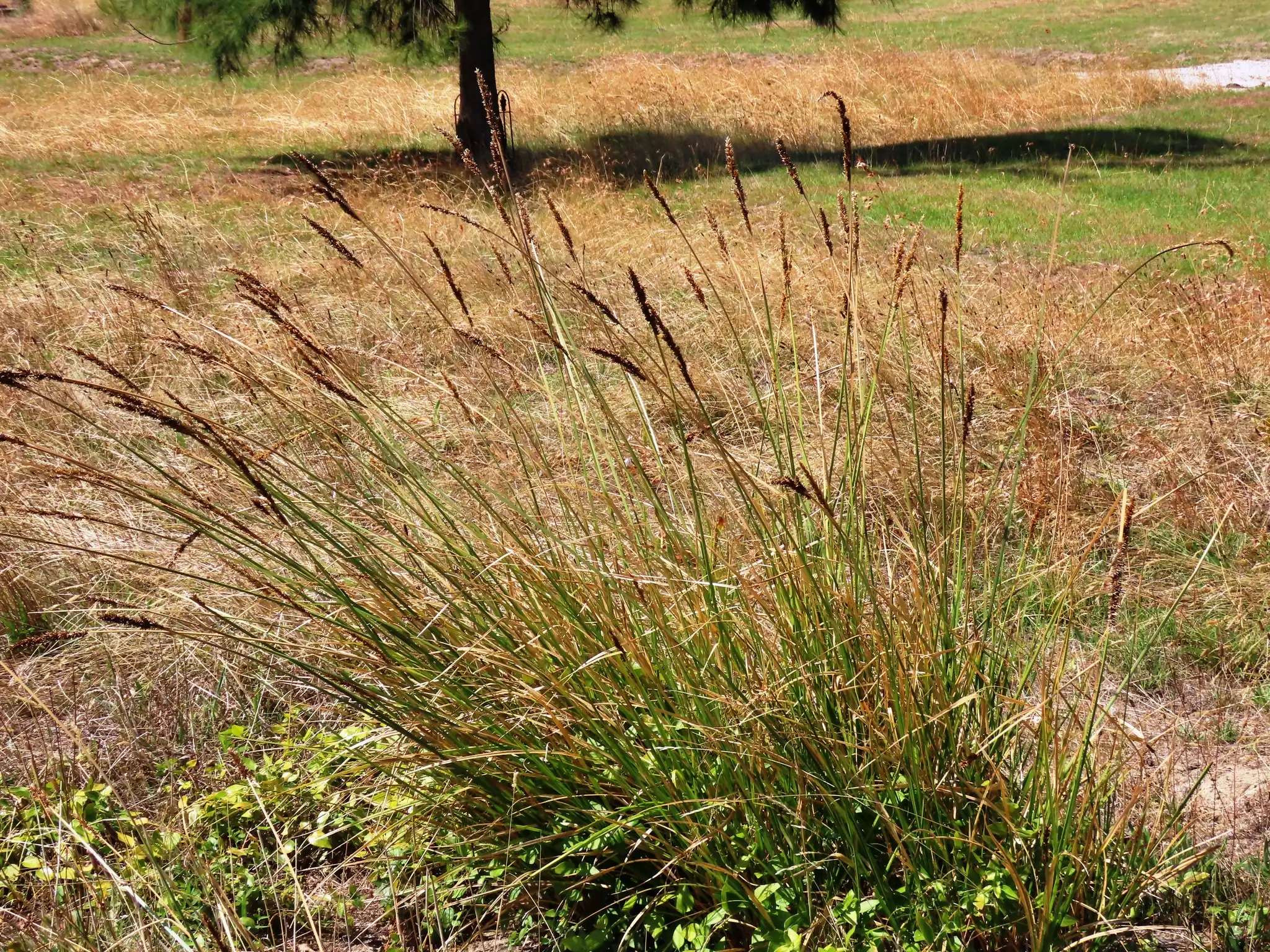
Carex appressa, commonly known as tall sedge, is a robust, densely tufted perennial sedge native to Australia and the South-West Pacific that forms upright to arching clumps of stiff, narrow foliage. The plant spreads slowly via short underground rhizomes and thrives in consistently wet, seasonally waterlogged, or average moist soils.
The bright lime-green leaves mature to a rich dark green and feature highly scabrid, razor-sharp margins capable of cutting unprotected skin. In spring and summer, it produces erect, stiff, elongated panicles of crowded, light brown to dark brown flower spikes held above the foliage.
Uses & Benefits:
Essentials
At a Glance
Plant Type
Grass
Height
48"
Width
39"
Light
Full Sun, Partial Sun
Zones
8, 9, 10
Water
High
Humidity
High
Lifespan
Perennial
Native To
Australia, New Guinea, New Zealand, South-West Pacific
Toxicity
Non-toxic (sharp leaves can scratch)
Bloom period
Spring – Summer
In flower about 6 months of the year
Planting
How to Grow
- Select a site in full sun to partial shade with moist loam, clay, or wet alluvial soil.
- Plant divisions or potted starts at the same depth they were growing in their containers, spacing them three feet apart.
- Water regularly during the first growing season to establish a deep, resilient root system.
- Wear thick leather gloves when handling the plant to protect hands from the sharp, serrated leaf margins.
Pro Tip
Cut the entire clump back hard to four to six inches above the ground every one to two years in late winter to clear out dead thatch; avoid cutting below the crown into the woody base where there are no active buds.
Keep It Thriving
Care Guide
Do
- Wear heavy gloves and long sleeves whenever pruning or dividing the foliage.
- Cut the clump back to four inches above the ground in late winter to rejuvenate growth.
- Grow in wet areas, rain gardens, or bioswales where soil remains consistently damp.
Don't
- Do not scalp the plant below the crown level or cut into the dead woody base.
- Do not plant bare-handed near high-traffic pathways where passersby might brush against the sharp leaves.
- Do not over-fertilize, as this species thrives naturally in nutrient-poor to moderate soils.
Seasonal Care Calendar
| Task | Jan | Feb | Mar | Apr | May | Jun | Jul | Aug | Sep | Oct | Nov | Dec |
|---|---|---|---|---|---|---|---|---|---|---|---|---|
| Divide | ||||||||||||
| Fertilize | ||||||||||||
| Pest Check | ||||||||||||
| Prune |
Watch Out For
Pests & Diseases
Common Pests
Common Diseases
In the Garden
Landscape Uses & Companions
Landscape Uses
Companion Plants
Multiply
Propagation Methods
Good to Know
Common Questions
Tall Sedge questions
What zones can Tall Sedge grow in?
Tall Sedge is hardy in USDA Zones 8–10. Inside that range it survives winter in the ground; outside it, grow it as an annual or a container plant you protect.
Is Tall Sedge deer resistant?
Yes — Tall Sedge is rated deer-resistant. Deer typically pass it over, though extreme hunger can override any plant's defenses.
When does Tall Sedge bloom?
Tall Sedge typically blooms in spring through summer. Exact timing shifts a week or two with your zone — Sow's bloom calendar maps it to your garden.
Does Tall Sedge need full sun?
Tall Sedge does best in full sun to part shade. In hot climates, afternoon shade keeps blooms fresher longer.
Is Tall Sedge drought tolerant?
Yes — once established (usually after the first full season), Tall Sedge handles dry spells with minimal watering. Water deeply its first year to build the root system that makes that possible.
More Carex to compare
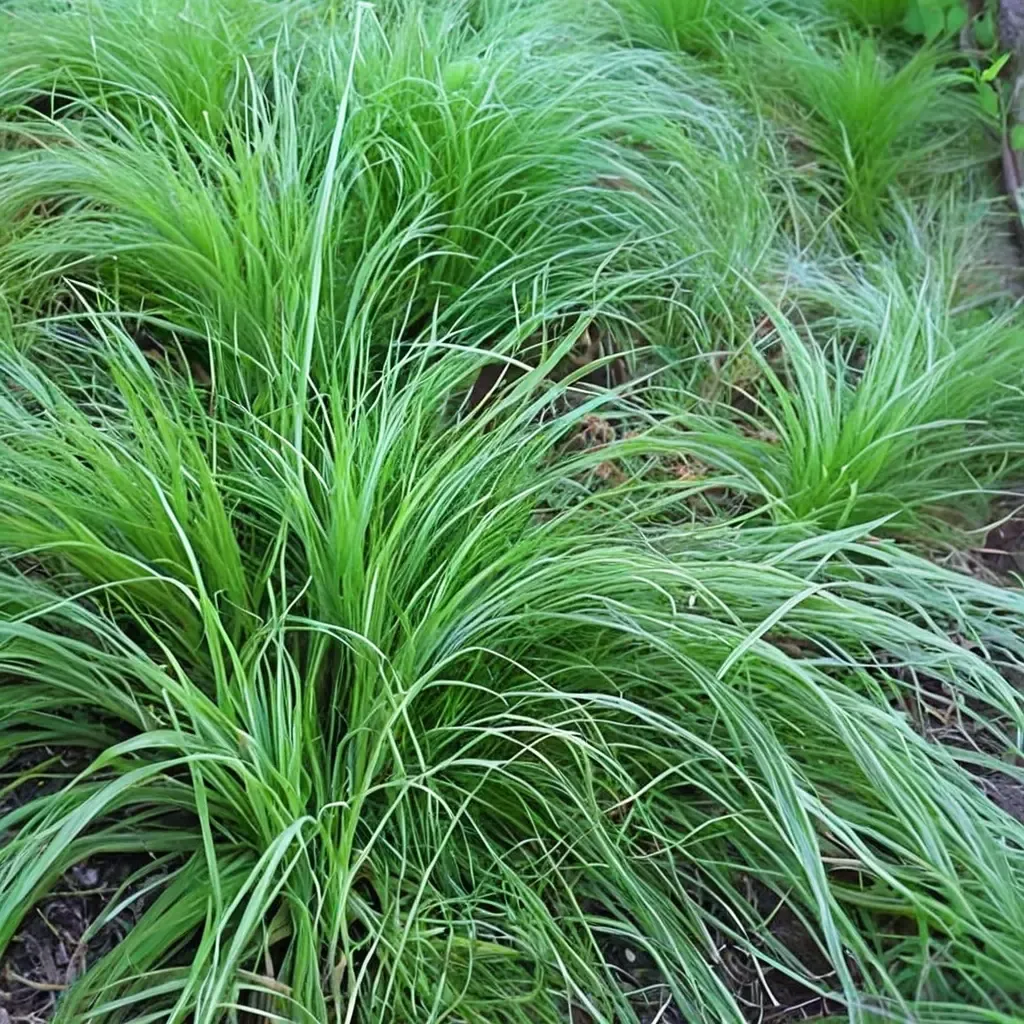
Pennsylvania Sedge
Carex pensylvanica
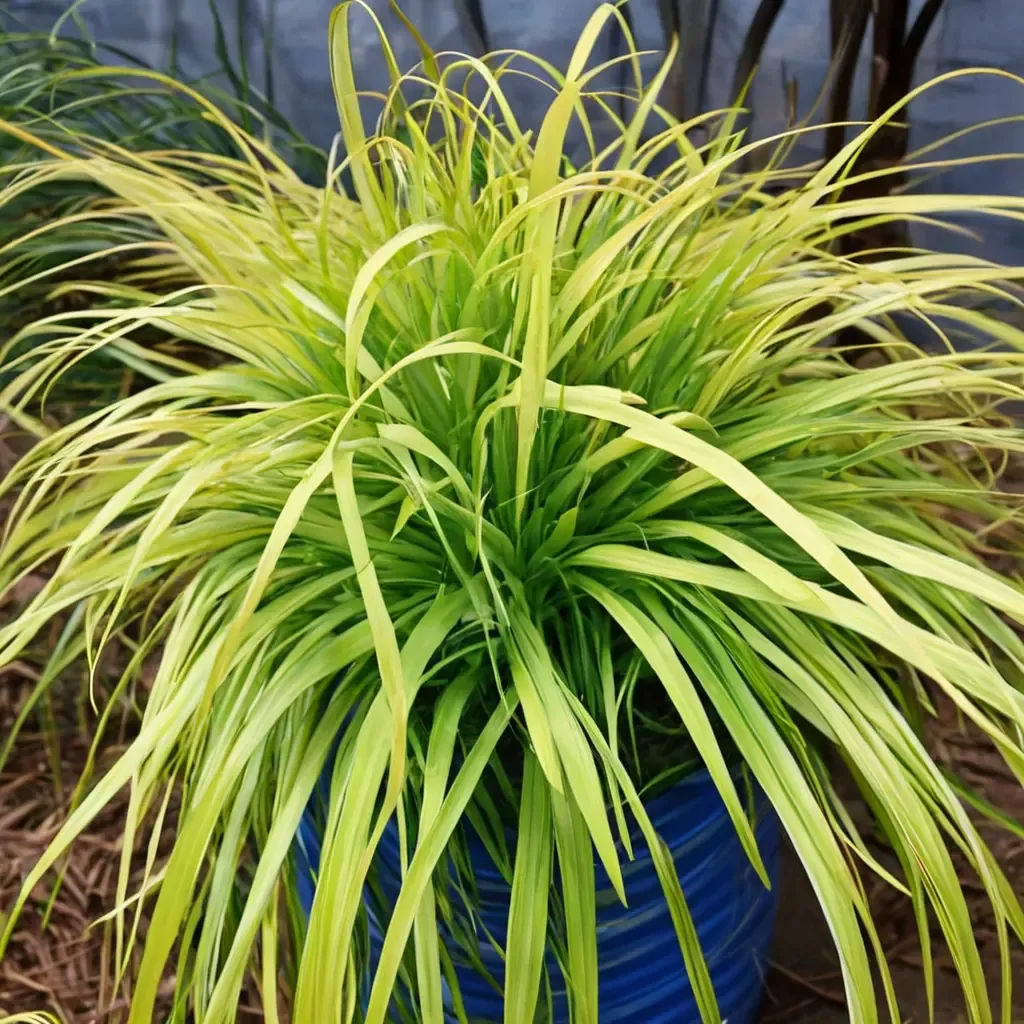
Everillo Sedge
Carex oshimensis 'Everillo'
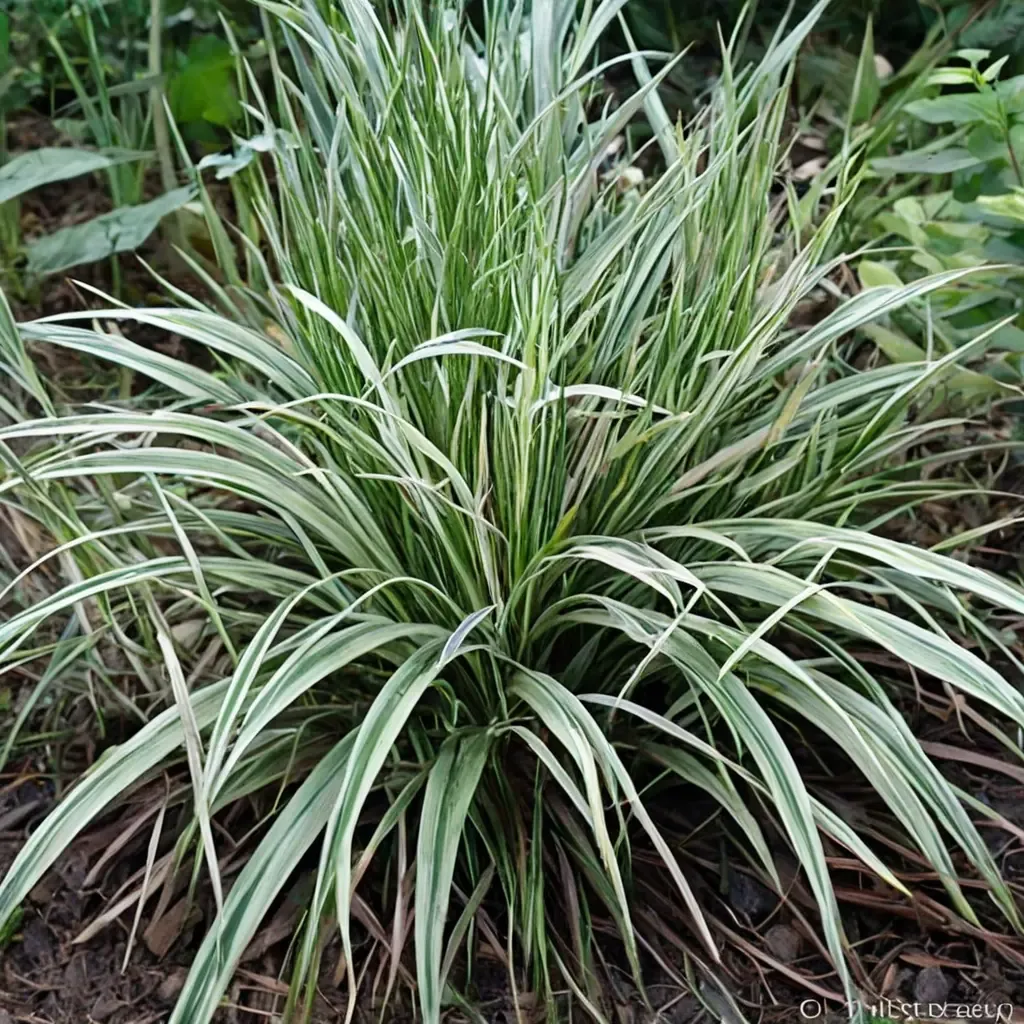
Japanese Sedge
Carex morrowii
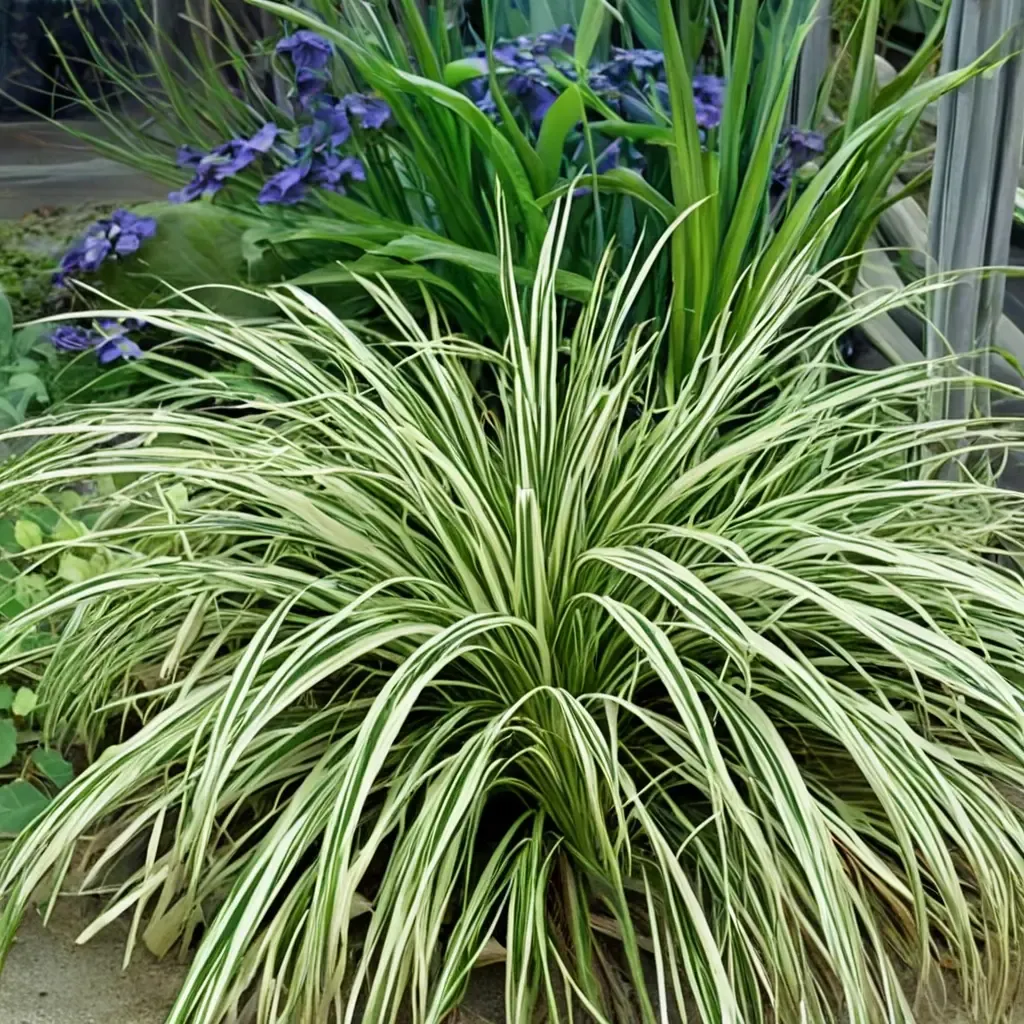
Evergold Japanese Sedge
Carex oshimensis 'Evergold'
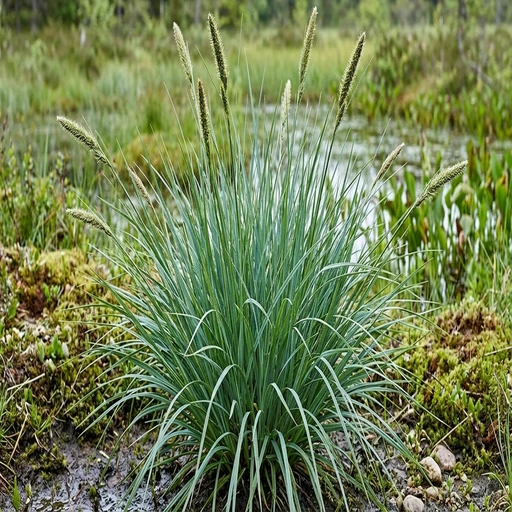
Comosa Sedge
Carex comosa
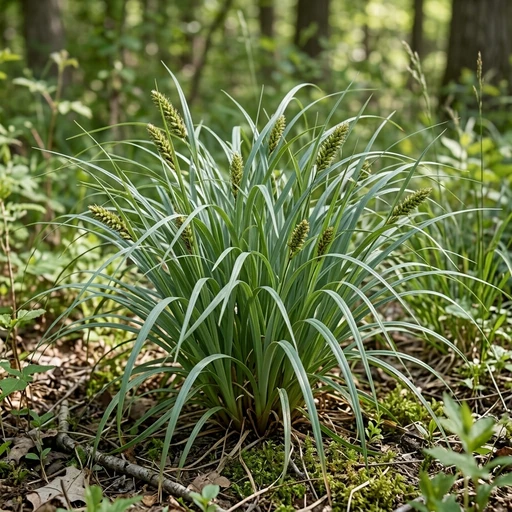
Shortbeak Sedge
Carex brevior
Keep exploring
Explore the genus
Hardy in your zone?
Grow Tall Sedge with confidence
See it in a design of your actual yard, get zone-matched care reminders, and track it season by season in your garden journal.